Author: Ramsey Makhlouf

Ramsey Makhlouf has been around cars for as long as he can remember - starting at around ten years old, turning wrenches and screwdrivers alongside his father on the family cars. That early hands-on experience sparked a lifelong passion that has shaped his entire career. At sixteen, with a new California Driver’s License in his pocket, Ramsey saved up enough money to buy a 1963 Volkswagen Beetle that didn't start. It was a bargain. He had it started and running in short order. His first after-school job was at a local Volkswagen specialty parts store. With the money he earned there, he bought the necessary parts and fully restored that ’63 Beetle. Ramsey's love for Volkswagens led him into the Parts Department at a Volkswagen dealership while he was still in high school. After graduating, he continued with the dealership full time now, expanding his experience as a Service Advisor, a Car Salesman, and eventually moving into management positions at that dealership and others within the same auto group. Ramsey eventually left the dealership world to carve his own path - owning and operating independent auto repair shops, since 2014, where he could bring his knowledge, automotive and customer-service skills, and passion directly to the community. Throughout his life, Ramsey has personally restored several classic Volkswagens and a 1963 Corvette. His current personal restoration project is another American classic: a 1968 Big Block Corvette. His lifelong dedication to the automotive world continues to drive him as strongly today as it did when he first picked up those tools with his father.
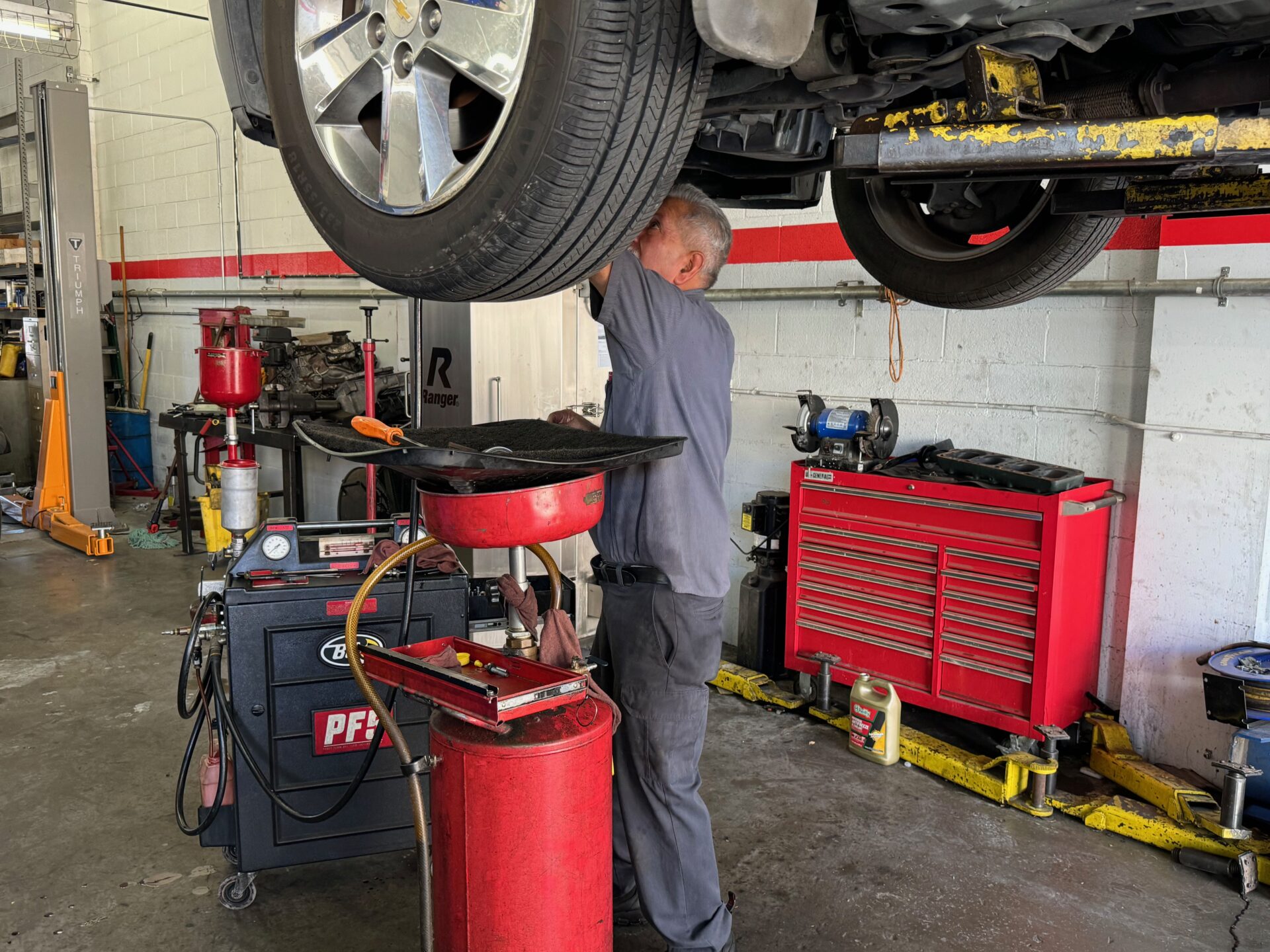
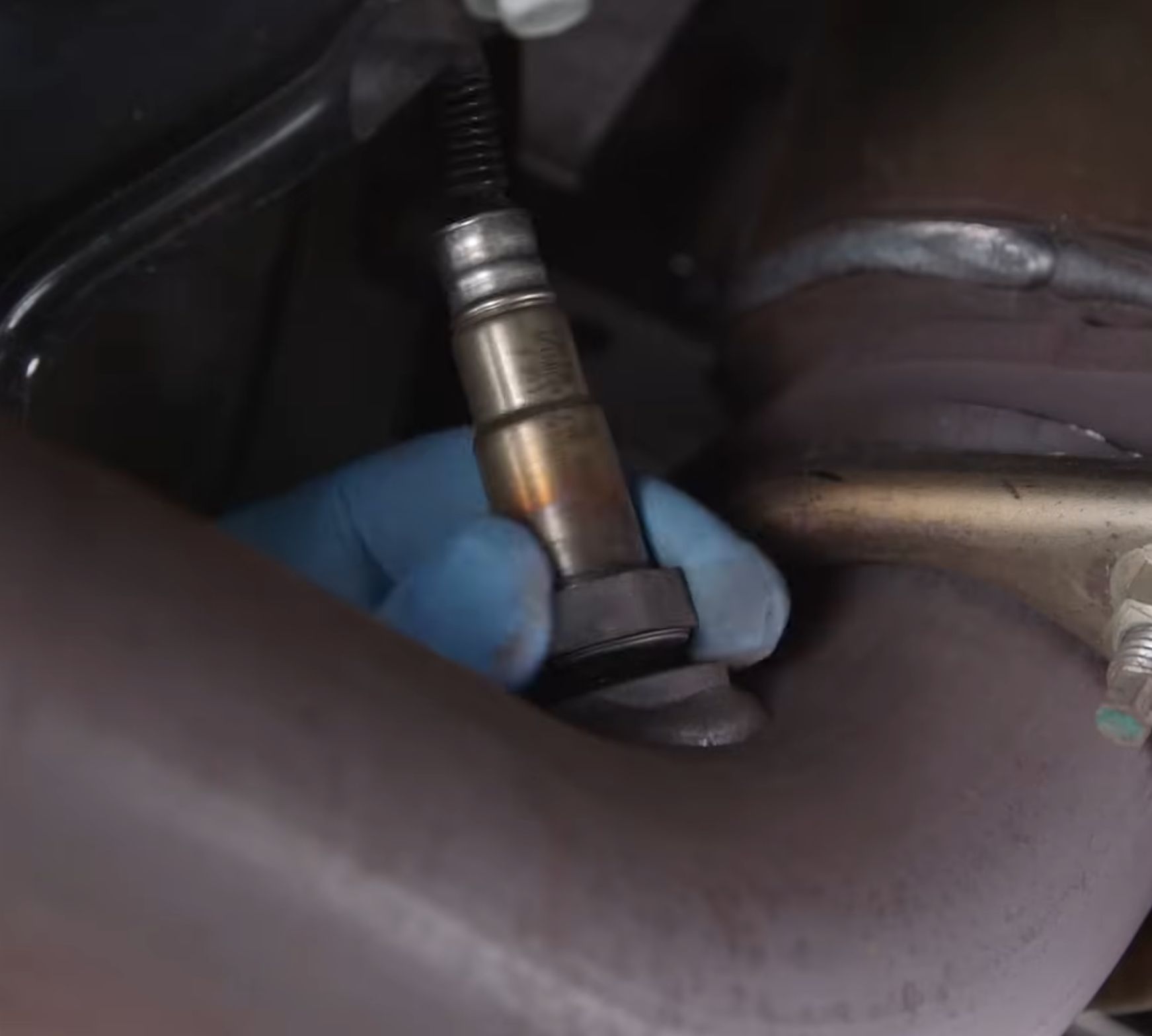
An Automotive Technician replacing an Oxygen Sensor.

Oxygen Sensor Failure: Signs and Solutions

Understanding Oxygen Sensors: How They Work, Why They Fail, and What Drivers Should Do

Oxygen sensors play a big role in every modern vehicle. Although these small parts seem simple, they guide the engine’s entire fuel system. Because of that, they help the engine run clean and strong. However, they can wear out. When that happens, the engine will not run as it should.

This guide explains how oxygen sensors work, why they fail, what symptoms drivers should watch for, and what actions they can take.

How an Oxygen Sensor Works

First, the oxygen sensor sits inside the exhaust stream. It watches how much oxygen leaves the engine. Then it sends data to the engine computer. As the computer reads this signal, it adjusts fuel levels. Because of this fast adjustment, the engine burns fuel with better balance.

Also, the sensor helps control emissions. Since the sensor reacts many times each second, it helps reduce harmful gases. But the sensor can only do this job when it stays clean and responsive.

Illustration of Upstream and Downstream Oxygen Sensors mounted on each end of a Catalytic Converter.

Why Oxygen Sensors Fail

Over time, heat breaks down the inside parts of the sensor. Additionally, fluid leaks – such as oil, coolant, and fuel additives – can coat and damage the sensor. Once that happens, the sensor can’t read oxygen levels correctly.

Furthermore, wires can break or corrode. When that happens, the sensor signal becomes weak or lost. Although these failures look different, they all lead to the same result. The engine runs with poor balance.

Because exhaust temperatures stay high, sensors wear out faster on vehicles with many miles. Also, short daily trips don’t allow time for moisture to burn off in the exhaust, which damages the sensor over time.

Common Symptoms of Oxygen Sensor Failure

Drivers will notice several signs when their oxygen sensor stops working. Below are the most common symptoms.

Check Engine Light
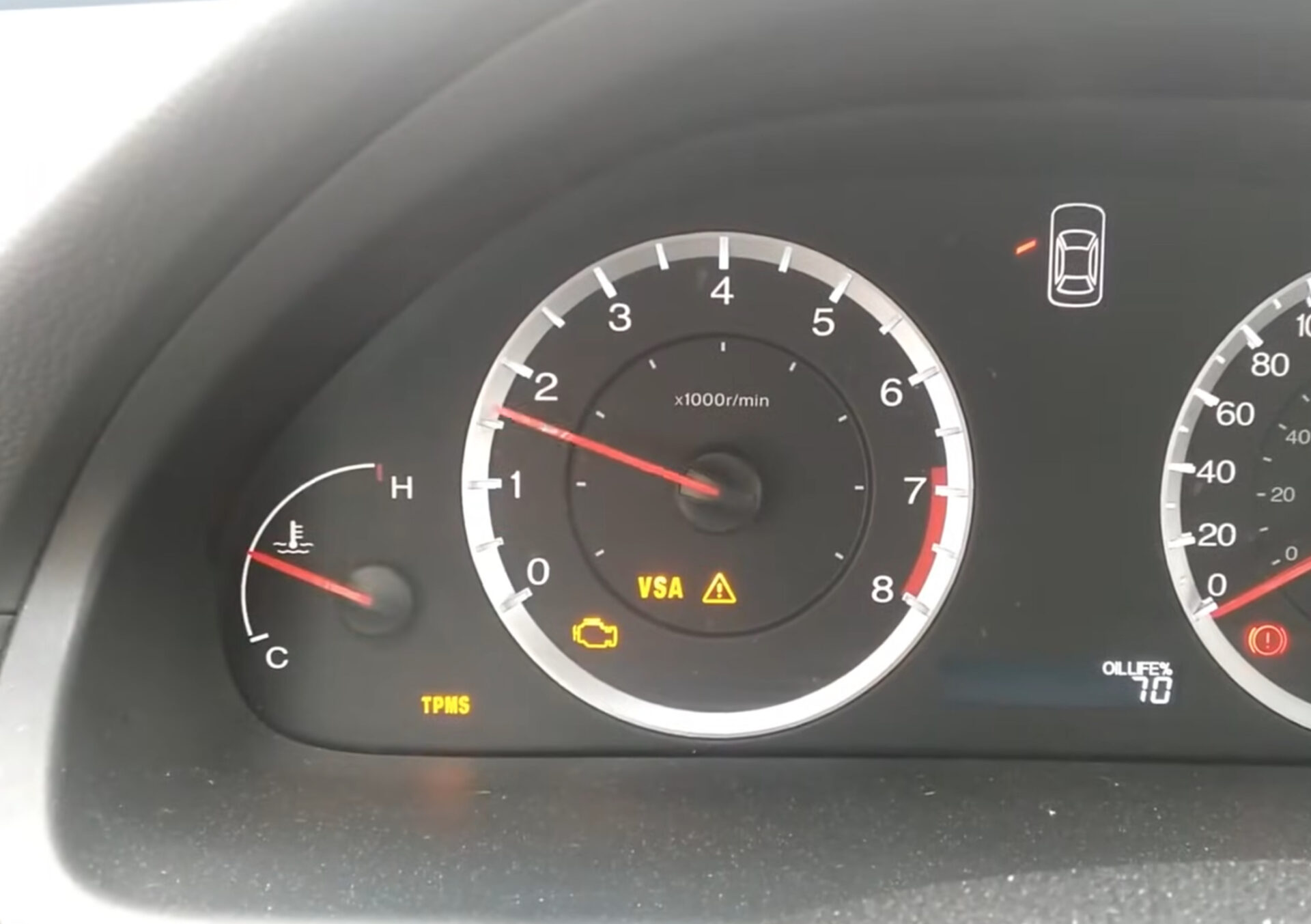
Vehicle's instrumentation with the Check Engine Light illuminated.

Often, the first sign you’ll receive is an illuminated check engine light. While many issues can turn this light on, oxygen sensor problems appear very often. After the light comes on, the engine computer stores a trouble code. Because of this stored code, a technician can find the exact fault.

Poor Fuel Economy

Next, a failing oxygen sensor hurts fuel economy. When the sensor cannot give accurate data, the computer sends too much or too little fuel. As a result, the engine doesn’t burn fuel as efficiently as designed.

Rough Idle

Also, you may feel an unusual engine shake at idle. Although other issues can cause shaking, oxygen sensor faults appear near the top of the list. Because the fuel mixture becomes unbalanced, the engine struggles to stay smooth.

Hard Acceleration

During acceleration, the engine needs strong and accurate fuel control. When the sensor fails, the engine may hesitate. Therefore, drivers may feel a lag or stumble.

Failed Emissions Test

Illustration - cartoon of a failed emissions test.

Many vehicles fail emissions tests because of weak oxygen sensors. While the engine may still run, the emissions will rise. Since the sensor helps control pollutants, failure leads to more harmful exhaust.

Strong Exhaust Smell

Some drivers also notice a sharp exhaust odor. When the engine runs too rich, extra fuel enters the exhaust. Because the sensor cannot correct the mixture, the smell becomes obvious.

Dark Exhaust Smoke

In some cases, the exhaust may turn darker. Although this symptom shows up less often, it can still signal an oxygen sensor issue.

Why You Should Not Ignore These Symptoms

Even mild symptoms can cause bigger problems over time. For example, a rich mixture allows fuel to reach the catalytic converter. As that fuel burns inside the converter, it can cause severe damage. Since catalytic converters are quite expensive, certainly more costly than an oxygen sensor, quick action saves you money.

Also, dirty exhaust affects the environment. While one broken sensor may not seem like a big deal, it creates more pollution every day. Therefore, fixing the sensor helps both the vehicle and the community.

Because a failing sensor affects fuel economy, drivers spend more money at the pump. Although each fill-up seems small, the extra cost adds up fast.

What Drivers Should Do When Symptoms Appear

Drivers can protect their vehicle by acting early. Below are clear steps to take.

Listen to Early Signs

First, pay attention to the check engine light. Even though the light may not seem urgent, it points to a real issue. Because the sensor affects fuel balance, any delay can create more wear.

Schedule a Professional Diagnostic

Next, schedule a diagnostic test with a trained technician. As the technician reads the stored codes, they can find the source of the problem. While some code readers show basic data, a full test gives more detail. Because oxygen sensor issues can mimic other problems, proper testing matters.

Follow Recommended Repairs

Once the technician finds the cause, follow the repair plan. Since oxygen sensors work as part of a system, many shops check related parts. For example, they inspect wiring, connectors, and exhaust leaks. When these components stay healthy, the new sensor lasts longer.

Use Quality Replacement Parts
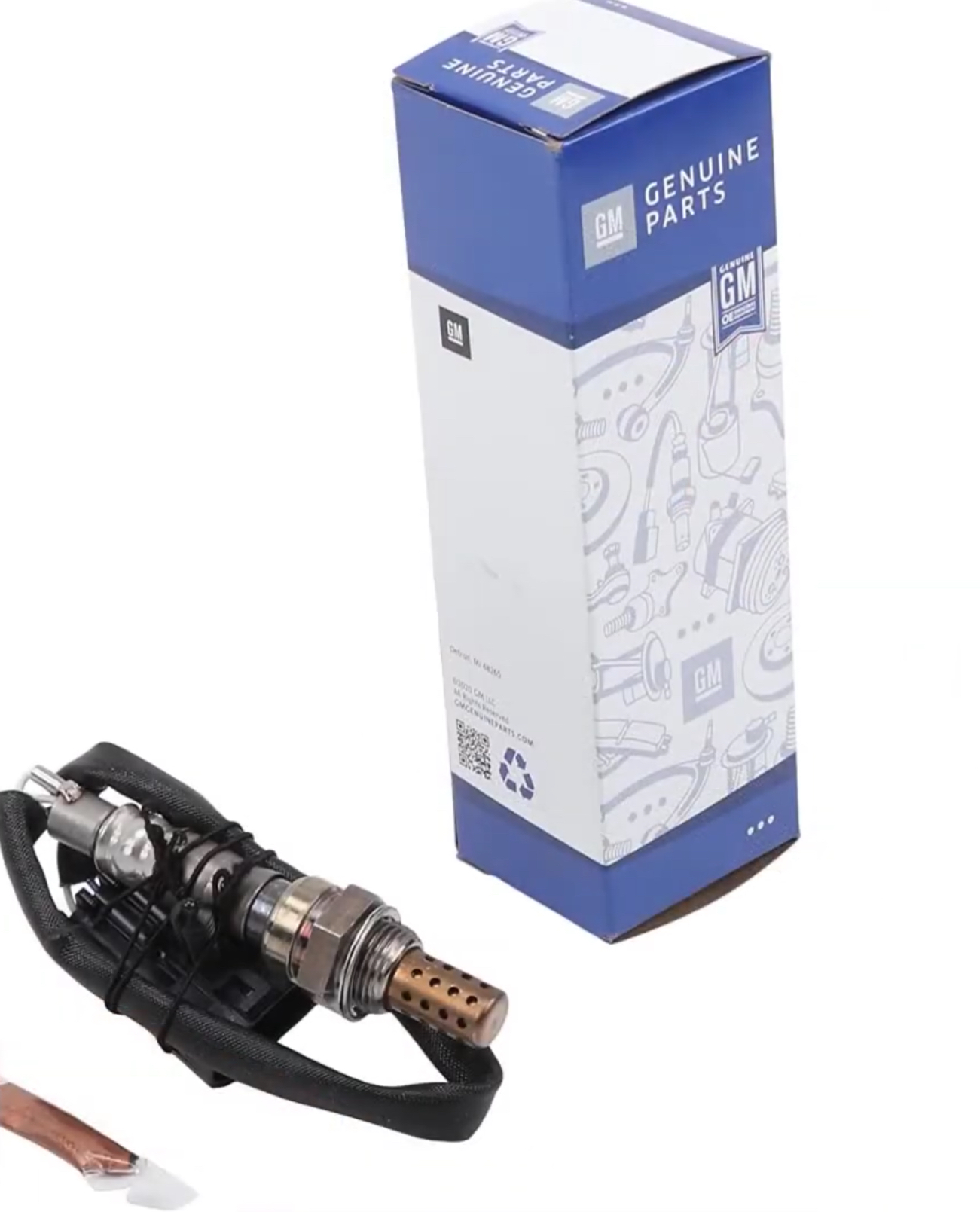
A replacement Oxygen Sensor made by General Motors.High-quality oxygen sensors help the engine respond faster and last longer. Although cheap sensors may cost less, they often fail early. Because of that, they create more problems later.

Keep Up With Vehicle Maintenance

Routine maintenance supports the entire fuel system. For instance, fixing oil leaks prevents sensor contamination. Also, replacing air filters helps the engine breathe better, which reduces stress on sensors.

Since many sensors fail due to age and mileage, regular inspections help spot early wear.

How Temecula Auto Repair & Transmission Helps Drivers

Although oxygen sensors look small, replacing them requires skill. Our team uses advanced diagnostic tools to pinpoint issues fast. Because we focus on clear results, we test each sensor before and after replacement.

Additionally, we check wiring, exhaust leaks, and fuel trim values. By doing this, we make sure the repair stays accurate. Also, we use quality parts that match or exceed factory standards.

Since we understand how critical fuel balance is, we make sure each repair protects the engine, the catalytic converter, and fuel economy.

Avoid Bigger Emissions Problems With Quick Action

When drivers handle oxygen sensor issues early, they avoid bigger repairs. While the sensor itself stays affordable, the damage it causes can grow costly. Therefore, taking quick action keeps the engine healthy.

Also, taking care of the repair will ensure your vehicle passes any upcoming emissions test. As clean exhaust leaves the tailpipe, the vehicle stays legal and safe.

Because engines depend on accurate data, the oxygen sensor must stay in good shape. When it fails, drivers feel the effects fast.

Frequently Asked Questions About Oxygen Sensor Failure

1. What does an oxygen sensor do in my vehicle?

Your vehicle’s Oxygen Sensor (O2 sensor) measures the oxygen levels in the exhaust and reports that information to the engine’s computer. This helps regulate the air-fuel ratio, improves fuel efficiency, reduces emissions, and supports smooth engine performance. When the sensor fails, the engine can no longer make proper adjustments, leading to performance issues and higher fuel consumption.

2. What are the common signs of a bad oxygen sensor?

If you’re noticing engine issues, these symptoms of a failing O2 sensor often show up first:
– Check Engine Light triggered or returning
– Poor fuel economy / noticeable drop in MPG
– Rough idle, misfires, or hesitation under acceleration
– Sulfur or “rotten egg” smell from the exhaust
– Higher emissions or a failed smog test
– Reduced power or sluggish acceleration

These issues often point to the need for oxygen sensor diagnostics or replacement.

3. What causes an oxygen sensor to fail?

Oxygen sensors fail for several reasons, including:
– Natural wear over 60,000–100,000 miles
– Oil, coolant, or fuel contamination
– Excessive use of silicone-based products
– Damaged wiring or corroded connectors
– Exhaust leaks that distort sensor readings

Any condition that affects exhaust flow or chemical balance can shorten the life of the sensor.

4. How do you diagnose a bad O2 sensor?

At Temecula Auto Repair & Transmission, we diagnose oxygen sensor problems using:
– OBD-II scan to identify stored or pending trouble codes
– Live data analysis to monitor sensor switching and response time
– Visual inspection of the sensor, wiring, and connector
– Heater circuit testing on sensors equipped with heating elements

This ensures an accurate diagnosis before any repairs are made.

5. What’s the proper fix for a faulty oxygen sensor?

The solution is typically a professional oxygen sensor replacement. We install the correct upstream or downstream sensor for your vehicle, clear all engine codes, and verify proper communication with the engine control module. Quality parts and correct installation prevent repeat issues.

6. Can I drive with a bad oxygen sensor?

While the vehicle may still run, driving with a bad O2 sensor can cause:
– Poor fuel economy
– Rich fuel mixture that damages the catalytic converter
– Rough running conditions
– Failed emissions or smog testing

For long-term reliability and safety, it’s best to schedule **O2 sensor repair** as soon as symptoms appear.

7. How can I prevent future oxygen sensor failure?

To extend the life of your oxygen sensors:
– Use high-quality fuel
– Stay current with routine maintenance
– Repair oil or coolant leaks promptly
– Avoid non–sensor-safe silicone sealants
– Follow manufacturer-recommended service intervals

Regular inspections help catch small issues before they impact the exhaust and emissions system.

Final Thoughts
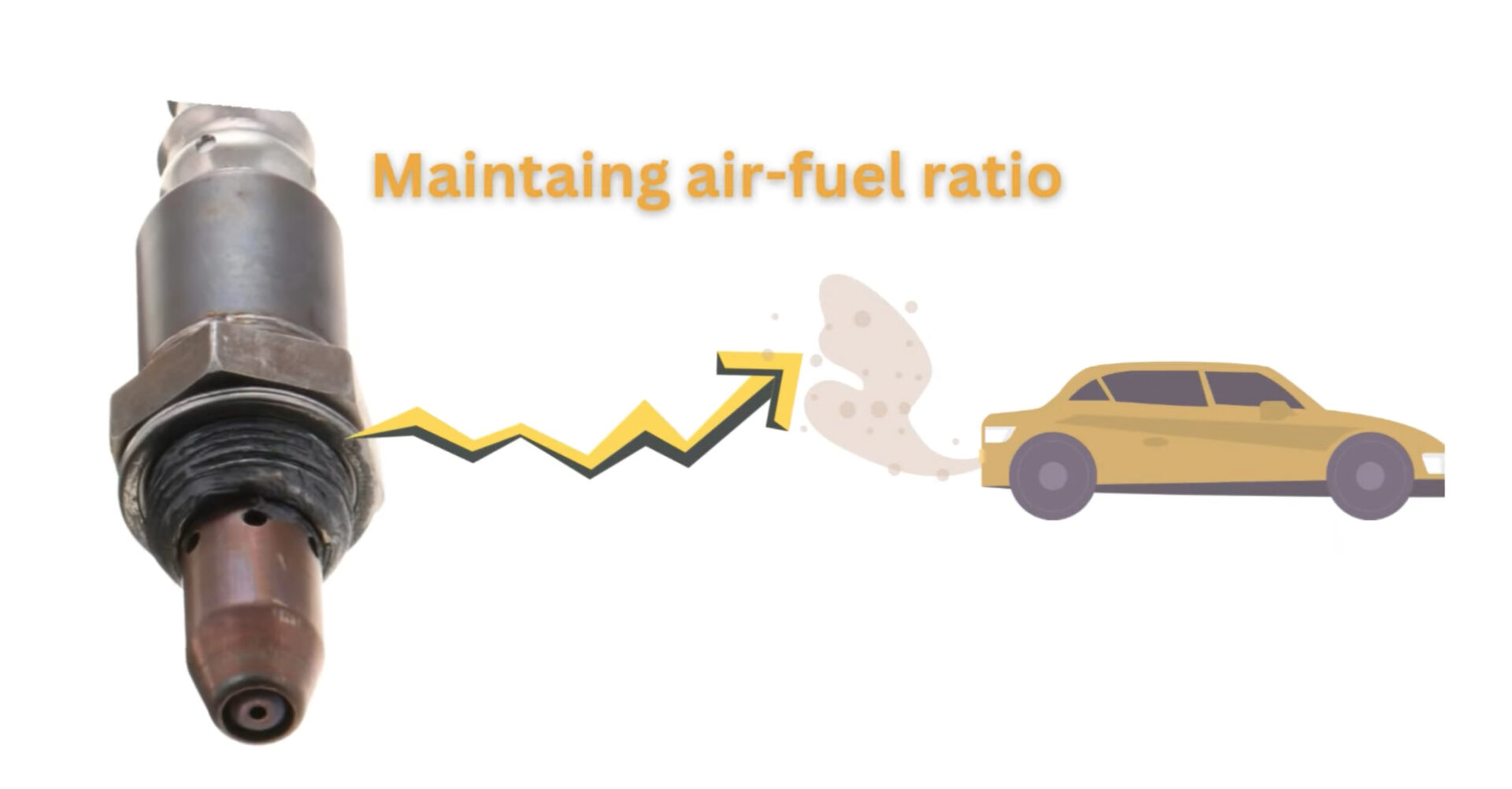
Illustration of a car and an Oxygen Sensor, with smoke from car's exhaust

Oxygen sensors help the engine run with balance, power, and clean emissions. Although these parts last many miles, they do not last forever. When symptoms appear, quick action protects the engine and wallet.

As drivers learn these signs, they can respond with confidence. With professional diagnostics and quality repairs, the engine returns to smooth and efficient operation.

If your vehicle shows any of the symptoms listed above, our team can help. Since we focus on accurate diagnostics and expert oxygen sensor service, we keep your vehicle running strong.
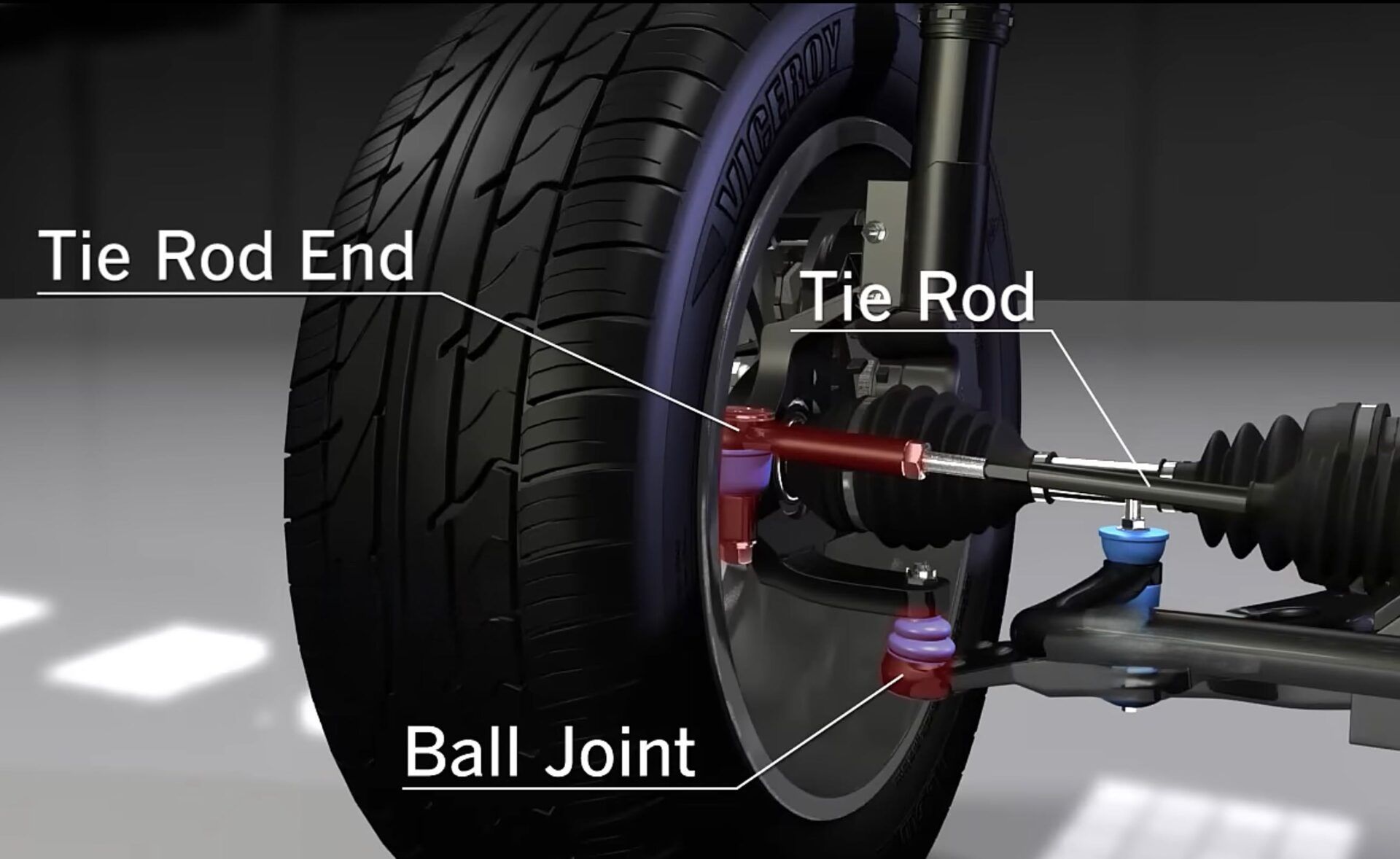
An illustration of a Front Suspension System with callouts identifying the parts.

Common Suspension & Steering Issues and Fixes

Your car’s suspension and steering system keeps your ride smooth and safe. It absorbs bumps, maintains wheel alignment, and improves handling. However, when parts wear out, driving can feel rough, unsafe, or unpredictable. Therefore, recognizing common issues early can save money and prevent bigger repairs.

Worn Control Arm Bushings

An illustration of front suspension with the Control Arms Circled

Control arm bushings connect your car’s control arms to the frame. They absorb shocks from the road and stabilize your wheels. However, when bushings wear, you may hear clunking noises over bumps. Additionally, steering wheel vibrations often accompany this problem.

Also, worn bushings also cause uneven tire wear. Misalignment can make your car pull to one side. Mechanics replace bushings to restore smooth handling. Sometimes, the control arm also needs replacement for safety.

Solution: Replace worn bushings or the control arm. After replacement, get a wheel alignment to ensure even tire wear.

Worn Tie Rod Ends

Tie rod ends link your steering gear to the wheels. In particular, they help your car respond to steering inputs. However, when tie rods wear, steering feels loose or shaky. You may also hear knocking noises when turning.

Consequently, driving with worn tie rods is dangerous. For example, your car could wander, or steering may fail during emergencies. Thus, regular inspections let mechanics catch wear early.

Solution: Replace worn tie rod ends and align your wheels. This restores safe, responsive steering and prevents uneven tires.

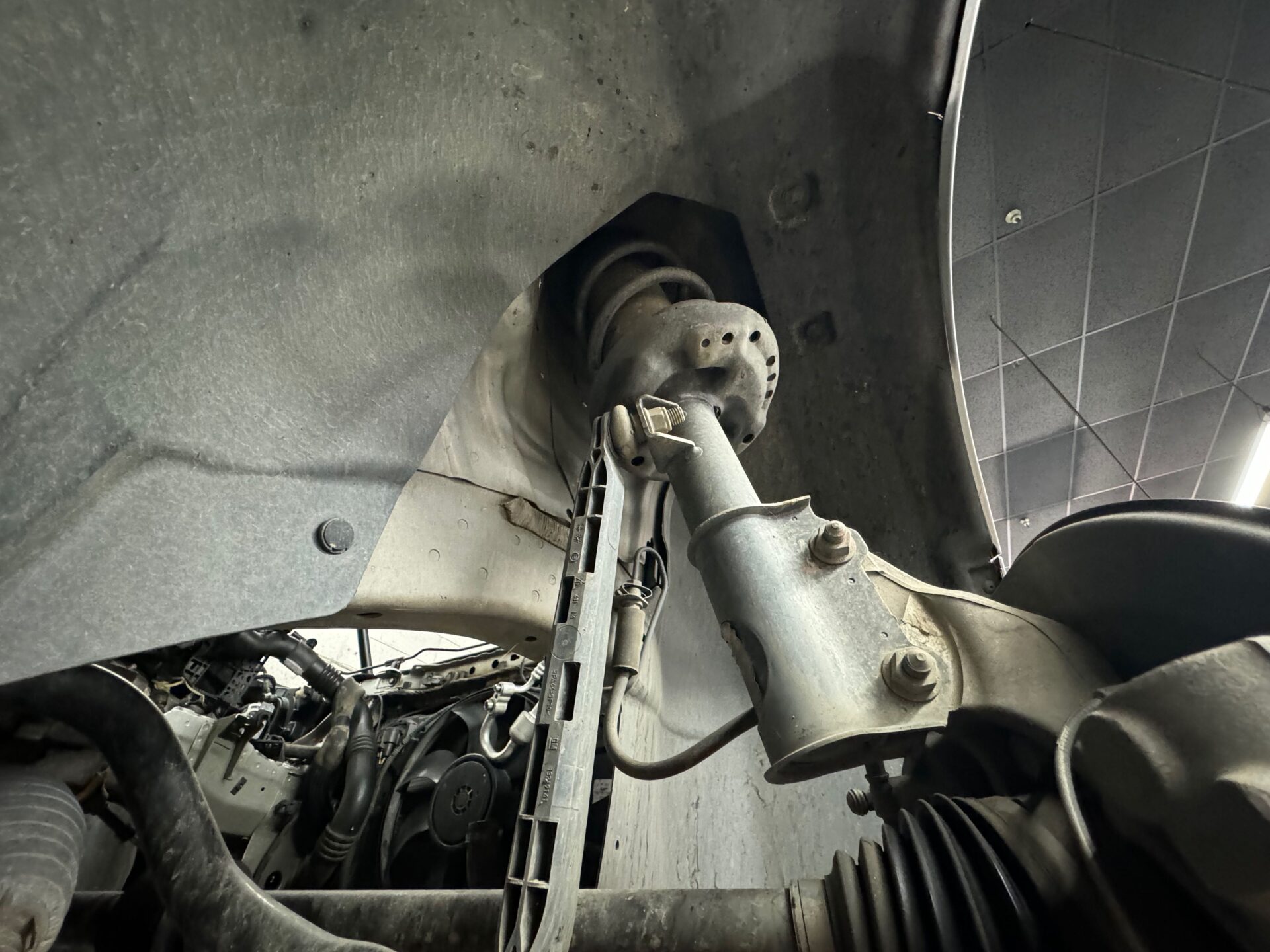
Worn or Leaking Shocks and Struts

A leaking front strut assembly.

Shocks and struts keep tires in contact with the road. Also, they absorb bumps and control body movement. However, worn or leaking shocks make your car bounce excessively. Additionally, braking distances may increase, and handling can feel unpredictable.

Leaking shocks often show visible oil. Also, uneven tire wear is another warning sign. Therefore, replacing these parts improves stability and ride comfort.

Solution: Replace worn or leaking shocks and struts in pairs. This ensures balanced handling and smoother rides.

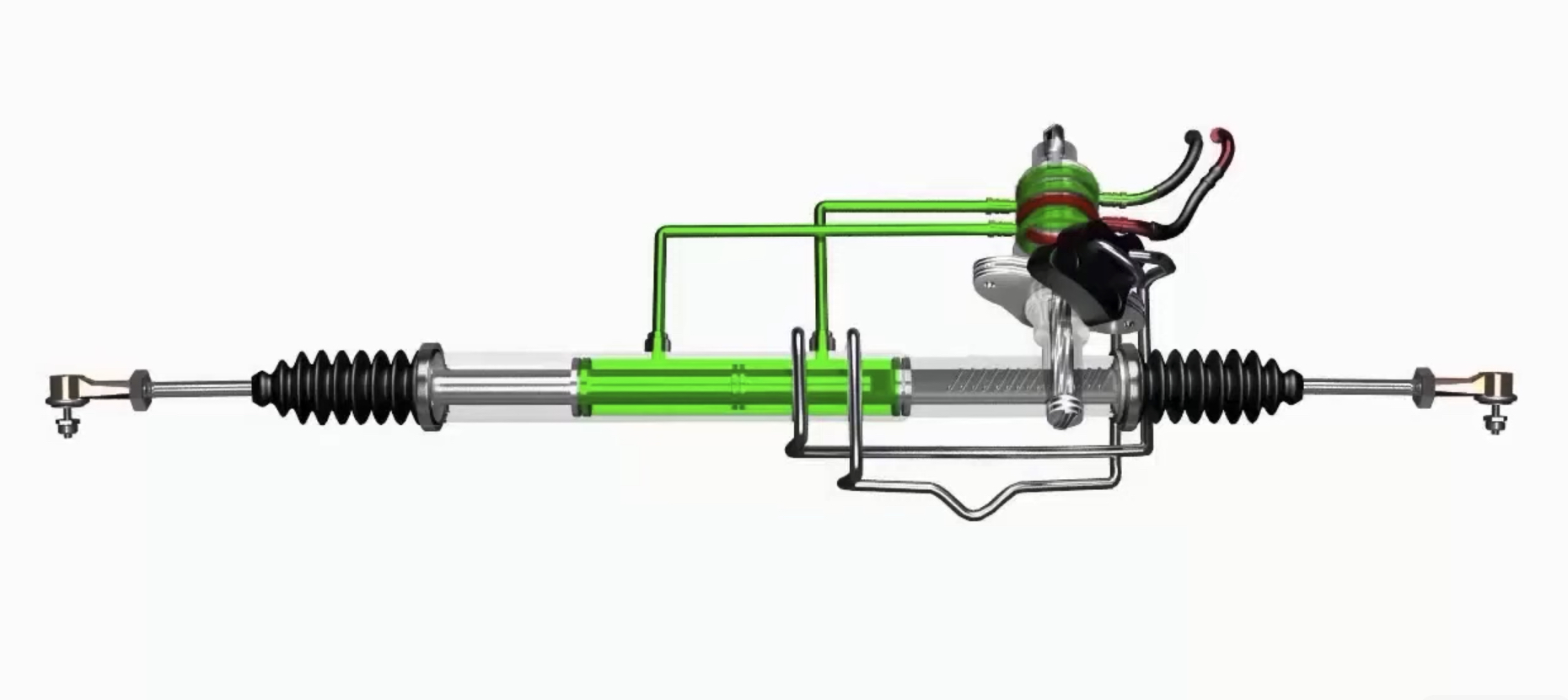
Leaking Steering Rack

An illustration of a Power Steering Rack unit.

The steering rack guides your wheels when turning. A leaking rack can cause fluid loss and harder steering. As a result, whining noises and stiff steering are common symptoms.

Ignoring a leaking rack may damage the power steering pump. Consequently, this makes steering more difficult and could lead to complete failure. Mechanics check seals and fluid levels, replacing the rack when needed.

Solution: Replace leaking steering racks. Refill power steering fluid and inspect the system to prevent future leaks.

Worn Ball Joints

Ball joints allow wheels to pivot smoothly while supporting the vehicle’s weight. However, worn ball joints produce clunking noises and uneven tire wear. Also, they can affect alignment, causing steering drift.

Solution: Replace worn ball joints and perform a wheel alignment. This ensures safety and even tire wear.

Broken Sway Bar Links

Sway bar links reduce body roll during turns. Broken or worn links make handling feel loose. Consequently, this can increase the risk of losing control on curves.

Solution: Replace damaged sway bar links in pairs for balanced stability. Proper installation improves turning safety.

Damaged Wheel Bearings

Wheel bearings support wheels and allow them to rotate freely. However, worn bearings create humming, grinding, or growling noises. Additionally, driving on damaged bearings can cause wheel wobble and uneven tires.

Solution: Replace damaged wheel bearings, ideally with new hubs. This prevents future failures and improves safety.

Signs You Need Suspension or Steering Repairs

Look for warning signs such as:Clunking or knocking noises over bumps

  • Steering wheel vibrations or looseness
  • Car pulling to one side
  • Uneven tire wear
  • Excessive bouncing after hitting a bump
  • Whining noises when turning

Noticing any of these signs means you should schedule an inspection. Thus, early repairs prevent costly damage and keep your car safe.

Preventive Maintenance Tips for Steering & Suspension

A driver holds a smooth and steady steering wheel.

Routine maintenance extends suspension and steering life. Follow these tips:

  • Check power steering fluid regularly.
  • Inspect bushings, ball joints, and tie rods for wear.
  • Watch for leaks in shocks and struts.
  • Rotate tires consistently to avoid uneven wear.
  • Avoid aggressive driving over potholes or rough terrain.

Additionally, schedule regular inspections with a trusted mechanic. Early detection prevents bigger, costlier repairs.

Professional Solutions For Steering & Suspension Issues

At Temecula Auto Repair & Transmission, our team specializes in suspension and steering repairs. Serving Temecula, Murrieta and the surrounding communities since 2010, we fix worn control arm bushings, tie rod ends, shocks, struts, and steering racks. We use high-quality parts and precise alignment equipment. Our goal is smooth handling, longer tire life, and safer driving.

Scheduling regular inspections or reservations helps prevent unexpected failures. Our technicians identify minor wear before it becomes a major issue. This keeps your car safe and reliable.

FAQs — Common Suspension & Steering Issues

1. Q: What causes clunking noises over bumps or when turning?

A: Clunking or knocking sounds often come from worn control arm bushings, ball joints, or sway bar links. When these components degrade, they can’t absorb shocks properly or maintain tight connections, leading to metal-on-metal contact or loose movement. Replacing the worn parts typically resolves the noise. 

2. Q: Why does my steering feel loose or shaky?

A: Loose or shaky steering is commonly caused by worn tie rod ends, which connect the steering gearbox to the wheels. If they wear out, steering input becomes less precise, and excessive play or knocking can occur. Fixing this usually involves replacing the tie rod ends, followed by a wheel alignment. 

3. Q: What are the symptoms of failing shocks or struts?

A: Failing shocks or struts may cause excessive bouncing after hitting bumps, visible fluid leaks, uneven tire wear, and unpredictable handling or braking. Replacing both shocks or struts in a pair helps restore stability and ride comfort. 

4. Q: What does a leaking steering rack feel or sound like?

A: A leaking steering rack can lead to a loss of power steering fluid, making the steering feel stiff or hard to turn. You may also hear whining noises when turning. Over time, fluid loss can damage the power steering pump, so it’s best to address the leak promptly. 

5. Q: How can I tell if my ball joints are worn?

A: Worn ball joints often produce clunking noises, especially when turning or going over bumps. They can also cause uneven tire wear and alignment issues, making your steering feel less stable. The solution is to replace the worn ball joints and then align the wheels. 

6. Q: Why does my car feel unstable or lean when I take corners?

A: This may be due to broken or worn sway bar links, which help reduce body roll in turns. When they fail, the vehicle can feel loose or unsettled during cornering. Replacing the damaged sway bar links (ideally in pairs) can restore proper handling. 

7. Q: What are the warning signs of failing wheel bearings?

A: Damaged wheel bearings can create humming, grinding, or growling noises, especially at speed. You might also notice wobble in the wheels or uneven tire wear. Replacing the bearings – or in some cases, the entire hub assembly – improves safety and ride quality. 

8. Q: How can I prevent suspension and steering issues?

A: Preventive maintenance is key. Regularly check:
– Power steering fluid level
– Condition of bushings, ball joints, and tie rods
– Shocks and struts for leaks
– Tire rotation to avoid uneven wear
Also, avoid aggressive driving over potholes or rough terrain, and schedule periodic inspections with a qualified mechanic. 

Conclusion

Suspension and steering systems are critical for driving safely. Worn bushings, tie rods, leaking shocks, and failing steering racks can compromise safety. Understanding problems, recognizing warning signs, and addressing issues early keeps your car running smoothly.

Proactive maintenance and professional inspections reduce repair costs and prevent accidents. Stay proactive with repairs to enjoy a smooth, safe, and comfortable ride every day.

Check Engine Light: Top Causes and How to Fix Them Fast

Why Your Check Engine Light Turns On and How You Can Fix It

When your Check Engine Light turns on, you may feel stress right away. Many drivers think a major repair is coming. However, the light acts more like a warning flag than a final verdict. It tells you that your vehicle needs help. Also, it gives you time to fix the issue before the problem grows.

Modern vehicles use many sensors and computers. These systems watch the engine, fuel system, exhaust, and more. When something falls outside normal limits, the Check Engine Light turns on. You may not feel any change at first. Nonetheless, the issue can grow if you ignore the warning. Because of that, you should look into the cause soon.

This guide explains the most common reasons for an illuminated Check Engine Light. It also covers simple fixes and when you should seek a trained technician. Although this article helps drivers across the country, anyone in Temecula, Murrieta, or nearby areas can visit Temecula Auto Repair & Transmission for local service.

What the Check Engine Light Means

Your Check Engine Light connects to your vehicle’s onboard diagnostics system, also known as OBD-II. This system checks your engine and emissions system many times each second. When it finds a problem, it logs a code. The code helps a technician know what is wrong. Because the light only alerts you, it does not tell you the full story. You need a scan tool to read the code and diagnose the issue.
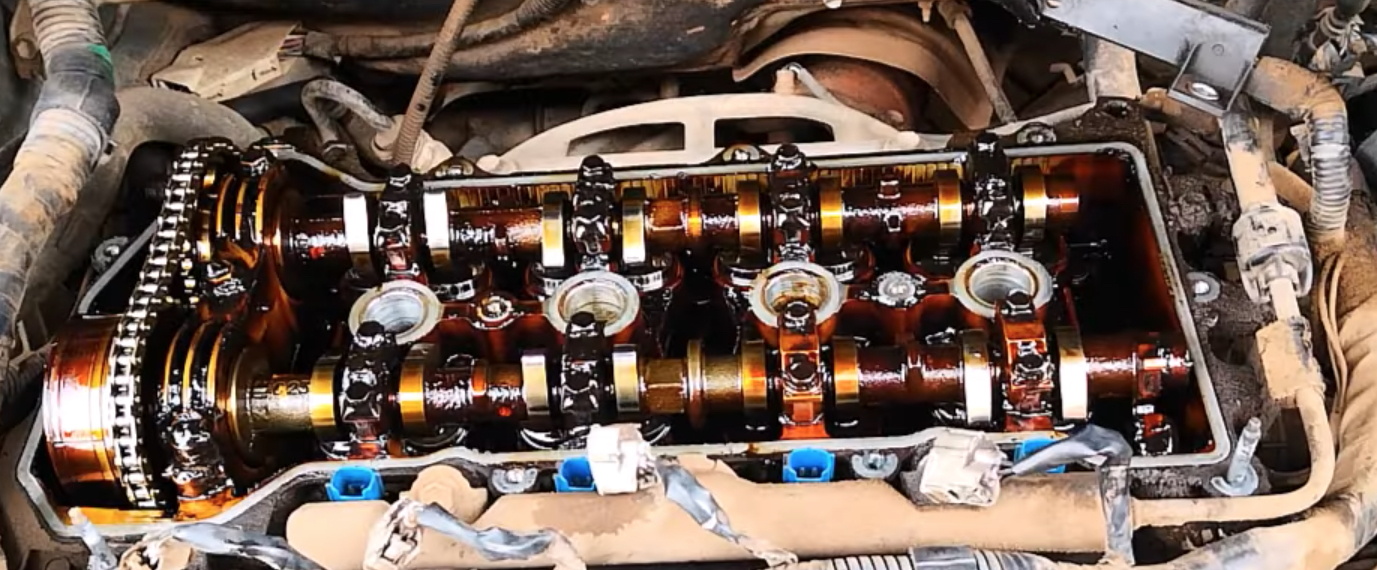
Sometimes the light flashes instead of staying solid. A flashing light often points to a severe misfire. You should not keep driving when the light flashes. You protect your engine and catalytic converter when you stop right away.

Common Causes of a Check Engine Light

Many issues can trigger the light. Some problems feel minor while others can damage your engine. Each issue needs attention. Here are the most common causes and why they matter.

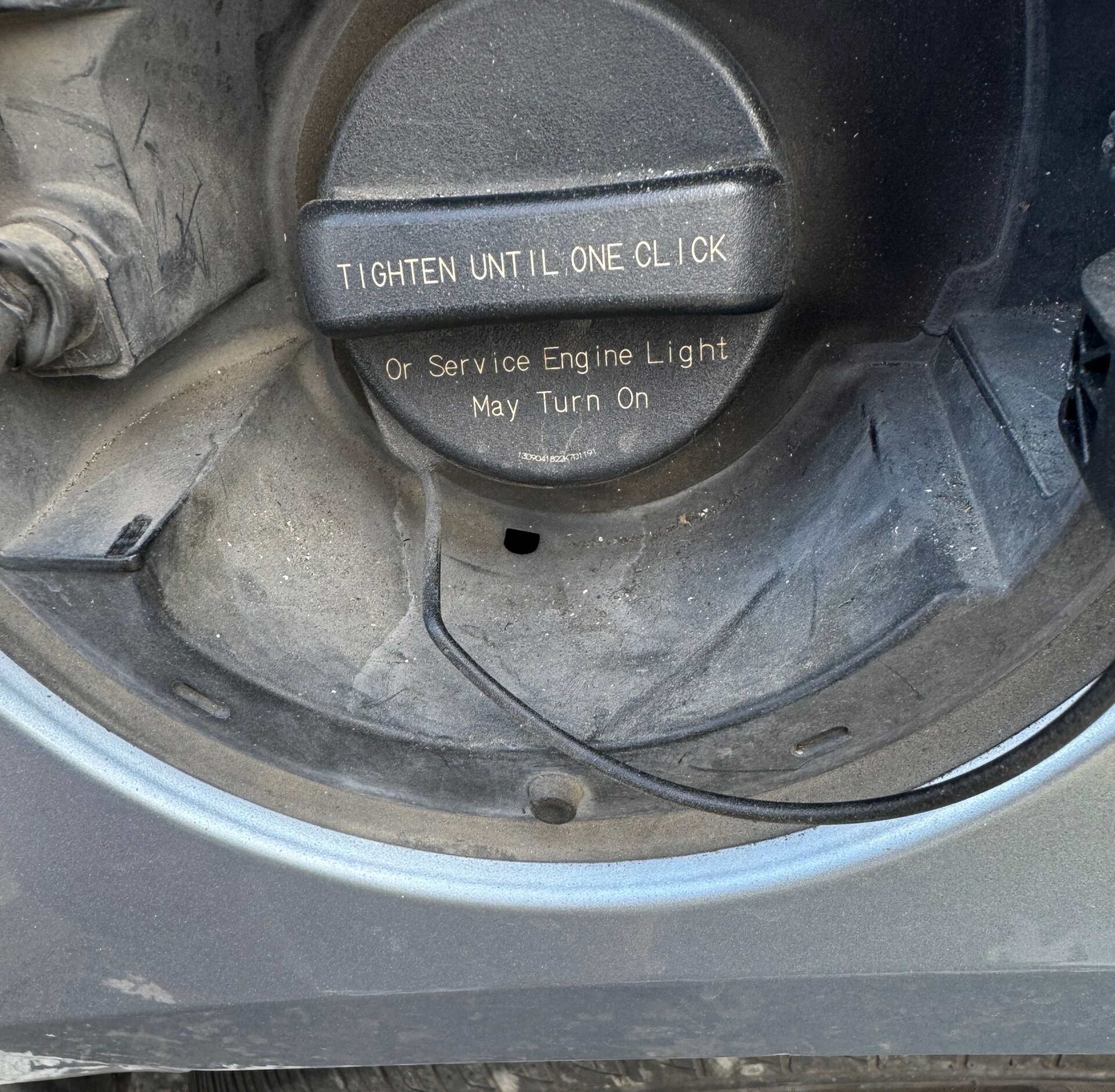
1. Loose or Worn Gas Cap

Gas cap with an imprinted warning to tighten it until it clicks to avoid a Check Engine Light.

You may not expect it, but a loose gas cap triggers many Check Engine Lights. The cap seals the fuel system. It also keeps vapors from leaking. Vapors create pressure changes that the system reads. When the cap leaks, the system records an error.

Although this issue seems small, it still hurts fuel economy. You can fix it fast. You simply tighten the cap or replace it if the seal looks worn. The light might go out on its own after a few trips.

2. Faulty Oxygen Sensor

Your vehicle uses oxygen sensors to measure oxygen levels in the exhaust. These sensors help the engine control fuel mixture. When a sensor fails, the engine cannot tune the mixture correctly. Because of that, fuel economy drops. Power may drop as well.

You should replace a bad oxygen sensor soon. Ignoring it can harm your catalytic converter. The converter costs far more than a sensor.

3. Bad Ignition Coil or Spark Plug

Your ignition system lights the fuel in each cylinder. When a coil or spark plug fails, the cylinder misfires. You may feel shaking or rough running. You may also notice slow acceleration.

Misfires create high exhaust heat. That heat damages the catalytic converter. Because misfires cause serious harm, you should fix them soon.

4. Failing Mass Airflow Sensor

The mass airflow sensor’s job is to measure the volume of air coming into the engine. This reading helps the computer adjust fuel levels. When the sensor fails, your engine may stall or hesitate. Fuel economy often drops as well.

Although cleaning sometimes helps, many sensors need replacement. A trained technician can test the sensor and confirm the fix.

5. Vacuum Leak

Your engine uses vacuum pressure. Hoses and seals create a stable path for the air and fuel mixture. When a hose cracks or a seal leaks, the mixture becomes unstable. You may notice rough idle or higher RPMs than normal.

Vacuum leaks vary in size. Even small leaks can trigger the light. A smoke test can find hidden leaks fast.

6. Catalytic Converter Problems

The catalytic converter cleans exhaust gases. By reducing harmful emissions, the catalytic converter ultimately protects the environment. When it fails, the vehicle runs poorly. You may smell rotten eggs from the exhaust. You may also notice lower power.

A failing converter often results from untreated problems like misfires or bad sensors. You protect the converter when you fix early issues.

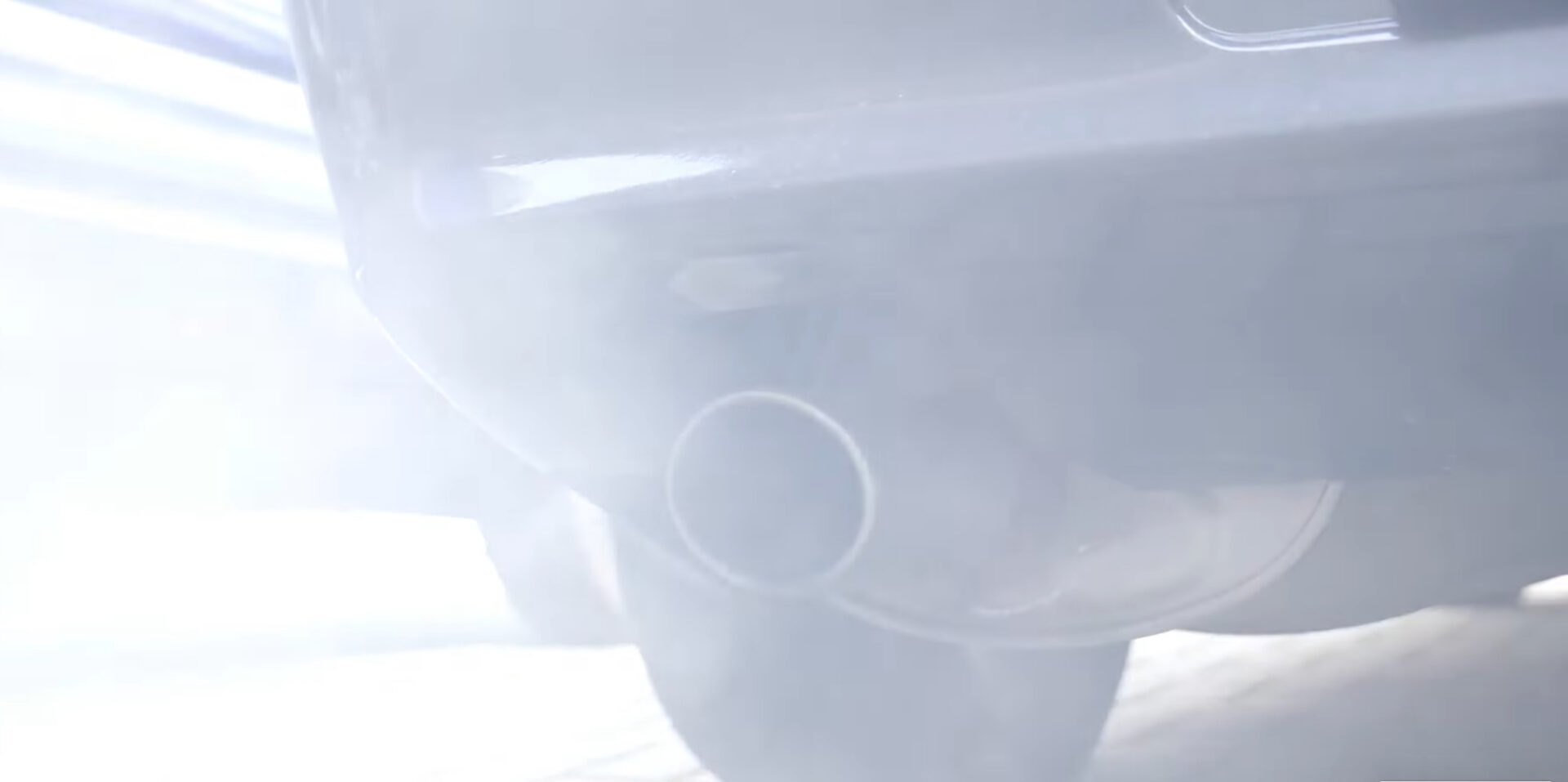
7. Exhaust Gas Recirculation (EGR) Issues

White smoke emitted from a tailpipe.

The EGR system lowers combustion temperatures. It also reduces emissions. When valves or passages clog, the system stops working. You may see rough running or pinging. You also may experience reduced fuel economy.

Cleaning or replacing the valve often solves the issue. A technician can confirm the blockage and restore proper flow.

8. Fuel Injector Problems

Fuel injectors spray fuel into the engine. When they clog, you may feel misfires or hesitation. You may also smell excess fuel. Dirty injectors harm performance and cause higher emissions.

Some injectors can be cleaned. Others need replacement. Early action prevents damage to the engine.

How to Fix a Check Engine Light

Although the light can cause worry, many fixes are simple. Here are steps you can take.

Step 1: Check Your Gas Cap

You can start by checking the gas cap. Make sure it clicks when you tighten it. You can also inspect the seal for cracks. You save time and money when you fix this easy item first.

Step 2: Use a Code Reader

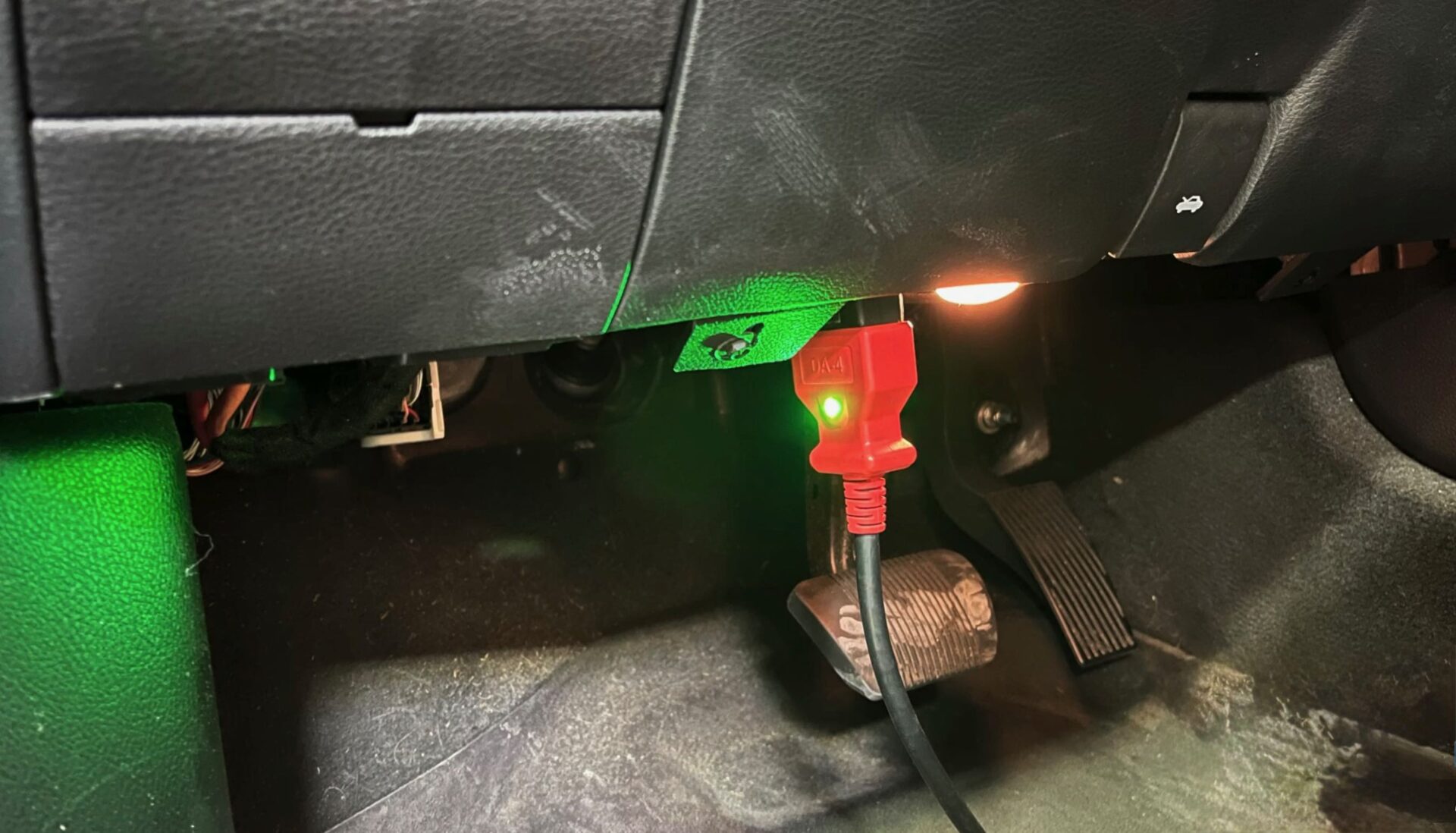
A Diagnostic Scanner plugged into the OBDII port to scan for DTCs.

Many stores offer free code scans. You can also buy a small OBD-II reader. After you read the code, you can search the meaning. You gain a better idea of the issue. Even so, a code only points to the system. You still need a proper diagnosis to find the exact cause.

Step 3: Look for Simple Signs

Listen for odd sounds. You can smell for fuel or exhaust issues. Watch for rough running. Also, check hoses for cracks. These signs help guide the next steps.

Step 4: Seek a Trusted Technician

A trained technician offers the most accurate diagnosis. They use advanced tools. They also know how systems work together. You avoid guessing when you let a professional handle the issue.

Drivers in Temecula, Murrieta, and nearby areas can bring their vehicle to Temecula Auto Repair & Transmission. Our team will read the code(s), perform a full test, and explain clear repair options. Also, you’ll receive honest advice and a reliable repair right away.

Reasons You Shouldn’t Ever Ignore Your Check Engine Light

Drivers often keep driving with the light on. They may feel the vehicle runs fine. They may also worry about repair bills. However, small issues grow fast. Minor problems become major repairs when they go untreated.

A simple sensor failure can turn into a costly converter replacement. A small vacuum leak can cause rough running. Even a loose gas cap wastes fuel.

Although the light may feel like a small warning, it protects you. It also protects your engine and your wallet. Addressing the problem right away will save you money in the long term.

How to Prevent Check Engine Light Problems

You can prevent many issues with proper care. Here are habits that help:

  • Follow your maintenance schedule.
  • Replace spark plugs on time.
  • You should use quality fuel.
  • Inspect hoses and belts.
  • Keep your air filter clean.
  • Address small issues early.

These habits help your vehicle run smoother. They also lower the chances of the light turning on.

When You Should Seek Help Right Away for a Check Engine Light

Although some Check Engine Light issues still allow some driving, others will require attention right away. You should stop the vehicle when the light flashes. Also, you should seek help immediately if you smell fuel. You should not keep driving with severe misfires. These issues can damage internal parts.

Anyone near Temecula, Murrieta, Winchester, French Valley, or surrounding areas can contact Temecula Auto Repair & Transmission. The shop offers quick diagnostics and clear repairs without guesswork.

Final Thoughts

Your Check Engine Light gives you a chance to fix problems early. Although it may feel stressful, the light helps protect your engine. You can often fix small issues fast. You also reduce repair costs when you act quickly.

Drivers across the country can follow the steps in this guide. Anyone near the Temecula region can visit our shop for expert help. Our team works on all makes and models. We also provide diagnostic testing and solutions that’ll give you peace of mind.

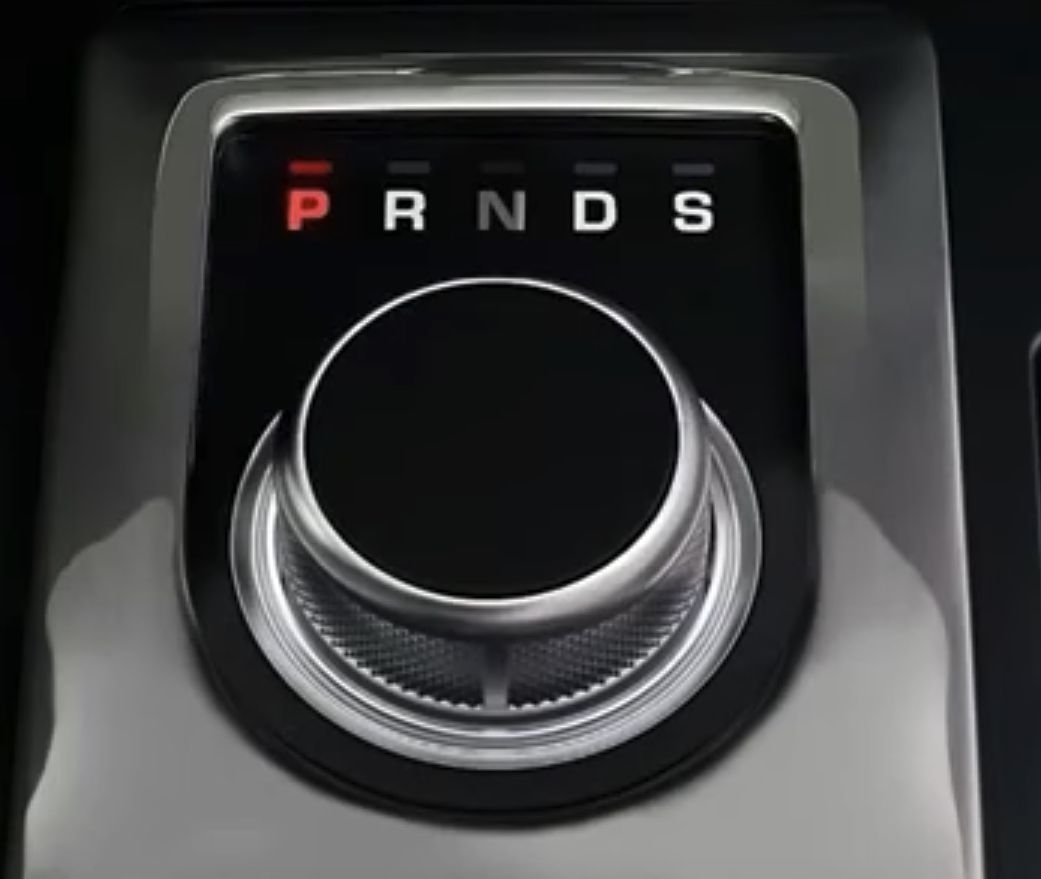
Dial-type Shift Selector on a Land Rover Range Rover

Transmission Maintenance: Why Routine Inspections and Fluid Changes Matter

Your vehicle’s transmission is one of its most important systems. It delivers power from the engine to the wheels and ensures smooth shifting. Without it, your car wouldn’t move. However, many drivers ignore transmission maintenance until major problems appear. That delay often leads to costly repairs or total failure.

By keeping up with transmission care, you protect your investment and avoid major damage. Regular inspections and fluid changes keep your transmission healthy and your vehicle performing its best. Let’s explore how transmission maintenance works and why it’s so valuable.

What the Transmission Does

The transmission manages how power travels from the engine to the wheels. It controls gear shifts and helps the vehicle accelerate or slow down. Whether your vehicle uses an automatic or manual transmission, it experiences heat and friction every time you drive.

Because of that constant strain, its parts can wear down over time. Gears, seals, and clutches all depend on proper lubrication. When fluid breaks down, friction increases, which creates stress on internal components. Therefore, routine maintenance keeps these parts protected and prevents early wear.

The Importance of Transmission Fluid

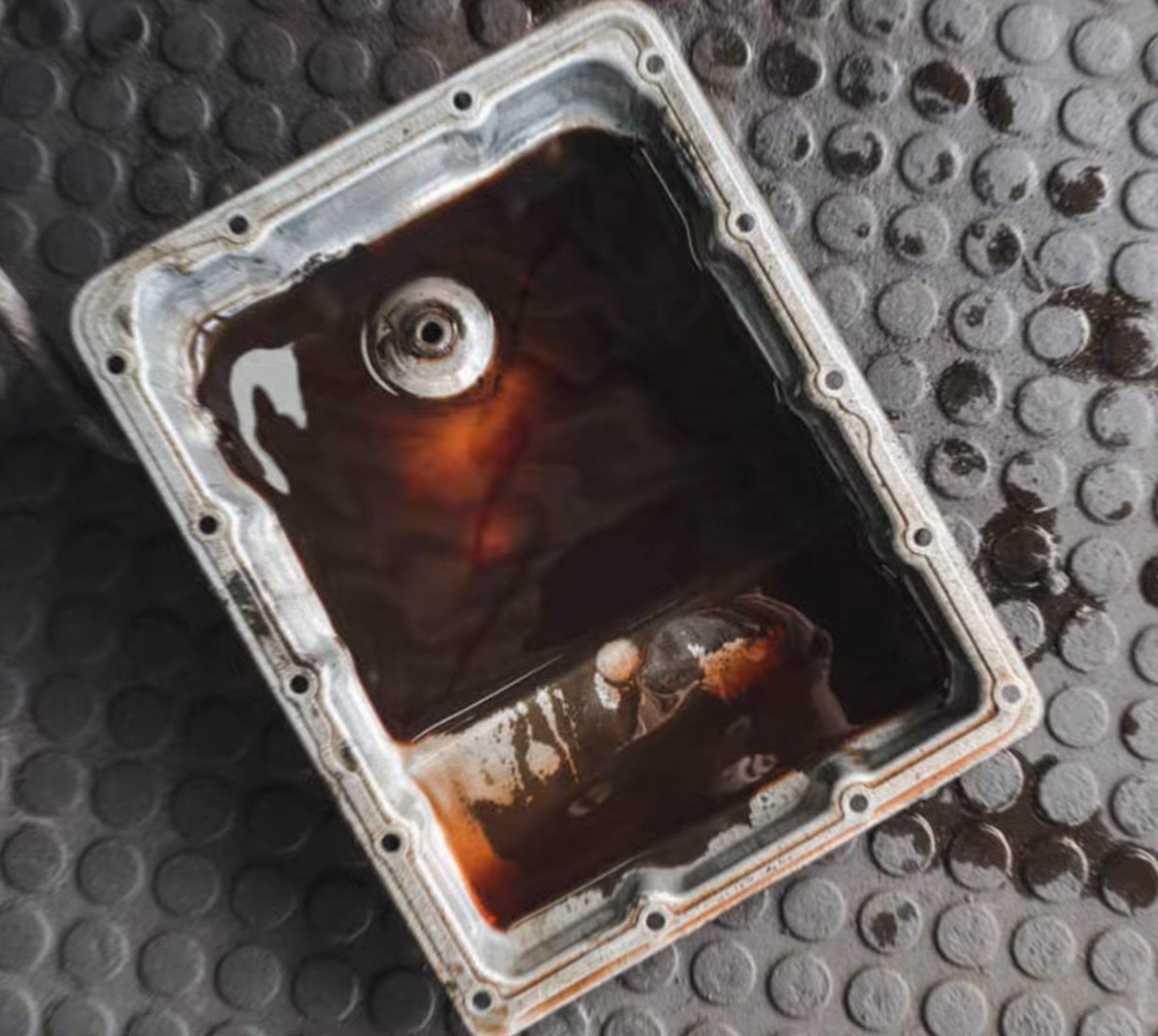
Dirty Automatic Transmission Fluid in a Transmission Pan.

Transmission fluid does more than just lubricate moving parts. It also cools the system and allows smooth, precise shifting. In automatic transmissions, fluid pressure even helps gears engage correctly.

Over time, heat and debris cause the fluid to lose its protective qualities. As it degrades, it becomes dark, thick, and less effective. Dirty or burnt fluid can’t cool or lubricate properly. Eventually, this can cause your transmission to slip, overheat, or fail.

By replacing the fluid at regular intervals, you restore protection and performance. Clean fluid ensures smooth gear changes, reduced heat, and lower wear on critical parts. Additionally, fresh fluid helps improve your overall driving experience.

Why Routine Transmission Inspections Matter

Routine transmission inspections help detect small issues before they turn into serious problems. During an inspection, our technicians check the fluid’s color, level, and condition. They also look for leaks, cracks, or worn seals.

Even a tiny leak can lower fluid levels and create extra heat and friction. Fortunately, early detection allows quick repairs and helps you avoid larger expenses later. In addition, inspections often include a test drive to identify shifting problems or unusual vibrations. These signs may indicate deeper mechanical issues. By catching them early, you can prevent total transmission failure.

Benefits of Regular Transmission Maintenance

Our Technician examines a transmission at Temecula Auto Repair & Transmission.

Regular maintenance brings several key advantages that extend your vehicle’s lifespan and performance.

1. Smoother and Better Performance

Fresh transmission fluid allows gears to shift quickly and smoothly. You’ll notice better acceleration and fewer jerks or hesitations. Because the system runs efficiently, the engine doesn’t have to work as hard. That balance creates a smoother, quieter, and more responsive ride.

2. Longer Transmission Life

Heat and friction shorten the life of your transmission. Clean fluid and timely inspections help reduce both. As a result, the internal components stay protected. Every maintenance service you schedule adds more reliable miles to your transmission’s lifespan. Preventive care always costs less than a complete rebuild or replacement.

3. Lower Repair Costs

Ignoring maintenance can lead to serious damage and high repair bills. A full transmission replacement can cost thousands of dollars. In contrast, regular fluid changes and inspections are affordable. Because they prevent breakdowns, you save time and money over the long run. Consistent service is the smartest way to protect your budget.

4. Better Fuel Efficiency

A well-maintained transmission helps your engine run more efficiently. When gears shift smoothly, your engine doesn’t waste power. Consequently, you’ll use less fuel and get better gas mileage. Even small improvements in efficiency add up over time, making every mile more cost-effective.

5. Safer, More Reliable Driving

Transmission problems often create safety risks. Slipping gears or delayed shifts can make driving unpredictable. Regular service ensures dependable gear engagement and safer handling. Therefore, you can drive, merge, and pass confidently, knowing your transmission will respond instantly.

Signs of Transmission Trouble

Transmission Warning Light

Recognizing early warning signs can help you act before serious damage occurs. Pay attention to these common symptoms:

Slipping gears: The engine revs, but the car doesn’t accelerate normally.

Delayed engagement: The vehicle hesitates before moving when you shift into gear.

Fluid leaks: Red or brown fluid under your vehicle signals a leak.

Burning smell: Overheated or old fluid produces a burnt odor.

Rough shifts: Gear changes feel harsh or jerky instead of smooth.

Warning light: The “check engine” or transmission light turns on.

If you notice any of these signs, schedule a professional inspection immediately. Early attention prevents further damage and keeps your vehicle safe.

Recommended Maintenance Schedule

Maintenance intervals vary by vehicle type and driving habits. Always check your owner’s manual for specific recommendations. However, general guidelines include:

Transmission inspection: Every 12 months or 15,000 miles.

Fluid change: Every 30,000 to 60,000 miles for automatic transmissions.

Filter replacement: Often required with fluid changes.

If you frequently tow, drive in hot weather, or sit in heavy traffic, your transmission works harder. Under those conditions, it’s best to service the system more often. Additionally, our experienced transmission specialists can recommend a schedule tailored to your vehicle’s needs.

Why Professional Service Matters

Transmission maintenance isn’t a simple DIY project. Modern transmissions are complex and require expert tools. Even a small mistake can lead to serious issues.

Our professional technicians use diagnostic equipment to test pressure, check for leaks, and scan for trouble codes. Because of that, they can identify small issues that drivers often miss. Moreover, our certified shop uses fluids and filters that meet or exceed factory standards. Using the correct fluid is critical since not all types are compatible. The wrong one can cause hard shifts or seal damage.

In addition, we provide warranties on our services. That coverage gives you confidence knowing your repairs are guaranteed.

Classic and Luxury Vehicle Transmission Care

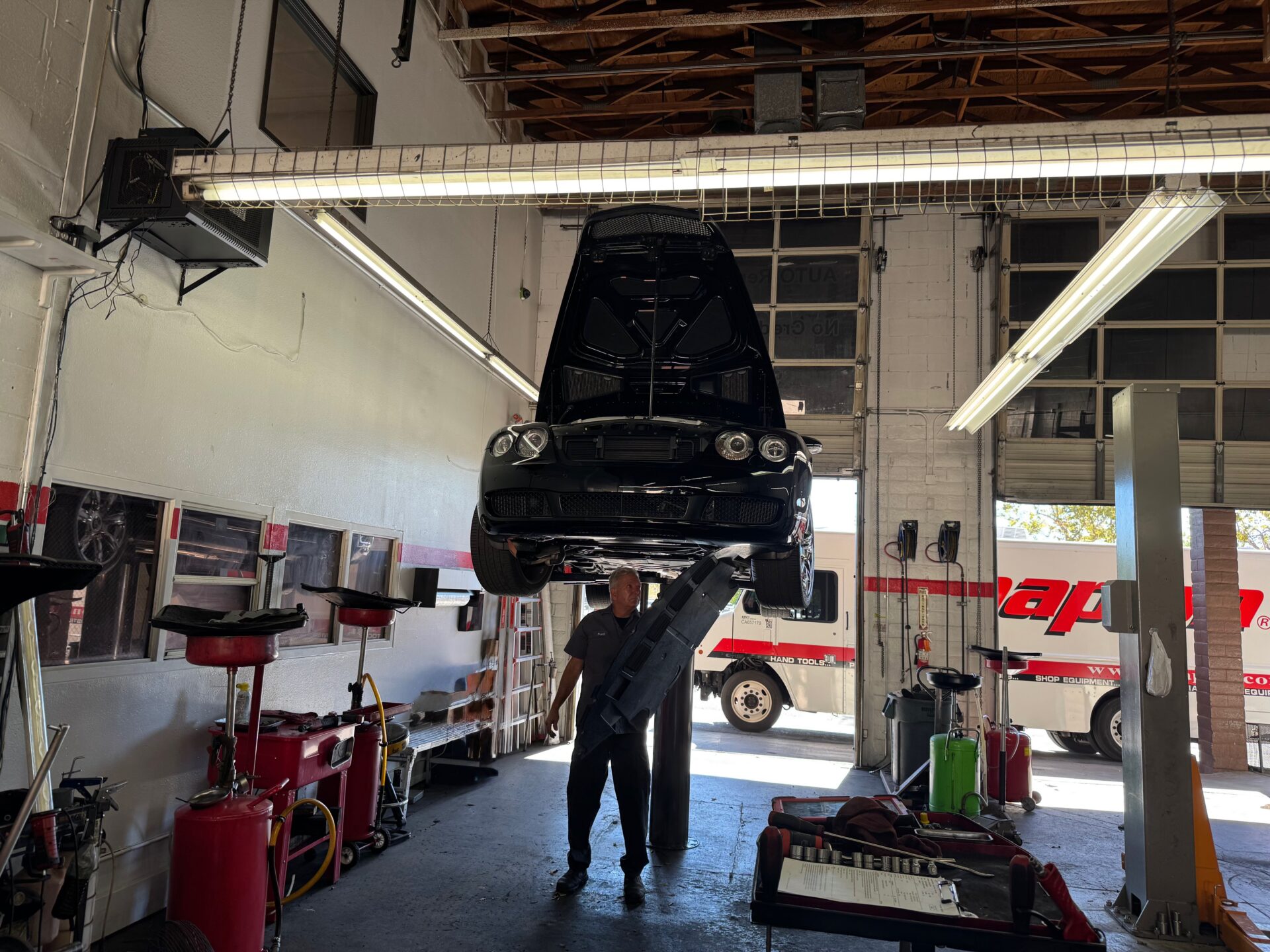
Automotive Technician performing a transmission fluid maintenance service on a Bentley.

Classic and high-end vehicles require special transmission care. Their systems often include rare or specialized parts that need expert handling. Regular service helps preserve originality and maintain value.

For example, older transmissions may need specific fluid blends or manual adjustments. Luxury vehicles like Bentley, Maserati, Alfa Romeo, Porsche, and Mercedes-Benz feature precision transmissions that demand expert maintenance. Our specialized technicians understand these transmissions and know how to protect them. Consequently, your classic or luxury car remains both reliable and authentic.

How Maintenance Increases Resale Value

Buyers trust vehicles with complete maintenance records. A documented history of regular service proves that you cared for your car. That trust often leads to a higher resale value or trade-in offer. Because of that, keeping up with transmission maintenance is a simple way to protect your investment and boost your car’s appeal.

Eco-Friendly Benefits of Proper Transmission Care

Transmission maintenance also benefits the environment. When your vehicle runs efficiently, it burns less fuel and releases fewer emissions. Additionally, preventing major repairs reduces waste from damaged parts and used fluids. By staying proactive, you help both your vehicle and the planet.

Take the Next Step Toward Transmission Reliability

If it’s been more than a year since your last transmission inspection, now is the perfect time to act. Don’t wait for small issues to grow into expensive repairs. Regular maintenance keeps your transmission shifting smoothly, protects your investment, and saves money.

At Temecula Auto Repair & Transmission, our certified technicians specialize in transmission inspections, fluid changes, transmission replacements, and full rebuilds. We service all makes and models, from classic cars to modern luxury vehicles. Because we use premium fluids and parts, your transmission stays reliable and efficient for years to come.

Drivers throughout Temecula, Murrieta, Winchester, and French Valley trust our team for expert transmission care. Schedule your transmission maintenance reservation today and keep your car performing at its best.

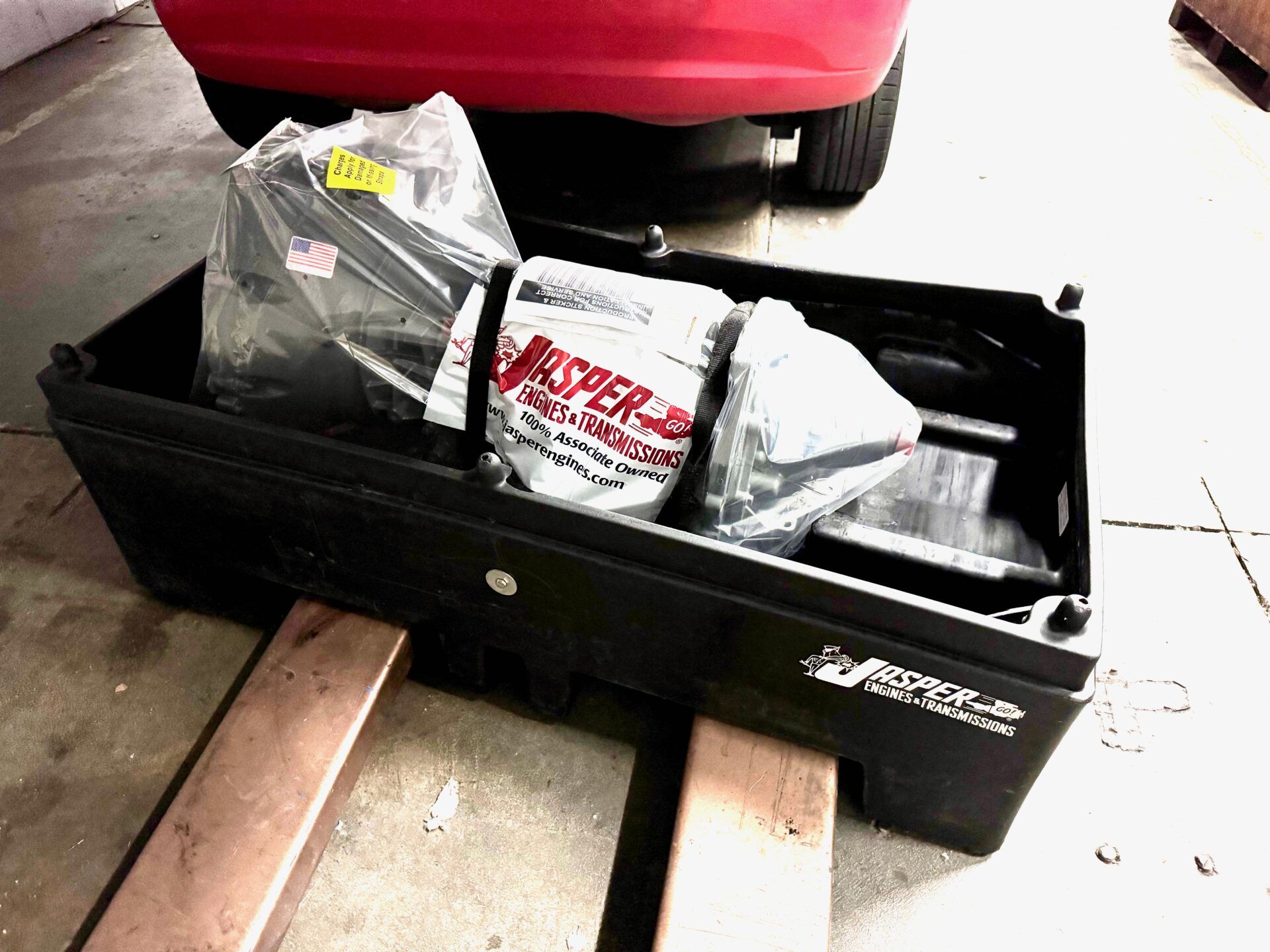
A fresh Jasper Transmission in its shipping box, awaiting installation.

Jasper Transmission Replacement in Temecula & Murrieta: Reliable Solutions for Transmission Failure

A failing transmission can bring your vehicle to a grinding halt and create serious stress for any driver. While the idea of buying a new car may cross your mind, it isn’t always the best solution. For drivers in Temecula, Murrieta, Winchester, French Valley, and surrounding areas, a Jasper Remanufactured Transmission offers a dependable alternative that restores your vehicle’s performance and peace of mind.

A failing transmission can bring your vehicle to a grinding halt and create serious stress for any driver. While the idea of buying a new car may cross your mind, it isn’t always the best solution. At Temecula Auto Repair & Transmission, our ASE-certified Technicians specialize in diagnosing transmission issues and providing long-lasting solutions. Our team installs Jasper transmissions with precision, offering a reliable replacement option backed by one of the strongest warranties in the industry.

Signs Your Transmission May Be Failing

However, not all transmission problems require a complete replacement, but catching symptoms early can save thousands in repair costs. Here are the warning signs Temecula and Murrieta drivers should watch for:

1. Slipping Gears

A slipping transmission can make your vehicle hesitate, surge unexpectedly, or fail to stay in gear. Worn clutch plates, low transmission fluid, or internal component damage often cause this. Consequently, if left unaddressed, slipping can quickly lead to complete transmission failure.

2. Delayed or Rough Shifting

Do you notice hesitation, jerking, or difficulty when your vehicle shifts gears? Rough or delayed shifts are a common sign of transmission trouble. Causes may include:

  • Worn or damaged internal components
  • Low or contaminated transmission fluid
  • Problems with the valve body

Our experts in Temecula can perform a thorough transmission inspection to pinpoint the exact cause and recommend a reliable solution.

3. Transmission Fluid Leaks

Our Technician examines a transmission at Temecula Auto Repair & Transmission.

Transmission fluid is vital for lubrication and cooling. For example, if you notice red or brown fluid pooling under your vehicle, it’s a sign that your transmission may have a leak. Also, leaks not only reduce transmission performance but they accelerate wear, potentially leading to a full failure if ignored.

4. Strange Noises from the Transmission

Grinding, whining, or clunking noises while driving or shifting gears can indicate serious transmission issues. Common causes include worn gears, bearings, or other internal components. Always address any unusual sounds promptly to prevent more extensive damage.

5. Warning Lights on the Dashboard

If your Check Engine Light or transmission warning light is on, it’s a sign that your vehicle has detected a problem. Thus, ignoring these warning lights can lead to expensive repairs or complete transmission failure. At Temecula Auto Repair & Transmission, we use advanced diagnostics to identify and fix transmission issues before they become catastrophic.

5. Frequent Breakdown or Loss of Power

Vehicles with recurring transmission problems often experience sudden loss of power, stalling, or failure to move in certain gears. If your car repeatedly breaks down despite regular maintenance, it may be time to consider a Jasper Transmission Replacement. Investing in a remanufactured transmission often saves money over multiple smaller repairs in the long run.

Why Jasper Transmissions Are the Preferred Choice

When deciding whether to repair, rebuild, or replace a transmission, we often recommend Jasper Remanufactured Transmissions. Here’s why they stand out:

Built Stronger Than Factory Units: Jasper transmissions address common design flaws and weaknesses found in original equipment.
Precision Remanufacturing: Jasper Technicians carefully rebuild and test every transmission under real-world driving conditions to ensure reliability.
Upgraded Components: Technicians replace worn or weak internal parts with durable, high-quality materials to extend longevity.
Nationwide Warranty: Jasper offers coverage across the U.S., providing peace of mind no matter where your travels take you.

For drivers in Temecula, Murrieta, Winchester, French Valley, Jasper Transmissions provide superior reliability compared to most local rebuilds.

Our Transmission Replacement Process

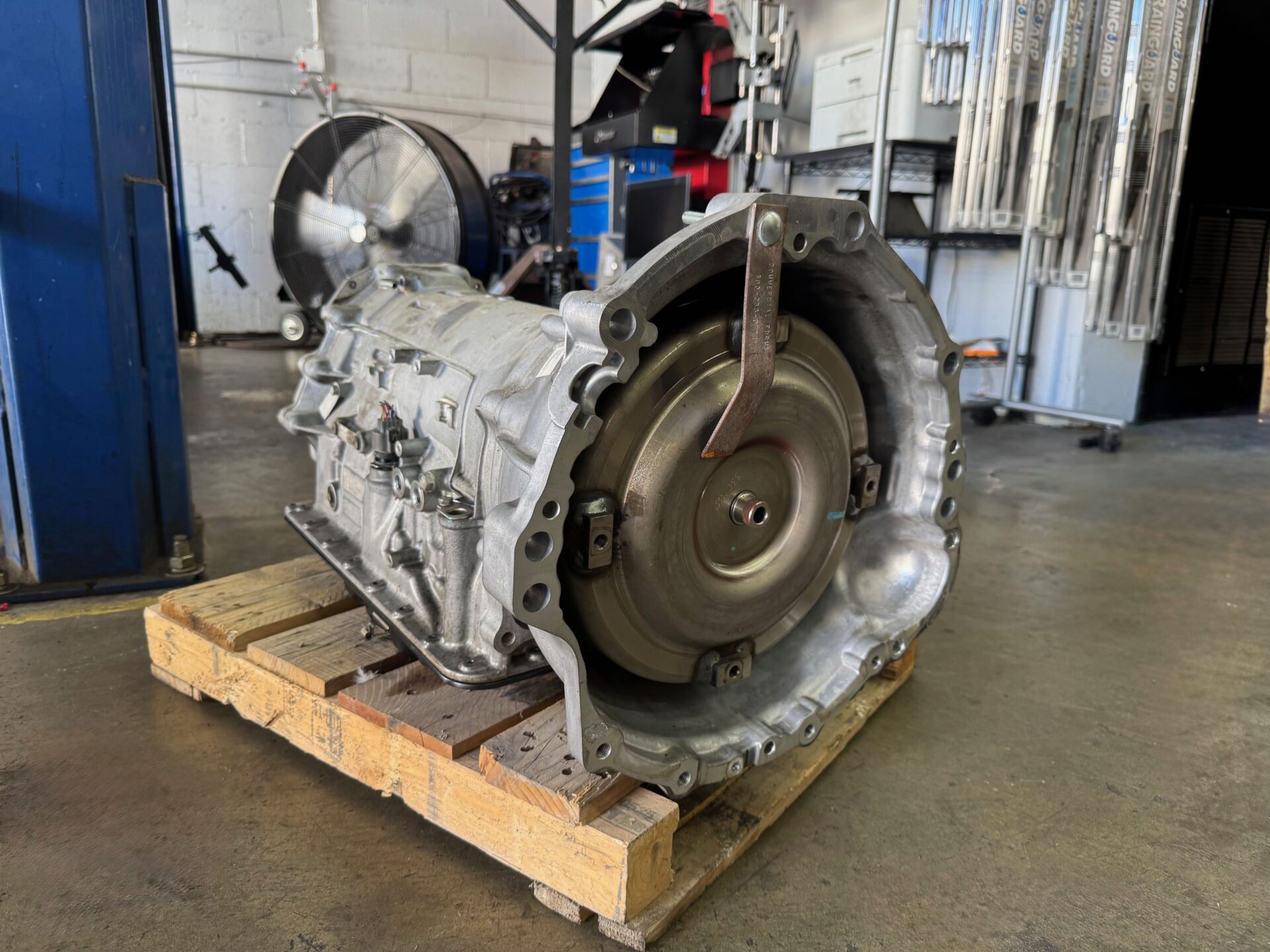
A transmission unit that was removed from a vehicle, ready for its Jasper Transmission Replacement.

At Temecula Auto Repair & Transmission, we take a meticulous approach to installing your Jasper transmission to ensure it operates like new. Here’s how we do it:

  1. Careful Removal of the Old Transmission: We safely extract the failed unit to prevent damage to surrounding components.
  2. Inspection of Supporting Systems: Our ASE-certified Technicians thoroughly examine transmission mounts, cooling systems, and connections.
  3. Installation of the Jasper Transmission: We install the Jasper remanufactured unit with precise alignment and calibration.
  4. Transfer of Operational Components: We will reuse external parts such as sensors, brackets, and lines only when appropriate.
  5. Final Testing and Road Verification: We will conduct comprehensive testing and a road test to confirm smooth operation with each transmission replacement.

This process ensures that your vehicle functions reliably, delivering optimal performance and safety.

Frequently Asked Questions About Jasper Transmissions

Is a Jasper transmission worth it?
Yes. Technicians remanufacture Jasper transmissions to higher standards than most rebuilds, delivering superior performance and reliability.

How long do Jasper transmissions last?
With proper maintenance, a Jasper transmission can easily exceed 150,000 miles, providing long-term value for Temecula and Murrieta clients.

How long does a transmission replacement take?
Technicians can complete most replacements within a few days to a week, depending on your vehicle and any additional repairs.

Do Jasper transmissions come with a warranty?
Yes. Every Jasper transmission comes with a nationwide, transferable warranty, covering you wherever you drive in the U.S.

Don’t Risk Getting Stranded.

Transmission problems can quickly escalate, leaving you stranded or causing significant damage to your vehicle. At Temecula Auto Repair & Transmission, we provide trusted Jasper Transmission Replacement services for drivers in Temecula, Murrieta, Winchester, French Valley, and beyond.

Whether you’re dealing with slipping gears, rough shifting, leaks, or recurring breakdowns, Jasper transmissions provide a reliable, long-lasting solution. Our ASE-certified technicians perform every installation with precision, ensuring your vehicle operates smoothly for years to come.

Schedule your reservation online or Contact our Temecula shop today for expert Jasper Transmission Replacement services. Drive with confidence knowing your transmission is in the hands of skilled professionals who prioritize quality, reliability, and long-term performance.

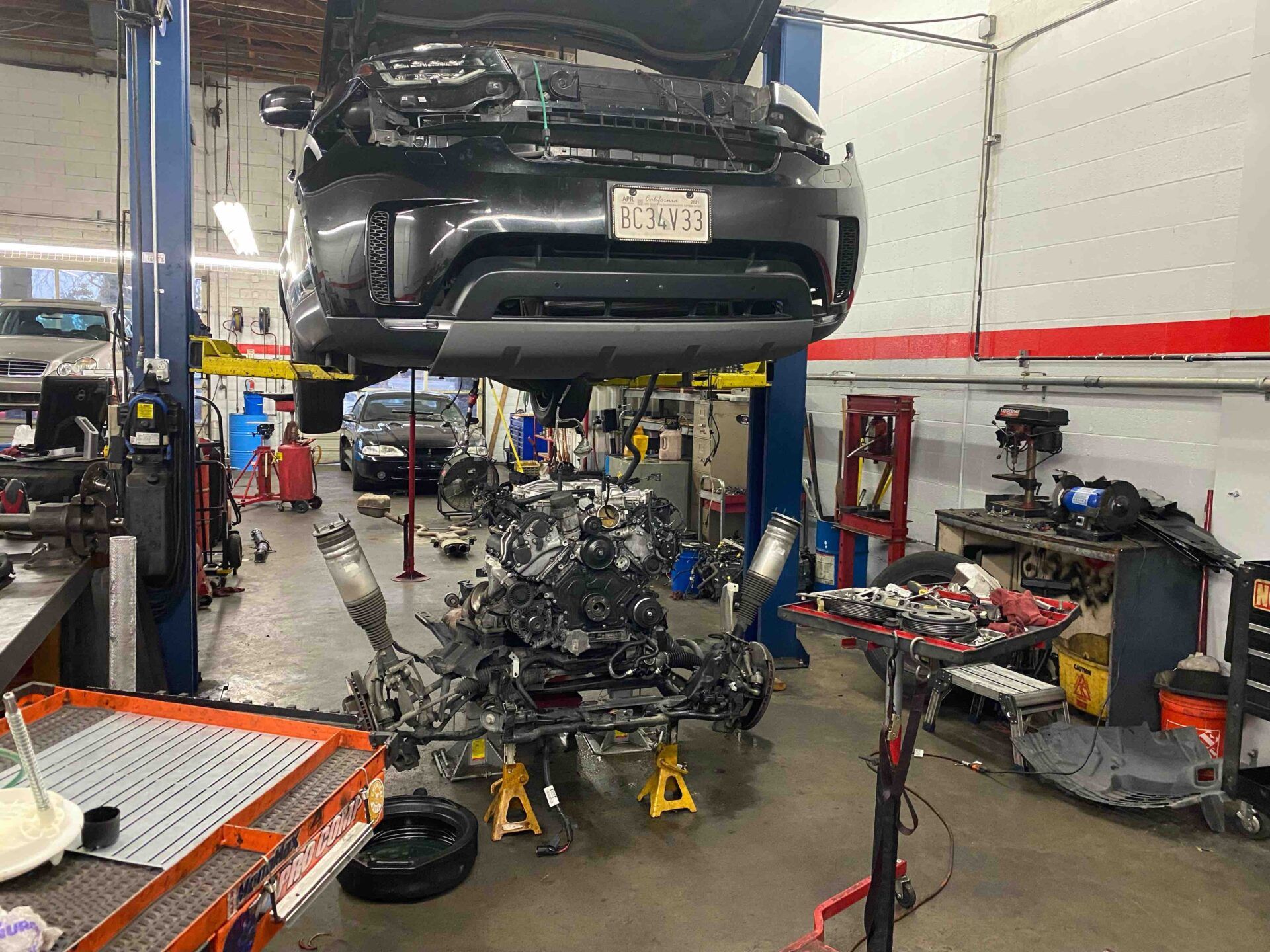
Land Rover Engine Replacement at Temecula Auto Repair

Engine Replacement in Temecula & Murrieta: Understanding Engine Failure and the Benefits of Jasper Engines

When the engine fails in your vehicle, it can feel like life is over for your car. Good news: sometimes a new car isn’t the only answer. If you need an engine replacement in Temecula, Murrieta, Winchester, or French Valley, a Jasper Remanufactured Engine delivers dependable quality and confidence.

At Temecula Auto Repair & Transmission, our team focuses on pinpointing engine problems and providing solutions that last. Our ASE-certified team installs Jasper Engines with precision, giving local drivers a dependable option backed by one of the strongest warranties in the industry.

Signs Your Engine May Be Failing

Many engine problems don’t need a full replacement, but early detection can save you thousands. Here are the warning signs Temecula and Murrieta drivers should watch for:

1. Excessive Exhaust Smoke

The color of your exhaust smoke will reveal important clues about the condition of your engine. By paying attention to the shade, you can gain insight into what might be going on under the hood.

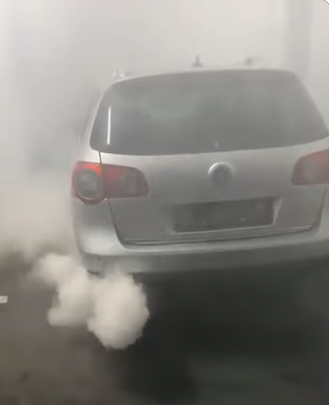
Excessive exhaust smoke coming out of the tailpipe of a Volkswagen.

Blue smoke from the exhaust indicates the engine burns oil, usually because worn piston rings or damaged valve seals allow it to enter the combustion chamber.

If you notice white smoke coming from your exhaust, it could mean that coolant is leaking into the combustion chamber. So, you should have us check it out right away, as this could be a sign that your engine may have a problem. Neglecting the issue may worsen existing engine problems and result in additional damage. This often points to a serious issue that needs immediate attention. This symptom often indicates problems such as a blown head gasket or a cracked cylinder head.

Black smoke is typically an indication that your engine is burning excessive fuel, which can result from problems in the fuel system or, worse, severe internal engine damage.

No matter the color, heavy exhaust smoke means it’s time to schedule an engine inspection before repairs get more expensive. We’ve been providing engine inspections and quality Jasper Engine Replacement in Temecula and Murrieta for over a decade.

2. Strange Engine Noises

Strange sounds from your car are signs you shouldn’t overlook. Common engine noises include:

  • Knocking or banging – Worn bearings or piston damage.
  • Ticking – Problems with valve lifters or the valvetrain.
  • Grinding – Metal-on-metal contact from worn parts.

Engines don’t fix themselves. If you’re hearing these noises while driving in Temecula, Murrieta, Winchester, or French Valley, it’s time for our professionals to perform an engine check.

3. Metal in the Oil

During an oil change, your oil should never contain metal shavings. If it does, engine components are wearing down, which can lead to failure.

Frequent oil changes at our Temecula shop are one of the best ways to spot this issue early and avoid a complete engine replacement.

4. Loss of Power or Stalling

If your car struggles to accelerate, stalls at lights, or misfires, your engine may be in trouble.

  • Misfiring cylinders cause jerking and a rough idle.
  • Stalling points to fuel or compression issues.
  • Weak acceleration may indicate major wear or failing sensors.

If you notice any of these symptoms during your commute in Temecula, don’t wait, as engine problems only get worse over time.

5. Low Oil Pressure or Overheating

These are two of the most dangerous signs.

Low oil pressure warns that the engine lacks proper lubrication. Without adequate lubrication, essential components wear down faster than normal. Over time, this can lead to significant engine damage, which means costly repairs.

Coolant leaks, a clogged radiator, or a blown gasket are all possible causes of engine overheating.

If you see warning lights on your dashboard, pull over immediately and call our Temecula shop for help.

6. Frequent Breakdowns

Even with proper upkeep, an engine that repeatedly fails you could be signaling that it’s time for a replacement engine. Constant repairs cost more in the long run. So, investing in a Jasper Engine Replacement right here in Temecula or Murrieta will save you in the long run.

Why Are Jasper Engines the Top Choice for Drivers in Temecula & Murrieta?

A Jasper Remanufactured Engine delivered in its packaging.

When locals ask whether to rebuild, repair, or replace their engine, we often recommend Jasper Engines. Here’s why:

1. Stronger than the factory version, with original design flaws addressed.
2. Precision process – We test all Engines under real driving conditions.
3. Upgraded components – Jasper replaces known weak parts with more durable materials.
4. Nationwide warranty – Coverage follows you across the U.S.

For drivers in Temecula, Murrieta, Winchester, French Valley, and surrounding areas, Jasper Engines offer more reliability and peace of mind than most local rebuilds.

Our Local Engine Replacement Process

At Temecula Auto Repair & Transmission, our process ensures your Jasper engine runs like new. Here’s what we do:

  1. Carefully remove the failed engine
  2. Inspect mounts, cooling system, and connections
  3. Install the Jasper replacement engine
  4. Transfer operational external parts, such as manifolds or sensors.
  5. Perform final testing and a road verification

FAQs About Jasper Engines

Is a Jasper Engine worth it?
Yes! Jasper remanufactures its engines to higher standards than most rebuilds, making them more reliable.

How long do Jasper Engines last?
A Jasper Engine can easily surpass 150,000 miles with regular maintenance.

How long does it typically take to replace an engine in Temecula or Murrieta?
We typically replace your old engine with a Jasper Remanufactured Engine within a few days to a week. However, completion times may vary if there are other repairs involved with your vehicle.

Do you include a warranty with Jasper Engine replacements?
Yes. A nationwide, transferable warranty comes with every Jasper Engine.

If your engine is failing, take action now to avoid getting stranded. At Temecula Auto Repair & Transmission, we provide trusted engine replacement in Temecula and Murrieta, along with professional Jasper installations for drivers in Winchester, French Valley, and beyond.

Schedule your reservation online or contact us by phone today for professional Jasper Engine replacement services.

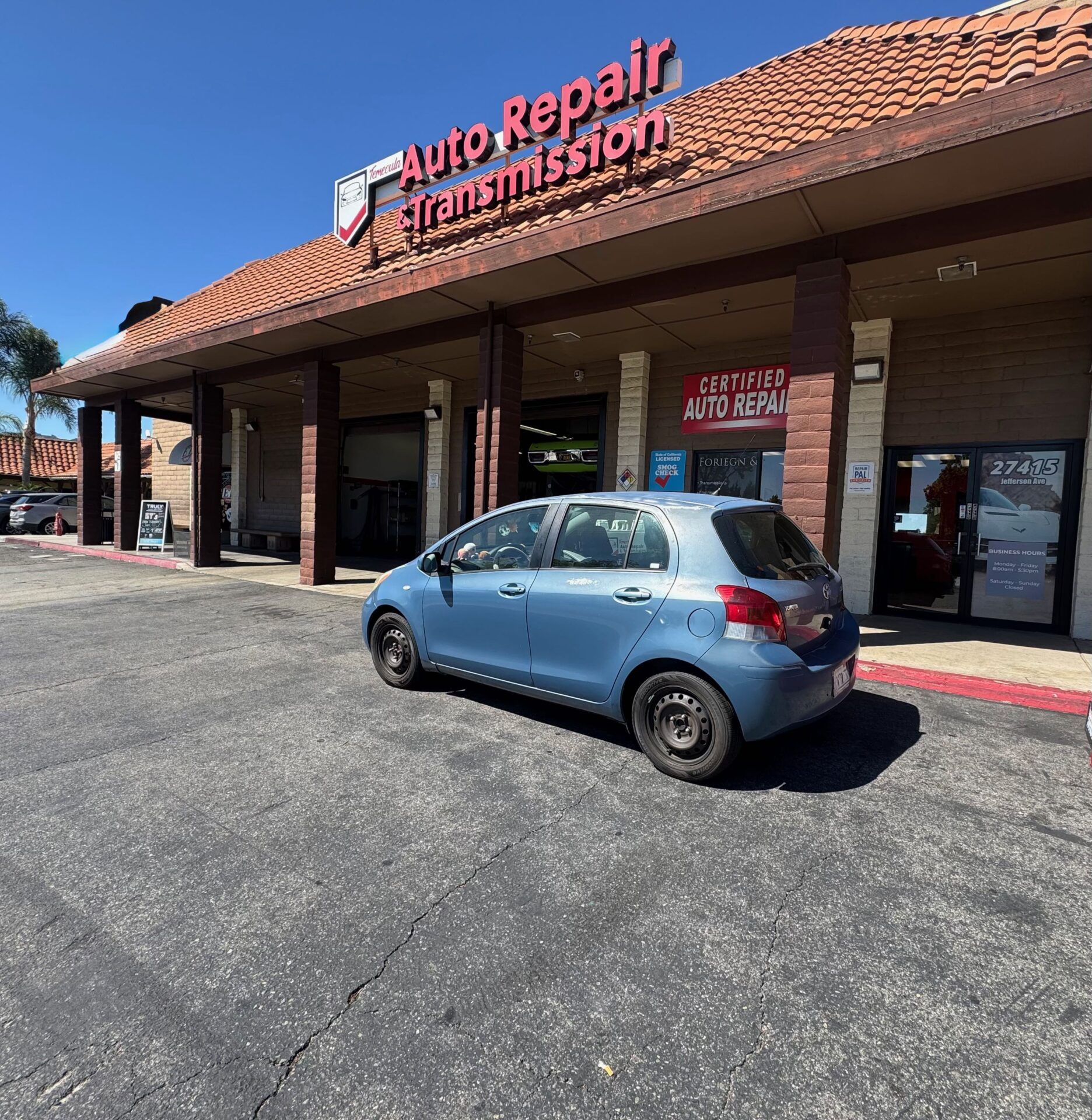
An older, high mileage Toyota Yaris at the shop for maintenance.

Car Aging Gracefully: Key Maintenance to Keep Your 10+ Year-Old Vehicle Running Strong in Temecula & Murrieta

If your car has gone over the 100,000-mile mark or it’s been on the road for more than a decade, you’re not alone. The average vehicle in the U.S. today is more than 13 years old, and more Temecula and Murrieta drivers are choosing to hold on to their vehicles longer. However, the good news is that with proper maintenance, your older car can stay safe, reliable, and even fun to drive for many more years.

Below are some essential maintenance steps, local examples, and a printable checklist to help your vehicle age gracefully – no matter its age or mileage.

1. Stay on Top of Fluid Changes

Why it matters:

Fluids are the lifeblood of your car. But, over time, oil, coolant, brake fluid, and transmission fluid break down and lose their effectiveness, especially during our hot Temecula Valley summers.

What to do:

  • Change engine oil and filter regularly (every 5,000–7,500 miles or 6 months)
  • Check and exchange transmission fluid, differential fluid(s), and transfer case fluid (if applicable).
  • Inspect and replace coolant/antifreeze every 2–3 years.
  • Replace brake and power steering fluids every 2 years, or as the vehicle manufacturer recommends.

Pro tip: Even if you drive infrequently around Temecula, Murrieta, or French Valley, fluids degrade with time, not just due to mileage. Come in to have our team check them at least once a year.

Local example: A Murrieta client brought in a 2011 GMC Terrain that failed its Smog Check due to excessive smoke from the tailpipe. The engine oil was so dirty that it created this problem. We simply performed two back-to-back oil changes with a special restoration additive and prevented a costly engine failure. He’s happily back on the road with a smooth-running engine and a successful Smog Check.

2. Protect the Cooling System

Hot inland temperatures put extra strain on older engines. Your cooling system – radiator, thermostat, and water pump – keeps the engine at safe operating temperatures.

What to check:

  • Radiator: inspect for corrosion or leaks.
  • Hoses: replace if brittle, bulging, or soft.
  • Water pump: check for noise or seepage.
  • Coolant condition: flush every few years.

Local tip: Because Temecula and Murrieta see triple-digit summer days, cooling system maintenance is critical. A pressure test once a year helps detect weak spots before a hot-weather breakdown.

3. Maintain Suspension & Steering Components

Over time, suspension parts wear out, causing rough rides and poor handling.

What to inspect:

  • Shocks and struts for leaks or bounce.
  • Ball joints, tie rods, and bushings for wear.
  • Springs for sagging or cracks.
  • Wheel alignment and tire balance.

Signs of Suspension & Steering Trouble:

  • Uneven tire wear.
  • Excessive vibration or pulling to one side.
  • Clunking noises on bumps.

Example: A Temecula driver with a 2003 Cadillac noticed a rough ride on the freeway. Worn and leaking rear shocks were the culprit. Replacing them restored a safe, smooth ride.

4. Don’t Ignore the Brakes

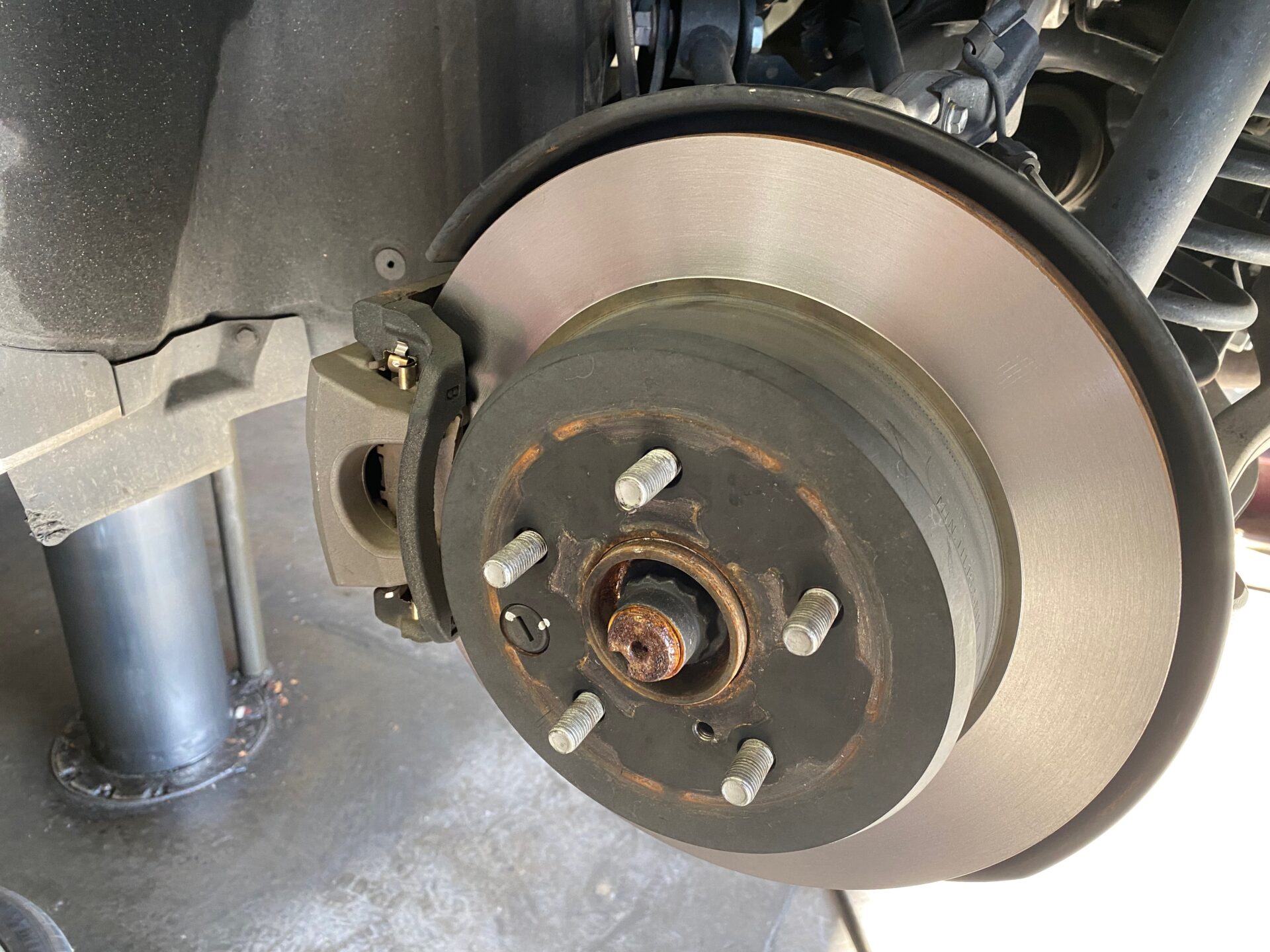
Brake Service on an older - high mileage car.

Your braking system keeps you and your passengers safe – and older cars need more frequent inspections.

Inspect:

  • Pads and rotors for thickness and warping.
  • Brake lines for corrosion or leaks.
  • Calipers for sticking or uneven wear.
  • Brake fluid for moisture contamination.

Tip: Brake fluid absorbs moisture from the air, especially in areas like Temecula, where temperature swings are common. Replace your brake fluid every 2 years to maintain a firm, consistent brake pedal feel.

5. Electrical System: Catch Problems Early

After 10+ years, electrical issues can become more frequent. Dim headlights, slow cranking, or random warning lights shouldn’t be ignored.

Preventive Automotive Electrical Checks:

  • Test battery voltage and alternator output annually.
  • Inspect terminals for corrosion.
  • Check fuses and relays.
  • Make sure all sensors and lights function properly.

Common issues in older vehicles:

  • Weak alternator output.
  • Parasitic battery drains.
  • Worn ignition switches or wiring faults.

Local insight: High interior heat in Temecula’s summer months can accelerate electrical wear. Parking in shade or garages helps prolong component life.

Before taking an older vehicle on a long-distance drive, consider a pre-trip inspection for a safer, more reliable road trip. Checking the Battery, Cooling System, Brakes, Tires, and Fluids can help uncover developing problems before you leave Temecula or Murrieta.

6. Protect Against Rust, Leaks, and Rubber Aging

While we don’t face much road salt in Southern California, rust can still form underneath due to moisture or coolant leaks.

Maintenance tips:

  • Inspect the undercarriage at every oil change.
  • Fix small leaks quickly – they attract dirt and cause corrosion.
  • Replace old hoses, seals, and belts before they fail.
  • Apply a rust-resistant coating if you live near the coast or drive off-road.

Example: A Murrieta resident’s Land Rover developed a slow oil leak. By having us inspect and repair the leaking gasket early, she avoided damage to the alternator and front suspension bushings.

7. Replace the Timing Belt or Chain on Schedule

One of the most important services for aging cars is timing belt replacement. However, if the belt breaks, your engine can suffer major internal damage.

General Timing Belt Guidelines:

Replace belts every 60,000–100,000 miles or 5–7 years, whichever comes first.

Timing chains last longer and don’t necessarily have a recommended replacement interval, but still require periodic inspection for slack or noise.

Local note: We often see Temecula drivers delay timing belt service because their cars “still run fine.” But a $700 timing belt job today could prevent a $4,000–$8,000 engine failure later.

8. Embrace Preventive Vehicle Maintenance

Older cars reward consistent attention. Preventive inspections save money and stress compared to emergency repairs.

Seasonal Checklist:

  • Spring: fluids, battery, A/C performance.
  • Summer: cooling system, tires, suspension.
  • Fall: brakes, belts, wipers.
  • Winter: battery, heater, defroster, fluids.

Pro tip: Periodic inspections are the key to keeping older vehicles on the road. Temecula Auto Repair & Transmission specializes in maintaining 10 to 20-year-old cars with the goal of reliability and originality.

An odometer reading from a vehicle in our shop, showing over 172,000 miles.

FAQs for Temecula & Murrieta Drivers

Q: Is it worth repairing an older car instead of buying new?
Yes, especially in today’s market. A well-maintained 10-year-old car can outlast new models if serviced properly. Considering Temecula’s relatively mild climate, rust and frame damage are less of a concern than in other states.

Q: My car only drives 3,000 miles a year – do I still need regular service?
Absolutely. Fluids age with time, not just mileage. Rubber seals and gaskets dry out when the car sits unused.

Q: How do I know if my car has a timing belt or chain?
Check your owner’s manual or ask our automotive experts. Most Hondas, Toyotas, and Subarus built before 2015 use belts; many newer European and domestic models use chains.

Q: Can the Temecula heat affect my car’s electrical system?
Yes. High temperatures shorten battery life and stress alternators. Keep the battery terminals clean and have it tested yearly – especially before summer road trips.

Q: How often should I flush my coolant?
In most cases, every 2–3 years. Temecula’s hot climate accelerates coolant breakdown, so annual inspections are wise.

Real-World Example: One Temecula client brought us her 2006 Toyota Sequoia with 218,000 miles. It ran well but had developed a clunking noise. After replacing a drive axle, the SUV was quiet, smooth, and reliable again.

That same owner later told us: “I was ready to buy a new car, but after you fixed it up, I realized it drives better than half the new cars I test-drove.”

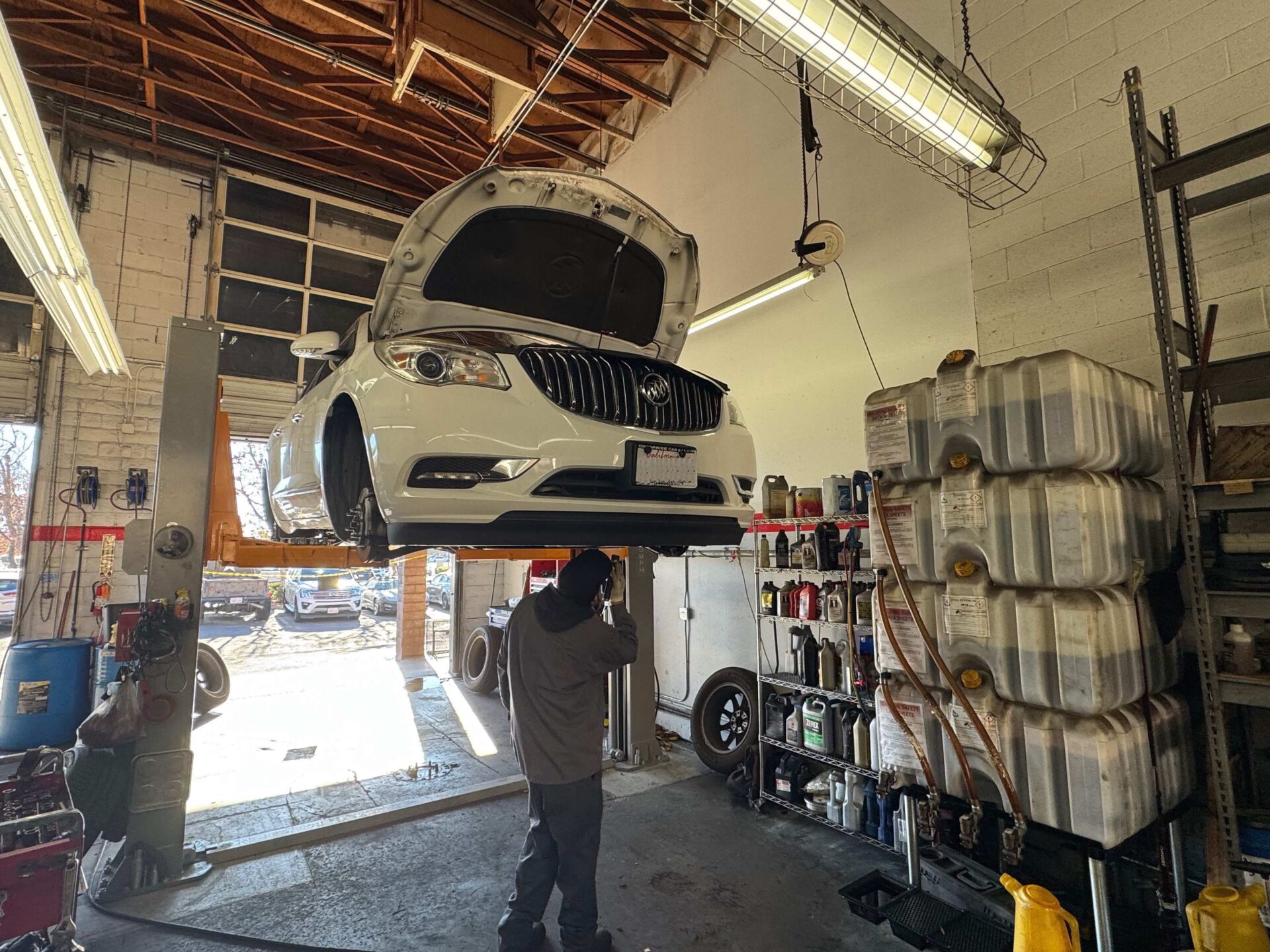
An Old - High Mileage Buick in the shop for Service and Repair.

The Bottom Line

Aging cars don’t have to mean constant headaches. With consistent maintenance, smart inspections, and our local experts who know how to care for older vehicles, your car can keep serving you for years to come.

At Temecula Auto Repair & Transmission, we take pride in keeping older vehicles on the road – reliable, original, and safe. Whether you’re from Temecula, Murrieta, De Luz, Winchester, or French Valley, our ASE-certified technicians specialize in diagnosing, maintaining, and restoring vehicles that have crossed over the 10-year or 100,000-mile milestone.

Schedule your next maintenance reservation today and let your car age gracefully with professional care from Temecula Auto Repair & Transmission.

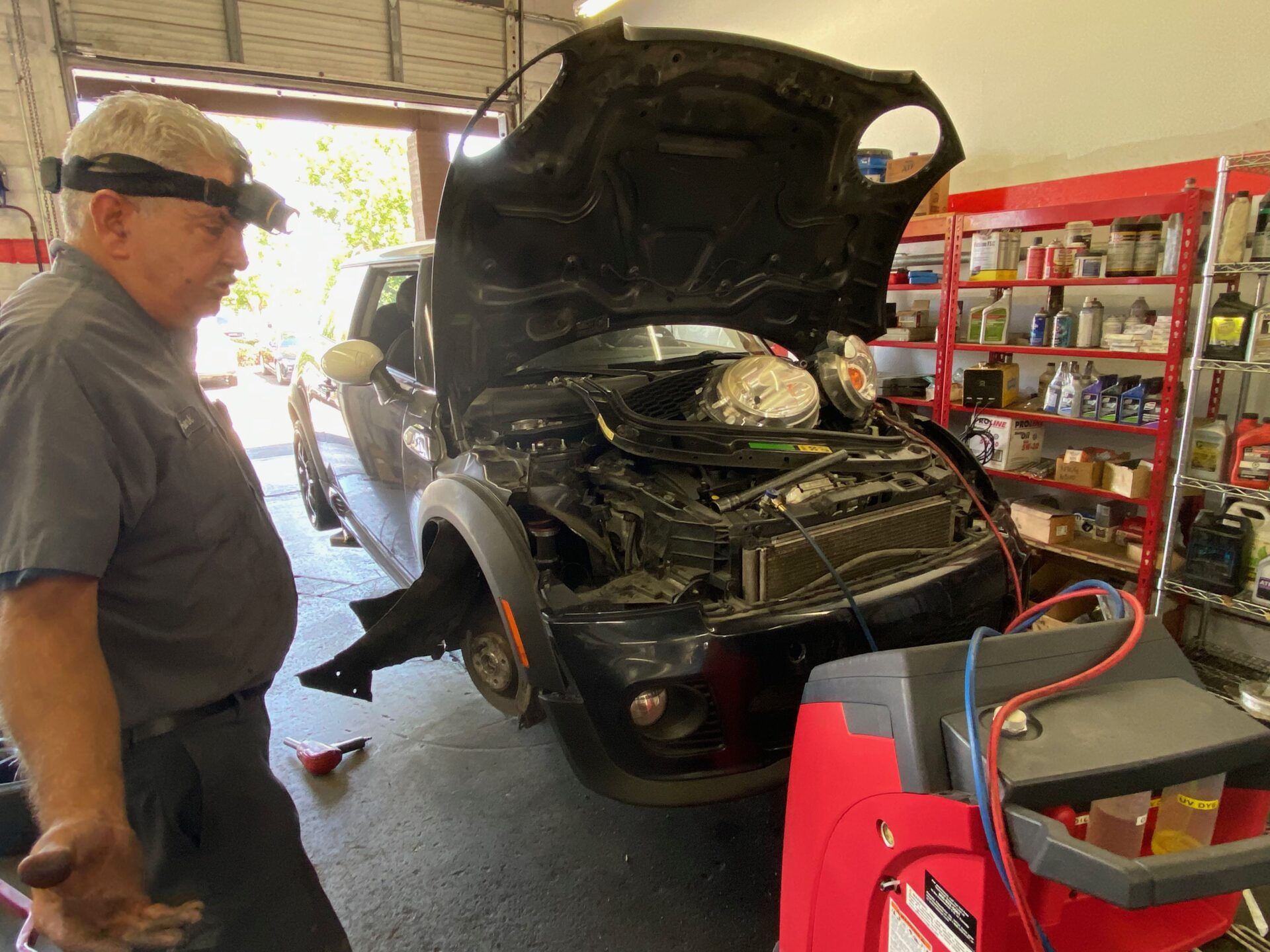
Our Technician is performing AC System Diagnosis on a Mini Cooper.

Why Accurate Car Diagnostics Matter For Smart Car Repairs

The Science of Diagnosing Car Problems: What Actually Happens in a Repair Shop

Car problems rarely strike at a good time. They create stress, spark worry, and often lead to fast decisions. Many people feel tempted to approve repairs based on a guess. However, real repair shops follow a scientific process. They use tests, data, training, and tools to uncover the truth. Because of this, the best shops follow one clear rule: Test, Don’t Guess!

In this post, you will learn how technicians diagnose issues. You will also see why testing saves money, protects your vehicle, and prevents repeat problems. As you read, you will discover simple and complex steps that guide every repair.

Why Accurate Diagnosis Matters

Many drivers think diagnostics delay repairs. Yet proper testing speeds up repairs and protects your wallet. When a shop tests each system, it avoids replacing good parts. In addition, accurate diagnosis prevents mistakes in the repair plan. Because of this, the final repair brings lasting results.

Even small errors can lead to big waste. A guessed repair often fails to solve the problem. Then another guess follows. Soon, the bill grows. However, a tested repair finds the root cause and fixes it the first time. Therefore, smart drivers choose shops that promote proper diagnosis.

Step 1: Listening to the Client and the Car

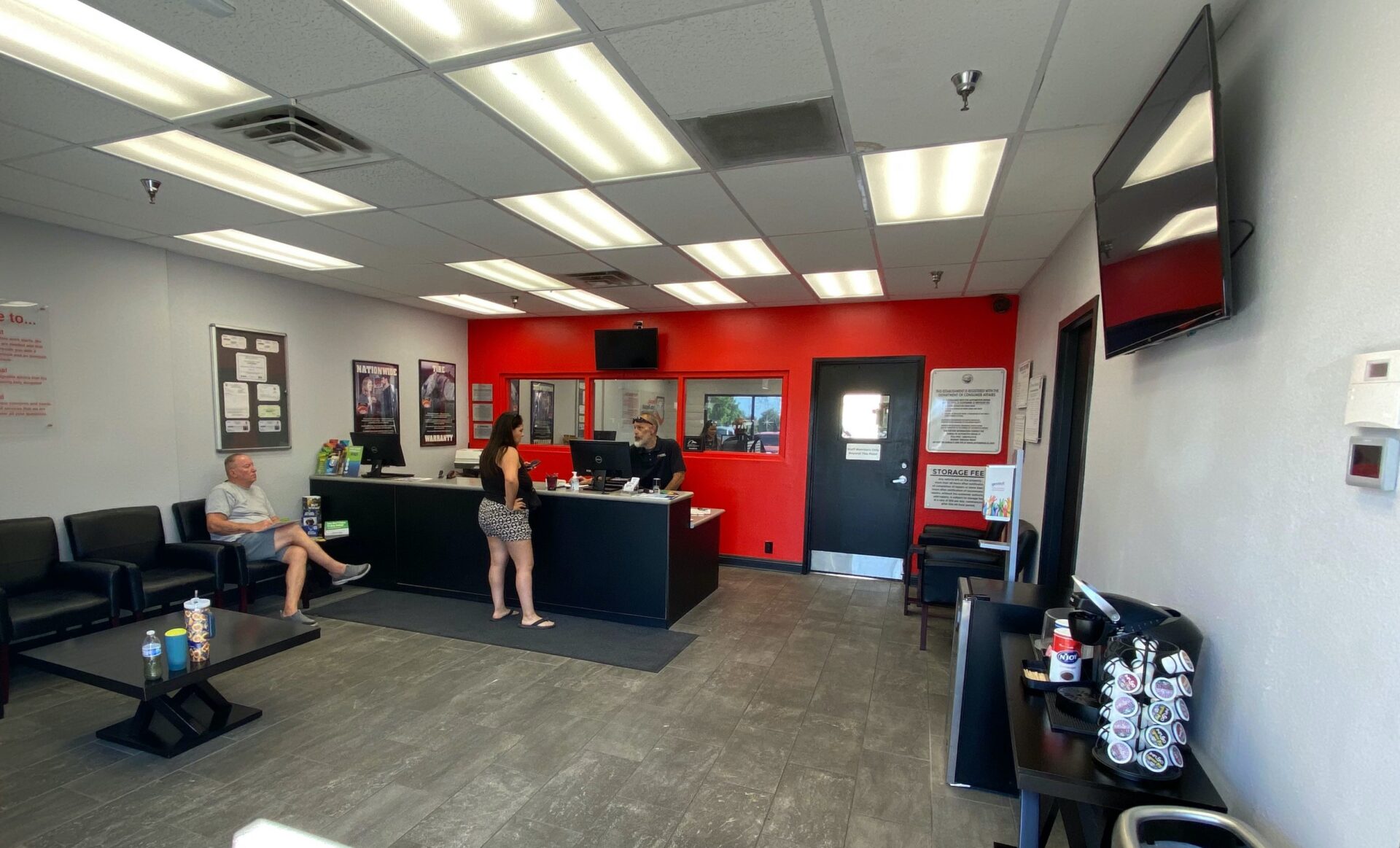
Our Service Manager obtains detailed information from a client for the most accurate Diagnosis outcome.

Great diagnosis begins before tools come out. A professional Service Advisor or Manager starts by asking questions. These questions guide the rest of the work. For example, a technician will need to know when the noise happens, how often the car stalls, or if the issue appeared after another repair. Because every detail helps, the first step sets the tone.

After the customer interview, the tech road-tests the car. During the drive, the tech listens, watches, and feels for clues. This step often confirms the concern. It also reveals hidden issues that may matter later. Although the test drive seems simple, it provides key data.

Step 2: Visual Checks and Basic Inspections

Once the car reaches the service bay, the technician performs a visual check. This step includes looking for leaks, loose parts, worn belts, or damaged wiring. Even small signs can reveal larger issues. Additionally, visual checks often spot problems that do not trigger warning lights.

Although this step appears simple, it forms the base of all good diagnosis. Many problems show physical clues. Because of this, the tech studies the engine bay, suspension, and undercarriage. In many cases, a sharp eye catches issues that tools later confirm.

Step 3: Using Scan Tools to Read Data

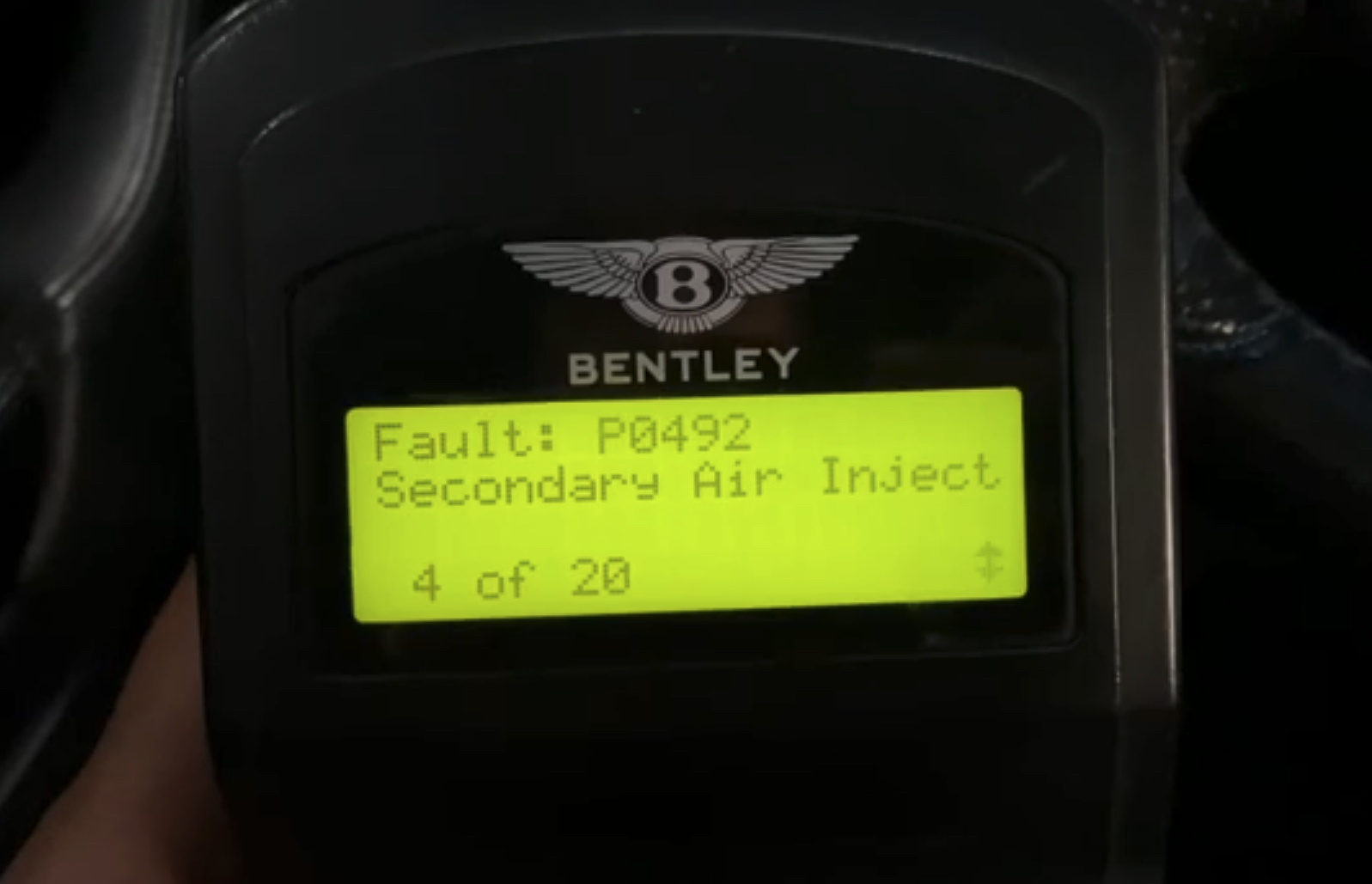
A scanner screen readout of a Diagnostic Trouble Code.

Modern cars store huge amounts of data. A scan tool reads that data. These tools reveal trouble codes, sensor values, and system reports. Although many people think trouble codes give the exact answer, they do not. Instead, codes guide the technician toward the system that needs attention.

After reading the codes, the technician checks live data. Live data shows real-time readings from sensors. Because sensors can fail or drift, these readings help pinpoint faults. For example, a technician might see a fuel trim number out of range. That clue can point to a vacuum leak or a fuel delivery issue. Therefore, scan tools turn data into direction.

Step 4: Isolating the System

Once the technician sees codes and data, the next step isolates the affected system. This step focuses only on the system with the reported fault. For example, if the engine misfires, the technician tests ignition parts, fuel parts, and air delivery parts. Although other systems may matter, the tech stays focused until the root cause appears.

During this step, the technician may use fuel pressure gauges, spark testers, smoke machines, and electrical probes. Each tool provides a piece of the puzzle. In addition, this step prevents wasted effort on unrelated systems. Because time matters, proper isolation keeps the work efficient.

Step 5: Advanced Electrical Testing

Newer cars rely heavily on electronics. Because of that, advanced testing often becomes the heart of diagnosis. Technicians use multimeters, lab scopes, and signal probes to test circuits. These tools reveal voltage drops, resistance changes, and waveform shapes. Although the details appear complex, these readings show what each component actually does.

For example, a crankshaft sensor may send a weak or distorted signal. A lab scope can reveal this instantly. Then the technician knows the sensor cannot deliver a clean signal to the engine computer. Therefore, the car may stall, hesitate, or fail to start. Through testing, the tech finds the exact cause instead of guessing.

Step 6: Mechanical Testing for Internal Problems

Some issues hide deep inside the engine or transmission. Because of this, the tech uses mechanical tests to find them. Compression tests, leak-down tests, and vacuum tests show the internal health of the engine. These tests reveal worn valves, bad piston rings, or timing issues.

Although mechanical tests take time, they prevent expensive mistakes. For example, low compression in one cylinder will not improve with new spark plugs or coils. Only proper testing finds the real failure. As a result, the tech avoids wasted money on good parts.

Step 7: Using Factory Service Information

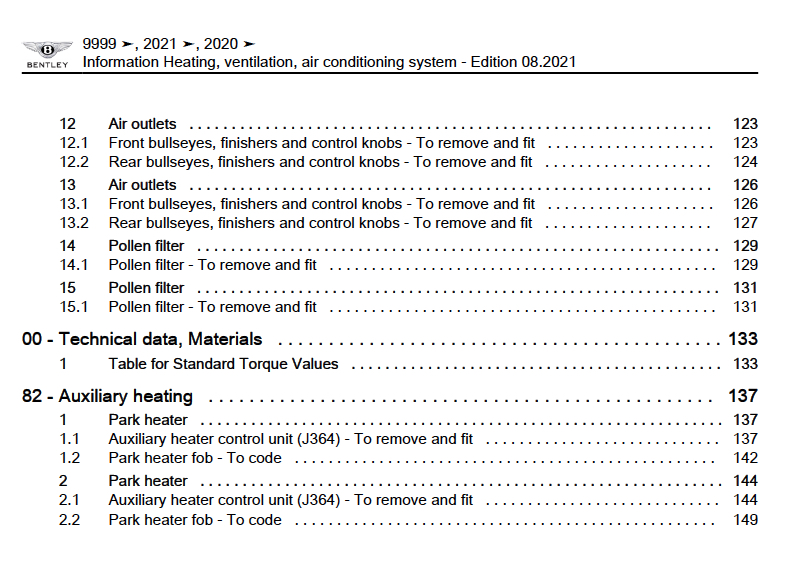
An excerpt Bentley's factory Repair & Service Information.

Great shops use factory service information as part of the diagnosis. This material includes wiring diagrams, pressure specs, test steps, and flow charts. Because cars change each year, this information keeps technicians on the right track.

Technicians also use repair databases that track known issues. These systems show common failures and confirmed fixes. Although each case still needs testing, these tools reduce the time spent searching. As a result, the tech reaches the correct answer faster.

Step 8: Confirming the Root Cause

After testing each part, the technician confirms the root cause. This step prevents accidental mistakes. Because many issues share symptoms, the technician verifies the failure before suggesting repairs.

For example, a car with a rough idle might show a misfire code. However, the true cause could be a vacuum leak, or a sensor fault. Proper confirmation reveals which part actually failed. Therefore, the shop avoids guesswork and protects the client’s budget.

Step 9: Reporting Findings and Explaining the Plan

Once the root cause becomes clear, the technician prepares a report. This report shows test results, pictures, data, and the recommended repair. Because transparency matters, reputable shops explain each step to the client.

Clear communication builds trust. It also helps the client understand why certain repairs matter. When clients see facts, they feel more confident. Then they approve repairs with peace of mind instead of pressure.

Step 10: Verifying the Repair

After the repair, the technician verifies the fix. This step confirms the issue is gone. The technician clears codes, checks data, and performs another road test. Because quality matters, the shop ensures the car runs as it should.

Many shops skip this step. Yet the best shops know verification protects the client. It also protects the shop’s reputation. Therefore, final testing becomes a crucial part of the process.

Why “Test, Don’t Guess!” Saves Money

Diagnosis protects your wallet. Although testing takes time, it prevents costly mistakes. Yes, sometimes the results match what someone first guessed. However, that outcome does not make the testing unnecessary. Instead, the testing acts like an insurance policy. It confirms the failure and proves the repair plan is correct. Because of that, you avoid doubt and gain peace of mind.

Even so, the opposite outcome could appear. The test results may reveal a completely different fault. When that happens, testing just saved you from wasting money on the wrong repair. Many parts seem related to a problem, yet only one part actually failed. Therefore, guessing creates a real risk. You could buy parts that do nothing to fix the issue.

Most drivers want fast answers. However, speed without testing creates trouble. Guessing may feel cheaper at first, but the gamble rarely pays off. Instead, proper testing delivers truth. A verified diagnosis stops repeat failures and protects the vehicle. Because of this, the smarter choice is clear. Test, don’t guess.

FAQs

1. Why is car diagnostic testing important?
Car diagnostic testing finds the real problem fast. Although many issues seem simple, testing prevents wrong repairs. Because of this, you save money and avoid frustration.

2. How long does a proper car diagnosis take?
Most diagnostic tests take one to two hours. However, complex problems may need more time. Even so, the extra testing protects you from repeated repairs.

3. Do Diagnostic Trouble Codes (DTCs) tell me exactly what part failed?
Trouble codes do not point to one exact part. Instead, they guide the technician toward a system. Therefore, the tech still tests each part before choosing the repair.

4. Can guessing a repair cause more damage?
Guessing often leads to wasted money and missed problems. Although it may seem faster, it increases risk. Testing first protects the vehicle every time.

5. Why do reputable repair shops say “Test, Don’t Guess!”?
Professional and reputable shops use this rule to ensure accuracy. Testing confirms the root cause and avoids wasted parts (a.k.a. money). Because of this, you get repairs that last.

Final Thoughts

Modern vehicles require careful, scientific diagnosis. Skilled technicians rely on training, experience, tools, and data. Because of this, they avoid guesswork and deliver accurate results.

When you choose a shop that values testing, you protect your wallet and your vehicle. Therefore, always look for a repair shop that follows the golden rule: Test, Don’t Guess!

If you need honest diagnostics in the Temecula or Murrieta area, visit Temecula Auto Repair & Transmission. Our team follows the “Test, Don’t Guess!” approach on every vehicle. Because of this, you get clear answers, fair repairs, and real peace of mind.

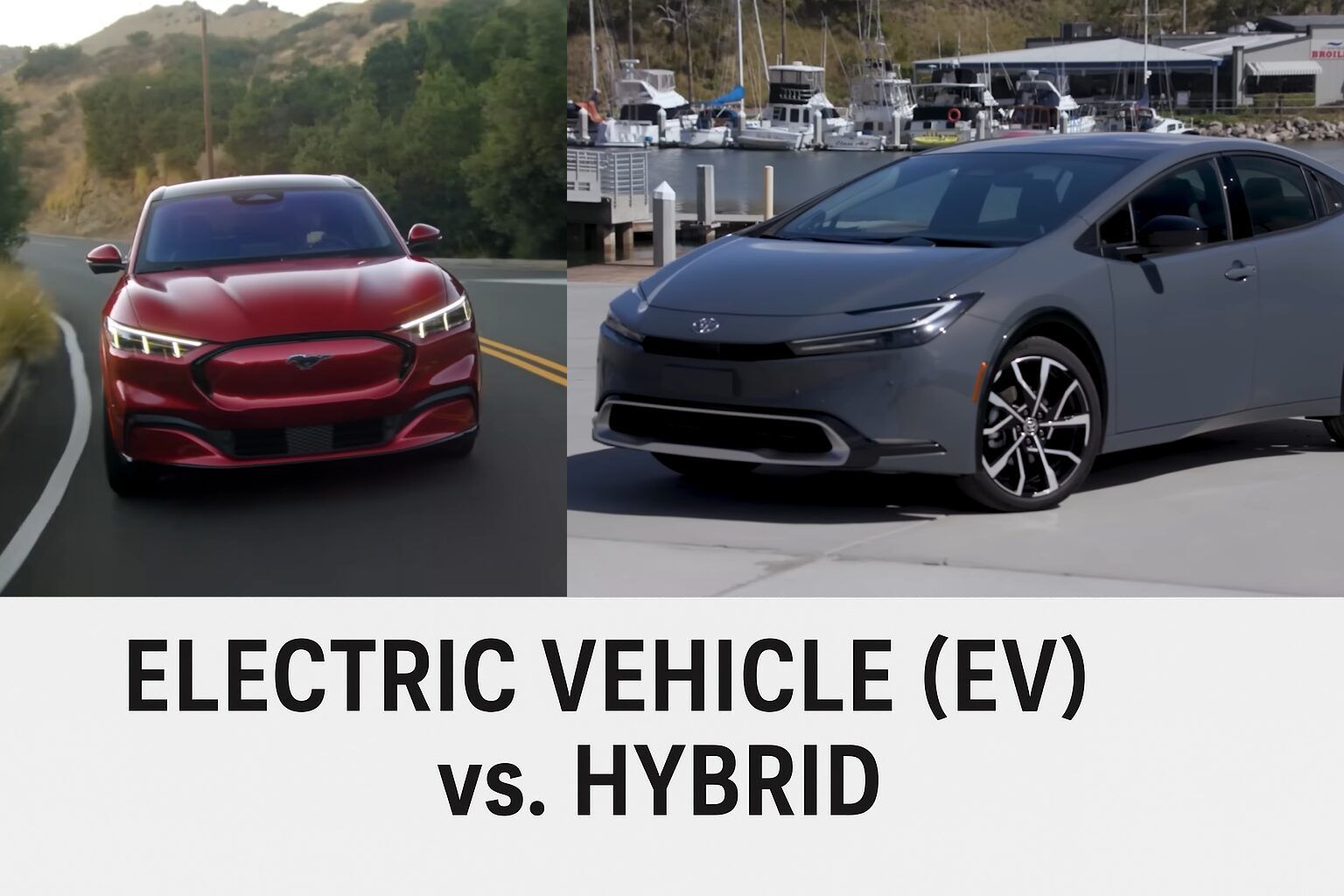
An all Electric Ford Mustang Mach-E side-by-side with a Toyota Prius Hybrid, for comparison.

EV Hesitations? Why Hybrids Are the Smart Choice

EV Hesitations? Why Hybrids Might Be the Smarter Switch for Now

Electric vehicles (EVs) are everywhere in the news, with automakers rolling out new models at record speed. While the future of driving may be electric, many Southern California drivers still feel hesitant about going all-in on an EV. One of the biggest concerns is battery range. Drivers worry about how far they can realistically travel on a single charge, especially when dealing with SoCal’s long commutes.

A chart showing the lack of available EV Chargers - Source J.D. Power

Charging Station Availability

Charging station availability is another sticking point; while the number of public chargers is growing, it’s still not as convenient as pulling into any gas station. Additionally, finding a working, compatible charger in a pinch can be stressful. 

High Purchase Prices

High purchase prices also give buyers pause. Even with tax incentives, most EVs cost significantly more upfront than their gasoline counterparts. Finally, there’s the uncertainty of unfamiliar repair costs. Unlike traditional vehicles, EVs require specialized service and parts. For example, not every local repair shop has the equipment to handle them. Consequently, this can make maintenance feel intimidating and potentially more expensive.

Hybrid Cars Can Be the Perfect Middle Ground

If you’re not quite ready to commit to a fully electric vehicle, a hybrid car is the perfect middle ground. Hybrids combine the power of a traditional gasoline engine with the efficiency of an electric motor. This creates a balanced system that delivers impressive fuel economy and reduced emissions. The electric motor assists the gas engine during acceleration, low-speed driving, and stop-and-go traffic, which means the engine doesn’t have to work as hard, resulting in less fuel consumption. This makes them an attractive choice for Southern California drivers who want to save on gas while avoiding range anxiety.

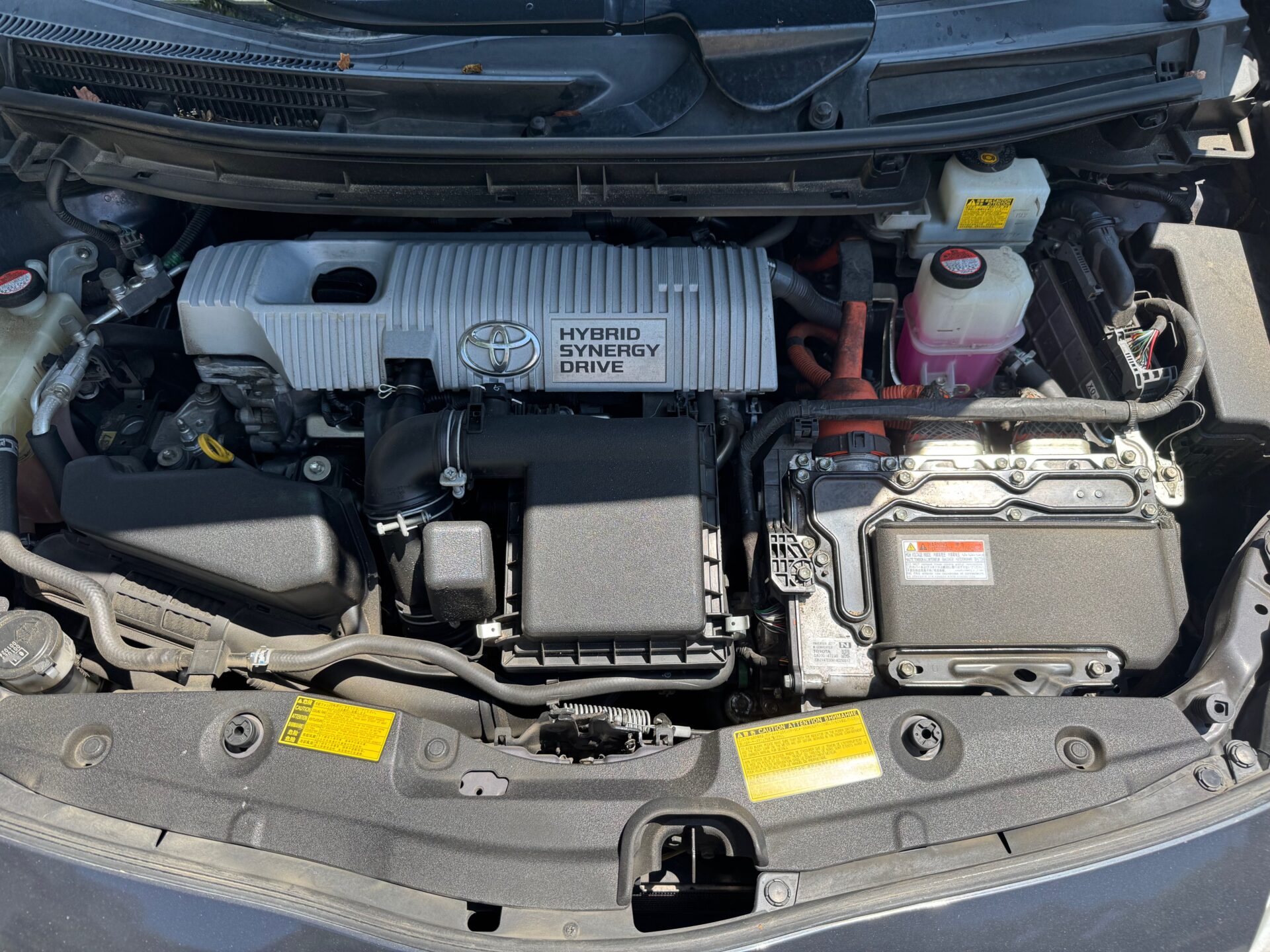
At Temecula Auto Repair & Transmission, we specialize in keeping hybrids running at their best. Our team has the tools, training, and experience to handle the unique systems that make hybrids different, from battery health checks to maintaining the complex electronics and drivetrain components. Serving Temecula, Murrieta, Winchester, and French Valley, we help you enjoy the benefits of electric technology without the stress, ensuring your hybrid stays reliable for years to come.

Why Some Drivers Are Pumping the Brakes on EVs

Despite rapid progress in technology, owning an EV still presents a few hurdles for drivers:

Range anxiety – The fear your EV won’t have enough charge to reach a station, especially on long trips or new routes.

Charging station gaps – Limited access to fast chargers in certain areas.

Higher upfront costs – EVs can cost thousands more than gas-powered vehicles.

Unfamiliar repair needs – Electric vehicles use advanced components and high-voltage systems that demand specialized equipment and expert technicians for safe, accurate repairs.

For many, these factors make hybrids a more practical choice for today’s roads.

The Benefits of Driving a Hybrid in Temecula

A blue Toyota Prius Hybrid at a park in Temecula near Temecula Auto Repair & Transmission

Hybrid cars like the Ford Escape Hybrid, Toyota Prius, and Honda Accord Hybrid combine a gas engine with an electric motor to boost fuel efficiency, performance, and fuel savings. Here’s why they’re popular among local drivers:

1. Extended Driving Range
Hybrids seamlessly switch between gas and electric power, giving you the flexibility to handle both short city trips and longer highway drives without worrying about running out of charge or finding a station in the middle of your journey.

2. Lower Fuel Costs
By using electric assist during acceleration and low-speed driving, hybrids deliver excellent MPG, especially in stop-and-go traffic, making them a cost-effective choice for commuting around Temecula, Murrieta, and the surrounding areas where gas prices can add up quickly.

3. Eco-Friendly Driving
With reduced emissions compared to traditional gasoline vehicles, hybrids help improve local air quality, making them a smart choice for drivers who want to minimize their environmental footprint while still enjoying the convenience of personal transportation.

4. Smooth Transition to Electric
Hybrids allow you to experience the quiet, efficient feel of electric driving without fully giving up the convenience and quick refueling of gasoline, making them an ideal stepping stone for anyone considering a future shift to a fully electric vehicle.

Hybrid Repairs & Maintenance: What Owners Should Know

At Temecula Auto Repair & Transmission, we understand that hybrid vehicles require a different level of care than traditional cars. Our team has the training and equipment to handle the unique electrical and mechanical systems that make hybrids so efficient. Whether you drive a Toyota Prius, Honda Accord Hybrid, Ford Escape Hybrid, or any other model, we provide the expert maintenance and repairs you need to keep it running at peak performance.

Hybrid vehicles generally require less frequent maintenance than traditional cars, thanks to regenerative braking and efficient power management. However, they do have specialized systems that need expert attention:

A Hybrid Toyota Prius Engine and Electric Inverter at Temecula Auto Repair & Transmission in Temecula.

  • Hybrid Battery Inspections & Replacements

    The high-voltage battery is the heart of a hybrid, and regular inspections help ensure it’s charging, storing, and delivering power efficiently. Over time, battery capacity can decline, and when replacement is needed, it requires proper handling and installation by trained technicians.

  • Electric Motor Diagnostics

    The electric motor helps the gas engine by giving extra power when needed, like during acceleration. This teamwork improves fuel efficiency and makes driving smoother overall. Specialized diagnostic tools are used to check motor performance, identify sensor or wiring issues, and ensure smooth transitions between electric and gasoline power.

  • Inverter & Power Electronics Service

    The inverter changes the battery’s power into a form that the electric motor can use. It also carefully manages the flow of energy between the battery, motor, and other systems to ensure efficient operation. If the inverter or its related electronics develop issues, your vehicle may experience reduced power or trigger warning lights on the dashboard. Because these components are critical to your hybrid’s performance, it’s important to have our skilled technicians diagnose and repair the problem promptly.

  • Regenerative Braking System Repairs

    Regenerative braking not only slows the car but also recaptures energy to recharge the battery. Because these systems blend traditional friction brakes with electric regeneration, repairs and maintenance require a technician who understands both mechanical and electrical components.

Neglecting Hybrid Maintenance can result in expensive problems later on. That’s why it’s important to choose a shop trained in hybrid technology.

Temecula Auto Repair & Transmission: Local Hybrid Specialists

A line-up of Toyota Prius Hybrids at Temecula Auto Repair & Transmission in Temecula

At Temecula Auto Repair & Transmission, we’ve been serving Temecula and the surrounding areas for over a decade, with expertise in hybrid repair and hybrid maintenance. Our technicians use OEM-level diagnostic equipment to service all hybrid makes and models – from Toyota and Honda to Lexus, Ford, and beyond.

Whether you need a routine oil change for your hybrid, a battery health check, or repairs to your electric drive components, our team has the training and tools to get the job done right. We focus on preserving your hybrid’s performance, fuel efficiency, and reliability for years to come.

The Smarter Move for Today’s Drivers

If you’re hesitant about going fully electric, a hybrid vehicle offers the perfect blend of fuel savings, low emissions, and proven reliability, without the range and charging concerns. And when it comes to keeping your hybrid in top shape, Temecula Auto Repair & Transmission is the trusted choice for hybrid service in Temecula, Murrieta, Winchester, and French Valley.

Call us today or schedule your hybrid service online and experience expert care backed by years of local automotive experience.

Cross-section of an engine with the caption, "How Often To Change Engine Oil."

Why Frequent Oil Changes Still Matter More Than You Think

How Often Should You Really Change Your Oil? Why More Frequent Oil Changes Still Make Sense

At Temecula Auto Repair & Transmission, we get this question all the time: “Do I really need to change my oil every 5,000 miles?” or “Can I really go as long between oil changes as what’s in my manual?” With advances in engine technology and oil formulations, the answer to these questions has become more complicated – but also more important.

While some vehicle manufacturers now claim their vehicles can go 10,000, 15,000, and even as extreme as 20,000 miles between oil changes, we believe this is pushing the limits, especially if you care about engine longevity, and catching other issues early.

We’ll start by unpacking the key differences between the most common types of motor oils. Then we’ll explore why sticking to more frequent oil changes remains the smartest choice for most drivers.

The Four Main Types of Motor Oil

1. Conventional Oil

  • Derived and made directly from crude oil.
  • Lowest cost option, but it breaks down faster under heat and stress.
  • Recommended for older vehicles or very light-duty driving.
  • To protect your engine and avoid costly repairs, we suggest changing conventional oil at the more frequent interval, either every 3,000 ~ 4,000 miles or as advised by your vehicle’s manufacturer, whichever comes first.

2. Synthetic Blend Oil

  • A mix of conventional oil and synthetic additives.
  • Offers better performance and protection than conventional oil.
  • A popular option for many modern engines.
  • To protect your engine and avoid costly repairs, we suggest changing synthetic blend oil at the more frequent interval, either every 4,000 ~ 6,000 miles or as recommended by your vehicle’s manufacturer, whichever comes first.

3. Full Synthetic Oil

A pit crew with a giant can of Mobil1 Synthetic Motor Oil

  • Starts from crude but is engineered for maximum performance, high temperatures, and cleanliness.
  • Enhanced cold-start performance, improved resistance to sludge formation, and reliable protection for high-performance turbocharged engines.
  • Often advertised as good for 7,500 ~ 10,000-mile intervals or even longer, but caution is highly advised.
  • To protect your engine and avoid costly repairs, we suggest changing full synthetic oil at the more frequent interval, either every 5,000 ~ 7,500 miles or as recommended by your vehicle’s manufacturer, whichever comes first.

4. High-Mileage Full Synthetic

  • Designed for vehicles with over 75,000 miles.
  • This oil contains specialized additives that condition and protect engine seals, helping to prevent leaks and reduce overall oil consumption, which is especially important in older or high-mileage engines.
  • It slows down wear and keeps aging engines running stronger for longer.
  • To protect your engine and avoid costly repairs, we suggest changing high-mileage synthetic oil at the more frequent interval, either every 5,000 ~ 6,000 miles or as recommended by your vehicle’s manufacturer, whichever comes first.

Important Note Regarding Oil Type:

At Temecula Auto Repair & Transmission, we always insist on following your vehicle manufacturer’s prescription for the type and weight of oil – whether that’s 0W-20 Full Synthetic, 5W-30 Synthetic Blend, or something more specific. Using the wrong oil can hurt fuel economy, reduce engine performance, lead to long-term engine damage, and may even void your warranty.

The Truth Behind “Extended” Oil Change Intervals

In recent years, automakers and oil companies have promoted extended oil change intervals as a selling point, often recommending changes every 10,000, 15,000 miles – or even longer intervals between oil changes. This sounds appealing: fewer trips to the shop, lower maintenance costs, and a modern synthetic oil that supposedly “lasts longer.” But there’s more to the story than what’s advertised in glossy brochures or dealership service guides.

Why the Longer Oil Change Intervals?

From a marketing standpoint, longer oil change intervals reduce the projected “cost of ownership” during the warranty period. This metric helps car manufacturers appeal to consumers by suggesting fewer maintenance needs, which looks great when you’re comparing one vehicle to another during the vehicle buying decision. But these figures are often based on idealistic driving conditions, something very few people actually experience.

The Reality of Real-World Driving

The “severe service” conditions listed in your owner’s manual aren’t rare. They’re everyday driving for most people. These include:

  • Frequent short trips where the engine doesn’t have time to fully warm up to its optimal operating temperature
  • Stop-and-go traffic and frequent engine idling
  • Extreme hot or cold ambient temperatures
  • Carrying heavy loads or towing trailers
  • Driving in dusty or polluted environments

In real-world driving conditions, oil breaks down much faster than it does in the controlled settings used for manufacturer testing. Moisture, carbon from fuel combustion, and other contaminants build up in the oil faster, making it less effective at lubricating and protecting your engine.

The Hidden Costs of Stretching Oil Life

Engine valve cover removed, exposing oil sludge deposits in the engine.

Although modern synthetic oils are more resilient than conventional blends, they’re not indestructible. Going longer between oil changes can lead to:

  • Sludge buildup: Gummy and hardened oil deposits that clog engine passages and reduce lubrication.
  • Oil breakdown: As time passes, oil gradually loses its thickness and its effectiveness in preventing metal components from grinding against each other.
  • Increased wear: Critical parts such as camshafts, bearings, and turbochargers can suffer premature damage when the oil isn’t performing at peak.
  • Increased repair costs: A few hundred dollars saved on skipped oil changes can easily turn into thousands in engine repairs or replacements, once out of warranty, and it’s too late.

Post-Warranty Pitfalls

It’s no coincidence that many engine issues begin to surface after warranty coverage ends. By then, any damage caused by extended oil-change intervals may already be baked in. You’re left footing the bill for problems that could’ve been avoided with more routine maintenance.

A Smarter Oil Change Strategy

So, what’s the best approach? For better protection, it’s best to follow the “severe service” schedule found in your owner’s manual. This usually means changing oil around 3,000 to 4,000 miles for Conventional Oil or Synthetic Blend. If your vehicle is running synthetic oil, that’s great, but don’t let it lull you into a false sense of security. We suggest changing Full Synthetic oil between 5,000 ~ 6,000 miles, but certainly not going longer than 7,500 miles between changes. Think of more frequent oil changes as low-cost insurance that keeps your engine running strong for a long time to come. Spacing out oil change intervals too far apart can lead to:

  • Premature timing chain wear and noise
  • Oil starvation and low oil pressure
  • Excessive carbon deposits that reduce your oil’s effectiveness
  • Sludge and varnish buildup that’s damaging to your engine over time
  • Shortened engine life

Frequent Oil Changes Help You Catch Other Problems Early

There’s another huge reason we advocate for regular oil changes: the full-vehicle inspection that comes with it.

When you bring your car in for routine service, we’re not just changing your oil. We’re also checking:

  • Checking tire condition and rotating them regularly to get the most life out of your tires
  • Brake pad thickness and rotor wear
  • Vital system fluids, such as brake fluid for safe stopping, transmission fluid for smooth shifting, coolant to regulate engine temperature, and power steering fluid for easy steering, all should be checked and maintained regularly
  • Belts, hoses, and leaks
  • Battery health
  • Suspension and steering components

These routine checks become especially important before extended travel. Our guide to a vehicle inspection before a long road trip explains what Temecula and Murrieta drivers should check before setting out.

If you go 10,000+ miles between visits, you’re missing two or three opportunities a year for trained eyes to spot developing issues, often before these potential issues turn into expensive repairs or safety concerns.

Our Bottom Line: More Frequent Oil Changes = Smarter Maintenance

Here’s what we recommend to our customers in the Temecula, and Murrieta areas:

  • Stick to every 3,000 ~ 4,000 miles for conventional oil.
  • For synthetics, don’t exceed 6,000 ~ 7,500 miles, even if your owner’s manual says more.
  • If you do a lot of short trips or drive in extreme conditions, play it safe with even shorter intervals.
  • Always use the oil type and weight specified by your vehicle’s manufacturer to ensure peak performance and reliability.
  • Use oil changes as an opportunity for a comprehensive checkup, just as you would with your own health.

The price of an oil change is a cheap insurance policy compared to the cost of an engine replacement, which can be $6,000 or more.

Need Honest Advice? We’re Here to Help.

Whether you drive a newer luxury car or an older high-mileage classic, we’ll help you identify the right oil, suggest the best change interval, and give your car a full inspection to keep it running great.

Schedule your next oil change online or Call us today. Let’s keep your car reliable, efficient, and safe mile after mile.