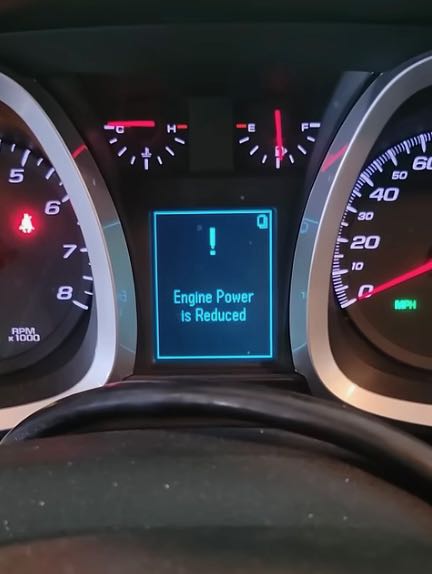
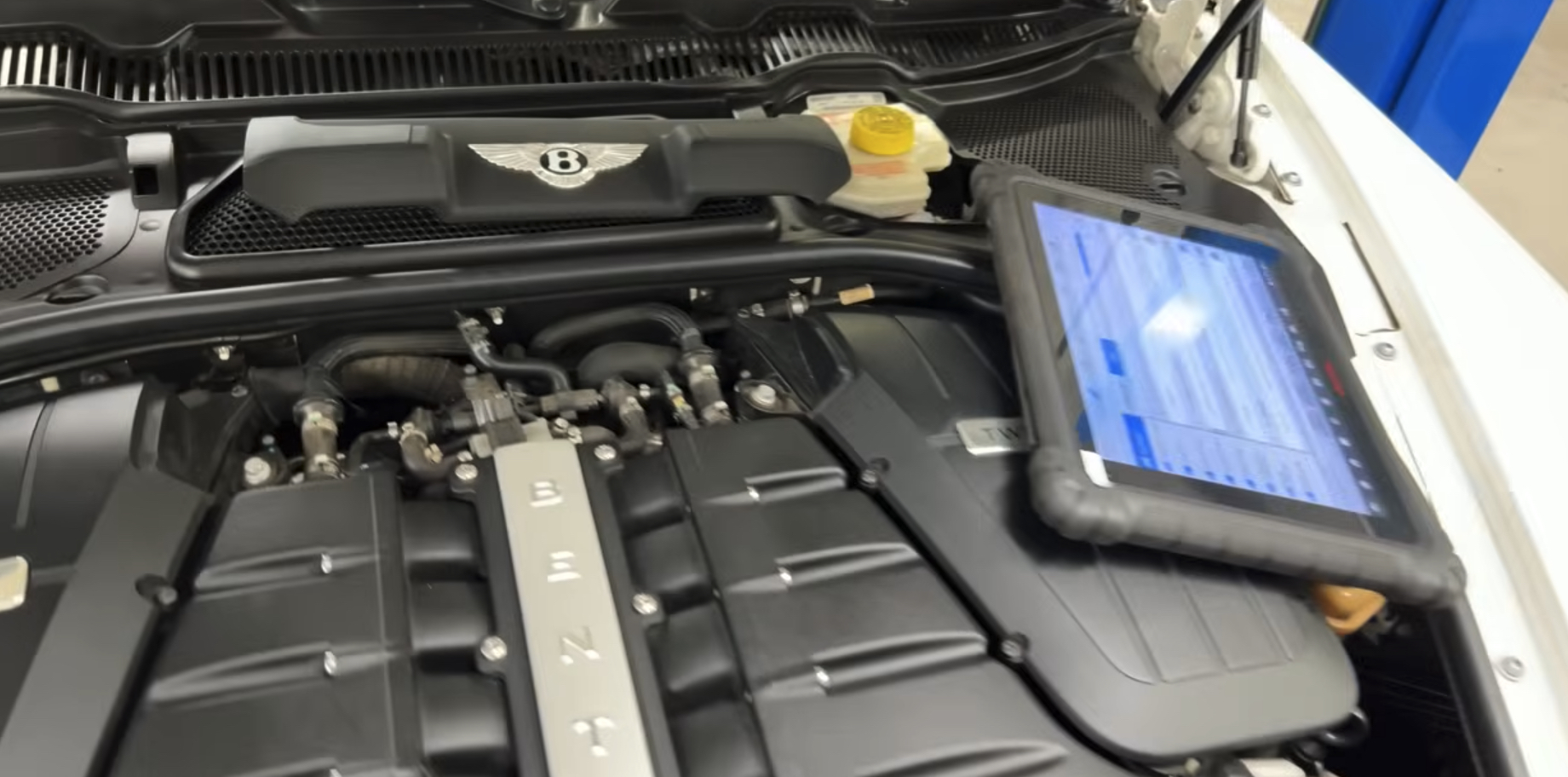
A failed smog check in California is not a fine and it is not the end of your registration. It is a report telling you which part of the emissions system did not pass, and it is the starting point for a repair, not a verdict on the car.
The first thing to understand is the difference between the two kinds of station, because it decides who can actually help you.
Test-only versus repair
A test-only station is licensed to test and nothing else. They cannot legally perform the repair. If you fail there, they hand you the report and you leave.
A repair station can diagnose and fix what failed. This is where the report goes next.
Being sent to a test-only station is not a bad sign and it is not a shop trying to get rid of you. Certain vehicles are directed there by the state, and a car flagged as a high emitter has to be tested at one.
What the report is telling you
The most common failures fall into a few groups.
Check engine light on. In California an illuminated check engine light is an automatic failure regardless of what the tailpipe is doing. The light means a stored code, and the code has to be diagnosed and fixed, not cleared. Clearing it does not work, because the test also reads whether the car’s readiness monitors have completed, and clearing codes resets them all.
Readiness monitors not set. This is the one that catches people out. If the battery was recently disconnected or codes were recently cleared, the car needs a period of normal driving before its self-tests complete. Test too early and you fail on incomplete monitors even if nothing is wrong. The fix is driving, not repair.
Excessive emissions at the tailpipe. The actual numbers came back over the limit. Causes range widely, from a worn oxygen sensor to a failing catalytic converter.
Visual or functional failure. A missing or modified emissions component, or a gas cap that does not seal.
The mistake that costs the most
Paying for a retest before the repair is confirmed. Every retest costs money, and a car that failed for a code will fail again until that code is genuinely resolved and the monitors have reset. Get the diagnosis, get the repair, drive it enough for the monitors to complete, then test.
What you should expect from a shop
A shop should read your smog report rather than start from scratch, tell you what the specific failure points to, and give you a written estimate before work begins. If your check engine light is on, the diagnosis of that code is the job. There is no shortcut around it.
Bring the failure report with you. It saves diagnostic time and it saves you money.
If your car failed and you are not sure what the report is telling you, bring it to Temecula Auto Repair & Transmission on Jefferson Avenue and we will read it with you.
Climbing the I-15 out of Temecula on a hundred degree afternoon is close to the hardest work most passenger cars ever do. Sustained load, low airflow at low speed, and ambient temperatures that leave the cooling system almost no margin. A cooling system that is marginal in February will find you in July on that grade.
What the gauge is actually telling you
Most temperature gauges are damped, which means they sit in the middle across a wide range and only move when something is genuinely wrong. By the time the needle is visibly climbing, the situation is already serious. Treat any movement above normal as urgent rather than as something to watch.
What usually fails
Low coolant, which means a leak. Like air conditioning, a cooling system is sealed. If it is low, it is going somewhere: a hose, the radiator, the water pump, a gasket.
A failed thermostat. Stuck closed and the coolant never circulates properly. This can happen with no warning at all.
A cooling fan that has stopped. You will often notice it first in traffic or at idle, because at highway speed airflow through the radiator hides the problem. Temperature that climbs when you slow down and drops when you speed up points here.
A radiator that is blocked. Either internally with scale or externally with road debris and bugs. Common on higher-mileage cars.
A water pump on its way out. Sometimes announced by a whine or a weep of coolant, sometimes not announced at all.
What to do if it happens to you
Turn the air conditioning off and the heater on full. It feels ridiculous in July and it genuinely helps, because the heater core is a second radiator. Get off the road as soon as it is safe. If you are stuck in traffic and cannot pull over, put it in neutral and raise the idle slightly rather than sitting in gear at idle.
Do not open the radiator cap on a hot engine. The system is pressurized and the coolant is well above boiling. People end up in emergency rooms this way every summer.
Let it cool. If you have coolant, top it up once it is genuinely cool and get it looked at. If it overheated badly, driving it further risks a head gasket or a warped head, which turns a hose into an engine job.
The part worth acting on
Most overheating on that grade is preventable and gets found in a cooling system inspection before summer, not during it. A pressure test finds leaks that are too small to see, and a look at the coolant tells you whether it has been serviced in the last few years.
If your temperature gauge has been creeping up, or you have topped up coolant more than once, bring it to Temecula Auto Repair & Transmission on Jefferson Avenue before the next hot week.
If your air conditioning is blowing warm in July in Temecula, the most common cause is low refrigerant, and low refrigerant almost always means a leak. Air conditioning is a sealed system. It does not get used up the way fuel does. If it is low, it went somewhere.
That single fact is why the cans of refrigerant at the parts store are usually a waste of money. They put pressure back into a system that is still leaking, the cold lasts a few weeks, and the leak gets bigger. Some of those cans also contain a sealer that can contaminate the system and turn a small repair into an expensive one.
What actually causes warm air
A refrigerant leak. The most common by far. Leaks show up at the condenser at the front of the car, at the hoses and O-rings, or at the compressor shaft seal. Temecula heat and the road grit off the I-15 are hard on condensers specifically, because the condenser sits at the very front of the car where it takes rock strikes.
A failed compressor. The pump that moves the refrigerant. When it goes, it sometimes goes loudly, and it can send metal debris through the whole system, which is why a compressor job is rarely just a compressor.
A blend door or actuator fault. The system makes cold air but the car sends it to the wrong place. Often the giveaway is cold on one side and warm on the other.
A clogged cabin air filter. Air is cold but there is barely any of it. This is the cheapest thing on the list and worth checking first.
An electrical or sensor fault. Pressure switches, relays, the climate control module. The compressor never engages, so nothing gets cold.
What a real diagnosis looks like
Any shop can put gauges on your car. A diagnosis is what happens after that. It should involve reading system pressures on both the high and low side, checking whether the compressor clutch is engaging, and if the system is low, finding where it went. That last part usually means UV dye, an electronic sniffer, or both, and it sometimes means letting the dye circulate for a few days and having you come back.
If a shop tells you the system is low, adds refrigerant, and sends you off without saying where it leaked, you will be back before the summer is over.
The honest part about cost
AC work ranges enormously, and anyone who quotes you a number over the phone before seeing the car is guessing. A leaking O-ring and a failed compressor are the same symptom and are not remotely the same repair. What you should expect is a diagnostic fee, a real explanation of what was found, and a written estimate before any work starts.
What to do before you call
Note whether the air is warm all the time or only at idle, whether it improves when you are driving, whether you hear a click when you turn it on, and whether it smells musty. Those four answers narrow it down quickly and save you money on diagnostic time.
If your air conditioning has stopped blowing cold, Temecula Auto Repair & Transmission is on Jefferson Avenue in Temecula. Bring the car in and we will tell you what it is before we tell you what it costs.
Temecula Auto Repair & Transmission handles transmission repairs on all makes and models – foreign and domestic, automatic and manual. We diagnose the problem first, give you a written estimate, and only proceed with your approval.
Signs of a transmission problem
Slipping or delayed shifts – the car hesitates before moving or changes gears at the wrong time
Rough gear changes with a jolt or shudder you can feel in the seat
Whining, clunking, or grinding while driving
Transmission or check engine warning light
Burning smell from under the vehicle
Reddish-brown fluid leak under the car
If you’re in Temecula, Murrieta, or French Valley and notice any of these – especially after summer heat or extended freeway driving on the 15 – bring it in before the problem compounds.
What we handle
Transmission fluid flush and filter service
Solenoid replacement
Clutch pack and band adjustment
Torque converter service
Valve body repair
Partial and full transmission rebuilds
Transmission replacement (remanufactured or new)
We work on Toyota, Honda, Ford, Chevy, Dodge, BMW, Mercedes, and every major make on the road in the Temecula area.
Pricing
Fluid service starts at $100. Diagnostics are priced up front before any work begins. We give you a written estimate and won’t start a repair without your go-ahead. A fluid service now costs far less than a rebuild later – and we’ll tell you honestly which one you need.
Licensed, certified, and local
B.A.R. licensed. ASE certified. Family-owned shop in Temecula. We’ve been handling transmission work across Southwest Riverside County for years and we stand behind the work we do.
Call (951) 699-3332 or stop in at 27415 Jefferson Avenue, Temecula, CA 92590. Monday through Friday, 8AM to 5:30PM.
An oil change is one of the cheapest things you can do for your car. It’s also one of the most neglected. If you’re not sure when you last had yours changed – or if you’ve been stretching the interval because life got busy – here’s what you actually need to know.
How often should you change your oil in Temecula?
The old rule of 3,000 miles was set for conventional oil in older engines. Modern vehicles running full synthetic can go 7,500-10,000 miles between changes, sometimes more. Check your owner’s manual for the manufacturer’s recommendation.
What pushes you toward more frequent changes:
Short trips under 10 miles that don’t fully warm up the engine
Frequent stop-and-go on the 15 or through town
Towing or hauling loads
High heat – Temecula summers consistently run above 90 degrees, which accelerates oil breakdown
High mileage engines (100,000+ miles)
Conventional vs. synthetic oil
Conventional oil is refined crude oil. Synthetic is chemically engineered to be more stable under heat and last longer. Most vehicles manufactured after 2000 benefit from full synthetic. The cost difference per oil change is usually $20-40 – far less than the cost of an engine problem caused by oil breakdown.
Signs your oil needs to be changed now
Dark or black oil on the dipstick (it should be amber to light brown)
Gritty texture when you rub it between your fingers
Oil pressure warning light on the dashboard
Engine sounds louder than usual – knocking or ticking
Burning smell from the engine compartment
Where to get an oil change in Temecula
You want a shop that uses the right oil type and viscosity for your specific vehicle, checks the filter, and doesn’t try to sell you services you don’t need. At Temecula Auto Repair & Transmission, an oil change includes a basic inspection – we’ll flag anything that needs attention before it becomes expensive.
B.A.R. licensed. ASE certified. Call (951) 699-3332 or stop by 27415 Jefferson Avenue, Temecula, CA 92590. Open Monday through Friday, 8AM to 5:30PM.
Most drivers don’t think about their transmission until something goes wrong. By then, the repair costs more than it would have if they’d caught it earlier. If you’re hearing unfamiliar noises, feeling rough shifts, or noticing your car hesitating to move, you might be dealing with a transmission problem – and you’ll want to understand what that means before you walk into any shop.
What the transmission actually does
The transmission moves power from your engine to your wheels. Automatic transmissions handle gear changes on their own; manual transmissions let the driver control it. Both systems depend on fluid pressure, mechanical clutches, and precise timing to work. When any part of that system fails, you feel it.
Signs you need transmission repair in Temecula
Slipping gears: The car shifts unexpectedly or hesitates between gears
Rough or hard shifts: You feel a jolt or clunk when the car changes gears
Delayed engagement: A pause between putting the car in Drive and it actually moving
Whining or clunking noise: Especially noticeable during acceleration
Burning smell: Transmission fluid breaking down from heat
Check engine light: A transmission code will often trigger this
Temecula driving conditions add wear. The 15 and 79 have a lot of stop-and-go. Heat above 90 degrees stresses transmission fluid. If you tow anything – a trailer, a boat, a camper – fluid degrades faster.
What transmission repair costs in Temecula
Costs vary depending on what’s wrong:
Fluid flush and filter change: $100-200
Solenoid replacement: $150-400
Rebuild (partial): $1,500-3,000
Full replacement: $2,500-5,000
The single biggest factor in cost is how long you wait. A fluid service at $150 can prevent a rebuild at $3,000. That math matters.
What to look for in a transmission shop
Any shop doing transmission work in Temecula should be B.A.R. licensed and willing to give you a written estimate before touching the car. You should also be able to see the mechanic’s ASE certifications. If a shop can’t answer basic questions about what’s wrong or how they diagnose it, that’s a signal to look elsewhere.
At Temecula Auto Repair & Transmission, we do a full diagnostic before recommending any repair. We’ll tell you exactly what we found, what it costs to fix, and what happens if you don’t. No surprise charges. Call us at (951) 699-3332 or stop in at 27415 Jefferson Avenue, Temecula, CA 92590. We serve Temecula, Murrieta, French Valley, and the surrounding area.
Your brakes are the single most important safety system on your vehicle. When they need attention, the signs are usually there before a failure happens. Here is what to watch for, and what a brake service at Temecula Auto Repair and Transmission includes.
Signs You Need Brake Service
Squealing or squeaking – Most brake pads have a metal wear indicator that makes noise when the pad is getting thin. This is a designed-in warning, not a defect.
Grinding – Metal-on-metal contact. The pad is gone. This means rotor damage is happening right now. Do not delay.
Pulsing or vibration when braking – Warped rotors. Common after repeated hard stops or overheating (mountain driving, towing).
Pulling to one side – Can indicate a stuck caliper, uneven pad wear, or a brake line issue on one side.
Soft or spongy pedal – Air in the brake lines or brake fluid that has absorbed moisture. A fluid flush is typically needed.
Brake warning light – Could be low fluid, worn pads, or a system fault. Have it diagnosed before assuming it is minor.
What Brake Service Includes
Depending on what the inspection finds, a complete brake service at Temecula Auto Repair and Transmission may include:
Brake pad replacement (front, rear, or all four)
Rotor resurfacing or replacement
Caliper inspection and replacement if seized
Brake fluid flush and replacement
Brake hardware replacement (clips, pins, shims)
Brake line inspection
Emergency brake adjustment
We provide a written estimate before any work starts. You will know exactly what needs to be done and what it will cost before we touch the vehicle.
How Long Do Brakes Last?
Brake pad life varies widely depending on driving habits and pad material. Typical range is 30,000 to 70,000 miles. Temecula drivers who commute on the 15 or 79 through heavy stop-and-go traffic wear pads faster than highway drivers. Drivers who tow trailers or frequently use the Ortega Highway or I-15 grades should check pads more often.
A general rule: have your brakes inspected at every other oil change, or any time you notice one of the symptoms above.
Why Choose Temecula Auto Repair for Brake Service
ASE-certified technicians
All makes and models serviced
Written estimate required before any work begins (California law)
Over a decade serving Temecula and Southwest Riverside County
We are located at 27415 Jefferson Ave, Temecula, CA 92590. Open Monday through Friday, 8:00 AM to 5:30 PM. Serving Temecula, Murrieta, Winchester, French Valley, and surrounding communities.
Most drivers in Temecula never think about their transmission fluid until something goes wrong. By then, the repair bill can run into the thousands. Understanding the importance of Transmission Fluid in Temecula can help you avoid that situation.
Why Transmission Fluid Matters
Transmission fluid does two jobs at once. It lubricates the hundreds of moving parts inside your transmission and keeps them cool. Without it, metal grinds against metal. With degraded or low fluid, those parts wear faster, run hotter, and eventually fail.
Unlike engine oil, transmission fluid does not get burned off. When it degrades, it becomes thin, oxidized, and contaminated with metal particles. The fluid is still in there—it just cannot do its job anymore. That is why regular maintenance of your Transmission Fluid in Temecula is so important.
Signs Your Transmission Fluid Needs Attention
Dark or Burnt-Smelling Fluid
Fresh transmission fluid is typically bright red or pink. If it looks dark brown or smells burnt, it is overdue for a change.
Delayed or Rough Shifting
If your car hesitates before engaging a gear or shifts with a noticeable jolt, contaminated fluid is often the cause.
Slipping Gears
The engine revs but the car does not accelerate proportionally. This is a serious warning sign.
Shuddering or Vibration at Highway Speed
This can indicate fluid breakdown, especially in vehicles with continuously variable transmissions (CVTs).
Transmission Warning Light
Not all vehicles have this, but if yours does and it illuminates, check the fluid level immediately.
Manufacturer Intervals vs. Temecula Driving Conditions
Transmission fluid change intervals vary significantly by vehicle. Most manufacturers recommend service between 30,000 and 60,000 miles under normal conditions. However, conditions affecting Transmission Fluid in Temecula are not always considered “normal.”
Three factors accelerate transmission fluid breakdown in this area:
Summer Heat
Inland temperatures regularly exceed 100 degrees. Heat is the number one enemy of transmission fluid. High temperatures accelerate oxidation and break down the fluid’s protective additives faster than any other factor.
Stop-and-Go Traffic
The 15, the 79, and the 215 during commute hours put constant load on the transmission. Frequent acceleration and braking cycles generate more heat than steady freeway cruising.
Towing and Hauling
Many Temecula residents tow trailers, ATVs, or boats. Towing dramatically increases transmission temperature, which shortens fluid life.
If any of these conditions apply to your driving habits, treat your manufacturer’s recommended interval as a maximum—not a target. For most local drivers, servicing Transmission Fluid in Temecula every 30,000 miles provides a reasonable baseline.
What Happens If You Ignore It
A transmission fluid service typically costs between $100 and $200. A rebuilt or replaced transmission typically costs between $2,500 and $5,000 or more, depending on the vehicle.
The damage does not happen all at once. Worn fluid causes components to run hotter. Heat damages seals. Damaged seals allow fluid to leak. Low fluid causes slipping, which generates more heat. The cycle accelerates until the transmission fails.
Catching degraded Transmission Fluid in Temecula early is one of the most cost-effective things a vehicle owner can do. It is not a dramatic fix. Instead, it helps prevent dramatic failures.
Get a Free Check of Transmission Fluid in Temecula
If you are not sure when your transmission fluid was last changed, or if you have noticed any of the warning signs above, bring your vehicle into Temecula Auto Repair & Transmission. We will check your Transmission Fluid in Temecula as part of any service visit at no charge.
Call (951) 699-3332 or schedule a reservation online at TemeculaAutoRepair.com. We service all makes and models, including automatic transmissions, manual transmissions, and CVTs.
We are located at 27415 Jefferson Avenue, Temecula, CA 92590, and proudly serve drivers from Temecula, Murrieta, Winchester, French Valley, and surrounding communities.
Finding a reliable auto repair shop in Temecula is harder than it should be. There are dozens of options, and most of them say the same things on their websites. Before you hand over your keys, here is what actually separates a trustworthy shop from one that will waste your time and money.
What Makes a Trustworthy Auto Repair Shop
1. They Are Licensed by the State
In California, every auto repair shop must be registered with the Bureau of Automotive Repair (BAR). This is not optional. A BAR license means the shop has met minimum standards and is subject to oversight if something goes wrong. You can verify any shop’s license at bar.ca.gov. Temecula Auto Repair and Transmission holds B.A.R. license No. ARD286012.
2. They Give You a Written Estimate Before Touching the Car
California law requires shops to provide a written estimate before any work begins. If a shop starts work without your written approval, that is a violation. A good shop explains what they found, what they recommend, and why, in writing, before they pick up a tool. You should never receive a bill for work you did not agree to.
3. They Work on All Makes and Models
A shop that can only service certain brands has a limited perspective. Whether you drive a Toyota, Honda, Ford, Chevy, or anything in between, the technicians should have the diagnostic equipment and experience to work on your vehicle. This matters especially when a problem is not obvious and requires process-of-elimination diagnostics.
4. They Communicate Clearly and Often
You should not have to call three times to find out what is happening with your car. A trustworthy shop updates you when they find something new, explains what it means in plain language, and does not pressure you into repairs you did not ask about. Good communication is not a bonus – it is the baseline.
Why Temecula Drivers Choose Temecula Auto Repair and Transmission
Over a Decade Serving the Same Community
Temecula Auto Repair and Transmission has been serving drivers in Temecula and the surrounding area for over a decade. When a shop stays in the same place for that long, it is because the community keeps coming back. Repeat customers and referrals are the foundation of the business, not one-time transactions.
Experienced Technicians Across All Makes
The team works on domestic and import vehicles of all types. Whether you need routine maintenance or a complex transmission repair, the technicians have seen it before. Experience with a wide range of vehicles means faster diagnostics and fewer surprises on the final invoice.
Straightforward Process
Drop off your vehicle. Get a written estimate. Approve the work. Pick up a repaired car. That is how it should work. There are no upsells added without your knowledge, no inflated labor times, and no runaround when you call for an update.
1. How do I know if an auto repair shop in Temecula is trustworthy?
Start by verifying that the shop holds a valid California Bureau of Automotive Repair (BAR) license. A trustworthy shop should also provide written estimates, communicate clearly, explain repairs in plain language, and obtain your approval before performing work.
2. Is a written estimate required before auto repairs begin in California?
Yes. California law requires repair shops to provide a written estimate and obtain your authorization before beginning repairs. Reputable shops in Temecula and Murrieta follow this process to ensure transparency and protect consumers.
3. Why is BAR licensing important when choosing an auto repair shop?
A BAR license shows that the shop meets California’s requirements for automotive repair businesses and operates under state oversight. Temecula Auto Repair & Transmission maintains California BAR License No. ARD286012.
4. Can one repair shop service all makes and models?
Yes. A well-equipped repair facility can service most domestic and import vehicles, including Toyota, Honda, Ford, Chevrolet, Nissan, Hyundai, Kia, BMW, Mercedes-Benz, and many others. Broad experience often leads to faster diagnostics and more accurate repairs.
5. Does Temecula Auto Repair & Transmission serve drivers outside Temecula?
Yes. In addition to Temecula, the shop regularly serves drivers from Murrieta, Winchester, French Valley, De Luz and surrounding Southwest Riverside County and North San Diego County communities. Clients can call 951-699-3332 to schedule a reservation.
Serving Temecula and the Surrounding Area
Our shop is located in Temecula and regularly serves drivers from Murrieta, Winchester, French Valley, De Luz and surrounding Southwest Riverside County communities. Whether you are a longtime local or recently moved to the area, the team is here when something goes wrong with your vehicle.
The Truth About Free Code Scans vs Real Diagnostics
Many drivers search for quick answers when a warning light appears. Often, they visit a parts store for a free code scan. At first, that seems helpful and convenient.
However, some drivers believe this scan equals a “free diagnosis.” Others may even get that impression from how it’s presented by the parts store. As a result, they compare it to professional diagnostic testing, for which a price is quoted at professional auto shops.
In reality, a code scan only tells part of the story. In many cases, it points in a general direction or merely gives a starting point. But, it does not confirm the real cause.
Because of that gap, many drivers replace parts unnecessarily. Consequently, costs increase, and problems remain. Fortunately, real diagnostics solve this issue. We believe education builds trust and confidence. Understanding the difference helps you make smarter decisions. At Temecula Auto Repair & Transmission, we focus on accurate answers and long-term solutions.
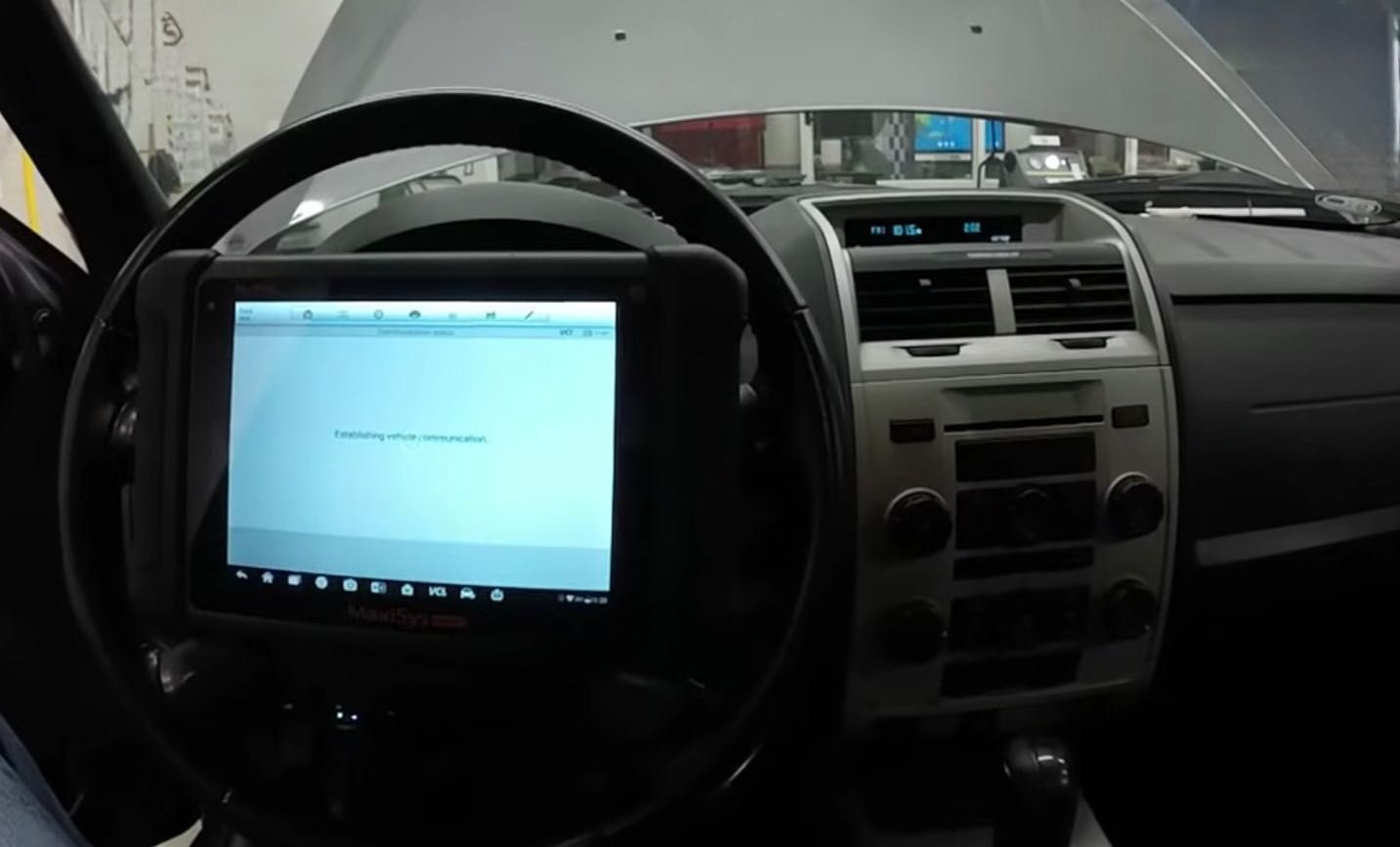
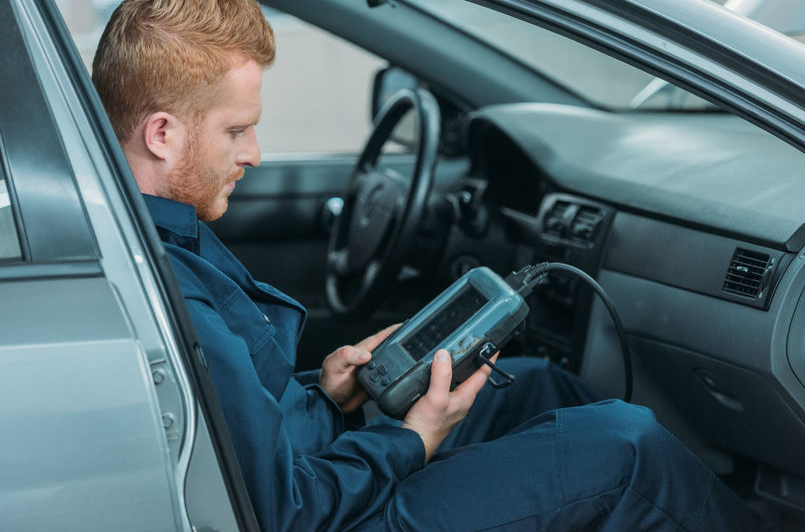
A free code scan reads stored fault codes. These codes come from the vehicle’s computer. They identify systems operating outside normal limits. You can learn more about how your vehicle’s onboard diagnostics system works to better understand what those codes actually mean.
For example, a code may indicate a sensor issue. However, it does not confirm the sensor failed. Instead, it reports abnormal readings.
In simple terms, a code gives a clue. However, it does not provide a full diagnosis. That distinction matters more than most drivers realize.
What Real Diagnostics Actually Involve
Real diagnostics go far beyond reading codes. Technicians test systems to find the root cause. Most importantly, they verify problems before recommending repairs.
For example, a technician may test wiring, voltage, and sensor signals. Also, they evaluate system performance under load. Additionally, they confirm results through multiple tests.
Because of that process, diagnostics deliver accurate answers. That accuracy prevents guesswork. It also protects your budget.
Why This Difference Matters More Today
Modern vehicles use complex systems. Computers control fuel delivery, ignition timing, and emissions. Sensors communicate constantly.
Because of that complexity, one issue can trigger multiple codes. Therefore, codes often overlap. So, this overlap creates confusion without proper testing.
Accurate diagnosis requires experience and equipment. Quick scans cannot replace that process. Therefore, understanding this difference prevents costly mistakes.
The Cost of Replacing the Wrong Part
One common consequence involves unnecessary part replacement. Drivers often replace parts based on code descriptions. However, the code may not identify the failed component.
For example, a code may reference an oxygen sensor. Many assume the sensor caused the problem. In reality, another issue may affect that reading.
Replacing the wrong part wastes money. Also, it delays the correct repair. Eventually, costs increase.
On the other hand, real diagnostics confirm the failure before parts replacement or repair. Thus, that approach saves money. Also, it prevents frustration.
The Cost of Repeat Repairs
Another consequence involves repeated repair attempts. Drivers may replace multiple parts without success. As a result, each attempt adds cost and time.
This pattern happens often with code-based repairs. Without testing, each guess risks failure. Over time, expenses grow.
Meanwhile, the original problem remains unresolved. That creates frustration and uncertainty. Confidence in the repair process decreases.
In summary, accurate diagnostics prevent repeat repairs. They identify the correct solution first. That efficiency improves results.
The Cost of Delayed Repairs
Relying on code scans can delay proper repairs. Drivers may assume the issue remains minor. However, underlying problems often worsen over time.
For example, fuel system issues may go unnoticed. Over time, engine performance declines. Consequently, damage may occur to other components, like expensive Catalytic Converters. Also, over time, unresolved issues can lead to major drivetrain problems, including transmission damage that requires extensive repair.
Thus, delayed repairs may increase overall cost. Small problems grow into larger ones. The repair scope then expands.
In short, real diagnostics identify problems early. Early action limits damage. That approach protects your investment.
The Cost of Misdiagnosed Symptoms
Vehicles often show symptoms unrelated to the actual cause. For example, a misfire may trigger several codes. However, the root cause may involve fuel delivery or some other misfire source.
Without testing, drivers may chase the wrong issue, based on a secondary code. They may focus on visible symptoms. Meanwhile, the real problem continues.
Misdiagnosis wastes time and money. It also increases frustration. Correct answers remain out of reach.
Professional diagnostics solve this problem. Technicians follow a structured process. They find and confirm the true cause.
The Cost of Reduced Vehicle Performance
Improper repairs often affect vehicle performance. Vehicles may continue to run poorly. Drivers may notice hesitation or rough operation.
Even after replacing parts, problems may remain. As a result, this creates confusion. Drivers expected improvement. However, without proper diagnosis, results will vary. Performance issues will persist. Driving experience suffers.
In a nutshell, accurate diagnostics restore performance. Systems will operate correctly again. Thus, drivers regain confidence.
The Cost of Overlooking Related Issues
Code scans often focus on one problem. However, vehicles may have multiple issues. Without a comprehensive diagnosis, these issues go unnoticed.
For example, worn components may affect system readings. A single repair may not solve everything. As a result, additional problems remain hidden.
Over time, these issues worsen. Repair costs increase. Unexpected failures may occur.
Comprehensive diagnostics identify all conditions that may be present. Technicians evaluate the full system vs. a single component identified by a code. That approach improves long-term results.
Why Free Code Scans Still Have Value
Free scans still provide useful information. They help identify general problem areas. They also alert drivers to potential issues.
However, they should serve as a starting point. That is to say, they do not replace professional testing. Thus, understanding their limits prevents mistakes.
Used correctly, scans support early awareness. Used alone, they create risk. Balance matters in overall repair results.
Why Real Diagnostics Increase Long-Term Savings
Many drivers hesitate when they hear diagnostic fees. However, diagnostics often save money overall. Accurate answers prevent unnecessary repairs.
Instead of guessing, technicians confirm the problem. That reduces parts replacement. Also, it reduces labor time. Additionally, proper repairs last longer. As a result, vehicles operate more efficiently. Also, future problems decrease.
Investing in diagnostics ultimately protects your budget. Also, it protects your vehicle. Smart decisions lead to better outcomes.
How This Approach Increases Value for Drivers
Real diagnostics deliver clarity. Drivers understand what their vehicle really needs. They avoid uncertainty.
Clear answers build trust. Clients feel confident in recommendations. That confidence improves decision-making. Additionally, accurate repairs reduce repeat visits. Time savings increase value. Convenience improves overall experience.
Education and transparency create better results. We focus on both. That approach supports long-term relationships.
Why Local Drivers Benefit Even More
Driving conditions in Southern California create added stress. Heat affects engine systems. Traffic increases wear.
Because we serve Temecula, Murrieta, Winchester, and French Valley, we understand these challenges. We tailor diagnostics to real driving conditions. As a result, this approach improves accuracy.
Local expertise matters. Proper evaluation considers environment and usage. Better data leads to better results.
What Drivers Should Do When a Warning Light Appears
Drivers should avoid guessing the cause. Instead, they should seek accurate diagnosis. Professional Testing & Evaluation provides clear answers.
Start with awareness from a code scan if needed. However, follow up with proper diagnostics. That step ensures correct repair.
In short, acting early protects your vehicle. Timely service prevents escalation. Proactive care saves money.
A free code scan provides information. However, real diagnostics provide answers. It’s important to know that a code scan is not diagnosis. That difference matters.
Choosing the right approach affects cost and results. Accurate diagnosis prevents unnecessary repairs. Also, it protects performance.
If your vehicle shows a warning light, choose clarity over guesswork. Schedule a professional diagnostic evaluation. Smart decisions lead to better outcomes.
We proudly serve Temecula, Murrieta, Winchester, French Valley, and surrounding areas. Our team focuses on accurate testing and honest advice. We help you fix the problem right the first time.
Frequently Asked Questions – FAQs
1. Is a free code scan the same as a diagnostic test? No. A free code scan only reads fault codes from your vehicle’s computer. However, it does not confirm the actual cause of the problem. Real diagnostics include testing and verification to identify the true issue.
2. Why does a repair shop charge for diagnostics if codes are free? A code scan provides limited information. In contrast, professional diagnostics require time, equipment, and expertise to test systems and confirm failures. This process ensures you fix the right problem the first time.
3. Can I fix my car based on the code alone? Sometimes, but often that approach involves guesswork. Many codes point to symptoms, not failed parts. Without proper testing, you risk replacing parts that are not faulty.
4. Will paying for diagnostics actually save me money? Yes, in most cases. Accurate diagnostics prevent unnecessary part replacements and repeat repairs. As a result, you avoid wasted money and fix the issue faster.
5. What happens if I ignore proper diagnostics and just replace parts? You may temporarily improve symptoms, but the real problem often remains. Over time, this can lead to more repairs, higher costs, and ongoing frustration.
6. When should I choose real diagnostics instead of a code scan? If your warning light stays on, the problem returns, or the vehicle runs poorly, you should choose diagnostics. This ensures accurate answers and a lasting repair.
We use cookies to improve your experience on our site. By using our site, you consent to cookies.
This website uses cookies
Websites store cookies to enhance functionality and personalise your experience. You can manage your preferences, but blocking some cookies may impact site performance and services.
Essential cookies enable basic functions and are necessary for the proper function of the website.
Name
Description
Duration
Cookie Preferences
This cookie is used to store the user's cookie consent preferences.