
Understanding Oxygen Sensors: How They Work, Why They Fail, and What Drivers Should Do
Oxygen sensors play a big role in every modern vehicle. Although these small parts seem simple, they guide the engine’s entire fuel system. Because of that, they help the engine run clean and strong. However, they can wear out. When that happens, the engine will not run as it should.
This guide explains how oxygen sensors work, why they fail, what symptoms drivers should watch for, and what actions they can take.
How an Oxygen Sensor Works
First, the oxygen sensor sits inside the exhaust stream. It watches how much oxygen leaves the engine. Then it sends data to the engine computer. As the computer reads this signal, it adjusts fuel levels. Because of this fast adjustment, the engine burns fuel with better balance.
Also, the sensor helps control emissions. Since the sensor reacts many times each second, it helps reduce harmful gases. But the sensor can only do this job when it stays clean and responsive.

Why Oxygen Sensors Fail
Over time, heat breaks down the inside parts of the sensor. Additionally, fluid leaks – such as oil, coolant, and fuel additives – can coat and damage the sensor. Once that happens, the sensor can’t read oxygen levels correctly.
Furthermore, wires can break or corrode. When that happens, the sensor signal becomes weak or lost. Although these failures look different, they all lead to the same result. The engine runs with poor balance.
Because exhaust temperatures stay high, sensors wear out faster on vehicles with many miles. Also, short daily trips don’t allow time for moisture to burn off in the exhaust, which damages the sensor over time.
Common Symptoms of Oxygen Sensor Failure
Drivers will notice several signs when their oxygen sensor stops working. Below are the most common symptoms.
Check Engine Light
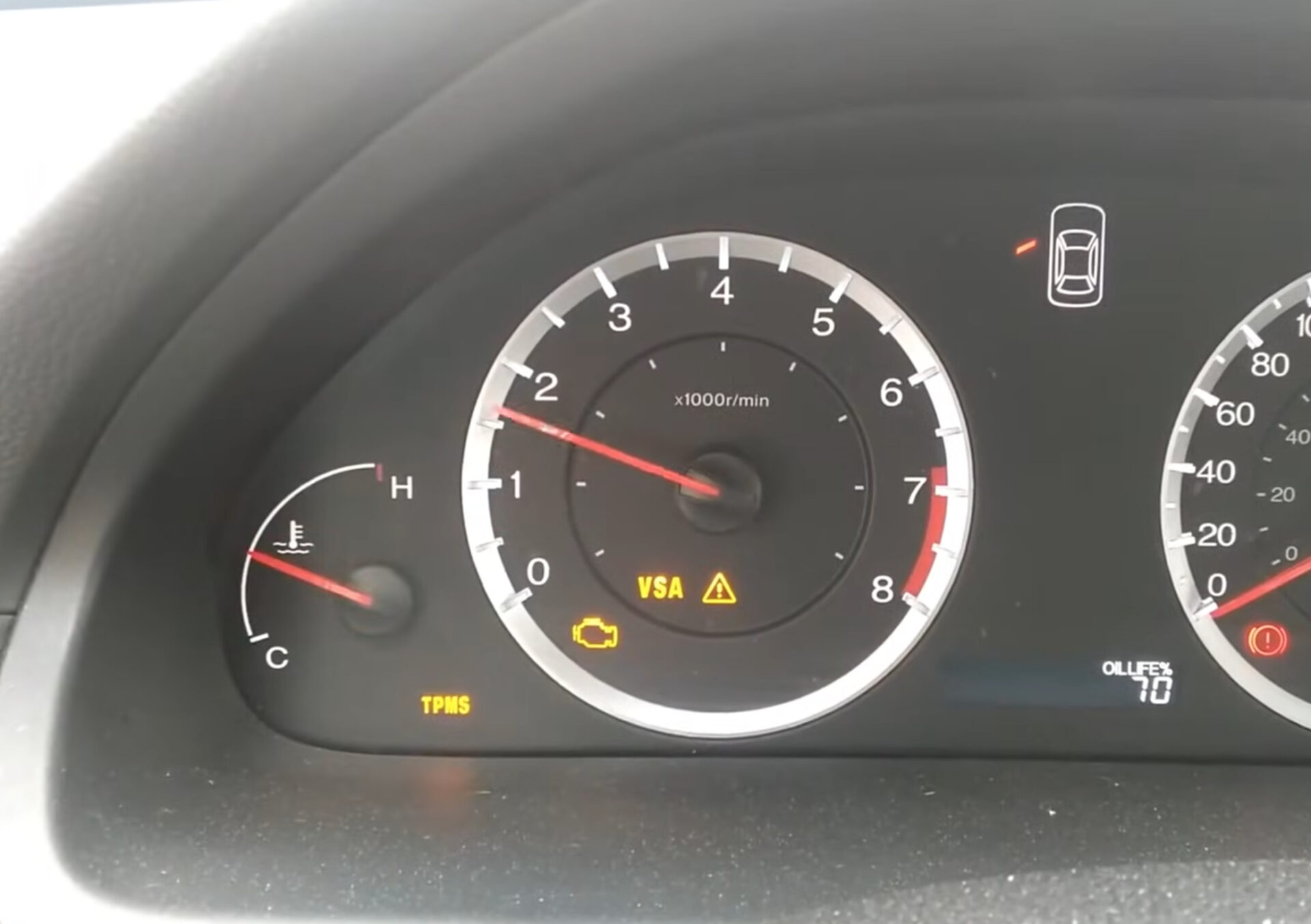
Often, the first sign you’ll receive is an illuminated check engine light. While many issues can turn this light on, oxygen sensor problems appear very often. After the light comes on, the engine computer stores a trouble code. Because of this stored code, a technician can find the exact fault.
Poor Fuel Economy
Next, a failing oxygen sensor hurts fuel economy. When the sensor cannot give accurate data, the computer sends too much or too little fuel. As a result, the engine doesn’t burn fuel as efficiently as designed.
Rough Idle
Also, you may feel an unusual engine shake at idle. Although other issues can cause shaking, oxygen sensor faults appear near the top of the list. Because the fuel mixture becomes unbalanced, the engine struggles to stay smooth.
Hard Acceleration
During acceleration, the engine needs strong and accurate fuel control. When the sensor fails, the engine may hesitate. Therefore, drivers may feel a lag or stumble.
Failed Emissions Test

Many vehicles fail emissions tests because of weak oxygen sensors. While the engine may still run, the emissions will rise. Since the sensor helps control pollutants, failure leads to more harmful exhaust.
Strong Exhaust Smell
Some drivers also notice a sharp exhaust odor. When the engine runs too rich, extra fuel enters the exhaust. Because the sensor cannot correct the mixture, the smell becomes obvious.
Dark Exhaust Smoke
In some cases, the exhaust may turn darker. Although this symptom shows up less often, it can still signal an oxygen sensor issue.
Why You Should Not Ignore These Symptoms
Even mild symptoms can cause bigger problems over time. For example, a rich mixture allows fuel to reach the catalytic converter. As that fuel burns inside the converter, it can cause severe damage. Since catalytic converters are quite expensive, certainly more costly than an oxygen sensor, quick action saves you money.
Also, dirty exhaust affects the environment. While one broken sensor may not seem like a big deal, it creates more pollution every day. Therefore, fixing the sensor helps both the vehicle and the community.
Because a failing sensor affects fuel economy, drivers spend more money at the pump. Although each fill-up seems small, the extra cost adds up fast.
What Drivers Should Do When Symptoms Appear
Drivers can protect their vehicle by acting early. Below are clear steps to take.
Listen to Early Signs
First, pay attention to the check engine light. Even though the light may not seem urgent, it points to a real issue. Because the sensor affects fuel balance, any delay can create more wear.
Schedule a Professional Diagnostic
Next, schedule a diagnostic test with a trained technician. As the technician reads the stored codes, they can find the source of the problem. While some code readers show basic data, a full test gives more detail. Because oxygen sensor issues can mimic other problems, proper testing matters.
Follow Recommended Repairs
Once the technician finds the cause, follow the repair plan. Since oxygen sensors work as part of a system, many shops check related parts. For example, they inspect wiring, connectors, and exhaust leaks. When these components stay healthy, the new sensor lasts longer.
Use Quality Replacement Parts
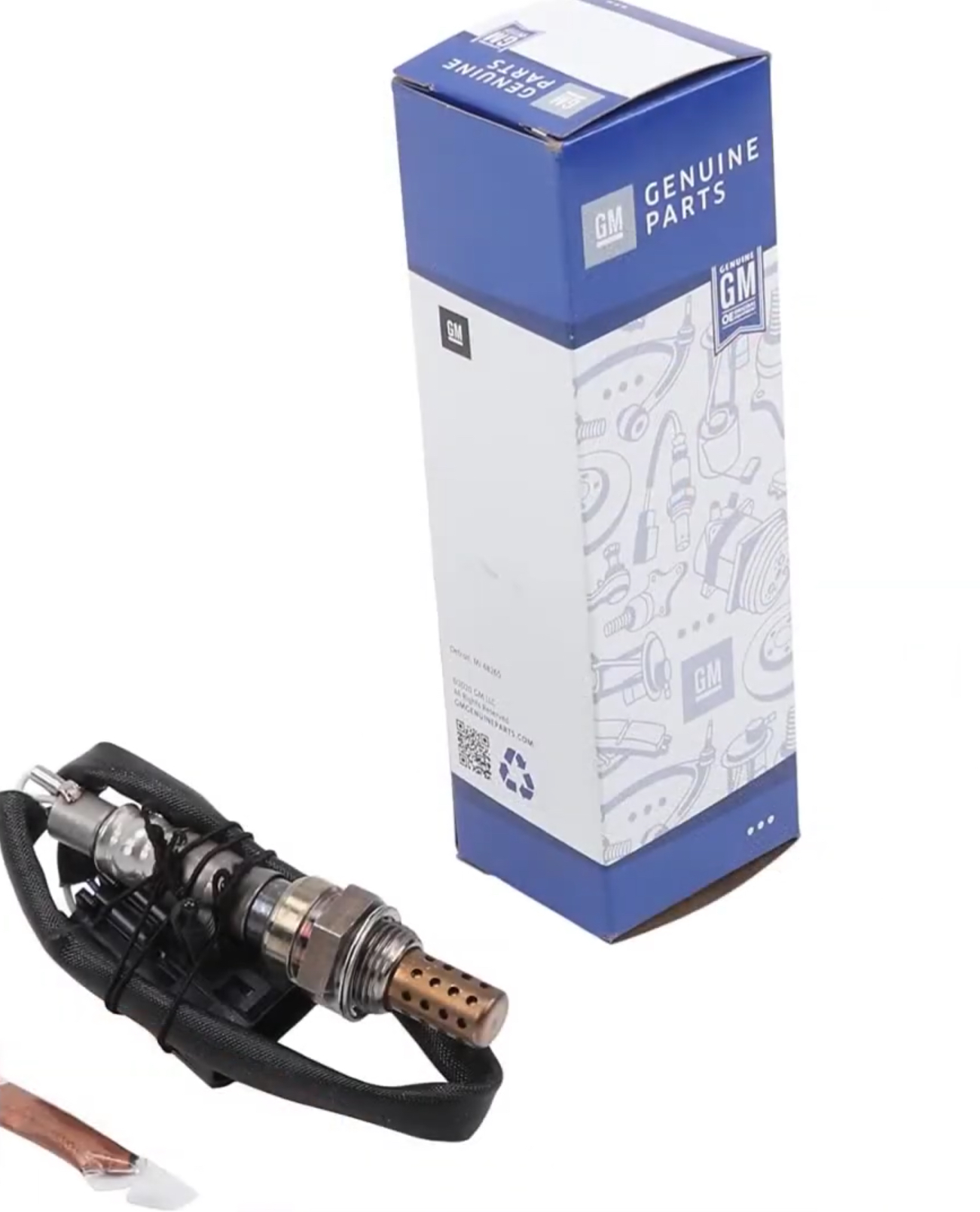 High-quality oxygen sensors help the engine respond faster and last longer. Although cheap sensors may cost less, they often fail early. Because of that, they create more problems later.
Keep Up With Vehicle Maintenance
Routine maintenance supports the entire fuel system. For instance, fixing oil leaks prevents sensor contamination. Also, replacing air filters helps the engine breathe better, which reduces stress on sensors.
Since many sensors fail due to age and mileage, regular inspections help spot early wear.
How Temecula Auto Repair & Transmission Helps Drivers
Although oxygen sensors look small, replacing them requires skill. Our team uses advanced diagnostic tools to pinpoint issues fast. Because we focus on clear results, we test each sensor before and after replacement.
Additionally, we check wiring, exhaust leaks, and fuel trim values. By doing this, we make sure the repair stays accurate. Also, we use quality parts that match or exceed factory standards.
Since we understand how critical fuel balance is, we make sure each repair protects the engine, the catalytic converter, and fuel economy.
Avoid Bigger Emissions Problems With Quick Action
When drivers handle oxygen sensor issues early, they avoid bigger repairs. While the sensor itself stays affordable, the damage it causes can grow costly. Therefore, taking quick action keeps the engine healthy.
Also, taking care of the repair will ensure your vehicle passes any upcoming emissions test. As clean exhaust leaves the tailpipe, the vehicle stays legal and safe.
Because engines depend on accurate data, the oxygen sensor must stay in good shape. When it fails, drivers feel the effects fast.
Frequently Asked Questions About Oxygen Sensor Failure
1. What does an oxygen sensor do in my vehicle?
Your vehicle’s Oxygen Sensor (O2 sensor) measures the oxygen levels in the exhaust and reports that information to the engine’s computer. This helps regulate the air-fuel ratio, improves fuel efficiency, reduces emissions, and supports smooth engine performance. When the sensor fails, the engine can no longer make proper adjustments, leading to performance issues and higher fuel consumption.
2. What are the common signs of a bad oxygen sensor?
If you’re noticing engine issues, these symptoms of a failing O2 sensor often show up first:
– Check Engine Light triggered or returning
– Poor fuel economy / noticeable drop in MPG
– Rough idle, misfires, or hesitation under acceleration
– Sulfur or “rotten egg” smell from the exhaust
– Higher emissions or a failed smog test
– Reduced power or sluggish acceleration
These issues often point to the need for oxygen sensor diagnostics or replacement.
3. What causes an oxygen sensor to fail?
Oxygen sensors fail for several reasons, including:
– Natural wear over 60,000–100,000 miles
– Oil, coolant, or fuel contamination
– Excessive use of silicone-based products
– Damaged wiring or corroded connectors
– Exhaust leaks that distort sensor readings
Any condition that affects exhaust flow or chemical balance can shorten the life of the sensor.
4. How do you diagnose a bad O2 sensor?
At Temecula Auto Repair & Transmission, we diagnose oxygen sensor problems using:
– OBD-II scan to identify stored or pending trouble codes
– Live data analysis to monitor sensor switching and response time
– Visual inspection of the sensor, wiring, and connector
– Heater circuit testing on sensors equipped with heating elements
This ensures an accurate diagnosis before any repairs are made.
5. What’s the proper fix for a faulty oxygen sensor?
The solution is typically a professional oxygen sensor replacement. We install the correct upstream or downstream sensor for your vehicle, clear all engine codes, and verify proper communication with the engine control module. Quality parts and correct installation prevent repeat issues.
6. Can I drive with a bad oxygen sensor?
While the vehicle may still run, driving with a bad O2 sensor can cause:
– Poor fuel economy
– Rich fuel mixture that damages the catalytic converter
– Rough running conditions
– Failed emissions or smog testing
For long-term reliability and safety, it’s best to schedule **O2 sensor repair** as soon as symptoms appear.
7. How can I prevent future oxygen sensor failure?
To extend the life of your oxygen sensors:
– Use high-quality fuel
– Stay current with routine maintenance
– Repair oil or coolant leaks promptly
– Avoid non–sensor-safe silicone sealants
– Follow manufacturer-recommended service intervals
Regular inspections help catch small issues before they impact the exhaust and emissions system.
Final Thoughts
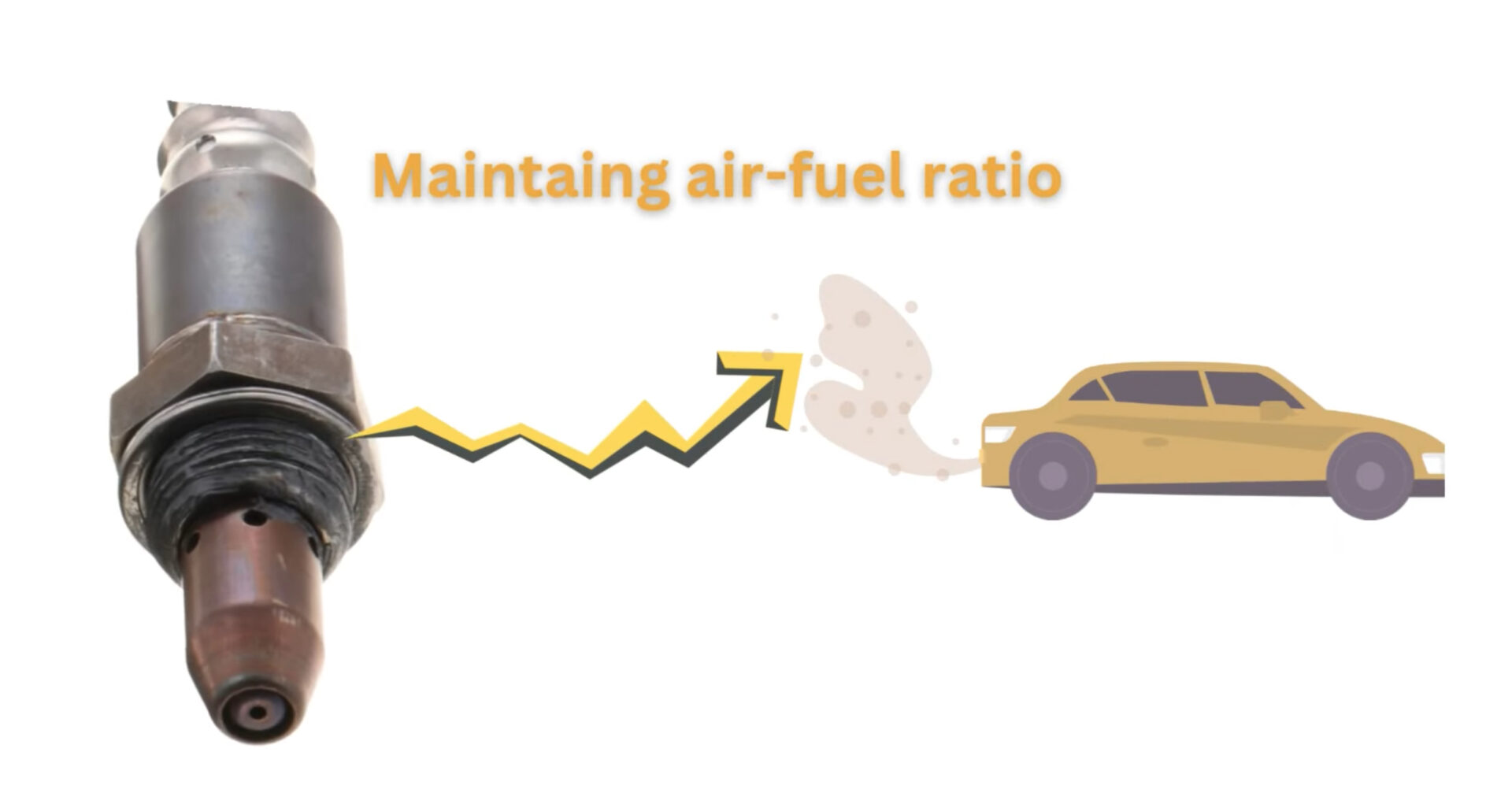
Oxygen sensors help the engine run with balance, power, and clean emissions. Although these parts last many miles, they do not last forever. When symptoms appear, quick action protects the engine and wallet.
As drivers learn these signs, they can respond with confidence. With professional diagnostics and quality repairs, the engine returns to smooth and efficient operation.
If your vehicle shows any of the symptoms listed above, our team can help. Since we focus on accurate diagnostics and expert oxygen sensor service, we keep your vehicle running strong.
