
Why Your Check Engine Light Turns On and How You Can Fix It
When your Check Engine Light turns on, you may feel stress right away. Many drivers think a major repair is coming. However, the light acts more like a warning flag than a final verdict. It tells you that your vehicle needs help. Also, it gives you time to fix the issue before the problem grows.
Modern vehicles use many sensors and computers. These systems watch the engine, fuel system, exhaust, and more. When something falls outside normal limits, the Check Engine Light turns on. You may not feel any change at first. Nonetheless, the issue can grow if you ignore the warning. Because of that, you should look into the cause soon.
This guide explains the most common reasons for an illuminated Check Engine Light. It also covers simple fixes and when you should seek a trained technician. Although this article helps drivers across the country, anyone in Temecula, Murrieta, or nearby areas can visit Temecula Auto Repair & Transmission for local service.
What the Check Engine Light Means
Your Check Engine Light connects to your vehicle’s onboard diagnostics system, also known as OBD-II. This system checks your engine and emissions system many times each second. When it finds a problem, it logs a code. The code helps a technician know what is wrong. Because the light only alerts you, it does not tell you the full story. You need a scan tool to read the code and diagnose the issue.
Sometimes the light flashes instead of staying solid. A flashing light often points to a severe misfire. You should not keep driving when the light flashes. You protect your engine and catalytic converter when you stop right away.
Common Causes of a Check Engine Light
Many issues can trigger the light. Some problems feel minor while others can damage your engine. Each issue needs attention. Here are the most common causes and why they matter.
1. Loose or Worn Gas Cap
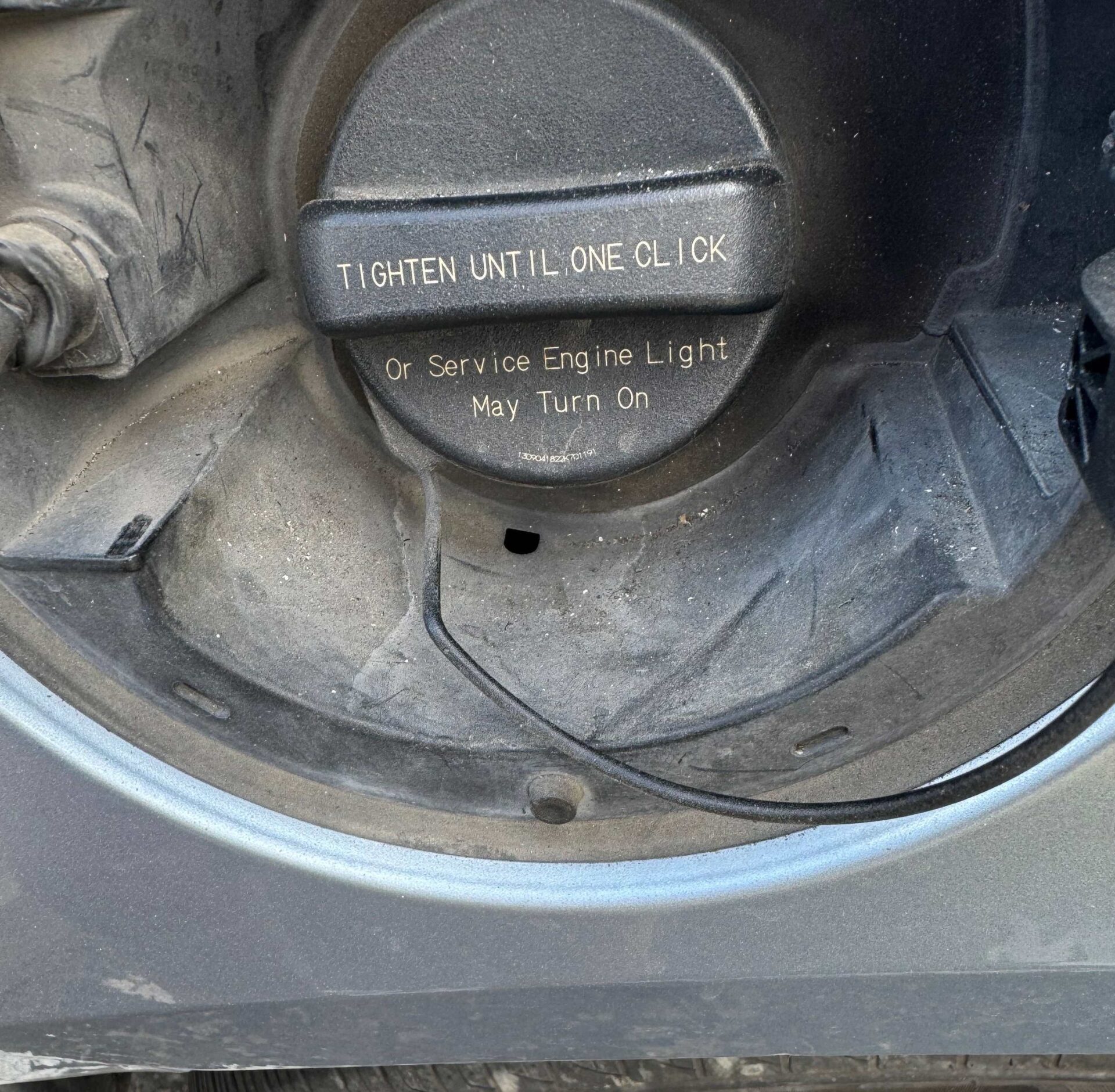
You may not expect it, but a loose gas cap triggers many Check Engine Lights. The cap seals the fuel system. It also keeps vapors from leaking. Vapors create pressure changes that the system reads. When the cap leaks, the system records an error.
Although this issue seems small, it still hurts fuel economy. You can fix it fast. You simply tighten the cap or replace it if the seal looks worn. The light might go out on its own after a few trips.
2. Faulty Oxygen Sensor
Your vehicle uses oxygen sensors to measure oxygen levels in the exhaust. These sensors help the engine control fuel mixture. When a sensor fails, the engine cannot tune the mixture correctly. Because of that, fuel economy drops. Power may drop as well.
You should replace a bad oxygen sensor soon. Ignoring it can harm your catalytic converter. The converter costs far more than a sensor.
3. Bad Ignition Coil or Spark Plug
Your ignition system lights the fuel in each cylinder. When a coil or spark plug fails, the cylinder misfires. You may feel shaking or rough running. You may also notice slow acceleration.
Misfires create high exhaust heat. That heat damages the catalytic converter. Because misfires cause serious harm, you should fix them soon.
4. Failing Mass Airflow Sensor
The mass airflow sensor’s job is to measure the volume of air coming into the engine. This reading helps the computer adjust fuel levels. When the sensor fails, your engine may stall or hesitate. Fuel economy often drops as well.
Although cleaning sometimes helps, many sensors need replacement. A trained technician can test the sensor and confirm the fix.
5. Vacuum Leak
Your engine uses vacuum pressure. Hoses and seals create a stable path for the air and fuel mixture. When a hose cracks or a seal leaks, the mixture becomes unstable. You may notice rough idle or higher RPMs than normal.
Vacuum leaks vary in size. Even small leaks can trigger the light. A smoke test can find hidden leaks fast.
6. Catalytic Converter Problems
The catalytic converter cleans exhaust gases. By reducing harmful emissions, the catalytic converter ultimately protects the environment. When it fails, the vehicle runs poorly. You may smell rotten eggs from the exhaust. You may also notice lower power.
A failing converter often results from untreated problems like misfires or bad sensors. You protect the converter when you fix early issues.
7. Exhaust Gas Recirculation (EGR) Issues
The EGR system lowers combustion temperatures. It also reduces emissions. When valves or passages clog, the system stops working. You may see rough running or pinging. You also may experience reduced fuel economy.
Cleaning or replacing the valve often solves the issue. A technician can confirm the blockage and restore proper flow.
8. Fuel Injector Problems
Fuel injectors spray fuel into the engine. When they clog, you may feel misfires or hesitation. You may also smell excess fuel. Dirty injectors harm performance and cause higher emissions.
Some injectors can be cleaned. Others need replacement. Early action prevents damage to the engine.
How to Fix a Check Engine Light
Although the light can cause worry, many fixes are simple. Here are steps you can take.
Step 1: Check Your Gas Cap
You can start by checking the gas cap. Make sure it clicks when you tighten it. You can also inspect the seal for cracks. You save time and money when you fix this easy item first.
Step 2: Use a Code Reader
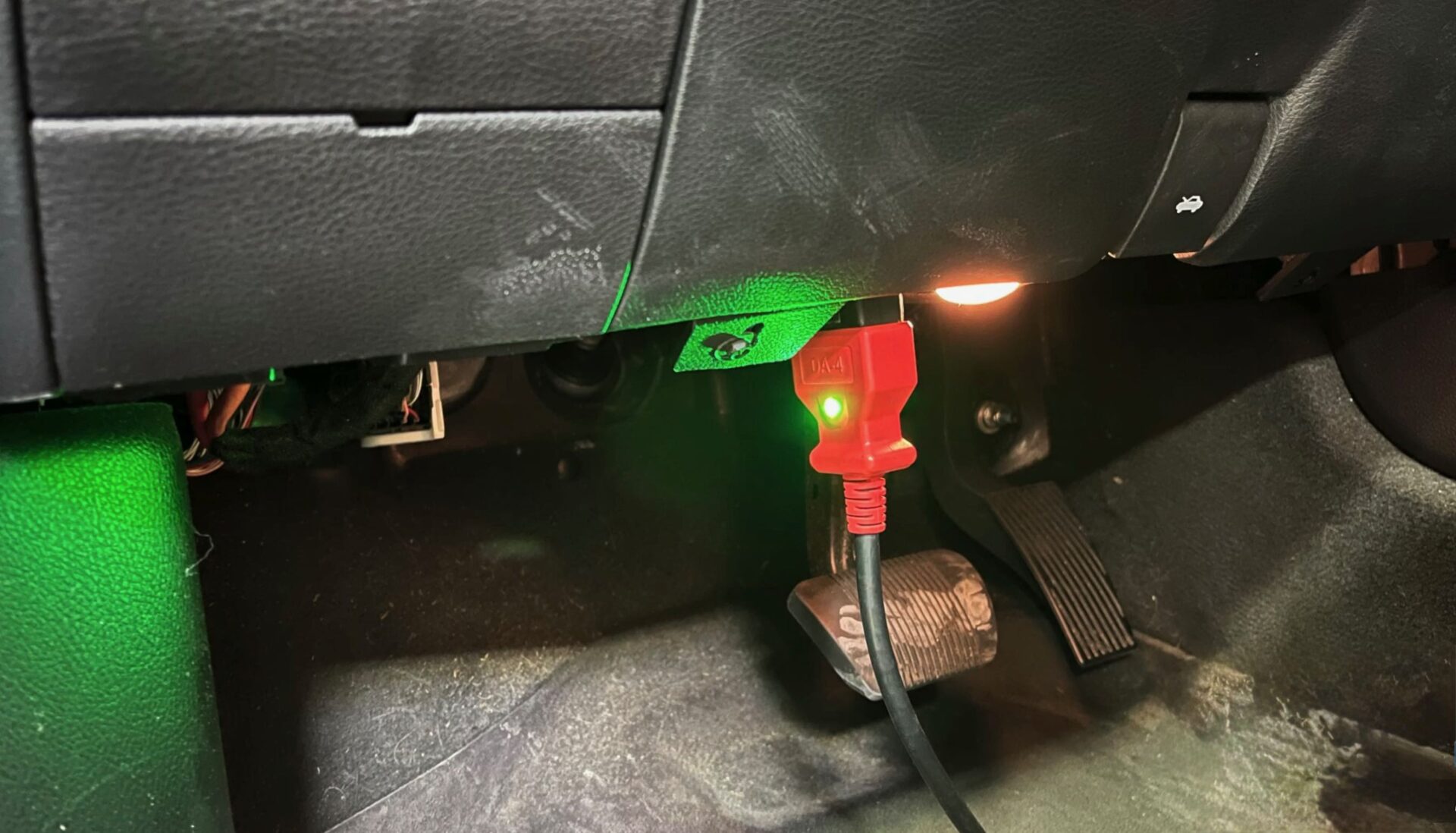
Many stores offer free code scans. You can also buy a small OBD-II reader. After you read the code, you can search the meaning. You gain a better idea of the issue. Even so, a code only points to the system. You still need a proper diagnosis to find the exact cause.
Step 3: Look for Simple Signs
Listen for odd sounds. You can smell for fuel or exhaust issues. Watch for rough running. Also, check hoses for cracks. These signs help guide the next steps.
Step 4: Seek a Trusted Technician
A trained technician offers the most accurate diagnosis. They use advanced tools. They also know how systems work together. You avoid guessing when you let a professional handle the issue.
Drivers in Temecula, Murrieta, and nearby areas can bring their vehicle to Temecula Auto Repair & Transmission. Our team will read the code(s), perform a full test, and explain clear repair options. Also, you’ll receive honest advice and a reliable repair right away.
Reasons You Shouldn’t Ever Ignore Your Check Engine Light
Drivers often keep driving with the light on. They may feel the vehicle runs fine. They may also worry about repair bills. However, small issues grow fast. Minor problems become major repairs when they go untreated.
A simple sensor failure can turn into a costly converter replacement. A small vacuum leak can cause rough running. Even a loose gas cap wastes fuel.
Although the light may feel like a small warning, it protects you. It also protects your engine and your wallet. Addressing the problem right away will save you money in the long term.
How to Prevent Check Engine Light Problems
You can prevent many issues with proper care. Here are habits that help:
- Follow your maintenance schedule.
- Replace spark plugs on time.
- You should use quality fuel.
- Inspect hoses and belts.
- Keep your air filter clean.
- Address small issues early.
These habits help your vehicle run smoother. They also lower the chances of the light turning on.
When You Should Seek Help Right Away for a Check Engine Light
Although some Check Engine Light issues still allow some driving, others will require attention right away. You should stop the vehicle when the light flashes. Also, you should seek help immediately if you smell fuel. You should not keep driving with severe misfires. These issues can damage internal parts.
Anyone near Temecula, Murrieta, Winchester, French Valley, or surrounding areas can contact Temecula Auto Repair & Transmission. The shop offers quick diagnostics and clear repairs without guesswork.
Final Thoughts
Your Check Engine Light gives you a chance to fix problems early. Although it may feel stressful, the light helps protect your engine. You can often fix small issues fast. You also reduce repair costs when you act quickly.
Drivers across the country can follow the steps in this guide. Anyone near the Temecula region can visit our shop for expert help. Our team works on all makes and models. We also provide diagnostic testing and solutions that’ll give you peace of mind.
