


Your car’s suspension and steering system keeps your ride smooth and safe. It absorbs bumps, maintains wheel alignment, and improves handling. However, when parts wear out, driving can feel rough, unsafe, or unpredictable. Therefore, recognizing common issues early can save money and prevent bigger repairs.
Worn Control Arm Bushings

Control arm bushings connect your car’s control arms to the frame. They absorb shocks from the road and stabilize your wheels. However, when bushings wear, you may hear clunking noises over bumps. Additionally, steering wheel vibrations often accompany this problem.
Also, worn bushings also cause uneven tire wear. Misalignment can make your car pull to one side. Mechanics replace bushings to restore smooth handling. Sometimes, the control arm also needs replacement for safety.
Solution: Replace worn bushings or the control arm. After replacement, get a wheel alignment to ensure even tire wear.
Worn Tie Rod Ends
Tie rod ends link your steering gear to the wheels. In particular, they help your car respond to steering inputs. However, when tie rods wear, steering feels loose or shaky. You may also hear knocking noises when turning.
Consequently, driving with worn tie rods is dangerous. For example, your car could wander, or steering may fail during emergencies. Thus, regular inspections let mechanics catch wear early.
Solution: Replace worn tie rod ends and align your wheels. This restores safe, responsive steering and prevents uneven tires.
Worn or Leaking Shocks and Struts
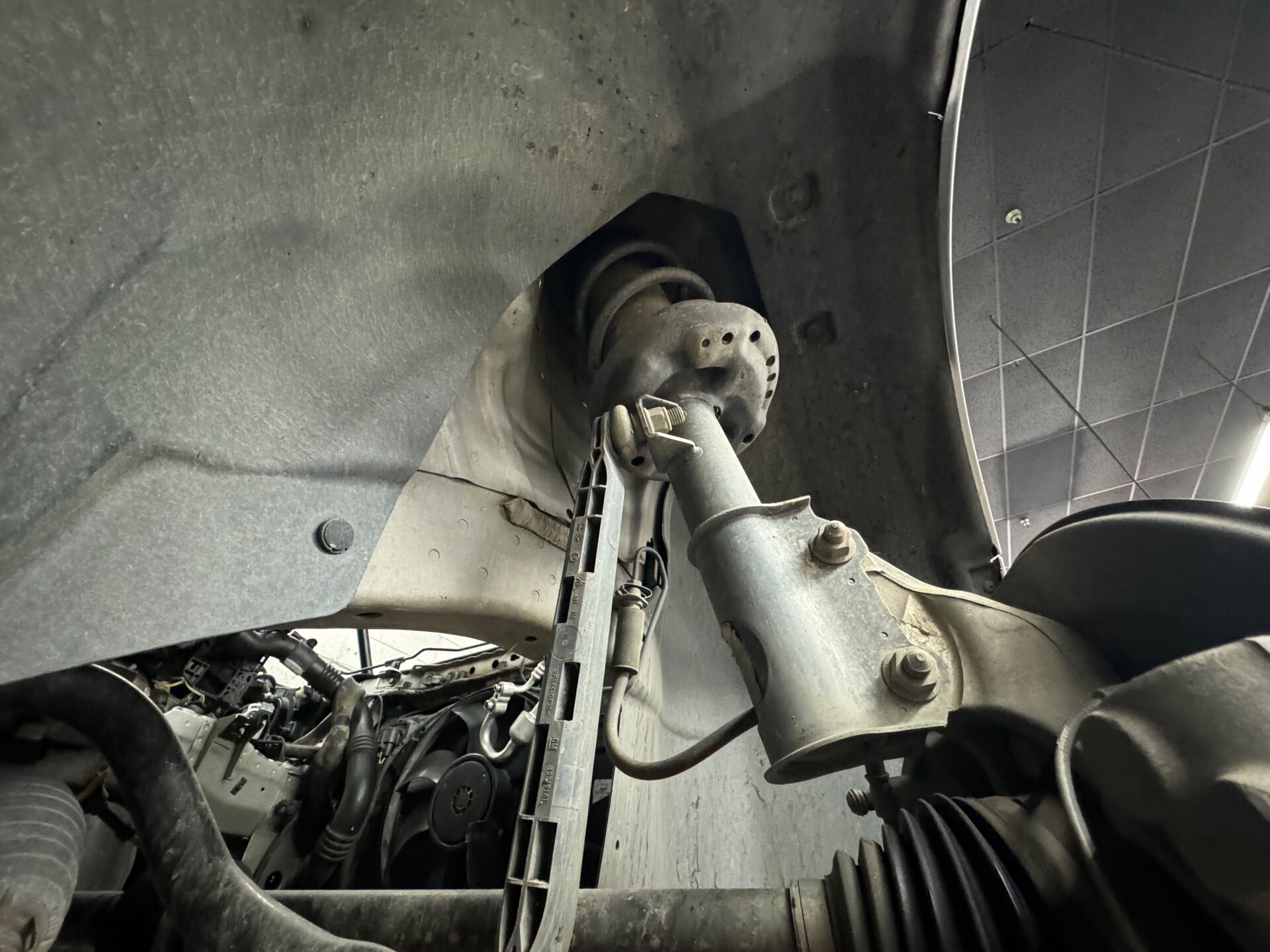
Shocks and struts keep tires in contact with the road. Also, they absorb bumps and control body movement. However, worn or leaking shocks make your car bounce excessively. Additionally, braking distances may increase, and handling can feel unpredictable.
Leaking shocks often show visible oil. Also, uneven tire wear is another warning sign. Therefore, replacing these parts improves stability and ride comfort.
Solution: Replace worn or leaking shocks and struts in pairs. This ensures balanced handling and smoother rides.
Leaking Steering Rack
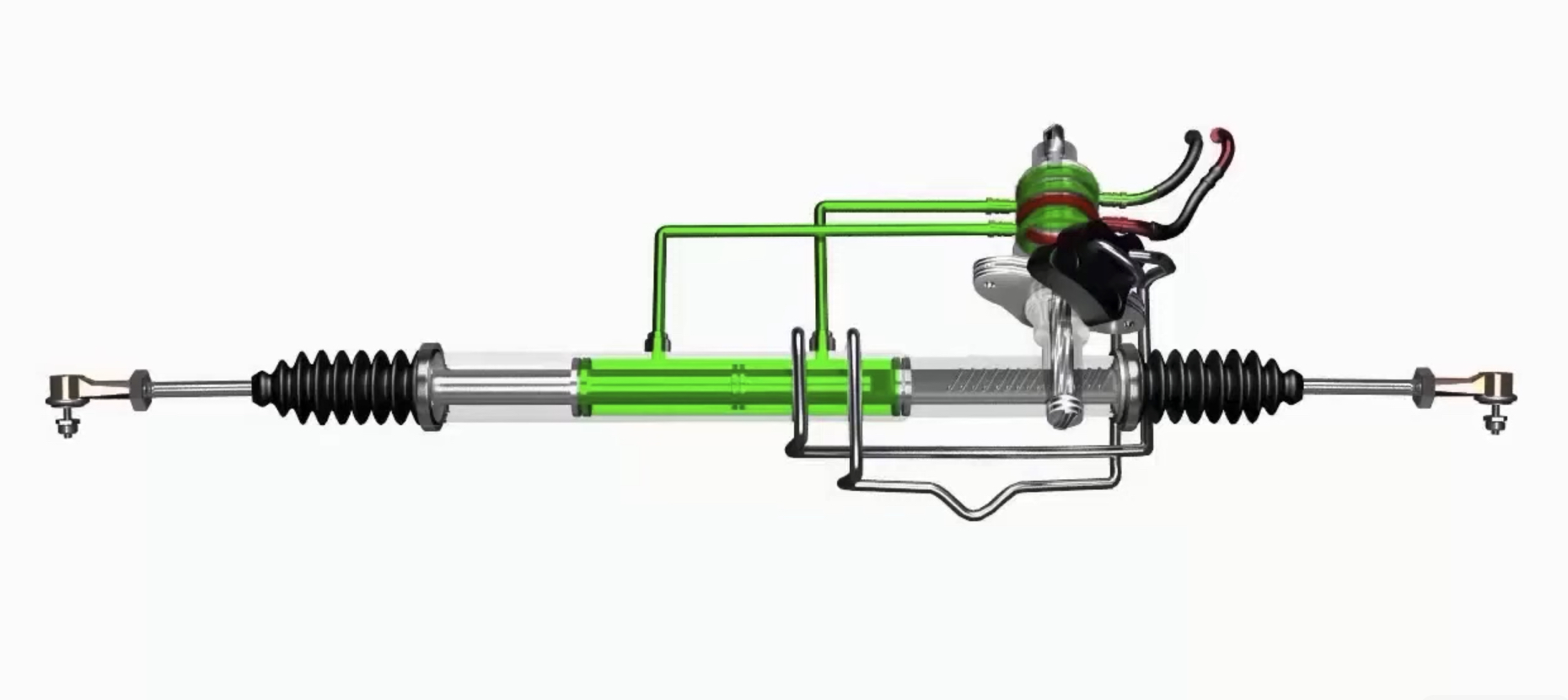
The steering rack guides your wheels when turning. A leaking rack can cause fluid loss and harder steering. As a result, whining noises and stiff steering are common symptoms.
Ignoring a leaking rack may damage the power steering pump. Consequently, this makes steering more difficult and could lead to complete failure. Mechanics check seals and fluid levels, replacing the rack when needed.
Solution: Replace leaking steering racks. Refill power steering fluid and inspect the system to prevent future leaks.
Worn Ball Joints
Ball joints allow wheels to pivot smoothly while supporting the vehicle’s weight. However, worn ball joints produce clunking noises and uneven tire wear. Also, they can affect alignment, causing steering drift.
Solution: Replace worn ball joints and perform a wheel alignment. This ensures safety and even tire wear.
Broken Sway Bar Links
Sway bar links reduce body roll during turns. Broken or worn links make handling feel loose. Consequently, this can increase the risk of losing control on curves.
Solution: Replace damaged sway bar links in pairs for balanced stability. Proper installation improves turning safety.
Damaged Wheel Bearings
Wheel bearings support wheels and allow them to rotate freely. However, worn bearings create humming, grinding, or growling noises. Additionally, driving on damaged bearings can cause wheel wobble and uneven tires.
Solution: Replace damaged wheel bearings, ideally with new hubs. This prevents future failures and improves safety.
Signs You Need Suspension or Steering Repairs
Look for warning signs such as:Clunking or knocking noises over bumps
- Steering wheel vibrations or looseness
- Car pulling to one side
- Uneven tire wear
- Excessive bouncing after hitting a bump
- Whining noises when turning
Noticing any of these signs means you should schedule an inspection. Thus, early repairs prevent costly damage and keep your car safe.
Preventive Maintenance Tips for Steering & Suspension

Routine maintenance extends suspension and steering life. Follow these tips:
- Check power steering fluid regularly.
- Inspect bushings, ball joints, and tie rods for wear.
- Watch for leaks in shocks and struts.
- Rotate tires consistently to avoid uneven wear.
- Avoid aggressive driving over potholes or rough terrain.
Additionally, schedule regular inspections with a trusted mechanic. Early detection prevents bigger, costlier repairs.
Professional Solutions For Steering & Suspension Issues
At Temecula Auto Repair & Transmission, our team specializes in suspension and steering repairs. Serving Temecula, Murrieta and the surrounding communities since 2010, we fix worn control arm bushings, tie rod ends, shocks, struts, and steering racks. We use high-quality parts and precise alignment equipment. Our goal is smooth handling, longer tire life, and safer driving.
Scheduling regular inspections or reservations helps prevent unexpected failures. Our technicians identify minor wear before it becomes a major issue. This keeps your car safe and reliable.
FAQs — Common Suspension & Steering Issues
1. Q: What causes clunking noises over bumps or when turning?
A: Clunking or knocking sounds often come from worn control arm bushings, ball joints, or sway bar links. When these components degrade, they can’t absorb shocks properly or maintain tight connections, leading to metal-on-metal contact or loose movement. Replacing the worn parts typically resolves the noise.
2. Q: Why does my steering feel loose or shaky?
A: Loose or shaky steering is commonly caused by worn tie rod ends, which connect the steering gearbox to the wheels. If they wear out, steering input becomes less precise, and excessive play or knocking can occur. Fixing this usually involves replacing the tie rod ends, followed by a wheel alignment.
3. Q: What are the symptoms of failing shocks or struts?
A: Failing shocks or struts may cause excessive bouncing after hitting bumps, visible fluid leaks, uneven tire wear, and unpredictable handling or braking. Replacing both shocks or struts in a pair helps restore stability and ride comfort.
4. Q: What does a leaking steering rack feel or sound like?
A: A leaking steering rack can lead to a loss of power steering fluid, making the steering feel stiff or hard to turn. You may also hear whining noises when turning. Over time, fluid loss can damage the power steering pump, so it’s best to address the leak promptly.
5. Q: How can I tell if my ball joints are worn?
A: Worn ball joints often produce clunking noises, especially when turning or going over bumps. They can also cause uneven tire wear and alignment issues, making your steering feel less stable. The solution is to replace the worn ball joints and then align the wheels.
6. Q: Why does my car feel unstable or lean when I take corners?
A: This may be due to broken or worn sway bar links, which help reduce body roll in turns. When they fail, the vehicle can feel loose or unsettled during cornering. Replacing the damaged sway bar links (ideally in pairs) can restore proper handling.
7. Q: What are the warning signs of failing wheel bearings?
A: Damaged wheel bearings can create humming, grinding, or growling noises, especially at speed. You might also notice wobble in the wheels or uneven tire wear. Replacing the bearings – or in some cases, the entire hub assembly – improves safety and ride quality.
8. Q: How can I prevent suspension and steering issues?
A: Preventive maintenance is key. Regularly check:
– Power steering fluid level
– Condition of bushings, ball joints, and tie rods
– Shocks and struts for leaks
– Tire rotation to avoid uneven wear
Also, avoid aggressive driving over potholes or rough terrain, and schedule periodic inspections with a qualified mechanic.
Conclusion
Suspension and steering systems are critical for driving safely. Worn bushings, tie rods, leaking shocks, and failing steering racks can compromise safety. Understanding problems, recognizing warning signs, and addressing issues early keeps your car running smoothly.
Proactive maintenance and professional inspections reduce repair costs and prevent accidents. Stay proactive with repairs to enjoy a smooth, safe, and comfortable ride every day.
