


Top-notch Check Engine Light Diagnosis and Repair Services in Temecula and Murrieta
Welcome to Our Expert Check Engine Light Diagnosis and Repair Services
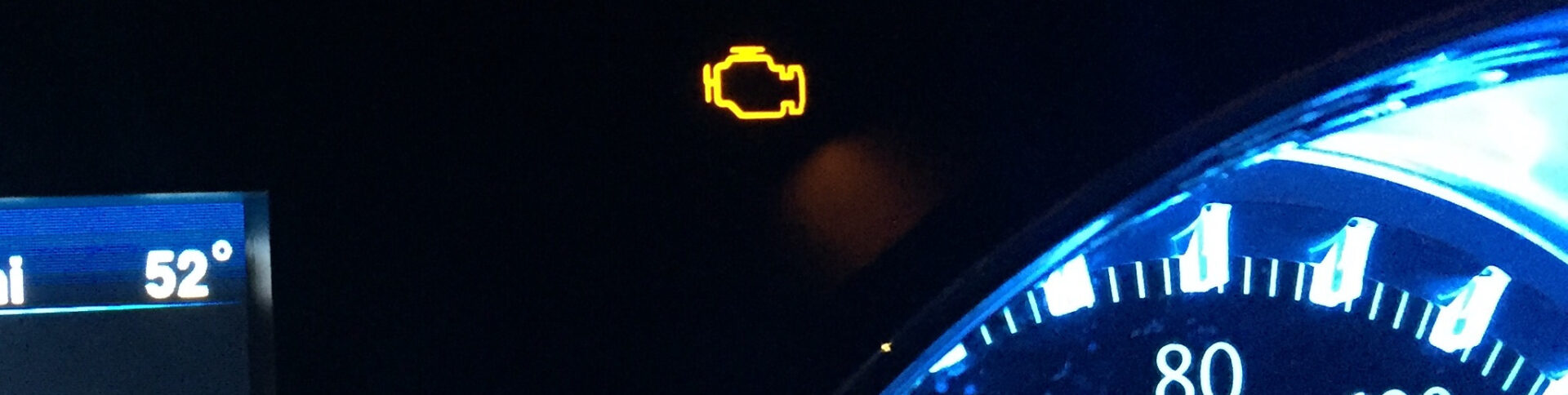
Is your vehicle’s Check Engine Light (also known as the Malfunction Indicator Light) suddenly glaring at you? Don’t panic. We’ve got you covered. At Temecula Auto Repair & Transmission, we specialize in efficient and accurate check engine light diagnosis and repair services to get you back on the road with confidence. Hundreds of drivers in the Temecula, Murrieta, Winchester, and French Valley areas have trusted us for accurate diagnosis and repair of their check engine light issues.
Understanding the Check Engine Light
The Check Engine Light is an important indicator on your vehicle’s dashboard that alerts you to potential issues with the engine or related systems. It serves as a warning sign that something requires attention. When the check engine light turns on, it means that your vehicle’s onboard diagnostic system has detected a problem. There are various reasons why the check engine light may come on. We’ll outline some of the more common reasons in more detail below.
To determine the exact cause of the Check Engine Light being illuminated and troubleshoot it effectively, our technicians will perform a prescribed set of tests. Which specific tests we’ll recommend and perform depends on the Diagnostic Trouble Code(s) that we retrieve from your car’s Onboard Diagnostic System. So, that’s where we’ll start, retrieving the fault code(s).
It’s important not to ignore a lit Check Engine Light as it may indicate potential damage to your car’s components. This trouble could lead to more expensive repairs down the line if ignored. We highly recommend consulting our qualified professionals who can diagnose and fix any underlying issues for you promptly. Remember, regular maintenance and addressing any warning signs promptly will help ensure optimal performance and longevity of your vehicle.
Common Causes of Check Engine Light Illumination
While the Check Engine Light can be triggered by a myriad of issues, some of the most common causes include:
1. Loose or Faulty Gas Cap:
A loose or damaged gas cap can lead to fuel vapors escaping, triggering the Check Engine Light. If your gas cap is loose, the first obvious step is to ensure it is tightened properly. The fuel vapor leakage can potentially impact your vehicle’s performance. Simply tighten the gas cap until you hear a clicking sound, indicating that it is securely fastened.
If your gas cap shows signs of damage or wear and tear, it may be necessary to replace it. A faulty gas cap can result in a compromised seal, causing fuel vapors to escape and potentially triggering the check engine light on your dashboard. Consult your vehicle’s manual or reach out to our trusted team for guidance on finding and installing an appropriate replacement.
Remember, maintaining a proper seal on your gas cap plays an essential role in preventing fuel vapor leaks and ensuring optimal performance of your vehicle. If you suspect any issues with the seal or notice unusual odors near the fuel tank area, consider coming in to have us inspect the problem as soon as possible.
2. Faulty Oxygen Sensor:
The oxygen sensor measures the amount of oxygen in the exhaust. One of the most noticeable signs of an oxygen sensor failure, besides the Check Engine Light on, is a decrease in fuel efficiency. If you are finding yourself making more frequent trips to the gas station, it could be due to a malfunctioning oxygen sensor. If we determine that the oxygen sensor itself has failed, we’ll recommend replacement.
Next, let’s talk about wiring concerns related to the oxygen sensor. Properly wired sensors are essential for accurate readings and optimal performance. During our diagnostic testing, we’ll double-check all connections. We want to make sure there are no loose or damaged wires interfering with oxygen sensor functionality.
Our team of professionals has the expertise necessary to efficiently diagnose any issues and provide appropriate solutions. Remember, maintaining a properly functioning oxygen sensor is vital for efficient fuel consumption and reducing harmful emissions from your vehicle. So don’t hesitate. Book An Appointment today if you suspect any problems with this critical component!
3. Catalytic Converter Issues:
A failing catalytic converter can trigger the light and impact your vehicle’s performance. If the Check Engine Light’s on for a catalytic converter fault, there are several symptoms you may experience. These can include reduced engine performance, a decrease in fuel efficiency, reduced engine power under acceleration, and unusual smells coming from the exhaust.
It’s important to address catalytic converter issues promptly. Failing or faulty converters not only affect the performance of your vehicle but also contribute to harmful emissions. If you’re experiencing any of these symptoms or suspect an issue with your catalytic converter, we recommend coming in as soon as possible. We’ll properly diagnose the problem and provide an accurate estimate for repair or replacement.
4. Faulty Mass Airflow Sensor:
This sensor measures the air entering the engine and helps with fuel injection. It’s possible that a faulty or damaged mass airflow sensor may be the cause of your Check Engine Light troubles. Faulty Mass Air Flow Sensor symptoms include rough idling, poor acceleration, or a decrease in fuel efficiency.
One common issue with mass airflow sensors is the accumulation of dirt and debris. Over time, this buildup can affect the accuracy of the readings and lead to performance problems and Illumination of the Check Engine Light. Luckily, cleaning the mass airflow sensor can often solve this problem. However, it’s important to approach cleaning with caution as improper handling could further damage the sensor. We highly suggest leaving this cleaning procedure to our professional team. In some cases, however, simply cleaning the sensor may not be enough if it has been significantly damaged.
A dirty air filter is another potential culprit for causing harm to your mass airflow sensor. Restricted air flow can put excessive strain on the sensor over time. If your mass airflow sensor has been compromised beyond repair due to dirt or other issues such as a damaged air filter, it may be necessary to replace it altogether.
Consult with our trusted team of professionals who have years of experience in diagnosing these types of problems. We’ll pinpoint the cause and recommend options for appropriate solutions based on our findings. Ultimately, addressing any issues related to your Mass Airflow Sensor promptly will help ensure optimal engine performance and fuel efficiency.
5. Spark Plug or Ignition Coil Issues:
Problems in the ignition system can lead to poor combustion, reduced fuel efficiency, and trigger the check engine light. If your Check Engine Light’s on due to issues with the ignition system, specifically related to the spark plugs or ignition coil(s), it’s important to address these problems promptly. Ignition coil failure or spark plug failure can cause significant performance issues in your vehicle.
One of the most common symptoms of a faulty ignition coil is a misfiring engine. You may notice a lack of power or hesitation when accelerating, as well as rough idling or an uneven running engine. Additionally, you might have trouble starting the engine, especially if it takes multiple attempts before it finally fires up.
When it comes to spark plug failure, there are a few signs for which you should look. A worn-out or damaged spark plug can result in poor fuel economy and reduced engine efficiency. You may also notice decreased acceleration and power output from your engine. In some cases, a faulty spark plug could even cause the engine to stall altogether.
It’s worth noting that diagnosing these issues accurately can sometimes be challenging without professional assistance. Consulting with our experienced professionals will ensure proper diagnosis and resolution of any problems related to your vehicle’s ignition system. Remember, addressing ignition-related issues promptly will not only improve your vehicle’s performance but will also help prevent further damage that could lead to more expensive repairs down the line.
6. Issues with the Exhaust Gas Recirculation (EGR) Valve:
A faulty EGR (Exhaust Gas Recirculation) valve can indeed cause a variety of symptoms and trigger the check engine light. A faulty EGR valve can negatively impact your engine’s performance in several ways. You may experience a lack of power or acceleration, reduced overall performance, or even stalling while driving. Insufficient recirculation of exhaust gases into the combustion chamber typically cause these issues. Also, if you notice your engine idling roughly or inconsistently, it could be due to an improperly functioning EGR valve. When this component fails, it can disrupt the air-fuel mixture ratio in the combustion chamber, resulting in an unstable idle. Reduced fuel efficiency is another symptom commonly associated with a faulty EGR valve.
Since this part helps regulate emissions and improve fuel combustion efficiency by reintroducing exhaust gases into the intake manifold, a malfunctioning valve can lead to increased fuel consumption and lower mileage per gallon. It’s important to address these symptoms promptly as neglecting them may lead to further damage or costly repairs down the line.
Of course, it’s best to consult with our qualified staff who can diagnose and repair any problems accurately. Remember that regular maintenance checks and following manufacturer-recommended service intervals are crucial for preserving your vehicle’s optimal performance and avoiding potential complications related to components such as the EGR valve.
7. Transmission Issues:
When it comes to the connection between transmission issues and an illuminated Check Engine Light, there can indeed be a correlation. In some cases, when there are problems with the transmission, it can trigger the Check Engine Light to come on. As mentioned, your vehicle’s onboard diagnostic (OBD) system constantly monitors various components of the vehicle. This includes monitoring of the transmission.
Transmission issues that may cause your Check Engine Light to come on can range from minor sensor malfunctions to more serious mechanical failures. Some common examples include faulty speed sensors or solenoids, slipping gears, low fluid levels or pressure, and even internal damage within the transmission itself.
To determine if a transmission problem illuminated your Check Engine Light, it’s crucial to have your vehicle diagnosed by our qualified technicians. We will use specialized diagnostic equipment to retrieve the specific trouble codes stored in your vehicle’s computer system. These codes provide valuable insight into which system is causing the issue and what the next steps are.
Remember that while an illuminated Check Engine Light often indicates a problem worth investigating further, it does not necessarily mean immediate catastrophic failure of your transmission. However, it’s always best not to ignore these warning signs. Addressing them promptly can prevent further damage and potentially save you from costly repairs down the road. In summary, transmission problems can indeed trigger your Check Engine Light. Seeking our professional assistance as soon as possible will allow for proper diagnosis and necessary repairs or maintenance needed for optimal performance of your transmission.
8. Air Fuel Ratio Sensor Problems:
Like the oxygen sensor, issues with this sensor can impact fuel efficiency and emissions. If, in addition to an illuminated Check Engine Light, you’re experiencing symptoms such as poor fuel economy, rough idling, and difficulty starting the engine, it could be indicative of a failed or malfunctioning air-fuel ratio sensor.
The air-fuel ratio sensor plays a crucial role in monitoring and adjusting the mixture of air and fuel that enters the engine’s combustion chamber. A failing or malfunctioning sensor can cause issues with your vehicle’s performance and efficiency. It may lead to an incorrect fuel mixture being injected into the engine, resulting in decreased fuel economy. Rough idling can occur due to an imbalance in the air-fuel ratio, causing irregular combustion.
The Check Engine Light serves as an early warning system for various mechanical problems within your vehicle’s systems. When it comes on alongside other symptoms like poor fuel economy and rough idling, it’s essential to have your vehicle diagnosed by our qualified technicians who can accurately determine if the air-fuel ratio sensor is at fault.
A malfunctioning air-fuel ratio sensor can cause difficulty starting your engine. This is because the sensor plays a crucial role during startup by providing input for optimal fuel delivery.
Again, to ensure accurate diagnosis and prompt resolution of these issues, we recommend you Book An Appointment right away. We possess the diagnostic tools and expertise that can pinpoint any faults within your vehicle’s systems and provide a full report with recommendations. Addressing these symptoms promptly is important not only for restoring your vehicle’s performance but also for preventing potential damage to other components of your engine.
Our Approach to Check Engine Light Diagnosis and Repair
At Temecula Auto Repair & Transmission, our experienced technicians employ state-of-the-art diagnostic tools to pinpoint the exact cause of your Check Engine Light activation. We understand that a prompt and accurate diagnosis is crucial to preventing further damage and ensuring optimal vehicle performance.
Once we identify the issue, our skilled technicians will provide you with a transparent and detailed explanation of the problem and recommend the necessary repairs. We prioritize open communication, so you can make informed decisions about your vehicle’s maintenance.
Why Choose Temecula Auto Repair & Transmission for Check Engine Light Services?
– Expert Technicians:
Our team comprises highly skilled and certified technicians with extensive experience in diagnosing and repairing a wide range of automotive issues.
– Cutting-Edge Diagnostic Equipment:
We invest in the latest diagnostic technology to ensure accurate and efficient Check Engine Light diagnosis.
– Transparent Communication:
We believe in keeping our customers informed every step of the way. We provide clear explanations and cost estimates; and obtain your authorization before proceeding with any repairs.
– Quality Repairs:
We use high-quality parts and follow industry best practices to ensure that your vehicle is repaired to the highest standards.
Expert Check Engine Light Testing and Repair in Temecula, Murrieta, Winchester, and French Valley
When your Check Engine Light is on, trust our experts here at Temecula Auto Repair & Transmission to diagnose and repair the issue promptly. We are the local Check Engine Light experts for Temecula, Murrieta, Winchester, and French Valley. Book An Appointment with us today, and let us keep your vehicle running smoothly.
Be sure to check out our blog for more on causes and remedies for Check Engine Light.