


Understanding Your Check Engine Light: Causes, Symptoms, and Solutions
The Check Engine Light (CEL) on your dashboard can seem intimidating. However, it serves as an important warning system in your car. When the light turns on, it’s alerting you to an issue that needs attention. So, let’s break down what the Check Engine Light means. Also, we’ll explore the common reasons it comes on and the symptoms you might notice when it does.
What is the Check Engine Light?
The Check Engine Light is part of your vehicle’s onboard diagnostic system (OBD). It alerts you when something goes wrong with your car’s engine, emissions, or other components. Thus, when the system detects an issue, the light will illuminate. This indicates that you should have your car checked. Although some drivers may feel they can ignore it, this light is there for a reason. In other words, addressing a Check Engine Light early can help prevent more costly repairs.
Common Causes of the Check Engine Light
Several issues can trigger your Check Engine Light. Here are some of the most common causes:
Loose or Damaged Gas Cap

A loose gas cap may seem minor. However, it can actually cause your Check Engine Light to turn on. When the gas cap is not fully tight, it allows fuel vapors to escape. Consequently, this affects your car’s fuel system. As a result, this triggers the Check Engine Light. Tightening the cap might solve this issue. However, if the light remains on, the cap may need replacement.
Faulty Oxygen Sensor
Oxygen sensors are critical in a car’s performance and fuel efficiency. These sensors monitor the oxygen levels in the exhaust gases. Thus, they help the engine manage fuel and emissions. When an oxygen sensor fails, it can lead to noticeable problems that may trigger the Check Engine Light. Therefore, knowing how oxygen sensors work and the signs of a bad one can help drivers avoid potential issues.
Purpose and Function of Oxygen Sensors
Oxygen sensors are part of a vehicle’s emissions system. They measure the oxygen levels in exhaust gases after combustion. By analyzing these levels, the engine control module (ECM) adjusts the air-fuel mixture for better efficiency and reduced emissions. Most importantly, proper oxygen levels keep the engine running smoothly and improve fuel economy. In most cars, there are multiple oxygen sensors. There is one before the catalytic converter and one after it. Each sensor provides real-time feedback to the ECM. This helps the ECM make accurate adjustments.
Common Causes of Oxygen Sensor Failure
Several factors can lead to a failing oxygen sensor. Understanding these causes can help prevent future issues.
1. Age and Wear
Over time, oxygen sensors wear out. Many sensors become faulty after 60,000 to 100,000 miles. Moreover, frequent driving and engine use degrade sensor materials. Consequently, this leads to reduced accuracy. Therefore, replacing sensors at regular intervals can help avoid unexpected failures.
2. Contamination
Contaminants such as oil, antifreeze, and fuel additives can damage the sensor’s tip. This contamination affects the sensor’s ability to measure oxygen levels accurately. Thus, using high-quality fuel and regularly maintaining your engine helps reduce this risk.
3. Excessive Fuel
A fuel-rich engine burns more fuel than necessary. As a result, it releases unburned particles into the exhaust. These particles can coat the oxygen sensor. In turn, this reduces the sensor’s sensitivity and accuracy. Thus, keeping the fuel system clean and avoiding prolonged fuel-rich conditions can help.
4. Fluid Leaks
Leaks in the cooling system or oil leaks sometimes reach the oxygen sensors. Fluid leaking on the sensor will damage it. For example, when leaking fluids reach the sensor, it can disrupt its readings and lead to failure. So, addressing fluid leaks quickly can help prevent this issue.

Ensuring Oxygen Sensor Health
Ensuring your oxygen sensors are in good condition will keep your emissions control system working at its best. Additionally, keeping up with routine maintenance can save you from costly repairs. So, if you suspect an oxygen sensor problem or see the Check Engine Light, call us right away for an accurate diagnosis.
Malfunctioning Catalytic Converter
The catalytic converter is a crucial component in your car’s emissions system. It reduces harmful emissions, helping the car meet environmental standards. Therefore, when the catalytic converter fails, it can lead to poor performance. Also, increased emissions, and potential engine damage may occur. On the other hand, understanding how the catalytic converter works and the things that can cause it to fail will help you maintain your catalytic converter and avoid costly repairs.
Purpose and Function of the Catalytic Converter
The catalytic converter is a critical component in your vehicle’s emissions system. It transforms harmful gases, such as carbon monoxide, hydrocarbons, and nitrogen oxides, into less harmful substances. Inside, the catalytic converter has a ceramic structure coated with precious metals like platinum, palladium, and rhodium. These metals act as catalysts, causing chemical reactions that convert harmful gases into water vapor, carbon dioxide, and nitrogen. Located between the engine and the muffler, the catalytic converter plays a key role in reducing pollution from your vehicle’s exhaust.
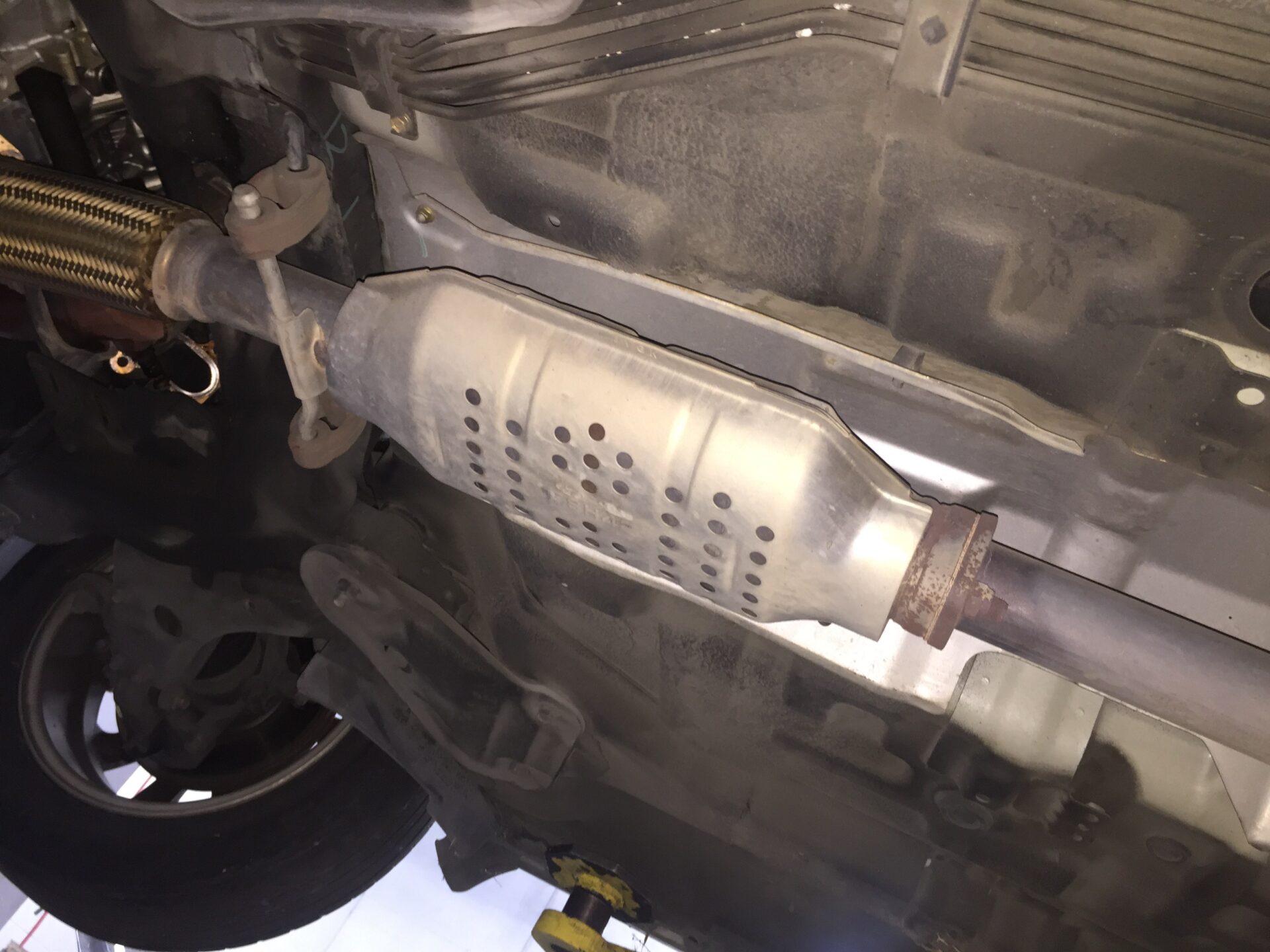
Common Causes of Catalytic Converter Failure
Several issues can lead to a failed catalytic converter. Knowing these causes can help prevent expensive repairs and keep your emissions system working well.
1. Engine Misfires
Misfiring occurs when fuel fails to ignite in the engine cylinders, sending unburned fuel into the exhaust system. Consequently, when this unburned fuel reaches the catalytic converter, it causes overheating, which can melt the converter’s internal parts. Thus, fixing engine misfires quickly helps protect the catalytic converter.
2. Fuel-Rich Conditions
A fuel-rich condition means the engine burns more fuel than necessary. This excess fuel doesn’t burn completely. In turn, this causes a buildup in the catalytic converter. Over time, this buildup clogs the converter, reducing its effectiveness and leading to failure.
3. Contaminants in the Exhaust
Contaminants such as oil or coolant sometimes leak into the exhaust system, reaching the catalytic converter. These fluids coat the converter’s surface, reducing its ability to function. Common causes of contamination include leaky head gaskets or faulty piston rings. Regular maintenance can help detect and prevent these leaks.
4. Age and Wear
Like many car parts, catalytic converters wear out over time. Most converters last between 70,000 to 100,000 miles. However, heavy use or constant short trips can reduce their lifespan. Replacing old converters helps keep your emissions system in top shape.
5. Clogged Oxygen Sensors
Faulty or clogged oxygen sensors can affect the air-fuel mixture, causing the engine to run poorly. As a result, this imbalance in the air-fuel mixture will impact the catalytic converter. In turn, this will cause buildup and damage to the catalytic converter over time. Replacing or cleaning oxygen sensors as needed can help extend the life of your catalytic converter.
Maintaining Your Catalytic Converter
Regular maintenance may be key to extending the life of your catalytic converter. Additionally, addressing any engine issues promptly and performing routine inspections will keep your emissions system functioning efficiently. If you suspect a problem with your catalytic converter, Contact us right away to prevent further damage and ensure a cleaner, smoother ride.
Worn Spark Plugs or Ignition Coils
Spark plugs and ignition coils play an essential role in a vehicle’s ignition system. Working together, they ensure the engine starts smoothly and operates efficiently. When spark plugs or ignition coils fail, the Check Engine Light often illuminates, alerting drivers to an issue that needs attention. Knowing the purpose, function, and causes of spark plug and ignition coil failure helps drivers avoid engine trouble and keep peak performance.
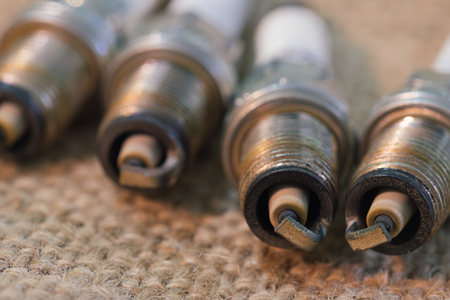
Purpose and Function of Spark Plugs
Spark plugs are small but vital components in every gasoline engine. Spark plugs emit the spark that ignites the air-fuel mixture in your engine’s combustion chamber. This spark creates a controlled explosion, which powers the engine. Each cylinder has its own spark plug, and timing the spark in each plug is key for engine efficiency. In other words, when the spark plugs function correctly, the engine operates smoothly. Also, a properly running engine delivers better fuel economy and reduces emissions.
Purpose and Function of Ignition Coils
Ignition coils provide the high voltage needed to create the spark in the spark plugs. They take the car’s 12-volt battery power and boost it to thousands of volts, which is enough to jump the spark plug gap. Each coil connects to its respective spark plug, ensuring the spark plugs ignite on time. Working together, ignition coils and spark plugs allow the engine to run efficiently.
Common Causes of Spark Plug and Ignition Coil Failure
When spark plugs or ignition coils fail, drivers may notice rough engine performance, poor gas mileage, or a Check Engine Light. Several common issues contribute to these failures. However, regular maintenance can often prevent the failures.
1. Wear and Tear
Over time, spark plugs wear down. For instance, most spark plugs last around 30,000 to 100,000 miles, depending on the type and driving habits. As spark plugs age, the gap widens, weakening the spark. Therefore, regularly replacing spark plugs helps avoid performance issues.
2. Oil Leaks
Oil leaks into the combustion chamber can coat the spark plugs, reducing their effectiveness. When oil fouls the spark plugs, they fail to spark properly, leading to engine misfires and Check Engine Light activation. Thus, fixing oil leaks promptly helps prevent spark plug damage.
3. Heat Damage
Ignition coils operate in high-temperature environments inside the engine compartment. Consequently, excessive heat causes coils to crack or fail prematurely, especially in older vehicles. Therefore, keeping the cooling system in good condition reduces the risk of coil damage.
4. Fuel System Issues
A fuel-rich condition can lead to incomplete combustion, which fouls the spark plugs with carbon deposits. As a result, when there’s carbon on the spark plugs, they can’t create a clean spark. In turn, this causes engine misfires and rough idling. Proper fuel system maintenance can help avoid this issue.
5. Moisture Exposure
Moisture entering the engine compartment can lead to ignition coil failure. For example, water exposure causes the coils to short out or corrode, leading to misfires and performance issues. Thus, keeping the engine bay dry helps protect ignition coils.
6. Using the Wrong Parts
Not all spark plugs and ignition coils are compatible with every vehicle. Using the wrong type or size can cause misfires, poor performance, and even damage to other engine components. So, always choose parts that meet your vehicle’s specifications.
Signs of Failed Spark Plugs or Ignition Coils
When spark plugs or ignition coils fail, the engine may misfire, idle roughly, or experience reduced power. Besides the Check Engine Light illuminating, drivers may also notice poor fuel efficiency. Ignoring any of these symptoms can lead to the development of more serious problems in the engine. Thus, regular maintenance and early detection can prevent costly repairs and keep your vehicle running smoothly. If you experience any of these symptoms, consult us today for accurate diagnostics and timely repairs.
Mass Airflow Sensor Problems
The mass airflow (MAF) sensor is essential to a vehicle’s engine management system. It measures the amount of air entering the engine, allowing the engine control module (ECM) to adjust the air-fuel mixture for optimal performance. When the MAF sensor fails, it often triggers the Check Engine Light, indicating an issue that needs attention. Knowing the purpose, function, and common causes of MAF sensor failure can help drivers maintain engine health and avoid costly repairs.
Purpose and Function of the Mass Air Flow Sensor

The MAF sensor calculates the volume and density of the air flowing into the engine. Most importantly, accurate air measurement helps the ECM adjust the fuel injection for an ideal air-fuel ratio. This ratio affects everything from fuel economy to emissions and overall engine performance. When working correctly, the MAF sensor ensures efficient combustion, providing smoother acceleration and improved fuel efficiency.
Common Causes of Mass Air Flow Sensor Failure
A failing MAF sensor causes poor engine performance and often activates the Check Engine Light. Several factors contribute to MAF sensor failure, many of which are preventable.
1. Dirt and Debris Buildup
Over time, dirt and debris accumulate on the MAF sensor. As a result, this obstructs the sensor’s ability to measure air accurately. For example, a clogged sensor gives incorrect readings, which causes rough idling and poor fuel economy. Consequently, this may trigger the Check Engine Light. One function of the engine air filter is to clean the air flowing to the Mass Airflow Sensor. Therefore, regular air filter changes help keep the sensor clean.
2. Oil Contamination
Oil from the engine can sometimes reach the MAF sensor. This is likely to occur if the air filter is oily or if there’s an oil leak. Oil coats the sensor, affecting its sensitivity. Thus, cleaning or replacing the sensor can help restore accurate readings and improve performance.
3. Air Filter Issues
A dirty or poorly fitted air filter can restrict airflow to the sensor, causing it to misread the air volume. As a result, this misreading leads to an incorrect air-fuel mixture, which may cause poor performance and a Check Engine Light. Replacing the air filter regularly prevents this issue.
4. Moisture Damage
Exposure to moisture can damage the delicate elements inside the MAF sensor. For example, if water enters the air intake, it can short-circuit or corrode the sensor. Therefore, keeping the air intake system dry helps prevent moisture damage.
5. Electrical Problems
Loose or damaged wiring connected to the MAF sensor can disrupt readings. This causes erratic performance, rough idling, and a potential Check Engine Light. Thus, inspecting and securing electrical connections around the sensor helps avoid this problem.
Symptoms of a Failing Mass Air Flow Sensor
When a Mass Airflow sensor fails, drivers may notice rough idling, reduced fuel efficiency, or sluggish acceleration. The Check Engine Light will likely illuminate, signaling this problem in the air intake system. Addressing these symptoms early can prevent further damage to the engine. So, if you experience these issues, Book An Appointment with us to diagnose and fix any MAF sensor problems, ensuring smoother performance and better fuel economy.
Vacuum Leaks Setting the Check Engine Light
Leaking vacuum in a vehicle’s engine can lead to poor performance and often trigger the Check Engine Light. Vacuum hoses play a critical role in managing engine efficiency by carrying and controlling airflow within the engine. When these hoses develop leaks, the engine’s air-fuel ratio becomes unbalanced, affecting overall performance. Understanding the purpose of vacuum hoses and the causes of vacuum leaks can help drivers identify and address issues before they worsen.
Purpose and Function of Vacuum and Vacuum Hoses
Vacuum systems in a vehicle’s engine control various functions. These functions range from braking to emissions management. Vacuum hoses connect different parts of the engine to distribute air pressure, which powers components like the brake booster and fuel regulating devices. The engine’s intake manifold creates the vacuum needed to pull air through the hoses. The vacuum system maintains optimal engine performance and fuel efficiency by routing airflow to its intended destination. Thus, properly functioning hoses are essential for a smooth-running engine and stable idle.
Common Causes of Vacuum Leaks
When a vacuum leak occurs, unmetered air enters the engine. Consequently, this causes an incorrect air-fuel mixture. In turn, this imbalance results in poor engine performance and often triggers the Check Engine Light. Here are some common causes of vacuum leaks:

1. Cracked or Worn Hoses
Over time, vacuum hoses can crack or wear out due to heat and age. Small cracks allow air to enter the system, disrupting airflow. Therefore, replacing old hoses helps prevent leaks and keeps the system airtight.
2. Loose Connections
If vacuum hose connections are not secure, air can seep into the engine, creating a leak. Vibration from the engine can loosen connections over time, leading to leaks. Pinpointing and securing loose hose connections will remedy this issue.
3. Intake Manifold Gasket Failure
The intake manifold gasket seals the joint between the intake manifold and the engine. A faulty intake manifold gasket can allow unwanted air to leak into the engine. If this happens, it will affect engine performance. Thus, to restore proper vacuum pressure, the gasket will have to be replaced. In turn, this improves engine function.
4. Faulty PCV Valve
The Positive Crankcase Ventilation (PCV) valve helps regulate air pressure in the engine’s crankcase. When the PCV valve fails, it can cause a vacuum leak. Oftentimes, replacing the PCV valve is a simple fix that improves performance.
5. Throttle Body Leaks
Sometimes, leaks occur around the throttle body, which controls airflow into the engine. Worn throttle body gaskets allow unmetered air to enter the system. However, replacing the gasket or cleaning the throttle body resolves this issue.
Symptoms of Vacuum Leaks in Your Engine
When a vacuum leak occurs, drivers may notice rough idling, decreased fuel efficiency, or poor acceleration. The Check Engine Light usually illuminates, signaling an imbalance in the air-fuel ratio. Addressing vacuum leaks early helps prevent further engine issues and keeps the vehicle running smoothly. If you notice these symptoms, schedule an appointment with us for accurate diagnostics and repairs.
Symptoms of a Check Engine Light Issue
When the Check Engine Light turns on, you may notice other symptoms that can help pinpoint the issue. Some of these include:
– Rough Idling
If your engine doesn’t run smoothly, it may be due to a problem that also triggers the Check Engine Light. A rough idle often points to a misfire or fuel system problem.
– Poor Gas Mileage
Have you noticed a sudden drop in fuel efficiency? Many of the issues that cause the Check Engine Light to come on can affect gas mileage. For example, faulty oxygen sensors, mass airflow sensors, and spark plugs are common culprits.
– Decreased Engine Power
A sluggish or unresponsive engine may indicate a problem. Issues with the catalytic converter or spark plugs often cause the Check Engine Light to come on, along with decreased power.
– Unusual Engine Sounds
If you hear knocking or hissing, it could mean trouble. For example, unusual sounds, combined with the Check Engine Light, often suggest an exhaust leak or spark plug problem.
– Smells from the Exhaust
Smelling gas or rotten eggs from the exhaust indicates something is wrong. This odor is likely due to a problem with the catalytic converter. When combined with the Check Engine Light, it’s a sign to bring your car in for an evaluation.
Steps You Can Take When the Check Engine Light Comes On
When you see the Check Engine Light, it’s time to act. Here’s what you can do:
1. Check the Gas Cap
Start with the easiest fix. Make sure your gas cap is tight. If the cap was the culprit, then the Check Engine Light may turn off after a few trips. If it doesn’t, the problem lies elsewhere.
2. Watch for Other Symptoms
Pay attention to any unusual sounds, smells, or driving issues. Providing as much of this information as possible can help our technician diagnose the problem faster.
3. Get a Professional Diagnostic Test
If the light remains on, schedule a visit to our shop. Our Certified Technicians use a special diagnostic tool to read the error codes from your car’s computer. These codes reveal what system triggered the light, allowing for accurate diagnostic testing and repairs.
Professional Check Engine Light Services in Temecula, Murrieta, Winchester, and French Valley
If your Check Engine Light has come on, don’t wait! At Temecula Auto Repair & Transmission, we’re experts in diagnosing and fixing Check Engine Light problems. Serving the communities of Temecula, Murrieta, Winchester, and French Valley, our experienced team has the skills and tools needed to get you back on the road safely.
Our team at Temecula Auto Repair & Transmission is here to help. Call us today or visit our shop for expert diagnostics and quality repairs!
Click on Check Engine Light for another informative resource.
Frequently Asked Questions
What are the most common reasons a check engine light comes on?
The most common causes are a loose or failing gas cap, a failing oxygen (O2) sensor, a bad catalytic converter, worn spark plugs or ignition coils, and a faulty mass airflow sensor.
Is it safe to drive with the check engine light on?
A steady light means get it checked soon. A flashing light means stop driving, it signals an active misfire that can damage the catalytic converter.
Why does my car feel like it is skipping with the check engine light on?
That usually points to a misfire from worn spark plugs, ignition coils, or a fuel delivery issue. Have it diagnosed quickly to protect the catalytic converter.
How much does a check engine light diagnostic cost in Temecula?
A diagnostic gets you an exact answer before any repair. Call us to book one and we will give you a clear quote before work begins.
Can a bad or loose gas cap trigger the check engine light?
Yes. A loose, cracked, or missing gas cap is one of the most common triggers, and the cheapest to fix.
