Budget Auto Repair and Transmission BBB Business Review State of California Licensed Smog Check Repair Only Automotive Service Excellence Logo
Skip to main content

Author: Ramsey Makhlouf

Ramsey Makhlouf has been around cars for as long as he can remember - starting at around ten years old, turning wrenches and screwdrivers alongside his father on the family cars. That early hands-on experience sparked a lifelong passion that has shaped his entire career. At sixteen, with a new California Driver’s License in his pocket, Ramsey saved up enough money to buy a 1963 Volkswagen Beetle that didn't start. It was a bargain. He had it started and running in short order. His first after-school job was at a local Volkswagen specialty parts store. With the money he earned there, he bought the necessary parts and fully restored that ’63 Beetle. Ramsey's love for Volkswagens led him into the Parts Department at a Volkswagen dealership while he was still in high school. After graduating, he continued with the dealership full time now, expanding his experience as a Service Advisor, a Car Salesman, and eventually moving into management positions at that dealership and others within the same auto group. Ramsey eventually left the dealership world to carve his own path - owning and operating independent auto repair shops, since 2014, where he could bring his knowledge, automotive and customer-service skills, and passion directly to the community. Throughout his life, Ramsey has personally restored several classic Volkswagens and a 1963 Corvette. His current personal restoration project is another American classic: a 1968 Big Block Corvette. His lifelong dedication to the automotive world continues to drive him as strongly today as it did when he first picked up those tools with his father.
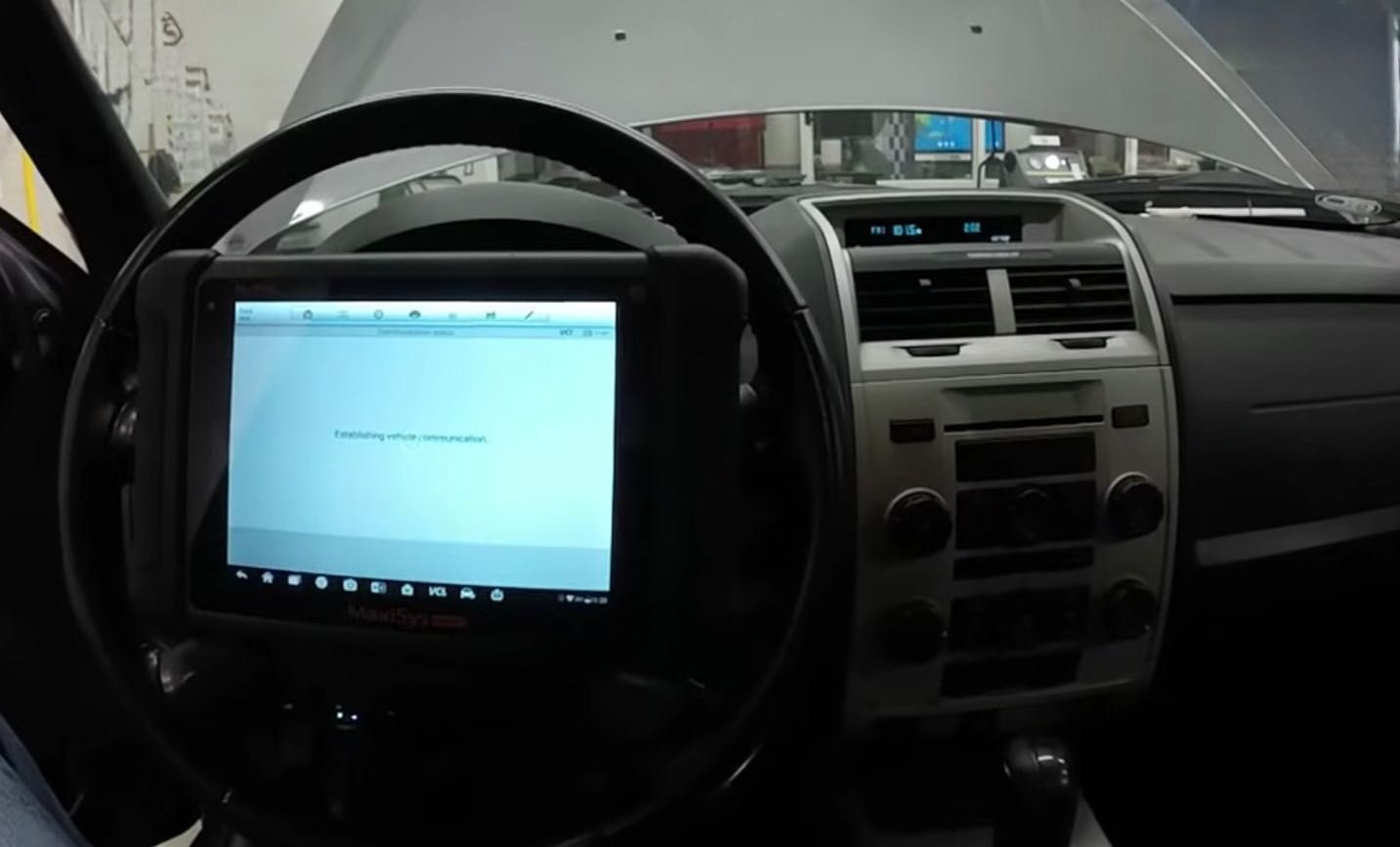
A Technician Scanning a vehicle for Trouble Codes.

Free Code Scan vs Real Diagnostics: What Matters Most

The Truth About Free Code Scans vs Real Diagnostics

Many drivers search for quick answers when a warning light appears. Often, they visit a parts store for a free code scan. At first, that seems helpful and convenient.

However, some drivers believe this scan equals a “free diagnosis.” Others may even get that impression from how it’s presented by the parts store. As a result, they compare it to professional diagnostic testing, for which a price is quoted at professional auto shops.

In reality, a code scan only tells part of the story. In many cases, it points in a general direction or merely gives a starting point. But, it does not confirm the real cause.

Because of that gap, many drivers replace parts unnecessarily. Consequently, costs increase, and problems remain. Fortunately, real diagnostics solve this issue. We believe education builds trust and confidence. Understanding the difference helps you make smarter decisions. At Temecula Auto Repair & Transmission, we focus on accurate answers and long-term solutions.

We’ve proudly served Temecula, Murrieta, Winchester, French Valley, and surrounding areas since 2010.

 What a Free Code Scan Actually Does

A free code scan reads stored fault codes. These codes come from the vehicle’s computer. They identify systems operating outside normal limits. You can learn more about how your vehicle’s onboard diagnostics system works to better understand what those codes actually mean.

For example, a code may indicate a sensor issue. However, it does not confirm the sensor failed. Instead, it reports abnormal readings.

In simple terms, a code gives a clue. However, it does not provide a full diagnosis. That distinction matters more than most drivers realize.

Technician scanning for codes related to Check Engine Light

What Real Diagnostics Actually Involve

Real diagnostics go far beyond reading codes. Technicians test systems to find the root cause. Most importantly, they verify problems before recommending repairs.

For example, a technician may test wiring, voltage, and sensor signals. Also, they evaluate system performance under load. Additionally, they confirm results through multiple tests.

Because of that process, diagnostics deliver accurate answers. That accuracy prevents guesswork. It also protects your budget.

Why This Difference Matters More Today

Modern vehicles use complex systems. Computers control fuel delivery, ignition timing, and emissions. Sensors communicate constantly.

Because of that complexity, one issue can trigger multiple codes. Therefore, codes often overlap. So, this overlap creates confusion without proper testing.

Accurate diagnosis requires experience and equipment. Quick scans cannot replace that process. Therefore, understanding this difference prevents costly mistakes.

The Cost of Replacing the Wrong Part

One common consequence involves unnecessary part replacement. Drivers often replace parts based on code descriptions. However, the code may not identify the failed component.

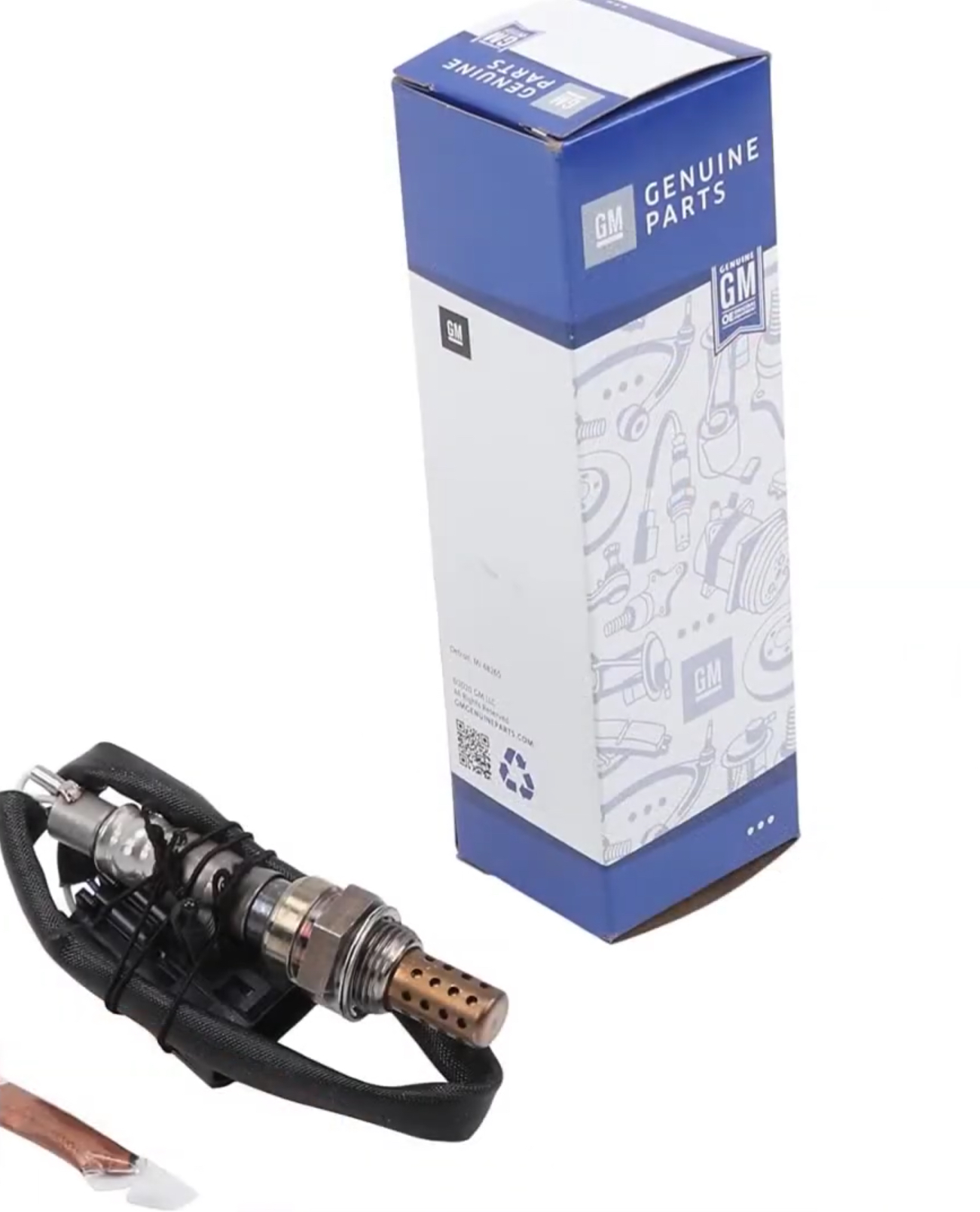
For example, a code may reference an oxygen sensor. Many assume the sensor caused the problem. In reality, another issue may affect that reading.

Replacing the wrong part wastes money. Also, it delays the correct repair. Eventually, costs increase.

On the other hand, real diagnostics confirm the failure before parts replacement or repair. Thus, that approach saves money. Also, it prevents frustration.

The Cost of Repeat Repairs

Another consequence involves repeated repair attempts. Drivers may replace multiple parts without success. As a result, each attempt adds cost and time.

This pattern happens often with code-based repairs. Without testing, each guess risks failure. Over time, expenses grow.

Meanwhile, the original problem remains unresolved. That creates frustration and uncertainty. Confidence in the repair process decreases.

In summary, accurate diagnostics prevent repeat repairs. They identify the correct solution first. That efficiency improves results.

The Cost of Delayed Repairs

Relying on code scans can delay proper repairs. Drivers may assume the issue remains minor. However, underlying problems often worsen over time.

For example, fuel system issues may go unnoticed. Over time, engine performance declines. Consequently, damage may occur to other components, like expensive Catalytic Converters. Also, over time, unresolved issues can lead to major drivetrain problems, including transmission damage that requires extensive repair.

Thus, delayed repairs may increase overall cost. Small problems grow into larger ones. The repair scope then expands. 

In short, real diagnostics identify problems early. Early action limits damage. That approach protects your investment.

The Cost of Misdiagnosed Symptoms
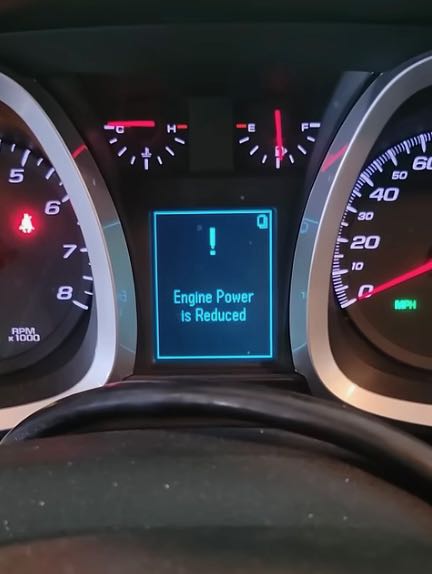
Engine Power Reduced Warning message.

Vehicles often show symptoms unrelated to the actual cause. For example, a misfire may trigger several codes. However, the root cause may involve fuel delivery or some other misfire source.

Without testing, drivers may chase the wrong issue, based on a secondary code. They may focus on visible symptoms. Meanwhile, the real problem continues.

Misdiagnosis wastes time and money. It also increases frustration. Correct answers remain out of reach.

Professional diagnostics solve this problem. Technicians follow a structured process. They find and confirm the true cause.

The Cost of Reduced Vehicle Performance


Improper repairs often affect vehicle performance. Vehicles may continue to run poorly. Drivers may notice hesitation or rough operation.

Even after replacing parts, problems may remain. As a result, this creates confusion. Drivers expected improvement. However, without proper diagnosis, results will vary. Performance issues will persist. Driving experience suffers.

In a nutshell, accurate diagnostics restore performance. Systems will operate correctly again. Thus, drivers regain confidence.

The Cost of Overlooking Related Issues

Code scans often focus on one problem. However, vehicles may have multiple issues. Without a comprehensive diagnosis, these issues go unnoticed.

For example, worn components may affect system readings. A single repair may not solve everything. As a result, additional problems remain hidden.

Over time, these issues worsen. Repair costs increase. Unexpected failures may occur.

Comprehensive diagnostics identify all conditions that may be present. Technicians evaluate the full system vs. a single component identified by a code. That approach improves long-term results.

Why Free Code Scans Still Have Value

Free scans still provide useful information. They help identify general problem areas. They also alert drivers to potential issues.

However, they should serve as a starting point. That is to say, they do not replace professional testing. Thus, understanding their limits prevents mistakes.

Used correctly, scans support early awareness. Used alone, they create risk. Balance matters in overall repair results.

Why Real Diagnostics Increase Long-Term Savings
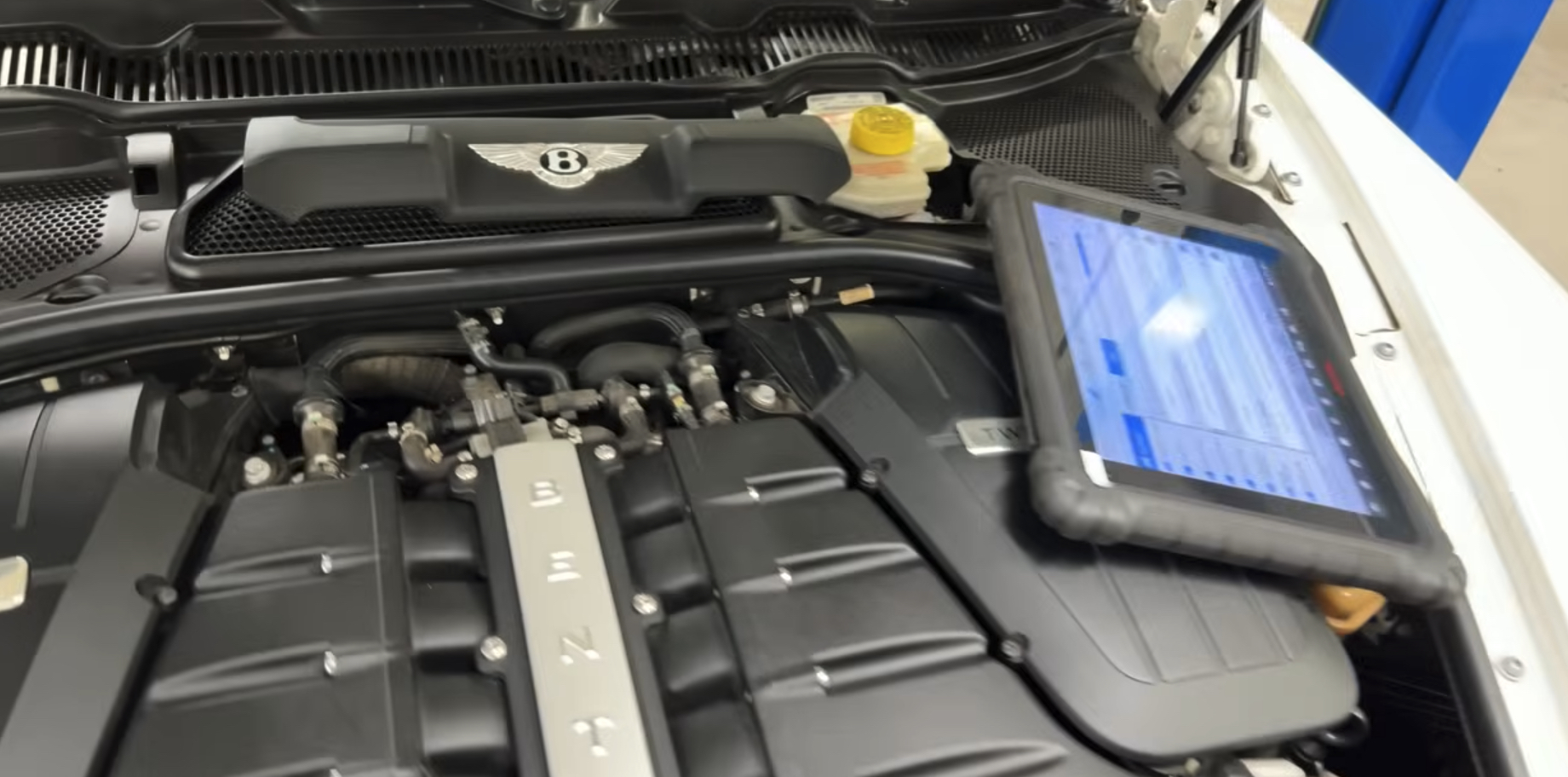
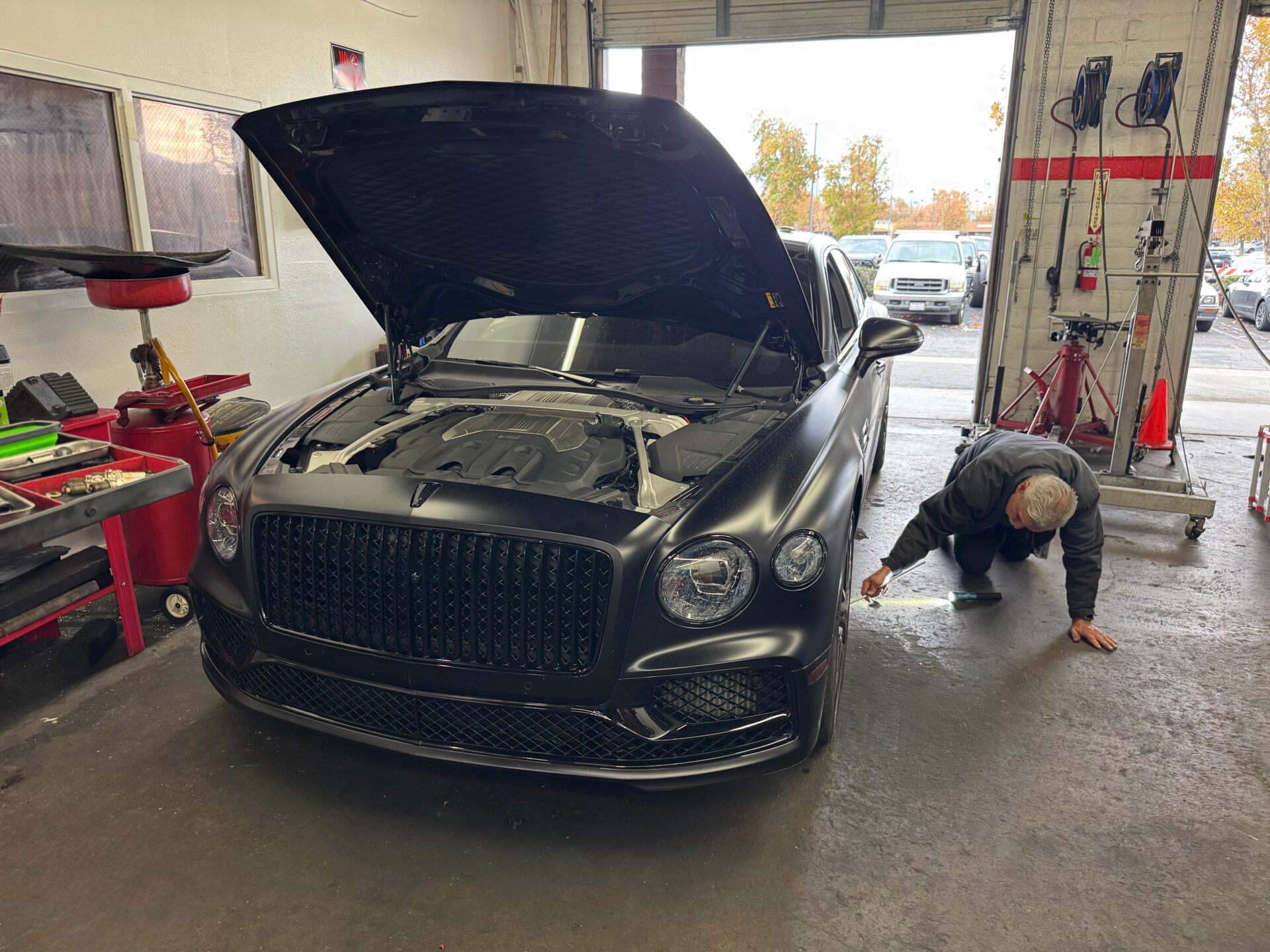
Diagnostic Testing in progress on a Bentley Continental.

Many drivers hesitate when they hear diagnostic fees. However, diagnostics often save money overall. Accurate answers prevent unnecessary repairs.

Instead of guessing, technicians confirm the problem. That reduces parts replacement. Also, it reduces labor time. Additionally, proper repairs last longer. As a result, vehicles operate more efficiently. Also, future problems decrease.

Investing in diagnostics ultimately protects your budget. Also, it protects your vehicle. Smart decisions lead to better outcomes.

How This Approach Increases Value for Drivers

Real diagnostics deliver clarity. Drivers understand what their vehicle really needs. They avoid uncertainty.

Clear answers build trust. Clients feel confident in recommendations. That confidence improves decision-making. Additionally, accurate repairs reduce repeat visits. Time savings increase value. Convenience improves overall experience.

Education and transparency create better results. We focus on both. That approach supports long-term relationships.

Why Local Drivers Benefit Even More

Driving conditions in Southern California create added stress. Heat affects engine systems. Traffic increases wear.

Because we serve Temecula, Murrieta, Winchester, and French Valley, we understand these challenges. We tailor diagnostics to real driving conditions. As a result, this approach improves accuracy.

Local expertise matters. Proper evaluation considers environment and usage. Better data leads to better results.

What Drivers Should Do When a Warning Light Appears

Drivers should avoid guessing the cause. Instead, they should seek accurate diagnosis. Professional Testing & Evaluation provides clear answers.

Start with awareness from a code scan if needed. However, follow up with proper diagnostics. That step ensures correct repair.

In short, acting early protects your vehicle. Timely service prevents escalation. Proactive care saves money.

Schedule a professional diagnostic evaluation to get accurate answers the first time.

 Final Thoughts: Information vs Answers

A free code scan provides information. However, real diagnostics provide answers. It’s important to know that a code scan is not diagnosis. That difference matters.

Choosing the right approach affects cost and results. Accurate diagnosis prevents unnecessary repairs. Also, it protects performance.

If your vehicle shows a warning light, choose clarity over guesswork. Schedule a professional diagnostic evaluation. Smart decisions lead to better outcomes.

We proudly serve Temecula, Murrieta, Winchester, French Valley, and surrounding areas. Our team focuses on accurate testing and honest advice. We help you fix the problem right the first time.

Frequently Asked Questions – FAQs

1. Is a free code scan the same as a diagnostic test?
No. A free code scan only reads fault codes from your vehicle’s computer. However, it does not confirm the actual cause of the problem. Real diagnostics include testing and verification to identify the true issue.

2. Why does a repair shop charge for diagnostics if codes are free?
A code scan provides limited information. In contrast, professional diagnostics require time, equipment, and expertise to test systems and confirm failures. This process ensures you fix the right problem the first time.

3. Can I fix my car based on the code alone?
Sometimes, but often that approach involves guesswork. Many codes point to symptoms, not failed parts. Without proper testing, you risk replacing parts that are not faulty.

4. Will paying for diagnostics actually save me money?
Yes, in most cases. Accurate diagnostics prevent unnecessary part replacements and repeat repairs. As a result, you avoid wasted money and fix the issue faster.

5. What happens if I ignore proper diagnostics and just replace parts?
You may temporarily improve symptoms, but the real problem often remains. Over time, this can lead to more repairs, higher costs, and ongoing frustration.

6. When should I choose real diagnostics instead of a code scan?
If your warning light stays on, the problem returns, or the vehicle runs poorly, you should choose diagnostics. This ensures accurate answers and a lasting repair.

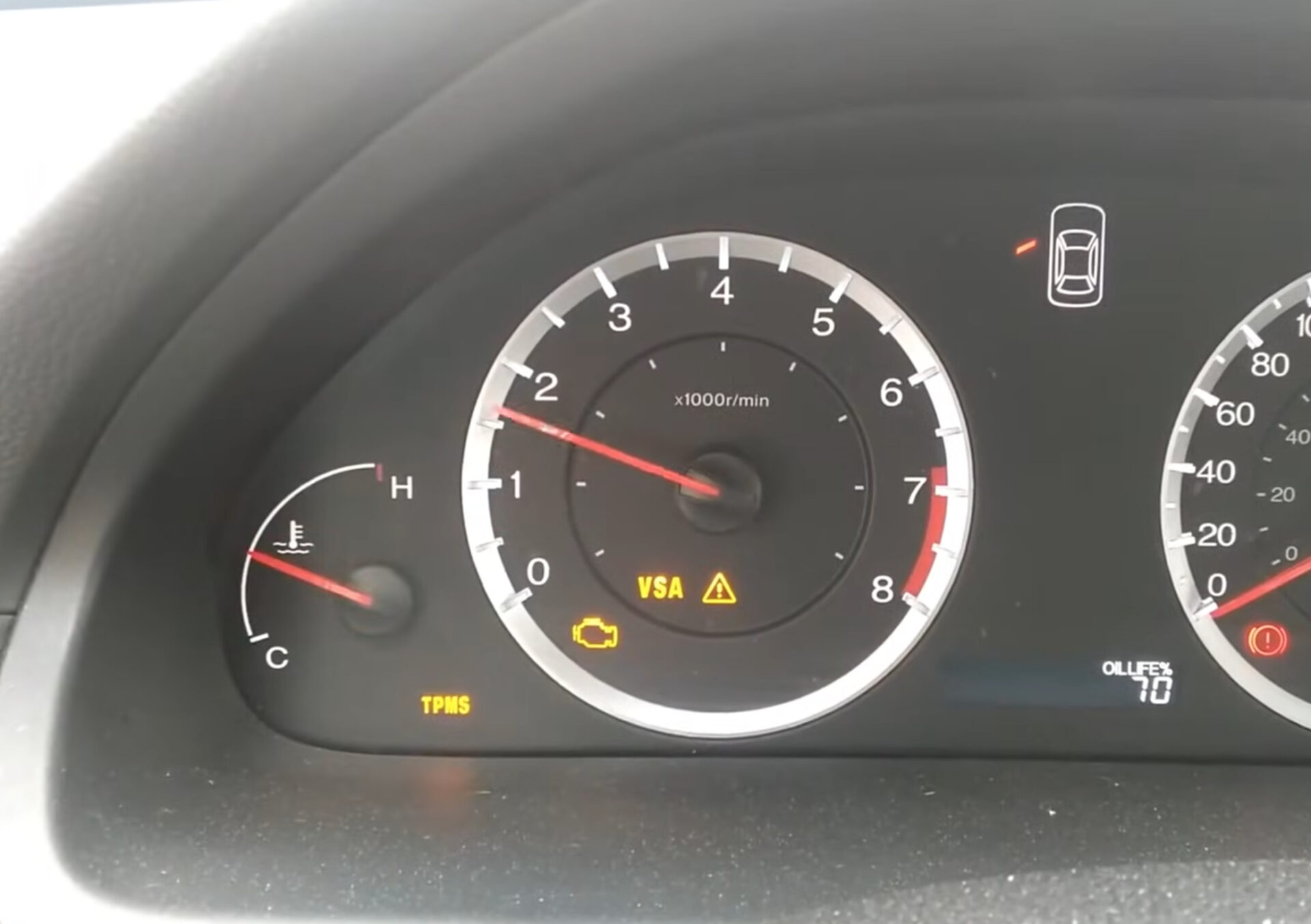
A Check Engine Light is on in a vehicle's dashboard.

The Real Cost of Ignoring Your Check Engine Light

The Real Costs and Consequences of Ignoring Your Check Engine Light

Few dashboard lights create more uncertainty than the Check Engine Light. Sometimes it appears suddenly during normal driving. Other times it turns on without obvious symptoms.

Because the vehicle still runs normally, many drivers delay inspection. However, that small light often signals early system problems. Fortunately, early action usually prevents larger repairs.

Most drivers do not realize how many systems connect to this warning. Modern vehicles rely on sensors, computers, and precise adjustments. Therefore, even small faults affect performance and reliability.

We believe education builds trust and confidence. Understanding the real consequences helps drivers make informed decisions. We proudly serve Temecula, Murrieta, Winchester, French Valley, and surrounding areas.

Why the Check Engine Light Exists

Your vehicle constantly monitors engine and emission performance. Sensors measure temperature, airflow, pressure, and combustion efficiency. The Engine Control Module evaluates this information continuously.

When readings fall outside normal limits, the warning light activates. This system protects both performance and emissions compliance. It also helps prevent damage.

Sometimes the issue’s minor. However, small issues rarely resolve on their own. Because of that, early inspection protects your vehicle.

Drivers should view this light as an early warning system. It gives you time to act before damage occurs. That advantage helps reduce repair costs significantly.

Increased Fuel Consumption and Operating Costs

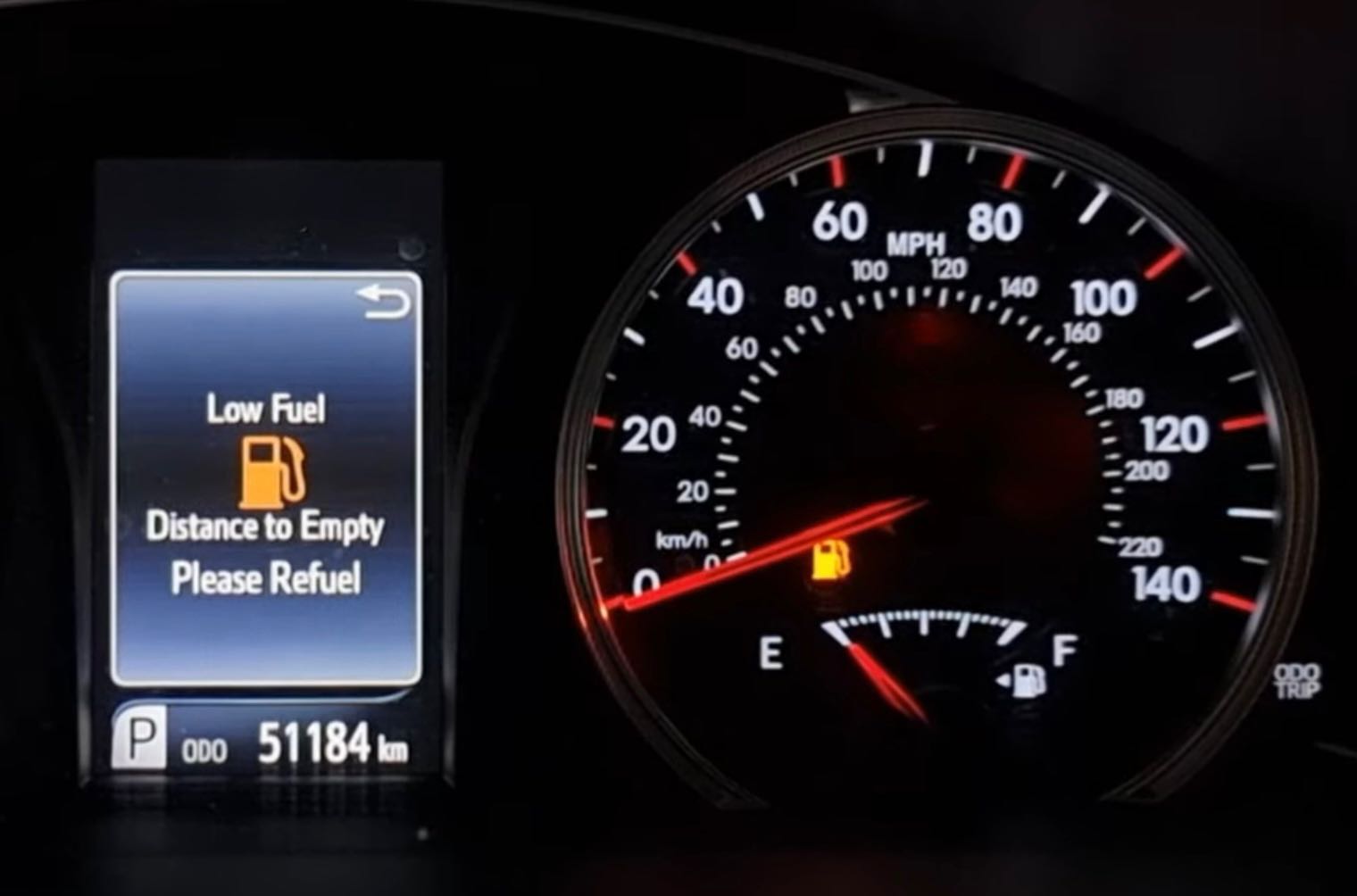
A fuel gauge on empty with the low-fuel warning light on.

One of the earliest consequences involves reduced fuel efficiency. Engine problems disrupt proper fuel and air balance. As a result, combustion becomes less efficient.

When efficiency drops, fuel consumption increases. Drivers visit gas stations more frequently. Over time, fuel costs rise substantially.

Even small efficiency losses create noticeable expenses. Drivers may spend hundreds more annually. Therefore, early repair protects your budget.

Fixing the problem restores normal efficiency. Fuel economy improves immediately afterward. Preventive service saves money long-term.

Minor Issues Often Escalate Into Major Repairs

Many Check Engine Light causes start small. However, continued driving allows problems to worsen. Heat and friction accelerate damage.

For example, a faulty ignition coil causes incomplete combustion. Unburned fuel enters the exhaust system. This condition damages other components.

Similarly, sensor failures disrupt engine timing and fuel delivery. Over time, improper operation increases wear. Eventually, expensive repairs become necessary.

Early diagnosis prevents escalation. Simple repairs remain affordable. Proactive care protects your vehicle investment.

Catalytic Converter Damage and Replacement Costs

The Catalytic Converter controls harmful emissions. It converts dangerous gases into safer ones. This component operates under extreme temperatures.

When engine problems exist, unburned fuel enters the converter. That fuel creates excessive heat. Internal materials begin breaking down.

Eventually, the converter fails completely. Replacement costs often exceed early repair costs. Therefore, early diagnosis protects this expensive component.

Fixing engine issues protects converter health. Preventive care avoids unnecessary replacement. Timely inspection saves significant expense.

Reduced Engine Power and Driving Performance

Drivers often notice performance changes gradually. Acceleration may feel weaker than normal. Engine response may feel slower.

Fuel delivery and ignition timing affect power output. Faulty components disrupt this balance. Consequently, engine efficiency decreases.

Drivers may struggle during merging or acceleration. This situation creates frustration and inconvenience. Driving enjoyment decreases.

Proper diagnosis restores normal performance. Engine response improves quickly. Drivers regain confidence behind the wheel.

Increased Emissions and Failed Smog Inspections

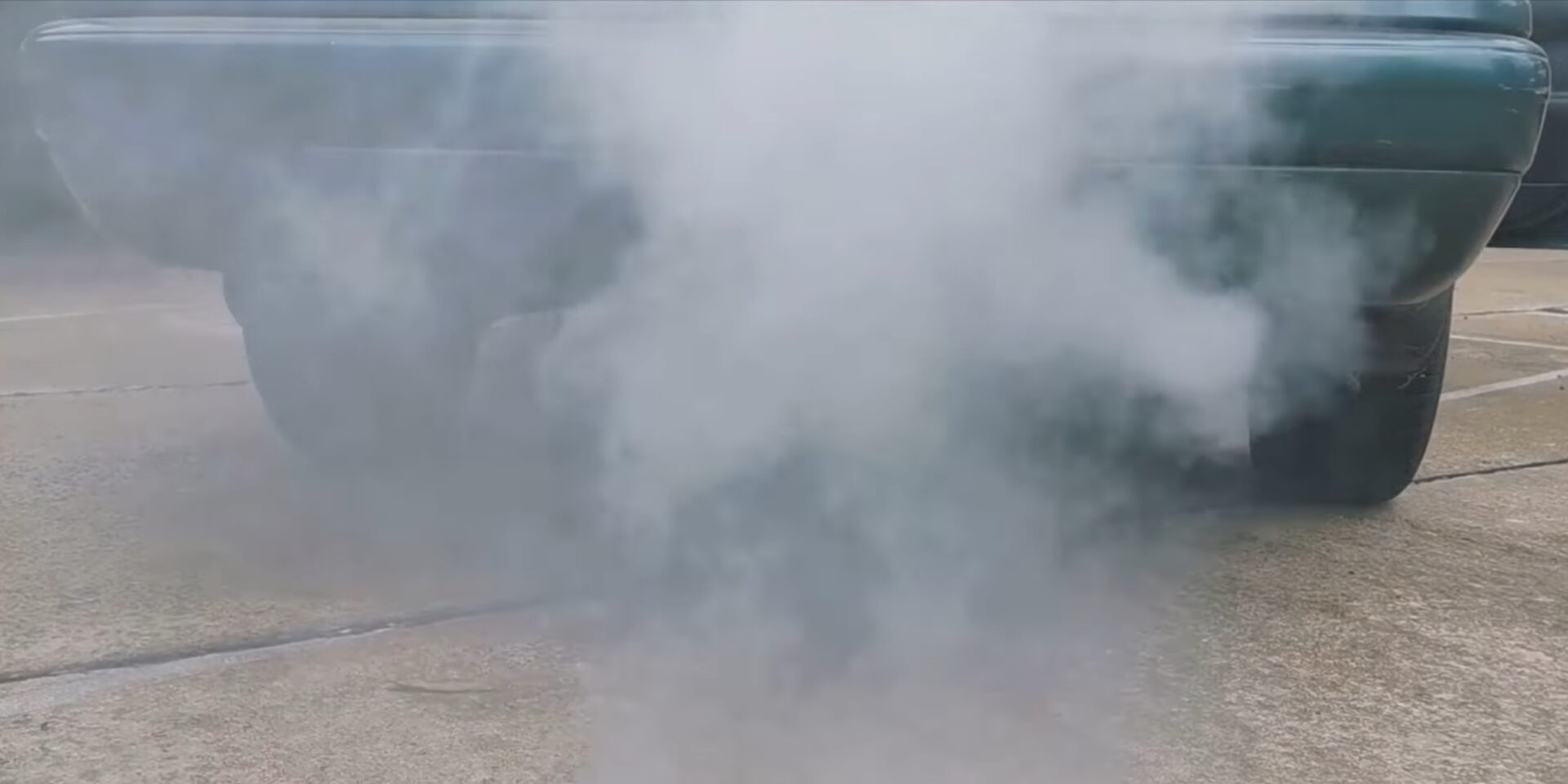
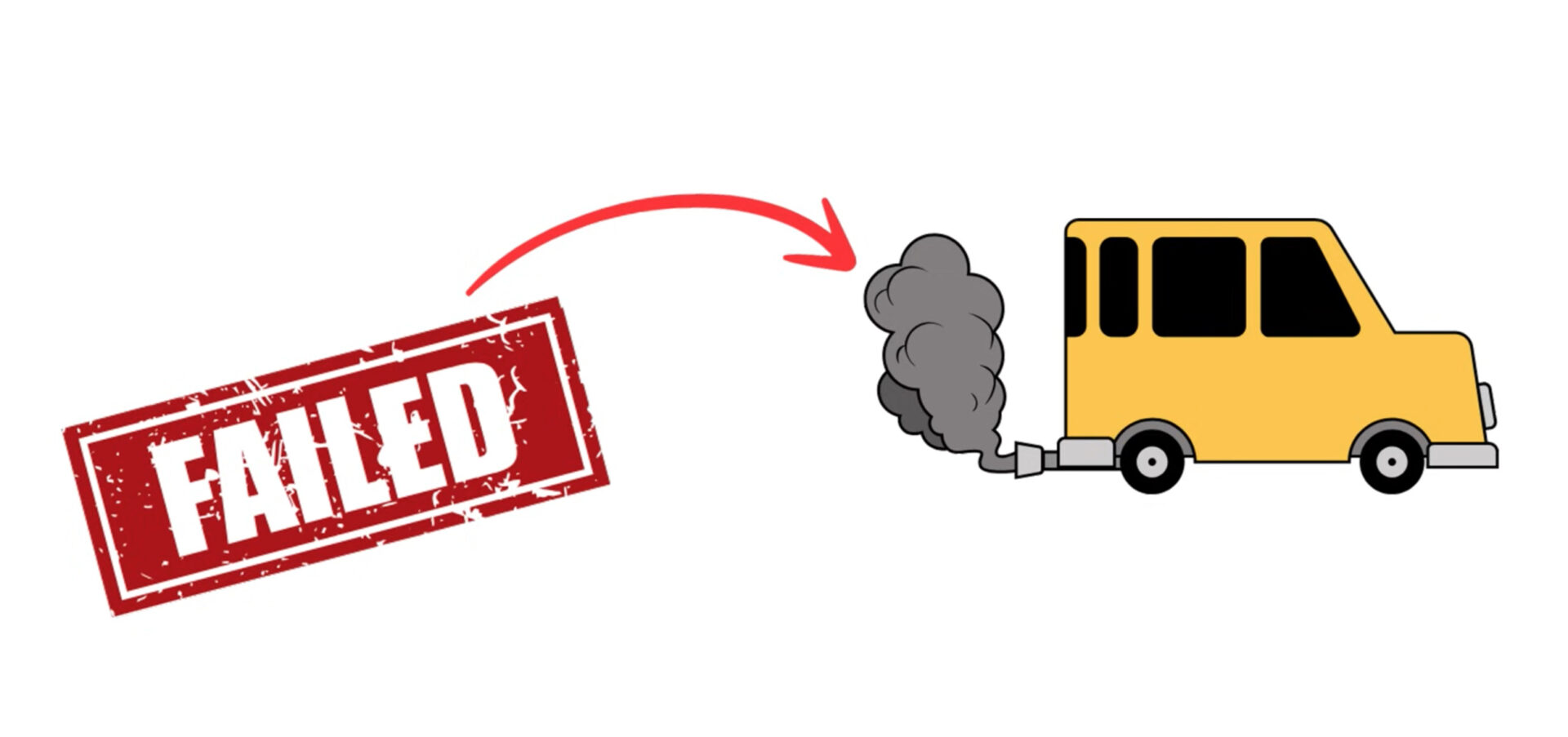
Excessive smoke emitted from a tailpipe.

Emission systems protect air quality. Proper engine operation minimizes harmful pollutants. However, engine problems increase emissions.

Incomplete combustion produces excess pollutants. Emission control systems cannot compensate fully. Consequently, emission levels rise.

Vehicles may fail required emissions tests. This prevents registration renewal. Owners face inconvenience and repair costs.

Fixing problems restores proper emissions control. Vehicles pass inspections successfully. Compliance protects both drivers and the environment.

Unexpected Breakdowns and Reliability Issues

Ignoring warning lights increases breakdown risk. Minor faults often worsen suddenly. Unexpected failure becomes more likely. Breakdowns rarely occur at convenient times. Drivers may become stranded unexpectedly. Daily routines face disruption.

Repair delays increase stress. Transportation problems affect schedules. Unexpected downtime creates frustration. Early inspection improves reliability. Preventive care reduces failure risk. Drivers maintain peace of mind.

Damage to Related Engine Components

Engine systems operate together closely. One problem affects multiple components. Damage spreads gradually. For example, misfires increase engine vibration. This vibration stresses internal parts. Wear increases faster.

Fuel system problems affect emission components. Sensor failures affect engine control accuracy. Related systems suffer damage.

Early repair limits damage scope. Preventive care protects surrounding components. Timely service reduces overall repair costs.

Reduced Vehicle Lifespan and Long-Term Value

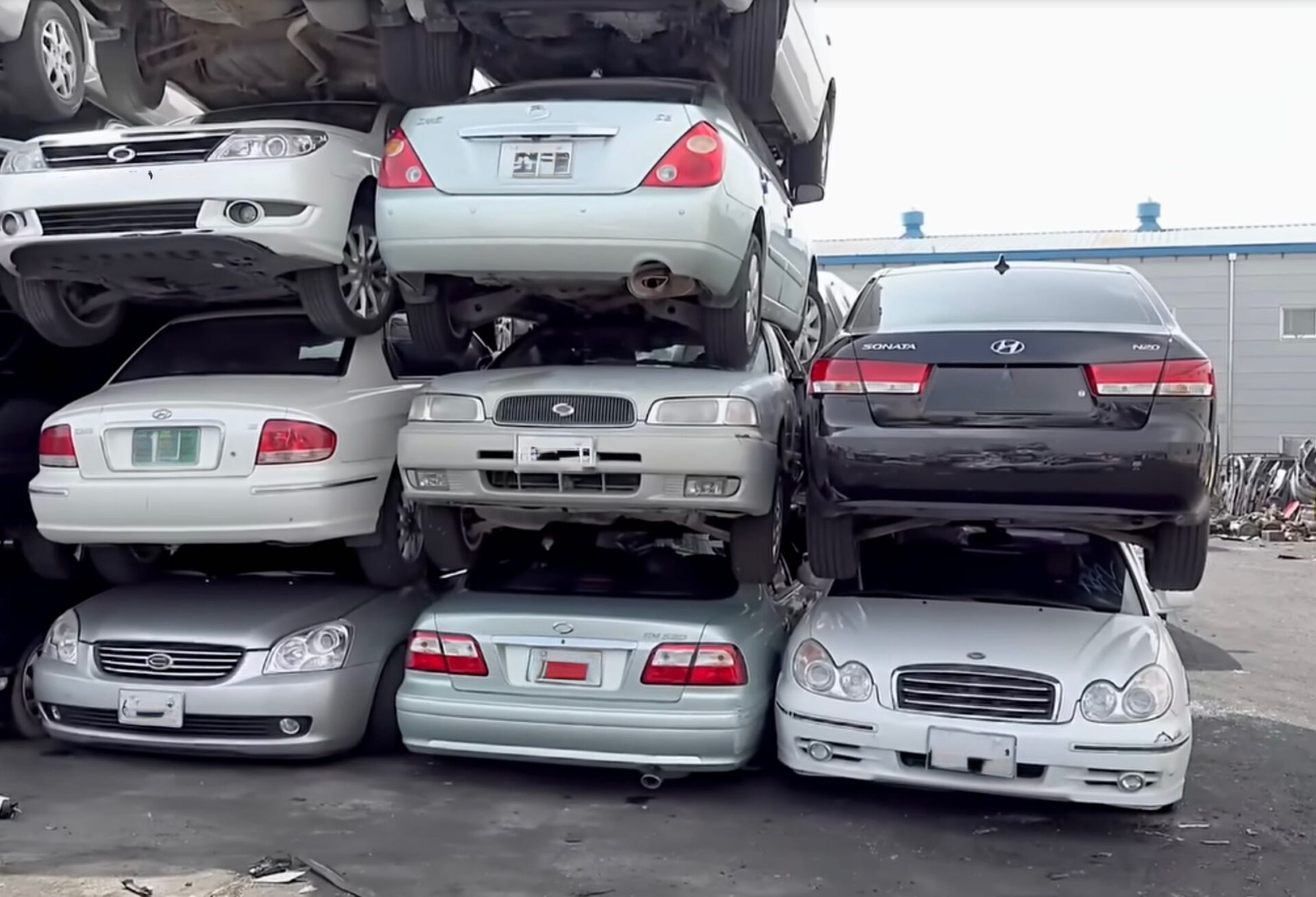
Cars stacked upon one another at the end of their lives.

Proper maintenance supports long vehicle life. Healthy systems operate efficiently. Component wear remains minimal. Ignoring warning signs accelerates wear. Engine parts operate under stress. Reliability decreases over time.

Vehicle lifespan shortens unnecessarily. Replacement costs occur sooner. Owners lose long-term value. Preventive care protects vehicle longevity. Healthy engines last longer. Maintenance preserves investment value.

Increased Risk of Engine Overheating

Some Check Engine Light causes affect cooling systems. Temperature sensors monitor engine heat. Cooling system problems trigger warnings. Ignoring these warnings risks overheating. Excess heat damages internal components.

Engine failure may occur. Cooling system repairs cost far less than engine replacement. Therefore, early inspection remains critical.

Preventive action protects engine health. Proper cooling maintains safe operating temperatures. Timely repairs prevent overheating damage. Drivers avoid costly consequences.

Sensor Failures Affect Overall System Accuracy

Modern vehicles rely heavily on sensors. Sensors provide data for engine adjustments. Accurate data ensures proper performance.

Faulty sensors provide incorrect information. Engine control systems respond improperly. Performance suffers. Fuel efficiency decreases. Emission levels increase. Engine wear accelerates.

Replacing faulty sensors restores accuracy. Engine systems operate correctly again. Performance improves significantly.

Diagnostic Accuracy, Not Guessing

Modern vehicle systems require professional testing. Diagnostic tools identify exact fault codes. Accurate diagnosis prevents guesswork.

Technicians analyze system data carefully. They verify root causes. This approach ensures proper repair. Guessing wastes money and time. Incorrect repairs fail to solve problems. Professional diagnosis provides correct solutions.
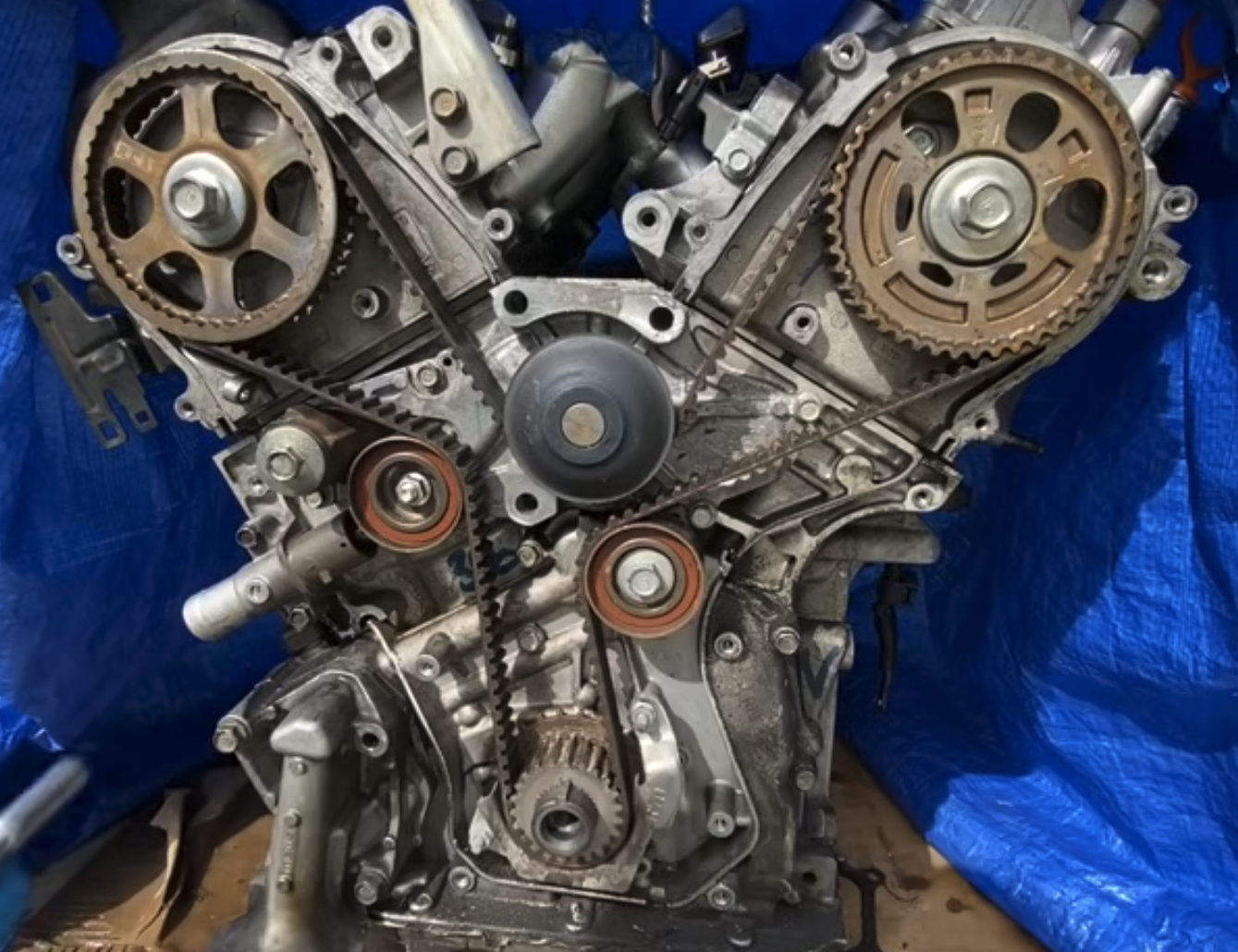
Accurate repair protects your vehicle. It also protects your budget. Expert evaluation provides clarity.

Financial Impact of Delaying Diagnosis

Repair costs increase with delay. Minor problems worsen gradually. Related components suffer damage. Early repairs remain simple. Delayed repairs become complex. Labor costs increase.

Component replacement costs more than simple repair. Financial impact grows quickly. Preventive service saves money.
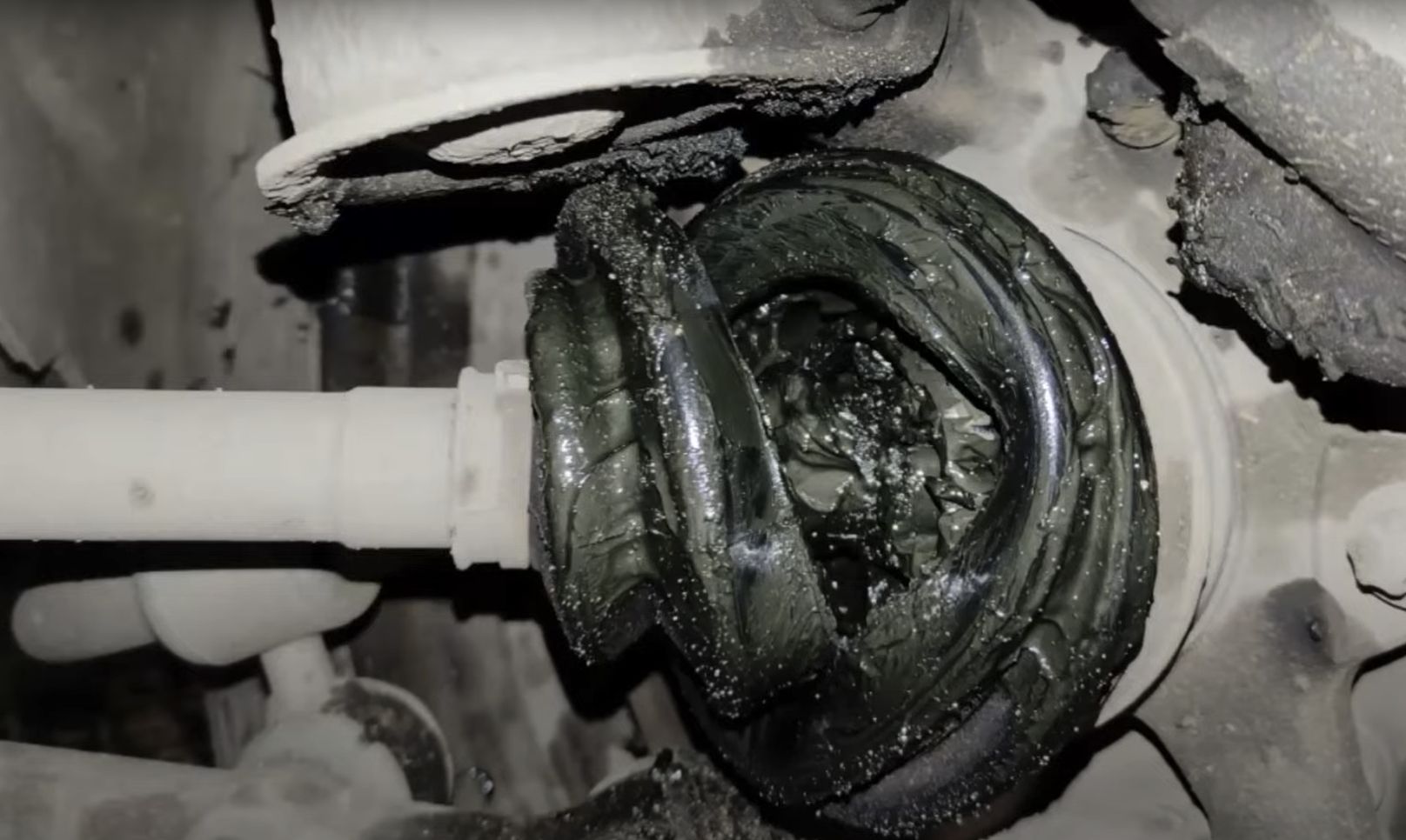
Investing in early diagnosis protects your budget. Preventive care reduces long-term costs. Smart action delivers financial benefits.

Why Modern Vehicles Require Prompt Attention

A technician working on a modern Bentley Flying Spur.

Modern engines operate with precise tolerances. Computer systems control nearly every function. Accuracy remains critical. Small faults disrupt system balance. Performance suffers quickly. Damage risk increases.

Modern vehicles benefit greatly from early service. Preventive care protects advanced systems. Prompt attention ensures reliable operation.

Understanding this reality helps drivers protect their vehicles. Knowledge supports better decisions. Education builds trust.

Serving Drivers Throughout Temecula and Nearby Communities

We proudly serve drivers throughout Temecula and surrounding communities. We also assist clients in Murrieta, Winchester, French Valley, and De Luz. Our team provides accurate diagnosis and honest guidance.

Local driving conditions create additional stress. Heat and traffic affect vehicle systems. Professional inspection protects reliability.

Thus, we focus on education and prevention. We help drivers understand their vehicles. Our goal involves long-term reliability.

Final Thoughts: A Small Warning Light With Important Meaning

The Check Engine Light serves an important purpose. It warns drivers about developing problems. Early action protects vehicle health.

Ignoring this warning increases repair costs. However, prompt inspection prevents escalation. Preventive care protects performance and reliability.

If your Check Engine Light turns on, schedule inspection promptly. Early diagnosis protects your vehicle and budget. Smart decisions ensure reliable driving.

Frequently Asked Questions (FAQs) About the Check Engine Light

1. What does the Check Engine Light mean?
The Check Engine Light means your vehicle detected a problem in the engine or emission system. Sometimes the issue remains minor, but other times it signals a developing problem. Therefore, prompt inspection helps prevent larger repairs and protects your vehicle.

2. How much does it cost to repair a Check Engine Light?
Repair costs vary depending on the cause. Simple repairs, like replacing a loose gas cap or faulty sensor, may cost under $200. However, more complex repairs can cost more. Fortunately, early diagnosis often keeps repair costs much lower.

3. Is it safe to drive with the Check Engine Light on?
Oftentimes, the engine may perform normally and the vehicle may still drive just fine. However, continued driving can worsen the problem over time. Because of that risk, drivers should schedule an inspection as soon as possible to prevent further damage.

4. Can the Check Engine Light turn off by itself?
Sometimes the light may turn off temporarily. However, the underlying issue often remains. Therefore, professional diagnostic testing ensures the problem does not return or worsen later.

5. Will ignoring the Check Engine Light cause more damage?
Yes, ignoring the warning can allow small problems to become larger repairs. Over time, related components may also suffer damage. Early inspection helps prevent costly repairs and protects vehicle reliability.

6. What are the most common causes of a Check Engine Light?
Common causes include faulty sensors, ignition problems, emission system issues, and fuel system problems. Fortunately, professional diagnostics identify the exact cause quickly and accurately.

7. How soon should I schedule an inspection after the light comes on?
Drivers should schedule inspection as soon as possible. Early diagnosis prevents further damage, reduces repair costs, and restores proper vehicle performance quickly.

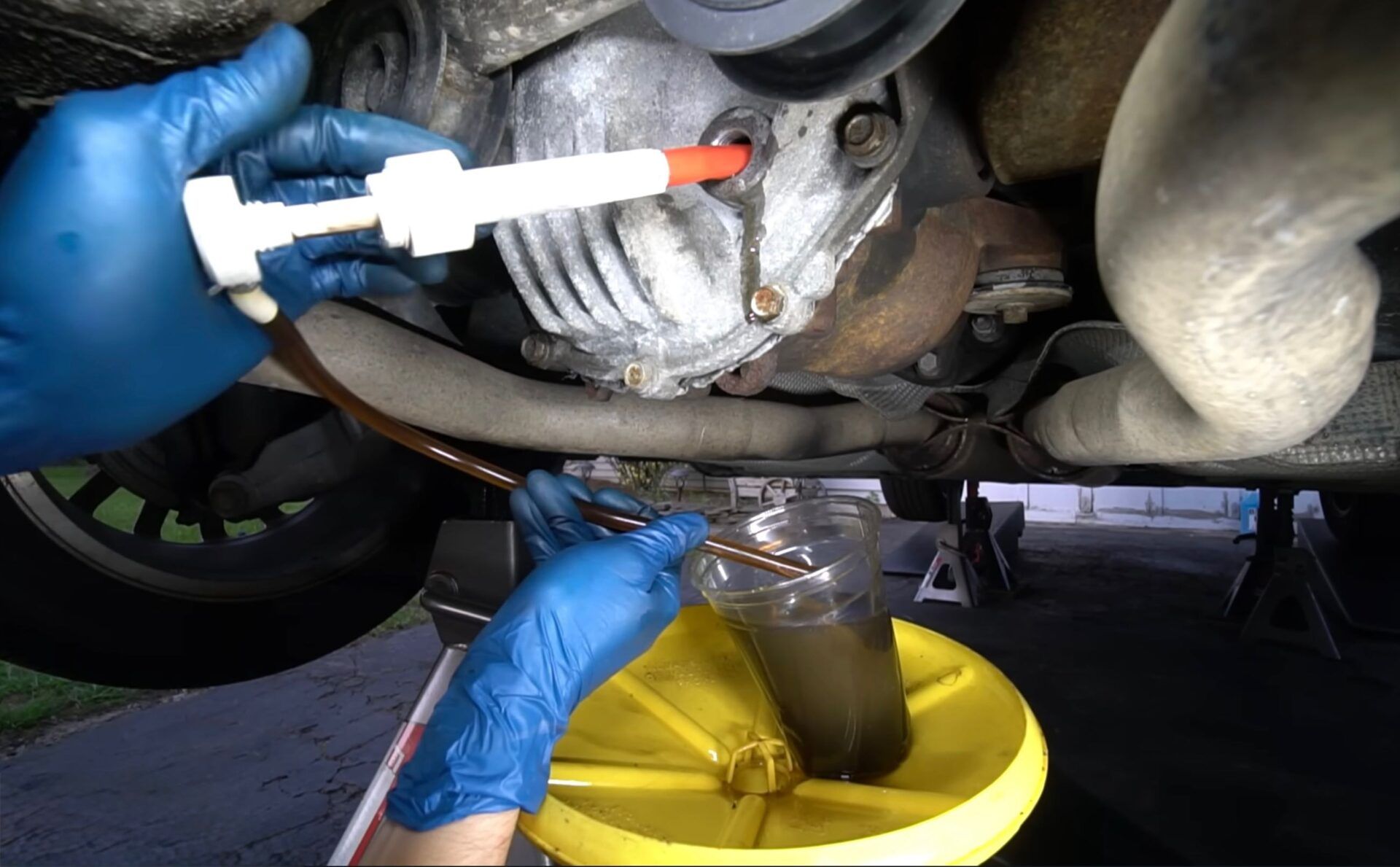
Technician pumping differential fluid out.

Lifetime Fluid Myth: What Car Owners Need to Know

Is “Lifetime Fluid” Really Lifetime? What Car Manufacturers Don’t Explain

Many drivers hear the phrase “lifetime fluid” and feel relieved. Fewer services sound convenient and affordable. However, this phrase often creates confusion. Because of that confusion, many drivers skip important maintenance. As a result, repair costs increase later. Fortunately, clear information helps protect vehicles.

In this guide, we explain what “lifetime fluid” really means. We also explain why fluid service still matters. Most importantly, we show how prevention saves money.

If you’re located in or near Temecula, Murrieta, Winchester, or French Valley, schedule a reservation with us for professional fluid inspection and exchange services to help protect your vehicle long-term.

What Does “Lifetime Fluid” Actually Mean?

Car manufacturers design vehicles for efficiency and lower ownership costs. Because of that, maintenance schedules appear shorter than in the past. Many manuals list “lifetime” transmission or differential fluid. However, manufacturers rarely define what “lifetime” means. This lack of clarity creates misunderstanding.

In most cases, “lifetime” refers to the warranty period. Usually, that equals 60,000 to 100,000 miles. After that, owners carry responsibility. So, “lifetime” rarely means the life of the vehicle. Instead, it means the life of the warranty.

Why Manufacturers Promote Lifetime Fluids

Manufacturers don’t mislead customers intentionally. Instead, they balance cost, reliability, and marketing goals.

First, fewer services lower advertised ownership costs. This approach attracts buyers. Additionally, simpler schedules improve satisfaction.

Modern fluids also last longer than older formulas. They resist heat and breakdown better. Because of these advances, longer intervals make sense. However, longer does not mean forever. All fluids still degrade over time.

How Automotive Fluids Actually Work

Illustration of Various Fluids in a Vehicle.

Automotive fluids perform several important jobs. Fluids lubricate parts. They cool components. Also, fluids transfer pressure. For example, transmission fluid controls shifting. Engine oil protects moving parts. Moreover, differential fluid handles heavy loads.

Over time, every fluid degrades. Heat breaks molecules. Friction creates debris. Also, moisture contaminates systems. Eventually, fluid loses strength. Consequently, parts wear faster. This process never stops.

Heat: The Biggest Enemy of All Fluids

Heat destroys automotive fluids faster than mileage. Every temperature increase shortens fluid life. As a result, damage builds quickly.

Southern California heat increases this risk. For example, stop-and-go traffic raises temperatures further. Also, mountain driving adds more stress.

Because we serve Temecula, Murrieta, Winchester, French Valley, and surrounding area we see this daily. Local conditions accelerate fluid breakdown. Therefore, service matters even more.

Transmission Fluid and the Lifetime Myth

Transmission fluid works harder than many drivers realize. It lubricates gears. Also, it controls pressure and  manages heat.

Modern transmissions use complex designs. These include CVTs and multi-speed automatics. These systems demand precise fluid performance.

Over time, fluid loses friction control. It also loses cooling ability. As a result, shifting quality suffers.

Without routine transmission fluid services, wear increases quietly. Consequently, slipping may appear. By then, internal damage has begun.

Differential and Transfer Case Fluids

Differentials handle heavy torque loads. Transfer cases manage power distribution. Therefore, both rely on strong lubrication.

Although manufacturers may label these fluids “lifetime,” wear still occurs. For instance, metal particles accumulate. Additionally, heat reduces protection.

Trucks and SUVs work harder than most vehicles. For example, towing increases stress. Moreover, off-road driving adds contamination.

Therefore, fluid service protects expensive components. Small investments prevent large repairs.

Engine Coolant and Long-Life Claims

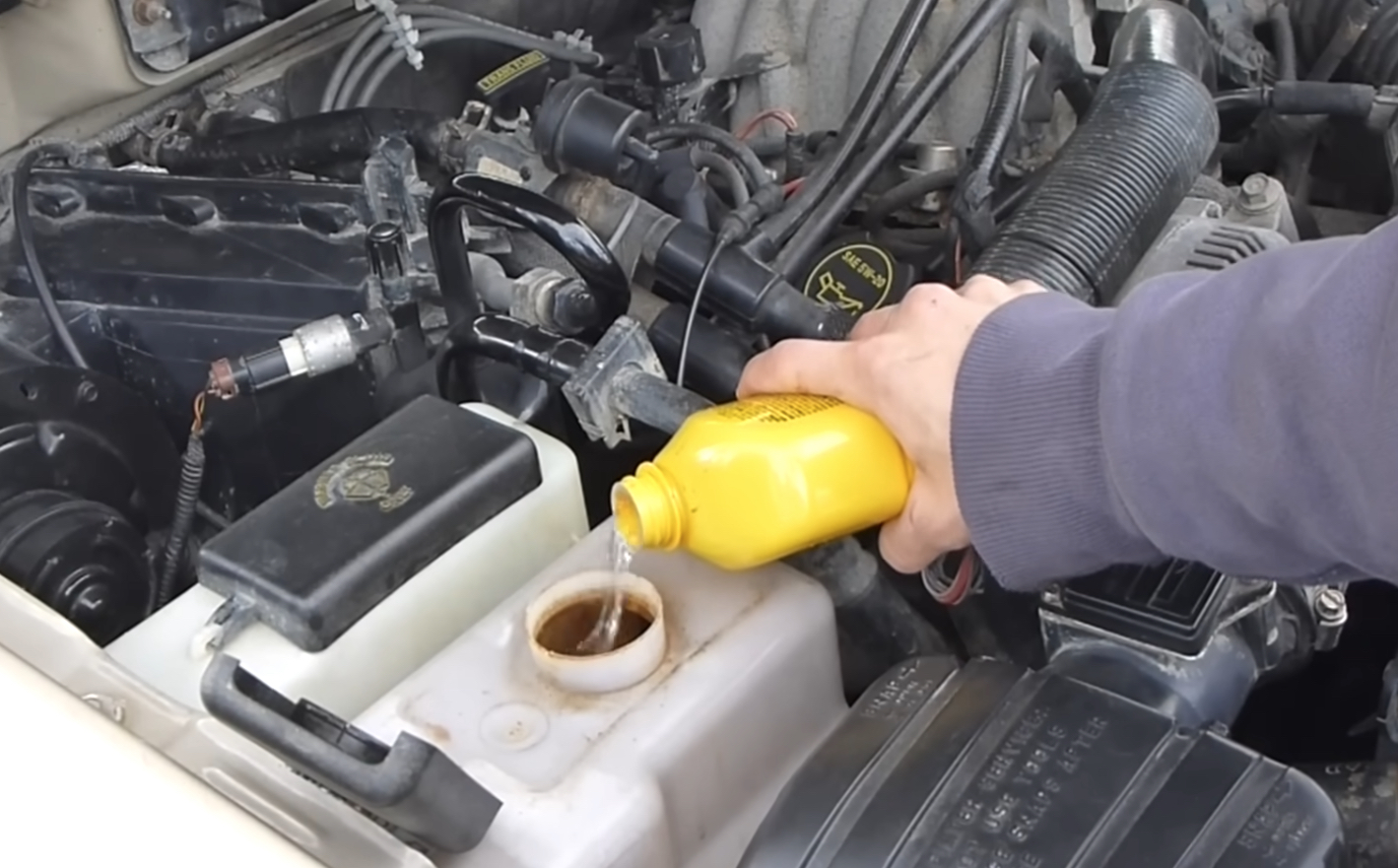
A technician adds Coolant into the Cooling System Recovery Tank

Modern coolants last longer than older types. They resist corrosion and protect aluminum parts. However, additives still deplete over time. Consequently, contaminants still enter systems. Electrical reactions still occur.

Eventually, corrosion begins. Radiators clog. Heater cores fail.

Regular coolant service prevents overheating. Also, it extends engine life.

Power Steering and Brake Fluids

Many drivers forget these fluids. Manufacturers often omit clear service intervals. This creates false security.

Power steering fluid collects debris and moisture. As a result, this damages pumps and racks.

Brake fluid absorbs water continuously. Over time, boiling points drop. Moreover, corrosion forms inside brake systems. Consequently, brake system hydraulic components may fail.

Periodic Brake Fluid Exchange Services improve safety. It also prevents costly hydraulic repairs.

Why Waiting for Symptoms Costs More

Fluid problems rarely show early signs. Most damage starts quietly. Drivers feel nothing at first.

Later, warning lights appear. Noises develop. Performance drops. By that stage, repairs cost more. Options decrease. Downtime increases.

Therefore, proactive service saves money and stress.

How Inspections Support Smart Maintenance

A routine inspection of Vehicle Fluids.

Fluid service should never rely on guesswork. Professional inspections provide accurate information.

Our Technicians check color and smell. Also, we test for contamination. Additionally, we review scan data.

These steps guide proper recommendations. They prevent unnecessary work. Also, proper testing prevents neglect.

Education builds trust. Our transparency builds confidence.

How Often Should Fluids Be Serviced?

No single schedule fits every driver. Driving habits matter. Climate matters. Load matters. However, general guidelines help.

Most transmissions benefit from service every 30,000 to 45,000 miles. Differentials often need service every 40,000 to 60,000 miles. Additionally, coolant usually needs replacement no later than every five years.

Brake fluid often needs service every two years. Power steering varies by design. Thus, periodic inspections will identify condition and refine timing.

Busting the Lifetime Fluid Myth

Manufacturers design vehicles for average conditions. They plan around warranty periods. Vehicle manufacturers will balance cost and performance.

Also, they expect professional oversight. Service centers fill that role.

Therefore, “lifetime fluid” reflects design goals. It does not guarantee lifetime protection. So, understanding this protects owners’ pocketbooks.

Why Local Drivers Need Extra Awareness

Heavy traffic conditions on Temecula Parkway.

Local driving patterns affect fluid life. Heat increases breakdown. Traffic increases stress on lubricated components.

Short trips prevent full warm-up. Moisture builds up. Thus, contamination rises.

Because we serve Temecula, Murrieta, Winchester, and French Valley, we adjust recommendations. We tailor service to real conditions in our local area. This approach improves long-term results.

The True Meaning of Education + Prevention

Education empowers better choices. Prevention reduces major failures.

When drivers understand fluids, fear disappears. Confidence grows. Trust strengthens.

We believe informed clients make better decisions. Therefore, transparency guides our work and suggestions for service(s).

Final Thoughts: Lifetime Fluid Deserves a Second Look

“Lifetime fluid” sounds reassuring. However, reality tells a different story. All fluids wear out.

Fortunately, simple maintenance protects vehicles. Thus, regular inspections guide timing. Targeted service prevents component failure.

If you want long vehicle life, start with fluid care. Schedule inspections before problems appear.

We’ve proudly served Temecula, Murrieta, Winchester, French Valley, and surrounding areas for over a decade. Your vehicle deserves honest guidance. We’re here to help.

Frequently Asked Questions About “Lifetime” Automotive Fluids

1. What does “lifetime fluid” really mean?
“Lifetime fluid” usually means the fluid lasts through the vehicle’s warranty period. It does not mean it lasts for the entire life of the vehicle.

2. Do modern transmission fluids really last longer than older fluids?
Yes, modern fluids last longer than older formulas. However, heat, traffic, and driving conditions still cause them to break down over time.

3. Should I service my transmission if it feels fine?
Yes. Many transmission problems start quietly. Therefore, servicing fluid early helps prevent internal wear and costly repairs.

4. How does heat affect automotive fluids?
Heat breaks down fluid faster. Consequently, hot weather, traffic, towing, and mountain driving all shorten fluid life and increase wear.

5. Which vehicle fluids need regular service besides transmission fluid?
Important fluids include differential fluid, transfer case fluid, engine coolant, brake fluid, and power steering fluid. All of them degrade over time.

6. How often should I have my vehicle fluids inspected?
Most vehicles benefit from annual fluid inspections or checks during routine maintenance. Professional inspections help determine the right service timing.

An illustration of two different styles of front suspension.

Common Suspension Repairs: Signs, Causes, and Fixes

Common Suspension Repairs and the Warning Signs Drivers Should Never Ignore

Your vehicle’s Suspension System does far more than smooth out bumps. It keeps tires planted, steering precise, and braking stable.

Because of that role, worn suspension parts affect safety, comfort, and control. However, many drivers ignore early suspension problems. As a result, small issues turn into expensive repairs.

Fortunately, knowing common failures helps you act early. Below, we explain the most common suspension repairs. We also cover why these parts fail and what symptoms drivers notice first. Most importantly, we explain when to schedule an inspection.

We proudly serve Temecula, Murrieta, Winchester, French Valley, and surrounding areas.

Why Suspension Components Wear Out Over Time

Suspension parts work every time your vehicle moves. Because of that, wear happens slowly and often quietly. Road conditions also accelerate that wear. For example, potholes strike components with sudden force.

Likewise, rough roads stress bushings and joints. Meanwhile, heat and age dry out rubber parts. Additionally, heavier vehicles create more suspension load. Similarly, aggressive driving increases component stress. Eventually, worn parts create noticeable symptoms.

Control Arms and Control Arm Bushings

An illustration of front suspension with the Control Arms Circled

Control Arms connect wheels to the frame. They control wheel movement during braking, turning, and bumps. Each Control Arm uses bushings and ball joints.

Why Control Arms Fail

Control Arm Bushings use rubber or synthetic materials. Over time, those materials crack and soften. As a result, alignment angles change.

Ball joints inside Control Arms also wear. Because they move constantly, friction causes looseness. Once play develops, handling suffers.

Failed Control Arm Symptoms Drivers Notice

First, drivers feel clunking over bumps. Next, steering may feel loose or unstable. Often, tires wear unevenly. Additionally, the vehicle may pull while driving.

In severe cases, braking feels unpredictable. Therefore, early inspection matters.

Shocks and Struts

Shocks and Struts control spring movement. They keep tires in contact with the road. Without them, vehicles bounce uncontrollably.

Why Shocks and Struts Fail

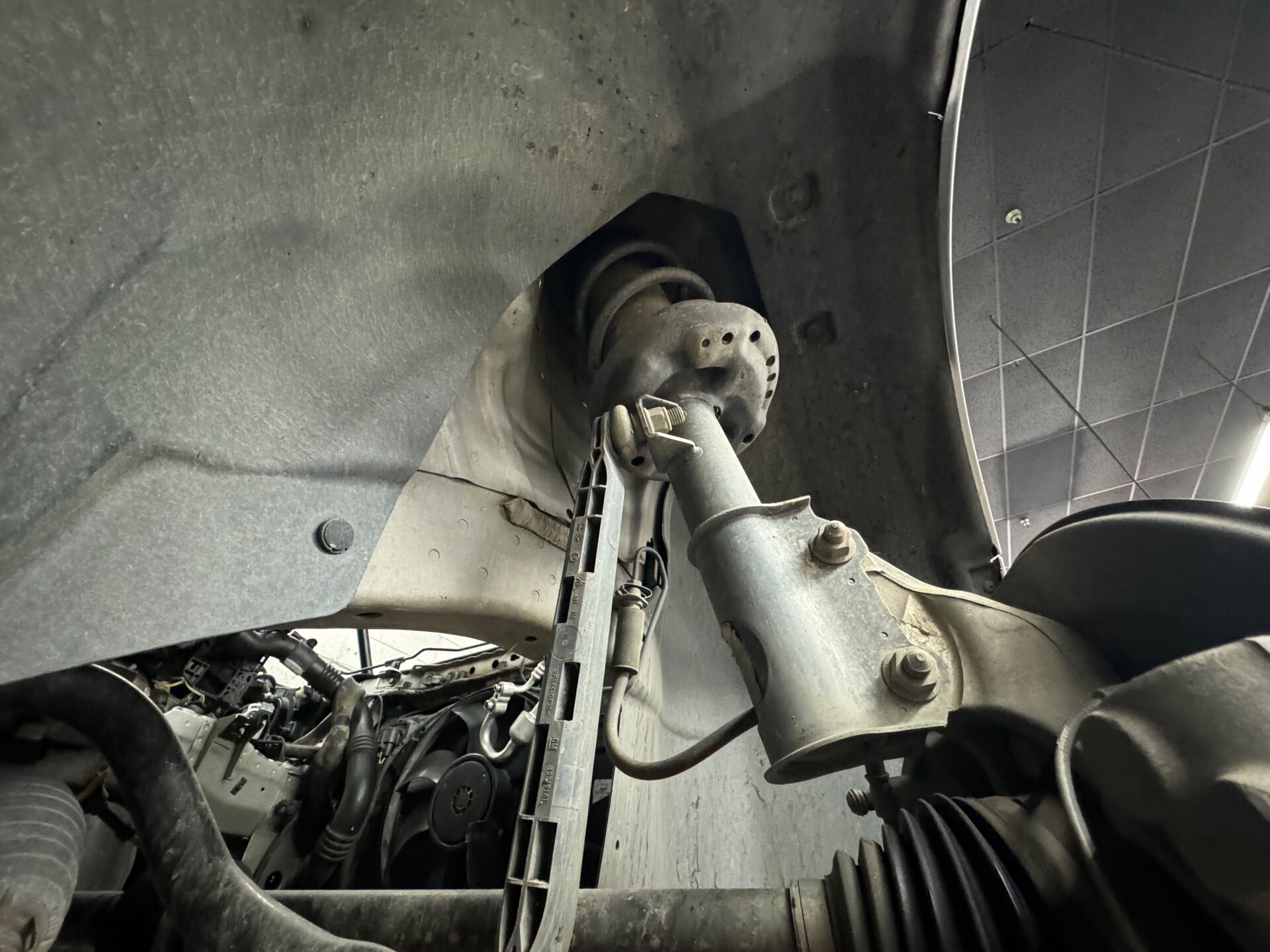
A leaking front strut assembly.

Internal seals wear with mileage. Because seals hold fluid, leaks reduce damping ability. Heat also breaks down internal oil.

Furthermore, rough roads accelerate internal wear. Meanwhile, heavy loads increase stress. Eventually, damping performance drops.

Failed Shocks or Struts Symptoms Drivers Notice

Drivers often notice excessive bouncing. Also, nose diving during braking becomes common.

Similarly, body roll increases during turns. In addition, uneven tire wear develops.
Stopping distances also increase. For safety, worn shocks or struts require prompt replacement.

Sway Bar Links and Bushings

Sway Bars reduce body roll during turns. Links connect the bar to suspension components. Bushings mount the bar to the frame.

Why Sway Bar Components Fail

Sway Bar Links contain small ball joints. Because of constant movement, those joints loosen. Bushings also wear from friction and age.

Moreover, road debris damages exposed boots. Once grease escapes, wear accelerates. Soon, noise develops.

Failed Sway Bar Links Symptoms Drivers Notice

Most drivers hear clunking on rough roads. Additionally, body roll feels worse during turns. Sometimes, steering feels less controlled.

Although vehicles still drive, stability decreases. Therefore, repairs restore handling confidence. Early replacement prevents further wear.

Ball Joints

A worn ball joint on a passenger car.

Ball Joints allow steering and suspension movement. They support vehicle weight while allowing rotation. Many modern designs integrate them into Control Arms.

Why Ball Joints Fail

Ball Joints rely on lubrication. When boots crack, grease escapes. As a result, metal surfaces grind.

Age also hardens protective boots. Meanwhile, heavy loads increase joint stress. Eventually, excessive play develops.

Failed Ball Joint Symptoms Drivers Notice

Steering may feel loose or vague. Clunking appears during turns or bumps. Tire wear patterns often change.

In advanced cases, alignment becomes impossible. Severe failure risks loss of control. Immediate inspection remains critical.

Tie Rod Ends

Tie Rod Ends connect steering components. They transmit steering input to the wheels. Both inner and outer ends wear over time.

Why Tie Rod Ends Fail

Constant steering motion creates friction. Road impacts stress threaded joints. Boot failure also accelerates wear.

Additionally, alignment problems strain Tie Rod Ends. Once looseness develops, steering precision drops. Ignoring symptoms increases repair costs.

Failed Tie Rod End Symptoms Drivers Notice

Drivers often feel steering wander. Also, vehicles may pull while driving straight. Clunking sounds appear during steering input.

Uneven tire wear also develops. Therefore, inspections protect steering safety. Early repairs prevent alignment damage.

Suspension Bushings Throughout the Vehicle

Bushings isolate vibration and noise. They sit between metal suspension components. Rubber absorbs movement and shock.

Why Suspension Bushings Fail

Rubber dries out with age. Heat and oil exposure accelerate cracking. Eventually, bushings lose flexibility.

Additionally, aggressive driving increases bushing stress. Poor roads also shorten lifespan. Once worn, noise and movement increase.

Failed Suspension Bushing Symptoms Drivers Notice

Drivers hear squeaks or creaks. Handling feels loose or imprecise. Alignment issues may appear.

Moreover, vibrations increase inside the cabin. Replacing bushings restores ride quality. Prompt service improves comfort.

Wheel Bearings and Suspension Feel

Wheel Bearings support wheel rotation. Although not suspension parts, they affect ride feel. Failures often mimic suspension issues.

Why Wheel Bearings Fail

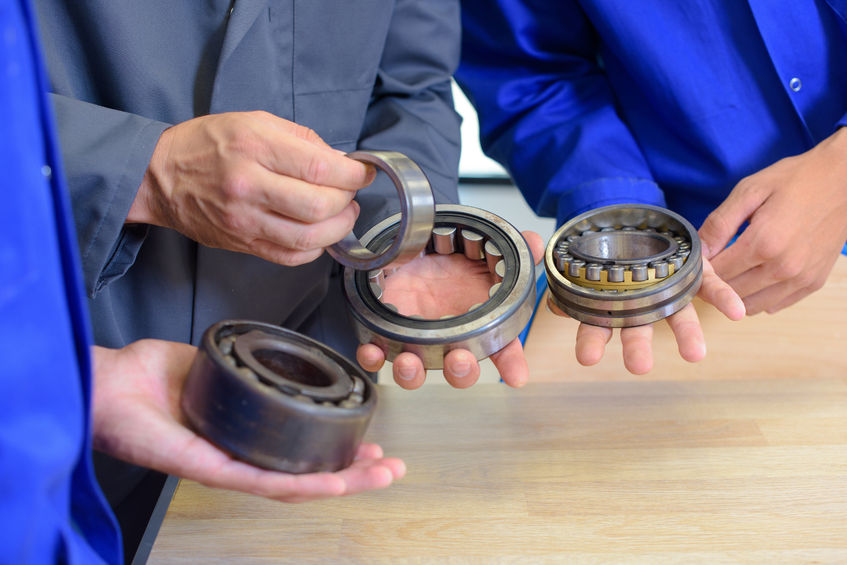
Technicians holding an array of wheel bearings for illustration.

Mileage causes bearing wear. Water intrusion also damages internal surfaces. Impacts accelerate bearing fatigue.

Additionally, improper torque shortens lifespan. Once damaged, noise increases rapidly. Early detection prevents hub damage.

Failed Wheel Bearing Symptoms Drivers Notice

Humming or grinding noises appear. Sounds change with vehicle speed. Turning may affect noise intensity.

Ignoring bearings risks wheel damage. Therefore, inspections remain essential. Early repairs save money.

Why Suspension Problems Worsen Quickly

Suspension components work together. Because of that, one failure stresses others. For example, worn Struts damage tires.

Similarly, bad Control Arm Bushings affect alignment. Misalignment then accelerates tire wear.

Costs rise quickly without intervention. Regular inspections catch problems early. Preventive repairs cost far less. Safety also improves significantly.

When to Schedule a Suspension Inspection

Drivers should not wait for severe symptoms. Instead, inspections should occur with warning signs.

Mileage milestones also matter. Schedule an inspection if you notice noises. Also, inspect suspension after pothole impacts.

Uneven tire wear also signals issues. We recommend inspections before alignment services. That approach prevents wasted adjustments. It also ensures lasting results.

Why Local Driving Conditions Matter for Suspension Wear

Southern California roads vary widely. Some areas feature smooth highways. Others include rough back roads.

Heat also accelerates rubber wear. Stop-and-go traffic increases suspension stress. Local conditions shorten component lifespan.

Because we serve Temecula, Murrieta, Winchester, French Valley, we understand these factors. Our inspections account for real driving conditions. That local knowledge improves accuracy.

The Value of Preventive Suspension Repairs

Preventive repairs protect tires and steering. They also improve braking performance. Ride comfort increases noticeably.

Moreover, early repairs cost less. They also reduce roadside breakdown risk. Confidence behind the wheel improves.

Education builds trust. Prevention saves money. That combination protects drivers.

FAQs

1. What are the most common signs of suspension problems?

Common signs include clunking or knocking noises, excessive bouncing, loose or wandering steering, uneven tire wear, and increased body roll when turning.

2. How long do Control Arm Bushings, Shocks, and Struts usually last?

Most Control Arm Bushings, Shocks, and Struts last about 50,000–80,000 miles, but rough roads, heat, heavy loads, and potholes can shorten their lifespan.

3. Can bad suspension parts damage my tires?

Yes. Worn suspension components cause misalignment, which leads to uneven tire wear, reduced tread life, and premature tire replacement.

4. Should suspension repairs be done before a wheel alignment?

Yes. Worn suspension parts prevent proper alignment, so repairing them first ensures accurate and long-lasting alignment results.

5. When should I schedule a suspension inspection?

Schedule an inspection if you hear clunking noises, feel excessive bouncing, notice uneven tire wear, or hit a large pothole, ideally before symptoms worsen.

Final Thoughts: Do Not Ignore the Signs of Failed Suspension Components

Suspension problems rarely fix themselves. Instead, they worsen quietly over time. Ignoring symptoms increases risk.

Fortunately, early inspections reveal problems. Targeted repairs restore safety and comfort. Drivers regain control and peace of mind.

If your vehicle shows suspension warning signs, schedule an inspection soon. Our team proudly serves Temecula, Murrieta, Winchester, French Valley, and nearby areas. A smooth, safe ride starts with informed action.

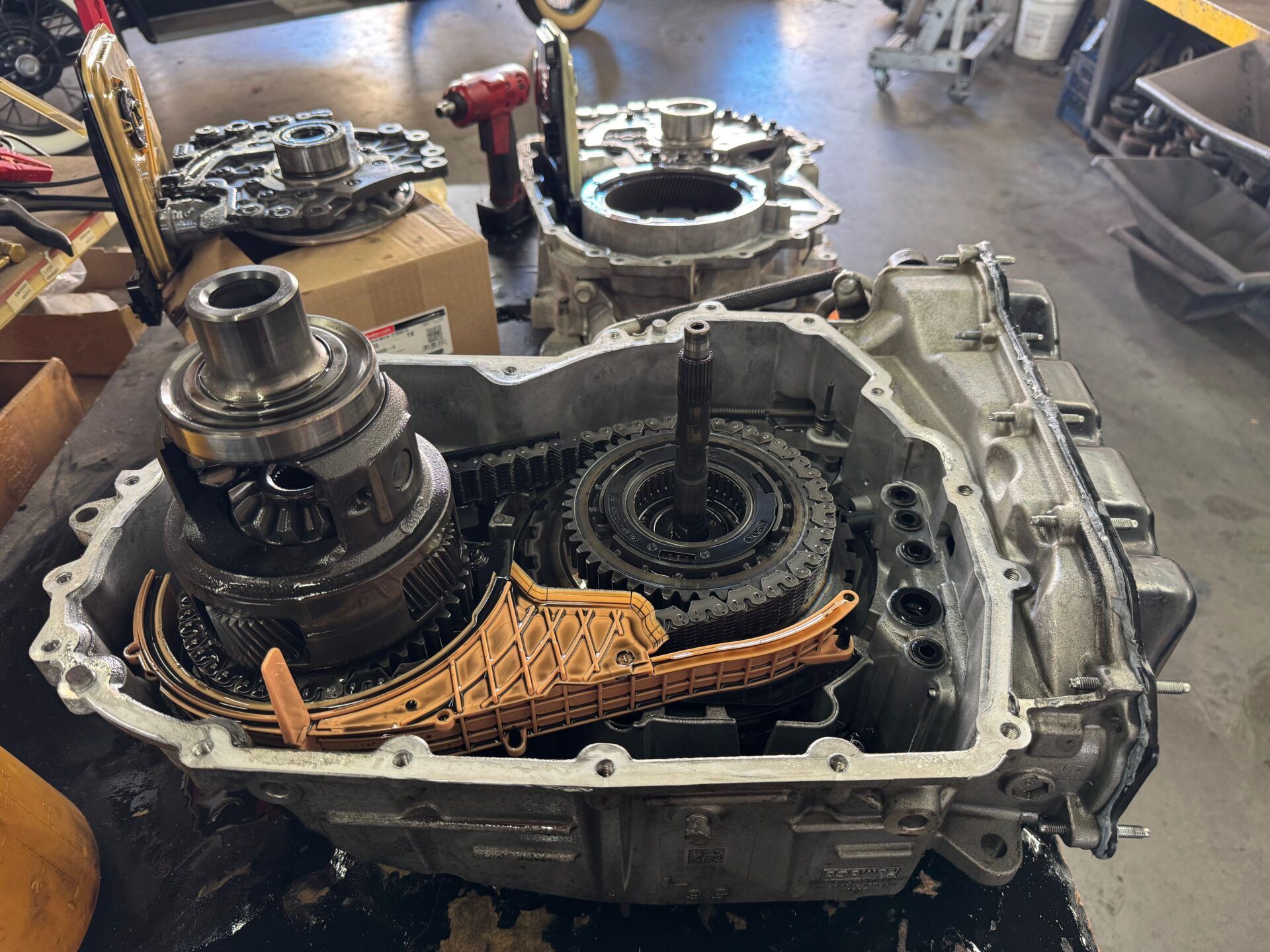
A transmission that has been disassembled.

Why Modern Transmissions Fail Sooner Than You Think

Why Modern Transmissions Fail Earlier Than Older Ones
(And What You Can Do About It)

If you’ve ever heard someone say, “They don’t build cars like they used to,” modern transmissions are a big reason why.

Years ago, automatic transmissions regularly lasted 150,000–200,000 miles with basic maintenance. Today, many modern transmissions experience major issues far earlier – sometimes before 100,000 miles. That doesn’t mean modern vehicles are poorly built. Instead, it means transmissions have changed dramatically, often in ways most drivers never hear explained.

Understanding why modern transmissions fail earlier puts you back in control. More importantly, knowing what you can do about it can save you thousands and help you avoid a breakdown altogether.

Let’s break it down…

How Older Transmissions Were Built to Last

Older automatic transmissions followed a simpler design philosophy:
– Fewer gears (typically 3 or 4)
– Lower internal operating pressures
– Thicker, more forgiving transmission fluids
– Minimal electronics
– Larger internal tolerances

These transmissions didn’t shift as quickly or squeeze every last mile per gallon from the engine. However, they tolerated heat, wear, and missed maintenance far better than today’s designs.

In short, they were overbuilt.

Why Modern Transmissions Are More Fragile

Modern vehicles demand better fuel economy, lower emissions, and smoother performance. To meet those demands, manufacturers redesigned transmissions from the inside out.

While these designs deliver efficiency and performance, they also introduce new weaknesses.

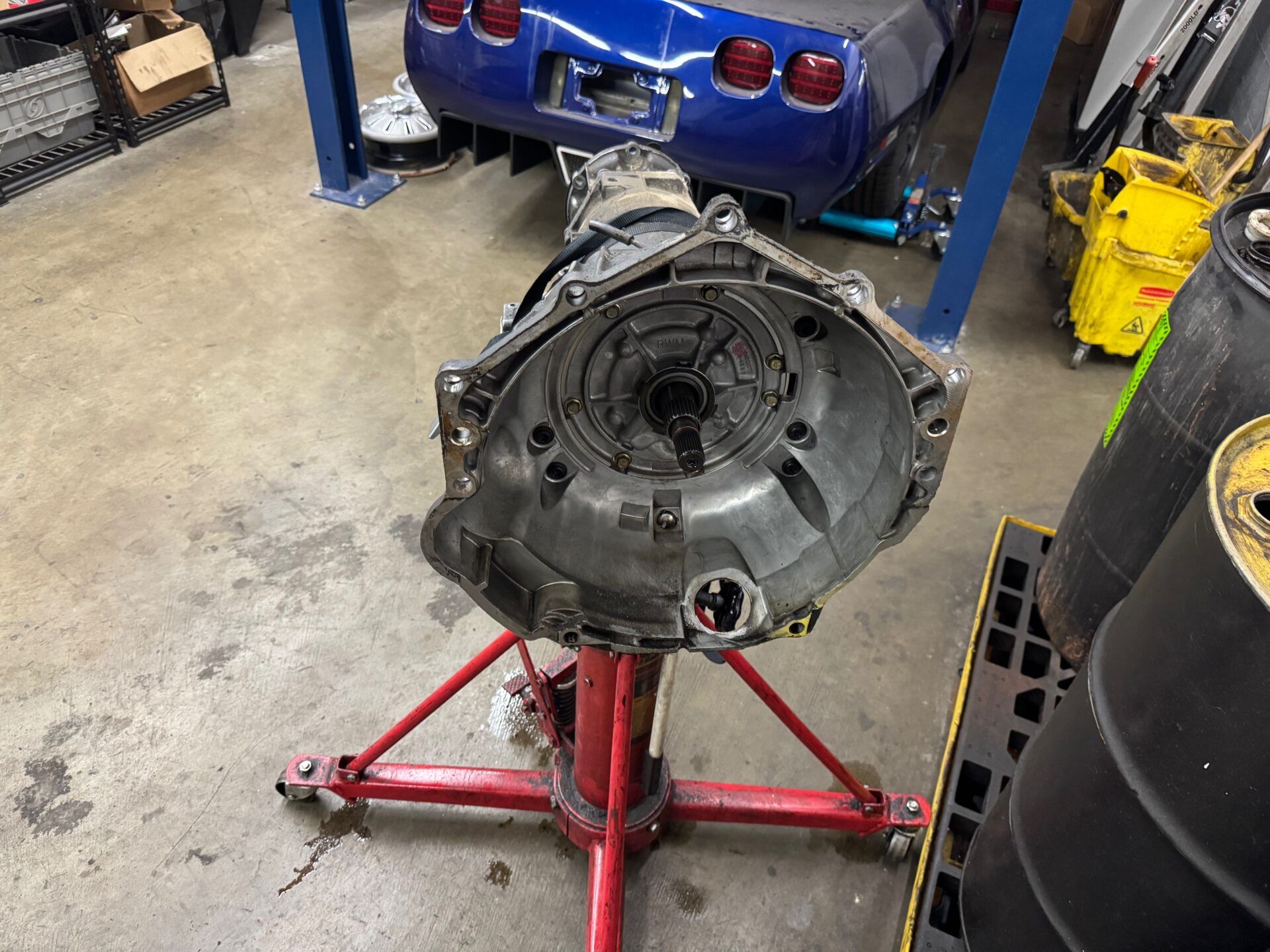
A transmission removed from a vehicle for overhaul.

Key reasons modern transmissions fail earlier:

– More gears = more internal components
– Tighter tolerances = less margin for wear
– Higher operating temperatures
– Advanced electronics and solenoids
– Lighter materials focused on efficiency, not longevity

Now let’s look at the biggest culprits…

CVTs: Efficient, Smooth… and Sensitive

Continuously Variable Transmissions (CVTs) don’t use traditional gears. Instead, they rely on belts or chains running between variable pulleys to create infinite gear ratios.

Why manufacturers use CVTs

– Improved fuel economy
– Smooth, seamless acceleration
– Reduced engine strain

Why CVTs Fail Sooner

– The belt or chain experiences constant friction
– Fluid condition matters more than almost any other transmission
– Heat buildup accelerates wear rapidly
– Internal damage often starts quietly, without obvious warning signs

Unlike older automatics, CVTs do not tolerate neglected maintenance. Once internal wear begins, repairs quickly become replacements.

8–10 Speed Automatics: More Gears, More Problems

Modern automatics now use 8, 9, or even 10 gears to keep engines operating at peak efficiency.

The upside…
– Better gas mileage
– Faster, smoother shifting
– Lower engine RPMs at highway speeds

The downside…
– Complex valve bodies
– Dozens of solenoids
– Extremely precise hydraulic pressures
– Greater sensitivity to fluid condition

Each gear change relies on near-perfect fluid pressure and electronic timing. When fluid degrades or varnish forms, shifting issues appear quickly – often as hesitation, harsh shifts, or gear hunting.

More gears mean more opportunities for something to go wrong.

The “Lifetime Fluid” Myth (And Why It’s Costly)

A Technician performs an Automatic Transmission Fluid Exchange Service

One of the most damaging myths in modern automotive ownership is the idea of “lifetime transmission fluid.”

Let’s be clear:
Transmission fluid is a wear item. Always!

Manufacturers often label fluid as “lifetime” to reduce advertised maintenance costs – not because the fluid never breaks down.

What actually happens to transmission fluid
– Heat breaks down lubricating properties
– Friction material contaminates the fluid
– Moisture accumulates over time
– Fluid loses its ability to control pressure and cooling

Once fluid degrades, internal components wear faster. By the time symptoms appear, internal damage has often already started.

Regular fluid service dramatically extends transmission life – especially on CVTs and multi-speed automatics.

Heat: The Silent Transmission Killer

Heat destroys transmissions faster than mileage.

Modern transmissions run hotter by design, especially in:
– Stop-and-go traffic
– Mountain driving
– Towing
– Hot climates (like Southern California)

As temperature rises, fluid life drops sharply. Even a small increase in operating temperature can cut fluid lifespan in half. Without inspections, overheating often goes unnoticed until slipping or warning lights appear – usually far too late.

Transmission Electronics: Helpful, Until They Aren’t

Modern transmissions rely heavily on:
– Sensors
– Solenoids
– Control modules
– Adaptive learning software

While these systems improve drivability, they also introduce new failure points. A single faulty solenoid or corrupted adaptation value can mimic major mechanical failure.

The good news? Not every transmission problem requires a replacement. Early diagnostics and inspections often uncover correctable issues – before internal damage spreads.

Why Waiting for Transmission Symptoms Is a Risky Strategy

Many drivers wait until they notice:
-Slipping
– Delayed engagement
– Hard shifts
– Warning lights

Unfortunately, these symptoms often appear after internal wear has already progressed. Modern transmissions rarely fail all at once. Instead, they degrade quietly. Catching problems early can mean the difference between:

A fluid service or minor repair vs. a full transmission replacement…

What You Can Do to Protect Your Transmission

Valvoline Restore & Protect Full Synthetic Transmission Fluid

You don’t need to be a transmission expert. You just need a proactive approach.

1. Schedule Transmission Inspections – Not Just Repairs

A professional inspection checks:
– Fluid condition and level
– Scan data and adaptation values
– Shift quality under load
– Early warning codes
– Cooling system performance

This allows us to spot problems before failure begins.

2. Service Fluid Based on Reality, Not Marketing

Forget “lifetime.” Instead:
– CVTs often need service every 30k–60k miles
– Multi-speed automatics typically benefit from earlier intervals than advertised
– Driving conditions matter more than mileage alone

3. Address Minor Symptoms Immediately

Small issues escalate fast in modern transmissions. Delays increase damage and cost.

4. Use the Correct Transmission Fluid – Always

Modern transmissions require exact fluid specifications. The wrong fluid causes pressure problems, overheating, and premature wear.

Education + Prevention = Trust (And Savings)

We believe transparency builds trust. Modern transmissions aren’t bad – they’re just less forgiving. With the right inspections and maintenance strategy, many can last just as long as older designs.

The key is not waiting for failure. A transmission inspection before problems start gives you clarity, options, and peace of mind.

FAQs: Modern Transmission Concerns

1. Are CVTs less reliable than traditional automatics?
Not inherently, but they are more sensitive. CVTs demand proper fluid service and temperature control. Neglect shortens their lifespan significantly.

2. Is “lifetime transmission fluid” ever truly lifetime?
No. Fluid degrades due to heat, friction, and contamination. “Lifetime” usually refers to the warranty period – not the life of the vehicle.

3. Can a transmission inspection really prevent failure?
Yes. Inspections often identify fluid breakdown, cooling issues, or electronic faults before mechanical damage occurs.

4. Should I service my transmission even if it feels fine?
Absolutely. Many failures begin silently. Waiting for symptoms usually means internal wear has already started.

5. Are 8–10 speed transmissions bad designs?
No. They’re efficient and high-performing but require proactive maintenance. Complexity demands attention.

Final Thought: Don’t Wait for a Transmission Breakdown

Modern transmissions reward informed owners. A little education and prevention go a long way.

If you want to extend the life of your transmission, avoid surprise failures, and make confident decisions, a professional transmission inspection is the smartest place to start.

Schedule a reservation before failure – not after.

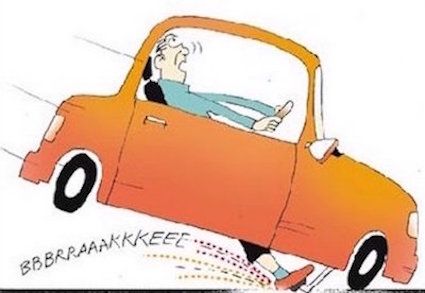
A cartoon of a car making an emergency stop.

Why Do My Brakes Squeal? Common Causes Explained

Why Do My Brakes Squeal? Common Causes, What It Means, and What To Do Next

Brakes protect you, your passengers, and other drivers around you. Because of their role, any brake noise deserves attention. One of the most common concerns our customers report involves squealing brakes.

Although the sound can feel alarming, many causes exist. Some reasons remain harmless, while others signal serious trouble.

This guide explains why brakes squeal. Additionally, it covers brake components, inspections, and common failures. Finally, it explains when to schedule a professional brake inspection.

What Does Brake Squealing Sound Like?

Brake squeal usually sounds sharp and high-pitched. Sometimes the noise occurs only during light braking. Other times the sound continues at low speeds. Because conditions vary, squealing patterns help reveal the cause.

However, noise alone never tells the full story. Instead, a trained inspection confirms the true issue.

Common Reasons Brakes Squeal

Worn Brake Pads

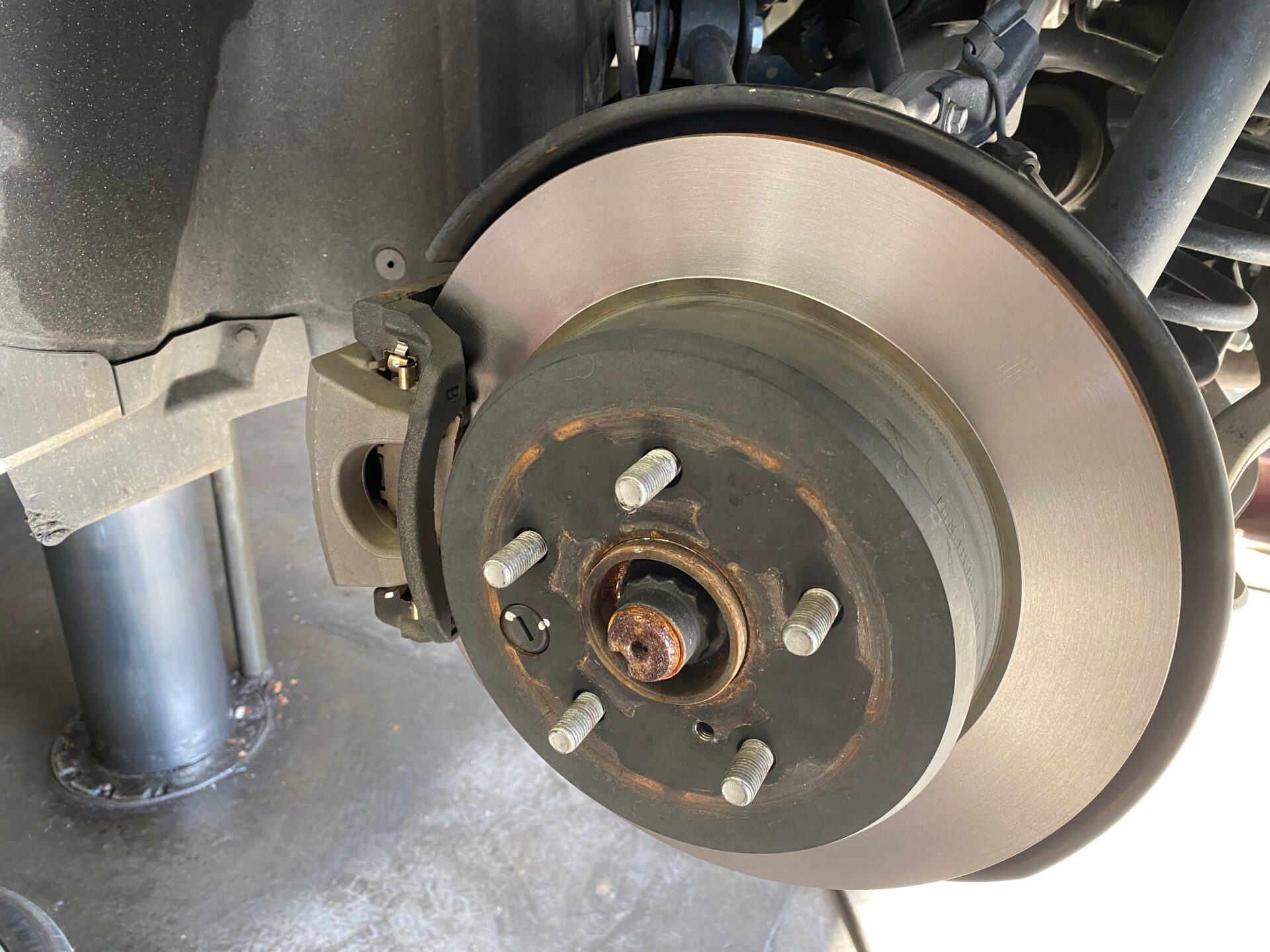
Brake pads and rotors on a car.

Worn brake pads cause the most squealing complaints. Most pads include wear indicators made from metal tabs. When pads thin out, those tabs contact the rotor. As a result, the brakes produce a loud squeal.

Because this sound warns drivers, ignoring it risks rotor damage. Eventually, metal grinds against metal without pad material.

Cheap or Low-Quality Brake Pads

Low-quality pads from a prior replacement squeal more often than premium options. These pads use harder materials to last longer. However, harder compounds vibrate more under pressure. That vibration creates noise during braking. Although budget pads save money upfront, they often reduce comfort.

Dust and Debris on Brake Components

Brake systems collect dust from pad wear. Road debris also enters the brake assembly. Because dust builds up, friction surfaces vibrate unevenly. That vibration produces squealing sounds. Fortunately, cleaning often solves this problem.

Moisture and Overnight Rust

Morning brake squeal surprises many drivers. Overnight moisture creates light surface rust on rotors. When you brake, pads scrape off that rust. Therefore, squealing happens briefly. Once rotors warm up, the sound usually disappears.

Glazed Brake Pads or Rotors

Hard braking generates extreme heat. Excessive heat can glaze pads or rotors. That glaze creates a smooth, shiny surface. As a result, pads slip instead of gripping. Because slipping creates vibration, squealing often follows.

Lack of Lubrication on Hardware

Brake systems rely on proper lubrication. Caliper pins and contact points need grease. Without lubrication, parts bind and vibrate. That vibration causes noise during braking. Since lubrication wears out over time, inspections remain important.

Warped or Uneven Rotors

Uneven rotors cause inconsistent pad contact. That inconsistency leads to vibration and squealing. Warping often occurs from overheating or improper installation. Because warped rotors affect stopping power, they require attention.

When Brake Squealing Signals Danger

Not all squeals indicate emergencies. However, certain signs demand immediate service.

If squealing continues constantly, act quickly. If grinding replaces squealing, stop driving. When braking feels weak, seek professional help. If the brake pedal vibrates, schedule an inspection.

Because brakes control stopping distance, delay in addressing the problem increases risk.

Why Periodic Brake Inspections Matter

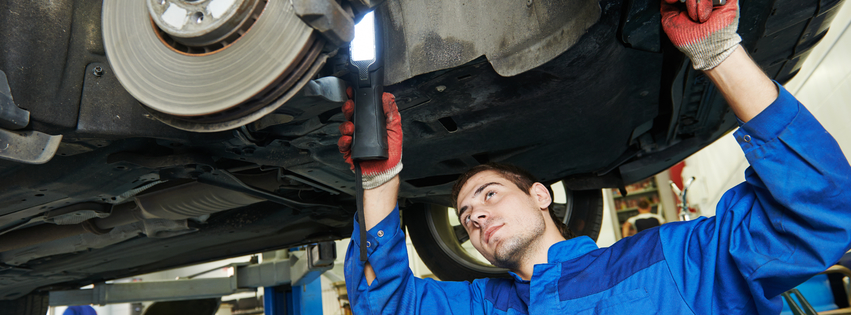
An Automotive Technician inspecting brakes on a car.

Brake systems wear gradually over time. Many problems develop silently before noise starts. Because of that, inspections catch issues early.

Regular brake inspections protect safety. They also reduce long-term repair costs.
During inspections, technicians measure pad thickness. They also check rotors, hardware, and fluid condition.

Since early repairs cost less, inspections save money. Additionally, inspections help avoid unexpected breakdowns.

Most vehicles benefit from brake inspections every 12 months. However, driving habits and conditions can shorten intervals.

Overview of Brake System Components

Understanding brake parts helps explain squealing. Each component plays a specific role.

Brake Pads

Brake pads press against rotors. They create friction to slow the vehicle. Pads wear out by design. Because friction creates heat, pads degrade gradually.

Brake Rotors

Rotors attach to the wheel hubs. Pads clamp onto rotors during braking. Rotors dissipate heat created by friction. Warping or scoring affects braking performance.

Brake Calipers

Calipers hold the brake pads. They use hydraulic pressure to squeeze pads. Sticking calipers cause uneven wear. That uneven wear often leads to noise.

Brake Hardware

Hardware includes clips, shims, and pins. These parts keep pads aligned properly. They also reduce vibration.  When hardware wears out, squealing increases.

Brake Fluid

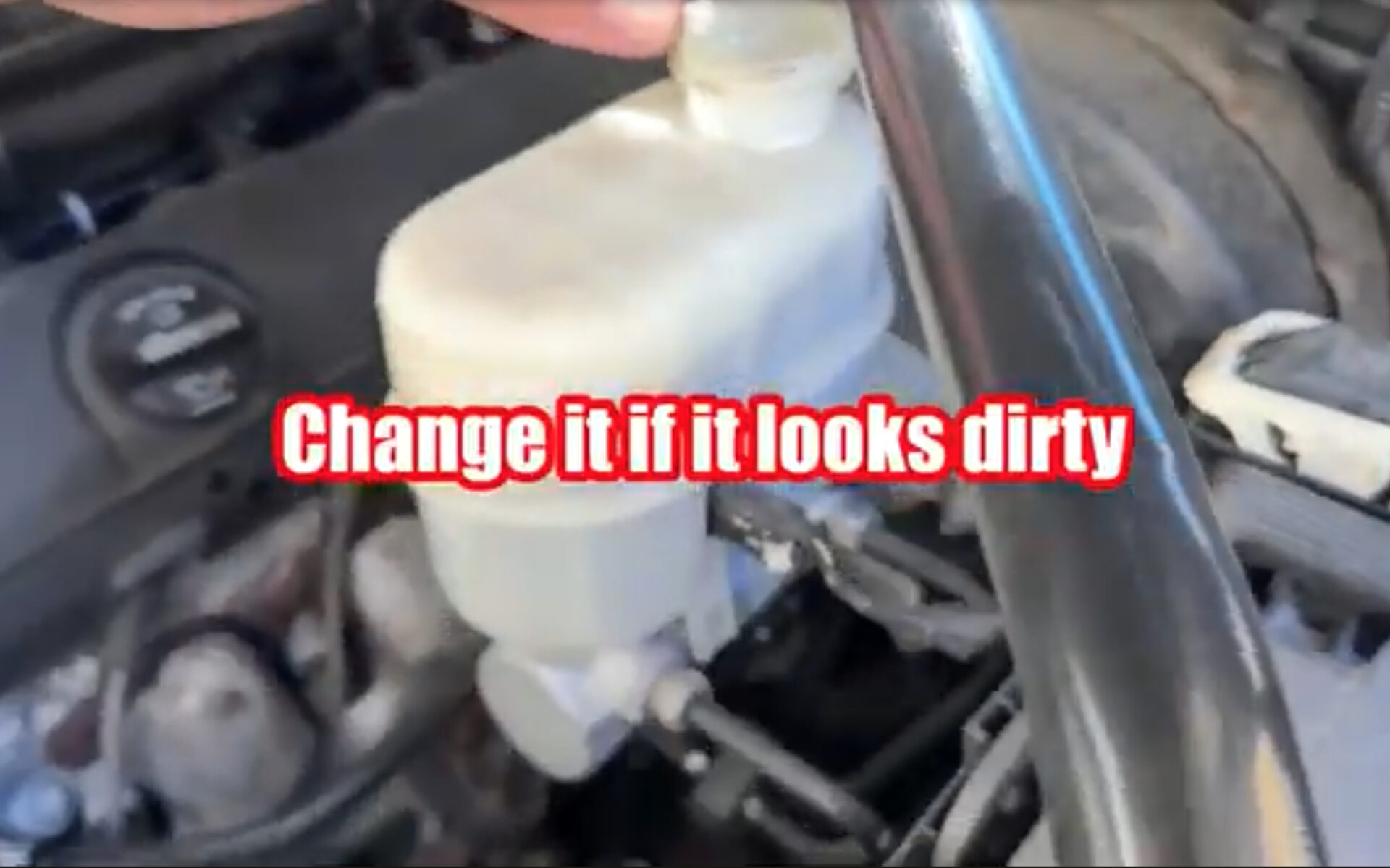
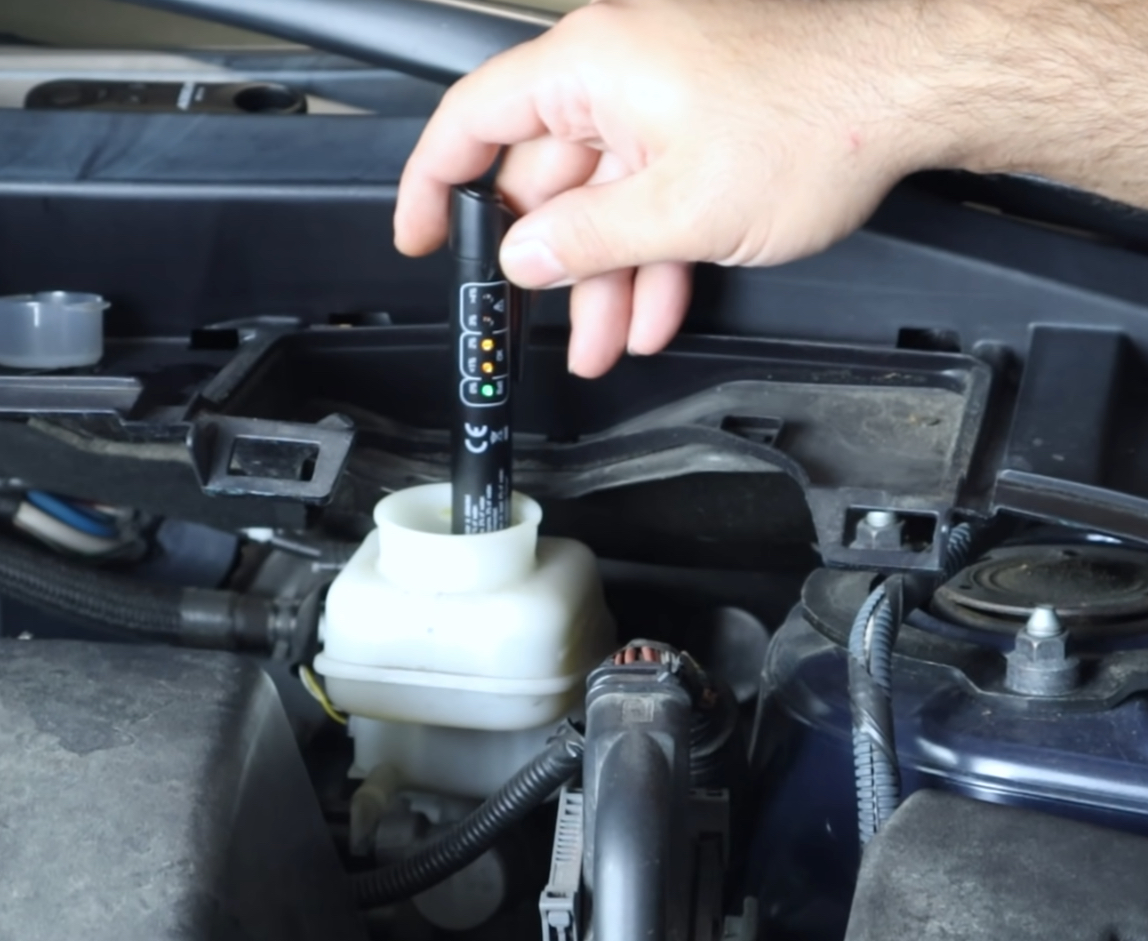
A Technician checks the brake fluid on a car.

Brake fluid transfers pedal force. It moves through lines to calipers. Over time, fluid absorbs moisture. Moisture lowers boiling points and performance.

Brake Lines and Hoses

Lines carry fluid throughout the system. Rubber hoses flex with suspension movement. Leaks reduce braking pressure. Therefore, inspections remain critical.

Common Brake System Failures

Brake failures rarely happen suddenly. Instead, warning signs appear first.

Worn pads represent the most common failure. Warped rotors follow closely behind.
Sticking calipers cause uneven wear patterns. Contaminated fluid reduces braking efficiency. Broken hardware increases noise and vibration.

Because these failures progress over time, inspections prevent surprises.

How Driving Habits Affect Brake Noise

Driving style influences brake wear. Frequent hard stops generate more heat. City driving increases stop-and-go stress. If you’re towing, that’ll add extra braking demand.

Because heat accelerates wear, gentle braking extends brake life.

Can I Ignore Brake Squealing?

Ignoring brake squeal feels tempting. However, small issues grow into large repairs. Pads wear down faster without attention. Rotors suffer damage from neglected pads.

Ignoring brake sounds risks safety.

What Happens During a Professional Brake Inspection?

A professional inspection follows a detailed process. Technicians remove wheels to access components. They measure pad thickness accurately. They inspect rotors for wear or warping.

Additionally, they check calipers and hardware. They also inspect brake fluid condition. Finally, they recommend repairs only when needed.

Because thorough inspections take time, accuracy improves.

When Should You Schedule Brake Service?

Schedule service when squealing persists. Book an inspection if braking feels different. Act quickly if warning lights appear. Also, follow manufacturer service intervals.

Because early service prevents damage, timing matters.

Brake Repair and Inspection in Temecula and Nearby Areas

At Temecula Auto Repair & Transmission, we handle all aspects of brake service and repair. The shop serves Temecula, Murrieta, Winchester, French Valley, and nearby communities. Every brake job starts with a detailed brake inspection.
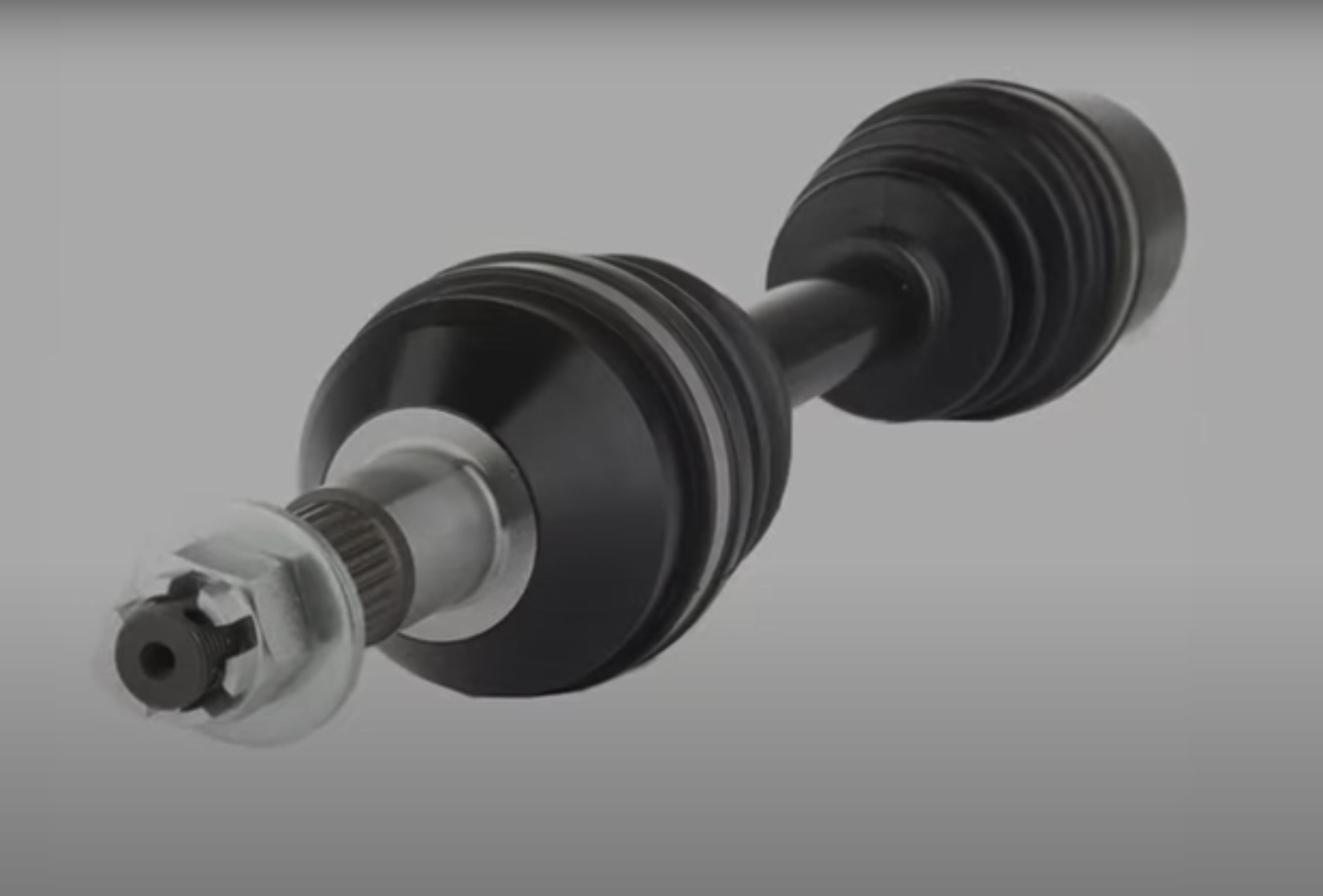
Our Technicians handle pads, rotors, calipers, and fluid services. We also repair brake noise concerns of all types. Also, we provide complete automotive repair and maintenance services for all vehicles.

Because experience matters, our team focuses on safe, reliable results.

Frequently Asked Questions (FAQs) About Brake Squealing and Brake System Care

1. Why do my brakes squeal when I apply light pressure?

Brake squealing during light braking often occurs because the brake pads have built-in wear indicators. When pads get thin, the metal tabs touch the rotor first and make a high-pitched noise. Dust buildup or low-quality brake pads can also cause squeal under light pressure. A professional brake inspection confirms the exact cause.

2. Can brake squealing mean I need new brake pads?

Yes, brake squealing frequently means your pads are worn and need replacement. Pads wear down over time from friction, and the built-in wear indicators trigger noise to alert you. However, other causes – like debris, moisture, or glazed pads – can also lead to squealing. A brake inspection reveals whether the pads are worn or if another issue exists.

3. Is it safe to drive with squealing brakes?

Short periods of mild squealing may not be dangerous, especially after overnight rust or light dust buildup. That said, ongoing squeal, grinding sounds, or vibration are signs of a more serious problem. Ignoring persistent symptoms can damage rotors and reduce braking power. Therefore, have your brakes inspected sooner rather than later.

4. How often should I have my brakes checked?

Regular brake inspections help catch problems before they get worse. Most vehicles should have their brakes inspected at least once per year. However, if you drive in heavy traffic, tow often, or hear noise, schedule an inspection sooner. Technicians check pads, rotors, calipers, hardware, and fluid to ensure safe braking.

5. What brake system components can cause noise besides brake pads?

Brake noise doesn’t always come from the pads. Rotors, calipers, brake hardware, and even brake fluid condition can affect how your brakes sound. For example, rusty or warped rotors and sticky caliper pins can cause vibration and squealing. That’s why a full brake system inspection matters.

If you still wonder “Why do my brakes squeal?” or if you need repairs or a professional inspection, Temecula Auto Repair & Transmission proudly serves Temecula, Murrieta, Winchester, French Valley, and surrounding areas with full brake service solutions.

Final Thoughts on Brake Squealing

Brake squealing always communicates something. Sometimes the message involves normal wear. Other times the sound signals serious problems.

Because brakes protect lives, never ignore noise. Schedule regular inspections to catch issues early. Address squealing quickly to protect your vehicle.

If your brakes squeal, professional help brings peace of mind. A proper inspection ensures safe stopping every time.

A Mitsubishi driving over a bump and making a clunking noise.

Clunking Noise Over Bumps? What It Usually Means

Car Making Clunking Noise Over Bumps? Here’s What It Usually Means

A clunking noise over bumps can worry any driver. Often, that sound signals a steering or suspension problem. Because these systems control safety and comfort, you should never ignore noises. Fortunately, clunking sounds usually follow common patterns. Therefore, learning what those noises mean helps you act early. As a result, you can avoid bigger repairs and protect your vehicle.

At Temecula Auto Repair & Transmission, our team hears this concern daily. We serve Temecula, Murrieta, Winchester, French Valley and surrounding communities. Moreover, we are a full-service automotive repair shop for all makes and models. Additionally, our shop offers complete diagnostics and repairs for steering and suspension systems. This includes restoring modified suspension back to factory original. Because accuracy matters, we focus on finding root causes, not guesses.

Below, you will learn what causes clunking noises over bumps. Each section explains a component’s purpose and how it fails. Therefore, this guide helps you understand what your vehicle tells you.

Why Clunking Noises Happen Over Bumps

Suspension and steering parts absorb road shock. However, worn parts lose tight control and move too freely. When that happens, metal hits metal. As a result, you hear a clunk, knock, or thud.

Bumps make problems louder. Because suspension parts move fast over uneven roads, loose components reveal themselves. Additionally, braking, turning, or accelerating may worsen the noise. Therefore, pay attention to when the sound appears.

Control Arms and Control Arm Bushings

Control arms connect the wheels to the vehicle frame. They allow wheels to move up and down smoothly. Because of this role, they handle heavy stress.

Rubber bushings sit at each end of the control arm. These bushings reduce vibration and noise. Over time, rubber dries, cracks, and separates. As a result, the control arm shifts during bumps.

A worn control arm bushing often causes a dull clunk. Typically, the noise happens during braking or over speed bumps. Moreover, you may feel loose steering or uneven tire wear. If ignored, the control arm itself may bend or fail.

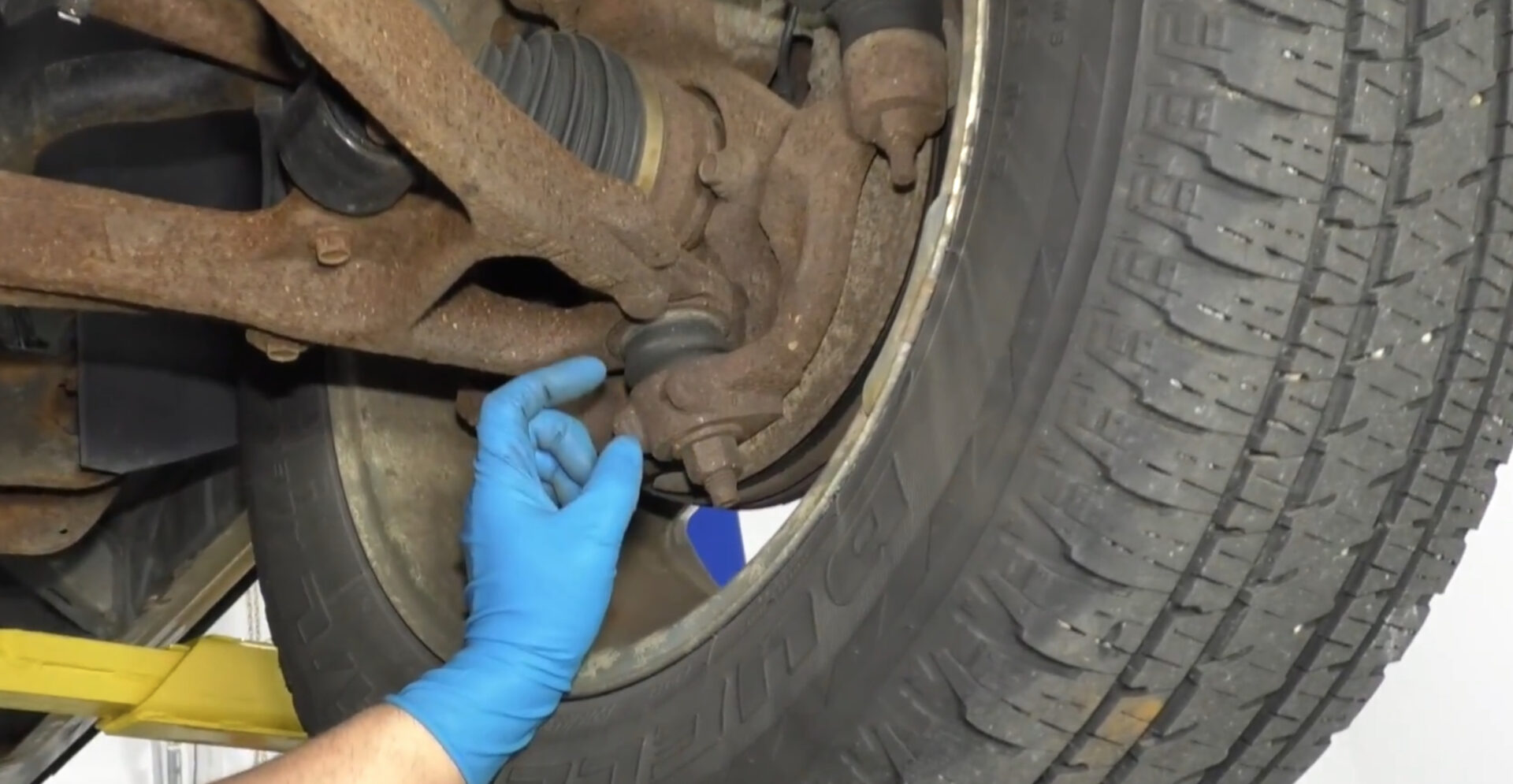
Ball Joints

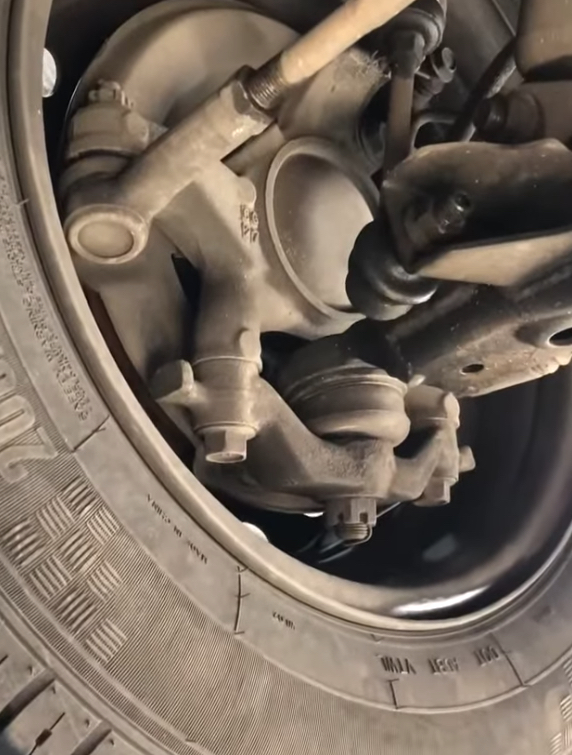
Excessive play in a Ball Joint requiring replacement.

Ball joints act like human hips and shoulders. They allow wheels to turn and move vertically. Because steering depends on them, ball joints play a critical role.

Grease keeps ball joints smooth. However, seals wear out and allow grease to escape. As a result, metal surfaces grind together. Eventually, the joint becomes loose.

Loose ball joints often clunk over bumps. Additionally, steering may feel vague or unstable.

If a ball joint fails completely, it can cause the wheel to collapse. Therefore, early repair protects both safety and budget.

Sway Bar Links and Sway Bar Bushings

The sway bar reduces body roll during turns. It keeps the vehicle level and stable. Because it connects both sides of the suspension, balance improves.

Sway bar links connect the bar to control arms or struts. Bushings hold the bar in place. Over time, links loosen or bushings crack. As a result, the bar shifts and bangs.

Clunking from sway bar parts often sounds hollow. Usually, the noise happens over small bumps or uneven pavement. Moreover, handling may feel sloppy during turns. Thus, replacing these parts restores quiet and control.

Struts and Shock Absorbers

Struts and shocks control spring movement. They prevent bouncing after hitting bumps. Because they damp motion, ride comfort improves.

Internal seals wear with age. Therefore, fluid leaks and pressure drops. As a result, shocks lose control. Also, worn struts or shocks can clunk internally.

Additionally, mounting hardware may loosen. Drivers may notice bouncing, nose diving, or poor braking control. Ignoring this problem increases stopping distance and tire wear.

Strut Mounts and Shock Mounts

Mounts secure struts and shocks to the body. They also isolate vibration using rubber. Because they carry weight, they wear steadily.

Rubber in the mount can crack or separate. Bearings inside some mounts can seize. As a result, movement becomes rough and noisy.

Failed mounts often clunk during turns or bumps. Additionally, steering may bind or feel jerky. Replacing mounts during strut service prevents repeat labor later.

Tie Rod Ends

Tie rods are the components or links that connect the steering rack to the wheels. They transmit steering input directly. Because precision matters, tight joints remain essential.

Both inner and outer tie rod ends contain joints made up of a ball-and-socket. When grease escapes, wear accelerates. Eventually, the joint loosens.

Loose tie rods can clunk over bumps. Moreover, steering may wander or pull. Uneven tire wear often appears as well. Prompt replacement restores steering accuracy.

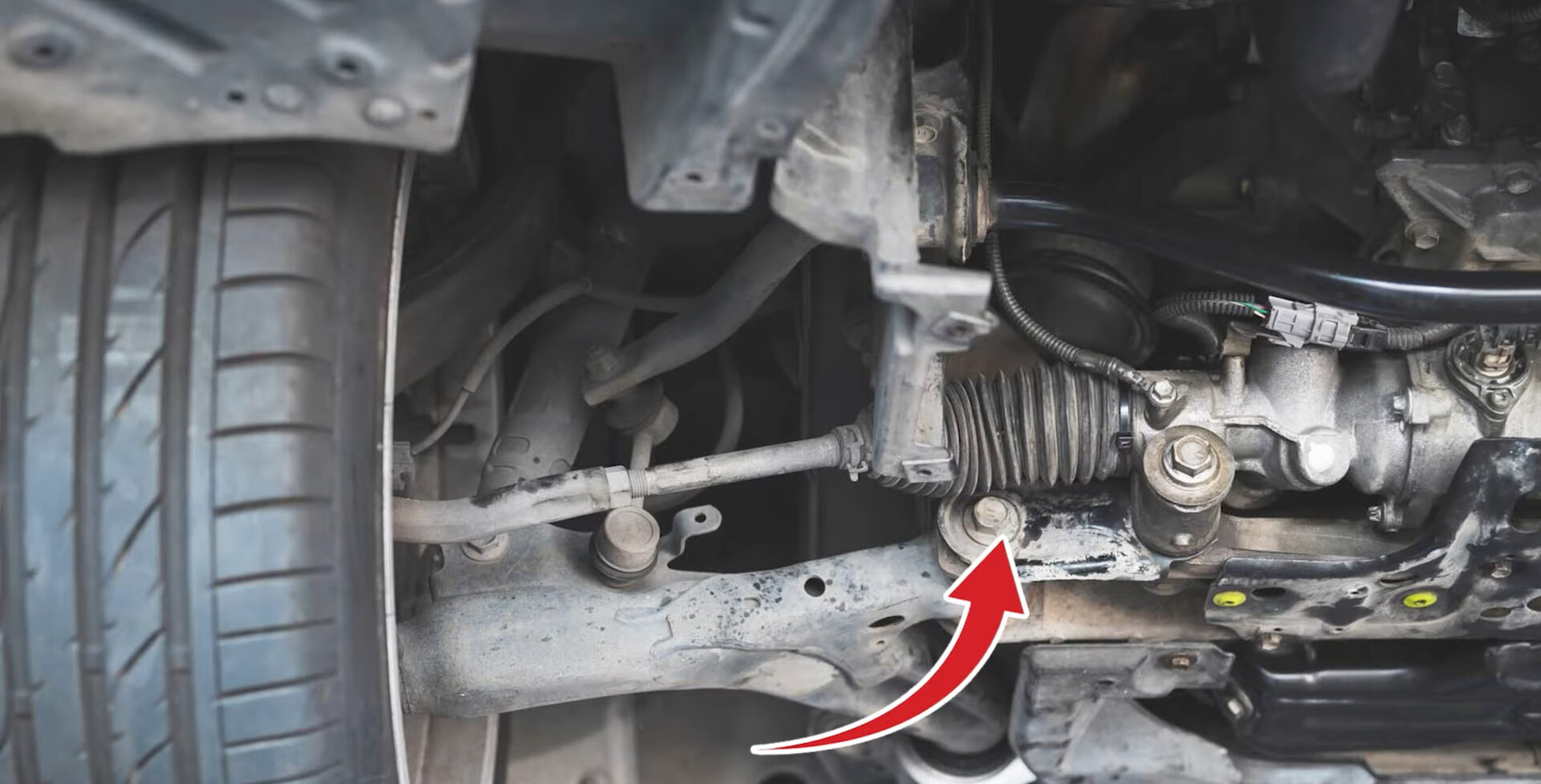
Steering Rack and Steering Rack Bushings

Power Steering Rack viewed from under a car.

The steering rack converts wheel input into tire movement. It slides left and right during steering. Because it mounts to the frame, bushings secure it.

Bushings isolate vibration and hold alignment. However, rubber bushings soften and crack with age. As a result, the rack shifts during bumps.

A moving rack creates a solid clunk. Drivers may feel the sound through the steering wheel. Additionally, steering response may feel delayed. Replacing bushings or the rack corrects the issue.

Coil Springs

Coil springs support vehicle weight. They absorb large impacts from the road. Because springs flex constantly, metal fatigue occurs.

Springs can crack or break. Often, a broken spring shifts under load. As a result, it snaps or clunks over bumps.

Ride height may drop on one corner. Additionally, alignment and tire wear suffer. Replacing damaged springs restores balance and safety.

Subframe Bushings

The subframe holds major suspension and steering parts. Bushings connect the subframe to the body. Because they reduce vibration, comfort improves.

Over time, bushings degrade. Therefore, the subframe can move slightly. As a result, loud clunks occur during bumps or braking.

This noise often feels deep and heavy. Because diagnosis requires experience, professional inspection matters. Replacing subframe bushings stabilizes the entire system.

Wheel Bearings

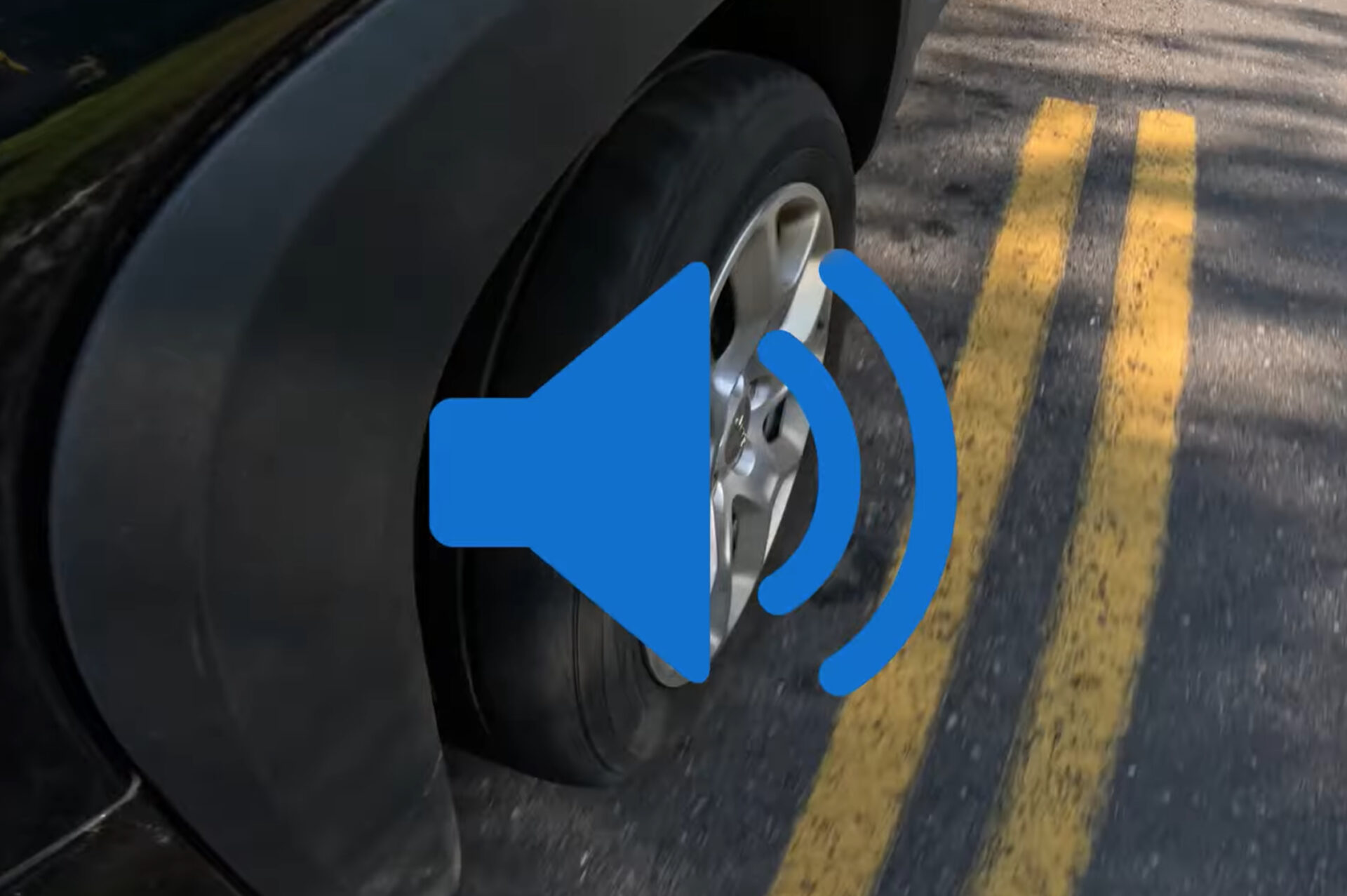
A car going down the road with a noisy wheel bearing.

Wheel bearings allow wheels to spin freely. They also support vehicle weight. Because they handle constant load, wear eventually occurs.

Worn bearings usually growl or hum. However, severe wear can cause clunks. As a result, wheel movement increases.

Drivers may notice vibration or pulling. If ignored, the wheel may seize or detach. Timely replacement prevents dangerous outcomes.

Why Accurate Diagnosis Matters

Many suspension noises sound similar. However, different parts fail in different ways. Because guessing leads to wasted money, testing remains critical.

At Temecula Auto Repair & Transmission, we Test & Evaluate thoroughly. We check for play, cracks, leaks, and movement. Moreover, we road test vehicles to confirm findings. As a result, clients receive accurate and efficient repairs.

When to Seek Professional Help for Suspension and Steering

Clunking noises rarely fix themselves. Therefore, early inspection saves money. If the noise worsens, damage spreads.

You should schedule service if clunking occurs regularly. Additionally, steering changes signal urgent attention. Because safety depends on steering and suspension, delays increase risk.

FAQs

What causes a clunking noise when driving over bumps?
A clunk usually comes from worn steering or suspension parts. Common causes include ball joints, sway bar links, or control arm bushings. Because these parts loosen, they strike during movement.

Is it safe to drive with a clunking suspension noise?
Driving with clunking noises risks safety. Loose parts can fail suddenly. Therefore, inspection should happen as soon as possible.

Can worn shocks or struts cause clunking noises?
Yes, worn shocks or struts can clunk. Loose mounts or internal damage create noise. Replacing them restores ride control.

How much does suspension repair usually cost?
Costs vary by part and vehicle. Minor repairs cost less than major component replacement. Accurate diagnostics help control expenses.

Do steering problems cause clunking sounds?
Steering parts often cause clunks. Tie rods and steering rack bushings fail commonly. Early repair restores steering precision.

Final Thoughts

A clunking noise over bumps always means something moves incorrectly. Because steering and suspension control safety, action matters. Understanding common failures helps you respond quickly.

If your vehicle clunks over bumps, schedule an inspection. Temecula Auto Repair & Transmission stands ready to help. We proudly serve Temecula, Murrieta, Winchester, and French Valley. With accurate diagnostics and full-service suspension repair, we keep you driving safely.

Our shop provides full automotive maintenance and repair. In addition, we specialize in steering and suspension diagnostics. We also perform full-service suspension repairs on all makes and models. Because experience matters, our team delivers reliable results.
A car broken down on the side of the road with the driver sitting on the pavement, distressed.

Top 20 Reasons Cars Break Down & How to Prevent Them

Top 20 Reasons Cars Break Down and How Drivers Can Prevent Them

Car trouble can ruin any day. Breakdowns often happen at the worst time and place. However, many problems start small but grow when drivers wait too long. Thus, you can prevent most breakdowns with simple checks and routine care. This guide explains the top 20 reasons cars break down and how you can avoid each one. Also, it helps you stay safe on the road, reduce repair costs, and protect your car for years.

1. Weak or Dead Battery

A weak battery remains the most common reason for breakdowns. Incidentally, batteries lose strength with age, heat, and short trips.

Prevention:

Check battery health twice a year. Clean corrosion from terminals. Replace the battery every four to five years.

2. Alternator Failure

An alternator charges the battery as you drive. Therefore, when it fails, the car loses power fast.

Prevention:

Listen for whining sounds. Watch for dimming lights. Have the charging system tested during oil changes.

3. Starter Motor Failure

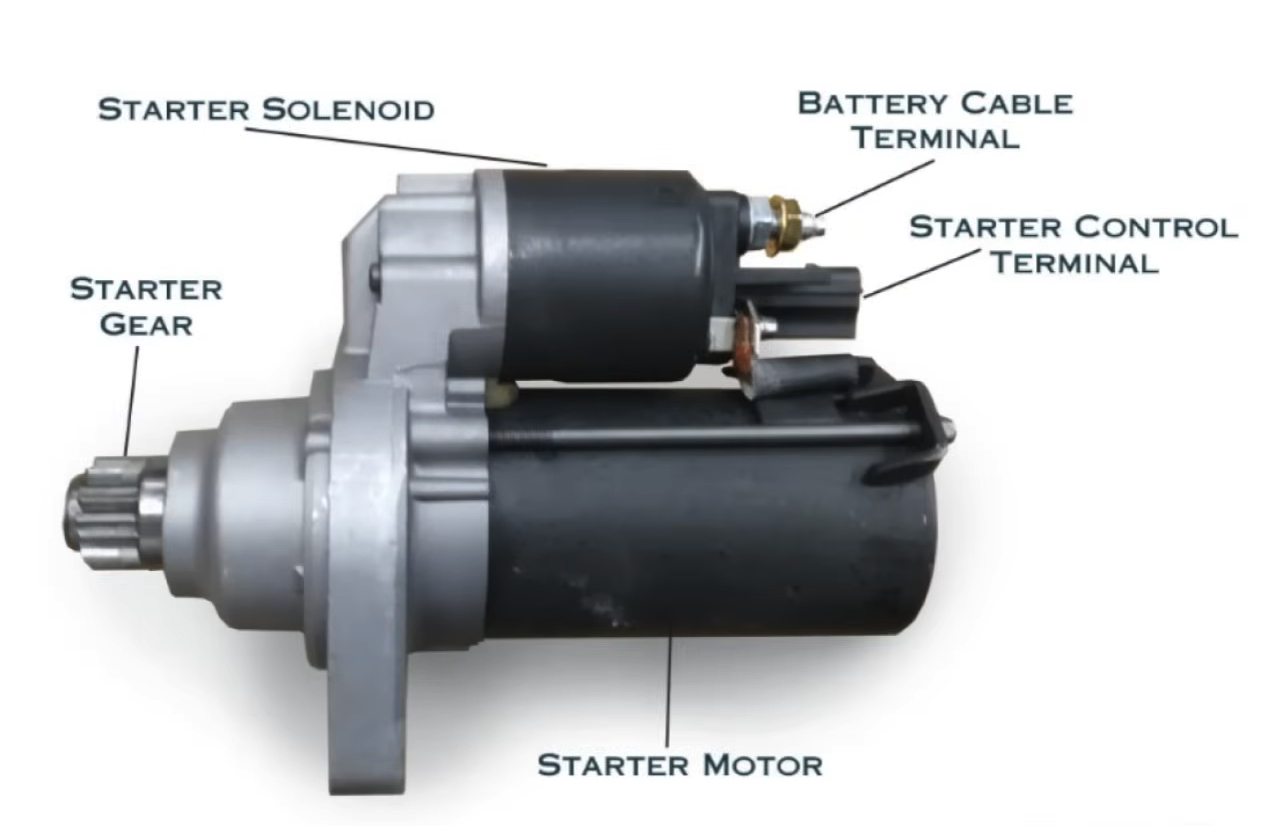
An illustration of a starter motor with callouts for the various parts of the starter.

The starter turns the engine during start-up. Commonly, a failing starter often clicks but cannot crank.

Prevention:

Check the battery first. Inspect wiring for corrosion. Replace the starter at the first sign of trouble.

4. Fuel Pump Failure

Fuel pumps fail when drivers run low on fuel or ignore clogged filters.

Prevention:

Keep the tank above one-quarter full. Replace the fuel filter as the manufacturer recommends.

5. Clogged Fuel Filter

A clogged filter stops fuel flow. Engines then run rough or stall.

Prevention:

Change the fuel filter at scheduled intervals. Use clean and high-quality fuel when possible.

6. Running Out of Fuel

Running out of gas can damage the fuel pump and leave you stranded.

Prevention:

Refill early. Use apps to track nearby gas stations during long drives.

7. Coolant Leaks and Overheating

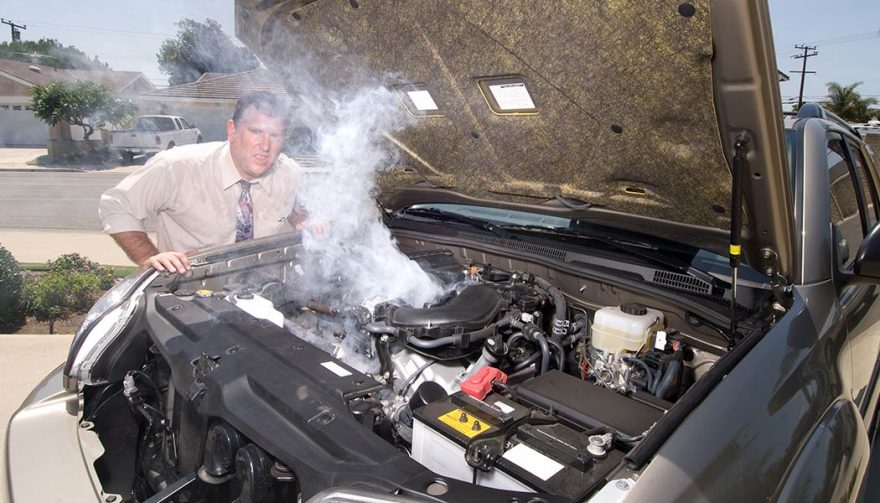
An engine is overheating on the side of the road with steam coming out from under the hood.

Coolant leaks cause engines to overheat. Leaks often come from hoses, radiators, or water pumps.

Prevention:

Check coolant levels monthly. Look for puddles under the car. Replace hoses that feel soft or cracked.

8. Thermostat Failure

A stuck thermostat blocks coolant flow. Engines then overheat quickly.

Prevention:

Have the cooling system inspected once a year. Replace the thermostat at the first sign of overheating.

9. Radiator Fan Failure

Fans cool the radiator during slow driving. A broken fan often causes overheating in traffic.

Prevention:

Test the fan when the car warms up. Replace faulty relays or motors right away.

10. Transmission Failure

Transmission issues stop the car from moving. Low fluid, worn parts, or leaks cause most failures.

Prevention:

Check fluid levels often. Fix leaks fast. Service the transmission as recommended.

At Temecula Auto Repair & Transmission, we specialize in accurate transmission care for all makes and models.

11. Broken Serpentine Belt

This belt powers many systems. However, when it breaks, the engine loses power steering, cooling, and charging.

Prevention:

Inspect belts for cracks or glazing. Replace belts every 60,000 to 90,000 miles.

12. Ignition System Failure

Bad spark plugs, coils, or modules cause misfires or no-start conditions.

Prevention:

Replace spark plugs on time. Check coils when the engine shakes or runs rough.

13. Sensor Failures

Modern engines rely on sensors. Thus, a failed MAF, crank, cam, or oxygen sensor can stop the engine.

Prevention:

Fix check-engine lights early. Have sensors tested during tune-ups. Avoid cheap aftermarket parts.

14. Flat or Blown Tires

Cartoon image of a car with a flat tire.

Tires fail due to low pressure, nails, or worn tread. Blowouts often happen at high speed.

Prevention:

Check tire pressure monthly. Rotate tires regularly. Replace any tire with low or uneven tread.

15. Failed Wheel Bearings

Bad wheel bearings make grinding sounds. If they fail, the wheel can wobble or seize.

Prevention:

Listen for humming or grinding while driving. Have bearings inspected every 50,000 miles.

16. Brake System Failure

Brake failures come from leaks, worn pads, or seized calipers.

Prevention:

Inspect brakes twice a year. Replace pads before they get too thin. Fix leaks immediately.

17. Electrical System Issues

Corroded wires, blown fuses, or bad grounds can shut down key systems.

Prevention:

Keep battery terminals clean. Repair wiring damage caused by heat or rodents.

At our shop, we test electrical systems with professional tools to catch hidden issues early.

18. Timing Belt or Timing Chain Failure

An engine on a bench with its timing cover removed, showing the Timing Belt

A broken timing belt stops the engine. Some engines suffer major damage when this happens.

Prevention:

Replace timing belts on schedule. Listen for rattling noises from timing chains.

19. Low or No Engine Oil

Engines need clean oil. Low oil causes overheating and major internal damage.

Prevention:

Check oil monthly. Fix leaks fast. Change the oil at recommended intervals.

20. Computer (ECM/PCM) Failure

The car’s computer controls ignition, fuel, and sensors. Failure can stop the engine.

Prevention:

Address electrical issues quickly. Use quality parts. Perform routine battery cleaning and maintenance.

How Drivers Can Reduce Breakdown Risk Every Day

Although breakdowns feel sudden, most of them build over time. You can avoid them with simple habits.

Check Fluids Often

Oil, coolant, and transmission fluid protect expensive parts. Even small leaks grow into major repairs.

Listen for New Sounds

Strange sounds warn you early. Grinding, whining, or clicking noises mean you need a check-up.

Watch for Warning Lights

Dashboard lights appear for a reason. Quick action prevents bigger problems.

Maintain Tires

Proper tire care improves safety and fuel economy. It also reduces the chance of flats or blowouts.

Schedule Regular Service

Routine maintenance keeps your car dependable. It also saves money in the long run.

Why Preventative Maintenance Matters

Preventative care helps you avoid stress, towing costs, and major repairs. Also, it protects your engine and transmission. Since you rely on your car every day, it pays to stay ahead of problems. For example, even small actions help your vehicle last longer.

Many breakdowns start with small issues. For instance, a tiny coolant leak turns into overheating. A weak battery becomes a no-start. A worn belt snaps at the worst time. Early care prevents these surprises.

Choose a Shop You Can Trust

At Temecula Auto Repair & Transmission, we help drivers stay safe and avoid breakdowns. Our team serves Temecula, Murrieta, Winchester, French Valley, and nearby areas. We check every car with care. We also focus on clear communication and honest guidance.

You can count on us for:
– Transmission repair and service
– Fuel system and fuel leak repair
– Electrical diagnostics
– Cooling system service
– Brake repair
– Factory-recommended maintenance
– Complete automotive repair for all makes and models

We value quality, trust, and long-term relationships with our clients. Because of this, we prevent problems before they leave you stranded.

Stay Ahead of Breakdowns with Professional Care

Breakdowns cause stress, delays, and high costs. Fortunately, you can prevent most issues with routine service. When you stay proactive, you avoid surprises and gain peace of mind. Every car needs care, but good habits make the difference between a smooth day and a frustrating one.

When you need expert help, Temecula Auto Repair & Transmission is ready to help. We keep your car reliable, safe, and strong.

Frequently Asked Questions

1. What causes most car breakdowns?

Most breakdowns come from simple issues like weak batteries, bad alternators, overheating, or worn belts. Many of these problems start small, but they grow when drivers ignore early warning signs.

2. What can I do to keep my car from breaking down?

You can prevent most breakdowns by checking fluids often, listening for new noises, watching warning lights, and keeping up with routine service. These small habits protect your car and reduce repair costs.

3. Why does my car overheat?

Cars overheat when coolant leaks, fans fail, thermostats stick, or hoses wear out. These problems block coolant flow and make the engine run too hot. Regular cooling-system checks help stop this from happening.

4. How often should I check my car’s battery and charging system?

You should check the battery and charging system at least twice a year. This helps catch weak batteries, bad alternators, or loose connections before they leave you stranded.

5. What are signs that my transmission needs service?

Common signs include slipping, slow shifting, leaking fluid, or strange noises. You should check the transmission fluid often and fix leaks right away. Routine service keeps the transmission in good shape.

6. Why do tires fail so often?

Tires fail when pressure stays low, tread wears out, or sharp objects cause damage. You can prevent most flats by checking tire pressure each month and replacing worn tires early.

A CV (Constant Velosity) Joint on an axle with a torn boot.

CV Axle Repair: Signs, Causes & Replacement Tips

Why Your CV Axle Matters and How to Spot Problems Early

Your CV Axle plays a major role in how your car drives. The CV Axle transfers power from the transmission to the wheels. It also bends as you turn or move over bumps. Because it works so hard, it can wear out over time. Many drivers across the country deal with CV axle issues. Even so, the signs stay the same no matter where you live. Temecula Auto Repair & Transmission helps drivers in Temecula, Murrieta, and nearby areas, yet these tips apply to anyone in the United States.

What a CV Axle Does

A replacement CV Axle Shaft, complete with inner and outer CV Joints.

Your CV axle keeps power moving from the engine to the road. It must flex in several directions. Because of this, it uses CV joints on both ends. These joints move smoothly when they have clean grease and proper seals. However, worn joints can cause serious problems if you ignore them.

Signs Your CV Axle Needs Attention

You can spot CV axle trouble early when you know what to look for. These issues show up in many cars nationwide.

Clicking or Popping When Turning

You may hear clicking when you turn the steering wheel. This often means the joint has worn down. Although the noise may start small, it usually gets worse quickly. Damaged boots can also cause this sound because they let grease leak out. Road debris may tear a boot as well, which leads to even more wear. Therefore, it helps to check the area around the axle if you hear new noises.

Vibration While Driving

Your car may shake when you speed up or turn. Loose parts in the joint can cause this. In addition, missing grease raises friction and increases vibration. A bent axle may also shake because it cannot spin smoothly. You will feel this in the seat, floor, or steering wheel.

Grease Around the Wheel Area

Grease on the inside of your wheel often means a torn boot. Dirty grease on the ground near your tire also signals trouble. Once the grease escapes, dirt enters the joint. Because of that, the joint wears down very fast. You should act quickly when you see any grease outside the boot.

Why CV Axles Fail

Most CV axles fail for common reasons.

Normal driving wears down their moving parts. Boots dry out as they age. They may crack and leak. Since the grease escapes, the joint loses its protection. Dirt then grinds inside the joint and causes more damage.

Road hazards also play a big role. Rocks or branches can strike the boot and tear it open. Once that happens, you may face total joint failure if you wait too long. Many drivers across the country face the same issue, especially those in rough climates.

Why a Full CV Axle Replacement Sometimes Works Best

Left side CV Axle shaft is visible with wheel turned outward.

Technicians often inspect the entire axle to see if it needs replacement. Small issues like a minor boot crack may allow repair. However, if the joint is worn or noisy it’ll likely need a full CV Axle replacement. This protects the rest of your drivetrain and keeps your car safe. Since a bad axle can even break while driving, replacing it early helps prevent emergencies.

How Temecula Auto Repair & Transmission Helps Drivers

Temecula Auto Repair & Transmission serves Temecula, Murrieta, and surrounding areas. Even though we help local drivers in person, the steps we take match what any skilled shop nationwide should follow.

We inspect the boots, joints, and axle housing. Then we test for free play and noise. After that, we explain the issue in clear terms. You understand the repair before we begin. We also install quality replacement parts to ensure a smooth ride.

Why You Should Act Early

Early action always saves you money. Once a joint runs without grease, it wears out fast. Soon, it may fail while you drive. Your car may lose power to one wheel. Because this risk grows with time, you should not wait once symptoms appear.

Related Services to Consider

You may combine CV axle work with other maintenance. For example, a factory scheduled maintenance check helps catch worn boots early. Additionally, a transmission service keeps your drivetrain healthy because the axle connects right to the transmission. Both services help improve your car’s long-term performance.

What You Should Do Next

You can protect your car by getting a quick inspection when you hear new noises or feel vibration. Although these symptoms may seem small, they often point to axle damage. Temecula Auto Repair & Transmission stands ready to help you if you drive in Temecula, Murrieta. Of course, drivers outside our area should visit a reputable shop near them.

Frequently Asked Questions

1. What does a CV axle do?

A CV axle sends power from the transmission to the wheels. It also bends as you steer or drive over bumps. Because it works constantly, it needs clean grease and strong boots to stay in good shape.

An illustration of front suspension with both (right & left) CV Axles circled.

2. What are the most common signs of a bad CV axle?

You may hear clicking while turning. You may also feel vibration during acceleration. Grease around the wheel often signals a torn boot. These issues usually grow worse if you delay repairs.

3. Why does clicking noise happen when I turn?

Clicking often means the joint has worn down. A torn boot can also cause this noise because it lets grease escape. Dirt then enters the joint and increases wear.

4. Why does my car vibrate when I drive?

Loose or worn CV joints often create vibration. Although missing grease also raises friction, it can hide deeper issues. A bent axle can shake as well because it cannot spin evenly.

5. Why would grease appear near my wheel?

Grease outside the boot often means a tear. Once the grease leaks out, dirt enters the joint. The joint then wears down much faster.

6. What causes a CV axle to fail?

Normal wear breaks down joints over time. Boots also dry out and crack as they age. Road debris can tear the boot and expose the joint to dirt and moisture.

7. When should a CV axle be replaced instead of repaired?

A right side CV Axle in motion - turning.

Small boot cracks may allow repair. Worn or noisy joints usually need full replacement. Replacement protects your drivetrain and prevents sudden failure.
8. Why should I act quickly if I notice CV axle symptoms?

Early action reduces repair costs. Once grease leaks out, the joint wears fast. Waiting too long may lead to complete axle failure.

9. How does Temecula Auto Repair & Transmission help with CV axle issues?

The team inspects the boots, joints, and axle. They then explain the problem in simple terms. Temecula and Murrieta drivers receive expert repairs and quality parts.

10. What other services pair well with CV axle repairs?

Factory maintenance checks help catch early boot damage. Transmission service also supports drivetrain health because the axle connects to the transmission.

An Automotive Technician replacing an Oxygen Sensor.
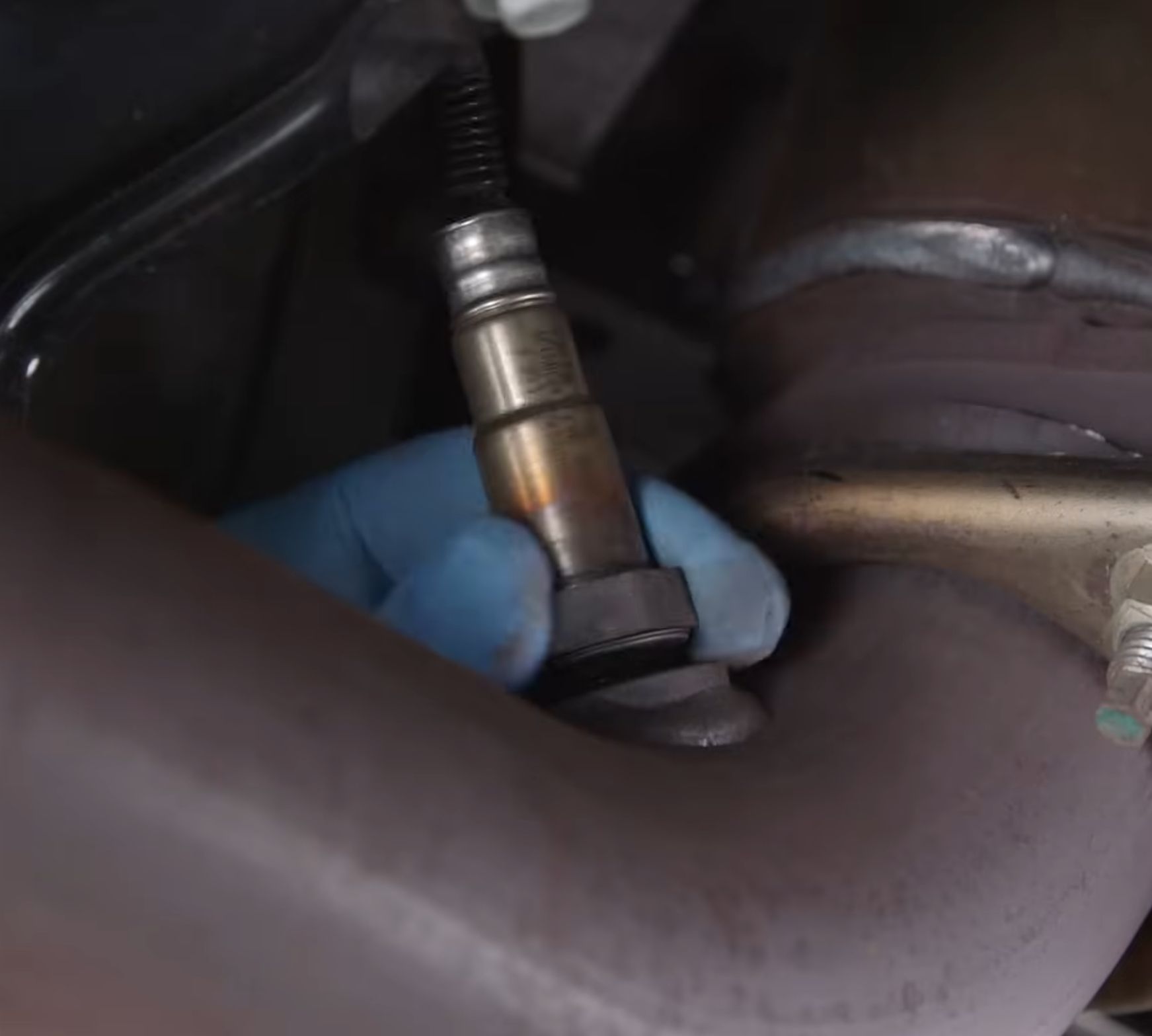
Oxygen Sensor Failure: Signs and Solutions

Understanding Oxygen Sensors: How They Work, Why They Fail, and What Drivers Should Do

Oxygen sensors play a big role in every modern vehicle. Although these small parts seem simple, they guide the engine’s entire fuel system. Because of that, they help the engine run clean and strong. However, they can wear out. When that happens, the engine will not run as it should.

This guide explains how oxygen sensors work, why they fail, what symptoms drivers should watch for, and what actions they can take.

How an Oxygen Sensor Works

First, the oxygen sensor sits inside the exhaust stream. It watches how much oxygen leaves the engine. Then it sends data to the engine computer. As the computer reads this signal, it adjusts fuel levels. Because of this fast adjustment, the engine burns fuel with better balance.

Also, the sensor helps control emissions. Since the sensor reacts many times each second, it helps reduce harmful gases. But the sensor can only do this job when it stays clean and responsive.

Illustration of Upstream and Downstream Oxygen Sensors mounted on each end of a Catalytic Converter.

Why Oxygen Sensors Fail

Over time, heat breaks down the inside parts of the sensor. Additionally, fluid leaks – such as oil, coolant, and fuel additives – can coat and damage the sensor. Once that happens, the sensor can’t read oxygen levels correctly.

Furthermore, wires can break or corrode. When that happens, the sensor signal becomes weak or lost. Although these failures look different, they all lead to the same result. The engine runs with poor balance.

Because exhaust temperatures stay high, sensors wear out faster on vehicles with many miles. Also, short daily trips don’t allow time for moisture to burn off in the exhaust, which damages the sensor over time.

Common Symptoms of Oxygen Sensor Failure

Drivers will notice several signs when their oxygen sensor stops working. Below are the most common symptoms.

Check Engine Light

Vehicle's instrumentation with the Check Engine Light illuminated.

Often, the first sign you’ll receive is an illuminated check engine light. While many issues can turn this light on, oxygen sensor problems appear very often. After the light comes on, the engine computer stores a trouble code. Because of this stored code, a technician can find the exact fault.

Poor Fuel Economy

Next, a failing oxygen sensor hurts fuel economy. When the sensor cannot give accurate data, the computer sends too much or too little fuel. As a result, the engine doesn’t burn fuel as efficiently as designed.

Rough Idle

Also, you may feel an unusual engine shake at idle. Although other issues can cause shaking, oxygen sensor faults appear near the top of the list. Because the fuel mixture becomes unbalanced, the engine struggles to stay smooth.

Hard Acceleration

During acceleration, the engine needs strong and accurate fuel control. When the sensor fails, the engine may hesitate. Therefore, drivers may feel a lag or stumble.

Failed Emissions Test

Illustration - cartoon of a failed emissions test.

Many vehicles fail emissions tests because of weak oxygen sensors. While the engine may still run, the emissions will rise. Since the sensor helps control pollutants, failure leads to more harmful exhaust.

Strong Exhaust Smell

Some drivers also notice a sharp exhaust odor. When the engine runs too rich, extra fuel enters the exhaust. Because the sensor cannot correct the mixture, the smell becomes obvious.

Dark Exhaust Smoke

In some cases, the exhaust may turn darker. Although this symptom shows up less often, it can still signal an oxygen sensor issue.

Why You Should Not Ignore These Symptoms

Even mild symptoms can cause bigger problems over time. For example, a rich mixture allows fuel to reach the catalytic converter. As that fuel burns inside the converter, it can cause severe damage. Since catalytic converters are quite expensive, certainly more costly than an oxygen sensor, quick action saves you money.

Also, dirty exhaust affects the environment. While one broken sensor may not seem like a big deal, it creates more pollution every day. Therefore, fixing the sensor helps both the vehicle and the community.

Because a failing sensor affects fuel economy, drivers spend more money at the pump. Although each fill-up seems small, the extra cost adds up fast.

What Drivers Should Do When Symptoms Appear

Drivers can protect their vehicle by acting early. Below are clear steps to take.

Listen to Early Signs

First, pay attention to the check engine light. Even though the light may not seem urgent, it points to a real issue. Because the sensor affects fuel balance, any delay can create more wear.

Schedule a Professional Diagnostic

Next, schedule a diagnostic test with a trained technician. As the technician reads the stored codes, they can find the source of the problem. While some code readers show basic data, a full test gives more detail. Because oxygen sensor issues can mimic other problems, proper testing matters.

Follow Recommended Repairs

Once the technician finds the cause, follow the repair plan. Since oxygen sensors work as part of a system, many shops check related parts. For example, they inspect wiring, connectors, and exhaust leaks. When these components stay healthy, the new sensor lasts longer.

Use Quality Replacement Parts

A replacement Oxygen Sensor made by General Motors.High-quality oxygen sensors help the engine respond faster and last longer. Although cheap sensors may cost less, they often fail early. Because of that, they create more problems later.
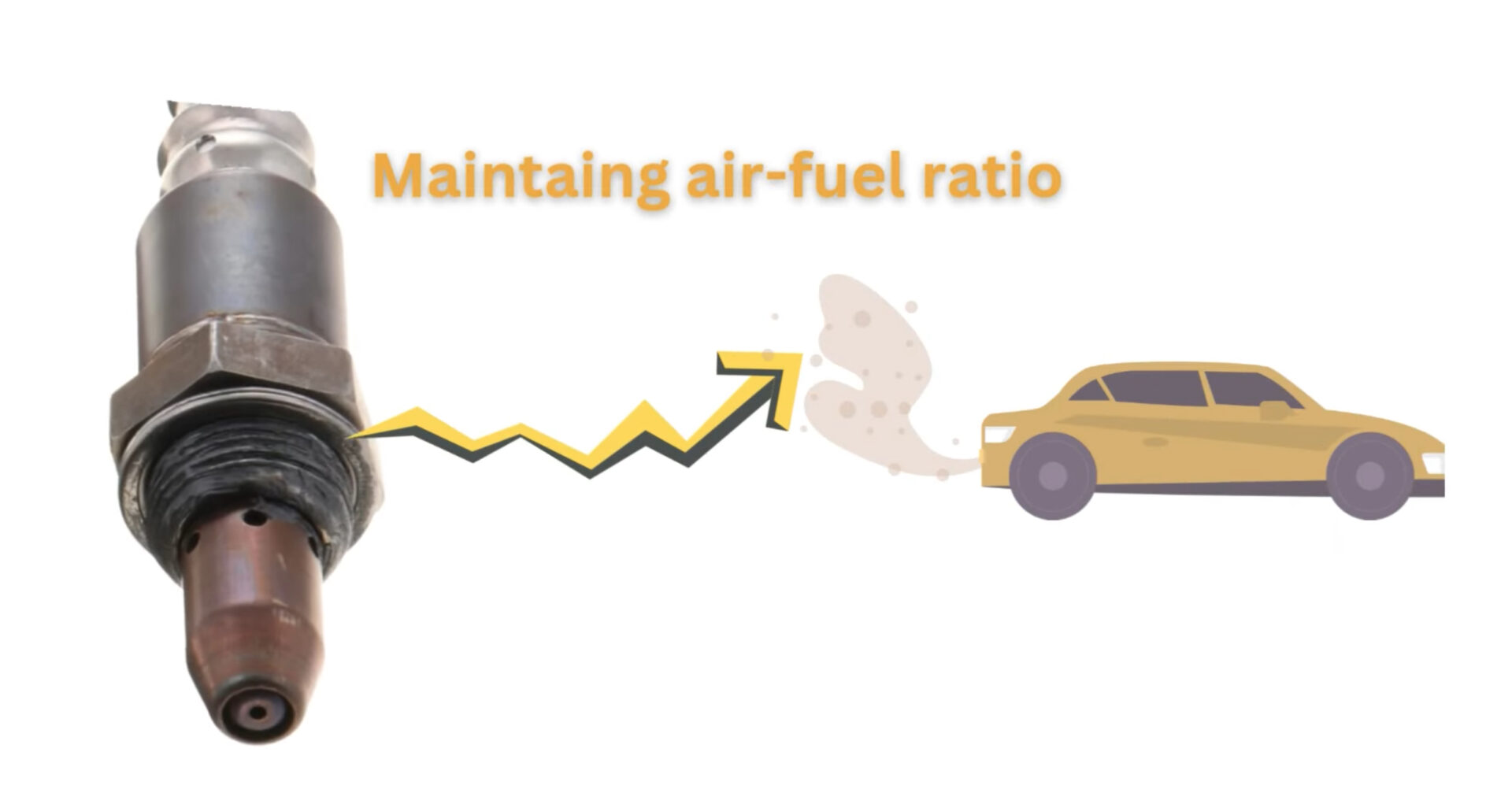
Keep Up With Vehicle Maintenance

Routine maintenance supports the entire fuel system. For instance, fixing oil leaks prevents sensor contamination. Also, replacing air filters helps the engine breathe better, which reduces stress on sensors.

Since many sensors fail due to age and mileage, regular inspections help spot early wear.

How Temecula Auto Repair & Transmission Helps Drivers

Although oxygen sensors look small, replacing them requires skill. Our team uses advanced diagnostic tools to pinpoint issues fast. Because we focus on clear results, we test each sensor before and after replacement.

Additionally, we check wiring, exhaust leaks, and fuel trim values. By doing this, we make sure the repair stays accurate. Also, we use quality parts that match or exceed factory standards.

Since we understand how critical fuel balance is, we make sure each repair protects the engine, the catalytic converter, and fuel economy.

Avoid Bigger Emissions Problems With Quick Action

When drivers handle oxygen sensor issues early, they avoid bigger repairs. While the sensor itself stays affordable, the damage it causes can grow costly. Therefore, taking quick action keeps the engine healthy.

Also, taking care of the repair will ensure your vehicle passes any upcoming emissions test. As clean exhaust leaves the tailpipe, the vehicle stays legal and safe.

Because engines depend on accurate data, the oxygen sensor must stay in good shape. When it fails, drivers feel the effects fast.

Frequently Asked Questions About Oxygen Sensor Failure

1. What does an oxygen sensor do in my vehicle?

Your vehicle’s Oxygen Sensor (O2 sensor) measures the oxygen levels in the exhaust and reports that information to the engine’s computer. This helps regulate the air-fuel ratio, improves fuel efficiency, reduces emissions, and supports smooth engine performance. When the sensor fails, the engine can no longer make proper adjustments, leading to performance issues and higher fuel consumption.

2. What are the common signs of a bad oxygen sensor?

If you’re noticing engine issues, these symptoms of a failing O2 sensor often show up first:
– Check Engine Light triggered or returning
– Poor fuel economy / noticeable drop in MPG
– Rough idle, misfires, or hesitation under acceleration
– Sulfur or “rotten egg” smell from the exhaust
– Higher emissions or a failed smog test
– Reduced power or sluggish acceleration

These issues often point to the need for oxygen sensor diagnostics or replacement.

3. What causes an oxygen sensor to fail?

Oxygen sensors fail for several reasons, including:
– Natural wear over 60,000–100,000 miles
– Oil, coolant, or fuel contamination
– Excessive use of silicone-based products
– Damaged wiring or corroded connectors
– Exhaust leaks that distort sensor readings

Any condition that affects exhaust flow or chemical balance can shorten the life of the sensor.

4. How do you diagnose a bad O2 sensor?

At Temecula Auto Repair & Transmission, we diagnose oxygen sensor problems using:
– OBD-II scan to identify stored or pending trouble codes
– Live data analysis to monitor sensor switching and response time
– Visual inspection of the sensor, wiring, and connector
– Heater circuit testing on sensors equipped with heating elements

This ensures an accurate diagnosis before any repairs are made.

5. What’s the proper fix for a faulty oxygen sensor?

The solution is typically a professional oxygen sensor replacement. We install the correct upstream or downstream sensor for your vehicle, clear all engine codes, and verify proper communication with the engine control module. Quality parts and correct installation prevent repeat issues.

6. Can I drive with a bad oxygen sensor?

While the vehicle may still run, driving with a bad O2 sensor can cause:
– Poor fuel economy
– Rich fuel mixture that damages the catalytic converter
– Rough running conditions
– Failed emissions or smog testing

For long-term reliability and safety, it’s best to schedule **O2 sensor repair** as soon as symptoms appear.

7. How can I prevent future oxygen sensor failure?

To extend the life of your oxygen sensors:
– Use high-quality fuel
– Stay current with routine maintenance
– Repair oil or coolant leaks promptly
– Avoid non–sensor-safe silicone sealants
– Follow manufacturer-recommended service intervals

Regular inspections help catch small issues before they impact the exhaust and emissions system.

Final Thoughts

Illustration of a car and an Oxygen Sensor, with smoke from car's exhaust

Oxygen sensors help the engine run with balance, power, and clean emissions. Although these parts last many miles, they do not last forever. When symptoms appear, quick action protects the engine and wallet.

As drivers learn these signs, they can respond with confidence. With professional diagnostics and quality repairs, the engine returns to smooth and efficient operation.

If your vehicle shows any of the symptoms listed above, our team can help. Since we focus on accurate diagnostics and expert oxygen sensor service, we keep your vehicle running strong.