
Looking for a second opinion on a car repair estimate in Temecula or Murrieta? Temecula Auto Repair & Transmission provides independent vehicle inspections, diagnostic testing, and repair evaluations for drivers who want to verify a diagnosis or better understand recommended repairs before making a costly decision. Whether you’ve received an estimate from a dealership or another repair shop, we can evaluate your vehicle, explain our findings, and provide an estimate for any repairs we recommend.
Getting a second opinion isn’t necessarily about finding someone who will do the work for less. It’s about making sure the diagnosis is accurate, the recommended repairs are necessary, and the estimate reflects the work your vehicle actually needs. Two repair shops may recommend different solutions, but understanding why those recommendations differ can help you make a more informed decision.
Before authorizing an expensive repair, here’s what you should know about getting a second opinion, comparing estimates, and choosing the right approach for your vehicle.
What Should a Detailed Car Repair Estimate Include?
A reliable car repair estimate should do more than list parts, labor, and a total price. It should clearly identify the problem, explain the recommended repairs, and provide enough detail for you to understand what you’re paying for.
The Federal Trade Commission’s guide to auto repair also recommends considering a second opinion for expensive or complicated repairs. The FTC emphasizes the importance of obtaining a written estimate that identifies the problem, necessary parts, and anticipated labor charges before authorizing repairs.
If an estimate contains only a vague description and a dollar amount, it can be difficult to determine whether the recommended work is necessary or compare it with another shop’s findings.
Before authorizing repairs, consider asking these three important questions:
1. What Exactly Is Wrong With My Vehicle, and How Was It Diagnosed?
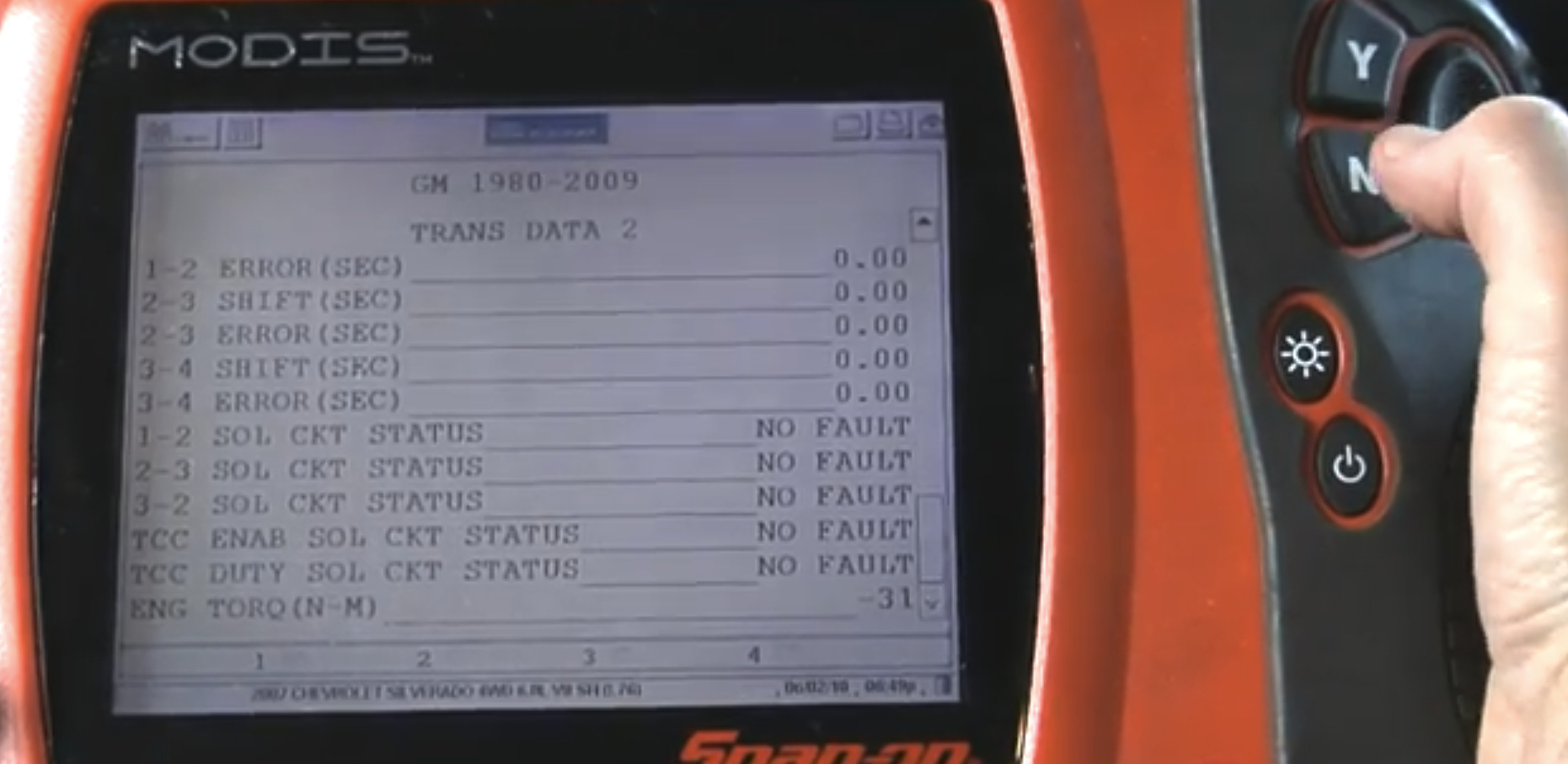
A good diagnosis should be supported by actual findings, not simply a statement that a component has failed.
For example, rather than saying, “Your Water Pump is bad,” a shop should be able to explain that a Cooling System Pressure Test revealed Coolant leaking from the Water Pump.
Understanding how the shop reached its conclusion can help you determine whether the recommendation is based on proper testing or an assumption.
2. What Happens if I Delay the Repair?
Not every recommended repair requires immediate attention. Some problems involve safety concerns or could lead to significant additional damage, while others may allow time for planning and budgeting.
Ask the shop to explain the potential consequences of postponing the repair and whether it considers the work required now or suggested for a future visit.
A trustworthy repair recommendation should clearly communicate the urgency without creating unnecessary pressure.
3. Will This Repair Resolve the Problem, or Could Additional Work Be Necessary?
Some vehicle problems are straightforward to diagnose, while others, particularly intermittent Electrical System faults, can be more complicated.
In certain situations, testing may identify a likely cause without conclusively ruling out every other possibility. The first repair may address the most probable or obvious fault, but additional diagnosis or repairs could remain necessary after the initial repair.
A reputable shop should explain these uncertainties upfront, distinguish confirmed findings from suspected causes, and help you understand the potential costs before you authorize the work.
The bottom line: A detailed estimate, supported by clear diagnostic findings and an explanation of the recommended repairs, makes it easier to compare second opinions and make confident decisions about your vehicle.
When A Second Opinion Is Worth It
When the number is large enough to matter to you. When the explanation did not make sense, and asking did not fix that. When the recommendation appeared during a routine service you came in for for something else. And when your gut says something is off, which is a legitimate reason and does not need justifying.
When It Is Probably Not Worth It
When the repair is small, when you have used the shop for years without a problem, and when the failure is obvious and visible. Paying a second diagnostic fee to confirm a cracked serpentine belt is money spent on reassurance rather than information.
How Does Getting a Second Opinion on a Car Repair Estimate Work?
Getting a second opinion on a car repair estimate should give you greater confidence in the diagnosis, recommended repairs, and costs before you make a decision. At Temecula Auto Repair & Transmission, we take an independent approach to evaluating your vehicle rather than simply accepting or disputing another shop’s findings.
Here’s what you can expect when bringing your vehicle to us for a second opinion.
1. Bring Your Original Repair Estimate and Diagnostic Information
If possible, bring a copy of the original repair estimate, along with any inspection reports, diagnostic findings, or trouble codes provided by the dealership or repair shop. These documents help us understand the original recommendations and the concerns that prompted them.
Also, let us know about any symptoms you’ve experienced, warning lights you’ve noticed, or recent repairs performed on your vehicle. The more information we have, the better we can understand your concerns.
2. Our Technician Independently Evaluates Your Vehicle
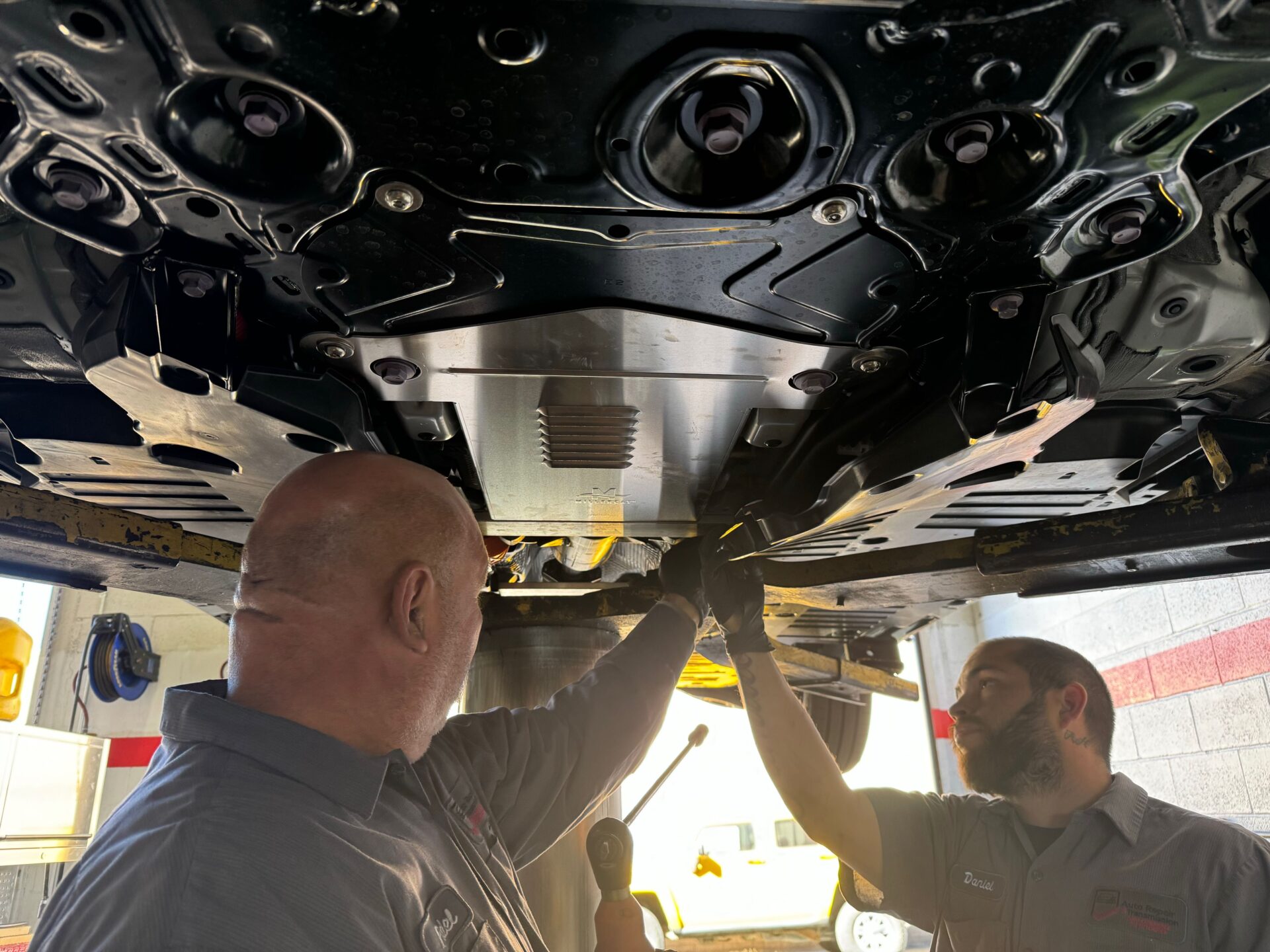
An existing repair estimate provides useful background information, but it doesn’t necessarily confirm that the original diagnosis is correct.
Depending on the concern, our Technician may need to perform an inspection, diagnostic testing, or other evaluations to independently verify the problem and determine what repairs are actually necessary.
For example, a recommendation to replace an expensive component may be appropriate, but confirming the underlying cause can help avoid unnecessary repairs or overlooking a related problem.
Independent diagnostic testing generally involves a charge, and we’ll explain the proposed evaluation and obtain your authorization before proceeding.
3. We Explain Our Findings and Recommendations
Once our Technician completes the authorized evaluation, we’ll review the findings with you in straightforward terms.
We’ll explain whether our findings support the original diagnosis, identify any differences in the recommended repairs, and discuss why those differences matter.
Our goal isn’t to prove another repair shop right or wrong. It’s to provide an objective assessment so you can make an informed decision about your vehicle.
4. You Receive a Repair Estimate Before Authorizing Repairs
If our evaluation identifies necessary repairs, we’ll provide an estimate outlining the recommended work and associated costs.
We’ll also explain the repair options, where applicable, and answer your questions about parts, labor, and warranty coverage.
You remain in control of the decision. We won’t proceed with repairs without your authorization, and getting a second opinion doesn’t obligate you to have us perform the work.
Whether you ultimately choose our shop or another repair facility, you’ll have additional information to help you decide how to proceed with confidence.
Why Do Two Car Repair Estimates Sometimes Differ?
Getting two different estimates for the same vehicle problem can be confusing, especially when the difference amounts to hundreds or even thousands of dollars. However, two repair estimates aren’t necessarily comparing the same work, even when both shops are addressing the same concern.
Several factors can explain why one repair shop recommends a different repair or charges more than another.
Different Diagnostic Findings
Two shops may reach different conclusions about what’s causing a vehicle problem. One Technician might identify a failed component, while another may discover that the underlying issue involves a Wiring Harness, Sensor, or related system.
Sometimes, the difference comes down to how thoroughly each shop tested the vehicle. A recommendation based primarily on a trouble code or visible symptom may differ significantly from one supported by more extensive diagnostic testing.
Before comparing prices, make sure both estimates address the same underlying problem.
Differences in the Scope of Repairs
One estimate may include replacing a single failed component, while another includes additional parts or procedures necessary to complete the repair properly.
For example, a Cooling System repair might involve replacing a leaking Radiator, while another estimate includes deteriorated Hoses, Coolant, and a Cooling System Pressure Test.
Neither estimate is automatically right or wrong. What matters is whether the additional work is justified by the vehicle’s condition and whether the shop clearly explains what’s included.
OEM Versus Aftermarket Replacement Parts
The type and quality of replacement parts can significantly affect repair costs.
Original Equipment Manufacturer (OEM) parts generally meet the vehicle manufacturer’s specifications, while aftermarket parts vary in quality, design, fit, and warranty coverage. Some aftermarket components offer excellent value, while others may not provide the same reliability or performance as the original equipment.
A lower estimate may reflect less expensive replacement parts rather than lower labor charges. Ask each shop what parts it intends to install and why it recommends them.
Labor Costs and Repair Procedures
Labor estimates can differ because shops use different labor rates, estimating guides, repair methods, and procedures.
One repair may also require additional disassembly, specialized equipment, programming, calibration, or testing that another estimate doesn’t include.
For example, replacing certain Steering or Suspension components may require a Wheel Alignment afterward. Likewise, some electronic components require programming or calibration before the vehicle can operate properly.
When comparing estimates, look beyond the hourly labor rate and consider the complete work required.
Warranty Coverage and Repair Quality

Not all repair warranties provide the same protection.
One shop may offer a limited warranty on parts or labor, while another provides longer coverage that includes both. Some warranties apply only at the original repair facility, while others offer nationwide protection.
A more expensive estimate may include higher-quality parts, more comprehensive repair procedures, and stronger warranty coverage. These differences can affect the overall value of the repair long after you leave the shop.
Additional or Related Repairs
During an inspection, a Technician may identify other problems that weren’t included in the original estimate.
Some related repairs may be required to correct the concern or complete the job properly. Others may be suggested maintenance or repairs that can be addressed separately.
For example, while replacing a leaking Water Pump, a Technician might identify a deteriorated Drive Belt or leaking Coolant Hose. Depending on the condition of those components, addressing them during the same repair could prevent additional labor costs later.
However, additional recommendations should have a clear explanation. Ask the shop to distinguish work required to correct the original problem from suggested work that isn’t immediately necessary.
The Lowest Estimate Isn’t Always the Best Value
A lower repair estimate doesn’t automatically mean you’re getting a better deal. Likewise, a higher estimate doesn’t necessarily mean a shop is overcharging.
The important question is what you’re receiving for the price.
Compare the diagnostic findings, parts quality, repair procedures, labor, related work, and warranty coverage. Most importantly, make sure each shop can explain why it recommends the repairs listed on its estimate.
A well-supported second opinion can help you identify meaningful differences, avoid unnecessary repairs, and choose the solution that offers the best overall value for your vehicle.
Get a Second Opinion on Car Repairs in Temecula and Murrieta
Received an expensive repair estimate from a dealership or another repair shop? Before committing to a major repair, let Temecula Auto Repair & Transmission help you make an informed decision.
Conveniently located in Temecula, we provide independent automotive inspections, diagnostic testing, and repair evaluations for drivers throughout Temecula, Murrieta, Winchester, French Valley, and surrounding communities.
Bring your vehicle along with any existing repair estimates or diagnostic reports. Our Technician will independently evaluate your concerns, perform authorized testing as necessary, and identify the underlying cause of the problem. We’ll then explain our findings, discuss any differences from the original recommendations, and provide a detailed estimate for repairs we recommend.
You’ll know what we found, why we recommend the work, and what it will cost before authorizing repairs. Our goal is to help you make a confident decision, not pressure you into unnecessary work.
Ready for a Second Opinion?
Call 951-699-3332 or reserve a convenient time online to have your vehicle evaluated.
Temecula Auto Repair & Transmission
27415 Jefferson Avenue
Temecula, CA 92590
Whether you’re questioning a costly repair, comparing dealership recommendations, or simply looking for greater peace of mind, we’re here to help you understand your options.
Frequently Asked Questions – FAQs
– Can I get a second opinion on a car repair estimate from a dealership?
Yes. An independent repair shop can evaluate a dealership’s findings and recommended repairs.
– Do I have to pay for a second opinion on car repairs?
Independent inspection and diagnostic testing generally involve a fee. The cost depends on the work necessary to verify the concern.
– Can a mechanic give me a second opinion without inspecting my car?
A shop may discuss an existing estimate, but it generally cannot independently verify the diagnosis without evaluating the vehicle.
– What if the second mechanic disagrees with the first diagnosis?
Compare the supporting findings, testing performed, recommended repair scope, and potential consequences before authorizing repairs.
