Is “Lifetime Fluid” Really Lifetime? What Car Manufacturers Don’t Explain
Many drivers hear the phrase “lifetime fluid” and feel relieved. Fewer services sound convenient and affordable. However, this phrase often creates confusion. Because of that confusion, many drivers skip important maintenance. As a result, repair costs increase later. Fortunately, clear information helps protect vehicles.
In this guide, we explain what “lifetime fluid” really means. We also explain why fluid service still matters. Most importantly, we show how prevention saves money.
If you’re located in or near Temecula, Murrieta, Winchester, or French Valley, schedule a reservation with us for professional fluid inspection and exchange services to help protect your vehicle long-term.
What Does “Lifetime Fluid” Actually Mean?
Car manufacturers design vehicles for efficiency and lower ownership costs. Because of that, maintenance schedules appear shorter than in the past. Many manuals list “lifetime” transmission or differential fluid. However, manufacturers rarely define what “lifetime” means. This lack of clarity creates misunderstanding.
In most cases, “lifetime” refers to the warranty period. Usually, that equals 60,000 to 100,000 miles. After that, owners carry responsibility. So, “lifetime” rarely means the life of the vehicle. Instead, it means the life of the warranty.
Why Manufacturers Promote Lifetime Fluids
Manufacturers don’t mislead customers intentionally. Instead, they balance cost, reliability, and marketing goals.
First, fewer services lower advertised ownership costs. This approach attracts buyers. Additionally, simpler schedules improve satisfaction.
Modern fluids also last longer than older formulas. They resist heat and breakdown better. Because of these advances, longer intervals make sense. However, longer does not mean forever. All fluids still degrade over time.
How Automotive Fluids Actually Work
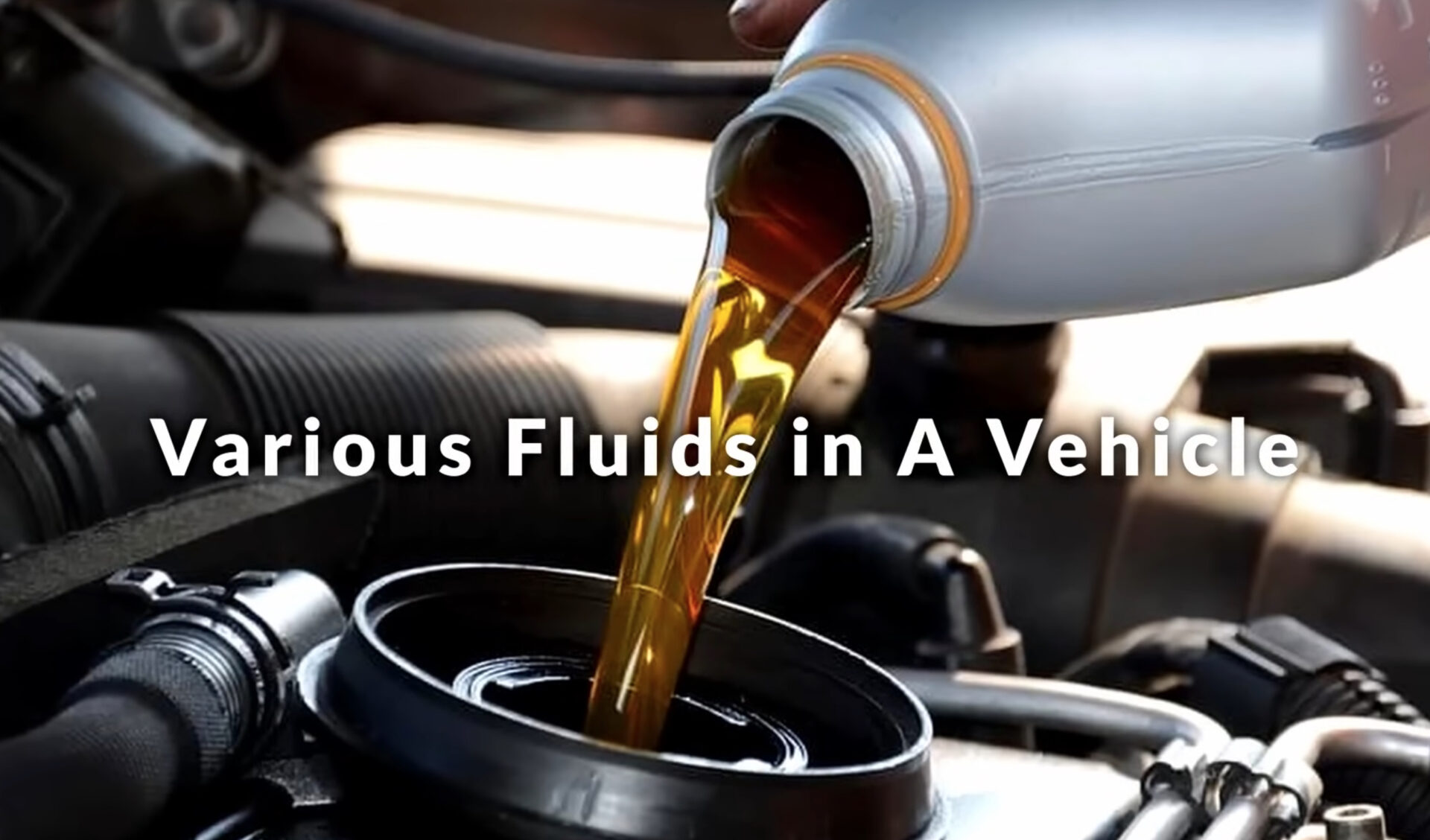
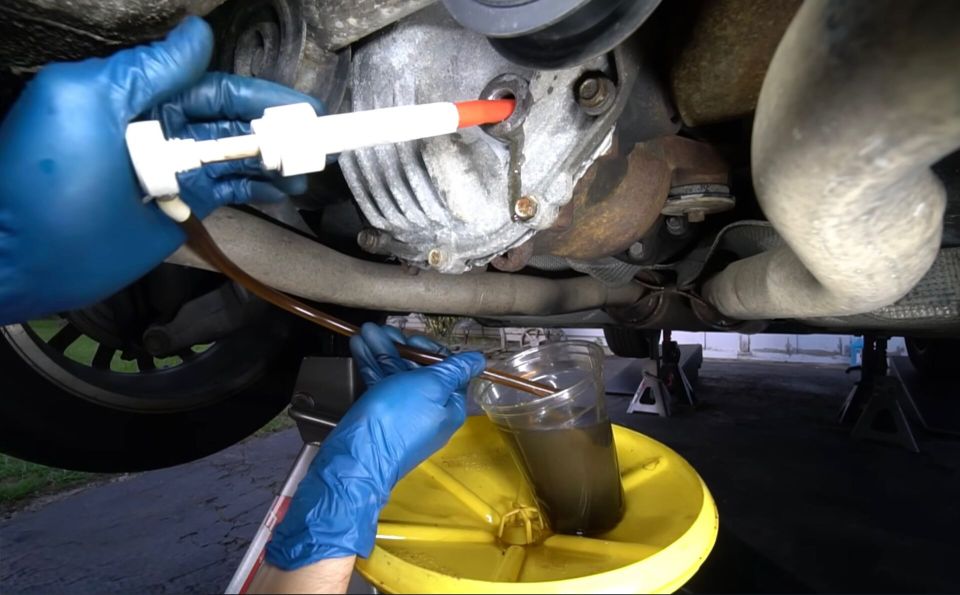
Automotive fluids perform several important jobs. Fluids lubricate parts. They cool components. Also, fluids transfer pressure. For example, transmission fluid controls shifting. Engine oil protects moving parts. Moreover, differential fluid handles heavy loads.
Over time, every fluid degrades. Heat breaks molecules. Friction creates debris. Also, moisture contaminates systems. Eventually, fluid loses strength. Consequently, parts wear faster. This process never stops.
Heat: The Biggest Enemy of All Fluids
Heat destroys automotive fluids faster than mileage. Every temperature increase shortens fluid life. As a result, damage builds quickly.
Southern California heat increases this risk. For example, stop-and-go traffic raises temperatures further. Also, mountain driving adds more stress.
Because we serve Temecula, Murrieta, Winchester, French Valley, and surrounding area we see this daily. Local conditions accelerate fluid breakdown. Therefore, service matters even more.
Transmission Fluid and the Lifetime Myth
Transmission fluid works harder than many drivers realize. It lubricates gears. Also, it controls pressure and manages heat.
Modern transmissions use complex designs. These include CVTs and multi-speed automatics. These systems demand precise fluid performance.
Over time, fluid loses friction control. It also loses cooling ability. As a result, shifting quality suffers.
Without routine transmission fluid services, wear increases quietly. Consequently, slipping may appear. By then, internal damage has begun.
Differential and Transfer Case Fluids
Differentials handle heavy torque loads. Transfer cases manage power distribution. Therefore, both rely on strong lubrication.
Although manufacturers may label these fluids “lifetime,” wear still occurs. For instance, metal particles accumulate. Additionally, heat reduces protection.
Trucks and SUVs work harder than most vehicles. For example, towing increases stress. Moreover, off-road driving adds contamination.
Therefore, fluid service protects expensive components. Small investments prevent large repairs.
Engine Coolant and Long-Life Claims
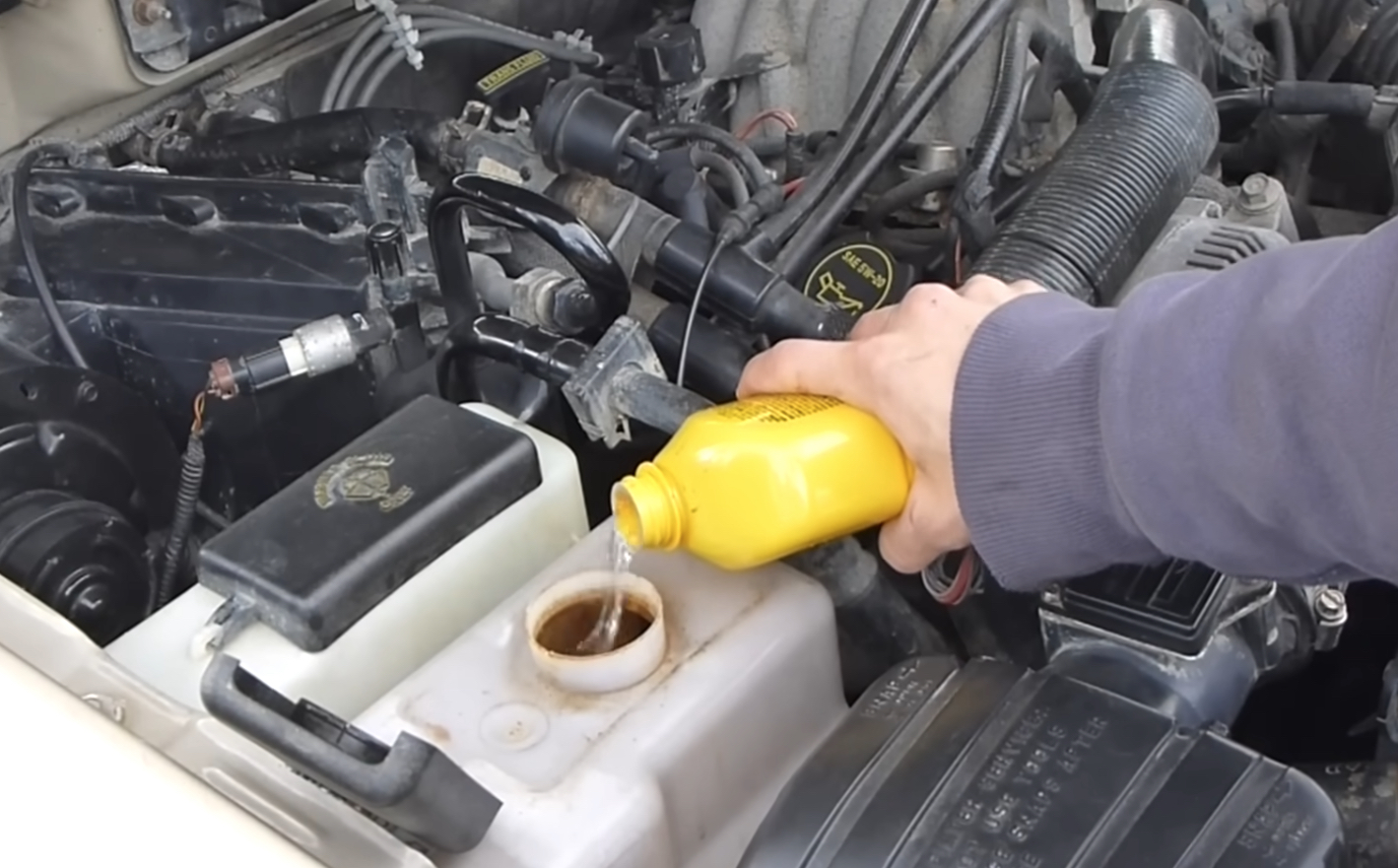
Modern coolants last longer than older types. They resist corrosion and protect aluminum parts. However, additives still deplete over time. Consequently, contaminants still enter systems. Electrical reactions still occur.
Eventually, corrosion begins. Radiators clog. Heater cores fail.
Regular coolant service prevents overheating. Also, it extends engine life.
Power Steering and Brake Fluids
Many drivers forget these fluids. Manufacturers often omit clear service intervals. This creates false security.
Power steering fluid collects debris and moisture. As a result, this damages pumps and racks.
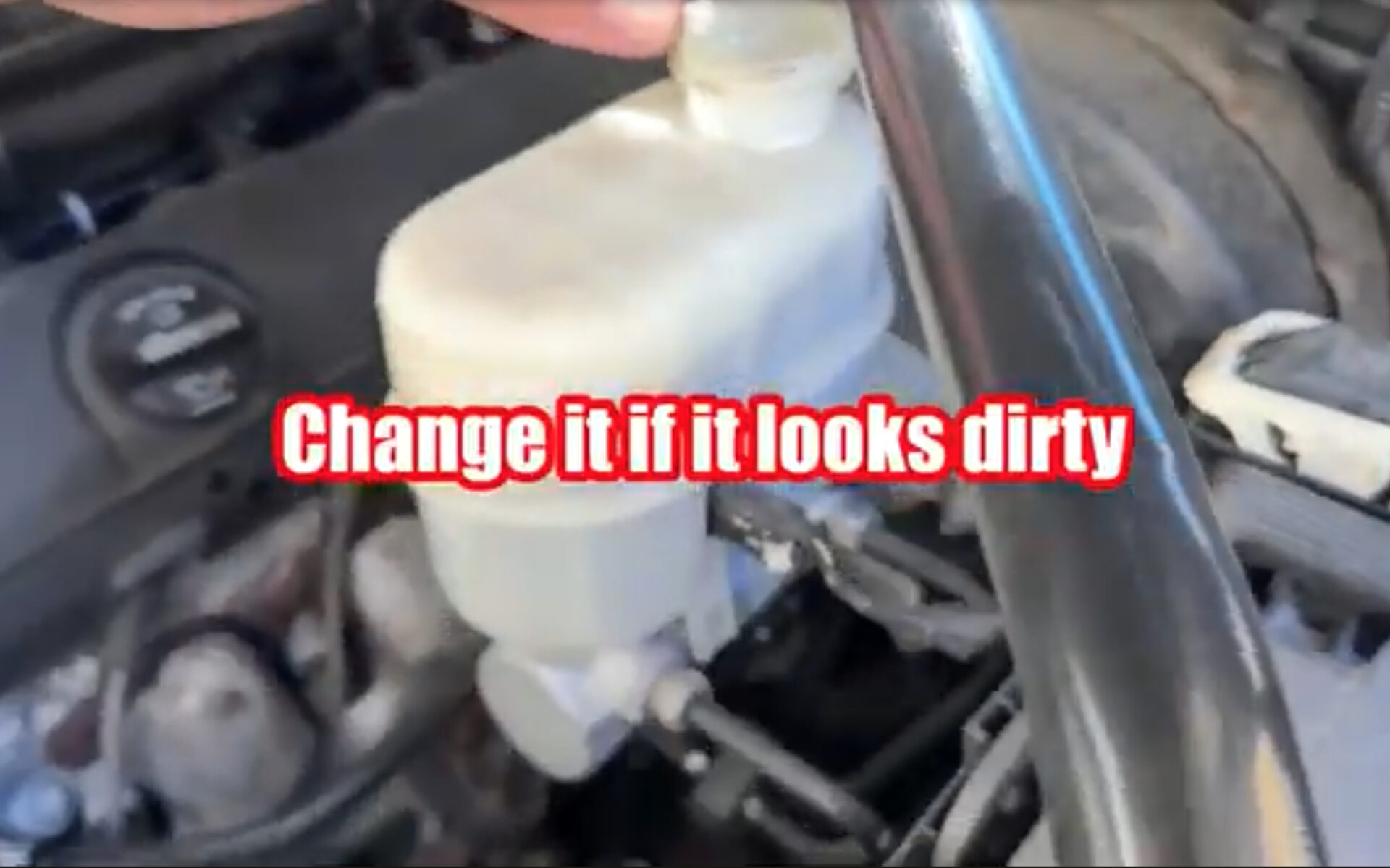
Brake fluid absorbs water continuously. Over time, boiling points drop. Moreover, corrosion forms inside brake systems. Consequently, brake system hydraulic components may fail.
Periodic Brake Fluid Exchange Services improve safety. It also prevents costly hydraulic repairs.
Why Waiting for Symptoms Costs More
Fluid problems rarely show early signs. Most damage starts quietly. Drivers feel nothing at first.
Later, warning lights appear. Noises develop. Performance drops. By that stage, repairs cost more. Options decrease. Downtime increases.
Therefore, proactive service saves money and stress.
How Inspections Support Smart Maintenance
Fluid service should never rely on guesswork. Professional inspections provide accurate information.
Our Technicians check color and smell. Also, we test for contamination. Additionally, we review scan data.
These steps guide proper recommendations. They prevent unnecessary work. Also, proper testing prevents neglect.
Education builds trust. Our transparency builds confidence.
How Often Should Fluids Be Serviced?
No single schedule fits every driver. Driving habits matter. Climate matters. Load matters. However, general guidelines help.
Most transmissions benefit from service every 30,000 to 45,000 miles. Differentials often need service every 40,000 to 60,000 miles. Additionally, coolant usually needs replacement no later than every five years.
Brake fluid often needs service every two years. Power steering varies by design. Thus, periodic inspections will identify condition and refine timing.
Busting the Lifetime Fluid Myth
Manufacturers design vehicles for average conditions. They plan around warranty periods. Vehicle manufacturers will balance cost and performance.
Also, they expect professional oversight. Service centers fill that role.
Therefore, “lifetime fluid” reflects design goals. It does not guarantee lifetime protection. So, understanding this protects owners’ pocketbooks.
Why Local Drivers Need Extra Awareness

Local driving patterns affect fluid life. Heat increases breakdown. Traffic increases stress on lubricated components.
Short trips prevent full warm-up. Moisture builds up. Thus, contamination rises.
Because we serve Temecula, Murrieta, Winchester, and French Valley, we adjust recommendations. We tailor service to real conditions in our local area. This approach improves long-term results.
The True Meaning of Education + Prevention
Education empowers better choices. Prevention reduces major failures.
When drivers understand fluids, fear disappears. Confidence grows. Trust strengthens.
We believe informed clients make better decisions. Therefore, transparency guides our work and suggestions for service(s).
Final Thoughts: Lifetime Fluid Deserves a Second Look
“Lifetime fluid” sounds reassuring. However, reality tells a different story. All fluids wear out.
Fortunately, simple maintenance protects vehicles. Thus, regular inspections guide timing. Targeted service prevents component failure.
If you want long vehicle life, start with fluid care. Schedule inspections before problems appear.
We’ve proudly served Temecula, Murrieta, Winchester, French Valley, and surrounding areas for over a decade. Your vehicle deserves honest guidance. We’re here to help.
Frequently Asked Questions About “Lifetime” Automotive Fluids
1. What does “lifetime fluid” really mean?
“Lifetime fluid” usually means the fluid lasts through the vehicle’s warranty period. It does not mean it lasts for the entire life of the vehicle.
2. Do modern transmission fluids really last longer than older fluids?
Yes, modern fluids last longer than older formulas. However, heat, traffic, and driving conditions still cause them to break down over time.
3. Should I service my transmission if it feels fine?
Yes. Many transmission problems start quietly. Therefore, servicing fluid early helps prevent internal wear and costly repairs.
4. How does heat affect automotive fluids?
Heat breaks down fluid faster. Consequently, hot weather, traffic, towing, and mountain driving all shorten fluid life and increase wear.
5. Which vehicle fluids need regular service besides transmission fluid?
Important fluids include differential fluid, transfer case fluid, engine coolant, brake fluid, and power steering fluid. All of them degrade over time.
6. How often should I have my vehicle fluids inspected?
Most vehicles benefit from annual fluid inspections or checks during routine maintenance. Professional inspections help determine the right service timing.
