


Why Modern Transmissions Fail Earlier Than Older Ones
(And What You Can Do About It)
If you’ve ever heard someone say, “They don’t build cars like they used to,” modern transmissions are a big reason why.
Years ago, automatic transmissions regularly lasted 150,000–200,000 miles with basic maintenance. Today, many modern transmissions experience major issues far earlier – sometimes before 100,000 miles. That doesn’t mean modern vehicles are poorly built. Instead, it means transmissions have changed dramatically, often in ways most drivers never hear explained.
Understanding why modern transmissions fail earlier puts you back in control. More importantly, knowing what you can do about it can save you thousands and help you avoid a breakdown altogether.
Let’s break it down…
How Older Transmissions Were Built to Last
Older automatic transmissions followed a simpler design philosophy:
– Fewer gears (typically 3 or 4)
– Lower internal operating pressures
– Thicker, more forgiving transmission fluids
– Minimal electronics
– Larger internal tolerances
These transmissions didn’t shift as quickly or squeeze every last mile per gallon from the engine. However, they tolerated heat, wear, and missed maintenance far better than today’s designs.
In short, they were overbuilt.
Why Modern Transmissions Are More Fragile
Modern vehicles demand better fuel economy, lower emissions, and smoother performance. To meet those demands, manufacturers redesigned transmissions from the inside out.
While these designs deliver efficiency and performance, they also introduce new weaknesses.
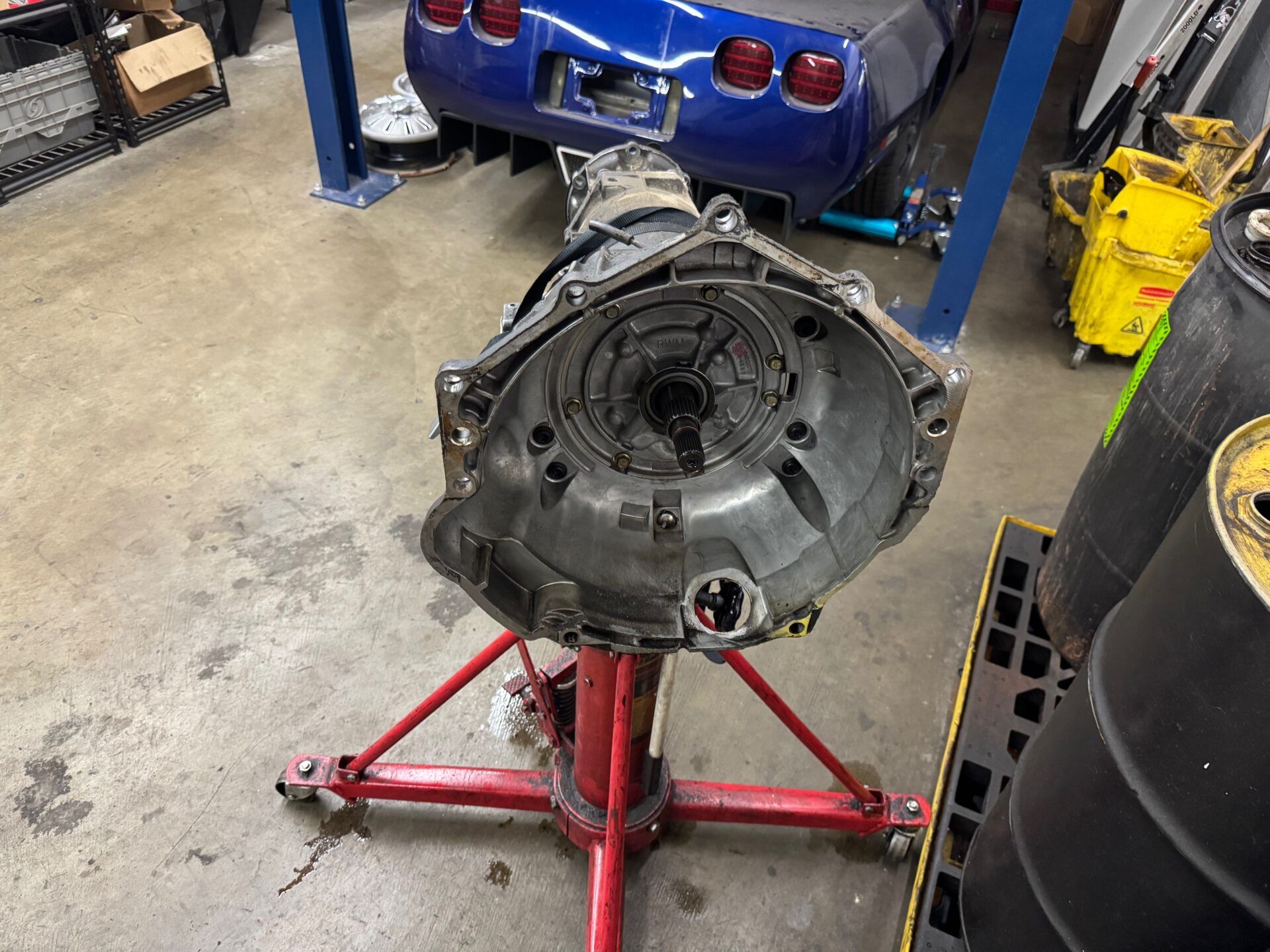
Key reasons modern transmissions fail earlier:
– More gears = more internal components
– Tighter tolerances = less margin for wear
– Higher operating temperatures
– Advanced electronics and solenoids
– Lighter materials focused on efficiency, not longevity
Now let’s look at the biggest culprits…
CVTs: Efficient, Smooth… and Sensitive
Continuously Variable Transmissions (CVTs) don’t use traditional gears. Instead, they rely on belts or chains running between variable pulleys to create infinite gear ratios.
Why manufacturers use CVTs
– Improved fuel economy
– Smooth, seamless acceleration
– Reduced engine strain
Why CVTs Fail Sooner
– The belt or chain experiences constant friction
– Fluid condition matters more than almost any other transmission
– Heat buildup accelerates wear rapidly
– Internal damage often starts quietly, without obvious warning signs
Unlike older automatics, CVTs do not tolerate neglected maintenance. Once internal wear begins, repairs quickly become replacements.
8–10 Speed Automatics: More Gears, More Problems
Modern automatics now use 8, 9, or even 10 gears to keep engines operating at peak efficiency.
The upside…
– Better gas mileage
– Faster, smoother shifting
– Lower engine RPMs at highway speeds
The downside…
– Complex valve bodies
– Dozens of solenoids
– Extremely precise hydraulic pressures
– Greater sensitivity to fluid condition
Each gear change relies on near-perfect fluid pressure and electronic timing. When fluid degrades or varnish forms, shifting issues appear quickly – often as hesitation, harsh shifts, or gear hunting.
More gears mean more opportunities for something to go wrong.
The “Lifetime Fluid” Myth (And Why It’s Costly)

One of the most damaging myths in modern automotive ownership is the idea of “lifetime transmission fluid.”
Let’s be clear:
Transmission fluid is a wear item. Always!
Manufacturers often label fluid as “lifetime” to reduce advertised maintenance costs – not because the fluid never breaks down.
What actually happens to transmission fluid
– Heat breaks down lubricating properties
– Friction material contaminates the fluid
– Moisture accumulates over time
– Fluid loses its ability to control pressure and cooling
Once fluid degrades, internal components wear faster. By the time symptoms appear, internal damage has often already started.
Regular fluid service dramatically extends transmission life – especially on CVTs and multi-speed automatics.
Heat: The Silent Transmission Killer
Heat destroys transmissions faster than mileage.
Modern transmissions run hotter by design, especially in:
– Stop-and-go traffic
– Mountain driving
– Towing
– Hot climates (like Southern California)
As temperature rises, fluid life drops sharply. Even a small increase in operating temperature can cut fluid lifespan in half. Without inspections, overheating often goes unnoticed until slipping or warning lights appear – usually far too late.
Transmission Electronics: Helpful, Until They Aren’t
Modern transmissions rely heavily on:
– Sensors
– Solenoids
– Control modules
– Adaptive learning software
While these systems improve drivability, they also introduce new failure points. A single faulty solenoid or corrupted adaptation value can mimic major mechanical failure.
The good news? Not every transmission problem requires a replacement. Early diagnostics and inspections often uncover correctable issues – before internal damage spreads.
Why Waiting for Transmission Symptoms Is a Risky Strategy
Many drivers wait until they notice:
-Slipping
– Delayed engagement
– Hard shifts
– Warning lights
Unfortunately, these symptoms often appear after internal wear has already progressed. Modern transmissions rarely fail all at once. Instead, they degrade quietly. Catching problems early can mean the difference between:
A fluid service or minor repair vs. a full transmission replacement…
What You Can Do to Protect Your Transmission

You don’t need to be a transmission expert. You just need a proactive approach.
1. Schedule Transmission Inspections – Not Just Repairs
A professional inspection checks:
– Fluid condition and level
– Scan data and adaptation values
– Shift quality under load
– Early warning codes
– Cooling system performance
This allows us to spot problems before failure begins.
2. Service Fluid Based on Reality, Not Marketing
Forget “lifetime.” Instead:
– CVTs often need service every 30k–60k miles
– Multi-speed automatics typically benefit from earlier intervals than advertised
– Driving conditions matter more than mileage alone
3. Address Minor Symptoms Immediately
Small issues escalate fast in modern transmissions. Delays increase damage and cost.
4. Use the Correct Transmission Fluid – Always
Modern transmissions require exact fluid specifications. The wrong fluid causes pressure problems, overheating, and premature wear.
Education + Prevention = Trust (And Savings)
We believe transparency builds trust. Modern transmissions aren’t bad – they’re just less forgiving. With the right inspections and maintenance strategy, many can last just as long as older designs.
The key is not waiting for failure. A transmission inspection before problems start gives you clarity, options, and peace of mind.
FAQs: Modern Transmission Concerns
1. Are CVTs less reliable than traditional automatics?
Not inherently, but they are more sensitive. CVTs demand proper fluid service and temperature control. Neglect shortens their lifespan significantly.
2. Is “lifetime transmission fluid” ever truly lifetime?
No. Fluid degrades due to heat, friction, and contamination. “Lifetime” usually refers to the warranty period – not the life of the vehicle.
3. Can a transmission inspection really prevent failure?
Yes. Inspections often identify fluid breakdown, cooling issues, or electronic faults before mechanical damage occurs.
4. Should I service my transmission even if it feels fine?
Absolutely. Many failures begin silently. Waiting for symptoms usually means internal wear has already started.
5. Are 8–10 speed transmissions bad designs?
No. They’re efficient and high-performing but require proactive maintenance. Complexity demands attention.
Final Thought: Don’t Wait for a Transmission Breakdown
Modern transmissions reward informed owners. A little education and prevention go a long way.
If you want to extend the life of your transmission, avoid surprise failures, and make confident decisions, a professional transmission inspection is the smartest place to start.
Schedule a reservation before failure – not after.
