


Top 20 Reasons Cars Break Down and How Drivers Can Prevent Them
Car trouble can ruin any day. Breakdowns often happen at the worst time and place. However, many problems start small but grow when drivers wait too long. Thus, you can prevent most breakdowns with simple checks and routine care. This guide explains the top 20 reasons cars break down and how you can avoid each one. Also, it helps you stay safe on the road, reduce repair costs, and protect your car for years.
1. Weak or Dead Battery
A weak battery remains the most common reason for breakdowns. Incidentally, batteries lose strength with age, heat, and short trips.
Prevention:
Check battery health twice a year. Clean corrosion from terminals. Replace the battery every four to five years.
2. Alternator Failure
An alternator charges the battery as you drive. Therefore, when it fails, the car loses power fast.
Prevention:
Listen for whining sounds. Watch for dimming lights. Have the charging system tested during oil changes.
3. Starter Motor Failure
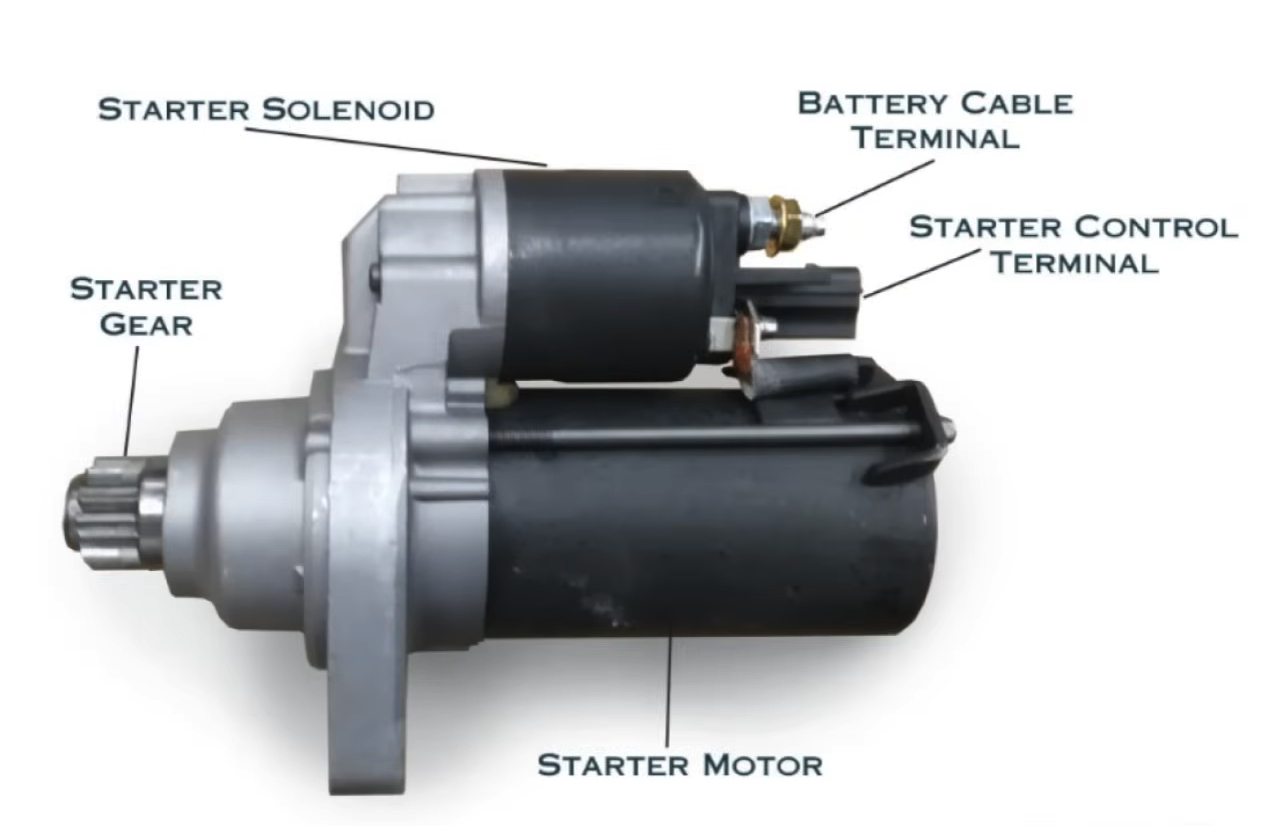
The starter turns the engine during start-up. Commonly, a failing starter often clicks but cannot crank.
Prevention:
Check the battery first. Inspect wiring for corrosion. Replace the starter at the first sign of trouble.
4. Fuel Pump Failure
Fuel pumps fail when drivers run low on fuel or ignore clogged filters.
Prevention:
Keep the tank above one-quarter full. Replace the fuel filter as the manufacturer recommends.
5. Clogged Fuel Filter
A clogged filter stops fuel flow. Engines then run rough or stall.
Prevention:
Change the fuel filter at scheduled intervals. Use clean and high-quality fuel when possible.
6. Running Out of Fuel
Running out of gas can damage the fuel pump and leave you stranded.
Prevention:
Refill early. Use apps to track nearby gas stations during long drives.
7. Coolant Leaks and Overheating
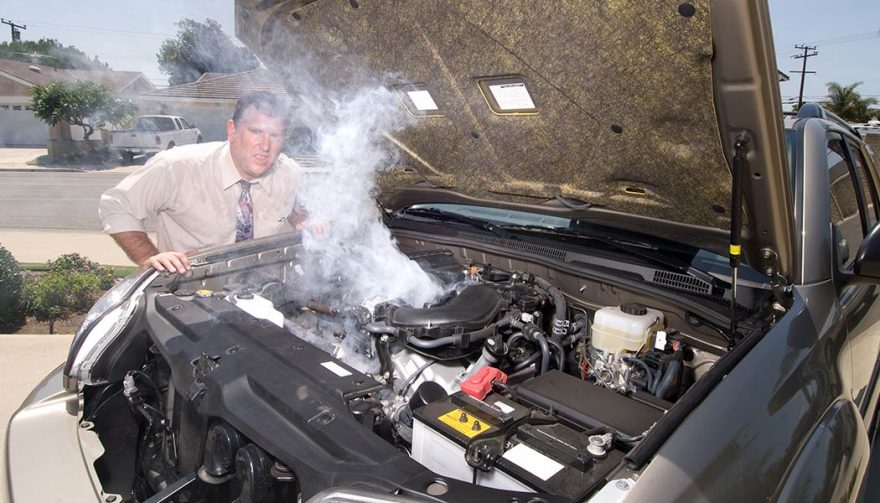
Coolant leaks cause engines to overheat. Leaks often come from hoses, radiators, or water pumps.
Prevention:
Check coolant levels monthly. Look for puddles under the car. Replace hoses that feel soft or cracked.
8. Thermostat Failure
A stuck thermostat blocks coolant flow. Engines then overheat quickly.
Prevention:
Have the cooling system inspected once a year. Replace the thermostat at the first sign of overheating.
9. Radiator Fan Failure
Fans cool the radiator during slow driving. A broken fan often causes overheating in traffic.
Prevention:
Test the fan when the car warms up. Replace faulty relays or motors right away.
10. Transmission Failure
Transmission issues stop the car from moving. Low fluid, worn parts, or leaks cause most failures.
Prevention:
Check fluid levels often. Fix leaks fast. Service the transmission as recommended.
At Temecula Auto Repair & Transmission, we specialize in accurate transmission care for all makes and models.
11. Broken Serpentine Belt
This belt powers many systems. However, when it breaks, the engine loses power steering, cooling, and charging.
Prevention:
Inspect belts for cracks or glazing. Replace belts every 60,000 to 90,000 miles.
12. Ignition System Failure
Bad spark plugs, coils, or modules cause misfires or no-start conditions.
Prevention:
Replace spark plugs on time. Check coils when the engine shakes or runs rough.
13. Sensor Failures
Modern engines rely on sensors. Thus, a failed MAF, crank, cam, or oxygen sensor can stop the engine.
Prevention:
Fix check-engine lights early. Have sensors tested during tune-ups. Avoid cheap aftermarket parts.
14. Flat or Blown Tires
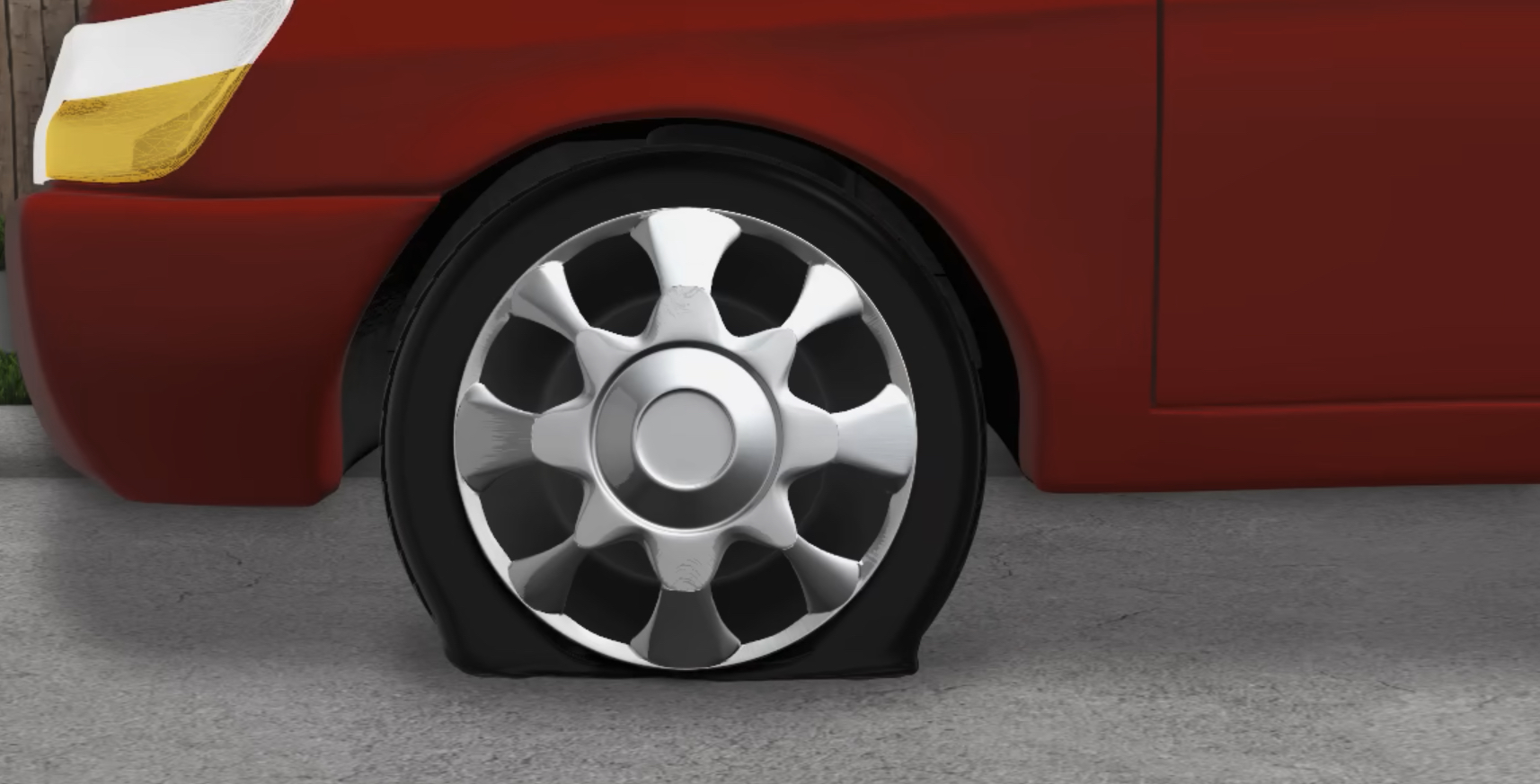
Tires fail due to low pressure, nails, or worn tread. Blowouts often happen at high speed.
Prevention:
Check tire pressure monthly. Rotate tires regularly. Replace any tire with low or uneven tread.
15. Failed Wheel Bearings
Bad wheel bearings make grinding sounds. If they fail, the wheel can wobble or seize.
Prevention:
Listen for humming or grinding while driving. Have bearings inspected every 50,000 miles.
16. Brake System Failure
Brake failures come from leaks, worn pads, or seized calipers.
Prevention:
Inspect brakes twice a year. Replace pads before they get too thin. Fix leaks immediately.
17. Electrical System Issues
Corroded wires, blown fuses, or bad grounds can shut down key systems.
Prevention:
Keep battery terminals clean. Repair wiring damage caused by heat or rodents.
At our shop, we test electrical systems with professional tools to catch hidden issues early.
18. Timing Belt or Timing Chain Failure
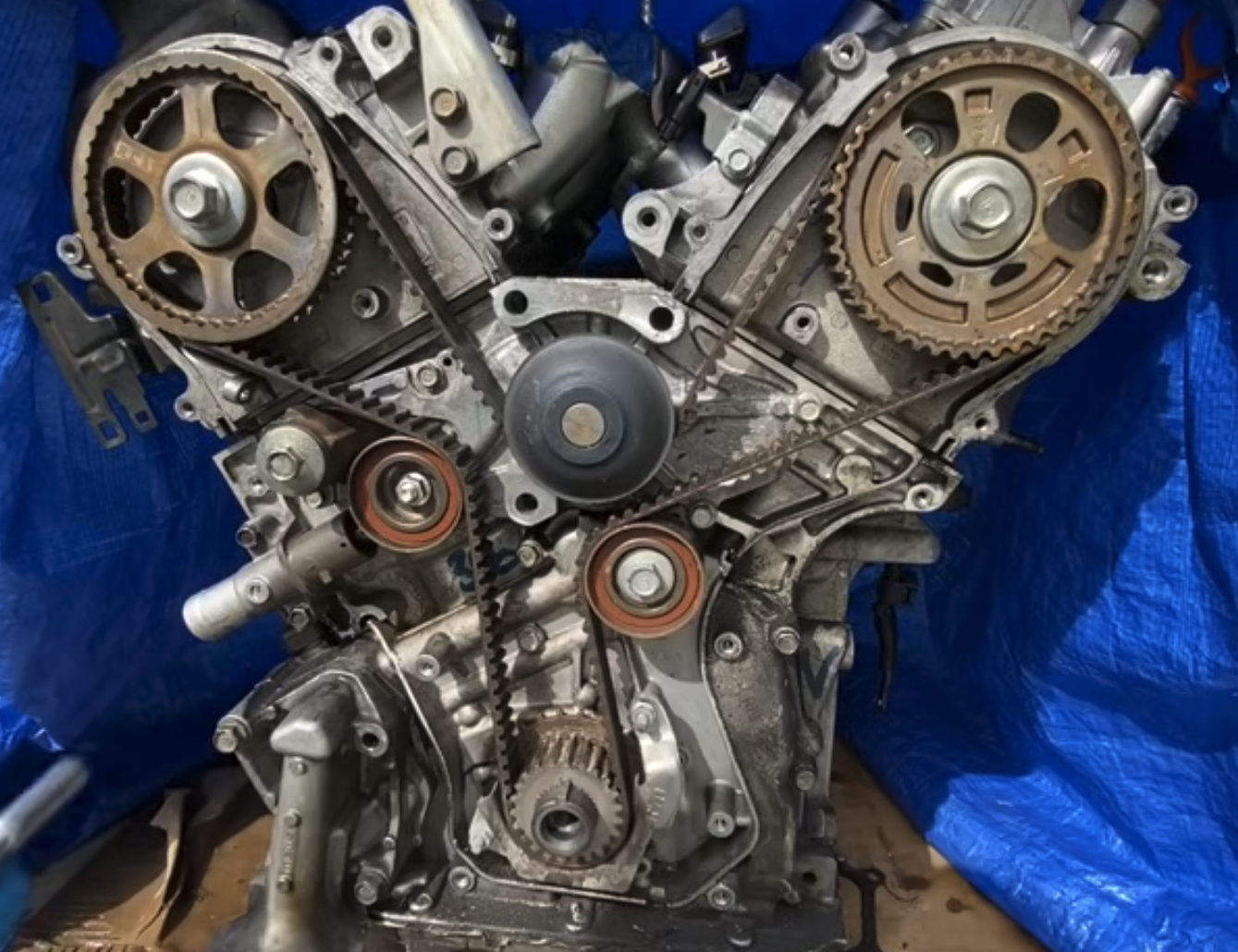
A broken timing belt stops the engine. Some engines suffer major damage when this happens.
Prevention:
Replace timing belts on schedule. Listen for rattling noises from timing chains.
19. Low or No Engine Oil
Engines need clean oil. Low oil causes overheating and major internal damage.
Prevention:
Check oil monthly. Fix leaks fast. Change the oil at recommended intervals.
20. Computer (ECM/PCM) Failure
The car’s computer controls ignition, fuel, and sensors. Failure can stop the engine.
Prevention:
Address electrical issues quickly. Use quality parts. Perform routine battery cleaning and maintenance.
How Drivers Can Reduce Breakdown Risk Every Day
Although breakdowns feel sudden, most of them build over time. You can avoid them with simple habits.
Check Fluids Often
Oil, coolant, and transmission fluid protect expensive parts. Even small leaks grow into major repairs.
Listen for New Sounds
Strange sounds warn you early. Grinding, whining, or clicking noises mean you need a check-up.
Watch for Warning Lights
Dashboard lights appear for a reason. Quick action prevents bigger problems.
Maintain Tires
Proper tire care improves safety and fuel economy. It also reduces the chance of flats or blowouts.
Schedule Regular Service
Routine maintenance keeps your car dependable. It also saves money in the long run.
Why Preventative Maintenance Matters
Preventative care helps you avoid stress, towing costs, and major repairs. Also, it protects your engine and transmission. Since you rely on your car every day, it pays to stay ahead of problems. For example, even small actions help your vehicle last longer.
Many breakdowns start with small issues. For instance, a tiny coolant leak turns into overheating. A weak battery becomes a no-start. A worn belt snaps at the worst time. Early care prevents these surprises.
Choose a Shop You Can Trust
At Temecula Auto Repair & Transmission, we help drivers stay safe and avoid breakdowns. Our team serves Temecula, Murrieta, Winchester, French Valley, and nearby areas. We check every car with care. We also focus on clear communication and honest guidance.
You can count on us for:
– Transmission repair and service
– Fuel system and fuel leak repair
– Electrical diagnostics
– Cooling system service
– Brake repair
– Factory-recommended maintenance
– Complete automotive repair for all makes and models
We value quality, trust, and long-term relationships with our clients. Because of this, we prevent problems before they leave you stranded.
Stay Ahead of Breakdowns with Professional Care
Breakdowns cause stress, delays, and high costs. Fortunately, you can prevent most issues with routine service. When you stay proactive, you avoid surprises and gain peace of mind. Every car needs care, but good habits make the difference between a smooth day and a frustrating one.
When you need expert help, Temecula Auto Repair & Transmission is ready to help. We keep your car reliable, safe, and strong.
Frequently Asked Questions
1. What causes most car breakdowns?
Most breakdowns come from simple issues like weak batteries, bad alternators, overheating, or worn belts. Many of these problems start small, but they grow when drivers ignore early warning signs.
2. What can I do to keep my car from breaking down?
You can prevent most breakdowns by checking fluids often, listening for new noises, watching warning lights, and keeping up with routine service. These small habits protect your car and reduce repair costs.
3. Why does my car overheat?
Cars overheat when coolant leaks, fans fail, thermostats stick, or hoses wear out. These problems block coolant flow and make the engine run too hot. Regular cooling-system checks help stop this from happening.
4. How often should I check my car’s battery and charging system?
You should check the battery and charging system at least twice a year. This helps catch weak batteries, bad alternators, or loose connections before they leave you stranded.
5. What are signs that my transmission needs service?
Common signs include slipping, slow shifting, leaking fluid, or strange noises. You should check the transmission fluid often and fix leaks right away. Routine service keeps the transmission in good shape.
6. Why do tires fail so often?
Tires fail when pressure stays low, tread wears out, or sharp objects cause damage. You can prevent most flats by checking tire pressure each month and replacing worn tires early.
