


The Real Costs and Consequences of Ignoring Your Check Engine Light
Few dashboard lights create more uncertainty than the Check Engine Light. Sometimes it appears suddenly during normal driving. Other times it turns on without obvious symptoms.
Because the vehicle still runs normally, many drivers delay inspection. However, that small light often signals early system problems. Fortunately, early action usually prevents larger repairs.
Most drivers do not realize how many systems connect to this warning. Modern vehicles rely on sensors, computers, and precise adjustments. Therefore, even small faults affect performance and reliability.
We believe education builds trust and confidence. Understanding the real consequences helps drivers make informed decisions. We proudly serve Temecula, Murrieta, Winchester, French Valley, and surrounding areas.
Why the Check Engine Light Exists
Your vehicle constantly monitors engine and emission performance. Sensors measure temperature, airflow, pressure, and combustion efficiency. The Engine Control Module evaluates this information continuously.
When readings fall outside normal limits, the warning light activates. This system protects both performance and emissions compliance. It also helps prevent damage.
Sometimes the issue’s minor. However, small issues rarely resolve on their own. Because of that, early inspection protects your vehicle.
Drivers should view this light as an early warning system. It gives you time to act before damage occurs. That advantage helps reduce repair costs significantly.
Increased Fuel Consumption and Operating Costs
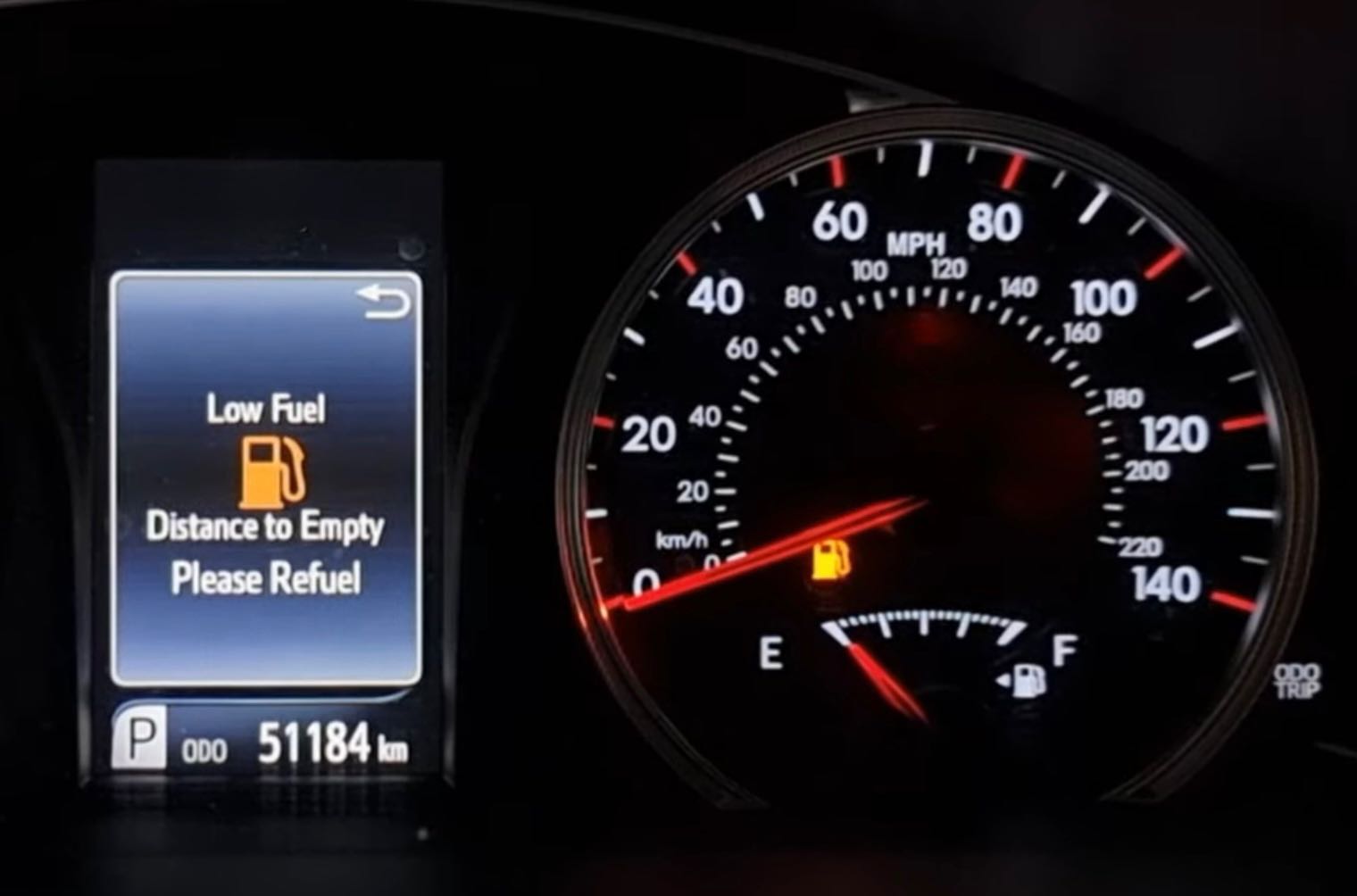
One of the earliest consequences involves reduced fuel efficiency. Engine problems disrupt proper fuel and air balance. As a result, combustion becomes less efficient.
When efficiency drops, fuel consumption increases. Drivers visit gas stations more frequently. Over time, fuel costs rise substantially.
Even small efficiency losses create noticeable expenses. Drivers may spend hundreds more annually. Therefore, early repair protects your budget.
Fixing the problem restores normal efficiency. Fuel economy improves immediately afterward. Preventive service saves money long-term.
Minor Issues Often Escalate Into Major Repairs
Many Check Engine Light causes start small. However, continued driving allows problems to worsen. Heat and friction accelerate damage.
For example, a faulty ignition coil causes incomplete combustion. Unburned fuel enters the exhaust system. This condition damages other components.
Similarly, sensor failures disrupt engine timing and fuel delivery. Over time, improper operation increases wear. Eventually, expensive repairs become necessary.
Early diagnosis prevents escalation. Simple repairs remain affordable. Proactive care protects your vehicle investment.
Catalytic Converter Damage and Replacement Costs
The Catalytic Converter controls harmful emissions. It converts dangerous gases into safer ones. This component operates under extreme temperatures.
When engine problems exist, unburned fuel enters the converter. That fuel creates excessive heat. Internal materials begin breaking down.
Eventually, the converter fails completely. Replacement costs often exceed early repair costs. Therefore, early diagnosis protects this expensive component.
Fixing engine issues protects converter health. Preventive care avoids unnecessary replacement. Timely inspection saves significant expense.
Reduced Engine Power and Driving Performance
Drivers often notice performance changes gradually. Acceleration may feel weaker than normal. Engine response may feel slower.
Fuel delivery and ignition timing affect power output. Faulty components disrupt this balance. Consequently, engine efficiency decreases.
Drivers may struggle during merging or acceleration. This situation creates frustration and inconvenience. Driving enjoyment decreases.
Proper diagnosis restores normal performance. Engine response improves quickly. Drivers regain confidence behind the wheel.
Increased Emissions and Failed Smog Inspections
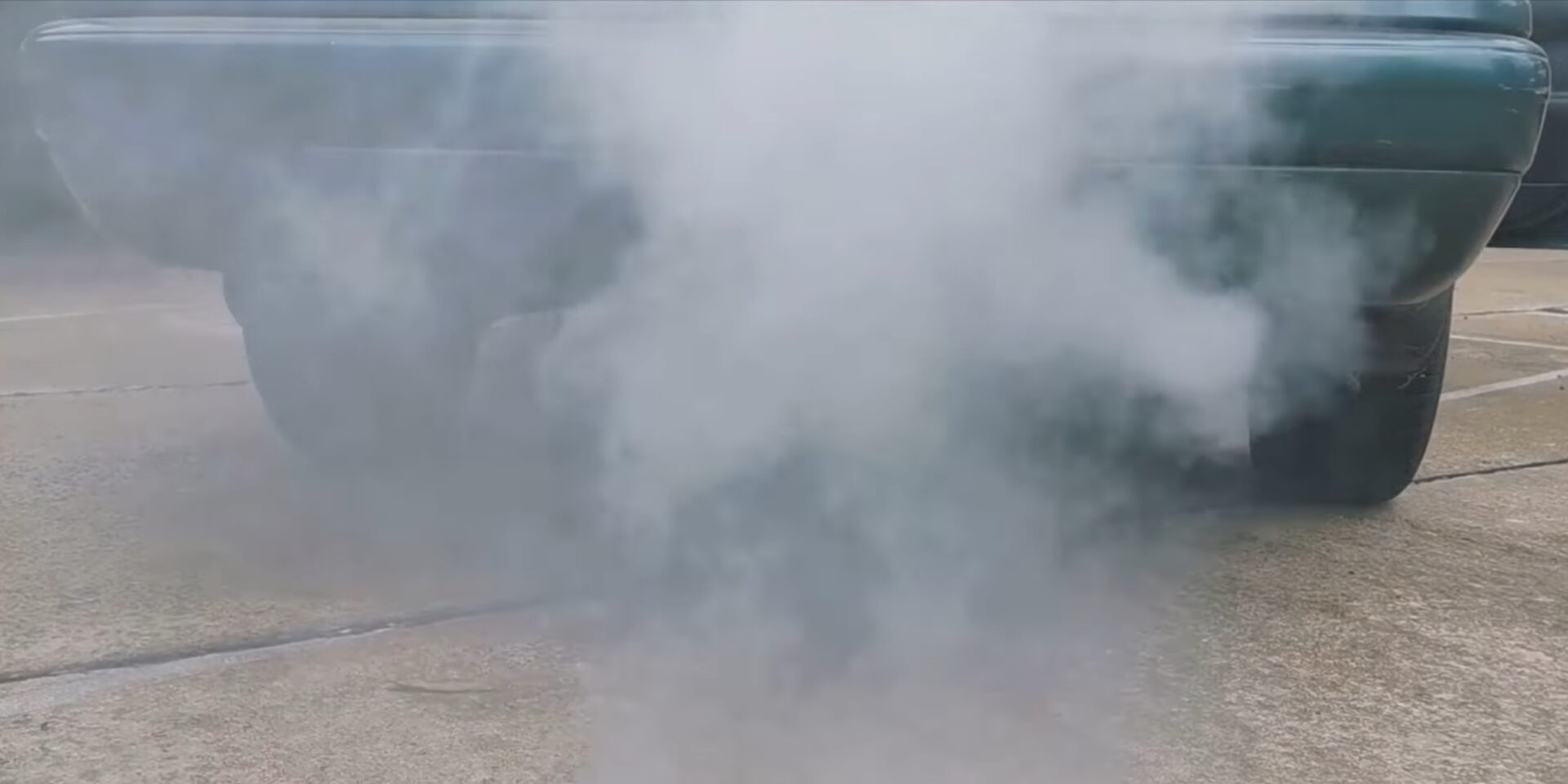
Emission systems protect air quality. Proper engine operation minimizes harmful pollutants. However, engine problems increase emissions.
Incomplete combustion produces excess pollutants. Emission control systems cannot compensate fully. Consequently, emission levels rise.
Vehicles may fail required emissions tests. This prevents registration renewal. Owners face inconvenience and repair costs.
Fixing problems restores proper emissions control. Vehicles pass inspections successfully. Compliance protects both drivers and the environment.
Unexpected Breakdowns and Reliability Issues
Ignoring warning lights increases breakdown risk. Minor faults often worsen suddenly. Unexpected failure becomes more likely. Breakdowns rarely occur at convenient times. Drivers may become stranded unexpectedly. Daily routines face disruption.
Repair delays increase stress. Transportation problems affect schedules. Unexpected downtime creates frustration. Early inspection improves reliability. Preventive care reduces failure risk. Drivers maintain peace of mind.
Damage to Related Engine Components
Engine systems operate together closely. One problem affects multiple components. Damage spreads gradually. For example, misfires increase engine vibration. This vibration stresses internal parts. Wear increases faster.
Fuel system problems affect emission components. Sensor failures affect engine control accuracy. Related systems suffer damage.
Early repair limits damage scope. Preventive care protects surrounding components. Timely service reduces overall repair costs.
Reduced Vehicle Lifespan and Long-Term Value
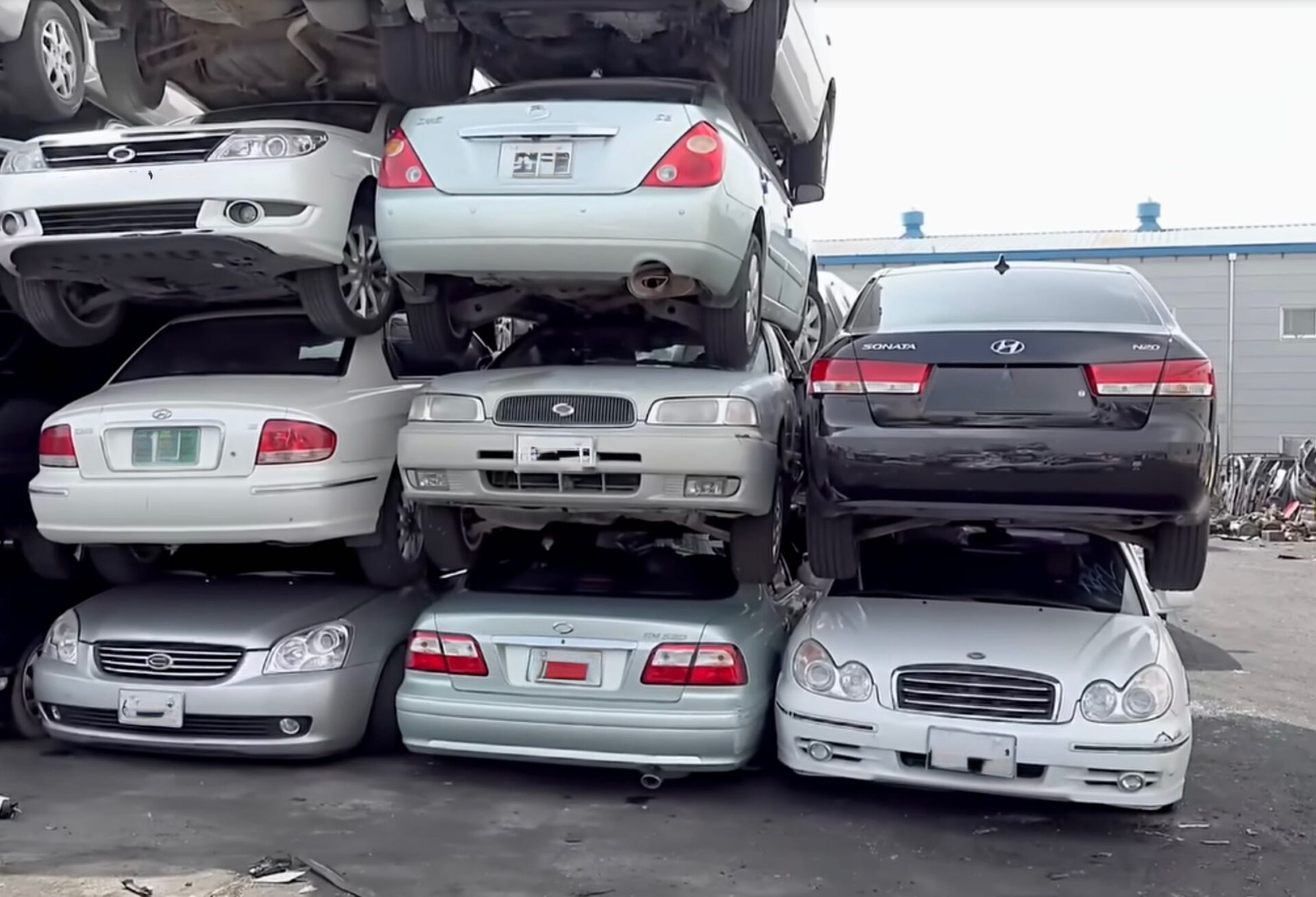
Proper maintenance supports long vehicle life. Healthy systems operate efficiently. Component wear remains minimal. Ignoring warning signs accelerates wear. Engine parts operate under stress. Reliability decreases over time.
Vehicle lifespan shortens unnecessarily. Replacement costs occur sooner. Owners lose long-term value. Preventive care protects vehicle longevity. Healthy engines last longer. Maintenance preserves investment value.
Increased Risk of Engine Overheating
Some Check Engine Light causes affect cooling systems. Temperature sensors monitor engine heat. Cooling system problems trigger warnings. Ignoring these warnings risks overheating. Excess heat damages internal components.
Engine failure may occur. Cooling system repairs cost far less than engine replacement. Therefore, early inspection remains critical.
Preventive action protects engine health. Proper cooling maintains safe operating temperatures. Timely repairs prevent overheating damage. Drivers avoid costly consequences.
Sensor Failures Affect Overall System Accuracy
Modern vehicles rely heavily on sensors. Sensors provide data for engine adjustments. Accurate data ensures proper performance.
Faulty sensors provide incorrect information. Engine control systems respond improperly. Performance suffers. Fuel efficiency decreases. Emission levels increase. Engine wear accelerates.
Replacing faulty sensors restores accuracy. Engine systems operate correctly again. Performance improves significantly.
Diagnostic Accuracy, Not Guessing
Modern vehicle systems require professional testing. Diagnostic tools identify exact fault codes. Accurate diagnosis prevents guesswork.
Technicians analyze system data carefully. They verify root causes. This approach ensures proper repair. Guessing wastes money and time. Incorrect repairs fail to solve problems. Professional diagnosis provides correct solutions.
Accurate repair protects your vehicle. It also protects your budget. Expert evaluation provides clarity.
Financial Impact of Delaying Diagnosis
Repair costs increase with delay. Minor problems worsen gradually. Related components suffer damage. Early repairs remain simple. Delayed repairs become complex. Labor costs increase.
Component replacement costs more than simple repair. Financial impact grows quickly. Preventive service saves money.
Investing in early diagnosis protects your budget. Preventive care reduces long-term costs. Smart action delivers financial benefits.
Why Modern Vehicles Require Prompt Attention
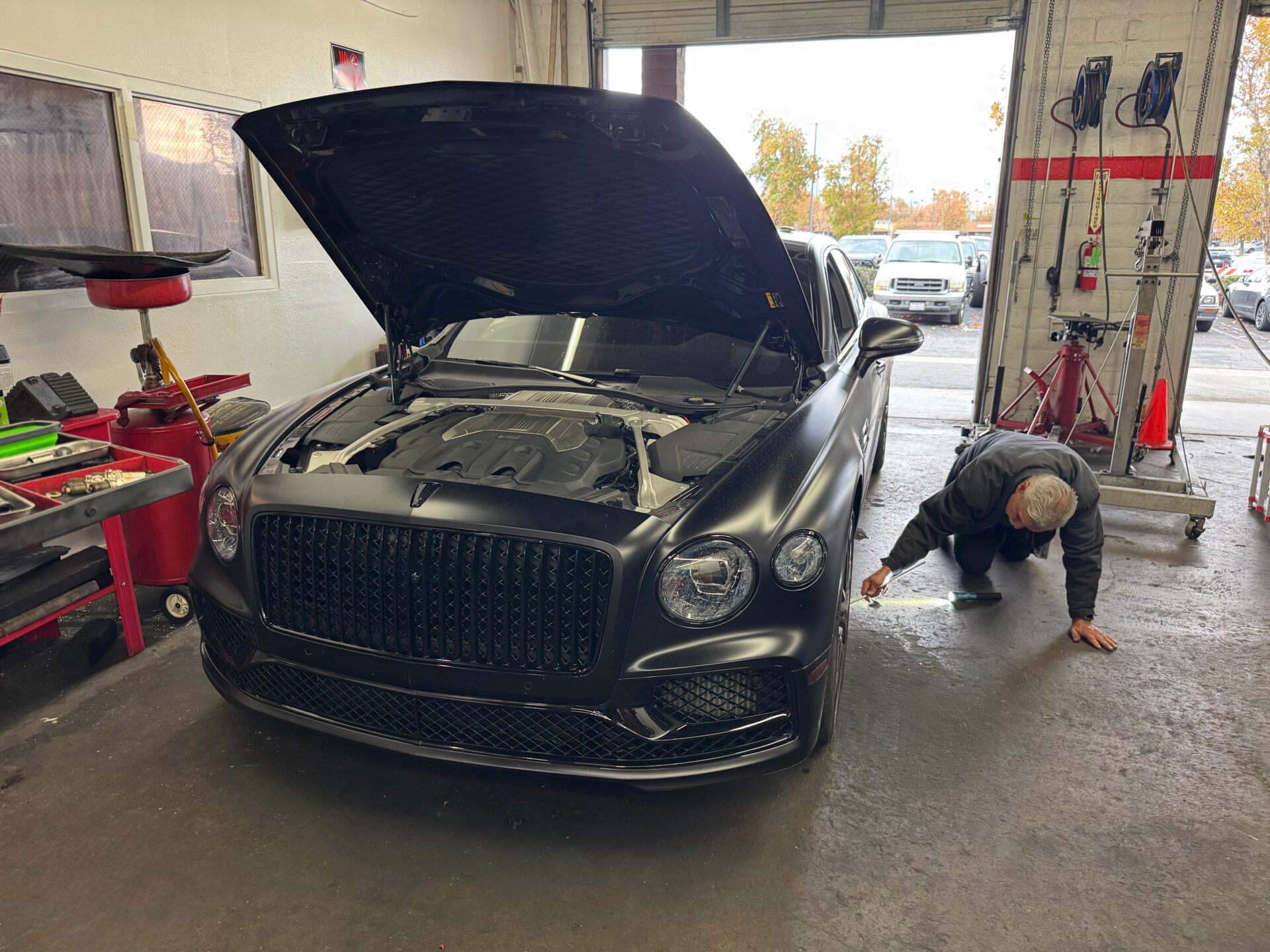
Modern engines operate with precise tolerances. Computer systems control nearly every function. Accuracy remains critical. Small faults disrupt system balance. Performance suffers quickly. Damage risk increases.
Modern vehicles benefit greatly from early service. Preventive care protects advanced systems. Prompt attention ensures reliable operation.
Understanding this reality helps drivers protect their vehicles. Knowledge supports better decisions. Education builds trust.
Serving Drivers Throughout Temecula and Nearby Communities
We proudly serve drivers throughout Temecula and surrounding communities. We also assist clients in Murrieta, Winchester, French Valley, and De Luz. Our team provides accurate diagnosis and honest guidance.
Local driving conditions create additional stress. Heat and traffic affect vehicle systems. Professional inspection protects reliability.
Thus, we focus on education and prevention. We help drivers understand their vehicles. Our goal involves long-term reliability.
Final Thoughts: A Small Warning Light With Important Meaning
The Check Engine Light serves an important purpose. It warns drivers about developing problems. Early action protects vehicle health.
Ignoring this warning increases repair costs. However, prompt inspection prevents escalation. Preventive care protects performance and reliability.
If your Check Engine Light turns on, schedule inspection promptly. Early diagnosis protects your vehicle and budget. Smart decisions ensure reliable driving.
Frequently Asked Questions (FAQs) About the Check Engine Light
1. What does the Check Engine Light mean?
The Check Engine Light means your vehicle detected a problem in the engine or emission system. Sometimes the issue remains minor, but other times it signals a developing problem. Therefore, prompt inspection helps prevent larger repairs and protects your vehicle.
2. How much does it cost to repair a Check Engine Light?
Repair costs vary depending on the cause. Simple repairs, like replacing a loose gas cap or faulty sensor, may cost under $200. However, more complex repairs can cost more. Fortunately, early diagnosis often keeps repair costs much lower.
3. Is it safe to drive with the Check Engine Light on?
Oftentimes, the engine may perform normally and the vehicle may still drive just fine. However, continued driving can worsen the problem over time. Because of that risk, drivers should schedule an inspection as soon as possible to prevent further damage.
4. Can the Check Engine Light turn off by itself?
Sometimes the light may turn off temporarily. However, the underlying issue often remains. Therefore, professional diagnostic testing ensures the problem does not return or worsen later.
5. Will ignoring the Check Engine Light cause more damage?
Yes, ignoring the warning can allow small problems to become larger repairs. Over time, related components may also suffer damage. Early inspection helps prevent costly repairs and protects vehicle reliability.
6. What are the most common causes of a Check Engine Light?
Common causes include faulty sensors, ignition problems, emission system issues, and fuel system problems. Fortunately, professional diagnostics identify the exact cause quickly and accurately.
7. How soon should I schedule an inspection after the light comes on?
Drivers should schedule inspection as soon as possible. Early diagnosis prevents further damage, reduces repair costs, and restores proper vehicle performance quickly.
