Brakes are the unsung heroes of the automotive world. They silently toil away behind the scenes, ensuring our safety by allowing us to slow down and stop effectively. Maintaining these crucial components in top condition is paramount. A key aspect of brake maintenance involves understanding when to replace brake pads, the components responsible for creating friction to slow down your car. So how often should you replace your brake pads?
The Lifespan of a Brake Pad
Unfortunately, there’s no magic formula for determining brake pad lifespan. Several factors influence how long they last. They usually depend on the following factors:
- Driving Habits: City traffic with its frequent stop-and-go nature wears down brake pads considerably faster than highway driving. Every time you press the brake pedal, friction is generated between the pad and the rotor, gradually grinding away the pad material. This wear process accelerates significantly in stop-and-go city traffic.
- Vehicle Type: Heavier vehicles like trucks and SUVs require more stopping force, putting a greater strain on the brake pads. This translates to a shorter lifespan compared to lighter sedans or compact cars. The additional weight necessitates more forceful braking to achieve the same stopping power.
- Driving Style: Aggressive drivers who favor a heavy foot on the brake pedal and rapid acceleration subject their brakes to immense pressure. This aggressive driving style significantly shortens brake pad life. Conversely, smooth and controlled braking minimizes wear and tear, extending the lifespan of the pads.
- Quality of Brake Pads: The material used in the brake pads plays a crucial role in their longevity. Higher-quality, semi-metallic pads tend to last longer than their organic counterparts. However, semi-metallic pads can be harsher on rotors and generate more dust. Choosing the right type of pad for your driving habits and vehicle is essential for optimal performance and lifespan.
While a ballpark estimate suggests replacing brake pads between 25,000 and 65,000 miles, this can be misleading. Focusing solely on mileage ignores the time factor. If you drive a lot, especially in demanding stop-and-go city traffic, your pads could wear out much sooner than 25,000 miles.
Heeding the Warning Signs Your Car Sends
While mileage offers a general guideline, the most effective way to determine brake pad replacement needs is to be attentive to the warning signs your car throws your way. Here are some key indicators that your trusty pads are nearing the end of their service:
- Squeaking or Grinding Noises: This is a classic and undeniable sign. When the friction material on your brake pads wears down to a critical point, it exposes a metal wear indicator built into the pad. This metal indicator scrapes against the rotor, producing a high-pitched squealing or grinding noise, a clear message that it’s time to replace brake pads. Don’t ignore this warning – it’s your car’s way of saying it needs attention.
- Mushy Brake Pedal: A firm and responsive brake pedal is essential for confident control of your vehicle. If your brake pedal feels soft or spongy when pressed, it could indicate worn-out brake pads or air trapped within the brake lines. In either case, it’s crucial to have your brakes inspected by a qualified mechanic immediately. A mushy pedal can significantly increase stopping distances, compromising your safety.
- Vibrations When Braking: Experiencing a vibration in the steering wheel or throughout the car during braking can indicate several issues, including warped rotors or uneven pad wear. While resurfacing the rotors might be an option in some cases, significantly worn pads will necessitate replacement. Vibrations during braking can be a disconcerting experience and should be addressed promptly.
- Increased Stopping Distance: This is a critical warning sign you shouldn’t ignore. If it takes considerably longer than usual for your car to come to a complete stop, it’s a strong indication that your brake pads are severely worn and require immediate replacement. This increased stopping distance can significantly elevate your risk of a collision. Don’t wait until it’s too late – have your brakes checked right away.
- Brake Pad Warning Light: Many modern cars are equipped with a dashboard light specifically designed to warn drivers of low brake pad thickness. When this light illuminates, it’s a clear and immediate call to action – schedule a brake pad replacement service as soon as possible. Ignoring this warning light can have serious consequences for your safety and the safety of others on the road.

Understanding Brake Rotors
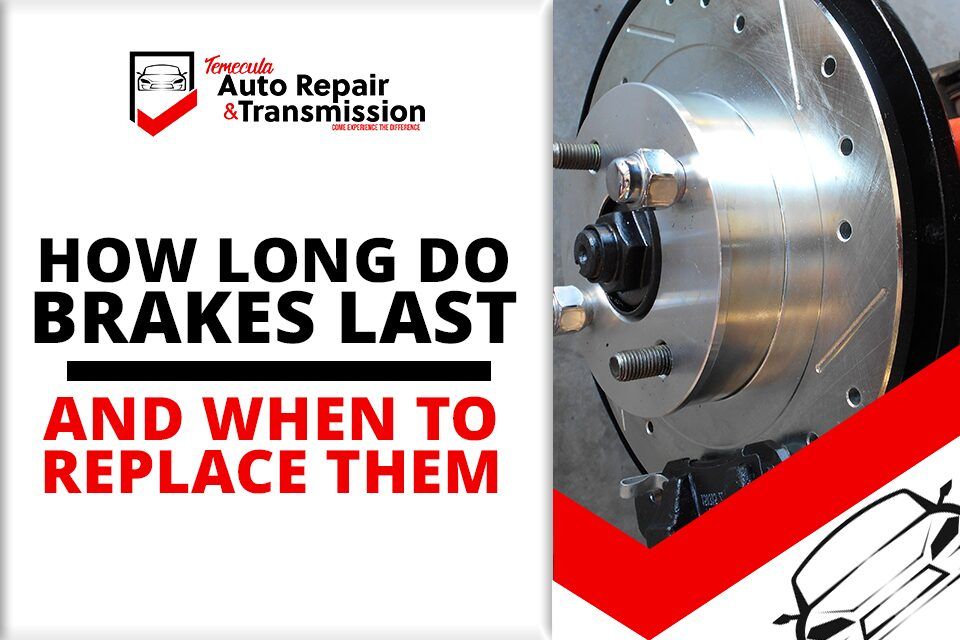
Brake rotors, often referred to as brake discs, work hand in-hand with the brake pads to create the friction necessary to slow down your car. The pads clamp down on the rotors, generating heat that dissipates through the rotors. Generally, rotors are more durable than brake pads and can last between 30,000 and 70,000 miles. However, several factors can influence their lifespan as well:
Heat Management
Excessive heat buildup can cause warping of the rotors, leading to vibrations during braking. This warping can occur due to aggressive driving habits, towing heavy loads, or worn-out brake pads that make contact with the rotor for a longer duration.
Rotor Material Composition
Rotors are typically constructed from cast iron, but some high-performance vehicles might utilize rotors made from lighter yet more expensive materials like carbon fiber or ceramic. These alternative materials offer better heat dissipation but come at a premium cost.
Minimum Thickness Requirement
Just like brake pads, rotors have a minimum thickness requirement specified by the manufacturer. Operating with rotors below this minimum thickness can compromise braking performance and become a safety hazard.
Glazed Brakes
In some instances, you might encounter a condition known as glazed brakes. This occurs when extreme heat causes a hardening of the brake pad surface, reducing its friction coefficient. The result is a noticeable decrease in braking performance, making it difficult to slow down the car effectively. This situation can arise from repeated hard stops or riding the brakes downhill for extended periods.
Preventive Maintenance
Don’t wait until you experience warning signs before getting your brakes checked. It’s recommended to have your brakes inspected by a qualified mechanic every 12,000 miles or annually, whichever comes first. This routine maintenance helps ensure your brakes are in good condition, preventing costly repairs down the road and more importantly, safeguarding you and your passengers on the road.

Partnering with a Trusted Repair Shop for Optimal Brake Service
Keeping your car’s brakes in top shape requires expertise and the right tools. For a comprehensive brake inspection and to ensure your car is stopping safely, consider scheduling an appointment with a trusted repair company like Temecula Auto Repair & Transmission.
With over 100 years of combined experience, their certified technicians possess the knowledge and expertise to diagnose any brake problems you might be facing. They can recommend the appropriate service, whether it’s a simple brake pad replacement, rotor resurfacing, or a more complex repair.
Temecula Auto Repair & Transmission prioritizes customer satisfaction and uses high-quality parts, ensuring you receive the best possible service. They are confident in working on all types of vehicles, from classics to high-performance cars, so you can be confident they can handle your specific needs in Temecula.
Don’t hesitate to contact Temecula Auto Repair & Transmission today. Together they’ll work to ensure your brakes are functioning optimally, keeping you safe and your car running smoothly for miles to come. Remember, properly maintained brakes are a high priority for a safe and enjoyable driving experience.
Be sure to read more about Brake Repairs.
