


Expert Brake System Repairs in Temecula and Murrieta – Keep Your Vehicle Safe and Reliable
Your vehicle’s brake system is one of the most crucial safety features, allowing you to stop safely and maintain control. At Temecula Auto Repair & Transmission, we provide expert brake system diagnosis and repair to keep your vehicle safe. Our experienced technicians proudly serve the Temecula, Murrieta, Winchester, and French Valley communities with top-notch brake services.
How the Brake System Works
The brake system in your car uses friction to stop the vehicle. When you press the brake pedal, the system activates various components to slow down or stop the wheels. Here’s a breakdown of the key brake system components and their functions:
1. Brake Pedal:
When you press it, it sends a signal to the master cylinder to generate hydraulic pressure.
2. Brake Master Cylinder:
The Master Cylinder converts or amplifies the foot pressure from the brake pedal into hydraulic pressure, and then pushes this pressure through the brake system. This pressure then flows to the brake components.
3. Brake Fluid:
A special fluid that transfers hydraulic pressure to the brake components. This fluid needs to be clean and at the correct level for the system to work effectively.
4. Brake Lines and Hoses:
These carry brake fluid from the master cylinder to the brake calipers or wheel cylinders.
5. Brake Calipers (Disc Brakes):
These clamp down on the brake rotors to create friction and slow the wheels.
6. Brake Rotors (Disc Brakes):
These are flat discs that turn with your car’s wheels. The brake pads press against the brake rotors to stop the vehicle.
7. Brake Pads (Disc Brakes):
These friction materials press against the rotors to slow down the wheels.
8. Brake Shoes (Drum Brakes):
These expand against the inner surface of the drum to create friction and stop the vehicle.
9. Brake Drums (Drum Brakes):
Brake drums rotate with the wheel and slow down by the brake shoes pressing out against them.
10. ABS System:
Anti-lock Braking System helps prevent the wheels from locking up during hard braking, especially in wet conditions.
You can learn more about how automotive brake systems work by clicking here.
Common Brake System Failures
Brake systems experience wear and tear over time. Here are some common issues and the repairs needed:
1. Worn Brake Pads or Shoes: Why They Wear and What Happens When You Don’t Fix Them
Brake pads and brake shoes are crucial components of your vehicle’s braking system. However, these parts wear down over time due to friction with the brake rotors or drums. The friction is necessary to slow down or stop your vehicle. However, this friction also causes gradual wear. Thus, understanding why brake pads and shoes wear and what can happen if they aren’t replaced in time is key to keeping your vehicle safe.

Why Do Brake Pads and Shoes Wear?
Brake pads and shoes wear down because of constant friction as they press against the brake rotors or drums to slow your car. To clarify, every time you brake, the pads or shoes rub against the metal surface. As a result, there is a gradual wearing away of the material. Furthermore, the rate at which they wear depends on factors like driving habits, road conditions, and the quality of the brake components.
For example, frequent hard braking, heavy loads, or driving in stop-and-go traffic can wear brake pads faster. On the other hand, gentle driving and regular maintenance can help extend the life of your brake pads.
What Happens When Brake Pads or Shoes Wear Out?
As your brake pads or shoes wear down, you may notice a few warning signs. The most common ones include:
– Squeaking or Squealing Noises:
When brake pads wear low the wear indicator on the pads rubs on the rotor to signal it’s time for a replacement. Therefore, if you hear squeaking, it’s a good idea to have your brake system checked soon.
– Grinding Sounds:
If you hear a grinding noise, it may be an indication the brake pads have worn down to the metal. Certainly, this is a serious sign that you may need to replace the pads immediately.
– Vibration:
If you feel vibration or pulsing in the brake pedal, it could be a sign of unevenly worn brake pads or the rotors are damaged.
– Reduced Braking Power:
Worn brake pads or shoes may reduce your vehicle’s ability to stop efficiently, increasing your stopping distance. Certainly, this can be dangerous, especially in emergency situations.
– Pulling to One Side:
If your car pulls to one side when braking, it may indicate uneven wear of the brake pads or shoes.
The Risks of Not Replacing Worn Brake Pads or Shoes
Ignoring worn brake pads or shoes can lead to serious problems. For example, one major risk is metal-to-metal contact. When the friction material of the pads or shoes wears down completely, the metal backing plate will make contact with the brake rotor or drum. Consequently, this can cause:
A. Damage to the Rotors or Drums:
Metal-to-metal contact can severely damage the rotors or drums. As a result, this may require costly replacements.
B. Overheating:
Worn-out pads or shoes won’t provide enough friction, causing the braking system to overheat. Consequently, when the system overheats, it can affect the brake fluid, causing it to break down and lose its effectiveness. Additionally, overheated brake fluid can lead to brake failure.
C. Increased Stopping Distance:
As the pads wear down, they lose their ability to create enough friction, which means your car will take longer to stop. Therefore, this increases the risk of an accident.
D. Costly Repairs:
Ignoring the problem will only make it worse. Also, in addition to replacing the brake pads or shoes, you may need to replace the rotors, drums, and other parts, which can be very expensive.
Come in for a Brake System Check at Temecula Auto Repair & Transmission
Worn brake pads or shoes can put you and your passengers at risk. Therefore, if you notice any of the signs of wear, it’s important to have your brake system inspected as soon as possible. Our expert technicians at Temecula Auto Repair & Transmission offer thorough brake system inspections and repairs. We’ll help you replace worn brake pads or shoes before they cause further damage to your braking system.
Serving the Temecula, Murrieta, Winchester, and French Valley communities, we pride ourselves on providing high-quality brake service at an affordable price. So, if you need a brake inspection or repair, don’t hesitate to call us today. Drive safely and keep your brakes in top condition!
2. Worn or Warped Rotors or Drums: Why They Happen and How They Affect Your Car
Brake rotors and drums are vital parts of your vehicle’s braking system. They work alongside brake pads and shoes to create the friction needed to stop your car. However, over time, rotors and drums can wear out or even warp. Thus, understanding why this happens, what signs to look for, and the risks of not replacing damaged parts will help you keep your vehicle safe on the road.

Why Do Brake Rotors and Drums Wear or Warp?
Brake rotors and drums wear out naturally due to the friction caused when the brake pads or shoes press against them. In other words, each time you brake, the friction generates heat. Therefore, the constant heat and pressure cause the surface of the rotors or drums to wear down over time. However, rotors and drums can also warp. Moreover, this often happens when they become overheated, either from frequent hard braking or from driving with worn-out brake pads or shoes.
Other factors that contribute to wear or warping include:
– Excessive Heat:
Repeated hard braking, like during downhill driving or in stop-and-go traffic, can cause the brake components to overheat. Thus, warping may occur over time.
– Inadequate Brake Pads:
Worn-out brake pads may not distribute pressure evenly. As a result, this causes uneven wear on the rotors or drums.
– Corrosion:
Rust or debris can damage the surface of rotors and drums. Consequently, this rust or debris causes the surface to become uneven or pitted.
– Improper Brake Pad or Drum Installation:
Additionally, incorrectly installed parts can lead to uneven wear and warping over time.
What Happens When Brake Rotors or Drums Wear or Warp?
When brake rotors or drums become worn or warped, you’ll notice a few key symptoms:
A. Vibration or Pulsing When Braking:
One of the most common signs of warped rotors or drums is a vibrating or pulsing sensation in the brake pedal when you apply the brakes. Primarily, this happens because the uneven surface of the rotor or drum does not make smooth contact with the brake pads or shoes.
B. Squeaking or Grinding Noises:
Worn or warped rotors and drums can cause squeaking or grinding sounds as the brake pads or shoes press against damaged surfaces. Therefore, if you hear these sounds, come see us right away for a brake system check—it’s essential for your safety.
C. Reduced Braking Efficiency:
As rotors or drums wear down, the braking surface becomes thinner. Consequently, this reduces the effectiveness of your braking system. As a result, you may notice longer stopping distances or reduced overall stopping power.
D. Uneven Brake Pad Wear:
If your brake pads are wearing unevenly, it may indicate a problem with the rotors or drums. For example, warped or damaged surfaces can cause the pads to make contact unevenly.
The Consequences of Not Fixing Warped Rotors or Drums
Ignoring worn or warped rotors and drums can lead to serious consequences. If left unaddressed, you may experience:
A. Increased Damage to Other Parts:
Worn or warped rotors and drums can cause further damage to your brake pads or shoes. Therefore, you may find yourself replacing brake pads or shoes more frequently. Also, if the rotors become severely damaged, you might have to replace them altogether, which is more expensive than simply resurfacing them.
B. Brake System Overheating:
When rotors or drums become warped, the braking system may overheat. This not only reduces braking performance but also damages the brake fluid, making it less effective. Consequently, in extreme cases, overheated brake fluid can cause brake failure.
C. Reduced Stopping Power:
Warped rotors or drums will reduce your ability to stop your vehicle quickly and safely. For example, in emergency situations, this can be extremely dangerous.
D. Increased Repair Costs:
If you continue to drive with warped or worn brake components, the problem will likely worsen, leading to more expensive repairs. In other words, ignoring the issue now could result in the need for costly brake replacements later.
Come in for a Brake System Check at Temecula Auto Repair & Transmission
If you notice any of the symptoms of worn or warped rotors or drums, it’s important to address the issue as soon as possible. At Temecula Auto Repair & Transmission, our expert technicians specialize in brake system inspections and repairs. We’ll check the condition of your rotors and drums and determine if they need resurfacing or replacement.
Serving the Temecula, Murrieta, Winchester, and French Valley communities, we provide fast, affordable, and reliable brake services. If you’re experiencing problems with your brake system, contact us today for a comprehensive inspection and repair.
3. Leaking Brake Fluid: Causes, Symptoms, and Risks of Delay
The brake fluid in your vehicle is crucial to the proper functioning and safety of the braking system. It transmits hydraulic pressure from the brake pedal to the brake components, allowing your car to stop effectively. However, brake fluid leaks can compromise braking performance and create safety hazards. Therefore, understanding why leaks happen, how they affect your car’s performance, and the risks of delaying repairs is crucial for your safety on the road.
Why Brake Fluid Leaks Happen
Brake fluid leaks usually occur when one or more components in the brake system fail. Several common causes include:
A. Worn Seals:
The seals in your brake system can wear out over time due to age or exposure to high temperatures. Consequently, when seals become brittle or cracked, brake fluid can escape from the system.
B. Loose Fittings:
If the fittings or connections in the brake lines or hoses are not tight enough, they can cause fluid to leak. Oftentimes, this is due to improper installation or a loose connection from normal wear.
C. Contaminated or Poorly Maintained Brake Fluid:
If you don’t change brake fluid regularly, it can become contaminated with dirt, moisture, or debris. Consequently, this contamination can cause internal damage to brake components, leading to leaks.
D. Corrosion:
Rust or corrosion in brake lines, hoses, or the master cylinder can cause tiny holes or cracks that allow fluid to escape. This is common in older vehicles or those exposed to road salt or harsh conditions.
E. Damaged Brake Components:
Brake components such as the master cylinder, wheel cylinders, or brake lines can crack or become damaged due to excessive wear, debris, or impact from road hazards.
What Are the Consequences of a Brake Fluid Leak?
When your brake system develops a leak, you will likely notice several warning signs. Common symptoms include:
A. Soft or Spongy Brake Pedal:
Losing a substantial amount of fluid will reduce the hydraulic pressure in the brake system. As a result, the brake pedal may feel soft, spongy, or sink to the floor when pressed.
B. Brake Warning Light:
The majority of modern vehicles feature a brake warning light on the dashboard to warn you problems. For example, this light may come on if the brake fluid level drops too low due to a leak.
C. Visible Fluid Leaks:
You may notice brake fluid leaking from the wheels or under the vehicle. Brake fluid typically has a yellowish or amber color and may appear oily or sticky.
D. Increased Stopping Distance:
As the brake system loses fluid, the braking force may decrease, making it harder to stop the vehicle. As a result, you may experience longer stopping distances or reduced brake response.
E. Unusual Sounds:
In some cases, a brake fluid leak can cause air to enter the brake system, leading to strange noises like hissing or squealing when you apply the brakes.
The Consequences of Ignoring a Brake Fluid Leak
Delaying repairs to a leaking brake system can lead to serious consequences. Here’s what can happen if you don’t attend to a brake fluid leak right away:
A. Complete Brake Failure:
Severe brake fluid leaks can lead to total brake failure, making it impossible to stop your vehicle safely. This is a life-threatening risk that should not be ignored.
B. Increased Repair Costs:
If you wait too long to fix a brake fluid leak, the problem could worsen. For instance, a small leak in a brake line or hose can cause more extensive damage to other components, such as the master cylinder or brake calipers. Consequently, this leads to more expensive repairs.
C. Overheating of the Brake System:
Low brake fluid levels can lead to overheating in the braking system. As a result, overheated brakes may not function correctly, reducing their stopping power and increasing the risk of an accident.
D. Safety Hazards:
The most dangerous consequence of a brake fluid leak is the risk to your safety. Reduced braking power or a complete brake failure can lead to collisions, endangering both you and others on the road.
Schedule a Brake System Inspection at Temecula Auto Repair & Transmission.
If you suspect that your brake system is leaking fluid, don’t delay in coming in for an inspection and report. Brake fluid leaks are serious and can quickly lead to dangerous driving conditions. At Temecula Auto Repair & Transmission, our skilled technicians can diagnose and repair any brake fluid leaks, restoring your braking system to full functionality.
We proudly serve the Temecula, Murrieta, Winchester, and French Valley communities. Whether you need a brake fluid flush, leak detection, or full brake system repair, we are here to help. Call us today for a brake system inspection and keep your vehicle’s braking system in top condition.
4. Faulty Brake Master Cylinder: Causes, Symptoms, and Risks of Delay
The brake master cylinder is one of the most important components of your vehicle’s braking system. It plays a critical role in converting the force from your foot on the brake pedal into hydraulic pressure that activates the brakes. Therefore, if the master cylinder fails, your ability to stop your vehicle safely could be compromised. So, understanding why brake master cylinders fail, how to recognize the symptoms, and the risk of ignoring the problem is essential for your vehicle’s safety.
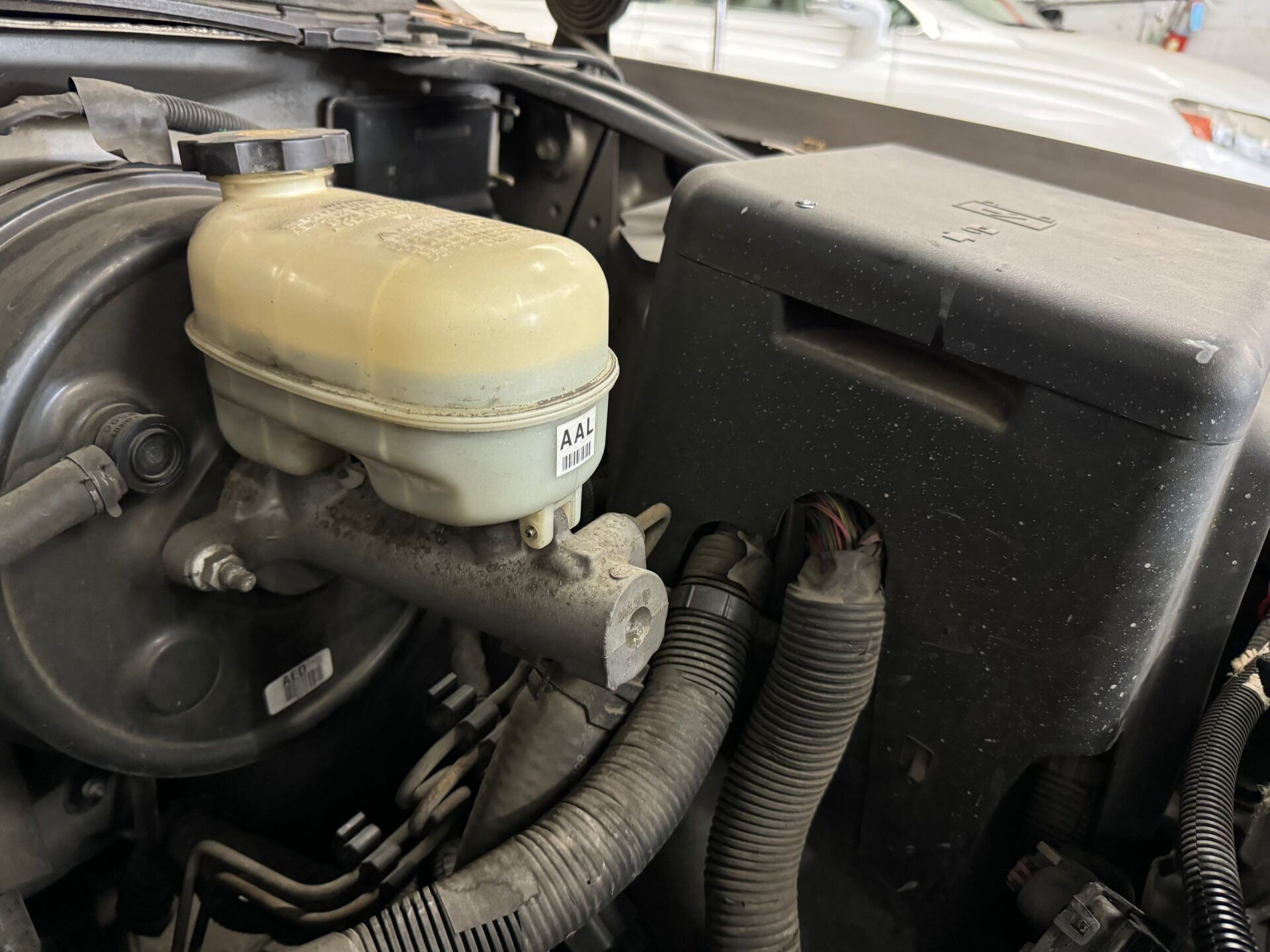
Why Do Brake Master Cylinders Fail?
Several factors can cause the brake master cylinder to fail, including:
A. Worn Seals:
Over time, the seals within the master cylinder may deteriorate due to various factors. These seals help maintain hydraulic pressure in the system. Thus, when they become brittle or damaged, brake fluid may leak, reducing braking power.
B. Loose Fittings:
The fittings and connections in the master cylinder can loosen due to vibration or wear. Most importantly, loose fittings can cause brake fluid leaks. As a result, there will be a loss of hydraulic pressure in the braking system.
C. Contaminated or Poorly Maintained Brake Fluid:
Old or contaminated brake fluid, or fluid that has absorbed moisture, can corrode the inside of the master cylinder. As a result, this damage can cause the internal components, like the pistons or seals, to fail. Therefore, regular brake fluid maintenance is vital to prevent this.
D. Damaged Pistons or Plungers:
The pistons or plungers inside the master cylinder can become damaged from excessive wear or contamination. Consequently, this can cause the master cylinder to malfunction, leading to a loss of brake pressure or a failure to transmit hydraulic force effectively.
E. Age and Wear:
Like all mechanical parts, the master cylinder can wear out with age. Therefore, it may lose its ability to generate or hold hydraulic pressure, which is essential for proper braking performance.
What Happens When the Brake Master Cylinder Fails?
If your brake master cylinder starts to fail, you will experience several signs and symptoms. These may include:
A. Soft or Spongy Brake Pedal:
One of the first signs of a failing master cylinder is a soft or spongy brake pedal. For example, if you press the brake pedal and it feels like it sinks slowly to the floor, it could be a sign of internal leakage or air in the brake lines.
B. Brake Pedal That Sinks to the Floor:
If the brake pedal sinks to the floor with little or no resistance, this is a serious sign of brake master cylinder failure. Also, it may indicate a complete loss of hydraulic pressure. As a result, it becomes difficult or impossible to stop the car.
C. Brake Warning Light:
Certain vehicles have a brake warning light on the dash. If the master cylinder is malfunctioning, the light may alert you to the problem.
D. Unresponsive Brakes:
If the brake master cylinder lacks hydraulic pressure, your vehicle may have unresponsive brakes. Consequently, this makes it harder to stop or slow down, which can be very dangerous.
E. Fluid Leaks:
If you notice brake fluid leaking around the master cylinder, this could indicate a seal failure. Additionally, brake fluid may pool under the vehicle or around the master cylinder, signaling a need for repair.
The Risks of Ignoring a Faulty Brake Master Cylinder
Neglecting a faulty brake master cylinder can lead to serious consequences, including:
A. Complete Brake Failure:
A failed master cylinder can result in complete brake failure. If you lose hydraulic pressure, your vehicle will be unable to stop effectively. Most importantly, this is a significant safety hazard.
B. Increased Stopping Distance:
If the master cylinder is malfunctioning, the braking power will be reduced. Consequently, this can cause longer stopping distances, increasing the risk of an accident.
E. Worsening Damage:
Ignoring a master cylinder problem can lead to further damage to other brake components, such as brake lines, rotors, or brake pads. Moreover, these repairs can be costly and time-consuming.
F. Fluid Contamination:
A faulty master cylinder can lead to contamination of the brake fluid. When this happens, it can cause further corrosion inside the brake system. As a result, damage to other vital components increases repair costs.
G. Safety Risks:
Most importantly, the risk of delaying repair to a faulty brake master cylinder is the safety of you and your passengers. A brake system failure could result in a dangerous situation, especially in an emergency.
Contact Temecula Auto Repair & Transmission for Brake Master Cylinder Inspection and Repair
If you suspect that your brake master cylinder is failing, it’s crucial to address the issue immediately. At Temecula Auto Repair & Transmission, our experienced technicians can quickly diagnose and repair any brake master cylinder problems. We’ll ensure that your braking system is working properly, so you can drive safely.
We proudly serve the Temecula, Murrieta, Winchester, and French Valley areas. Whether you need brake fluid maintenance, master cylinder replacement, or a full brake system inspection, we are here to help. Contact us today to schedule an appointment and keep your braking system in top condition.
5. Power Brake Boosters: Causes of Failure and Why Prompt Repairs Matter
The power brake booster plays a crucial role in ensuring smooth and effortless braking. It relies on vacuum pressure to enhance the force exerted on the brake pedal. In turn, this reduces the effort required to stop your vehicle. However, when the booster fails, your braking experience changes dramatically, creating potential safety risks.

Why Power Brake Boosters Fail
Several factors can cause a power brake booster to malfunction.
A. Brake Fluid Contamination:
Contamination with brake fluid is one common reason. This happens when a leaking master cylinder lets fluid seep into the booster. Thus, the fluid damages internal components over time, leading to failure.
B. Vacuum Problems:
Likewise, vacuum issues also cause problems. For example, a damaged vacuum hose or a faulty check valve may prevent the booster from receiving the proper pressure. Therefore, without enough vacuum, the system cannot operate as intended.
C. Wear & Tear:
Wear and tear is another factor. Power brake boosters have diaphragms, valves, and seals that degrade over time. So, exposure to extreme temperatures or contaminants speeds up this process.
Signs of a Failing Power Brake Booster
When a power brake booster fails, the driver will notice immediate changes. The brake pedal becomes harder to press, requiring significantly more force to stop the car. Also, braking distances may increase, especially in emergencies. In some cases, the engine may stall or run roughly when applying the brakes. Consequently, these issues can make driving stressful and unsafe.
The Consequences of Ignoring a Failing Brake Booster
Ignoring a failed power brake booster creates serious risks. Certainly, reduced braking efficiency increases the chances of accidents, particularly during sudden stops. Additionally, continued driving with a malfunctioning booster can also damage other parts of the brake system, resulting in higher repair costs. Therefore, addressing the issue quickly protects both your safety and your wallet.
Let Temecula Auto Repair & Transmission Help
If you experience braking problems, don’t wait. At Temecula Auto Repair & Transmission, we specialize in professional diagnosis and repair of brake systems, including power brake boosters. Our team ensures your brakes perform reliably, giving you peace of mind on the road.
Contact us today to schedule a brake system inspection. Trust us to keep your classic or modern car safe and roadworthy.
6. Faulty Brake Calipers and Wheel Cylinders: Causes, Symptoms, and Risks of Delay
Brake calipers and wheel cylinders play a vital role in your vehicle’s braking system. They apply pressure to the brake pads or shoes, creating the friction needed to slow or stop the car. Thus, if these components fail, it can significantly reduce your vehicle’s braking power, making it dangerous to drive. So, understanding why brake calipers and wheel cylinders fail, how to identify the symptoms and the consequences of delaying repairs is crucial for maintaining your safety.
Why Brake Calipers and Wheel Cylinders Fail
Brake calipers and wheel cylinders can fail for several reasons, including:
A. Worn Seals:
Both brake calipers and wheel cylinders contain seals that prevent brake fluid from leaking. However, these seals can wear out, crack, or become brittle over time, allowing brake fluid to escape. As a result, seal deterioration reduces hydraulic pressure, impairing the braking system.
B. Loose Fittings:
Loose or improperly installed fittings can cause brake fluid leaks. Thus, if the connections between brake lines and calipers or wheel cylinders are not tight enough, fluid will escape, leading to a loss of braking power.
C. Contaminated or Poorly Maintained Brake Fluid:
Contaminated brake fluid with dirt, moisture, or debris can damage the calipers or wheel cylinders internally. Also, the moisture in the brake fluid can lead to rust or corrosion, which damages the metal parts inside.
D. Damaged or Faulty Pistons:
The pistons inside brake calipers and wheel cylinders are responsible for pushing the brake pads or shoes against the rotors or drums. However, if the pistons become damaged or seize up, they can cause uneven braking or total brake failure.
E. Corrosion or Wear:
Over time, exposure to heat, moisture, and road debris can cause corrosion or excessive wear on brake calipers and wheel cylinders. Moreover, this can lead to internal damage and a decrease in braking efficiency.
What Happens When Brake Calipers or Wheel Cylinders Fail?
When brake calipers or wheel cylinders fail, you will notice a few key symptoms. These may include:
A. Pulling to One Side:
Firstly, if one of the brake calipers or wheel cylinders is not functioning properly, your car may pull to one side when you apply the brakes. To clarify, this happens because the braking force is uneven, with one wheel braking harder than the other.
B. Soft or Spongy Brake Pedal:
If the brake fluid leaks from a caliper or wheel cylinder, you may notice that the brake pedal feels soft or spongy when pressed. This happens because the brake system has lost hydraulic pressure, reducing the force applied to the brakes.
C. Uneven Brake Pad or Shoe Wear:
Faulty brake calipers can cause uneven wear on brake pads, as the caliper may not be applying equal pressure to both pads. Similarly, a failing wheel cylinder can cause uneven wear on brake shoes.
D. Brake Fluid Leaks:
If you notice brake fluid pooling around the wheels or under the vehicle, it could be a sign of a brake caliper or wheel cylinder leak. Certainly, you should address any leaking fluid immediately to prevent further damage to the braking system.
E. Unusual Noises:
A malfunctioning brake caliper or wheel cylinder may produce squeaking, grinding, or clunking noises as it fails to operate correctly. Therefore, these noises are an indication that there is damage to the pistons or other internal components.
The Risks of Ignoring Faulty Brake Calipers or Wheel Cylinders
Ignoring faulty brake calipers or wheel cylinders can lead to serious consequences. Here are some risks of delaying repairs:
A. Increased Stopping Distance:
A faulty caliper or wheel cylinder will reduce braking efficiency. As a result, there’s an increase in the distance needed to stop your vehicle. Most importantly, this can be dangerous in emergency situations, where every second counts.
B. Complete Brake Failure:
If a brake caliper or wheel cylinder fails, it can cause a loss of hydraulic pressure, making the brakes ineffective. Consequently, this can lead to total brake failure, which is a serious safety risk.
C. Uneven Braking:
When one caliper or wheel cylinder fails, the braking force becomes uneven. This may cause your vehicle to pull to one side while braking. As a result, it may become difficult to control the car, especially at higher speeds.
D. Damage to Other Brake Components:
If one does not address the problem promptly, a faulty caliper or wheel cylinder can cause damage to other brake components, such as brake pads, rotors, or brake lines. Therefore, this will lead to more costly repairs.
E. Safety Hazards:
The most significant risk of ignoring faulty brake calipers or wheel cylinders is the threat to your safety. In other words, reduced braking power, uneven braking, or complete brake failure can result in dangerous driving conditions.
Come in Today for a Brake System Check at Temecula Auto Repair & Transmission
If you suspect that your brake calipers or wheel cylinders are failing, it’s important to have them inspected and repaired right away. At Temecula Auto Repair & Transmission, our expert technicians specialize in diagnosing and repairing brake system issues. Whether you need new calipers, wheel cylinders, or any other brake components, we have the knowledge and tools to fix it.
Serving the Temecula, Murrieta, Winchester, and French Valley areas, we provide high-quality brake services. If you experience any of the symptoms of faulty brake calipers or wheel cylinders, call us today to schedule an inspection and ensure your vehicle’s braking system is in top condition.
7. Anti-lock Braking System (ABS): Common Failure Causes, Symptoms, and Risks of Delaying Repair
The Anti-lock Braking System (ABS) is a crucial safety feature in today’s vehicles. For instance, it helps maintain steering control during hard braking by preventing the wheels from locking up. So, when the ABS fails or malfunctions, your vehicle’s braking performance can be compromised. Thus, understanding why ABS systems fail, what symptoms to look for, and the risk of ignoring the problem is crucial for your safety on the road.
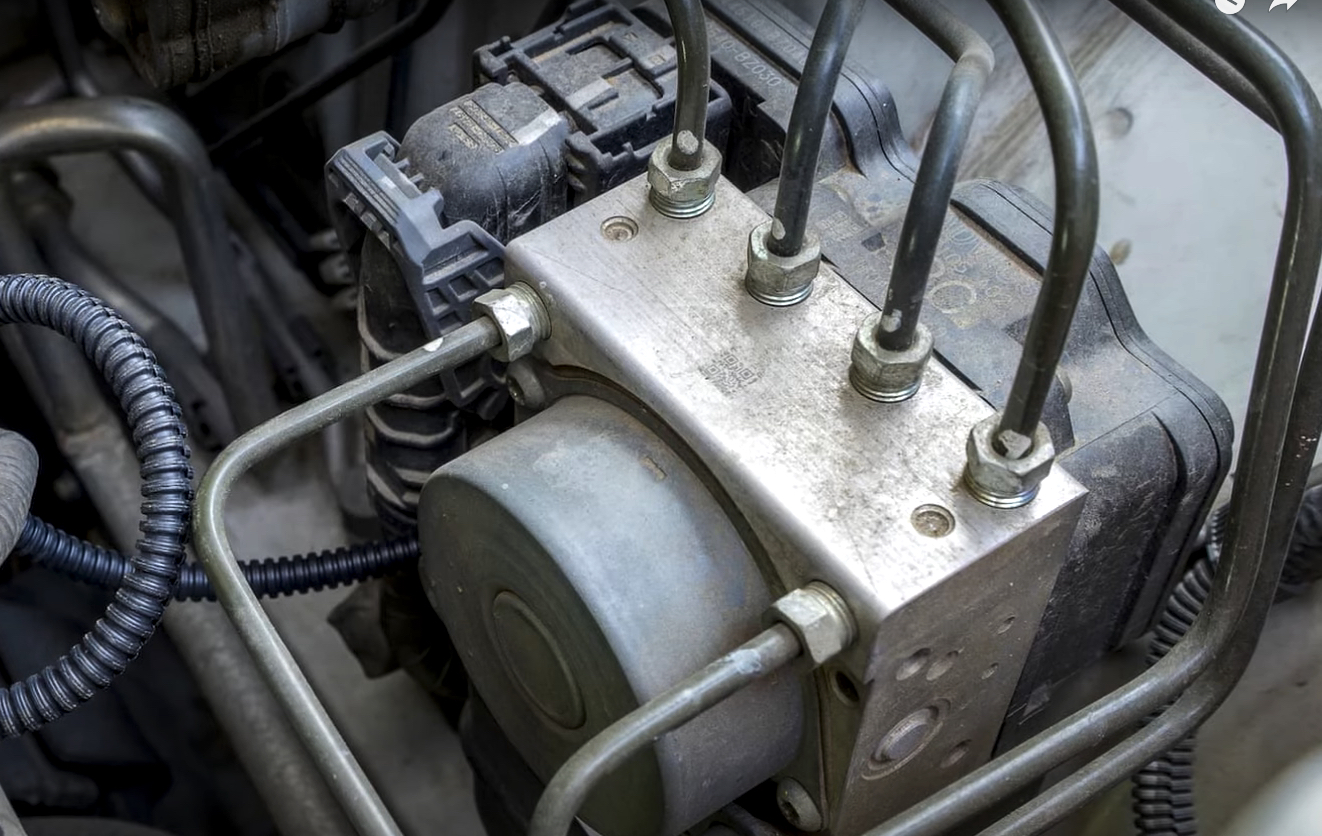
Why Do Anti-lock Braking Systems (ABS) Fail?
ABS systems can fail for a variety of reasons. Here are some of the most common causes:
A. Faulty ABS Sensors:
The ABS relies on sensors at each wheel to monitor the rotation of the wheels during braking. However, if one of these sensors becomes damaged or malfunctions, it can cause the ABS to fail.
B. Worn or Damaged Wiring:
The ABS system uses electrical wiring to transmit signals between the sensors and the control module. If the wiring becomes worn, corroded, or damaged, the ABS may stop working.
C. Defective ABS Control Module:
The control module acts as the central hub of the ABS system. It processes information from the sensors and activates the ABS pump when needed. Therefore, if the control module fails, the ABS system cannot function properly.
D. Low Brake Fluid:
The ABS system relies on hydraulic pressure to operate effectively. Therefore, if the brake fluid is low or contaminated, the ABS may not engage or may engage erratically.
E. Malfunctioning ABS Pump:
The ABS pump helps maintain pressure in the braking system during hard stops. Thus, if the pump malfunctions, the ABS system may not activate as it should. As a result, a pump malfunction will affect braking performance.
F. Faulty ABS Relays or Fuses:
Relays and fuses control the power supply to the ABS system. If they malfunction, the ABS system may fail to receive the power it needs to operate.
What Happens When the Anti-lock Braking System (ABS) Fails?
If your ABS system fails, you may notice several symptoms that indicate a problem:
A. ABS Warning Light:
One of the most common signs of ABS failure is the appearance of the ABS warning light on your dashboard. That is to say, this light will illuminate when the system detects a fault and is unable to function properly.
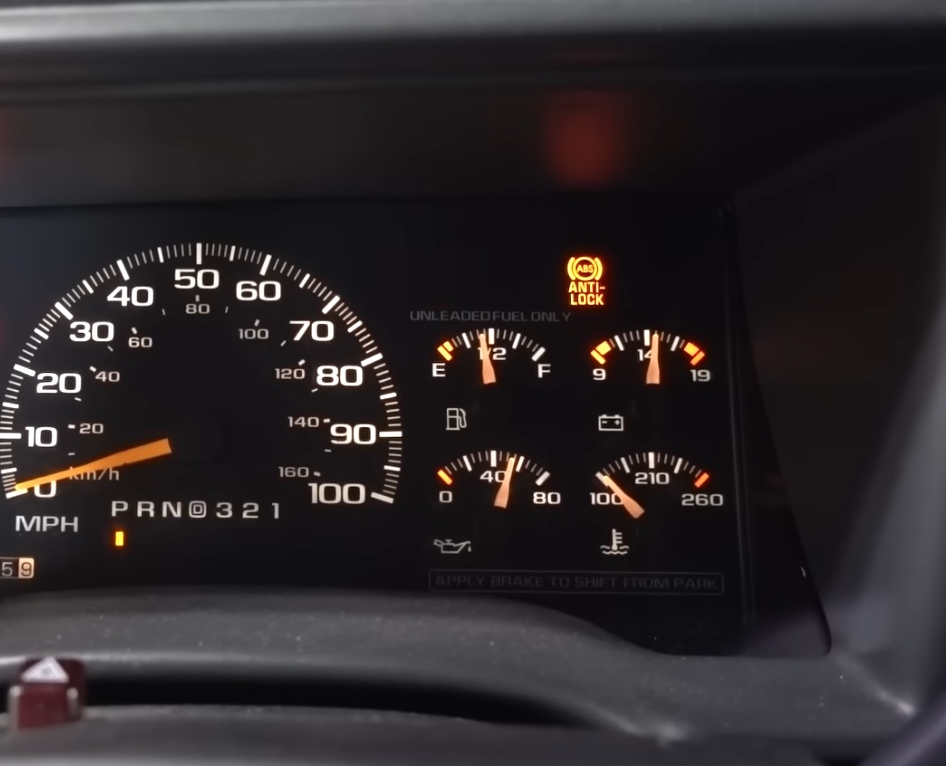
B. Loss of ABS Functionality:
When the ABS system fails, your vehicle’s brakes will still function, but without the anti-locking feature. For example, during hard braking, the wheels may lock up, causing you to lose control of the vehicle, especially on slippery roads.
C. Unusual Braking Behavior:
If the ABS system is malfunctioning, you may feel unusual sensations when applying the brakes. For example, a malfunctioning ABS system can cause the brake pedal to feel hard or spongy, or create a pulsating sensation.
D. Increased Stopping Distance:
With a failed ABS, your vehicle’s ability to stop quickly in an emergency situation may be compromised. For example, the absence of anti-lock braking could lead to longer stopping distances, particularly in wet or icy conditions.
The Risks of Ignoring a Failed Anti-lock Braking System (ABS)
Delaying repairs to a failed ABS system can lead to several serious consequences:
A. Loss of Vehicle Control:
Without ABS, your wheels are more likely to lock up during hard braking. Therefore, this significantly reduces your ability to steer and maintain control of the vehicle, particularly in emergency situations.
B. Increased Risk of Accidents:
The primary function of ABS is to help maintain traction and control when braking. Without it, your vehicle is more vulnerable to skidding or losing traction, increasing the risk of an accident.
C. Decreased Brake Efficiency:
While the vehicle will still have standard braking, the absence of ABS means you’ll have to rely solely on your ability to pump the brakes manually during emergency braking situations. This can be difficult, especially in high-stress driving conditions.
D. Compromised Safety Features:
Vehicle manufacturers often integrate ABS with other safety systems, such as electronic stability control (ESC) and traction control. If the ABS fails, these other systems may not function properly. Consequently, this could further compromise vehicle safety.
E. Increased Repair Costs:
If you delay ABS repairs, the problem may worsen, leading to additional damage and more expensive repairs. On the other hand, early detection and repair can help prevent a small issue from becoming a major expense.
Come See Us at Temecula Auto Repair & Transmission for an Inspection of Your ABS System
If you suspect an issue with your ABS system, it’s crucial to address it as soon as possible. At Temecula Auto Repair & Transmission, our expert technicians specialize in the diagnosis and repair ABS system issues. We can quickly identify the cause of the problem, whether it’s faulty sensors, a malfunctioning pump, or any other issue, and get your ABS system back in working order.
We proudly serve the Temecula, Murrieta, Winchester, and French Valley areas. If you notice the ABS warning light, unusual braking behavior, or any other symptoms of ABS failure, call us today to schedule an inspection. We’ll ensure your vehicle’s braking system is operating safely and effectively.
8. Brake Line and Hose Damage: Causes, Warning Signs, and Why Immediate Repairs Matter
Brake lines and hoses are vital components of your vehicle’s braking system. These parts transfer brake fluid to apply pressure to the brakes. So, when they become damaged, your car’s braking performance suffers, creating serious safety concerns.
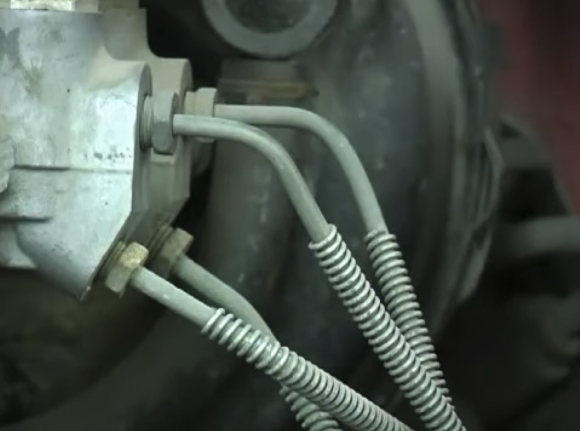
Common Reasons for Brake Line and Hose Damage
Several factors contribute to brake line or hose damage:
A. Corrosion:
Metal brake lines are prone to rust when exposed to moisture, road salt, or harsh chemicals.
B. Aging:
Rubber hoses degrade over time, leading to cracks or brittleness. Also, this is more common in older vehicles.
C. Abrasion:
Contact with other parts or road debris can wear down brake lines or hoses, creating weak spots.
D. Improper Installation:
Poorly routed or secured lines can rub against other components, accelerating wear.
E. Extreme Temperatures:
High heat or freezing conditions weaken materials. Thus, the lines and hoses become more prone to failure.
F. Fluid Contamination:
Contaminants in the brake fluid can degrade rubber hoses from the inside. Consequently, cracks or leaks may develop.
Signs of Damaged Brake Lines or Hoses
When brake lines or hoses fail, the driver notices the change immediately. A spongy or soft brake pedal indicates a possible fluid leak. Also, you may see brake fluid pooling under the car, often near the wheels. Additionally, the vehicle might require longer distances to stop, increasing the risk of an accident.
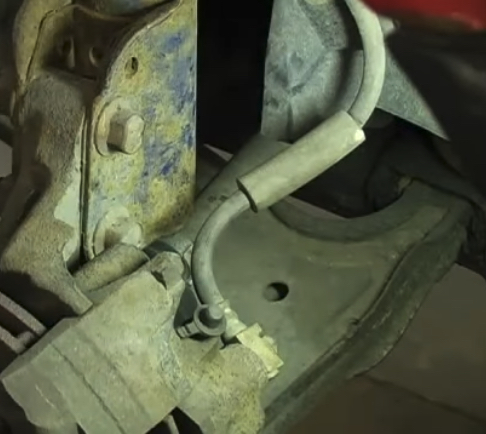
Consequences of Ignoring Brake Line and Hose Problems
Neglecting damaged brake lines or hoses puts everyone on the road at risk. A sudden loss of brake fluid can lead to complete brake failure. Consequently, this makes stopping impossible, especially during emergencies. Furthermore, continued driving with damaged lines can strain other braking components, increasing repair costs.
Let Temecula Auto Repair & Transmission Inspect Your Brakes
Your safety depends on a properly functioning brake system. If you notice any signs of brake line or hose damage, contact Temecula Auto Repair & Transmission immediately. We provide thorough inspections and reliable repairs to keep your car safe and roadworthy.
Schedule your appointment today and let our experts ensure your brakes perform at their best!
Routine Brake Maintenance
Routine brake system maintenance can prevent many of the issues mentioned above and ensure your vehicle’s braking system operates effectively. Key maintenance items include:
– Brake Fluid Flush:
Over time, brake fluid can absorb moisture and become contaminated, which reduces its effectiveness. Therefore, flushing the brake fluid and replacing it with fresh fluid will maintain proper brake function.
– Brake Adjustments:
Some vehicles, especially older models with drum brakes, require periodic brake adjustments. This helps maintain proper brake pad or shoe alignment and ensures efficient braking.
– Routine Brake System Inspections:
Also, we recommend regular brake inspections. Our technicians at Temecula Auto Repair & Transmission will check your brake system for wear and tear, identifying any problems early before they become serious.
Frequently Asked Questions (FAQs) Regarding Brake Repairs
FAQ 1: How do I know if my vehicle needs brake repair?
Common signs that your vehicle needs brake repair include squeaking or grinding noises, vibration or pulsing when braking, reduced stopping power, pulling to one side, or a soft or spongy brake pedal. These symptoms often indicate worn Brake Pads, damaged Brake Rotors, fluid leaks, or other brake system problems. In short, ignoring these warning signs can lead to reduced braking performance and increased safety risks.
FAQ 2: How often should brake pads be replaced?
Brake Pad replacement intervals vary depending on driving habits, vehicle type, and road conditions. Most Brake Pads last between 30,000 and 70,000 miles. However, frequent stop-and-go driving, heavy loads, or aggressive braking can shorten their lifespan. Therefore, regular brake inspections help identify wear early and prevent damage to Brake Rotors and other components.
FAQ 3: What happens if I delay brake repairs?
Delaying brake repairs can lead to serious safety hazards and costly damage. Worn Brake Pads can cause metal-to-metal contact, damaging Brake Rotors or Drums. Additionally, brake system overheating, fluid contamination, and reduced stopping power may occur. In severe cases, brake system failure can happen, putting you and others at risk.
FAQ 4: What components are included in a brake repair service?
A comprehensive brake repair service may include replacement or repair of Brake Pads, Brake Rotors, Brake Calipers, Brake Fluid, Brake Lines, Brake Master Cylinder, and ABS components. Technicians perform a complete brake inspection to identify worn or damaged parts and restore safe braking performance.
FAQ 5: Why is brake fluid maintenance important?
Brake Fluid plays a critical role in transmitting hydraulic pressure to stop your vehicle. Over time, Brake Fluid can become contaminated with moisture and debris, reducing braking performance. Regular Brake Fluid service helps maintain proper hydraulic pressure, protects brake components, and ensures reliable stopping power.
FAQ 6: How much does brake repair cost in Temecula and Murrieta?
Brake repair costs vary depending on the vehicle, the specific components needing replacement, and the extent of wear or damage. Simple Brake Pad replacement costs less than repairs involving Brake Rotors, Brake Calipers, or Brake System hydraulic components. Routine brake inspections help detect problems early and reduce overall repair costs while keeping your vehicle safe.
Why Choose Temecula Auto Repair & Transmission?
At Temecula Auto Repair & Transmission, we understand the importance of a well-functioning brake system. Whether you’re experiencing unusual noises and vibrations, or simply need routine brake maintenance, our experienced team is here to help. We proudly serve the Temecula, Murrieta, Winchester, and French Valley communities. Our technicians repair your brake system to the highest standards using high-quality parts and equipment.
If you suspect your brakes need attention or it’s time for routine maintenance, don’t wait. Schedule an appointment with us today and drive with confidence knowing your brakes are in top condition.