
Many people wonder about the difference between synthetic oils versus conventional oils and their utility for your vehicle. This is especially true when it comes to the overall cost-to-performance ratio between the two.
Both synthetic motor oils and conventional motor oils actually begin their lives in the ground. Let us explore the differences between these two types of engine oils. We’ll also see if the extra cost you’ll incur is worth the higher price tag.
Conventional Motor Oil
This is a form of engine lubricant that comes directly from different types of crude oil. Conventional oil does offer good engine life-enhancing properties. It provides high levels of lubrication, even at the high temperatures on which today’s high-powered automobile engines operate. Furthermore, it is also able to maintain its overall stability over extended periods of time.
Incidentally, all types and brands of synthetic motor oils actually do begin their lives as some form of conventional oil. Refiners modify conventional oil to enhance its lubricating and protective properties.
Synthetic Motor Oil
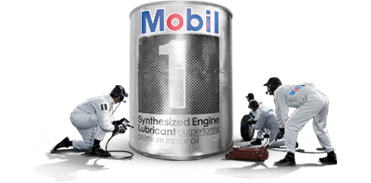
Synthetic motor oils have many different purposes. As a rule they are able to outperform most conventional motor oils in various aspects. Some of them enhance the overall performance. They also increase the life of high mileage cars. On the other hand, some synthetic motor oils are specifically meant for very high performance engines. By using highly specialized and advanced lubricating agents some synthetic oils increase your vehicle’s fuel mileage average.
Some of the advantages that synthetic oil has over conventional oils include the following:
Reduced Breakdown
Synthetic oils, as a general rule, tend to resist breaking down in engines that run on a regular basis, such as taxis. This means that they do not need to be changed at frequent intervals, like their conventional oil counterparts do.
Less Deposits
The thing about conventional oils is that, as they break down under the stress of regular usage, they tend to leave deposits behind on various engine components, very much like cooking oil deposits in a frying pan. Synthetic oil does not stick to pistons, rods, bearings, and other parts, but on the contrary, they also have the ability to actually remove such deposits thereby ensuring that the life and performance of your engine is greatly enhanced.
In the light of the above, we can conclude that when we compare the two, synthetic motor oils are better for your engine than conventional motor oils.
Click here to set an appointment for your synthetic oil & filter change.
