
Understanding Automotive Engine Failure: Causes, Symptoms, and Solutions
Engine failure will stop a vehicle in its tracks. Consequently, this can leave drivers stranded and frustrated. Therefore, knowing what causes an engine to fail and recognizing the signs can help drivers act early. Here, we’ll cover the common causes of engine failure, dive into the symptoms, and offer solutions.
Common Causes of Engine Failure
Overheating
Engine overheating is a serious issue. If ignored, overheating can lead to complete engine failure. The cooling system keeps the engine at a stable temperature by circulating coolant. When this system fails, heat can build up quickly. As a result, the excessive heat causes critical engine parts to warp or break. Let’s look at the common causes of overheating and why they lead to bigger problems.
Common Causes of Engine Overheating
1. Low Coolant Levels
– Coolant absorbs heat from the engine and helps keep temperatures in check. When coolant levels drop, the engine doesn’t get the cooling it needs. Leaks in the radiator, hoses, or water pump often cause low coolant.
– Solution: If the coolant level keeps dropping, check for leaks. Replace damaged hoses and refill coolant as needed.

2. Faulty Radiator
– The radiator is key to the cooling process. It dissipates heat from the coolant, allowing cooler liquid to flow back into the engine. A clogged or cracked radiator can’t release heat effectively, leading to overheating.
– Solution: Flush the radiator to clear out blockages or replace it if you see damage.
3. Failed Water Pump
– The function of the water pump is to circulate coolant through the engine and radiator. Therefore, if the pump fails, coolant can’t flow. Consequently, the engine overheats. This issue usually stems from worn bearings or leaks within the pump.
– Solution: Replace the water pump at the first sign of malfunction. Ignoring this part can lead to severe overheating.
4. Thermostat Malfunction
– The thermostat regulates when coolant flows into the engine. If it is stuck in the closed position, coolant can’t reach the engine to cool it down. Overheating creates a real risk of engine damage in this situation.
– Solution: Replace the thermostat as soon as you suspect it’s sticking. This fix is affordable and prevents further issues.
5. Blocked or Damaged Hoses
– Coolant flows through hoses that link the radiator, engine, and water pump. When these hoses crack, clog, or collapse, the coolant flow reduces. As a result, overheating occurs. Damage to hoses often happens due to old age or extreme temperatures.
– Solution: Inspect hoses for any signs of cracking or wear. Replace any damaged hoses to ensure a smooth flow of coolant.
6. Cooling Fan Issues
– The cooling fan pulls air through the radiator to help keep the coolant at a stable temperature. If the fan motor fails or a fuse blows, the fan can’t work properly. Without the fan, overheating happens quickly, especially in stop-and-go traffic.
– Solution: Test the fan motor and replace any blown fuses. If the fan isn’t running, consider coming in to see us.
The Consequences of Overheating Your Engine
When an engine overheats, severe damage can occur within minutes. For example, overheating can warp the cylinder head, crack the engine block, or cause head gasket failure. Any of these issues could lead to costly repairs or even total engine replacement. Therefore, addressing cooling system problems early is crucial to avoid these catastrophic outcomes.
The experts at Temecula Auto Repair & Transmission know how to diagnose and repair engine overheating issues. Serving Temecula, Murrieta, Winchester, and French Valley, our team ensures reliable solutions for cooling system malfunctions and engine protection.
Oil Leaks and Low Oil Levels
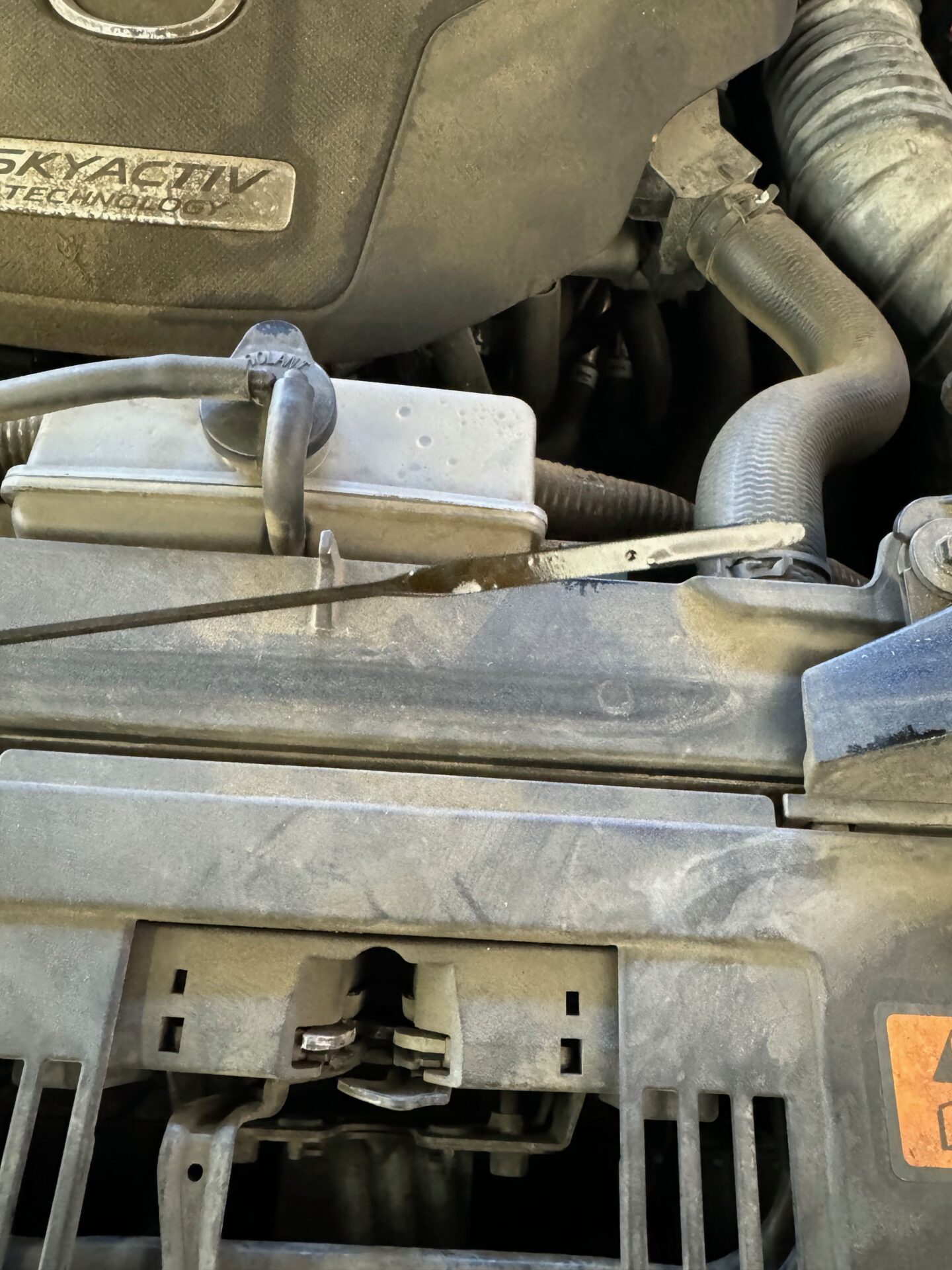
Low oil levels, primarily from oil leaks, pose a serious threat to engine health. Oil lubricates the moving parts inside the engine, keeping them from grinding against each other. When oil levels drop too low, friction builds up, causing heat and wear. Over time, this can lead to catastrophic engine failure. Understanding the common causes of oil leaks helps drivers take action before serious damage occurs.
Common Causes of Engine Oil Leaks
1. Worn-Out Gaskets and Seals
– Gaskets and seals keep oil from leaking out of the engine. Over time, these parts wear down or crack, especially in high-mileage engines. When they fail, oil escapes, often leading to leaks around the engine block or valve covers.
– Solution: Replace worn gaskets or seals at the first sign of a leak. Regular inspections help catch these issues early.
2. Loose or Damaged Oil Pan
– The oil pan, located beneath the engine, holds most of the engine’s oil. Road debris, speed bumps, or loose bolts can crack or dent the oil pan, creating leaks. Moreover, this damage often happens in older vehicles or those with lower clearance.
– Solution: Tighten oil pan bolts during regular maintenance. Replace a damaged oil pan if you see a visible crack or dent.
3. Faulty Oil Filter
– The oil filter keeps the oil clean by removing and filtering out contaminants. If the filter isn’t installed correctly or is damaged, oil can leak from the filter seal. Over time, a leaking oil filter can cause low oil levels.
– Solution: Replace the oil filter during each oil change. Install the filter is securely to avoid leaks.
4. Valve Cover Gasket Failure
– The valve cover gasket seals the top of the engine, preventing oil from leaking out. Age and heat can wear down the gasket, causing oil to seep from the valve cover. This is a common cause of oil leaks in older engines.
– Solution: Inspect and replace valve cover gaskets when necessary. This small fix prevents more significant engine issues.
5. Crankshaft and Camshaft Seal Wear
– The crankshaft and camshaft seals keep oil inside the engine. As they age, these seals become brittle, allowing oil to leak. Leaks from these seals often go unnoticed until oil levels drop significantly.
– Solution: Replace worn crankshaft and camshaft seals to maintain proper oil levels. A professional inspection at our shop can identify if these seals need attention.
The Consequences of Low Oil Levels
Low oil levels lead to increased friction and heat in the engine. Without enough oil, engine components wear faster, causing knocking or grinding sounds. Consequently, if ignored, low oil levels can cause parts to seize, resulting in total engine failure. Regular oil checks and timely repairs prevent these costly outcomes.
Temecula Auto Repair & Transmission specializes in diagnosing and fixing oil leaks before they become serious issues. Serving Temecula, Murrieta, Winchester, and French Valley, our team helps drivers keep engines running smoothly and avoid catastrophic failure.
Engine Misfires
An engine misfire occurs when one or more cylinders fail to ignite the air-fuel mixture at the right time. Misfires disrupt the engine’s power and efficiency, leading to poor performance. Additionally, if left unresolved, repeated misfires can damage engine components. Consequently, this may result in catastrophic engine failure. Here, we’ll cover the common causes of engine misfires and explain why addressing them early is crucial.
Common Causes of Engine Misfires
1. Faulty Spark Plugs

– It’s the spark plugs’ job to ignite the air-fuel mixture in each cylinder. Worn or dirty spark plugs can cause weak sparks or no spark at all. As a result, this leads to misfires. This is one of the most common and easily fixed causes of misfires.
– Solution: Replace spark plugs routinely, according to the vehicle manufacturer’s recommended interval. Besides, regular maintenance helps prevent misfires from occurring.
2. Bad Ignition Coils
– Ignition coils convert battery power into the voltage needed to ignite the fuel. When an ignition coil fails, it prevents the spark plug from firing, causing a misfire. For example, faulty ignition coils are common in high-mileage vehicles.
– Solution: Inspect ignition coils for signs of wear and replace them if needed. Regular checks can catch issues early.
3. Clogged Fuel Injectors

– Fuel injectors spray fuel into each cylinder for combustion. When clogged, injectors can’t deliver the correct amount of fuel. As a result, this leads to uneven combustion and misfires. Clogs often form from carbon buildup or dirty fuel.
– Solution: Clean or replace clogged fuel injectors. Also, using high-quality fuel can reduce buildup.
4. Low Fuel Pressure
– Fuel pressure must remain steady to ensure proper fuel delivery. Low fuel pressure, often caused by a failing fuel pump or clogged fuel filter, results in lean fuel mixtures and misfires. Inconsistent fuel pressure is particularly noticeable at high speeds.
– Solution: Test the fuel pressure regularly. Replacing a faulty fuel pump or fuel filter can prevent fuel-related misfires.
5. Vacuum Leaks
– Vacuum leaks disrupt the fuel-air mixture, causing the engine to run too lean and misfire. Cracked hoses or gaskets are typical sources of these leaks, often affecting the engine’s idle quality.
– Solution: Inspect hoses and gaskets for cracks or damage. Repair any leaks to keep the fuel-air mixture stable.
6. Worn Timing Belt or Chain
– The timing belt or chain synchronizes engine components to ensure proper cylinder firing. A worn timing belt can lead to misfiring as the engine’s timing becomes imprecise. Moreover, if it breaks, the engine can suffer catastrophic damage.
– Solution: Replace the timing belt or chain at recommended intervals. This small investment prevents misfires and extensive damage.
The timing belt is such a critical component. Broken timing belts are a leading cause of catastrophic engine failure. Thus, we’d like to spend a little more time discussing the timing belt in more depth.

Timing Belt Failure
The timing belt plays a crucial role in an engine, keeping the camshaft and crankshaft in sync. When the timing belt fails or breaks, the engine’s internal parts fall out of alignment. This misalignment often results in valves and pistons colliding, causing catastrophic engine damage. To avoid these serious issues, it’s essential to understand why timing belts fail and follow factory-recommended replacement intervals.
Common Causes of Timing Belt Failure
Wear and Tear Over Time
– Timing belts experience constant motion and friction as they rotate, which causes them to wear down gradually. Over time, this wear weakens the belt material, making it more prone to snapping or fraying.
– Solution: Replace the timing belt as recommended by your vehicle’s manufacturer, usually every 60,000 to 100,000 miles.
Oil Leaks on the Timing Belt
– Oil leaks from nearby seals or gaskets can drip onto the timing belt. Consequently, oil degrades the belt’s rubber material, increasing the chances of failure. Vehicles with high mileage are especially at risk for leaks.
– Solution: Repair any oil leaks as soon as they appear to protect the belt from damage. Also, regular engine checks can help detect leaks early.
Incorrect Belt Tension
– Proper tension is key for timing belt function. If the belt is too loose, it may slip, leading to misalignment. On the other hand, if it’s too tight, it can wear down faster or break. Timing belt tensioners, which maintain correct tension, can wear out, affecting the belt.
– Solution: Replace the tensioner when changing the timing belt. This ensures the new belt will have the proper tension.
Extreme Temperature Changes
– Temperature shifts can cause the timing belt’s rubber to expand and contract. As a result, cracks in the belt can occur. In other words, extremely high or low temperatures can speed up a timing belt’s demise, especially if the belt is nearing the end of its life.
– Solution: Store the vehicle in a climate-controlled environment when possible or inspect the belt more frequently in extreme climates.
Foreign Object Damage
– Road debris or broken engine parts can sometimes become trapped in the timing belt’s path, causing it to fray, tear, or even snap. These situations are rare but can be highly damaging.
– Solution: Regular inspections of the engine area can help catch any debris or loose parts that may harm the timing belt.
Why Following the Recommended Timing Belt Replacement Matters
Replacing the timing belt at the manufacturer’s recommended interval prevents unexpected failures. Ignoring this essential maintenance puts your engine at risk of severe damage. As a result, this can lead to costly repairs or complete engine replacement.
At Temecula Auto Repair & Transmission, we specialize in timing belt replacements and repairs. Serving Temecula, Murrieta, Winchester, and French Valley, our experienced team helps protect engines from the risks of timing belt failure, keeping your vehicle running smoothly and safely.
Also, see Interference Engine for more information about the consequences of a broken timing belt.
Now, back to the overall issue of engine misfires…
The Risks of Ignoring Engine Misfires
Repeated misfires put stress on the engine and can lead to overheating, poor fuel economy, and costly repairs. Components like the catalytic converter or pistons can suffer damage due to unburned fuel or inconsistent combustion. Ignoring misfires raises the risk of a total engine breakdown. Therefore, immediate diagnosis and repair of misfires are vital.
At Temecula Auto Repair & Transmission, our team is highly skilled in diagnosing and fixing engine misfires effectively. Serving the communities of Temecula, Murrieta, Winchester, and French Valley, we provide reliable solutions to keep engines running smoothly and avoid catastrophic failures.
Head Gasket Failure
The cylinder head gasket seals the engine block and cylinder head, keeping oil and coolant from mixing while maintaining compression in the cylinders. When a head gasket fails, these fluids can leak into areas they shouldn’t. In turn, this leads to severe engine issues. In some cases, head gasket failure can even cause complete engine failure. Understanding what causes this problem helps drivers recognize early signs and act quickly.

Common Causes of Head Gasket Failure
1. Engine Overheating
– An overheating engine is a cause of head gasket failure. When the engine gets too hot, the gasket material can weaken or crack. This often happens due to a failing cooling system, such as a broken water pump or radiator leak.
– Solution: Regularly inspect and maintain the cooling system to prevent overheating. Also, address any cooling issues immediately.
2. Poor Installation
– A poorly installed head gasket may not seal properly, which can lead to leaks. Improper installation often occurs with low-quality replacement parts or incorrect torque during installation.
– Solution: Always use high-quality parts and ensure a qualified technician performs the installation.
3. High Engine Mileage
– High-mileage engines experience more wear and tear, making the head gasket more vulnerable to failure. For example, heat cycles, friction, and general use weaken the gasket over time. This is especially true in engines with 100,000 miles or more.
– Solution: Inspect the head gasket regularly as your vehicle ages, especially if it has high mileage. Early signs of wear help prevent total failure.
4. Combustion Issues
– Pre-ignition or detonation, which causes the air-fuel mixture to ignite too early, can create high pressure inside the cylinders. This pressure puts extra stress on the head gasket, often leading to cracks or blowouts.
– Solution: Keep up with regular engine maintenance to prevent combustion issues. Properly tuned engines reduce this risk.
5. Coolant and Oil Mixing
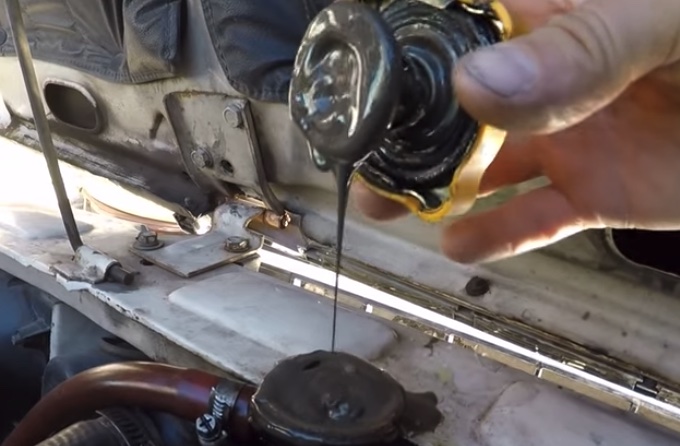
– Mixing coolant and oil causes contamination in both systems, leading to corrosion and buildup. These issues weaken the head gasket and can cause leaks over time. Oil leaks or coolant leaks into the combustion chamber often cause this issue.
– Solution: Check coolant and oil levels frequently. If you notice a milky substance on the oil cap, seek service immediately.
The Risks of Ignoring Head Gasket Failure
Ignoring a failing head gasket can lead to more severe engine damage. Overheating, poor performance, and potential engine seizure can result, especially if oil and coolant mix within the engine. The costs to repair or replace an engine affected by a blown head gasket are high, so early attention is essential.
Engine Rebuilding vs. Engine Replacement: Choosing the Right Solution
When an engine suffers serious damage, drivers often face two main options: engine rebuilding or engine replacement. Each option has its pros and cons, depending on the extent of the damage and the vehicle’s condition. Understanding the differences helps drivers make the best choice to keep their cars running reliably.
What Is Engine Rebuilding?
Engine rebuilding involves taking apart the engine, inspecting each part, and replacing damaged components. During a rebuild, our team replaces parts like pistons, valves, bearings, and gaskets. We also clean, repair, and restore components to return the engine to optimal performance. Therefore, this process allows for a more customized approach to repair. Moreover, this keeps as much of the original engine as possible.
Rebuilding an engine is often a good option when the engine has minor to moderate damage. It can also be cost-effective if only a few parts need replacement. Plus, rebuilt engines can extend the life of older or classic vehicles, keeping their original engines intact.
When to Consider Engine Replacement
Engine replacement is the process of removing the old engine and installing a new, rebuilt, or used one. Replacing the engine might be the best choice when the original engine has severe damage. This option eliminates the need for extensive repairs and ensures a fully functional engine without unknown issues.
New engines offer a fresh start for a vehicle, providing like-new performance. Used engines, while less costly, may have some wear but are typically in better condition than a heavily damaged engine. Replacement is often faster than a rebuild, as it avoids the need for in-depth inspections and repairs of every part.
Key Differences Between Rebuilding and Replacing an Engine
- Cost: Engine rebuilding may be cheaper if damage is minimal. However, costs can add up with extensive repairs. On the other hand, engine replacement, particularly with a new engine, can be more expensive but may save on future repairs.
- Time: Rebuilding an engine takes time, especially when parts need sourcing or repairs are complex. However, engine replacement is often quicker, as it involves swapping engines rather than rebuilding one.
- Longevity: A rebuilt engine can last a long time if done correctly. Nonetheless, wear on the original parts can affect its lifespan. In comparison, a new engine may last longer, while a used one may offer years of reliable use at a lower cost.
Which Option Is Right for You?
Choosing between rebuilding and replacing depends on the engine’s condition, the vehicle’s age, and your budget. A rebuilt engine preserves more of the car’s original parts. This is ideal for classic or vintage vehicles. On the other hand, replacing the engine can be a smart move for modern cars with significant engine damage.
Temecula Auto Repair & Transmission specializes in both engine rebuilding and engine replacement, providing expert solutions for all levels of engine damage. Serving Temecula, Murrieta, Winchester, and French Valley, our team ensures the right repair choice to keep your car performing at its best.
Frequently Asked Questions
What is the most common cause of engine failure?
The most common causes are overheating and running low on oil, almost always tied to a maintenance lapse. Catching small problems early is what prevents a full failure.
What is catastrophic engine failure?
It is a complete internal failure of the engine, often a thrown rod or seized block. It usually cannot be fixed without a rebuild or full replacement.
What can damage a car engine?
Running low on oil, overheating, ignoring a misfire, and skipping a timing belt service are the big ones. Each puts the engine at risk of major internal damage.
What is internal engine failure?
Internal failure means damage to the moving parts inside the engine such as pistons, rods, or bearings, as opposed to external parts like belts or hoses.
Can a blown or seized engine be fixed?
Often yes, through a rebuild or a replacement engine, depending on the damage. After a diagnosis we will tell you which path makes sense for your vehicle.
