Routine Vehicle Maintenance: Save Money, Boost Performance, and Keep Your Car Running Longer
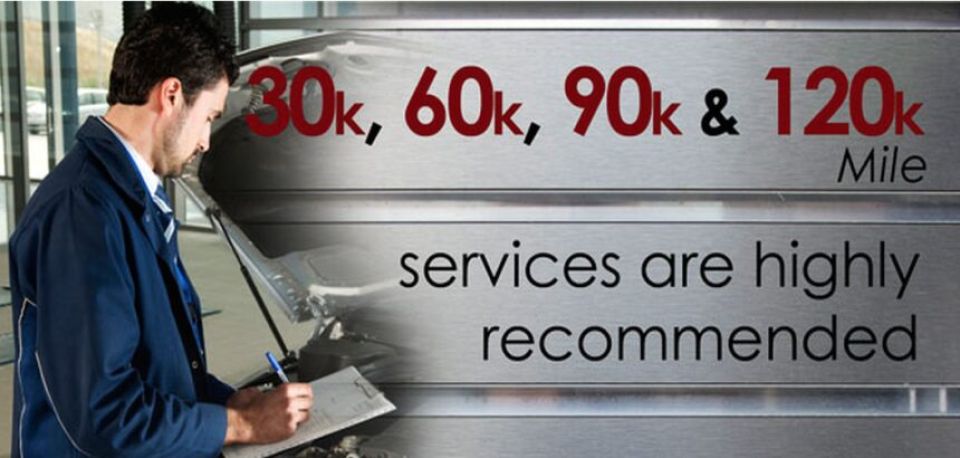
Keeping up with routine vehicle maintenance keeps your car running smoothly and extends its life. Consistent maintenance helps avoid expensive repairs and enhances fuel efficiency. Also, it ensures safety by reducing the risk of breakdowns. Additionally, keeping your vehicle in good condition helps preserve its value as it ages.
On the other hand, ignoring maintenance leads to bigger problems, including engine damage and poor performance. In other words, small issues grow into expensive repairs when left unchecked. Basic maintenance, such as oil changes and tire rotations, can have a major impact.
Below, we’ll explore common maintenance items in detail to help you keep your vehicle in top shape.
Oil & Filter Change
Changing the oil and filter ensures your engine runs efficiently and helps prevent expensive damage. New oil keeps moving parts properly lubricated, helping to minimize friction and prevent heat buildup. Also, clean oil removes dirt and debris, which helps prevent sludge buildup. Regular changes improve fuel efficiency and extend engine life. Most vehicles require an oil & filter change every 3,000 to 5,000 miles, but you should check your owner’s manual.
In brief, skipping oil changes leads to serious engine problems. Old oil thickens and loses its ability to protect vital components. More friction leads to overheating, potentially resulting in engine failure. Also, dirty oil can clog passages in the engine, reducing performance and jeopardizing the engine itself. Repairs resulting from ignored oil changes will be much more expensive than regular maintenance. In summary, staying on schedule keeps your car reliable and running at its best.
Tire Rotation
Routine tire rotations are essential for extending tire life. Tires wear unevenly based on their location on the vehicle. For example, front tires often wear faster due to steering and weight distribution, while rear tires last longer. Therefore, regular tire rotations help all four tires wear evenly, enhancing traction and improving the vehicle’s handling. Most vehicles require a tire rotation every 5,000 miles, but be sure to consult the owner’s manual for the specific recommendation.
Neglecting tire rotation leads to uneven tire wear, which can cause poor handling and reduced performance. Consequently, unevenly worn tires can cause vibrations, make steering harder, or lead to premature tire failure. Also, unevenly worn tires increase the chances of blowouts, creating dangerous situations. Thus, regular tire rotation helps prevent these issues, ensuring a smoother ride, longer tire life, and better fuel efficiency. In brief, keeping up with tire rotation saves you money by avoiding early tire replacement.
Air Filter Replacement
Installing a new air filter boosts engine performance and increases fuel efficiency. In short, a clean filter allows proper airflow, helping the engine burn fuel effectively. Therefore, better combustion means more power and fewer emissions. Also, regular replacements prevent dirt and debris from entering the engine. Most filters need changing every 12,000 to 15,000 miles, but driving conditions may affect this.
In summary, ignoring the air filter results in lower performance and increased fuel expenses. A clogged filter limits airflow, causing the engine to work harder. Consequently, an Insufficient air supply leads to slow acceleration and higher emissions. Buildup of dirt over time can harm engine parts, resulting in expensive repairs. Thus, changing the filter on time keeps your vehicle running at its best.
Battery Service
Battery and terminal cleaning service prevents starting issues and extends battery life. In short, clean terminals ensure a strong connection, allowing the battery to deliver full power. On the other hand, corrosion buildup weakens this connection, causing slow starts or electrical failures. Therefore, regular cleaning also helps prevent voltage drops that strain the charging system. Most batteries last three to five years, but age and driving conditions affect lifespan.
Neglecting battery maintenance leads to unexpected breakdowns. For example, corroded terminals cause poor connections, making it harder to start the car. An old battery struggles to hold a charge, especially in extreme weather. Also, a weak battery forces the alternator to work harder, leading to premature failure. Moreover, replacing an aging battery before failure prevents costly towing and repair bills. In summary, routine battery care keeps your vehicle reliable and ready to go.
Drive Belt Replacement
Replacing a worn or cracked drive belt prevents breakdowns and costly repairs. The drive belt powers essential components, including the alternator, water pump, and power steering. Therefore, a well-maintained belt keeps these systems operating properly, helping the engine run efficiently. Over time, belts wear out, develop cracks, or become loose. Most manufacturers recommend replacing the belt every 60,000 miles, though this interval can vary.
Neglecting a worn drive belt can cause major engine issues. For example, a broken belt can lead to things like a dead battery, engine overheating, or loss of power steering. Also, cracked or frayed belts create squealing noises, signaling potential failure. If the belt snaps while driving, the engine may stall, putting you at risk. In short, replacing the belt before failure avoids costly repairs and keeps your vehicle running reliably.
Brake Inspection and Brake Pads or Brake Shoes Replacement
Routine brake inspections maintain your vehicle’s safety and prevent costly repairs. Worn brake pads or shoes reduce your stopping power. This increases the risk of an accident. So, replacing them on time ensures smooth braking and protects other components, like rotors and drums, from damage. Squeaking, grinding, or a soft brake pedal often signals wear. Most vehicles need brake checks every 10,000 miles, but driving habits affect wear rates.
Neglecting worn brakes leads to dangerous driving conditions. For example, thin pads or shoes make stopping distances longer, especially in emergencies. Metal-on-metal contact can destroy rotors or drums, resulting in costly repairs. In conclusion, neglecting brake problems can lead to complete brake failure, endangering you and those around you. Therefore, replacing worn parts on schedule ensures reliable braking and a safer ride.
Brake Fluid Exchange Service
A brake fluid exchange service keeps your braking system working properly and extends its lifespan. Brake fluid absorbs moisture over time, which lowers its performance.
 Thus, fresh fluid ensures smooth braking by maintaining proper hydraulic pressure. Also, regular exchanges prevent corrosion in brake lines and components. Most vehicles need a brake fluid change every two years, but always check the owner’s manual for recommendations.
Neglecting brake fluid leads to serious safety risks. For instance, brake fluid contaminated with moisture reduces stopping power, making it more difficult to brake quickly. Also, stale fluid can lead to a soft brake pedal. Corrosion inside the system weakens lines and seals, leading to costly repairs. In short, replacing the fluid on time helps maintain safe, responsive braking and prevents expensive damage.
Cabin Air Filter Replacement
Replacing the cabin air filter improves air quality and keeps your vehicle’s Heating, Ventilation, and Air Conditioning (HVAC) system working efficiently. A clean filter traps dust, pollen, and other pollutants, preventing them from entering the cabin. Clean air enhances driving comfort, particularly for individuals with allergies. Also, regular replacements help the air conditioning and heating systems run smoothly. Most vehicles need a new cabin air filter every 12,000 miles, but dusty conditions may require more frequent changes.
In summary, neglecting the cabin air filter reduces airflow and affects air quality inside the vehicle. A plugged filter makes the blower motor work harder, causing strain and potentially leading to failure. Moreover, poor ventilation makes it harder to defog windows and maintain a comfortable temperature. Also, trapped contaminants cause musty odors inside the car. Therefore, replacing the filter on time ensures clean air and prevents HVAC issues.
Coolant Exchange Service
A coolant exchange service protects your engine from overheating and corrosion. Fresh coolant regulates temperature, preventing extreme heat or freezing in harsh conditions. Also, it lubricates water pump seals, reducing wear and extending their lifespan. Over time, the coolant breaks down and loses its ability to prevent rust and scale buildup. Most vehicles need a coolant flush every 30,000 miles, but always check the owner’s manual for exact recommendations.
Neglecting coolant maintenance leads to severe engine problems. For example, old coolant allows rust and debris to clog the radiator and hoses. Consequently, poor circulation causes overheating, which can result in a blown head gasket or engine failure. Corroded cooling system parts lead to costly repairs or leaks. Thus, replacing coolant on time keeps your engine running at the right temperature and prevents expensive breakdowns.
Differential and Driveline Fluid Exchange Service
Differential and driveline fluid exchange service keeps your vehicle’s gears and bearings working smoothly. Fresh fluid reduces friction, protecting the differential from overheating and excessive wear. Also, adequate lubrication enhances performance and helps critical drivetrain parts last longer. Over time, aged fluid deteriorates and no longer provides proper protection. The majority of vehicles require a differential fluid change around every 30,000 miles, though it’s important to consult the owner’s manual for exact recommendations.
Neglecting differential and driveline fluid leads to serious mechanical issues. For example, worn-out fluid fails to lubricate moving parts, causing excessive heat and metal-on-metal contact. Consequently, increased friction results in grinding noises, poor handling, or complete differential failure. Therefore, neglecting fluid changes can result in expensive repairs or even a complete driveline replacement. In short, regular service ensures smooth operation and prevents expensive drivetrain damage.
Fuel Filter Replacement
Fuel filter replacement keeps your engine running smoothly and improves fuel efficiency. A clean filter removes dirt, debris, and contaminants before they reach the fuel injectors. Proper filtration ensures a steady fuel flow, allowing the engine to perform at its best. However, over time, the filter clogs and restricts fuel delivery, reducing power and efficiency. Most vehicles need a new fuel filter every 30,000 miles, but check the owner’s manual for exact recommendations.
Neglecting the fuel filter leads to poor engine performance and costly repairs. For instance, a clogged filter starves the engine of fuel, causing hesitation, misfires, or stalling. Additionally, restricted fuel flow forces the fuel pump to work harder, leading to premature failure. Also, dirty fuel injectors struggle to deliver the right fuel mixture, reducing power and efficiency. Therefore, replacing the filter on time keeps your engine running reliably and prevents expensive fuel system damage.
Diesel Fuel Filter & Water Separator Replacement
Replacement of diesel fuel filters and water separators is crucial for diesel engine performance and longevity. The fuel filter traps dirt, debris, and other impurities, stopping them from harming the injectors and fuel system. The water separator prevents moisture from entering the system, which can cause rust and corrosion. Therefore, replacing these components ensures clean, dry fuel, which helps the engine run efficiently and reduces the risk of breakdowns. Most diesel vehicles need this service every 15,000 miles, depending on the manufacturer’s guidelines.
Neglecting the diesel fuel filter or water separator leads to serious engine issues. For example, contaminated fuel clogs injectors, reducing performance and fuel efficiency. Also, moisture in the system can cause corrosion, leading to expensive repairs. Over time, a clogged filter restricts fuel flow, causing stalling, misfires, or poor acceleration. So, ignoring these parts can damage the fuel pump or fuel injectors, resulting in costly replacements. Regular replacement keeps your diesel engine running smoothly and prevents unnecessary repairs.
Fuel Induction Cleaning Service
Fuel induction cleaning service keeps your engine running efficiently by removing carbon buildup from the fuel system. Over time, carbon deposits form on the intake valves, fuel injectors, and throttle body, reducing engine performance. Cleaning these components restores proper airflow and fuel spray patterns, improving acceleration, fuel efficiency, and overall engine performance. Depending on driving conditions and manufacturer guidelines, most vehicles should have a fuel induction cleaning about every 15,000 miles.
Skipping fuel induction cleaning can result in decreased engine performance and increased fuel consumption expenses. For instance, carbon buildup restricts airflow, causing rough idling, hesitation, or sluggish acceleration. Also, the engine may experience misfires or a decrease in fuel economy. Severely clogged injectors can cause engine stalling or even serious engine damage. Regular cleaning ensures that your fuel system stays clean and your engine runs smoothly, preventing costly repairs and improving overall reliability.
Power Steering Fluid Exchange
Power steering fluid exchange ensures smooth and easy steering, enhancing vehicle handling. Over time, fluid breaks down and becomes contaminated with debris and metal particles. Therefore, regularly replacing the fluid helps prevent wear and tear on the power steering pump and other components. In short, fresh fluid ensures that your steering system functions at its best, reducing effort when turning and improving overall driving comfort. Most vehicles need a power steering fluid exchange every 30,000 miles, but it’s always good to check the manufacturer’s recommendations.
Failing to address dirty power steering fluid puts extra stress on the system. For example, contaminated fluid can cause the power steering pump to overheat and fail prematurely. Poor fluid circulation results in stiff steering and loud whining noises when turning. As a result, If not addressed, the damaged parts can turn into expensive repairs. Therefore, regular fluid exchanges protect the steering system, ensuring smooth handling and preventing future breakdowns.
Radiator Hoses / Heater Hoses Replacement
Replacing cooling system hoses preventively helps maintain engine temperature and prevent breakdowns. Over time, hoses can crack, swell, or weaken, causing coolant leaks. So, regular hose replacement ensures proper coolant flow, preventing overheating and engine damage. Also, new hoses prevent contamination from dirt and debris, which can clog the radiator or other components. Most vehicles require hose replacement every 5 years, depending on the manufacturer’s recommendations and driving conditions.
Neglecting worn-out cooling system hoses leads to serious issues, such as coolant leaks or overheating. For instance, a ruptured hose can cause sudden engine failure, leaving you stranded. Moreover, damaged hoses may lead to contamination in the cooling system, causing blockages and corrosion. Consequently, if the hoses fail, you may face expensive repairs, including radiator replacement or engine damage. Thus, replacing hoses before they wear out ensures your engine stays cool and operates efficiently.
Shocks & Struts Replacement
Replacing shocks and struts preventively improves vehicle handling, ride comfort, and safety. These components absorb bumps, control vehicle movement, and keep tires in contact with the road. However, shocks and struts degrade over time, reducing their effectiveness. Therefore, replacing them on schedule ensures smooth driving and prevents uneven tire wear. Most vehicles require new shocks and struts after 60,000 miles, depending on driving conditions and manufacturer recommendations.
Neglecting worn-out, leaking, or old shocks and struts causes safety hazards and poor performance. Also, damaged components lead to longer stopping distances and increased vehicle instability. The vehicle may bounce excessively, making steering difficult and uncomfortable. Moreover, leaking shocks can damage other suspension parts, leading to costly repairs. Consequently, delaying replacement reduces tire life and increases the risk of accidents. Timely replacement ensures a safer, smoother ride and better handling on the road.
Spark Plug Replacement or Engine Tune-up
Installing new spark plugs or completing an engine tune-up boosts performance and enhances fuel efficiency. Spark plugs ignite the air-fuel mixture, allowing the engine to operate smoothly. However, spark plugs degrade with time, causing misfires, rough idling, or sluggish acceleration. Replacing them on time helps the engine run smoothly, reducing emissions and improving fuel economy. Most vehicles require spark plug replacement every 60,000 miles, depending on the type and the manufacturer’s recommendations.
Neglecting spark plugs causes serious engine issues. Worn or damaged plugs result in poor engine performance, including rough starts or hesitation. Consequently, ignoring spark plug replacement can lead to increased fuel consumption and higher emissions. Also, misfires from faulty plugs damage other engine components, including the catalytic converter. Thus, regular spark plug replacements or engine tune-ups ensure reliable performance and prevent costly engine repairs.
Timing Belt Replacement
Timing belt replacement is essential for keeping your engine running smoothly. The timing synchronizes the operation between the engine’s valves and pistons, ensuring they operate in sync. Thus, if the timing belt wears out or breaks, it can cause severe engine damage. Replacing the timing belt as part of regular maintenance prevents costly repairs and helps avoid engine failure. Most vehicles require a timing belt replacement every 60,000 miles, but always check the owner’s manual for specific intervals.
Ignoring timing belt maintenance can result in severe issues. A broken timing belt can cause the engine’s pistons and valves to collide, leading to extensive damage. So, replacing the belt before it fails saves you from costly repairs, including replacing bent valves or damaged pistons. On the other hand, ignoring the timing belt also increases the risk of stalling or engine failure, leaving you stranded. Regular timing belt replacement ensures your engine runs efficiently and prevents dangerous breakdowns.
Transmission Fluid Exchange Service
Changing the transmission fluid is essential for the smooth functioning and extended life of your vehicle’s transmission. In brief, the fluid breaks down over time, losing its ability to lubricate and cool the transmission’s components. Therefore, regularly replacing the fluid ensures that the transmission operates efficiently, reducing friction and heat buildup. This helps prevent transmission wear and extends its life. Most vehicles require a transmission fluid exchange every 30,000 miles, depending on the manufacturer’s recommendations and driving conditions.
Failing to maintain transmission fluid can cause severe damage and expensive repairs. Old or low fluid causes the transmission to overheat, which can result in slipping, rough shifting, or complete failure. Also, dirty fluid fails to properly lubricate, causing parts to grind together and wear out faster. As a result, ignoring fluid changes increases the risk of expensive repairs or a total transmission replacement. On the other hand, a timely transmission fluid exchange helps maintain smooth shifting and prevents long-term damage to your vehicle’s transmission.
Transfer Case Fluid Exchange Service
Servicing the transfer case fluid is crucial for keeping your vehicle’s drivetrain performing at its best. In four-wheel-drive and all-wheel-drive vehicles, the transfer case directs power from the engine to both the front and rear axles. Over time, contaminants enter the transfer case fluid and reduce its ability to lubricate and protect components.Thus, regular fluid exchange ensures that the transfer case operates smoothly and efficiently, preventing overheating and wear. Most vehicles require a transfer case fluid exchange every 30,000 miles, depending on the manufacturer’s guidelines.
Neglecting the transfer case fluid can lead to severe mechanical issues. Dirty or low fluid increases friction, which can cause components to wear out prematurely. Consequently, without proper lubrication, the transfer case may overheat, resulting in system failure. So, ignoring fluid changes can also lead to costly repairs, including replacing the transfer case or other drivetrain parts. Timely transfer case fluid exchange helps avoid breakdowns, prolongs the lifespan of your drivetrain, and ensures optimal performance.
Wheel Balancing Service
Regular wheel balancing service is crucial for a smooth, safe ride. Properly balanced wheels rotate evenly, prevent vibrations, and ensure a comfortable driving experience. However, wheels can lose their balance due to normal wear over time, causing uneven tire wear and steering issues. Therefore, regularly balancing your wheels extends tire life, improves fuel efficiency, and enhances vehicle handling. Most vehicles require wheel balancing every 12,000 miles.
Neglecting wheel balancing leads to several issues. For example, unbalanced wheels cause vibrations that can make driving uncomfortable and stressful. Also, over time, these vibrations can damage the vehicle’s suspension and steering components. Uneven tire wear results in the need for early tire replacement, which can be costly. Additionally, an unbalanced wheel can reduce fuel efficiency, leading to higher fuel costs. In short, regular wheel balancing prevents these problems, ensuring a smoother ride, better tire longevity, and improved vehicle safety.
Wheel Alignment Maintenance Service
Accurate wheel alignment improves handling, helps tires last longer, and boosts fuel efficiency. Aligned wheels ensure even tire wear, preventing premature replacements. Also, correct alignment helps the vehicle steer smoothly and maintain stability on the road. Small misalignments add strain to suspension components, leading to costly repairs. Most vehicles require alignment checks every 12,000 miles or when the tires show uneven wear.
Briefly, ignoring wheel alignment causes serious problems. Misaligned wheels pull the vehicle to one side, making driving unsafe. Additionally, uneven tire wear reduces traction, especially in wet conditions. Also, poor alignment forces the engine to work harder, lowering fuel efficiency. Over time, suspension parts wear out faster, leading to expensive repairs. In conclusion, regular alignment service keeps your car safe and running efficiently.
Wiper Blade Replacement
Regular wiper blade replacement is essential for clear visibility and safe driving. Over time, wiper blades wear out due to constant exposure to the elements, causing them to streak or skip across the windshield. Thus, replacing your wiper blades ensures they maintain proper contact with the glass, clearing away rain, snow, and debris. Most professionals suggest changing wiper blades once a year, though timing can vary based on driving conditions and climate. Timely replacement enhances visibility, especially in wet or snowy weather, improving overall safety.
However, neglecting wiper blade replacement can lead to dangerous driving conditions. Worn-out blades can cause poor visibility during rain or snow, increasing the risk of accidents. Also, old blades may damage your windshield, leaving scratches that can be costly to repair. Additionally, faulty wipers can fail to remove dirt, grime, or water effectively, making driving difficult and stressful. In summary, replacing your wiper blades regularly prepares your vehicle for any weather and keeps you and your passengers safe.
Regular vehicle maintenance isn’t just about saving money—it’s about keeping your car running stronger, longer, and safer. At Temecula Auto Repair & Transmission, we make it easy. With over a decade of trusted service to Temecula, Murrieta, and the surrounding communities, our expert team knows what it takes to keep your vehicle in top shape. Whether it’s a simple oil change or a complete maintenance inspection, you can count on us for honest advice, skilled workmanship, and friendly service.
Ready to give your car the care it deserves? Schedule your routine maintenance with Temecula Auto Repair & Transmission today and drive with confidence!
