


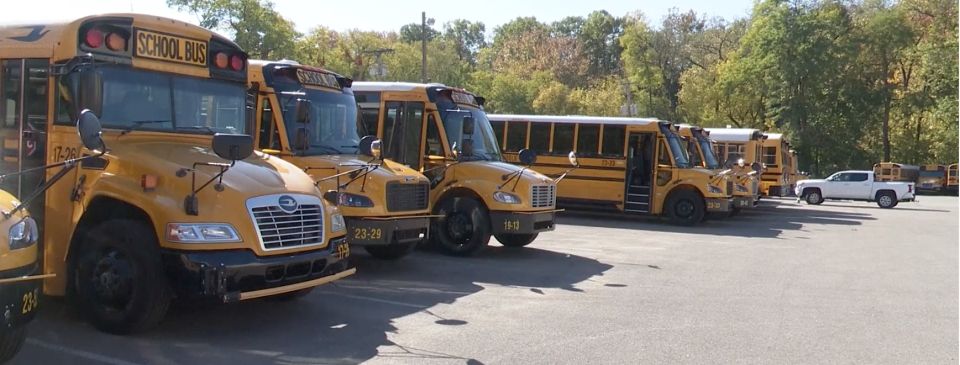
Stay Safe on the Road: Essential Vehicle Maintenance Tips for National School Bus Safety Week 2024
Every year, National School Bus Safety Week reminds us of the importance of protecting our most vulnerable passengers: children. This event is held from October 21 to October 25, 2024. It encourages drivers and communities to prioritize school bus safety. As a motorist, you can play a critical role in keeping students safe on the road. You can do so by following traffic laws and ensuring your car is in top condition. Let’s explore how motorists can contribute to school bus safety. We’ll focus on vehicle care and safe driving habits.
The Importance of School Bus Safety
Millions of children travel to and from school by bus each day. Although buses are one of the safest modes of transportation, accidents can still happen. This is especially true when other drivers fail to exercise caution. According to the National Highway Traffic Safety Administration (NHTSA), an average of 128 people die in school-transportation-related crashes every year. By being more aware and mindful of school buses, you can help prevent accidents and protect children’s lives.
How Motorists Can Ensure School Bus Safety
1. Stop for Flashing Red Lights
When a school bus displays flashing red lights and extends its stop sign, drivers in both directions must stop. Children are likely boarding or getting off the bus at this time. Therefore, failing to stop can lead to severe accidents. Always prepare to stop when approaching a bus from either side.
2. Maintain a Safe Following Distance
Keeping a safe distance behind a school bus is critical. Tailgating buses as they make frequent stops increases the risk of a collision. Ensure you maintain at least three seconds of following distance. This will give you ample time to react to any sudden stops.
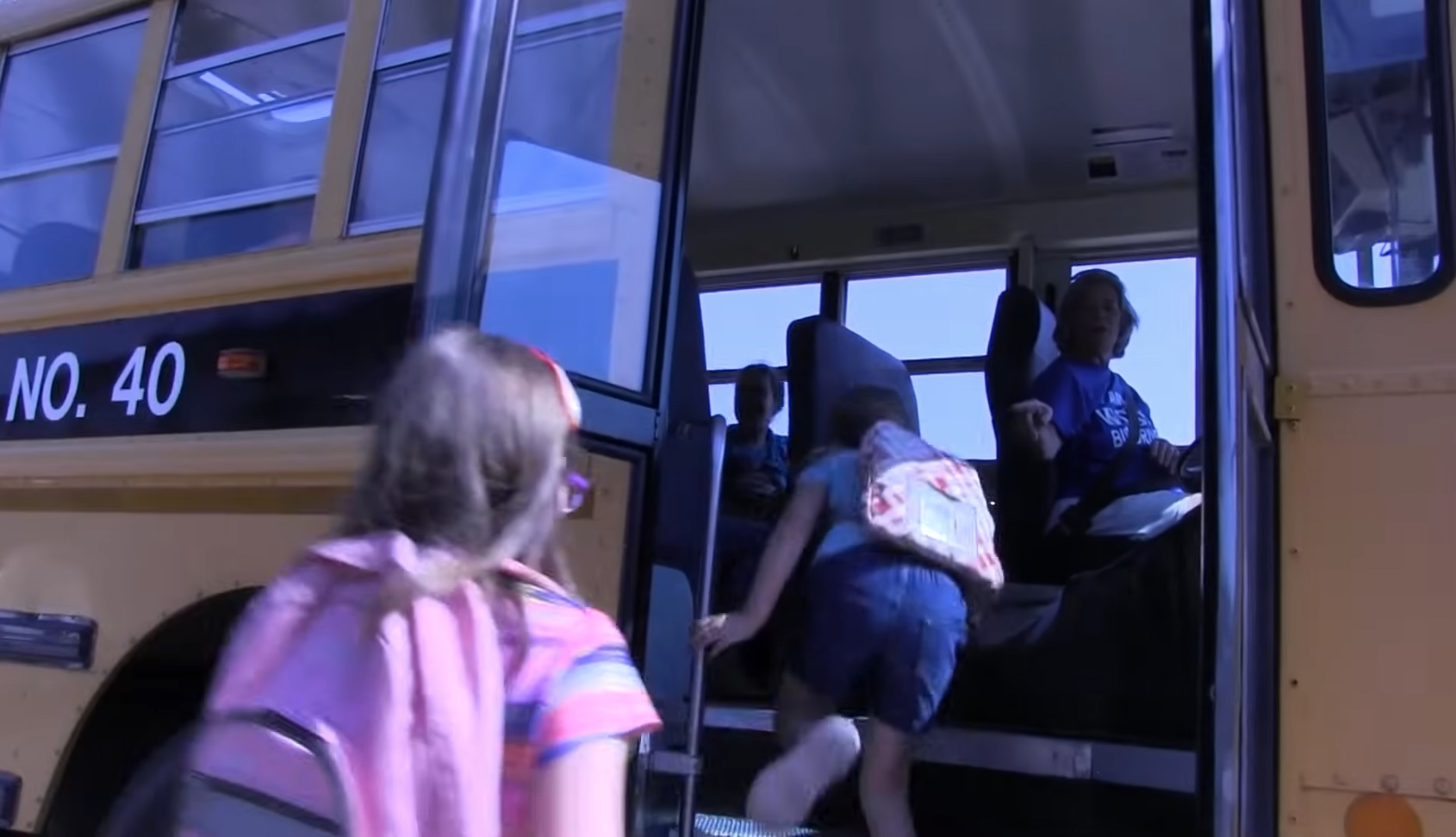
3. Watch for Children Around the Bus
When children get excited and distracted, they can be unpredictable. Oftentimes, they may cross the street suddenly or appear from behind a parked vehicle. Therefore, always scan your surroundings when you see a school bus. Also, drive slowly to avoid any accidents. Be especially careful in school zones and neighborhoods.
Car Care Tips for Safer Driving Near School Buses
Maintaining your vehicle is crucial to ensuring school bus safety. Proper car care can enhance your ability to stop quickly, maneuver effectively, and avoid accidents. Here are some tips on how to keep your car in good condition for safer driving:
1. Check Your Brakes Regularly
With National School Bus Safety Week 2024 here, the spotlight is once again on road safety. One essential aspect of road safety that every motorist should prioritize is brake maintenance. Properly functioning brakes can mean the difference between avoiding an accident and causing one. This is especially true when near school buses and children. In fact, checking your brakes during this important week ensures your vehicle’s safety. Additionally, proper brake maintenance helps protect children who rely on school buses every day.
Understanding Brake Wear
Brakes are a crucial part of any vehicle’s safety system. Over time, brakes wear down. Brake pads create friction. This friction slows down and stops your vehicle. However, the constant pressure and friction they endure mean they gradually wear thin. When brake pads become too worn, they lose their ability to stop the car quickly. This is especially dangerous in school zones or when driving near school buses.

Common signs of brake wear include:
A. Squeaking or Squealing Sounds
These sounds indicate that your brake pads are thinning out. Oftentimes, brake noises indicates a need for immediate attention.
B. Grinding Noises
If you hear grinding when applying the brakes, it’s likely that your brake pads are completely worn. The noise could be metal scraping against metal. As a result, this damages your rotors and also compromises your braking ability.
C. Reduced Responsiveness
If your vehicle takes longer to stop than usual, worn brake pads may be the cause. This is especially dangerous when driving in areas with school buses, where sudden stops can happen frequently.
Brake Safety and School Bus Zones
Driving near school buses requires extra caution. Buses make frequent stops, and children may suddenly cross the street. In such situations, your brakes need to be in top condition. Worn brakes can increase stopping distance. Oftentimes, this can lead to accidents.
During National School Bus Safety Week, it’s vital to recognize that stopping for a school bus is both a legal requirement and a moral responsibility to protect the lives of young children. Thus, properly maintained brakes ensure that when a bus stops, you can stop, too.
Why Regular Brake Inspections Matter
Having your brakes checked regularly helps detect wear early. This allows you to replace brake pads or address other issues before they become serious. During an inspection, our mechanic will:
– Measure brake pad thickness to ensure they meet safety standards.
– Inspect the brake rotors for damage or warping.
– Check for brake fluid leaks, which can reduce the pressure needed to apply your brakes effectively.
The Role of Brake Fluid in Brake Safety
Besides brake pad wear, your brake fluid also plays an important role in ensuring your car stops efficiently. Brake fluid transfers the force from your foot on the pedal to the brakes themselves. In time, brake fluid becomes contaminated with copper content and moisture. Consequently, this will reduce its effectiveness. This is especially concerning when driving near school buses. Remember, every second counts.
Having your brake fluid inspected and flushed periodically ensures that your braking system operates smoothly. Clean brake fluid increases your ability to stop promptly. In turn, this reduces the risk of accidents in high-traffic areas near schools.
In conclusion, as National School Bus Safety Week 2024 highlights the importance of protecting children on the road, motorists must ensure their brakes are in optimal condition. Brake wear can happen gradually. However, the impact of failing brakes can come on suddenly with catastrophic results. Therefore, keeping up with regular brake inspections and addressing any signs of wear will help safeguard both yourself and the children who rely on school buses every day.
Keep your brakes in top condition with expert brake inspections and repairs at Temecula Auto Repair & Transmission. Serving Temecula, Murrieta, Winchester, and French Valley, our team ensures your vehicle stops safely every time. Don’t wait for a problem. Schedule your brake service today for smoother, safer driving!
2. Inspect Your Tires
During National School Bus Safety Week 2024, safety on the road becomes a top priority.
We rightly place much of the focus on driving habits and obeying traffic laws. However, vehicle maintenance plays an equally critical role in keeping our roads safe. This is especially true around school buses. One often overlooked aspect of vehicle safety is tire maintenance. Properly maintained tires improve driving performance. Most importantly, well maintained tires help prevent accidents. During this important week, ensuring your tires are in good condition is essential for protecting school children and other drivers.
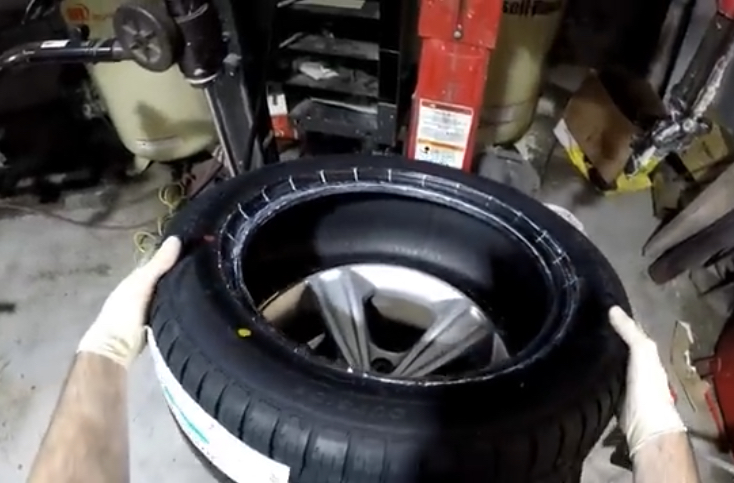
Understanding Tire Wear
Tires will wear down over time. This is due to friction from contact with the road. However, worn tires can significantly reduce a vehicle’s ability to stop quickly or maneuver safely. Worn tires are especially dangerous in wet or slippery conditions. Moreover, this is particularly dangerous when driving near school buses, where sudden stops are common.
Several factors contribute to tire wear, including:
A. Tread Depth
The tread provides the grip that tires need to maintain traction on the road. Therefore, when the tread wears down, your vehicle becomes more prone to skidding. Skidding is more likely in adverse weather conditions. Checking your tire tread regularly ensures they have enough grip to stop safely.
B. Tire Pressure
Under-inflated or overinflated tires can lead to uneven wear. Uneven tires will reduce your control of the vehicle. Additionally, low tire pressure increases the risk of a blowout. So, properly inflating your tires enhances their lifespan and improves vehicle stability.
C. Alignment and Rotation
Misaligned tires or improper tire rotation can cause uneven wear. For example, certain areas of the tire may wear down faster. This, in turn, compromises your ability to stop and steer. Thus, regular tire rotations and alignments help distribute wear evenly. This ensures your tires perform optimally.
Tire Safety and School Bus Zones
Driving in school zones or near school buses requires heightened awareness. Since buses stop frequently and children may unexpectedly cross the street, your ability to stop quickly is crucial. Worn tires can drastically increase stopping distance. An increased stopping distance makes it harder to avoid a collision.
For example, in wet conditions, bald tires are much more likely to hydroplane. Hydroplaning reduces your control of the vehicle. This is particularly dangerous in school zones, where stopping distances are shorter, and unexpected stops are common. Therefore, keeping your tires in good condition improves traction. Better traction means reduced chances of sliding or skidding.
Why Regular Tire Inspections Matter
Regular tire inspections allow you to spot issues before they become serious. During an inspection, our professionals check for:
– Tread Wear:
Ensuring your tires have the proper tread depth is key to maintaining grip. This is especially critical in poor weather conditions.
– Sidewall Damage:
Cracks, bulges, or cuts in the tire’s sidewall can lead to a blowout. A blowout will put you at risk of losing control.
– Tire Pressure:
Proper tire inflation optimizes vehicle performance and safety. Under-inflated tires increase rolling resistance. This in turn makes it harder to stop quickly.
Tire Safety Tips for National School Bus Safety Week
During National School Bus Safety Week, here are some helpful tire safety tips to consider:
A. Perform the Penny Test:
Start by inserting a penny into the lowest tire tread, with Lincoln’s head facing down. If you can see the top of his head, your tread is too low. That means it’s time to replace the tires.
B. Check Tire Pressure Monthly:
Tire pressure naturally decreases over time, especially in colder weather. Keeping your tires inflated to the recommended level extends their lifespan and enhances safety.
C. Rotate Tires Every 5,000
Regular tire rotation helps distribute wear evenly across all tires. This will ensure consistent performance.
D. Be Mindful of Load Limits:
Overloading your vehicle can put unnecessary strain on your tires. Overloading increases the risk of a blowout. So, always be aware of your vehicle’s weight capacity.
In summary, tire safety plays a significant role in protecting school children during National School Bus Safety Week. Drivers are responsible for following traffic laws around school buses, and maintaining your tires is equally important for ensuring road safety. By keeping your tires properly inflated, checking tread wear, and addressing any signs of damage, you can reduce the risk of accidents in school zones and near buses.
Make tire safety a priority, not just during National School Bus Safety Week, but throughout the year. Well-maintained tires help you stop faster, maneuver better, and keep everyone on the road, especially children, safer.
Ensure safe driving with tire inspections, replacements, rotations, and wheel alignments at Temecula Auto Repair & Transmission. Serving Temecula, Murrieta, Winchester, and French Valley, we help keep your tires in top shape for smooth rides and better control. Visit us today to extend your tire life and improve vehicle performance!
3. Maintain Windshield Visibility
Clear visibility is essential when driving around school buses. Ensure your windshield wipers are in good condition and that your windshield is free from cracks or chips. Additionally, keeping your windshield clean also helps reduce glare from the sun, allowing you to see children, school buses, and traffic signs more clearly.
Stay safe with clear visibility by getting windshield replacement, wiper blade replacement, and wiper/washer system repairs at Temecula Auto Repair & Transmission. Proudly serving Temecula, Murrieta, Winchester, and French Valley, we ensure your view stays crystal clear in any weather. Visit us today for expert service that keeps you driving safely!
4. Stay on Top of Fluid Levels
One of the most critical aspects of vehicle care is ensuring that one checks all fluids and tops them off regularly. Vehicle fluids are like the lifeblood of your car. That is, fluids help various systems function smoothly and efficiently. For motorists, maintaining these fluids is crucial, especially when driving near school buses. Most importantly, by keeping your vehicle in optimal condition, you contribute to road safety and help protect school children.
The Importance of Each Vehicle Fluid
Several fluids are vital to the safe operation of your car. Here are some details:
A. Engine Oil
Engine oil lubricates the engine’s moving parts. As oil circulates it reduces friction and prevents overheating. Without it, your engine can suffer significant damage, leading to breakdowns or, worse, accidents. Regular oil checks and changes keep your engine running smoothly. If your car’s engine seizes while driving near a school bus, it could cause a serious hazard on the road.
B. Brake Fluid
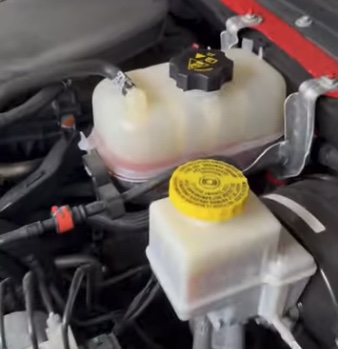
Brake fluid transfers the force from your foot on the brake pedal to the brakes themselves. In turn, the hydraulic pressure from the fluid stops your car. Over some time, brake fluid will absorb moisture from the atmosphere. This moisture reduces the brake fluid’s effectiveness. Low or contaminated brake fluid increases the risk of brake failure. This could make it harder to stop quickly in school zones or when a bus stops. Therefore, having your brake fluid checked ensures your braking system functions at its peak.
C. Coolant/Antifreeze
Coolant reduces your engine’s temperature by absorbing heat as it circulates. This prevents the engine from overheating. During hot weather, the coolant absorbs heat from the engine and dissipates it through the radiator. In cold weather, antifreeze keeps the engine from freezing. If the coolant level is too low, your engine could overheat, leading to a breakdown that endangers other drivers and school buses. Thus, regular coolant checks help prevent overheating and maintain your vehicle’s overall performance.
D. Transmission Fluid
Transmission fluid lubricates and cools the gears in your transmission. This allows for smooth shifting and prevents overheating. If the fluid is low or dirty, it can lead to transmission failure or gear slippage. In turn, this makes your vehicle difficult to control. This is especially dangerous in stop-and-go traffic near school buses, where precise driving is needed. Checking and maintaining your transmission fluid ensures smoother driving and safer maneuvers.
E. Power Steering Fluid
Power steering fluid makes it easier to turn your steering wheel. The fluid provides the hydraulic pressure needed for steering assist. Therefore, if the fluid level is too low, steering becomes harder. In turn, it becomes difficult to navigate sharp turns or avoid obstacles. In school zones, where precise and responsive steering is crucial, low-power steering fluid could create unsafe conditions. So, keeping this fluid at the right level ensures better control over your vehicle.
F. Windshield Washer Fluid
While windshield washer fluid may seem less critical, it plays a key role in visibility. Clean windows are essential for seeing school buses, children, and other drivers. Running out of washer fluid could impair your ability to see, especially in bad weather or during early morning school traffic. So, always check your washer fluid level to maintain clear visibility.
Fluid Maintenance and School Bus Zones
Driving in school zones or near buses requires quick response times and full control of your vehicle. Having all your fluids at the right levels ensures that your car can stop, steer, and perform efficiently in any situation. In other words, worn or low fluids increase the risk of mechanical failure. This will put both children and other drivers at risk.
In fact, fluid neglect can lead to sudden breakdowns or dangerous situations. This is especially true in high-traffic areas where school buses operate. To avoid accidents and keep your vehicle in peak condition, it’s important to check all vehicle fluids regularly.
Keep your vehicle running smoothly with fluid checks, fluid replacements, and general maintenance at Temecula Auto Repair & Transmission. Serving Temecula, Murrieta, Winchester, and French Valley, we make sure your car stays in top condition. Schedule your service today for a safer, more reliable ride!
Why Regular Fluid Checks Matter
Regular fluid checks are essential for vehicle safety and longevity. Our Technicians can:
– Inspect fluid levels to ensure they are within the recommended range.
– Identify any leaks or contamination that could impair vehicle performance.
– Recommend fluid flushes or changes based on your vehicle’s condition.
By addressing any issues early, you can prevent major repairs and reduce the risk of accidents. This is especially important during National School Bus Safety Week when road safety is a top priority.
In conclusion, with National School Bus Safety Week 2024 here, it’s the perfect time to make sure you check and maintain your vehicle’s fluids. Each fluid in your car serves a specific purpose in ensuring safety and performance. From engine oil to brake fluid, keeping these fluids at optimal levels can make a significant difference in how your vehicle operates near school buses.
Take the time to get your fluids checked and contribute to safer roads for school children and the community. Proper fluid maintenance will protect your vehicle and protect others on the road as well.
Taking care of your vehicle is a great first step toward safe driving. Additionally, adopting safe driving habits is equally important when sharing the road with school buses:
– Avoid Distractions:
Put down your phone and focus on the road, especially when you see a school bus. Distracted driving is a leading cause of accidents in the United States. See, Distracted Driving, for more on this.
– Be Patient:
School buses operate at slower speeds and make frequent stops. Thus, rushing or trying to pass a bus can lead to dangerous situations. Instead, be patient and allow extra time for your commute.
– Obey Speed Limits:
In school zones and residential areas, speed limits are often reduced to protect children. Make sure to follow the posted speed limits. Be especially careful with your speed when driving near a school or bus stop.
In conclusion, National School Bus Safety Week 2024 is a perfect reminder for all drivers to stay alert and make our roads safer for children. By following traffic laws, maintaining your vehicle, and practicing safe driving habits, you can do your part to ensure students travel safely to and from school. Remember, it only takes one mistake to cause a serious accident. However, with a little extra care and attention, we can prevent them from happening.
Stay safe and help protect the future – our children.
