Expert Radiator Replacement in Temecula & Murrieta – Keep Your Engine Cool & Reliable!
Your vehicle’s radiator is essential for keeping the engine cool and running smoothly. It helps prevent overheating by removing excess heat. As the engine runs, the coolant picks up heat and carries it to the radiator. Inside, the hot coolant flows through thin tubes, surrounded by cooling fins that help release the heat. The air passing through the radiator also helps cool the coolant. Once cooled, the coolant flows back to the engine, keeping it at the right temperature. Thus, without a working radiator, the engine can overheat and suffer serious damage.
Common Radiator Failures and Their Causes
1. Leaks
– Cause: Corrosion over time, physical damage from road debris, or deteriorated gaskets and seals.
– Effect: Loss of coolant, leading to engine overheating.
2. Clogging
– Cause: Buildup of rust, debris, or old coolant that has broken down into sludge.
– Effect: Restricted coolant flow, causing inefficient cooling and potential overheating.
3. Cracks in Plastic Tanks
– Cause: Heat cycles that cause expansion and contraction, eventually leading to cracks.
– Effect: Coolant leakage and loss of pressure in the cooling system.
4. Faulty or Stuck Thermostat
– Cause: Wear and tear over time, buildup of deposits, or manufacturing defects.
– Effect: The thermostat can stay closed, preventing coolant from flowing, or it may stay open, causing the engine to run too cold.
5. Damaged Cooling Fins
– Cause: Impact from road debris, corrosion, or improper handling during maintenance.
– Effect: Reduced heat dissipation, making the radiator less effective at cooling.
6. Electrolysis and Corrosion
– Cause: Poor grounding or an electrical imbalance in the cooling system that accelerates metal degradation.
– Effect: Pitting and corrosion in metal components, leading to leaks and weakened structural integrity.
7. Water Pump Failure
– Cause: Worn bearings, seals, or impeller corrosion.
– Effect: Poor coolant circulation, leading to overheating and possible radiator damage.
8. Collapsed or Leaking Hoses
– Cause: Age-related rubber degradation, oil contamination, or excessive pressure fluctuations.
– Effect: Restricted coolant flow or loss of coolant, leading to overheating.
Symptoms of a Failing Radiator
When a radiator fails, it can cause a range of symptoms that affect engine performance and vehicle operation. Below are the common ways radiators fail, along with the symptoms a driver may experience:
1. Leaking Radiator
– Symptoms:
– Puddles of coolant under the vehicle, typically green, orange, pink, or yellow.
– Low coolant levels leading to frequent overheating.
– A sweet smell from coolant burning off hot engine parts.
– Steam coming from under the hood.
– Driver Experience:
– The temperature gauge rises quickly, possibly reaching the red zone.
– The vehicle may need frequent coolant refills to stay operational.
– In severe cases, the engine may shut down due to excessive heat.
2. Clogged Radiator
– Symptoms:
– Engine temperature fluctuates, running hotter than normal.
– Weak or inconsistent heat from the cabin heater (due to restricted coolant flow).
– Coolant appears dirty, rusty, or sludgy.
– Driver Experience:
– The engine may overheat even in normal driving conditions.
– The vehicle may stall if the engine overheats too much.
– In cold weather, the heater may not work efficiently.
3. Cracked Plastic Tanks
– Symptoms:
– Visible coolant leaks from radiator tanks.
– Engine overheating due to loss of coolant.
– Rapid pressure loss in the cooling system.
– Driver Experience:
– The temperature gauge spikes quickly.
– A warning light may illuminate for low coolant or high temperature.
– The vehicle may struggle to maintain normal operating temperature.
4. Faulty or Stuck Thermostat
– Symptoms:
– If stuck closed: Engine overheats quickly, even after starting.
– If stuck open: Engine takes too long to reach normal temperature or runs too cold.
– Driver Experience:
– If stuck closed: The vehicle may overheat within minutes, possibly causing steam from the hood.
– If stuck open: The engine may not warm up properly, leading to poor fuel efficiency and weak heater performance. Also, Check Engine Light may illuminate.
5. Damaged Cooling Fins
– Symptoms:
– Engine runs hotter than usual, especially at high speeds or under heavy loads.
– The radiator appears physically damaged with bent or missing fins.
– Driver Experience:
– The engine may struggle to cool down after long drives.
– Overheating may occur in stop-and-go traffic.
6. Electrolysis and Corrosion
– Symptoms:
– Pinholes or rust spots visible on metal parts of the radiator.
– Repeated coolant leaks despite other cooling system repairs.
– Driver Experience:
– Persistent overheating despite coolant refills.
– The radiator may require frequent replacements if electrical grounding issues persist.
7. Water Pump Failure (Affecting Radiator Performance)
– Symptoms:
– Coolant may leak from the front of the engine near the water pump.
– Engine overheats due to lack of coolant circulation.
– A high-pitched screeching or whining noise from the front of the engine.
– Driver Experience:
– The engine overheats even with full coolant levels.
– Loss of power and rough running due to excessive heat.
8. Collapsed or Leaking Hoses
– Symptoms:
– Low coolant levels despite no visible leaks from the radiator.
– Soft or kinked radiator hoses that restrict coolant flow.
– Driver Experience:
– Overheating occurs suddenly and unpredictably.
– Steam may appear if a hose bursts while driving.
Final Thoughts on Failed Radiator Symptoms
If you’re experiencing overheating, coolant leaks, or fluctuating engine temperatures, don’t wait. That is to say, addressing radiator issues early can prevent costly engine damage. At Temecula Auto Repair & Transmission, we specialize in diagnosing and repairing radiator problems for all vehicle makes and models. Whether you need a radiator flush, a hose replacement, or a complete radiator replacement, our expert technicians are here to help.
We proudly serve Temecula, Murrieta, Winchester, French Valley, and the surrounding communities. Contact us today to schedule a reservation and keep your vehicle running cool and efficiently!
Radiator Maintenance and Longevity Tips
Here’s a detailed breakdown of practical radiator maintenance to help extend its lifespan and keep your cooling system functioning efficiently:
1. Perform Periodic Cooling System Flushes
Over time, coolant breaks down and accumulates contaminants like rust, scale, and debris, which can clog passages and reduce efficiency. A cooling system flush removes old coolant and deposits, ensuring optimal heat transfer.
– Recommended Interval: Every 30,000 miles or as specified by the manufacturer.
– Process: Drain old coolant, flush the system with a special chemical flush solution, and refill with fresh coolant mixed to the proper ratio.
2. Check Coolant Levels and Condition Regularly
Maintaining proper coolant levels prevents overheating and component damage.
– Check Frequency: Every month, at every service visit, or before long trips.
– What to Look For: Low levels, discoloration, or sludge, which indicate contamination or leaks.
3. Inspect Hoses and Clamps
Hoses transport coolant throughout the system, so any leaks or cracks can lead to overheating.
– Check for: Cracks, bulges, soft spots, or loose clamps.
– Replacement Interval: Every 4–5 years or as needed.
4. Examine the Radiator for Leaks and Corrosion
Leaks can develop from wear, corrosion, or impact damage.
– Signs of Trouble: Puddles under the vehicle, rust around connections, or white residue (dried coolant).
– Prevention: Use the correct coolant type, avoid tap water in the mix, and inspect for physical damage regularly.
5. Clean the Radiator Fins
The radiator fins play a key role in dissipating heat by increasing the surface area for heat transfer. However, dirt, bugs, and debris can build up on the fins, blocking airflow. This obstruction reduces the radiator’s ability to cool the coolant effectively, potentially causing the engine to overheat.
– How to Clean:
– Remove debris using compressed air or a soft brush.
– Rinse with a gentle stream of water, avoiding high pressure that may bend fins.
6. Ensure the Radiator Cap Functions Properly
A faulty radiator cap can cause pressure imbalances, leading to coolant loss or overheating.
– Test for Wear: Inspect the seal for cracks and replace if it’s old or leaking.
– Pressure Rating: Always use a cap that matches the manufacturer’s specifications.
7. Monitor the Thermostat and Water Pump
The thermostat regulates coolant flow, while the water pump circulates coolant.
– Signs of Failure: Overheating, fluctuating temperature readings, or coolant leaks around the pump.
– Replacement Interval: Thermostats typically last 50,000–100,000 miles; water pumps vary, but we’ll inspect your water pump with each maintenance service.
8. Use the Correct Coolant Type
Different vehicles require specific coolant formulations to prevent corrosion and maintain cooling efficiency.
– Check the Owner’s Manual: Use the manufacturer-recommended coolant type (e.g., ethylene glycol vs. propylene glycol, HOAT vs. OAT).
– Mix Properly: A 50/50 mix of coolant and distilled water is standard, but some climates may require adjustments.
9. Avoid Overloading the Cooling System
Towing heavy loads, aggressive driving, or prolonged idling in hot conditions can overwork the radiator.
– Tips to Reduce Strain:
– Use an auxiliary transmission cooler if towing.
– Maintain proper airflow by ensuring a functioning fan and shroud.
– Consider a higher-capacity radiator for high-performance or heavy-duty applications.
Following these radiator maintenance steps will help prevent breakdowns, extend the life of your cooling system, and keep your engine running at optimal temperatures.
For expert radiator and cooling system maintenance, trust Temecula Auto Repair & Transmission. With our vast automotive experience and professional service, we ensure your cooling system operates at peak performance, preventing costly breakdowns. Whether you need a cooling system flush, leak inspection, or radiator repair, our skilled technicians are here to help. Visit us today and keep your engine running cool.
Expert Radiator Replacement in Temecula, Murrieta, Winchester, and French Valley
Temecula Auto Repair & Transmission provides expert radiator replacements. Our team services all makes and models. We also offer complete automotive maintenance and repair for the entire cooling system.
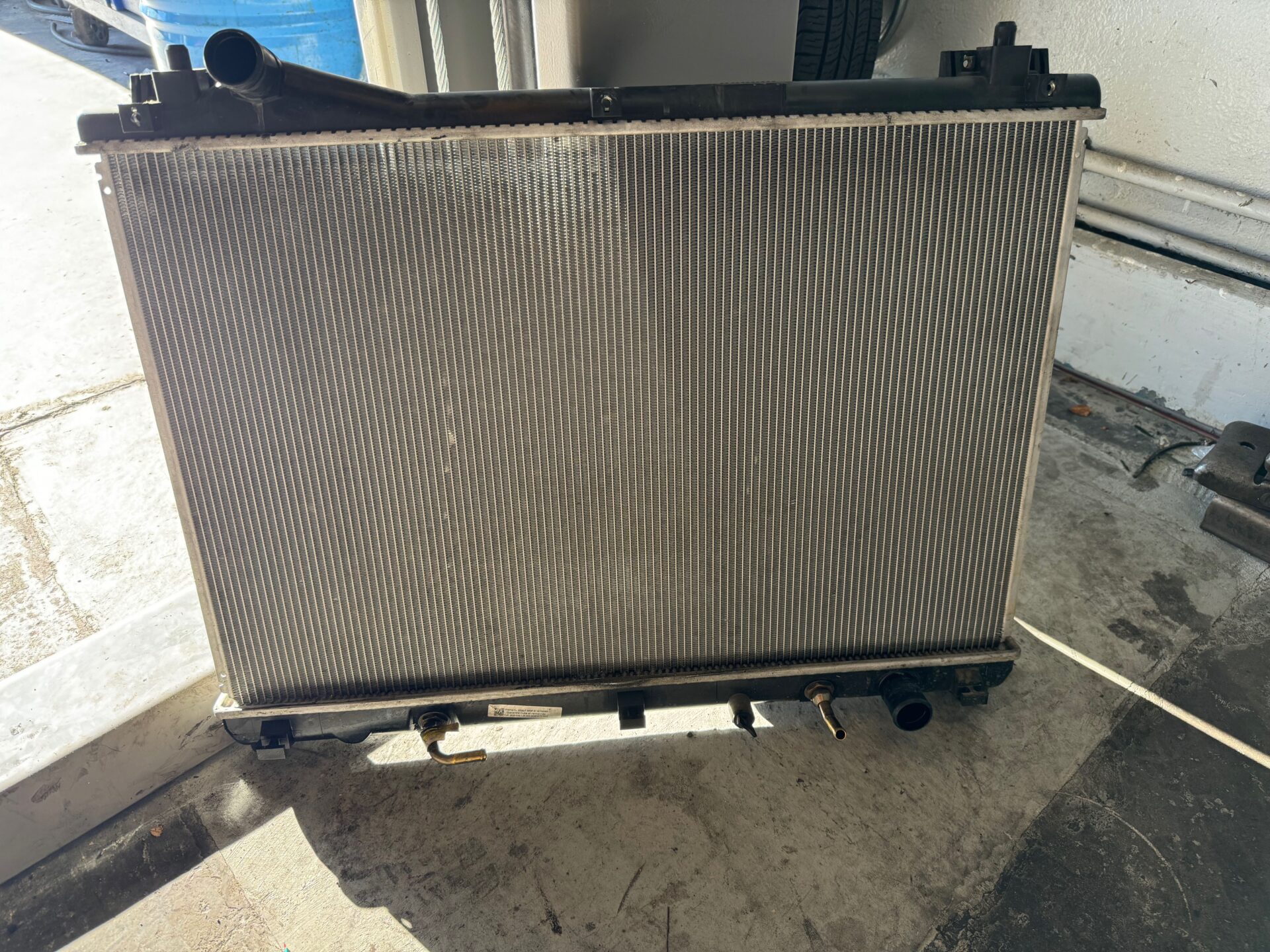
Our Process for Diagnosing and Replacing a Failed Radiator
At Temecula Auto Repair & Transmission, we follow a detailed process to diagnose and replace a failed radiator. Our skilled technicians use advanced tools to ensure your cooling system works properly.
Step 1: Thorough Inspection and Diagnosis
Firstly, we begin by checking for common radiator issues. Signs of trouble include coolant leaks, overheating, or rust buildup. Our team inspects the radiator, hoses, and coolant levels. Next, we pressure-test the cooling system to detect hidden leaks. If we find a clogged or damaged radiator, we recommend a replacement.
Step 2: Careful Radiator Removal
Once we confirm the radiator has failed, we drain the coolant to prevent spills. Our technicians carefully disconnect the hoses, fan assembly, and transmission cooler lines if necessary. We then unbolt and remove the faulty radiator without disturbing the surrounding components.
Step 3: Installing a High-Quality Replacement
A new radiator must match the vehicle’s specifications. We install a premium-quality replacement to ensure durability and performance. After securing the new unit, we reconnect all hoses and fittings. Our team also checks the water pump, thermostat, and cooling fans for optimal function.
Step 4: Refilling and Testing the Cooling System
With the new radiator in place, we refill the system with the correct coolant mixture. Bleeding air from the system prevents overheating. Afterward, we start the engine and monitor the temperature to ensure proper operation. A final leak check, including a final pressure test, confirms everything is secure.
Step 5: Final Quality Check and Road Test
Before returning your vehicle to you, we’ll perform a final quality-control inspection. A road test ensures the cooling system operates efficiently under real conditions. Our goal is to provide reliable, long-lasting results.
Trust Temecula Auto Repair & Transmission for Radiator Replacement
If your radiator needs service, visit Temecula Auto Repair & Transmission or Book A Reservation online. Our expert team handles all cooling system maintenance and repairs, including radiator replacement. We proudly serve all vehicle makes throughout Temecula, Murrieta, Winchester, French Valley. Call or stop by today to keep your engine running cool.