


Expert Transmission Repair & Replacement in Temecula & Murrieta | Trusted Local Service
At Temecula Auto Repair & Transmission, we understand your vehicle’s transmission’s vital role in keeping your car running smoothly. Whether you drive a modern vehicle or a cherished classic, transmission issues can be daunting. That’s why we offer expert transmission replacement and rebuild services tailored to your specific needs, focusing on preserving the integrity of your classic car. Hundreds of motorists in the Temecula, Murrieta, Winchester, and French Valley communities rely on our expertise in transmissions to keep their vehicles in tip-top shape.
Transmission Replacement vs. Transmission Rebuild: Which is Right for You?
Problems with your transmission can escalate quickly if not addressed in time. Some of our customers find themselves asking is a rebuilt transmission worth the cost? Therefore, at Temecula Auto Repair & Transmission, we guide our customers through the decision between a transmission rebuild or a replacement. The ultimate decision is based on the nature of the failure, the condition of the transmission, and the vehicle’s unique characteristics.
Transmission Replacement
A transmission replacement involves removing your existing transmission and replacing it with a new, rebuilt, or low-mileage used transmission. This option is ideal when the damage is severe, and rebuilding isn’t cost-effective. Our team sources high-quality replacement units. We’ll ensure compatibility and performance, especially for classic cars where originality is key.
Transmission Rebuild
On the other hand, a transmission rebuild involves disassembling your existing transmission, inspecting every component, and replacing only the worn or damaged parts. This option is sometimes more cost-effective. Additionally, this approach allows for a custom approach to repairs. Moreover, for classic car owners, this is an excellent way to preserve the original transmission while upgrading critical components for better reliability and performance.
Common Transmission Failures and Symptoms
Transmission problems can vary, but here are some common issues that may indicate your transmission needs attention:
1. Slipping Gears
A slipping transmission is one of the most alarming and frustrating issues a vehicle owner can experience. It’s a clear sign that something is wrong. Consequently, if left unchecked, slipping can lead to serious damage and costly transmission repairs. At Temecula Auto Repair & Transmission, we understand how critical a smooth transmission is to your car’s performance, especially for classic vehicles where originality is key. Let’s take a closer look at slipping gears, what to watch for, and how we diagnose and fix the issue.
What Are Slipping Gears?
When the transmission fails to stay in the appropriate gear, the driver will experience slipping. That is to say, instead of maintaining a firm hold in a specific gear, the transmission “slips,” causing a mismatch between engine speed and vehicle speed. This can happen in both automatic and manual transmissions and often leads to a variety of symptoms that can worsen if ignored.
Symptoms of a Slipping Transmission
Here are some common signs that your transmission might be slipping:
– Delayed Acceleration:
When you press the gas pedal, the engine revs, but the vehicle does not accelerate as expected. This is a classic sign of gear slippage, where the transmission struggles to engage properly.
– Unexpected Shifting:
Likewise, if your vehicle unexpectedly changes gears when it shouldn’t, or shifts back and forth between gears erratically, it’s a strong indication of slipping gears.
– Engine Revs Without Movement:
If your engine is revving higher than normal, but the car isn’t moving in sync with the engine speed, the transmission could be slipping. You’re likely to notice this most when accelerating from a stop.
– Burning Smell:
Overheating transmission fluid caused by excessive friction in the gears can create a burning smell. This symptom often accompanies slipping gears and indicates that the transmission is under stress.
– Difficulty in Maintaining Speed:
If your vehicle struggles to maintain a constant speed, especially on inclines and feels like it’s losing power, the transmission could be slipping and failing to transfer power efficiently to the wheels.
Diagnostic Process for Slipping Gears
At Temecula Auto Repair & Transmission, we follow a thorough diagnostic process to pinpoint the cause of gear slippage. Here’s how we tackle the issue:
– Initial Visual Inspection:
We start by checking for any external transmission issues, like fluid leaks. Leaking transmission fluid is one of the primary causes of slipping gears, so spotting leaks early can help prevent further damage.
– Transmission Fluid Check:
Low or contaminated transmission fluid is a common cause of gear slippage. Therefore, we examine the fluid levels and condition, checking for signs of burnt fluid, debris, or contamination. Healthy transmission fluid is red in color and free of particles.
– Test Drive:
Our technicians take your car for a test drive to observe how the transmission behaves under load. This allows us to feel for any slipping, delayed shifting, or abnormal engine revving firsthand.
– Computer Diagnostics:
Using advanced scanning tools, we check your vehicle’s onboard computer system for any transmission-related error codes. These codes can give us valuable insight into potential issues like solenoid malfunctions, fluid pressure problems, or sensor errors.
– Internal Transmission Inspection (If Needed):
However, if external diagnostics don’t reveal the problem, we may need to remove the transmission pan to inspect internal components, such as the clutch plates, bands, and gears, for signs of wear or damage.
Common Causes of Slipping Gears
Various reasons may cause a transmission to slip. Understanding the underlying cause is essential to determining the right repair approach.
– Low or Contaminated Transmission Fluid:
Transmission fluid has both lubricating and hydraulic properties and serves both purposes in a transmission. As such, if levels are too low or the fluid is dirty and burnt, it cannot create enough hydraulic pressure to keep the gears engaged, leading to slippage.
– Worn Clutch Plates (Automatic & Manual Transmissions):
In both manual and automatic transmissions, clutch plates are responsible for gripping the gears. When they wear out, they lose their ability to maintain contact, causing the transmission to slip out of gear.
– Worn or Broken Transmission Bands (Automatic Transmissions):
Typically made of metal, Transmission bands are internal transmission components that link gears together in the automatic transmissions. If they wear out or break, the gears may not engage properly, resulting in slippage.
– Malfunctioning Torque Converter (Automatic Transmissions):
The location of the torque converter is between the transmission and engine, and its purpose is to transfer power from the engine to the transmission. Thus, if it’s not functioning correctly, it can cause slipping, overheating, and poor shifting performance.
– Failing Solenoids:
Transmission solenoids control the flow of transmission fluid. A faulty solenoid can disrupt fluid flow, preventing the transmission from maintaining the necessary pressure to keep gears engaged.
Options for Fixing Slipping Gears
Once we’ve identified the cause of the gear slippage, we recommend the best course of action for repair. Therefore, depending on the severity of the problem, we may suggest:
– Transmission Fluid Change or Transmission Fluid Flush:
If the problem is due to low or dirty fluid, a simple fluid change or flush can often resolve the issue. This involves draining the old fluid, replacing it with fresh fluid, and sometimes flushing the system to remove any debris or contaminants.
– Clutch Replacement (Manual Transmissions):
For manual transmissions, a worn-out clutch can cause slippage. Replacing the clutch will restore proper gear engagement and improve overall performance.
– Transmission Band Adjustment or Replacement (Automatic Transmissions):
If the transmission bands are the issue, we can adjust or replace them, depending on their condition, to ensure the gears stay properly engaged.
– Torque Converter Replacement:
If the torque converter is malfunctioning, replacing it can resolve slipping, restore power transfer, and improve shifting.
– Transmission Rebuild or Replacement:
In cases where internal damage is extensive—such as severely worn gears or clutch packs—a transmission rebuild or replacement might be necessary. A rebuild involves disassembling the transmission and replacing the damaged parts. On the other hand, a replacement swaps out the entire unit with a new or rebuilt transmission.
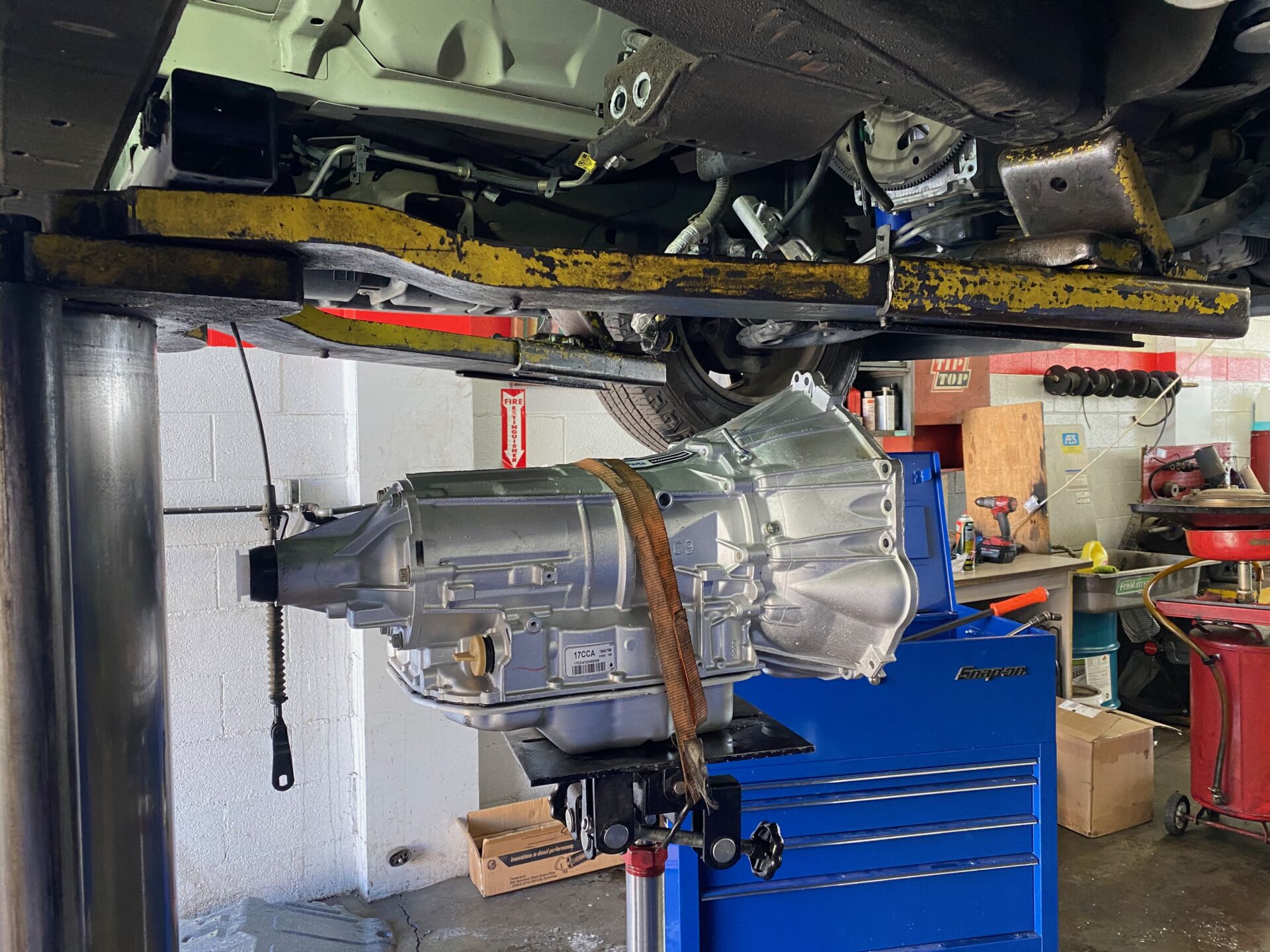
At Temecula Auto Repair & Transmission, our expert team will work to diagnose and fix any slipping issues you encounter, ensuring your vehicle performs at its best. Therefore, if you’ve noticed any symptoms of a slipping transmission, don’t wait – contact us today for a comprehensive inspection and repair!
Delayed Shifting
Experiencing delayed shifting in your vehicle can be both frustrating and worrisome. Moreover, this issue can signal underlying problems within your transmission. Consequently, ignoring it may lead to more severe damage and costly repairs. At Temecula Auto Repair & Transmission, we specialize in diagnosing and repairing transmission issues, including delayed shifting, to keep your car running smoothly. So, whether you’re driving a modern vehicle or a classic car, understanding the symptoms, causes, and solutions for delayed shifting can help you maintain your vehicle’s health and performance.
What Is Delayed Shifting?
Delayed shifting occurs when your vehicle hesitates or takes longer than usual to engage the next gear when accelerating or decelerating. This issue can indicate a variety of transmission-related problems.
Symptoms of Delayed Shifting
Being aware of the symptoms of delayed shifting is essential in addressing the problem early before it leads to more severe issues. Here are some common signs to watch for:
– Hesitation Between Gears:
The most obvious symptom is a noticeable delay when shifting from one gear to another. For example, when shifting from park to drive or reverse, or when accelerating, your vehicle may take longer to engage the correct gear.
– RPM Fluctuations:
When the transmission delays shifting, you may notice the engine revs higher than normal (indicated by the RPM gauge) before the next gear engages. This is especially noticeable during acceleration.
– Hard Shifting or Jerking:
In some cases, after the delayed shift there is a hard or abrupt engagement into the next gear, causing the car to jerk forward or backward.
– Check Engine or Transmission Warning Light:
Many modern vehicles have sensors that monitor transmission performance and will alert you to possible problems. For example, if your transmission is experiencing delayed shifting, the vehicle’s computer may detect the issue and trigger a warning light on the dashboard.
– Transmission Fluid Leaks or Burning Smell:
Leaking transmission fluid or a burning smell can accompany delayed shifting. These symptoms may indicate overheating or excessive wear inside the transmission. Meanwhile, this could be causing delayed shifts.
Diagnostic Process for Delayed Shifting
Diagnosing delayed shifting involves a systematic approach to pinpoint the underlying issue. At Temecula Auto Repair & Transmission, we follow a thorough diagnostic process to ensure an accurate diagnosis. Here are some of the steps we take:
– Transmission Fluid Inspection:
We’ll usually start with checking the condition and level of the transmission fluid. Firstly, we’re on the lookout for low or dirty fluid, as this can cause delayed shifting. If the fluid is dark, burnt, or has debris in it, this could be a sign of internal wear or overheating.
– Test Drive:
Our technicians take your vehicle for a test drive to observe how the transmission behaves under different conditions, such as acceleration, deceleration, and gear changes. This allows us to feel the delay firsthand and gather more information about when the issue occurs.
– Computer Diagnostics:
For modern vehicles, we connect the vehicle to an advanced diagnostic scanner to check for any fault codes related to the transmission. These codes can reveal specific problems, such as faulty sensors, solenoids, or fluid pressure issues.
– Visual Inspection:
We conduct a visual inspection of the transmission and related components to check for fluid leaks, worn seals, or damaged parts that may be contributing to the delayed shifting.
– Internal Transmission Inspection (If Necessary):
If external diagnostics and fluid checks do not reveal the cause, we may need to remove the transmission pan to inspect the internal components, such as clutch packs, bands, and solenoids, for wear or damage.
Common Causes of Delayed Shifting
There are several potential causes for delayed shifting, each requiring a specific approach to repair. Here are the most common causes:
– Low or Dirty Transmission Fluid:
Transmission fluid plays a critical role in providing the hydraulic pressure needed to shift gears. Therefore, if the fluid is low, dirty, or burnt, it can cause delayed shifting due to insufficient pressure or lubrication.
– Worn or Damaged Clutch Plates (Automatic and Manual Transmissions):
In automatic transmissions, clutch plates are responsible for engaging and disengaging the gears. Worn or damaged clutch plates can cause delayed or erratic shifting. Similarly, in manual transmissions, a worn-out clutch can make it difficult to shift into gear.
– Faulty Transmission Solenoids (Automatic Transmissions):
Transmission solenoids control the flow of fluid through the transmission, regulating gear shifts. If a solenoid is malfunctioning, it may not provide the proper fluid pressure to shift gears promptly, resulting in a delay.
– Worn or Broken Transmission Bands (Automatic Transmissions):
In automatic transmissions, bands link gears together. Worn or broken bands may fail to hold the gears in place, causing delays in shifting.
– Electrical Problems:
Modern transmissions rely on electrical signals from the vehicle’s computer to control shifting. Electrical issues, such as faulty sensors or wiring problems, can interfere with the timing of shifts, causing delays.
Options for Fixing Delayed Shifting
Once we’ve diagnosed the cause of the delayed shifting, we recommend the best course of action to repair the problem. Here are some common repair options:
– Transmission Fluid Change or Flush:
If the delayed shifting is due to low or dirty fluid, a fluid change or flush can often resolve the issue. This involves draining the old fluid and replacing it with fresh, clean transmission fluid. In some cases, a full system flush may be necessary to remove contaminants.
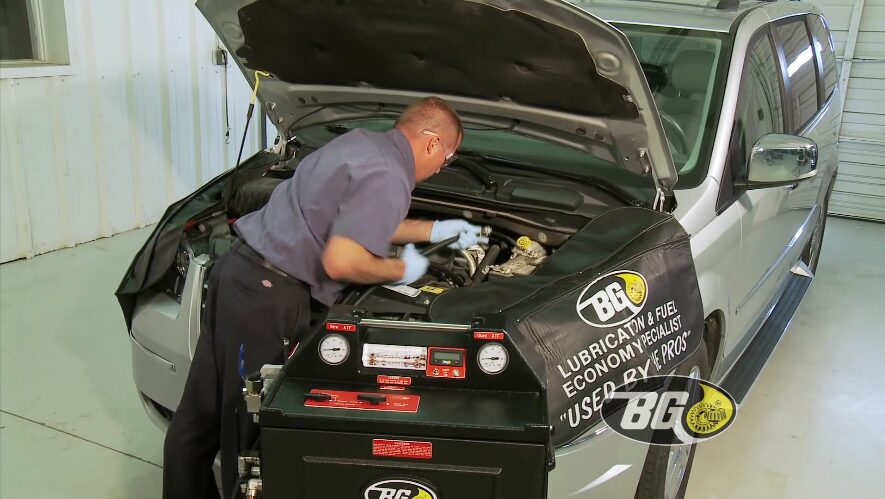
– Solenoid Replacement (Automatic Transmissions):
If faulty solenoids are causing delayed shifting, replacing the malfunctioning solenoids can restore proper fluid flow and improve the timing of gear changes.
– Torque Converter Replacement:
A failing torque converter can cause delayed shifts, particularly during acceleration. Thus, replacing the torque converter can fix the issue and improve the overall performance of the transmission.
– Transmission Rebuild or Replacement:
If internal damage is severe—such as worn gears, bands, or clutches—a transmission rebuild, or replacement may be necessary. A rebuild involves disassembling the transmission, replacing the damaged parts, and reassembling it, while a replacement swaps out the entire unit with a new or remanufactured transmission.
In summary, delayed shifting is a serious transmission issue that requires prompt attention to prevent further damage. At Temecula Auto Repair & Transmission, we specialize in diagnosing and repairing transmission problems for all types of vehicles, including classic cars. We’ve served the communities of Temecula, Murrieta, Winchester, and French Valley for years. Our experienced technicians use state-of-the-art diagnostic tools to identify the cause of delayed shifting and recommend the most effective repair solutions. Therefore, if you’ve noticed hesitation or delays when shifting gears, don’t wait—contact us today to schedule a comprehensive inspection and get your vehicle back to smooth shifting performance!
Grinding or Shaking Transmission
The unsettling sensation of grinding and shaking can indicate significant wear or damage within the transmission. Thus, addressing it promptly is crucial to avoid further damage and costly repairs. At Temecula Auto Repair & Transmission, we specialize in diagnosing and resolving transmission issues, including grinding or shaking, to ensure your vehicle runs smoothly. Whether you drive a modern car or a classic, let’s explore the symptoms, causes, and solutions for these transmission problems.
What Are Grinding or Shaking Transmissions?
Grinding or shaking typically occurs when there is a problem during gear shifts. It can happen in both automatic and manual transmissions and often suggests issues within the internal components of the transmission, such as clutches or gears. While it might start as a minor annoyance, this issue can quickly lead to more severe transmission damage if not addressed.
Symptoms of a Grinding or Shaking Transmission
Recognizing the symptoms of grinding or shaking is key to identifying the issue early and seeking our professional evaluation. Below are some common signs you may see:
– Grinding Sounds During Shifts:
If you hear a grinding noise when shifting gears—especially in manual transmissions—it indicates that the gears aren’t meshing smoothly. Oftentimes, this is due to worn or damaged components.
– Shaking or Vibrating When Shifting:
Feeling your vehicle shake or vibrate as it shifts between gears, particularly in automatic transmissions, is a clear sign of internal transmission problems. It may start as a subtle vibration and worsen over time.
– Difficulty Engaging Gears:
In manual transmissions, difficulty engaging gears can accompany grinding sounds. If you find it hard to shift into first gear, reverse, or any gear at all, your transmission may have damaged synchronizers or clutch components.
– Jerky Gear Changes:
Typically, a transmission that shifts gears roughly, resulting in a jerking motion, is experiencing internal wear. Many times, grinding noises will accompany the jerks. Other times, the jerks occur independently, particularly during acceleration or deceleration.
– Noisy Neutral (Manual Transmissions):
If you hear a grinding noise when your car is in neutral, it may indicate worn bearings or other internal components. Though this symptom is more common in manual transmissions, it can occasionally occur in automatics as well.
Diagnostic Process for Grinding or Shaking in a Transmission
At Temecula Auto Repair & Transmission, we use a comprehensive diagnostic process to identify the root cause of grinding or shaking. Here’s how we diagnose the issue:
– Transmission Fluid Check:
We start by inspecting the transmission fluid for signs of contamination, low levels, or burnt fluid. If the fluid is dirty or contains metal shavings, it may indicate internal wear that could be contributing to grinding or shaking.
In many instances, low or dirty fluid is the cause of delayed shifting. Certainly, if the fluid is dark, burnt, or has debris in it, this could be a sign of internal wear or overheating
– Test Drive:
Our technicians take the vehicle for a test drive to experience the grinding or shaking themselves. This helps us assess whether the issue occurs during shifting, under acceleration, or when the vehicle is at a standstill.
– Visual Inspection of Transmission Components:
We’ll conduct a thorough visual inspection to check for visible damage to the clutch, transmission mounts, or external parts that could contribute to vibration or grinding.
– Computer Diagnostics:
For modern vehicles, we use diagnostic scanning tools to check for any fault codes that may indicate issues with the transmission control module (TCM), sensors, or solenoids, which can affect shifting performance and cause shaking.
– Internal Transmission Inspection (If Needed):
In some cases, we may need to open the transmission for an internal inspection. This allows us to assess the condition of the clutch, gears, bearings, and synchronizers to identify signs of wear or damage that may be causing the grinding or shaking.
Common Causes of Transmission Grinding or Shaking
Grinding or shaking in a transmission can stem from several issues, ranging from minor fluid problems to significant internal wear. Here are the most common causes:
– Worn or Damaged Clutch (Manual Transmissions):
In manual transmissions, oftentimes, grinding during shifts is due to a worn or damaged clutch. If the clutch can’t fully disengage, the gears will grind against each other when shifting.
– Worn Synchronizers (Manual Transmissions):
Synchronizers help ensure smooth gear transitions in manual transmissions. When these components wear out, the gears can no longer engage properly, leading to grinding noises and difficulty shifting.
– Worn Gears or Bearings:
In both manual and automatic transmissions, worn gears or bearings can cause grinding or shaking. Additionally, damaged or misaligned gears may not mesh smoothly, while worn bearings can cause excess friction, leading to vibrations.
– Low or Contaminated Transmission Fluid:
Transmission fluid plays a critical role in lubricating the gears and preventing friction. Therefore, if the fluid level is too low or contaminated with debris, it can lead to grinding noises or shaking as the transmission struggles to function properly.
-Torque Converter Issues (Automatic Transmissions):
There is a torque converter between the transmission and the engine in automatic transmissions. The purpose of the torque converter is to transfer power from the engine to the transmission. If the torque converter is malfunctioning, it can cause shaking during gear changes or acceleration.
– Transmission Mount Failure:
Transmission mounts are made of rubber and metal and are the components that hold the transmission to the vehicle’s frame. If a mount fails or wears out, it can cause the transmission to move excessively, leading to shaking or vibrations when shifting gears.
– Internal Damage (Automatic and Manual Transmissions):
Severe internal damage, such as broken gear teeth or worn internal components, can lead to grinding and shaking. This is typically a result of long-term wear and tear or poor maintenance.
Options for Fixing Transmission Grinding or Shaking
Once the cause of the grinding or shaking has been identified, the next step is determining the best course of action for repair. Here are the most common repair options:
– Clutch Replacement (Manual Transmissions):
If the issue is due to a worn clutch, replacing the clutch will resolve grinding issues and restore smooth gear shifts. This is a common repair for manual transmissions experiencing grinding during shifts.
– Synchronizer Replacement (Manual Transmissions):
Worn synchronizers in a manual transmission prevent smooth engagement between gears, leading to grinding. Thus, if the synchronizers are the problem, replacing damaged synchronizers will resolve the issue and ensure smoother shifts.
– Transmission Fluid Change or Flush:
A fluid change or flush can often fix the issue if the grinding or shaking is due to low or contaminated transmission fluid. We’ll drain the old fluid, remove debris, and replace it with clean fluid to restore proper lubrication.
– Torque Converter Replacement (Automatic Transmissions):
Typically, we will recommend the replacement of a malfunctioning torque converter for automatic transmissions experiencing shaking. Replacing the torque converter will eliminate vibrations during shifts and restore smooth power transfer.
– Gear or Bearing Replacement:
For worn or damaged internal gears or bearings, we may recommend replacing these components. Replacing worn gears or bearings will prevent grinding and improve overall transmission performance.
– Transmission Mount Repair or Replacement:
Replacing worn or broken transmission mounts will eliminate excess movement and vibrations or shaking during gear changes.
– Transmission Rebuild or Replacement:
In cases where internal damage is extensive, such as severely worn gears, synchronizers, or bearings, a transmission rebuild or replacement may be necessary. A rebuild involves disassembling the transmission, replacing damaged components, and reassembling it, while a replacement swaps out the entire transmission with a new or remanufactured unit.
Grinding or shaking in a transmission is a serious issue. Therefore, you shouldn’t ignore this. At Temecula Auto Repair & Transmission, we specialize in diagnosing and repairing all transmission problems, ensuring your vehicle shifts smoothly and operates reliably. Whether your transmission needs a simple fluid change, a manual clutch replacement, or a full rebuild, our experienced technicians are here to help. If you’ve noticed grinding or shaking in your transmission, contact us today for a thorough inspection and expert repair. Don’t let transmission issues get worse—get your vehicle back on the road with confidence!
Leaking Transmission Fluid
Transmission fluid leaks are among the most common issues our customers face. One should never ignore transmission leaks, as this could be a serious issue. Transmission fluid is essential for lubricating gears, cooling the transmission, and ensuring smooth gear shifts. A leak can lead to overheating, shifting problems, and even complete transmission failure if left unchecked. At Temecula Auto Repair & Transmission, we specialize in diagnosing and repairing transmission fluid leaks to help you maintain the performance and longevity of your vehicle. Whether you’re driving a classic or modern car, here’s a comprehensive guide to understanding transmission fluid leaks and how to address them.
What Is a Transmission Fluid Leak?
A transmission fluid leak occurs when the transmission’s seals, gaskets, or components fail, allowing fluid to escape. Transmission fluid is typically bright red or brown and has a slightly sweet smell when it’s fresh. If you notice this fluid underneath your vehicle or in the engine bay, it’s a clear indication that your transmission may be leaking.
Symptoms of a Transmission Fluid Leak
Recognizing the symptoms of a transmission fluid leak early on can prevent more severe damage to your vehicle. Here are some common signs to watch for:
– Puddle of Red or Brown Fluid Under the Vehicle:
The most obvious symptom of a transmission leak is a visible puddle of fluid under your vehicle, particularly around the transmission or engine bay area. Fresh transmission fluid is red, while older fluid may appear brown.
– Low Transmission Fluid Levels:
If your vehicle’s transmission fluid is consistently low, even after refilling, there may be a leak. Many modern vehicles have a dipstick to check transmission fluid levels, while others require our professionals to perform this check.
– Burning Smell:
Transmission fluid that leaks onto hot engine or exhaust components can cause a burning smell. This is especially dangerous, as it can lead to overheating or even fires in extreme cases.
– Difficulty Shifting Gears:
If your transmission fluid level is too low due to a leak, this can cause your transmission to struggle to shift smoothly. Additionally, you could experience slip between gears, or delayed shifting.
– Transmission Overheating:
Transmission fluid has both lubricating and cooling properties that are employed in your transmission. If the fluid is leaking, the transmission can overheat, leading to further damage, warning lights on the dashboard, or even transmission failure.
– Grinding or Shaking:
A lack of fluid can cause metal components inside the transmission to grind against each other, leading to rough shifting, shaking, or vibrations while driving.
Our Diagnostic Process for Transmission Fluid Leaks
At Temecula Auto Repair & Transmission, we use a systematic approach to diagnose the source of a transmission fluid leak. Here’s how we track down the problem:
– Visual Inspection:
We begin with a thorough visual inspection of the transmission, looking for visible signs of leaks, such as wet or stained areas under the vehicle or around the transmission housing. We also check other related components like seals, gaskets, and cooler lines for damage or wear.
– Transmission Fluid Check:
We inspect the transmission fluid level and condition. If the fluid is low or shows signs of burning or contamination, it can indicate a more significant internal issue, perhaps caused by the leak.
– Transmission Dye Test:
In some cases, we use a special UV dye added to the transmission fluid. After a test drive, we can then use a UV light to pinpoint exactly where the fluid is leaking from, making the leak easier to find.
– Pressure Test:
To identify leaks in hard-to-see areas like seals or lines, we may perform a pressure test. This helps identify leaks that only occur under certain conditions, such as when the transmission is operating under load.
Common Causes of Transmission Fluid Leaks
Several factors can cause transmission fluid to leak, ranging from minor seal issues to more significant internal damage. Here are the most common causes:
– Worn Seals or Gaskets:
The transmission is full of seals and gaskets that prevent fluid from leaking out. Over time, these components can wear out, crack, or dry up, allowing fluid to escape. Common leak points include the output shaft seal, input shaft seal, and the oil pan gasket.
– Cracked or Damaged Transmission Pan:
The transmission pan holds a large quantity of transmission fluid and is typically located at the bottom of the transmission. If the pan becomes damaged—due to impact from road debris or wear over time—it can develop cracks, leading to a fluid leak.
– Loose or Damaged Transmission Pan Bolts:
The bolts that hold the transmission pan in place can loosen over time, allowing fluid to seep out. In some cases, over-tightening these bolts can cause the gasket to deform or crack, leading to leaks.
– Leaking Cooler Lines:
Transmission cooler lines carry hot fluid from the transmission to a cooler. The cooler reduces the temperature of the fluid before returning it to the system. If these lines become damaged or corroded, fluid can leak out.
– Torque Converter Leak:
The torque converter transfers power from the engine to the transmission in an automatic vehicle. If the torque converter seal becomes damaged, it can lead to a significant loss of fluid.
– Worn Input or Output Shaft Seals:
The input and output shafts connect the transmission to other parts of the vehicle, such as the engine or driveshaft. Over time, the seals around these shafts can wear out, allowing fluid to leak from the transmission housing.
– Overfilled Transmission Fluid:
Adding too much transmission fluid can cause excess pressure within the system, leading to leaks at weak points such as seals or gaskets. This is why it’s essential to fill the transmission with the correct amount of fluid.
Options for Fixing Transmission Fluid Leaks
Once we’ve diagnosed the source of the leak, we can recommend the appropriate repair. Here are some common repair options for transmission fluid leaks:
– Seal or Gasket Replacement:
Worn or damaged seals and gaskets are among the most common causes of transmission leaks. Replacing these components will typically stop the leak and restore proper fluid containment. It’s common for us to see the need to replace input/output shaft seals, oil pan gaskets, or torque converter seals to fix transmission leaks.
– Transmission Pan Repair or Replacement:
A cracked or otherwise damaged transmission pan will require replacement entirely. In cases where the pan bolts are loose or an instance of a misaligned pan gasket, tightening the bolts or installing a new gasket can fix the problem.
– Cooler Line Repair or Replacement:
In the instances of leaking cooler lines, sometimes we can get away with replacing only the damaged section of the line. However, it’s far more common to have to replace the entire line, depending on the severity of the leak.
– Torque Converter Seal Replacement:
If the torque converter seal is leaking, we may recommend replacing the seal or the torque converter itself if warranted. This can involve removing the transmission to access the converter.
– Fluid Flush and Refill:
After repairing the leak, it’s crucial to refill the transmission with the correct type and amount of fluid. In some cases, we may recommend flushing the entire system to remove any contaminated fluid and ensure optimal performance.
– Transmission Rebuild or Replacement:
If the leak has caused significant internal damage or if multiple components have failed, a transmission rebuild or replacement may be necessary. This involves either disassembling the transmission to repair or replace internal parts or replacing the entire unit with a new or rebuilt transmission.
In conclusion, transmission fluid leaks are a serious issue that can lead to major problems if left unaddressed. At Temecula Auto Repair & Transmission, we are experts in diagnosing and repairing all types of transmission leaks, ensuring your vehicle stays in peak condition. If you’ve noticed a puddle of fluid under your car, a burning smell, or shifting issues, don’t wait—contact us today for a comprehensive inspection. We’ll find the source of the leak and recommend the best course of action to keep your transmission running smoothly.
Transmission-related Warning Lights
Manufacturers have equipped modern vehicles with advanced diagnostic systems designed to alert drivers to potential problems, including issues with the transmission. If the transmission warning light or check engine light comes on and reveals a transmission-related code, it’s a sign that something in the transmission system isn’t working properly. Ignoring these lights can lead to more severe damage, expensive repairs, and even complete transmission failure. At Temecula Auto Repair & Transmission, we specialize in diagnosing and fixing transmission issues that trigger these warning lights. This section will guide you through the symptoms, diagnosis, causes, and repair options for these problems.
A transmission warning light or a check engine light often illuminates when the vehicle’s onboard diagnostic system detects a problem. Various sensors, solenoids, or components within the transmission system will trigger the illumination of these lights. The vehicle’s computer will generate a fault code, which helps pinpoint the specific problem.
Symptoms of Transmission Warning Lights or Check Engine Light
Typically, other noticeable symptoms may indicate a transmission issue besides the warning light itself. Keep an eye out for the following signs:
– Illuminated Transmission Warning Light:
Many vehicles have a dedicated transmission warning light that looks like a gear or “AT” (for automatic transmission). If this light comes on, the vehicle’s computer has detected an issue with the transmission.
– Check Engine Light:
The check engine light is more general and may illuminate due to a wide range of problems, including transmission issues. If it’s accompanied by rough shifting, slipping, or other transmission symptoms, there may be a problem with the transmission system.
– Shifting Problems:
Delayed, harsh, or erratic shifting may occur when the transmission system is experiencing problems.
– Slipping Gears:
If the transmission slips between gears or doesn’t stay in gear properly, it could indicate internal damage or an issue with the transmission control system.
– Transmission Overheating:
Some vehicles will activate a warning light when the transmission overheats. Any transmission overheating should be addressed promptly to avoid serious damage.
– Unusual Noises:
Worn or damaged internal components may cause grinding, whining, or buzzing sounds that may accompany other transmission symptoms.
– Poor Acceleration or Loss of Power:
Transmission issues can cause a lack of power or poor acceleration as the vehicle struggles to transfer power from the engine to the wheels.
Diagnostic Process for Transmission Warning Lights or Codes
Diagnosing transmission-related warning lights or check engine codes requires a comprehensive approach to ensure that we identify the root cause accurately. Here’s how we diagnose these issues at Temecula Auto Repair & Transmission:
– Code Scanning and Retrieval:
The first step is to connect a diagnostic scanner to the vehicle’s onboard computer system (OBD-II). This allows us to retrieve the stored fault codes that triggered the transmission warning light or check engine light. These codes provide specific information about what’s going wrong.
– Reviewing Freeze Frame Data:
The vehicle’s computer captures freeze frame data when there is a fault code and warning light. This freeze frame data provides valuable information about the engine and transmission conditions at the moment the problem occurred, such as vehicle speed, engine load, and temperature.
– Visual Inspection:
We perform a thorough visual inspection of the transmission system to check for any obvious signs of damage, such as leaking fluid, worn wiring, or damaged sensors.
– Test Drive:
Our technicians take the vehicle for a test drive to reproduce the symptoms and gain more insight into how the transmission is behaving. This helps confirm any issues such as slipping, harsh shifting, or overheating.
– Sensor and Solenoid Testing:
We’ll test transmission sensors and solenoids to ensure they are functioning properly. These components send vital information to the vehicle’s computer, so a faulty sensor can cause warning lights and shifting problems.
– Transmission Fluid Check:
We’ll inspect the transmission fluid for signs of contamination, low levels, or burned fluid. Dirty or degraded fluid can lead to transmission issues, while a leak could cause low fluid levels that affect performance.
Common Causes of Transmission Warning Lights or Codes Triggering a Check Engine Light
Several underlying issues can trigger a transmission warning light or transmission-related check engine codes. Some of the most common causes include:
– Transmission Fluid Issues:
Low or contaminated transmission fluid can lead to overheating, slipping, or poor shifting, causing the transmission warning light to illuminate. Burnt or dirty fluid is a sign that the transmission is struggling to function properly.
– Faulty Transmission Sensors:
Sensors such as the transmission speed sensor or throttle position sensor provide crucial data to the vehicle’s computer. If a sensor fails, it may send incorrect information, triggering a warning light and affecting transmission performance.
– Malfunctioning Solenoids:
Solenoids control the flow of transmission fluid and help regulate shifting. A faulty solenoid can cause delayed shifts, slipping gears, or erratic shifting, leading to a warning light or transmission code.
– Transmission Control Module (TCM) Failure:
The TCM is the computer whose job it is to control the operation of the transmission. If it fails, the transmission may behave erratically, and a warning light or check engine light will come on.
– Wiring or Electrical Issues:
Disruption of communication between the transmission and the vehicle’s computer can occur when there are electrical problems such as damaged wiring, loose connections, or corroded terminals. This, in turn, will likely illuminate warning lights and trigger fault codes.
– Clogged or Dirty Transmission Filter:
A clogged transmission filter will often restrict fluid flow. This leads to overheating, poor shifting, or even slipping gears. This, in turn, can trigger a transmission warning light.
– Overheating Transmission:
If the transmission gets too hot, it can cause internal damage. Many vehicles have sensors that monitor transmission temperature, and if the system detects overheating, it will trigger a warning light.
– Internal Mechanical Issues:
Worn gears, clutches, or other internal components of the transmission can cause significant problems. The vehicle’s diagnostic system will often generate a code due to these damaged internal transmission components.
Options for Fixing Transmission Warning Lights or Codes
Once the cause of the transmission warning light or check engine light has been identified, there are several repair options, depending on the severity of the issue. Here are the most common solutions:
– Transmission Fluid Change or Flush:
If low or contaminated transmission fluid is the cause of transmission symptoms, a fluid change or flush can often resolve the issue. We replace the old fluid with clean, manufacturer-recommended fluid to restore proper lubrication and cooling.
– Sensor Replacement:
If a faulty sensor is to blame, replacing the malfunctioning component will allow the transmission system to receive accurate data and function correctly. Common sensors that may need replacement include the speed sensor and throttle position sensor.
– Solenoid Replacement:
Replacing a malfunctioning solenoid can often restore smooth shifting and proper transmission operation. This is a relatively straightforward repair and can resolve shifting problems associated with solenoid failure.
– Transmission Control Module (TCM) Repair or Replacement:
If the TCM is failing, repairing or replacing this module will restore proper communication between the transmission and the vehicle’s computer system. In some cases, reprogramming the TCM to match the vehicle’s specific needs will remedy a warning light or check engine light condition.
– Wiring Repair:
When electrical wiring issues are the root cause, such as damaged or corroded wiring, repairing or replacing damaged wiring will restore the transmission’s communication with the vehicle’s computer.
– Filter Replacement:
Replacing a clogged transmission filter will ensure that transmission fluid flows properly, preventing overheating and poor shifting.
– Transmission Rebuild or Replacement:
In cases where internal transmission damage is severe, such as worn gears or clutches, a transmission rebuild or replacement may be necessary. A rebuild involves disassembling the transmission, replacing damaged components, and reassembling it, while a replacement involves installing a new or remanufactured transmission.
In summary, transmission warning lights or a check engine light accompanied by transmission codes are signs that something in the transmission system needs immediate attention. We urge you never to ignore these warning signs, as doing so typically culminates in more severe damage and costly repairs. At Temecula Auto Repair & Transmission, we offer expert diagnostics and repair solutions to get your vehicle back on the road safely. Whether your issue is as simple as a faulty sensor or as complex as internal transmission damage, our experienced technicians are here to help. If you’ve noticed any transmission warning lights or check engine lights related to your transmission, don’t hesitate to contact us for a thorough inspection and professional repair.
Frequently Asked Questions (FAQs) Regarding Transmission Repair or Replacement
FAQ 1: How do I know if my vehicle needs transmission repair?
First, common signs of Transmission problems include delayed shifting, slipping between gears, harsh engagement, or unusual noises. Additionally, you may notice hesitation when accelerating or a sudden increase in engine RPM without corresponding vehicle speed. Furthermore, Transmission Fluid leaks or a burning smell often indicate internal wear or overheating. Therefore, early diagnosis and repair can prevent further damage and help avoid complete Transmission failure.
FAQ 2: What causes a transmission to fail?
Over time, Transmission components naturally wear due to heat, friction, and internal stress. Additionally, contaminated or degraded Transmission Fluid can accelerate wear and reduce lubrication. In many cases, overheating caused by heavy loads, stop-and-go driving, or neglected maintenance contributes to premature failure. Furthermore, internal component wear, valve body problems, or torque converter failure can impair Transmission operation. Consequently, regular maintenance and prompt repair help extend Transmission life.
FAQ 3: Is it better to repair or replace a transmission?
First, the decision depends on the extent of damage and overall Transmission condition. In some cases, minor issues such as leaks, solenoid problems, or external component failures can be repaired effectively. However, severe internal damage may require Transmission replacement or complete rebuilding. Additionally, vehicle age, mileage, and long-term reliability goals influence the best option. Therefore, professional inspection helps determine the most cost-effective and reliable solution.
FAQ 4: What are the warning signs of transmission failure?
Most importantly, slipping gears, delayed engagement, and rough shifting often signal Transmission problems. Additionally, unusual noises such as grinding, whining, or clunking may indicate internal wear. Furthermore, Transmission Fluid leaks or overheating can lead to rapid deterioration of internal components. In many cases, warning lights or reduced vehicle performance accompany Transmission concerns. Therefore, prompt evaluation helps prevent further damage and costly repairs.
FAQ 5: How long does a transmission repair or replacement take?
Typically, Transmission repair time varies depending on the complexity of the issue and parts availability. In some cases, minor repairs can be completed within one to two days. However, complete Transmission replacement or rebuilding may require several days due to the extensive labor involved. Additionally, proper testing and verification ensure reliable operation after repairs. Therefore, accurate diagnosis and proper repair procedures help ensure long-term performance.
FAQ 6: How can I extend the life of my transmission?
First, regular Transmission Fluid service helps maintain proper lubrication and cooling. Additionally, addressing small problems early prevents more serious internal damage. Furthermore, avoiding excessive heat, aggressive driving, and heavy loads reduces stress on Transmission components. In addition, routine inspections help identify wear before failure occurs. Ultimately, proper maintenance significantly extends Transmission lifespan and improves overall vehicle reliability.
Expert Transmission Repair in Temecula, Murrieta, Winchester, and French Valley
If you’re experiencing transmission issues or just want peace of mind with a professional inspection, trust the experts at Temecula Auto Repair & Transmission. We are the area’s transmission experts for Temecula, Murrieta, Winchester, and French Valley. Contact us today to schedule an appointment and get your car back on the road—running as smoothly as ever!