
Why Do My Brakes Squeal? Common Causes, What It Means, and What To Do Next
Brakes protect you, your passengers, and other drivers around you. Because of their role, any brake noise deserves attention. One of the most common concerns our customers report involves squealing brakes.
Although the sound can feel alarming, many causes exist. Some reasons remain harmless, while others signal serious trouble.
This guide explains why brakes squeal. Additionally, it covers brake components, inspections, and common failures. Finally, it explains when to schedule a professional brake inspection.
What Does Brake Squealing Sound Like?
Brake squeal usually sounds sharp and high-pitched. Sometimes the noise occurs only during light braking. Other times the sound continues at low speeds. Because conditions vary, squealing patterns help reveal the cause.
However, noise alone never tells the full story. Instead, a trained inspection confirms the true issue.
Common Reasons Brakes Squeal
Worn Brake Pads
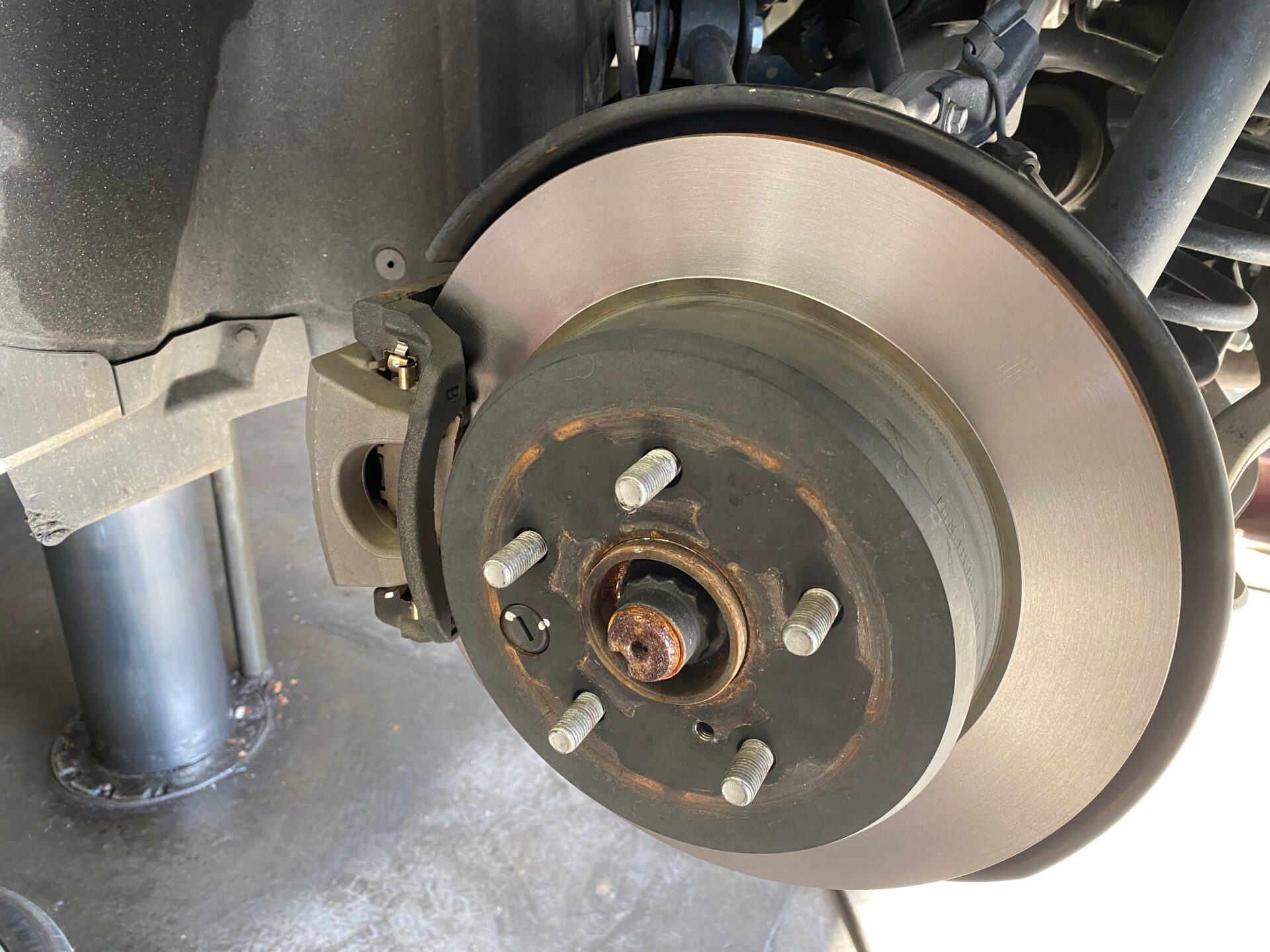
Worn brake pads cause the most squealing complaints. Most pads include wear indicators made from metal tabs. When pads thin out, those tabs contact the rotor. As a result, the brakes produce a loud squeal.
Because this sound warns drivers, ignoring it risks rotor damage. Eventually, metal grinds against metal without pad material.
Cheap or Low-Quality Brake Pads
Low-quality pads from a prior replacement squeal more often than premium options. These pads use harder materials to last longer. However, harder compounds vibrate more under pressure. That vibration creates noise during braking. Although budget pads save money upfront, they often reduce comfort.
Dust and Debris on Brake Components
Brake systems collect dust from pad wear. Road debris also enters the brake assembly. Because dust builds up, friction surfaces vibrate unevenly. That vibration produces squealing sounds. Fortunately, cleaning often solves this problem.
Moisture and Overnight Rust
Morning brake squeal surprises many drivers. Overnight moisture creates light surface rust on rotors. When you brake, pads scrape off that rust. Therefore, squealing happens briefly. Once rotors warm up, the sound usually disappears.
Glazed Brake Pads or Rotors
Hard braking generates extreme heat. Excessive heat can glaze pads or rotors. That glaze creates a smooth, shiny surface. As a result, pads slip instead of gripping. Because slipping creates vibration, squealing often follows.
Lack of Lubrication on Hardware
Brake systems rely on proper lubrication. Caliper pins and contact points need grease. Without lubrication, parts bind and vibrate. That vibration causes noise during braking. Since lubrication wears out over time, inspections remain important.
Warped or Uneven Rotors
Uneven rotors cause inconsistent pad contact. That inconsistency leads to vibration and squealing. Warping often occurs from overheating or improper installation. Because warped rotors affect stopping power, they require attention.
When Brake Squealing Signals Danger
Not all squeals indicate emergencies. However, certain signs demand immediate service.
If squealing continues constantly, act quickly. If grinding replaces squealing, stop driving. When braking feels weak, seek professional help. If the brake pedal vibrates, schedule an inspection.
Because brakes control stopping distance, delay in addressing the problem increases risk.
Why Periodic Brake Inspections Matter
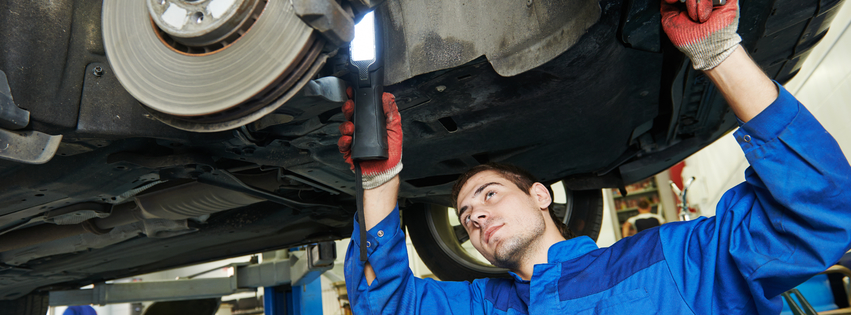
Brake systems wear gradually over time. Many problems develop silently before noise starts. Because of that, inspections catch issues early.
Regular brake inspections protect safety. They also reduce long-term repair costs.
During inspections, technicians measure pad thickness. They also check rotors, hardware, and fluid condition.
Since early repairs cost less, inspections save money. Additionally, inspections help avoid unexpected breakdowns.
Most vehicles benefit from brake inspections every 12 months. However, driving habits and conditions can shorten intervals.
Overview of Brake System Components
Understanding brake parts helps explain squealing. Each component plays a specific role.
Brake Pads
Brake pads press against rotors. They create friction to slow the vehicle. Pads wear out by design. Because friction creates heat, pads degrade gradually.
Brake Rotors
Rotors attach to the wheel hubs. Pads clamp onto rotors during braking. Rotors dissipate heat created by friction. Warping or scoring affects braking performance.
Brake Calipers
Calipers hold the brake pads. They use hydraulic pressure to squeeze pads. Sticking calipers cause uneven wear. That uneven wear often leads to noise.
Brake Hardware
Hardware includes clips, shims, and pins. These parts keep pads aligned properly. They also reduce vibration. When hardware wears out, squealing increases.
Brake Fluid
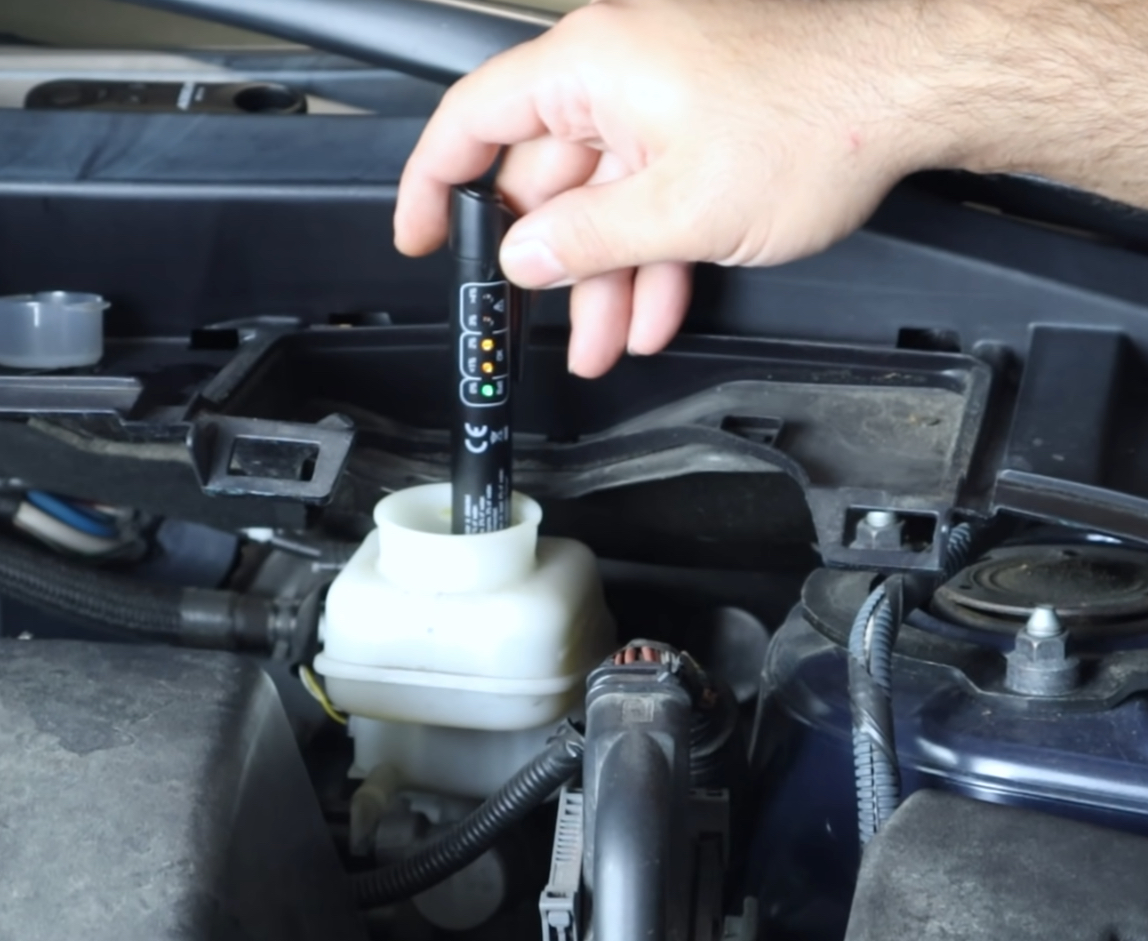
Brake fluid transfers pedal force. It moves through lines to calipers. Over time, fluid absorbs moisture. Moisture lowers boiling points and performance.
Brake Lines and Hoses
Lines carry fluid throughout the system. Rubber hoses flex with suspension movement. Leaks reduce braking pressure. Therefore, inspections remain critical.
Common Brake System Failures
Brake failures rarely happen suddenly. Instead, warning signs appear first.
Worn pads represent the most common failure. Warped rotors follow closely behind.
Sticking calipers cause uneven wear patterns. Contaminated fluid reduces braking efficiency. Broken hardware increases noise and vibration.
Because these failures progress over time, inspections prevent surprises.
How Driving Habits Affect Brake Noise
Driving style influences brake wear. Frequent hard stops generate more heat. City driving increases stop-and-go stress. If you’re towing, that’ll add extra braking demand.
Because heat accelerates wear, gentle braking extends brake life.
Can I Ignore Brake Squealing?
Ignoring brake squeal feels tempting. However, small issues grow into large repairs. Pads wear down faster without attention. Rotors suffer damage from neglected pads.
Ignoring brake sounds risks safety.
What Happens During a Professional Brake Inspection?
A professional inspection follows a detailed process. Technicians remove wheels to access components. They measure pad thickness accurately. They inspect rotors for wear or warping.
Additionally, they check calipers and hardware. They also inspect brake fluid condition. Finally, they recommend repairs only when needed.
Because thorough inspections take time, accuracy improves.
When Should You Schedule Brake Service?
Schedule service when squealing persists. Book an inspection if braking feels different. Act quickly if warning lights appear. Also, follow manufacturer service intervals.
Because early service prevents damage, timing matters.
Brake Repair and Inspection in Temecula and Nearby Areas
At Temecula Auto Repair & Transmission, we handle all aspects of brake service and repair. The shop serves Temecula, Murrieta, Winchester, French Valley, and nearby communities. Every brake job starts with a detailed brake inspection.
Our Technicians handle pads, rotors, calipers, and fluid services. We also repair brake noise concerns of all types. Also, we provide complete automotive repair and maintenance services for all vehicles.
Because experience matters, our team focuses on safe, reliable results.
Frequently Asked Questions (FAQs) About Brake Squealing and Brake System Care
1. Why do my brakes squeal when I apply light pressure?
Brake squealing during light braking often occurs because the brake pads have built-in wear indicators. When pads get thin, the metal tabs touch the rotor first and make a high-pitched noise. Dust buildup or low-quality brake pads can also cause squeal under light pressure. A professional brake inspection confirms the exact cause.
2. Can brake squealing mean I need new brake pads?
Yes, brake squealing frequently means your pads are worn and need replacement. Pads wear down over time from friction, and the built-in wear indicators trigger noise to alert you. However, other causes – like debris, moisture, or glazed pads – can also lead to squealing. A brake inspection reveals whether the pads are worn or if another issue exists.
3. Is it safe to drive with squealing brakes?
Short periods of mild squealing may not be dangerous, especially after overnight rust or light dust buildup. That said, ongoing squeal, grinding sounds, or vibration are signs of a more serious problem. Ignoring persistent symptoms can damage rotors and reduce braking power. Therefore, have your brakes inspected sooner rather than later.
4. How often should I have my brakes checked?
Regular brake inspections help catch problems before they get worse. Most vehicles should have their brakes inspected at least once per year. However, if you drive in heavy traffic, tow often, or hear noise, schedule an inspection sooner. Technicians check pads, rotors, calipers, hardware, and fluid to ensure safe braking.
5. What brake system components can cause noise besides brake pads?
Brake noise doesn’t always come from the pads. Rotors, calipers, brake hardware, and even brake fluid condition can affect how your brakes sound. For example, rusty or warped rotors and sticky caliper pins can cause vibration and squealing. That’s why a full brake system inspection matters.
If you still wonder “Why do my brakes squeal?” or if you need repairs or a professional inspection, Temecula Auto Repair & Transmission proudly serves Temecula, Murrieta, Winchester, French Valley, and surrounding areas with full brake service solutions.
Final Thoughts on Brake Squealing
Brake squealing always communicates something. Sometimes the message involves normal wear. Other times the sound signals serious problems.
Because brakes protect lives, never ignore noise. Schedule regular inspections to catch issues early. Address squealing quickly to protect your vehicle.
If your brakes squeal, professional help brings peace of mind. A proper inspection ensures safe stopping every time.
