


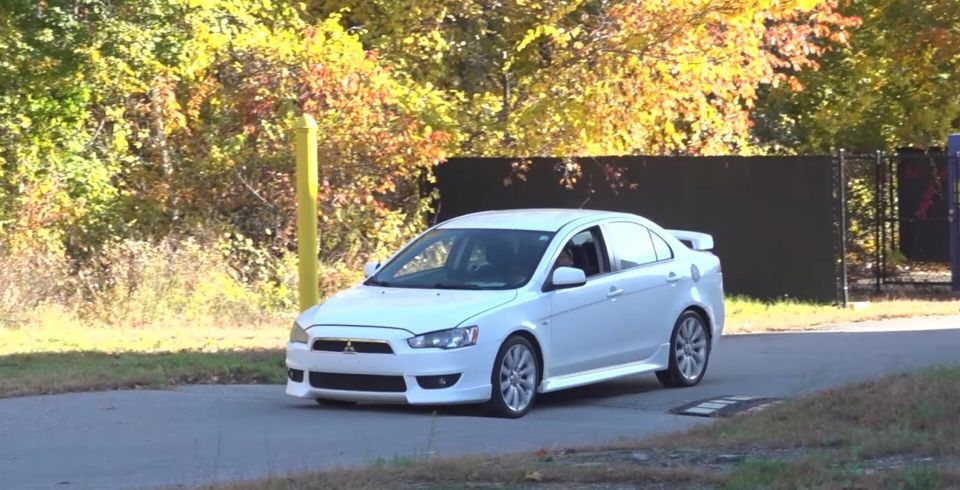
Car Making Clunking Noise Over Bumps? Here’s What It Usually Means
A clunking noise over bumps can worry any driver. Often, that sound signals a steering or suspension problem. Because these systems control safety and comfort, you should never ignore noises. Fortunately, clunking sounds usually follow common patterns. Therefore, learning what those noises mean helps you act early. As a result, you can avoid bigger repairs and protect your vehicle.
At Temecula Auto Repair & Transmission, our team hears this concern daily. We serve Temecula, Murrieta, Winchester, French Valley and surrounding communities. Moreover, we are a full-service automotive repair shop for all makes and models. Additionally, our shop offers complete diagnostics and repairs for steering and suspension systems. This includes restoring modified suspension back to factory original. Because accuracy matters, we focus on finding root causes, not guesses.
Below, you will learn what causes clunking noises over bumps. Each section explains a component’s purpose and how it fails. Therefore, this guide helps you understand what your vehicle tells you.
Why Clunking Noises Happen Over Bumps
Suspension and steering parts absorb road shock. However, worn parts lose tight control and move too freely. When that happens, metal hits metal. As a result, you hear a clunk, knock, or thud.
Bumps make problems louder. Because suspension parts move fast over uneven roads, loose components reveal themselves. Additionally, braking, turning, or accelerating may worsen the noise. Therefore, pay attention to when the sound appears.
Control Arms and Control Arm Bushings
Control arms connect the wheels to the vehicle frame. They allow wheels to move up and down smoothly. Because of this role, they handle heavy stress.
Rubber bushings sit at each end of the control arm. These bushings reduce vibration and noise. Over time, rubber dries, cracks, and separates. As a result, the control arm shifts during bumps.
A worn control arm bushing often causes a dull clunk. Typically, the noise happens during braking or over speed bumps. Moreover, you may feel loose steering or uneven tire wear. If ignored, the control arm itself may bend or fail.
Ball Joints
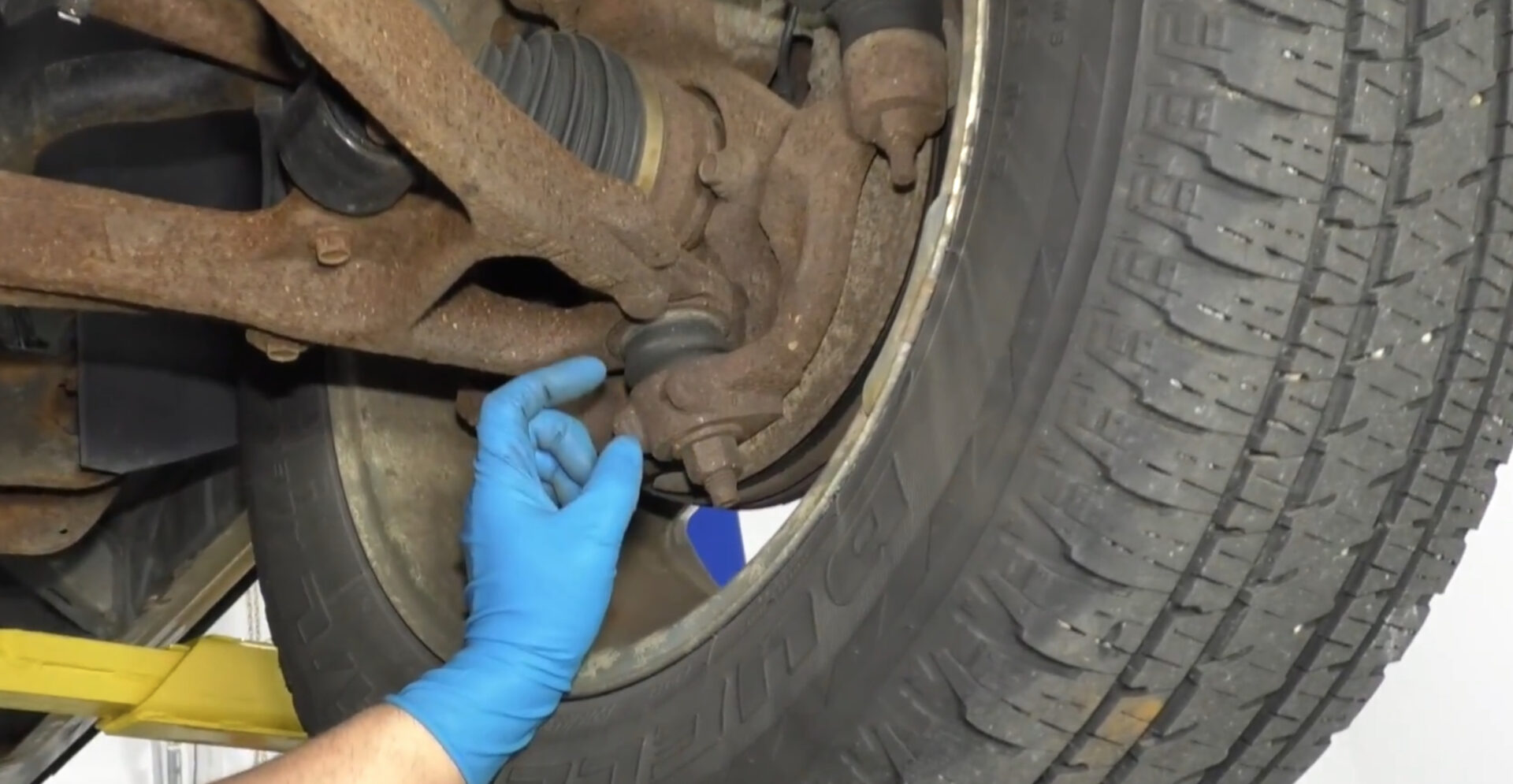
Ball joints act like human hips and shoulders. They allow wheels to turn and move vertically. Because steering depends on them, ball joints play a critical role.
Grease keeps ball joints smooth. However, seals wear out and allow grease to escape. As a result, metal surfaces grind together. Eventually, the joint becomes loose.
Loose ball joints often clunk over bumps. Additionally, steering may feel vague or unstable.
If a ball joint fails completely, it can cause the wheel to collapse. Therefore, early repair protects both safety and budget.
Sway Bar Links and Sway Bar Bushings
The sway bar reduces body roll during turns. It keeps the vehicle level and stable. Because it connects both sides of the suspension, balance improves.
Sway bar links connect the bar to control arms or struts. Bushings hold the bar in place. Over time, links loosen or bushings crack. As a result, the bar shifts and bangs.
Clunking from sway bar parts often sounds hollow. Usually, the noise happens over small bumps or uneven pavement. Moreover, handling may feel sloppy during turns. Thus, replacing these parts restores quiet and control.
Struts and Shock Absorbers
Struts and shocks control spring movement. They prevent bouncing after hitting bumps. Because they damp motion, ride comfort improves.
Internal seals wear with age. Therefore, fluid leaks and pressure drops. As a result, shocks lose control. Also, worn struts or shocks can clunk internally.
Additionally, mounting hardware may loosen. Drivers may notice bouncing, nose diving, or poor braking control. Ignoring this problem increases stopping distance and tire wear.
Strut Mounts and Shock Mounts
Mounts secure struts and shocks to the body. They also isolate vibration using rubber. Because they carry weight, they wear steadily.
Rubber in the mount can crack or separate. Bearings inside some mounts can seize. As a result, movement becomes rough and noisy.
Failed mounts often clunk during turns or bumps. Additionally, steering may bind or feel jerky. Replacing mounts during strut service prevents repeat labor later.
Tie Rod Ends
Tie rods are the components or links that connect the steering rack to the wheels. They transmit steering input directly. Because precision matters, tight joints remain essential.
Both inner and outer tie rod ends contain joints made up of a ball-and-socket. When grease escapes, wear accelerates. Eventually, the joint loosens.
Loose tie rods can clunk over bumps. Moreover, steering may wander or pull. Uneven tire wear often appears as well. Prompt replacement restores steering accuracy.
Steering Rack and Steering Rack Bushings
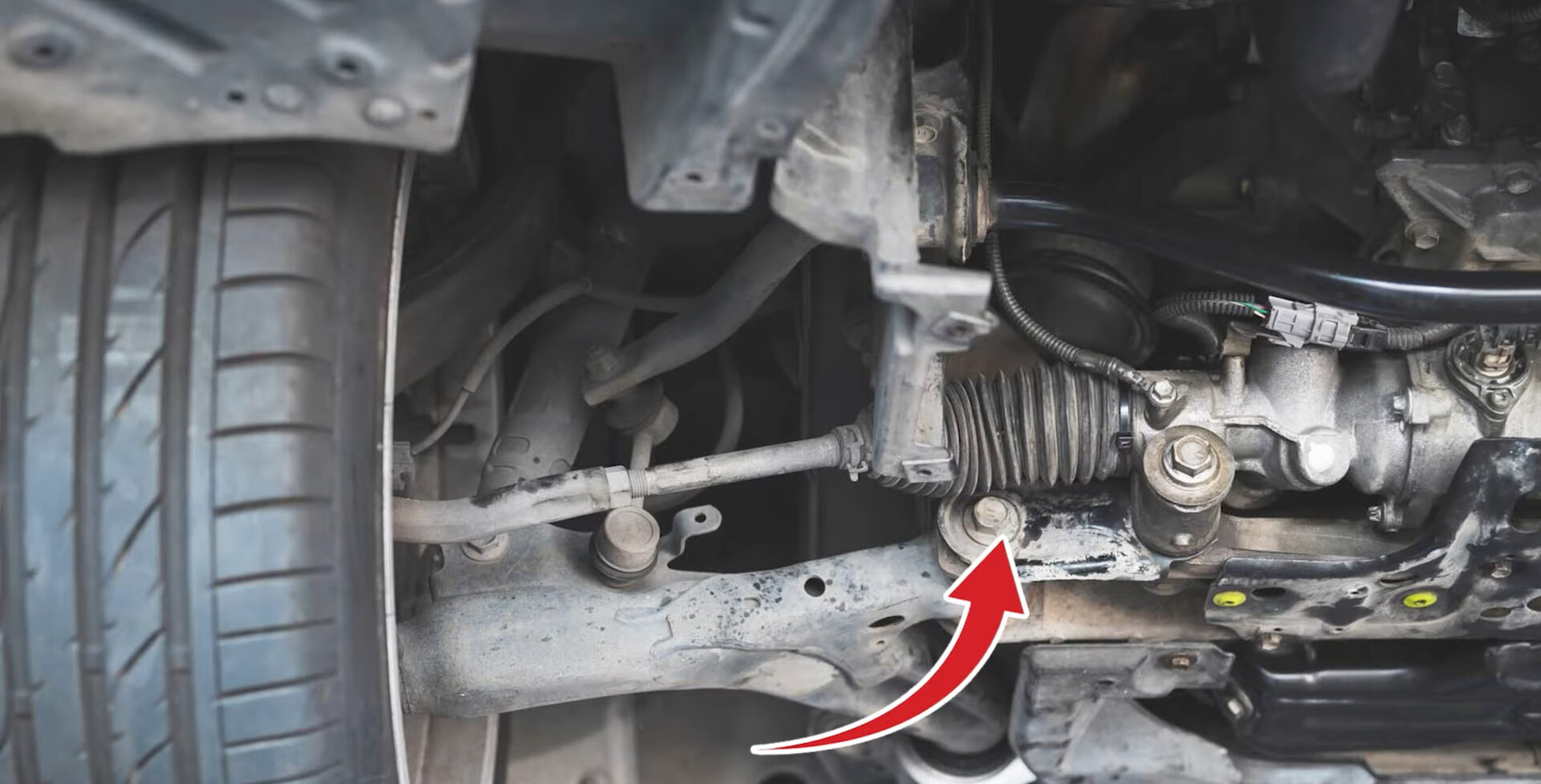
The steering rack converts wheel input into tire movement. It slides left and right during steering. Because it mounts to the frame, bushings secure it.
Bushings isolate vibration and hold alignment. However, rubber bushings soften and crack with age. As a result, the rack shifts during bumps.
A moving rack creates a solid clunk. Drivers may feel the sound through the steering wheel. Additionally, steering response may feel delayed. Replacing bushings or the rack corrects the issue.
Coil Springs
Coil springs support vehicle weight. They absorb large impacts from the road. Because springs flex constantly, metal fatigue occurs.
Springs can crack or break. Often, a broken spring shifts under load. As a result, it snaps or clunks over bumps.
Ride height may drop on one corner. Additionally, alignment and tire wear suffer. Replacing damaged springs restores balance and safety.
Subframe Bushings
The subframe holds major suspension and steering parts. Bushings connect the subframe to the body. Because they reduce vibration, comfort improves.
Over time, bushings degrade. Therefore, the subframe can move slightly. As a result, loud clunks occur during bumps or braking.
This noise often feels deep and heavy. Because diagnosis requires experience, professional inspection matters. Replacing subframe bushings stabilizes the entire system.
Wheel Bearings
Wheel bearings allow wheels to spin freely. They also support vehicle weight. Because they handle constant load, wear eventually occurs.
Worn bearings usually growl or hum. However, severe wear can cause clunks. As a result, wheel movement increases.
Drivers may notice vibration or pulling. If ignored, the wheel may seize or detach. Timely replacement prevents dangerous outcomes.
Why Accurate Diagnosis Matters
Many suspension noises sound similar. However, different parts fail in different ways. Because guessing leads to wasted money, testing remains critical.
At Temecula Auto Repair & Transmission, we Test & Evaluate thoroughly. We check for play, cracks, leaks, and movement. Moreover, we road test vehicles to confirm findings. As a result, clients receive accurate and efficient repairs.
When to Seek Professional Help for Suspension and Steering
Clunking noises rarely fix themselves. Therefore, early inspection saves money. If the noise worsens, damage spreads.
You should schedule service if clunking occurs regularly. Additionally, steering changes signal urgent attention. Because safety depends on steering and suspension, delays increase risk.
FAQs
What causes a clunking noise when driving over bumps?
A clunk usually comes from worn steering or suspension parts. Common causes include ball joints, sway bar links, or control arm bushings. Because these parts loosen, they strike during movement.
Is it safe to drive with a clunking suspension noise?
Driving with clunking noises risks safety. Loose parts can fail suddenly. Therefore, inspection should happen as soon as possible.
Can worn shocks or struts cause clunking noises?
Yes, worn shocks or struts can clunk. Loose mounts or internal damage create noise. Replacing them restores ride control.
How much does suspension repair usually cost?
Costs vary by part and vehicle. Minor repairs cost less than major component replacement. Accurate diagnostics help control expenses.
Do steering problems cause clunking sounds?
Steering parts often cause clunks. Tie rods and steering rack bushings fail commonly. Early repair restores steering precision.
Final Thoughts
A clunking noise over bumps always means something moves incorrectly. Because steering and suspension control safety, action matters. Understanding common failures helps you respond quickly.
If your vehicle clunks over bumps, schedule an inspection. Temecula Auto Repair & Transmission stands ready to help. We proudly serve Temecula, Murrieta, Winchester, and French Valley. With accurate diagnostics and full-service suspension repair, we keep you driving safely.
Our shop provides full automotive maintenance and repair. In addition, we specialize in steering and suspension diagnostics. We also perform full-service suspension repairs on all makes and models. Because experience matters, our team delivers reliable results.
