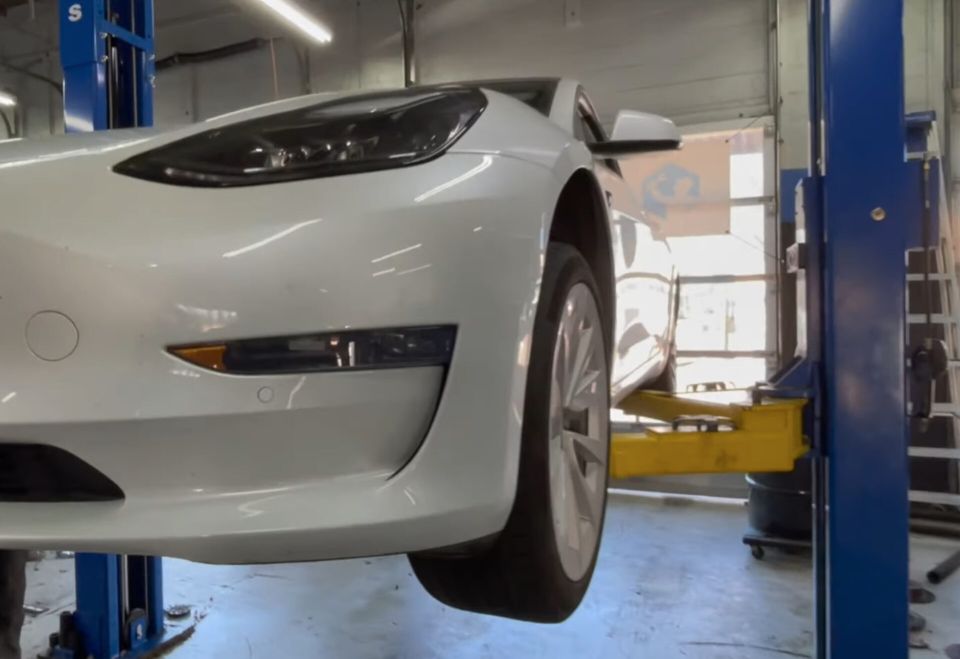
Electric and hybrid cars, trucks, and SUVs are becoming more popular. Many owners want to know how to maintain these advanced systems. Proper care helps extend the life of these vehicles and keeps them running smoothly.
Common Hybrid Vehicle Maintenance
Hybrid vehicles combine a gas engine with an electric motor to improve fuel efficiency. This advanced system requires specialized maintenance to perform at its best. Most importantly, regular service keeps key components running smoothly and prevents costly repairs
Oil Change – Every 5,000 to 7,500 Miles
Oil changes remain essential for hybrid engines. Most manufacturers recommend changing the oil every 5,000 to 7,500 miles, depending on driving conditions. Fresh oil reduces engine wear and keeps moving parts lubricated. However, skipping oil changes can lead to sludge buildup, which decreases performance and shortens engine life.
Battery Health Check – Every 5,000 to 7,500 Miles
Battery health checks ensure proper energy storage and delivery. A weak battery affects fuel efficiency and overall performance. Our Technicians inspect battery cooling fans and terminals to prevent overheating and corrosion. Hybrid batteries last many years, but regular monitoring helps catch issues early.
Transmission Fluid Change – Every 30,000 Miles
Transmission fluid changes extend the life of the hybrid’s transmission. Manufacturers often suggest replacing the fluid every 30,000 miles. Fresh fluid reduces friction, prevents overheating, and keeps gears shifting smoothly. Therefore, neglecting this service can lead to costly repairs or even transmission failure.
Coolant Exchange – Every 30,000 Miles
Cooling system inspections protect vital engine and battery components. Hybrid systems generate heat, so a properly functioning cooling system is critical. Our Technicians will check coolant levels, hoses, and radiators to prevent leaks and overheating. Additionally, replacing the coolant at recommended intervals, usually every 30,000 miles, helps maintain system efficiency.
Brake Fluid Change – Every 2 Years
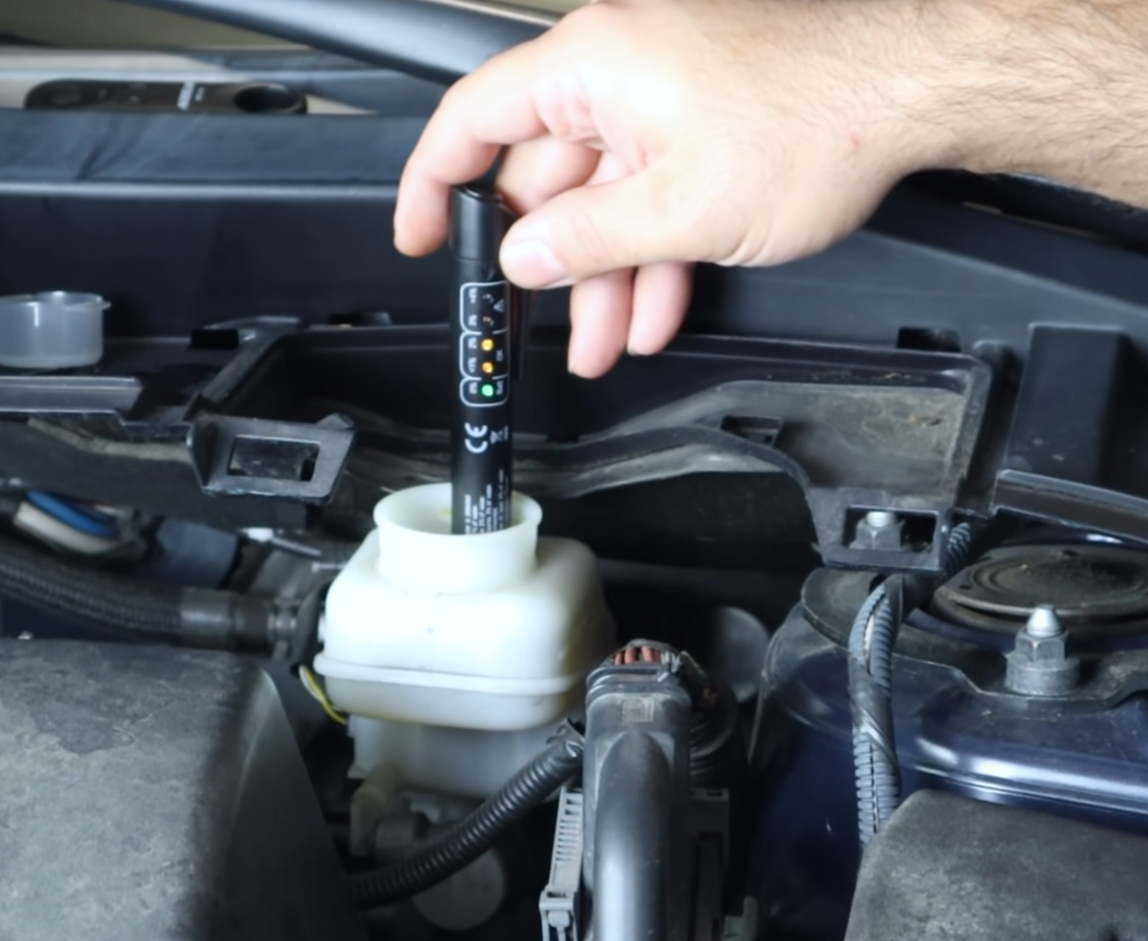
Brake fluid exchanges improve stopping power and increase brake system longevity. Over time, brake fluid absorbs moisture, which lowers braking efficiency and causes internal corrosion. Most manufacturers recommend a brake fluid flush every two years. This service keeps brakes responsive and prevents costly damage to the master cylinder and calipers.
Brake System Inspection – Every 10,000 Miles
Brake pad inspections ensure safe and effective stopping. Hybrid vehicles use regenerative braking, which reduces wear on brake pads. However, pads still wear down over time. Thus, checking them every 10,000 miles helps prevent damage to rotors. Also, replacing pads before they wear too thin avoids more expensive repairs.
Air Filter Replacement – Every 15,000 Miles
Replacing the air filter boosts engine performance and fuel efficiency. A clogged filter restricts airflow, making the engine work harder. Most manufacturers recommend changing the air filter every 15,000 miles, depending on driving conditions.
Tire Rotation – Every 5,000 Miles
Proper tire inflation improves handling, fuel economy, and safety. Underinflated tires create more resistance, which lowers gas mileage and causes uneven wear. Therefore, checking tire pressure monthly and rotating tires every 5,000 miles extends their lifespan.
By following these maintenance steps, hybrid owners can maximize performance, extend vehicle life, and avoid expensive repairs. Regular inspections and timely service keep hybrid systems running efficiently for years to come.
Electric Vehicle Maintenance
Electric vehicles (EVs) have fewer moving parts than gas-powered cars, but they still need regular maintenance. Thus, taking care of key systems keeps them running smoothly and safely.
Tire Rotation – Every 5,000
Tires wear unevenly over time, especially in EVs, which have instant torque. Regular tire rotation evens out this wear, extending the lifespan of all four tires. Also, it improves traction and handling, ensuring a safer ride.
Brake System Inspection – Every 10,000 Miles
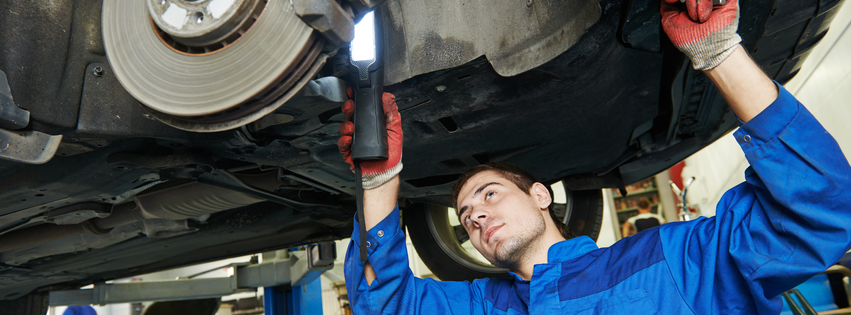
EVs use regenerative braking, which slows the vehicle by converting kinetic energy into electricity. As a result, this reduces wear on brake pads and rotors. However, the hydraulic braking system still plays a crucial role in sudden stops or low-speed braking. Therefore, inspecting the brake pads, rotors, and calipers prevents unexpected failures and keeps the system in top shape.
Brake Fluid Exchange – Every 2 Years
Brake fluid absorbs moisture over time, which lowers its effectiveness and can lead to corrosion in the braking system. Since EVs rely less on traditional braking, their fluid may go unchanged for too long. However, regular brake fluid exchanges prevent internal rust, maintain braking efficiency, and ensure quick stopping power when needed.
Cabin Air Filter Replacement – Every 15,000 Miles
The cabin air filter traps dust, pollen, and pollutants, improving the quality of the indoor air. On the other hand, a clogged filter reduces airflow, forcing the HVAC system to work harder. Therefore, replacing it regularly keeps the air fresh and ensures efficient climate control.
Windshield Wiper Blade Replacement – Every 6 to 12 Months
Clear visibility is essential for safe driving, especially in bad weather. Wiper blades degrade over time due to exposure to sunlight, dirt, and moisture. Thus, swapping them out before they streak or chatter ensures a clean windshield and better visibility.
Battery Coolant Replacement – Every 30,000 or 5 years (Check Manufacturer Guidelines)
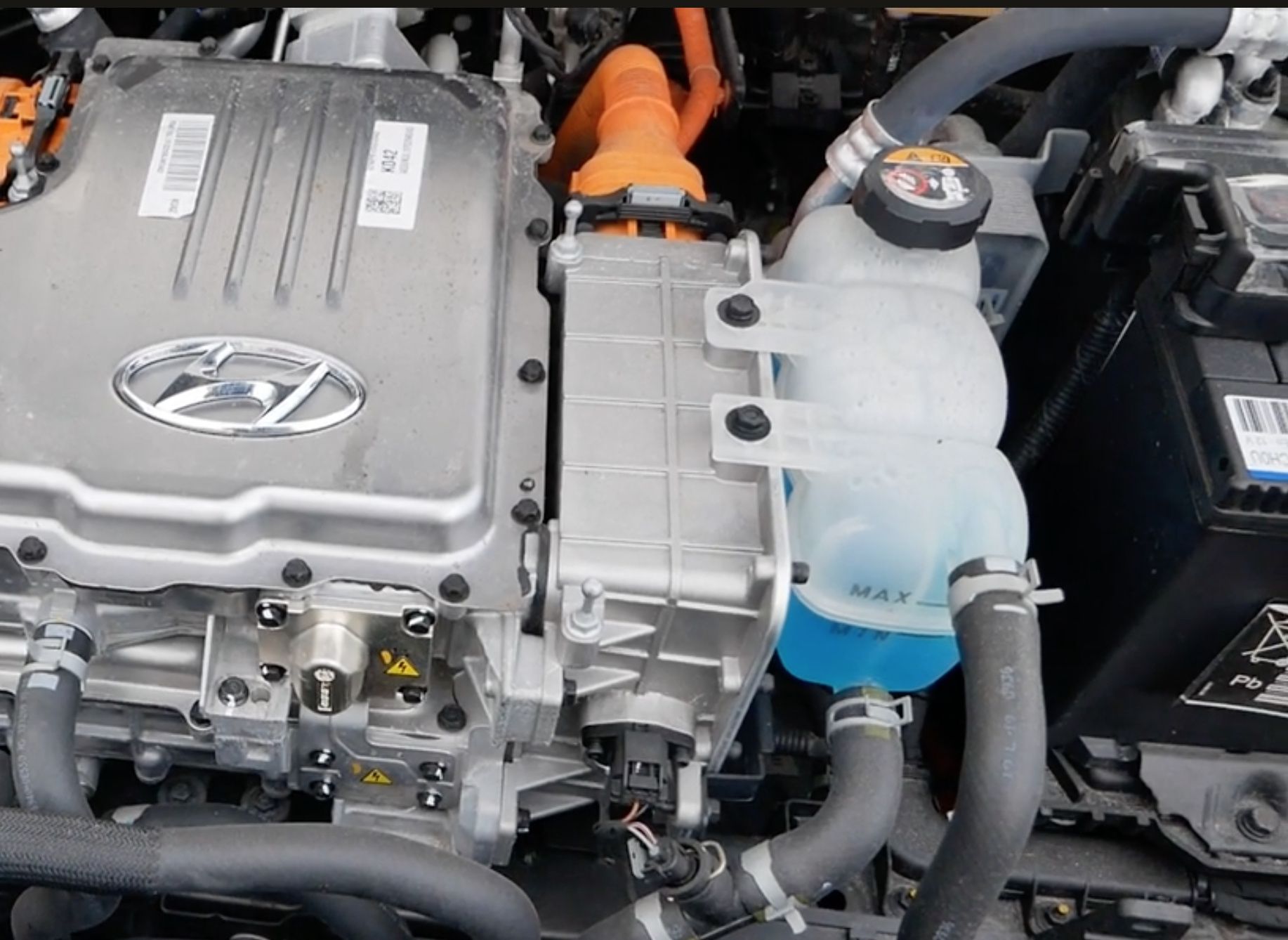
The high-voltage battery is the heart of an EV. It generates heat, and you must manage it to prevent overheating or reduced efficiency. Some EVs use a liquid cooling system with a special coolant to regulate battery temperature. However, this coolant degrades and loses effectiveness. Therefore, replacing it at recommended intervals ensures the battery stays within the ideal temperature range, prolonging its lifespan and maintaining optimal performance.
Software Updates – As Recommended by the Manufacturer
EVs rely heavily on software to control performance, safety, and efficiency. Moreover, manufacturers release updates to improve battery management, enhance regenerative braking, and add new features. Thus, staying up to date with software ensures the vehicle runs at peak efficiency and benefits from the latest security improvements.
Regular maintenance keeps an EV safe, efficient, and reliable. In other words, following the recommended service schedule extends the lifespan of key components and prevents costly repairs. For example, checking the owner’s manual for model-specific guidelines ensures the best care for every EV.
Battery Health and Electrical System Diagnostics

Hybrids and electric vehicles (EVs) depend on high-voltage batteries for power. Above all, proper maintenance helps extend battery life and preserves the value of your EV. For example, regular diagnostic tests identify issues before they become serious problems. Our Technicians use advanced tools to check battery performance, voltage levels, and overall health.
Charging habits also affect battery longevity. Avoiding deep discharges and overcharging helps maintain efficiency. In short, following manufacturer-recommended charging levels prevents excessive wear. Keeping the battery at an optimal charge range improves performance and reduces long-term degradation.
Electrical systems require periodic inspections to ensure all components function properly. Worn wiring, loose connections, or software glitches can affect efficiency. Routine system checks help detect these problems early. Addressing small issues prevents costly repairs and keeps your hybrid or EV running smoothly.
Why Choose Temecula Auto Repair & Transmission?
Owning a hybrid or EV means needing expert care. These vehicles require specialized training for proper maintenance. At Temecula Auto Repair & Transmission, our ASE-certified technicians stay up to date with the latest technology. We have the skills to handle battery checks, brake service, and software updates. With years of experience, we ensure your hybrid or electric vehicle runs at its best.
We proudly serve Temecula, Murrieta, De Luz, Winchester, and French Valley. Our team understands hybrid and EV systems inside and out. Trust us to keep your car safe and efficient. Call us today for expert service!
