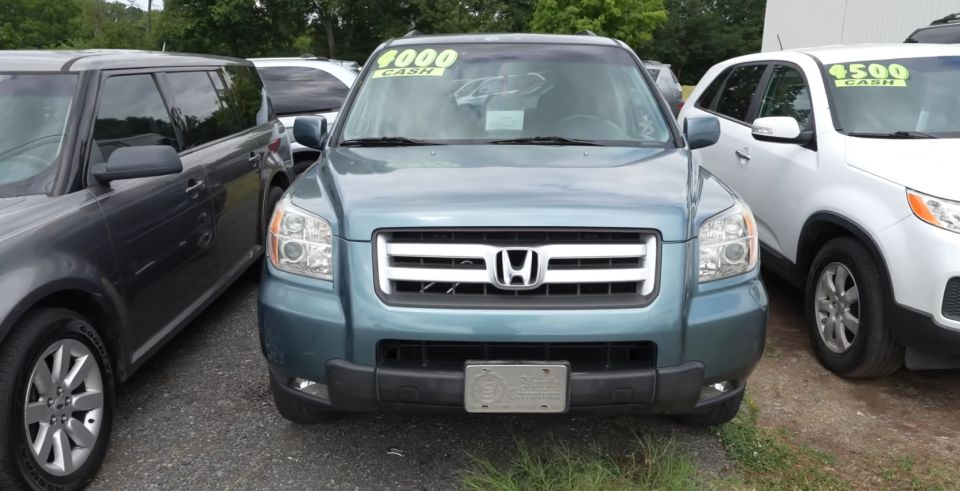
Tips for Purchasing a Used Car: Avoiding Pitfalls and Making Smart Choices
Buying a used car can be a practical and economical choice, especially in California, where the cost of living can make purchasing a new vehicle a significant financial burden. However, it’s crucial to approach this process with care to avoid potential pitfalls that could lead to costly repairs down the road.
Here’s a guide to help you navigate the used car market, highlighting common traps and providing practical advice.
Sources for Used Cars
When shopping for a used car, you have several options, each with its own set of advantages and disadvantages.
Private Party Sales
Purchasing a car directly from an individual can often yield the best prices. However, this route comes with its risks. For example, private sellers may not disclose all the issues with the vehicle, and you won’t have any post-sale support if problems arise. Thus, it’s essential to ask for maintenance records and have the car inspected by a trusted mechanic before finalizing the deal.
Dealerships
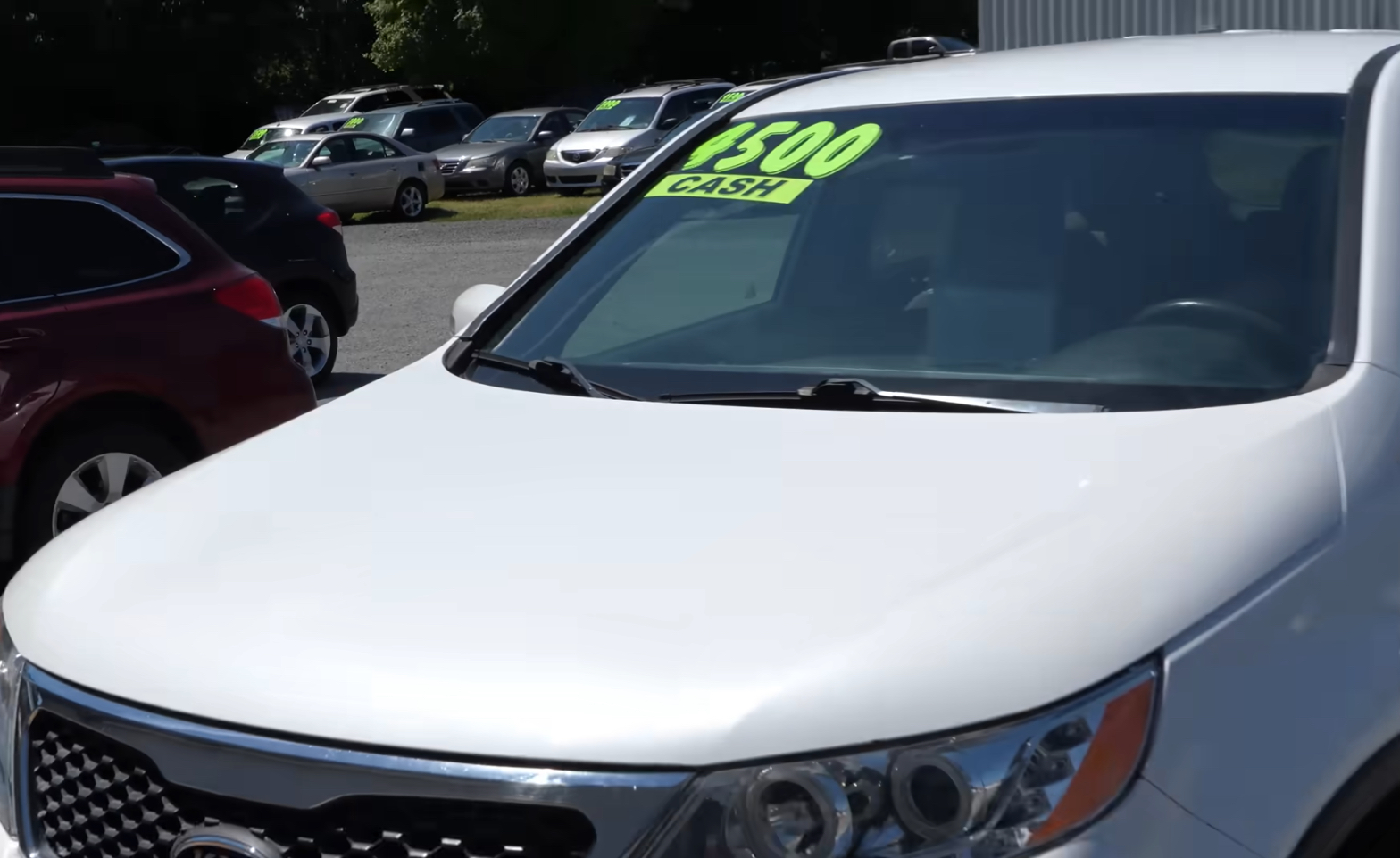
Buying from a dealership generally offers more security. For instance, dealerships often provide certified pre-owned vehicles that have undergone thorough inspections and come with warranties. However, these added assurances usually come at a higher price. Therefore, you should compare prices and read reviews to ensure the dealership offers a fair deal.
Online Used Car Sales
The internet has expanded the market for used cars, with platforms like eBay Motors, Craigslist, OfferUp, and specialized online dealerships. While these platforms provide a broad selection, they also come with unique challenges. For instance, buying a car without seeing it in person increases the risk of undisclosed defects and problems.
Trustworthiness
Always purchase from reputable and vetted sellers or dealers to reduce the risk of scams.
Areas to Focus on When Looking at a Used Car
When buying a used car, it’s critical to perform a detailed inspection to avoid ending up with someone else’s headaches and problematic vehicle. Here’s a list of some items to check:
1. Exterior Inspection
Body Condition
– Paint Overspray:
Carefully inspect the edges of vehicle trim, door seals, and wheel wells for paint overspray, which can indicate previous bodywork or repainting after an accident.
– Panel Alignment:
Check that all doors, the trunk, and the hood open and close smoothly without resistance. Look for misaligned body panels or uneven gaps, as these can be signs of poor repairs after a collision.
– Dents and Scratches:
Examine the body for any dents, scratches, or other surface imperfections. These can affect the vehicle’s appearance and may point to past accidents or poor handling.
– Rust:
Pay special attention to areas prone to rust, such as the bottom of doors, fenders, and underbody. Rust can weaken a vehicle’s structure and result in expensive repairs.
Tire Wear
– Uneven Wear:
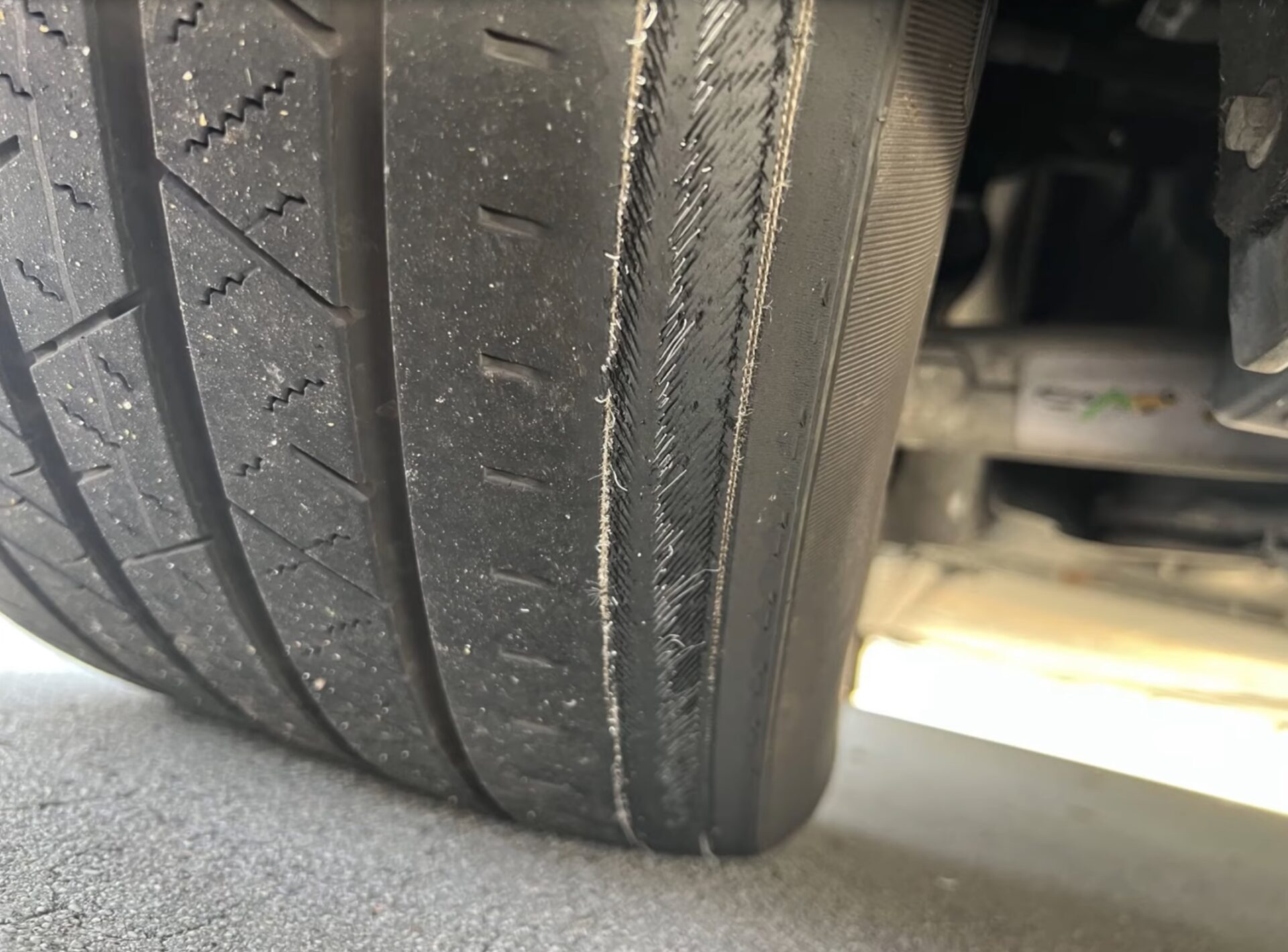
Check the tread depth and look for uneven wear patterns on the tires. Uneven wear could signal alignment issues, suspension problems, or improper tire inflation.
– Mismatched Tires:
Ensure that all tires are of the same brand and type. Mismatched tires can affect the vehicle’s handling and increase wear on the drivetrain, leading to additional expenses.
Lights and Lenses
– Functionality:
Test all exterior lights, including headlights, brake lights, turn signals, and reverse lights, to ensure they are working properly.
– Condition of Lenses:
Check the lenses for cracks, fogging, or discoloration. Certainly, clear, intact lenses are crucial for optimal light output and safety.
Underbody
– Rust Inspection:
Check the underbody and undercarriage for rust, especially in regions where they salt the roads during winter. Rust in the underbody can lead to structural issues and compromise the vehicle’s safety. One particular concern with online purchases is the risk of buying a vehicle that has suffered harsh weather conditions in the Midwest or East Coast, leading to rust. So, always inquire about the car’s history and consider obtaining a vehicle history report to check for previous registrations in rust-prone areas.
In summary, this comprehensive approach ensures a detailed evaluation of the vehicle’s exterior, helping to identify potential issues that could affect the vehicle’s value, safety, and overall condition.
2. Interior Inspection
Upholstery
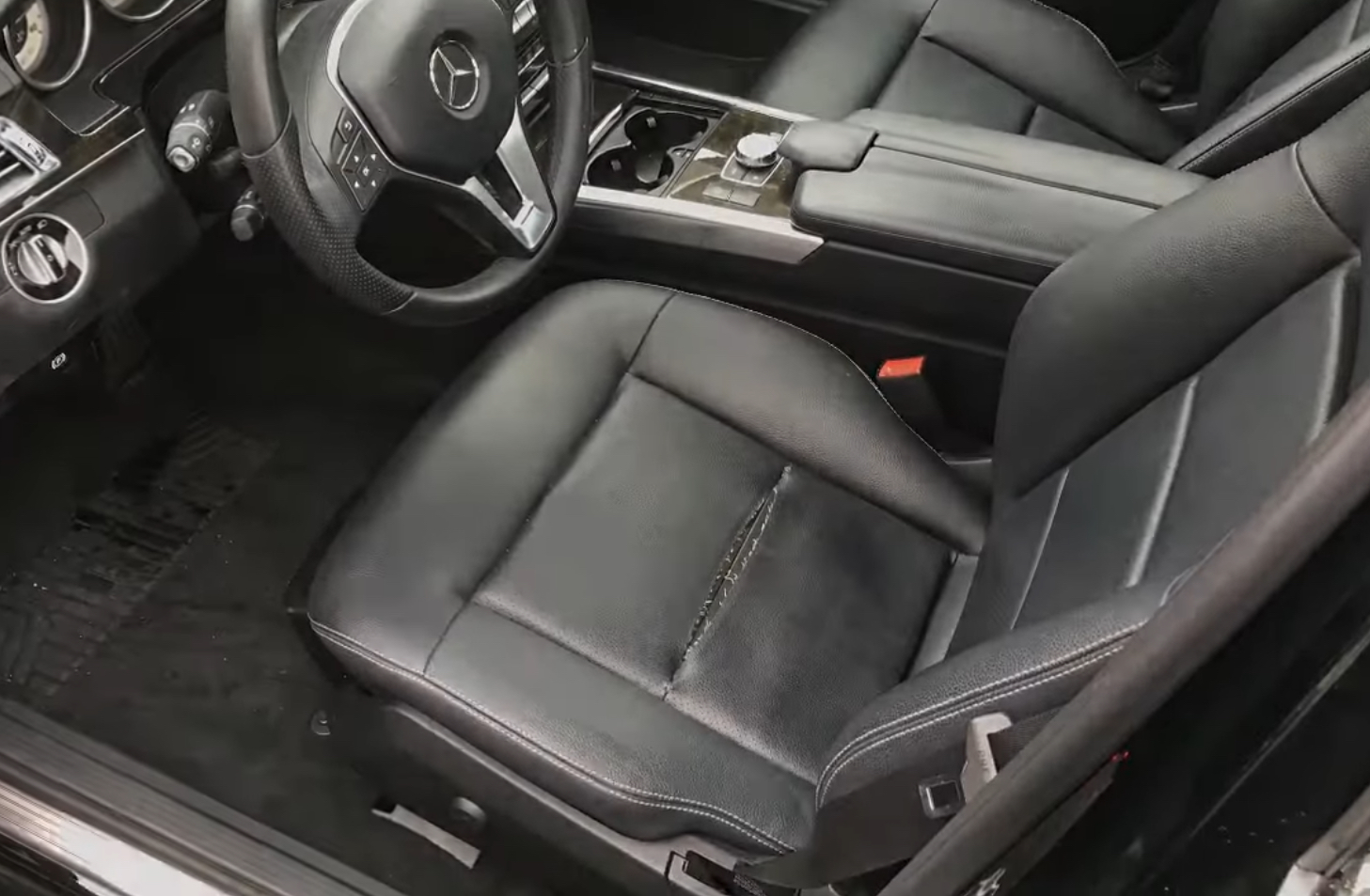
Perform a Surface Condition Check for tears, rips, or stains in the fabric or leather upholstery. Most importantly, pay attention to signs of wear and unusual odors like mildew, which may indicate water damage or previous leaks.
– Accessory Covers:
Lift any accessory seat covers to inspect the condition of the factory upholstery underneath. This step ensures that you discover hidden damage or wear during your inspection.
Seat Belts
– Condition:
Inspect seat belts for fraying, cuts, or other damage that could compromise their effectiveness.
– Operation:
Test the retractors and locking mechanisms to ensure they function correctly during sudden stops.
Air Bags
– Physical Inspection:
Check for cracks, bulges, or any physical abnormalities in the airbag covers.
Warning Lights
– Dashboard Indicators:
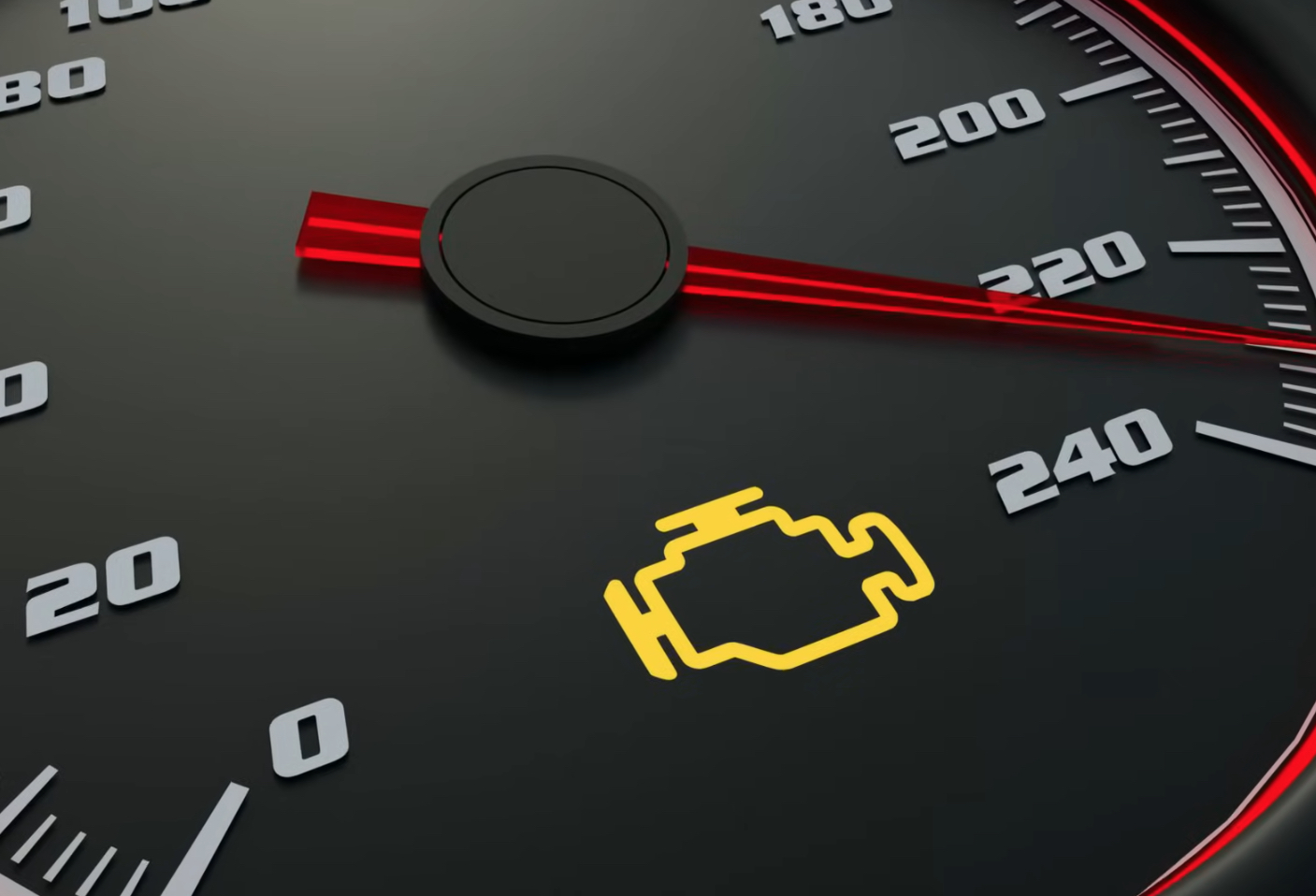
Examine the dashboard for any warning lights, including the check engine light, ABS, airbag (SRS), and others. Above all, make sure the lights come on briefly during engine start-up and that they go off moments after the engine has been running. Failure in either way is an indication of a problem. Also, inspect for any modifications to the warning lights, such as black tape or black paint over any dash lights. Yes, we’ve actually seen that before.
Electronics
– Comprehensive Testing:
Turn on and off all electronic components to ensure they are operational. This includes checking the power locks, windows, mirrors, AC & heating systems, infotainment systems, and other electronic controls.
Odometer
– Mileage Verification:
Verify that the odometer reading aligns with the car’s age and service records. Discrepancies might indicate potential odometer tampering or inaccuracies in the vehicle’s history.
3. Under the Hood
Fluids
– Oil:
Check the oil level using the dipstick. Ensure the oil is at the recommended level and is clean. Dirty oil may indicate a lack of maintenance or neglect. Also, check for metal particles in the oil, which could be a sign of engine wear.
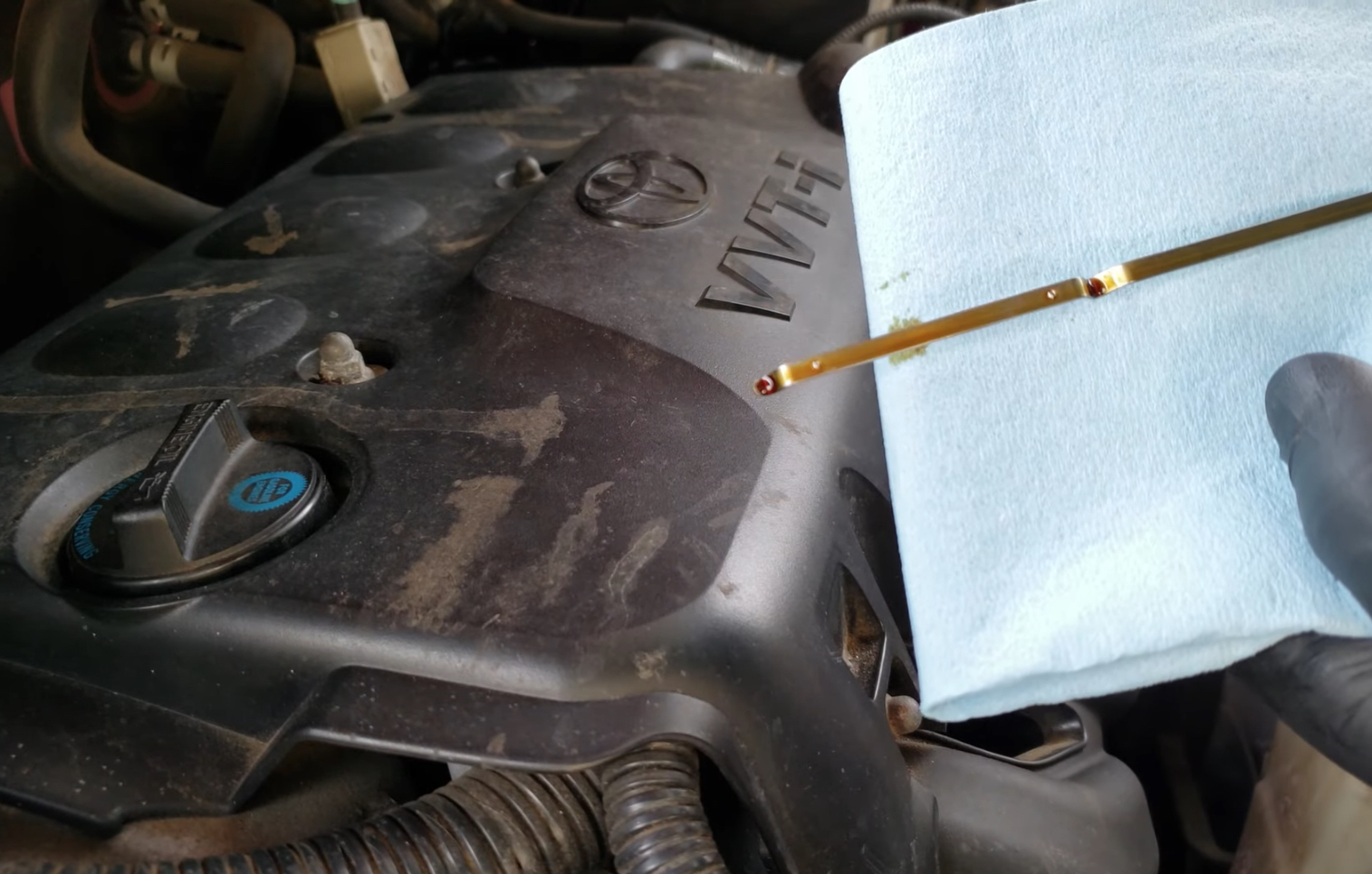
– Transmission Fluid:
For automatic transmissions, check the fluid with the engine running and the car in park or neutral. The fluid should be at the correct level and is pinkish or red in color. Brown or burnt-smelling fluid may indicate problems.
– Brake Fluid:
Inspect the brake fluid reservoir. The fluid should be clear or slightly yellow. Dark or dirty fluid can affect braking performance and might indicate deferred maintenance, such as a system flush.
– Coolant:
Check the coolant level in the reservoir and ensure the fluid is clean and the proper color (usually green, orange, or pink). A low level or contaminated fluid could indicate leaks or other cooling system issues.
Belts and Hoses
– Belts:
With the engine off, examine the serpentine or drive belts for any cracks, fraying, or wear. A worn or damaged belt can break, potentially leading to severe engine damage.
– Hoses:
Inspect radiator and heater hoses for cracks, bulges, or leaks. Squeeze the hoses gently; they should feel firm but not overly hard or soft. Soft or spongy hoses may indicate they need replacement.
Battery
– Corrosion:
Look for any corrosion around the battery terminals, which can interfere with the electrical connection. Corrosion appears as a white or blue-green powdery substance.
– Strength:
When starting the engine, make sure it turns over strongly. Watch for slow or sluggish engine cranking while starting.
Leaks
– Signs of Leaks:
Look under the car and around the engine bay for any puddles or wet spots. Common fluids to look for include oil (brown or black), transmission fluid (red or pink), coolant (green, orange, or pink), and brake fluid (clear to light brown). Leaks can indicate serious mechanical issues that may require costly repairs.
4. Mechanical Condition
Test Drive
– Smooth Acceleration:
Accelerate at different speeds and note if the car responds promptly without any hesitation or jerking. For example, uneven acceleration could indicate issues with the fuel system or engine.

– Braking:
Apply the brakes at various speeds to check their effectiveness. The car should stop smoothly and straight without pulling to one side. Listen for squealing or grinding noises, which may indicate worn brake pads or rotors.
– Handling:
Test the car’s steering responsiveness and alignment. The car should handle curves and turns smoothly without excessive play in the steering wheel. Check for vibrations or shaking, which could signal alignment issues or suspension problems.
– Unusual Noises:
Listen for any strange noises such as knocking, clicking, or whining from the engine, brakes, or suspension system. These sounds can hint at potential mechanical issues that might need immediate attention.
Brakes
– Functionality:
The brake pedal should feel firm, not spongy when pressed. A spongy pedal may suggest air in the brake lines or a problem with the master cylinder.
– Noise and Vibrations:
Any unusual noises like grinding or squealing could indicate worn-out brake pads or shoes. Vibrations during braking may point to warped rotors that need resurfacing or replacement.
Transmission
– Smooth Shifting:
During the test drive, shift through all gears (both automatic and manual transmissions) to ensure they engage smoothly without hesitation, slipping, or harshness. Rough or delayed shifting can signal transmission issues.
– Responsiveness:
The transmission should respond promptly to gear changes without any unusual noises like clunking or whining. These noises could indicate worn gears or other internal problems.
5. Vehicle History Report: A Crucial Step in Used Car Purchases
Once you’ve become serious about considering a particular car, investing in a CarFax report or a similar vehicle history report is well worth it when considering the purchase of that used car. This report provides comprehensive insights that help you make an informed decision and avoid potential pitfalls. Here’s why each aspect of the report is critical:
Title Status
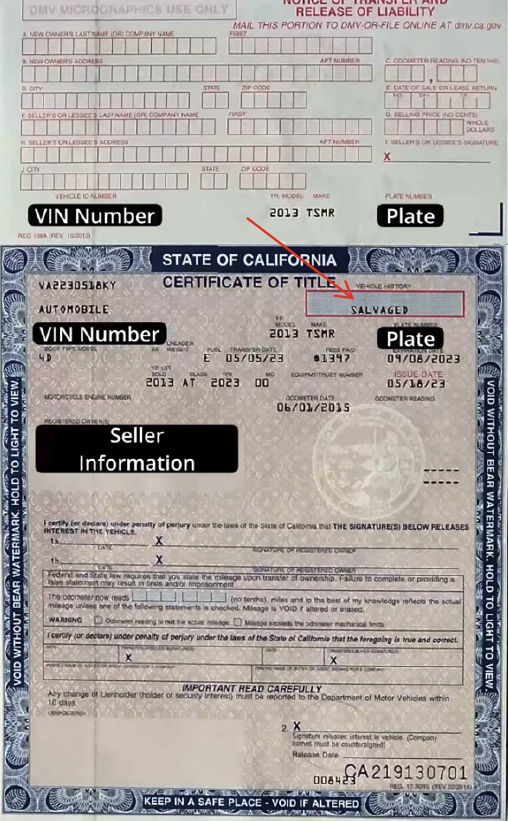
Ensuring the car has a clean title is paramount. A clean title shows that the insurance companies haven’t declared the car a total loss. A title branded with terms like “Salvaged” or “Rebuilt” indicates that the car has undergone significant repairs after extensive damage, which can affect its safety and resale value.
In addition to the history report, always ask the seller to allow you to examine the physical title to confirm its status.
VIN Check
Verify the VIN (Vehicle Identification Number) matches across all documents and the vehicle itself. Verify the VIN on all the vehicle’s VIN tags to confirm that someone hasn’t retagged the vehicle. Also, inspect the VIN tags on the vehicle for signs of tampering.
Accident History
A vehicle’s accident history reveals any past collisions. Major accidents can compromise the car’s structural integrity, leading to safety concerns and costly repairs down the line. By checking this history, you can gauge the severity of any damage and decide if the car is worth pursuing.
Ownership History
Reviewing the number of previous owners provides clues about the car’s condition. Vehicles with fewer owners are often receive better maintenance, as consistent care from a single owner typically results in fewer issues. Multiple owners in a short period could signal underlying problems or neglect.
Service Records
Consistent maintenance is a key indicator of a car’s longevity and reliability. Comparing the provided service records to the manufacturer’s recommended maintenance schedule helps verify that the vehicle has received the necessary care. Gaps or irregularities in maintenance can lead to mechanical issues, reducing the car’s value and dependability.
By taking these steps, you significantly reduce the risk of purchasing a problematic vehicle, ensuring a safer and more satisfying investment in your next car.
6. Professional Inspection
– Mechanic’s Evaluation:
Finally, once you’ve narrowed your search and are ready to buy, have a trusted mechanic inspect the car to identify any hidden issues that a casual inspection might miss.
Importance of a Used-Car Pre-Purchase Inspection
Regardless of where you find a used car, a pre-purchase inspection by a reputable auto repair shop is a critical step in the buying process. An inspection can reveal hidden issues that aren’t apparent during a casual test drive or visual inspection, such as:
- Engine problems
- Transmission issues
- Brake and suspension wear
- Electrical system malfunctions
Temecula Auto Repair & Transmission: Your Partner in Used Car Purchases
At Temecula Auto Repair & Transmission, we understand the importance of buying a reliable used car. We’ve designed our Used Car Pre-purchase Inspection service to give you peace of mind by providing a comprehensive evaluation of the condition of the vehicle you’re considering for purchase. Our experienced mechanics will thoroughly check all critical components and provide you with a detailed report, helping you make an informed decision. For over ten years, we’ve proudly served Temecula, Murrieta, Winchester, French Valley, and surrounding communities.
Contact Temecula Auto Repair & Transmission today to schedule your Used Car Pre-purchase Inspection and ensure your next vehicle is a sound investment.
