Expert Tire Replacement Services in Temecula & Murrieta – Safe, Reliable, and Affordable
Your vehicle’s tires are essential for safety and performance. However, over time, tires can experience wear and tear that requires attention. At Temecula Auto Repair & Transmission, we understand the importance of maintaining good tire condition. We proudly serve the Temecula, Murrieta, Winchester, and French Valley communities, offering reliable tire replacement services to keep you safe on the road.
Common Tire Problems and Their Causes
1. Uneven Tire Wear
Uneven tire wear is a common problem that affects vehicle performance and safety. It occurs when certain areas of the tire wear down faster than others, leading to imbalanced tires. This issue not only reduces the lifespan of your tires but also compromises your driving experience.

Causes of Uneven Tire Wear
Several factors can contribute to uneven tire wear. One of the most common causes is poor wheel alignment. When your wheels are not properly aligned, your tires may not make even contact with the road, leading to excessive wear on one side. Another common cause is improper tire inflation. Both over-inflated and under-inflated tires can result in uneven wear, with under-inflation causing wear on the edges and over-inflation causing wear in the center.
Additionally, suspension problems can contribute to uneven tire wear. Worn-out shocks, struts, or other suspension components can affect the weight distribution across your tires. Finally, driving habits, such as hard braking, sharp turns, or aggressive driving, can speed up the wear process.
Symptoms of Uneven Tire Wear
Drivers will notice a few clear symptoms if their tires are wearing unevenly. First, vehicle pulling is a common sign. If your car pulls to one side, especially when driving straight, it could be due to uneven tire wear. You may also experience vibrations in the steering wheel, particularly at higher speeds, because of imbalanced tires.
In some cases, you might observe visible tread wear patterns, such as more wear on one side of the tire than the other. Increased stopping distance is another symptom, especially in wet conditions. Unevenly worn tires have less grip, which affects your ability to stop safely.
Preventing Uneven Tire Wear
Regular maintenance can help prevent uneven tire wear. It’s important to check your tire pressure frequently and schedule routine wheel alignments. By addressing these factors early, you can prolong the life of your tires and ensure a safer ride.
At Temecula Auto Repair & Transmission, we offer tire inspections and services to help detect and fix uneven tire wear. Serving the Temecula, Murrieta, Winchester, and French Valley areas, our expert technicians are ready to keep your tires in top condition.
2. Tire Punctures
Tire punctures are a frustrating problem that can happen unexpectedly. They occur when sharp objects or debris pierce the surface of the tire, causing air to leak out. While some punctures are small and result in slow leaks, others can lead to a flat tire almost immediately.
Causes of Tire Punctures
The most common cause of tire punctures is driving over sharp objects, such as nails, screws, or broken glass. These items can embed themselves in your tire and create holes. Additionally, road debris, like rocks or metal fragments, can also cause punctures if they strike your tires with enough force.
Poor road conditions are another factor that can lead to punctures. Potholes and uneven surfaces increase the risk of hitting debris that can damage your tires. Finally, aging tires are more prone to punctures. Over time, the rubber weakens, making it easier for sharp objects to penetrate the surface.
Symptoms of Tire Punctures
If your tire has a puncture, you will likely notice certain symptoms while driving. One of the most obvious signs is a gradual loss of air pressure. If you notice your tire losing air more quickly than usual, it could be a puncture. Another common symptom is a hissing sound, especially if the puncture is severe. This sound happens when air escapes from the tire.
In some cases, the puncture may cause the tire to become visibly deflated. You might also feel the vehicle pulling to one side if the puncture is in one of the front tires. Additionally, you may experience poor handling or a decrease in steering control.
What to Do When You Have a Puncture
It’s important to address tire punctures as soon as you notice them. Continuing to drive on a punctured tire can lead to more damage and even cause a blowout. At Temecula Auto Repair & Transmission, we offer fast and reliable tire repair and replacement services for drivers in Temecula, Murrieta, Winchester, and French Valley. If you suspect a puncture, visit us to get your tires inspected and repaired quickly.
3. Cracked or Dry-Rotted Tires
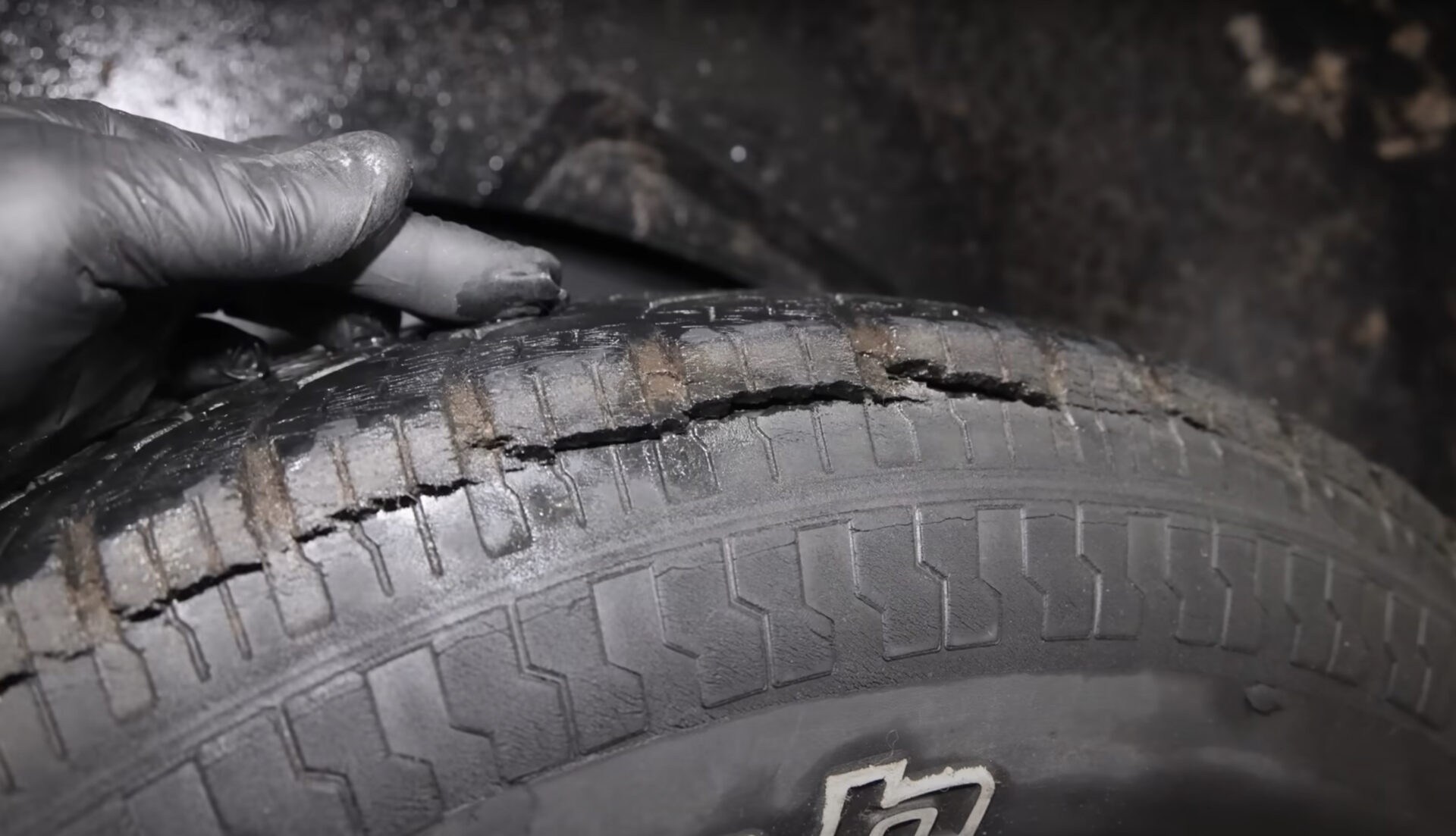
Cracked or dry-rotted tires are a sign of aging and weathering, which can compromise the safety of your vehicle. Over time, the rubber in tires loses its flexibility and begins to crack, making them more prone to failure. This condition, often referred to as dry rot, weakens the structural integrity of the tire.
Causes of Cracked or Dry-Rotted Tires
Several factors contribute to the development of cracked or dry-rotted tires. One of the primary causes is exposure to sunlight. Prolonged exposure to UV rays breaks down the tire’s rubber compounds, leading to cracks. Similarly, extreme temperatures can cause the rubber to expand and contract, which accelerates the cracking process.
Another cause is the lack of regular use. When a vehicle sits for long periods, the tires can dry out due to reduced movement and lack of rotation. Additionally, improper storage can hasten the drying process. For instance, tires stored in direct sunlight or without proper coverage are more likely to develop cracks.
Aging is also a natural factor. Older tires, regardless of mileage, are more prone to cracking as the materials degrade over time.
Symptoms of Cracked or Dry-Rotted Tires
Drivers can easily spot the symptoms of cracked or dry-rotted tires. The most obvious sign is visible cracks along the tire sidewalls or tread. These cracks may start small but can grow over time, making the tire unsafe. Another common symptom is a stiff or brittle feel to the tire. If the rubber feels hard or lacks flexibility, dry rot may be present.
In more severe cases, drivers may notice bulges or blisters forming on the tire’s surface. These indicate that the tire’s internal structure is weakening, increasing the risk of a blowout. Furthermore, you may experience poor traction or difficulty maintaining control, especially in wet conditions.
Preventing and Addressing Dry-Rotted Tires
To prevent dry rot, it’s important to store your vehicle in a shaded or covered area when not in use. Additionally, regular tire inspections can help catch early signs of cracking before they worsen. If your tires are showing symptoms of dry rot, it’s best to have them inspected by professionals.
At Temecula Auto Repair & Transmission, we provide tire inspections and replacements to ensure your tires are safe for the road. Serving the Temecula, Murrieta, Winchester, and French Valley communities, we’ll help keep your vehicle in top condition. If you suspect your tires are dry-rotted, visit us for a thorough assessment and expert advice.
4. Tread Separation
Tire Tread Separation: Causes and Symptoms
Tire tread separation is a dangerous condition that can lead to serious accidents if left unaddressed. It occurs when the tread, or outer layer of the tire, detaches from the internal layers. This issue compromises the tire’s performance and puts drivers at risk.
Causes of Tire Tread Separation
Several factors can cause tire tread separation. One common cause is manufacturing defects. Sometimes, tires are not properly bonded during production, leading to weak spots that eventually cause the tread to separate.
Another cause is improper tire repairs. For instance, a patch or plug that is poorly applied can weaken the tire structure, increasing the risk of separation. Excessive wear and tear is also a contributing factor. Tires driven long past their prime are more prone to tread separation, especially at high speeds.
Overheating is another significant cause. Driving at high speeds for long periods can cause the tire to overheat, weakening the bond between the tread and the tire body.
Symptoms of Tire Tread Separation
Tread separation often presents with clear warning signs. One of the first symptoms is a thumping sound while driving, which is caused by the uneven surface of the separating tread. You may also feel a vibration in the steering wheel or seat, particularly at highway speeds.
Another symptom is poor handling or difficulty maintaining control, especially when turning. In severe cases, you may see visible bulging on the tire’s surface, indicating that the tread is starting to peel away. If you experience any of these signs, it’s crucial to address the issue immediately.
What to Do if You Suspect Tread Separation
If you suspect tire tread separation, it’s important to stop driving and have your tires inspected as soon as possible. Ignoring the problem can result in a blowout, which can cause you to lose control of your vehicle.
At Temecula Auto Repair & Transmission, we specialize in tire inspections and replacements, serving drivers in Temecula, Murrieta, Winchester, and French Valley. If you notice any signs of tread separation, visit us for a professional assessment and fast, reliable service.
5. Bald Tires
Bald tires are a serious safety hazard that can significantly affect your vehicle’s performance. When a tire becomes bald, its tread has worn down to the point where there is little or no traction left. This increases the risk of accidents, especially in wet or slippery conditions.
Causes of Bald Tires
The primary cause of bald tires is excessive wear and tear. Over time, the rubber tread wears down from constant contact with the road. However, certain factors can accelerate this wear. Improper tire inflation is a leading cause. Under-inflated tires wear down more quickly on the edges, while over-inflated tires wear faster in the center.
Another cause is misalignment. When your wheels are not properly aligned, your tires don’t make even contact with the road, which can cause one side of the tire to wear out faster. Aggressive driving, such as hard braking or sharp turns, can also speed up tread wear. Additionally, skipping regular tire rotations can lead to uneven tread wear, contributing to bald spots on tires.
Symptoms of Bald Tires
Drivers can detect bald tires through several symptoms. One of the most obvious signs is visible tread loss. If the tire’s tread depth is less than 2/32 of an inch, the tire is considered bald. You can use a tread depth gauge or perform the penny test—insert a penny into the tread with Lincoln’s head facing down; if you can see all of his head, your tires are too worn.
Another symptom is poor traction, especially in wet conditions. Bald tires have less grip, making it harder to stop or control your vehicle on slick roads. You may also notice longer stopping distance or a tendency for the car to slide during turns. In severe cases, hydroplaning becomes a major risk, where your tires lose contact with the road due to water buildup.
The Importance of Replacing Bald Tires
Driving on bald tires is extremely dangerous, as it increases the likelihood of tire blowouts and accidents. At Temecula Auto Repair & Transmission, we offer tire inspections and replacements to ensure your safety on the road. Serving the communities of Temecula, Murrieta, Winchester, and French Valley, we provide reliable and timely tire services. If your tires show signs of balding, it’s essential to replace them immediately to avoid potential hazards.
When to Replace Your Tires
If you experience any of the above problems, it’s time to consider replacing your tires. At Temecula Auto Repair & Transmission, we will inspect your tires to determine if they are still safe to drive on. We use high-quality tires that suit your vehicle’s needs, ensuring a smooth and secure ride.
Regular tire checks can save you from unexpected breakdowns and improve your driving experience. Our team recommends replacing tires when the tread depth is less than 2/32 of an inch or when any visible signs of damage appear.
Selecting Replacement Tires: Factors to Consider
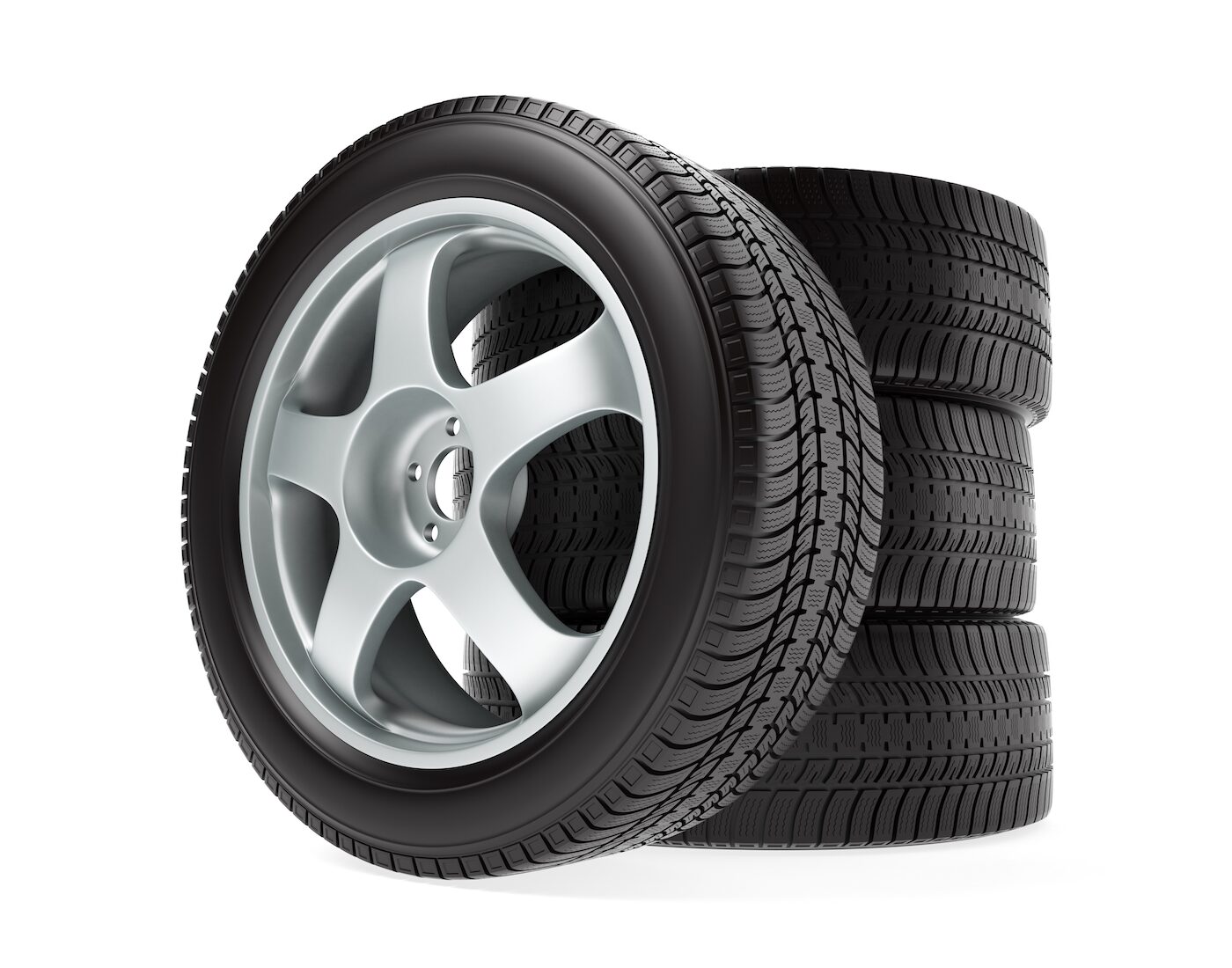
Choosing the right replacement tires is essential for your vehicle’s safety and performance. With so many options available, it’s important to understand the factors that go into making the best decision for your car. By considering your driving needs and the types of tires on the market, you can select the perfect fit.
Tire Size
The first factor to consider is tire size. Your vehicle’s manufacturer specifies the correct size for your tires, which can usually be found in the owner’s manual or on the tire itself. The tire size includes width, aspect ratio, and diameter, and these measurements are crucial for maintaining your vehicle’s handling and stability.
Driving Conditions
Next, think about the driving conditions you typically face. If you live in an area with extreme weather, like heavy rain or snow, you might need tires designed for those conditions. All-season tires are a great option for moderate climates, providing a balance of performance in wet and dry conditions. However, winter tires offer superior traction on snow and ice, while summer tires deliver better handling in hot, dry conditions.
Tire Type
Different tire types are available depending on your driving style and vehicle type. Touring tires, for instance, offer a smooth, quiet ride and are ideal for everyday driving. On the other hand, performance tires provide better grip and handling for drivers who prioritize speed and precision.
For trucks or SUVs, you may want to consider all-terrain tires. These tires are built for both on-road comfort and off-road durability. If you frequently drive on rugged terrain, all-terrain tires provide the toughness and traction you need.
Tread Life
Tread life is another important factor. The tread wear rating indicates how long you can expect the tire to last under normal conditions. Tires with higher tread wear ratings tend to last longer, making them a better value over time. However, you should balance tread life with performance, as some tires with higher ratings may not provide the best grip or comfort.
Budget
Your budget will also play a role in selecting replacement tires. While premium tires may offer superior performance and durability, budget-friendly options can still provide good quality and reliability. It’s important to find a tire that fits within your budget without sacrificing safety or performance.
Fuel Efficiency
Many drivers overlook fuel efficiency when choosing tires. Tires with low rolling resistance can improve your vehicle’s fuel economy by reducing the energy required to move the tire. This is an excellent option for those looking to save on fuel costs over time.
Click here to learn even more about vehicle safety and tires.
Professional Help
At Temecula Auto Repair & Transmission, we can help you navigate the various tire options available. Serving the communities of Temecula, Murrieta, Winchester, and French Valley, we offer expert advice to ensure you select the best replacement tires for your needs. Whether you’re looking for all-season, performance, or all-terrain tires, our experienced technicians will guide you through the process to make an informed choice.
In conclusion, selecting the right replacement tires involves considering multiple factors, from size and type to driving conditions and budget. By understanding your vehicle’s needs and exploring the options, you can make the best decision for safety and performance. For expert tire advice and installation, visit Temecula Auto Repair & Transmission, where we prioritize your satisfaction and vehicle’s performance.
Why Choose Temecula Auto Repair & Transmission?
Serving the Temecula, Murrieta, Winchester, and French Valley areas, we provide top-notch tire services. Our expert technicians have years of experience in diagnosing tire issues and recommending the best solutions. We focus on delivering fast, reliable service so you can get back on the road with confidence.
Schedule Your Tire Replacement Today
Don’t wait until a small tire issue becomes a major safety hazard. Call us today to schedule your tire inspection or replacement. We’re here to ensure your tires are road-ready for the long haul.
By addressing common tire problems and offering expert tire replacement services, Temecula Auto Repair & Transmission helps keep drivers in Temecula, Murrieta, Winchester, and French Valley safe on the road.