


Jeep Service & Repair in Temecula and Murrieta, CA
A Brief History of Jeep
Jeep began during World War II as a tough military vehicle. After the war, Jeep moved into civilian life with off-road strength. Over time, Jeep built a reputation for durability, freedom, and adventure.
Today, Jeep blends classic capability with modern comfort and technology. As a result, Jeep owners expect service that respects that heritage.
Jeep Models We Service
At Temecula Auto Repair & Transmission, we service all Jeep models, from older classics to present-day models. Because Jeep engineering varies by model, our technicians stay current on every platform.
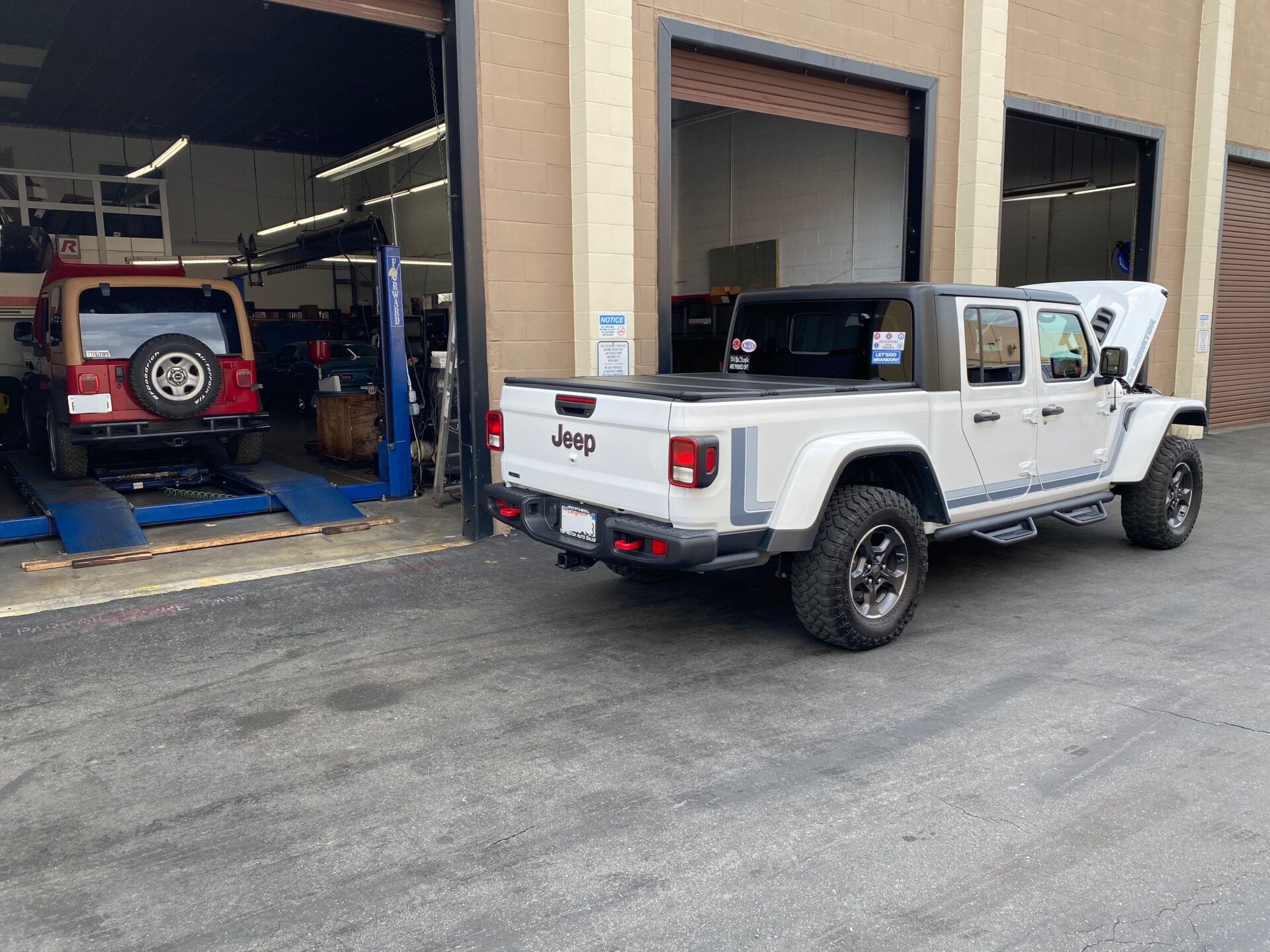
Some of the Jeep Services We Perform
Jeep Factory Scheduled Maintenance
Regular Factory Scheduled Maintenance protects Jeep performance and long-term reliability. Therefore, we follow Jeep service intervals exactly as the manufacturer recommends. Additionally, we inspect fluids, filters, belts, hoses, and wear items. As mileage increases, we adjust service needs to match real-world driving. Most importantly, scheduled maintenance helps avoid costly future repairs.
Jeep Air Conditioning Diagnosis & Repair
A working air conditioning system keeps Jeep cabins comfortable year-round. When cooling drops, we inspect refrigerant levels and system pressures. Next, we test compressors, condensers, expansion valves, and control modules.
Because Jeep systems vary by year, we use model-specific diagnostic procedures. As a result, repairs restore cooling quickly and reliably.
Jeep Brake System Diagnosis & Repair
Strong brakes keep Jeep drivers safe on and off the road. First, we inspect pads, rotors, calipers, and brake lines. Then, we test hydraulic pressure and electronic brake controls. Since Jeep vehicles handle heavy loads, brake balance matters greatly. Ultimately, proper brake service restores confident stopping power.
Jeep Cooling System Diagnosis & Repair
Cooling systems protect Jeep engines from heat damage. If the engine is running hot, we check the radiator, water pump, thermostat, and cooling fans. Afterward, we pressure test the system for leaks.
Because overheating causes major damage, fast diagnosis remains critical. Therefore, we restore proper cooling before problems escalate.
Jeep Steering System Diagnosis & Repair
Precise steering improves control on highways and trails. When steering feels loose, we inspect racks, gearboxes, and linkages. Next, we check power steering pumps and fluid condition. Since Jeep suspensions work hard, steering parts wear faster. Consequently, accurate repairs improve handling and tire life.
Jeep Timing Belt Diagnosis & Replacement
Some Jeep engines rely on timing belts for valve control. Because belts wear over time, failure risks severe engine damage. We inspect belt condition and follow mileage replacement intervals. During service, we replace related tensioners and pulleys. As a result, engines maintain proper timing and performance.
Jeep Timing Chain Diagnosis & Replacement
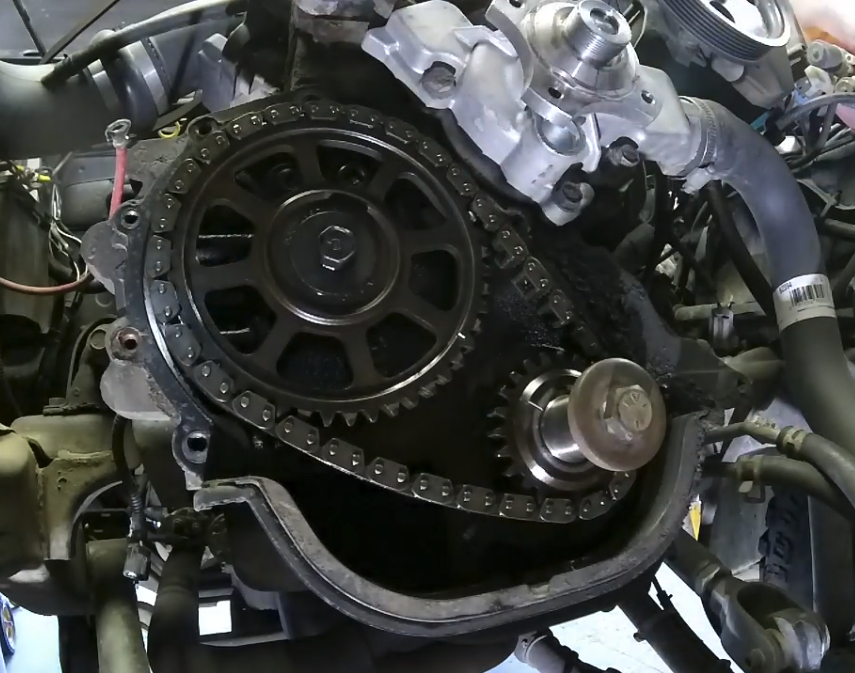
Many Jeep engines use timing chains instead of belts. Although chains last longer, they still stretch and wear. We listen for noise and inspect chain alignment electronically. If wear appears, we replace chains and guides promptly. Therefore, engines stay reliable and quiet.
Jeep Electrical Diagnosis & Repair
Jeep vehicles rely heavily on advanced electronics. When warning lights appear, we scan control modules accurately. Then, we test wiring, sensors, and communication networks.
Because electrical faults cause multiple symptoms, precision matters. Ultimately, correct repairs restore system stability.
Jeep Cylinder Head Gasket Diagnosis & Repair
Head gasket failure causes overheating and fluid loss. If symptoms appear, we test compression and cooling systems. Next, we inspect exhaust gases and oil condition. Since gasket failure threatens engines, fast action prevents escalation. Accordingly, we restore sealing and engine integrity.
Jeep Engine Diagnosis, Repair, or Replacement
Engine problems demand expert evaluation. First, we analyze noise, performance, and fault codes. Then, we recommend repair or replacement options clearly. Because Jeep engines vary widely, experience makes a difference. As a result, we deliver reliable long-term solutions.
Jeep Transmission Diagnosis, Repair, or Replacement
Smooth shifting keeps your Jeep driving enjoyable. When issues arise, we test fluid condition and shift behavior. After diagnosis, we repair or replace transmissions as needed. Since Jeep drivetrains handle torque, precision repairs matter. Therefore, proper service restores smooth operation.
Jeep Emissions System Diagnosis & Repair
Emissions systems protect air quality and fuel efficiency. When check engine lights appear, we test sensors and converters. Next, we inspect EVAP systems and exhaust components. Because emissions faults affect performance, accurate diagnosis saves time. Consequently, repairs restore compliance and efficiency.
Jeep Hybrid Service
Modern Jeep hybrids combine gasoline and electric power. Therefore, specialized training and tools remain essential. We service batteries, inverters, charging systems, and hybrid controls.
Additionally, we maintain traditional engine and drivetrain components. As technology evolves, we stay current with Jeep hybrid systems.
Jeep Diesel Diagnosis, Repair, and Service
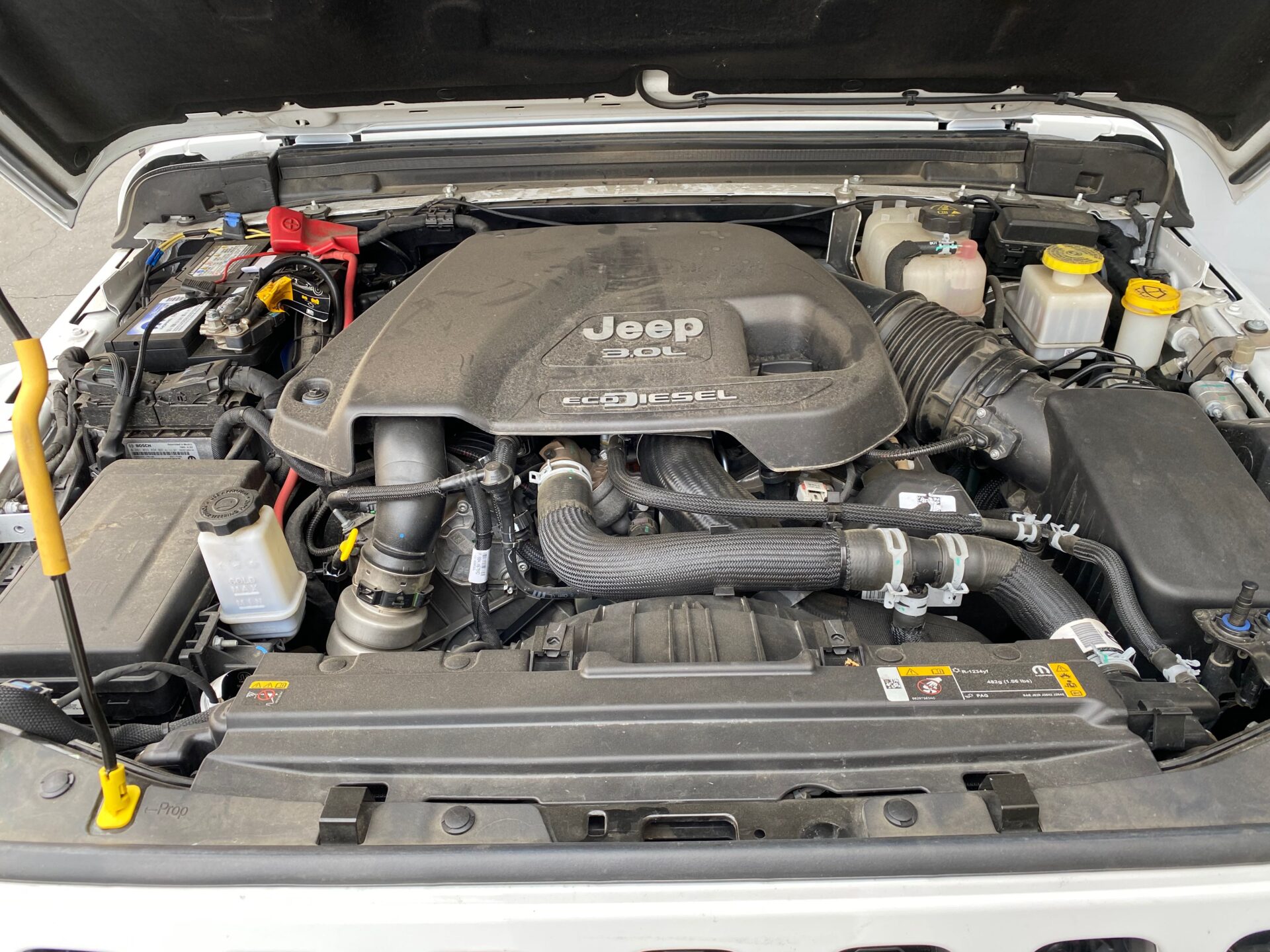
Jeep diesel engines deliver strong torque and long-lasting performance. Therefore, proper diagnosis and specialized diesel knowledge remain essential. We inspect fuel systems, turbochargers, injectors, sensors, and emissions components. Additionally, we service and repair cooling, lubrication, and drivetrain systems. As diesel technology evolves, we stay current with Jeep diesel platforms.
Why Choose Temecula Auto Repair & Transmission for Jeep Service
Jeep owners trust Temecula Auto Repair & Transmission for expert care. First, we specialize in accurate diagnosis and honest recommendations. Next, we use professional-grade tools and proven repair methods. Also, we respect Jeep engineering and off-road capability.
Finally, we proudly serve Temecula, Murrieta, Winchester, French Valley, and surrounding communities.
If you need professional Jeep service or repair, schedule a reservation with our team today.
A Deeper Dive Into Jeep Models We Service
Jeep Wrangler
The Jeep Wrangler stands as an icon of off-road freedom and rugged design. Originally, the Wrangler evolved from early military Jeeps of World War II. Because of that heritage, the Wrangler keeps a boxy shape and removable doors. Additionally, the vehicle features solid axles, high ground clearance, and four-wheel drive. As a result, drivers enjoy strong trail performance and daily driving capability.
Over time, Jeep added modern technology while protecting classic styling. For example, newer Wranglers include advanced safety systems and touchscreen displays. Meanwhile, the interior balances durability with comfort and easy cleaning. Since Jeep values customization, the Wrangler supports endless aftermarket upgrades. Today, the Jeep Wrangler continues to blend history, toughness, and modern innovation.
Jeep Wrangler Unlimited
The Jeep Wrangler Unlimited delivers classic Jeep style with added space and comfort. Originally, Jeep introduced the Wrangler Unlimited to offer four doors and more rear seat room. Because of its longer wheelbase, the Wrangler Unlimited improves ride stability and cargo capacity. Additionally, the design keeps removable doors, a folding windshield, and strong four-wheel drive systems. As a result, drivers enjoy trail capability while carrying family, gear, or adventure supplies.
Over time, Jeep updated the Wrangler Unlimited with modern safety features and advanced technology. For example, newer models include touchscreens, driver assists, and improved engine options. Meanwhile, the interior balances durability, comfort, and easy cleaning for active lifestyles. Many Jeep owners add lift kits, wheels, bumpers, and off-road accessories. Today, the Jeep Wrangler Unlimited blends legendary history, everyday usability, and true off-road confidence.
Jeep CJ-2A
The Jeep CJ-2A represents the first true civilian Jeep with simple and rugged design. Originally, Jeep released the CJ-2A after World War II for civilian use. Because farmers and workers needed utility, the CJ-2A included a tailgate and side-mounted spare. Additionally, the vehicle featured a flat windshield, open cabin, and reliable four-wheel drive. As a result, owners used the CJ-2A for work, travel, and recreation.
Over time, the Jeep CJ-2A earned a reputation for toughness and versatility. For example, drivers relied on its lightweight frame and strong low-speed torque. Meanwhile, the CJ-2A supported farm equipment through power take-off options. Since this model launched the CJ lineup, it shaped future Jeep designs. Today, the Jeep CJ-2A remains a beloved classic with lasting historical value.
Jeep CJ-3A
The Jeep CJ-3A built upon early civilian Jeep success with improved comfort and durability. Originally, Jeep introduced the CJ-3A in the late 1940s. Because drivers wanted better visibility, the CJ-3A used a one-piece windshield with venting. Additionally, the vehicle featured a rugged frame, leaf springs, and dependable four-wheel drive. As a result, owners used the CJ-3A for farming, trail driving, and daily work.
Over time, the Jeep CJ-3A strengthened Jeep’s civilian reputation. For example, the higher windshield allowed better weather protection and accessories. Meanwhile, the simple interior supported easy cleaning and maintenance. Since the CJ-3A bridged early models and later CJs, it shaped future Jeep designs. Today, the Jeep CJ-3A remains a respected classic with strong collector appeal.
Jeep CJ-3B
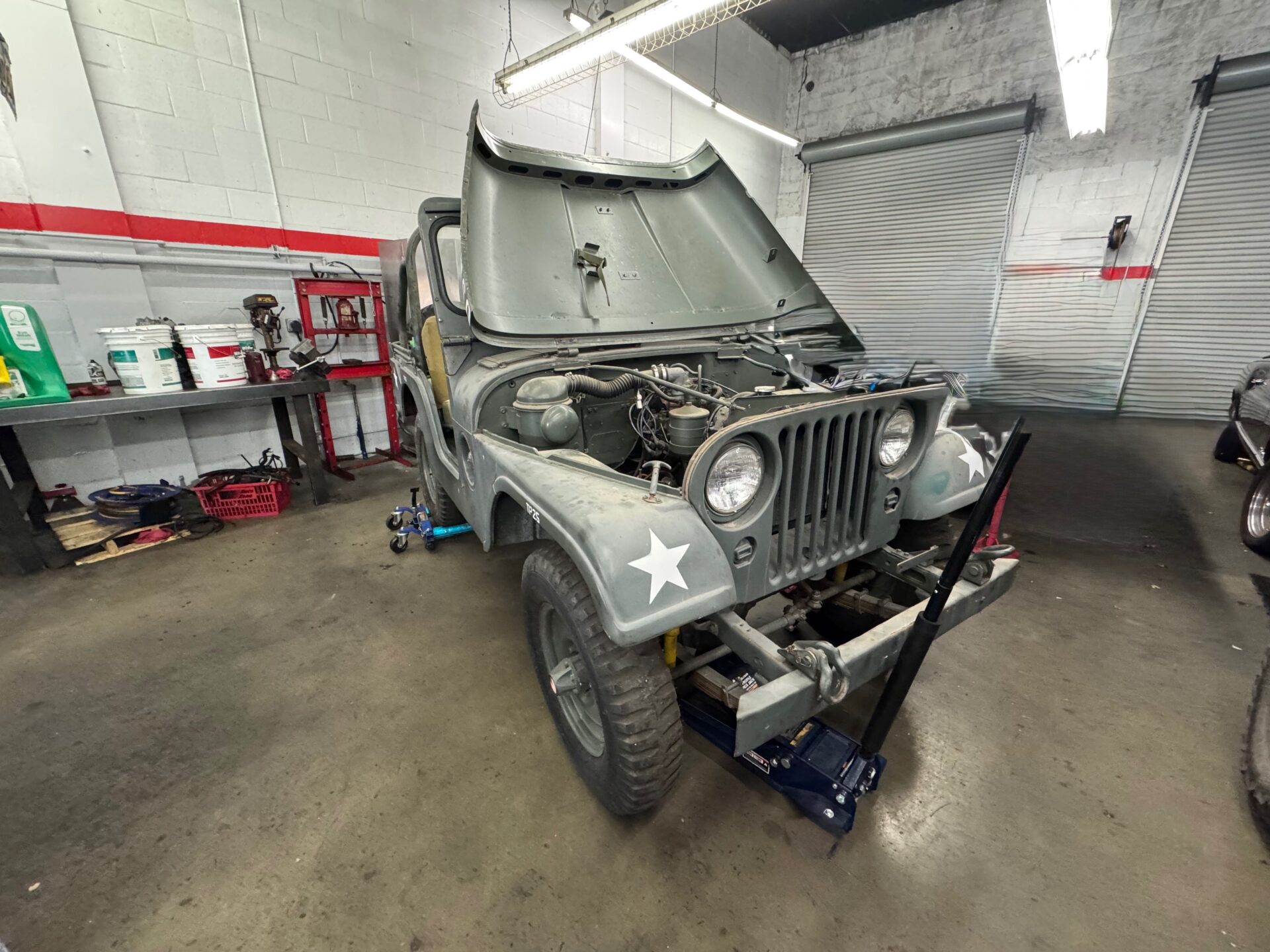
The Jeep CJ-3B featured a taller hood and grille with classic Jeep utility. Originally, Jeep introduced the CJ-3B in the early 1950s. Because Jeep added a more powerful engine, designers raised the hood height. Additionally, the CJ-3B kept flat body panels and strong four-wheel drive. As a result, owners gained better performance for work and trail use.
Over time, the Jeep CJ-3B earned respect for strength and simplicity. For example, drivers valued its high-hood look and reliable drivetrain. Meanwhile, the open cabin allowed easy repairs and cleaning. Since the CJ-3B expanded engine options, it influenced later Jeep designs. Today, the Jeep CJ-3B stands as a unique and collectible classic Jeep.
Jeep CJ-5
The Jeep CJ-5 brought a shorter wheelbase and rounded styling to the Jeep lineup. Originally, Jeep introduced the CJ-5 in the mid-1950s with military roots. Because of its compact size, the CJ-5 delivered excellent maneuverability on trails. Additionally, the design included removable tops, open sides, and strong four-wheel drive. As a result, drivers enjoyed both off-road fun and daily usability.
Over time, the Jeep CJ-5 became one of the longest-running Jeep models. For example, Jeep offered multiple engine options to boost performance. Meanwhile, the rugged frame supported trail use and heavy-duty tasks. Since the CJ-5 defined classic Jeep style, it shaped future Wrangler designs. Today, the Jeep CJ-5 remains a beloved and iconic off-road vehicle.
Jeep CJ-6
The Jeep CJ-6 offered a longer wheelbase with classic Jeep rugged styling. Originally, Jeep introduced the CJ-6 as an extended version of the CJ-5. Because of added length, the CJ-6 provided more cargo space and stability. Additionally, the design kept removable tops, open sides, and strong four-wheel drive. As a result, owners used the CJ-6 for work, travel, and off-road duty.
Over time, the Jeep CJ-6 gained popularity outside the United States. For example, many buyers valued its utility for commercial and rural use. Meanwhile, the longer frame supported passengers and gear with ease. Since production numbers stayed low, the CJ-6 remains rare today. Therefore, the Jeep CJ-6 holds strong appeal among collectors and enthusiasts.
Jeep CJ-7
The Jeep CJ-7 combined classic Jeep style with improved comfort and off-road capability. Originally, Jeep introduced the CJ-7 in the mid-1970s to replace the CJ-5. Because of its longer wheelbase, the CJ-7 provided more interior space and stability. Additionally, the design featured removable tops, durable axles, and reliable four-wheel drive. As a result, drivers enjoyed trail performance and everyday usability.
Over time, the Jeep CJ-7 gained a strong following among off-road enthusiasts. For example, Jeep offered multiple engine options for better power and towing. Meanwhile, the suspension allowed smoother rides over rough terrain. Since customization grew popular, many owners added lift kits, bumpers, and accessories. Today, the Jeep CJ-7 remains a classic icon for adventure and rugged design.
Jeep CJ-8 Scrambler
The Jeep CJ-8 Scrambler offered a unique blend of classic Jeep style and extended utility. Originally, Jeep introduced the CJ-8 Scrambler in the early 1980s as a longer-wheelbase version of the CJ-7. Because of its extra length, the Scrambler provided more cargo space behind the rear seats. Additionally, the design included removable tops, strong four-wheel drive, and rugged axles. As a result, drivers could handle trails while carrying gear or tools.
Over time, the Jeep CJ-8 Scrambler became a rare and collectible model. For example, Jeep offered multiple engine options to enhance performance and towing. Meanwhile, the sturdy frame supported both recreational and work use. Since production numbers were limited, collectors highly value the Scrambler today. Therefore, the Jeep CJ-8 Scrambler remains a distinctive and sought-after classic Jeep.
Jeep Kaiser
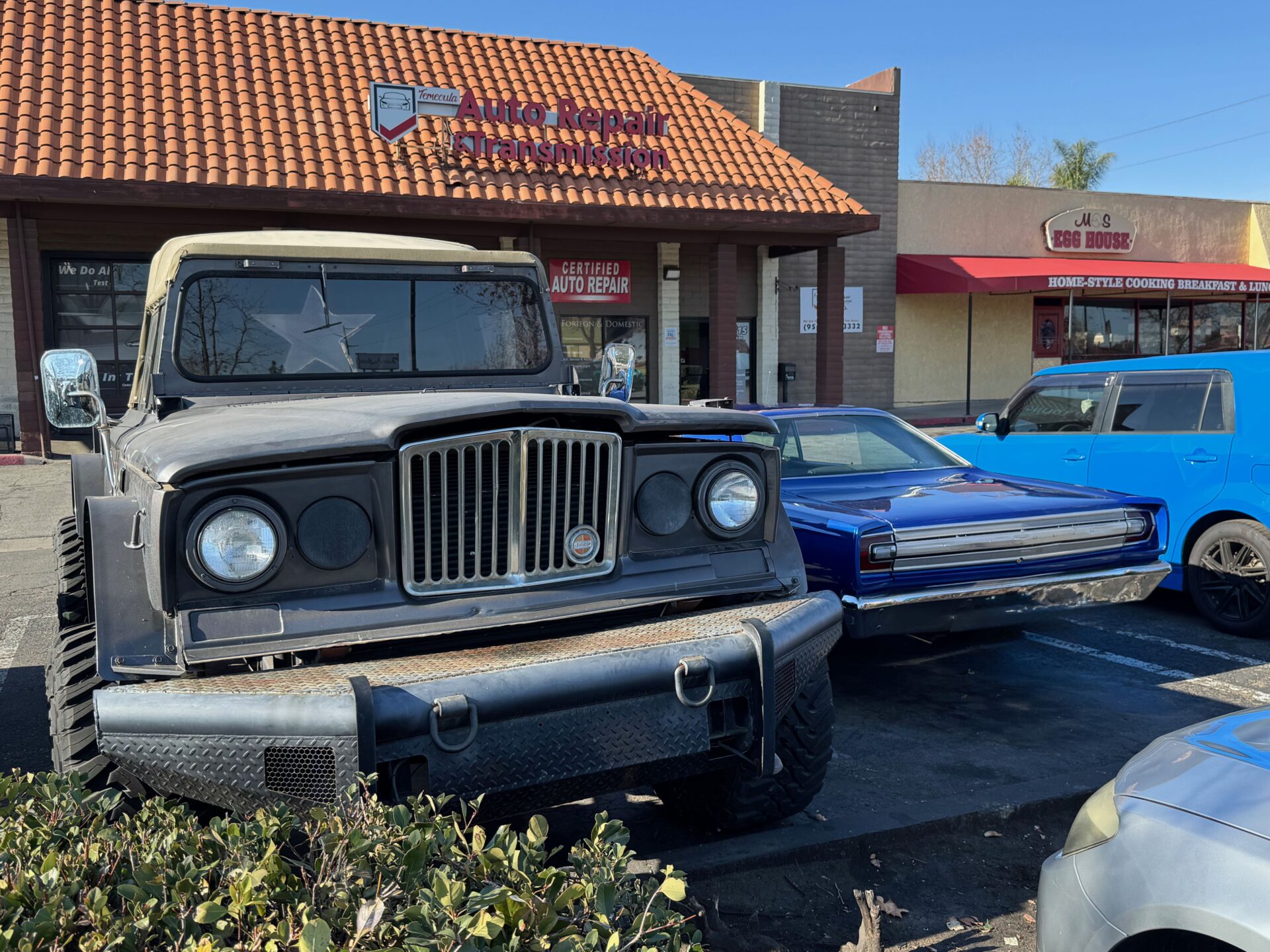
The Jeep Kaiser represents an important era of growth and innovation for the Jeep brand. Originally, Kaiser Motors took control of Jeep production in the 1950s. Because Kaiser focused on expansion, Jeep models gained stronger engines and broader appeal. Additionally, Kaiser-era Jeeps kept rugged frames, simple interiors, and dependable four-wheel drive. As a result, these vehicles served work, military, and civilian needs.
Over time, Jeep Kaiser models helped expand Jeep’s reputation worldwide. For example, Kaiser increased global production and improved durability standards. Meanwhile, Jeep designs evolved while keeping off-road capability at the core. Since this era bridged early Jeeps and modern models, it shaped future development. Today, Jeep Kaiser vehicles remain valued classics with strong historical significance.
Jeep YJ Wrangler
The Jeep YJ Wrangler introduced a modern twist to classic Jeep design with improved comfort and safety. Originally, Jeep launched the YJ Wrangler in 1987 to replace the CJ series. Because of its wider stance and square headlights, the YJ looked distinct from earlier models. Additionally, the vehicle featured a removable top, durable axles, and dependable four-wheel drive. As a result, drivers enjoyed off-road capability with added on-road stability.
Over time, the Jeep YJ Wrangler gained popularity for both daily driving and trail adventures. For example, Jeep offered upgraded suspension and engine options for better performance. Meanwhile, the interior provided more comfort, safety, and user-friendly controls. Since customization grew popular, owners added lift kits, wheels, and off-road accessories. Today, the Jeep YJ Wrangler remains a beloved classic combining history, versatility, and rugged design.
Jeep TJ Wrangler
The Jeep TJ Wrangler returned to round headlights while keeping classic Jeep ruggedness and off-road capability. Originally, Jeep introduced the TJ Wrangler in 1997 to replace the YJ model. Because of its updated coil-spring suspension, the TJ improved ride comfort and handling. Additionally, the design included removable tops, durable axles, and reliable four-wheel drive. As a result, drivers enjoyed strong trail performance and daily driving convenience.
Over time, the Jeep TJ Wrangler became a favorite among off-road enthusiasts and collectors. For example, Jeep offered multiple engine options for better power and efficiency. Meanwhile, the interior balanced comfort, durability, and easy maintenance. Since customization remained popular, owners added lift kits, wheels, and off-road accessories. Today, the Jeep TJ Wrangler continues to combine classic Jeep heritage with modern capability.
Jeep JK Wrangler
The Jeep JK Wrangler modernized the classic Jeep design with advanced technology and off-road capability. Originally, Jeep introduced the JK Wrangler in 2007 with a completely new platform. Because of its longer wheelbase, the JK offered more interior space and comfort. Additionally, the vehicle featured removable doors, fold-down windshield, and strong four-wheel drive. As a result, drivers enjoyed trail-ready performance with improved daily usability.
Over time, the Jeep JK Wrangler gained popularity for customization and versatility. For example, Jeep offered two- and four-door models with multiple engine choices. Meanwhile, the interior provided modern safety features and technology for everyday driving. Since owners embraced aftermarket upgrades, lift kits, wheels, and bumpers became common. Today, the Jeep JK Wrangler remains a favorite for adventure, off-road fun, and classic Jeep style.
Jeep JL Wrangler
The Jeep JL Wrangler offers modern technology while keeping classic Jeep ruggedness and off-road capability. Originally, Jeep introduced the JL Wrangler in 2018 as the newest generation of the Wrangler. Because of its updated frame and suspension, the JL improved ride comfort and durability. Additionally, the design features removable doors, fold-down windshield, and advanced four-wheel drive systems. As a result, drivers enjoy excellent trail performance along with daily driving convenience.
Over time, the Jeep JL Wrangler gained praise for versatility and modern features. For example, Jeep included touchscreen infotainment, safety systems, and fuel-efficient engines. Meanwhile, the interior balances comfort, durability, and ease of cleaning. Since customization remains popular, many owners add lift kits, wheels, and off-road accessories. Today, the Jeep JL Wrangler continues to combine classic Jeep heritage with modern technology and capability.
Jeep Gladiator
The Jeep Gladiator combines classic Jeep off-road capability with a practical pickup truck design. Originally, Jeep introduced the Gladiator in 2020 as a modern successor to the CJ-8 Scrambler. Because of its truck bed and extended frame, the Gladiator offers impressive cargo capacity. Additionally, the vehicle features removable doors, fold-down windshield, and strong four-wheel drive. As a result, drivers enjoy trail-ready performance while hauling gear or supplies.
Over time, the Jeep Gladiator earned praise for versatility and durability. For example, Jeep offered multiple engine options and towing capabilities for work or adventure. Meanwhile, the interior balances comfort, technology, and easy maintenance for daily use. Since customization remains popular, owners frequently add lift kits, wheels, and off-road accessories. Today, the Jeep Gladiator blends classic Jeep heritage with modern utility and off-road performance.
Jeep Cherokee
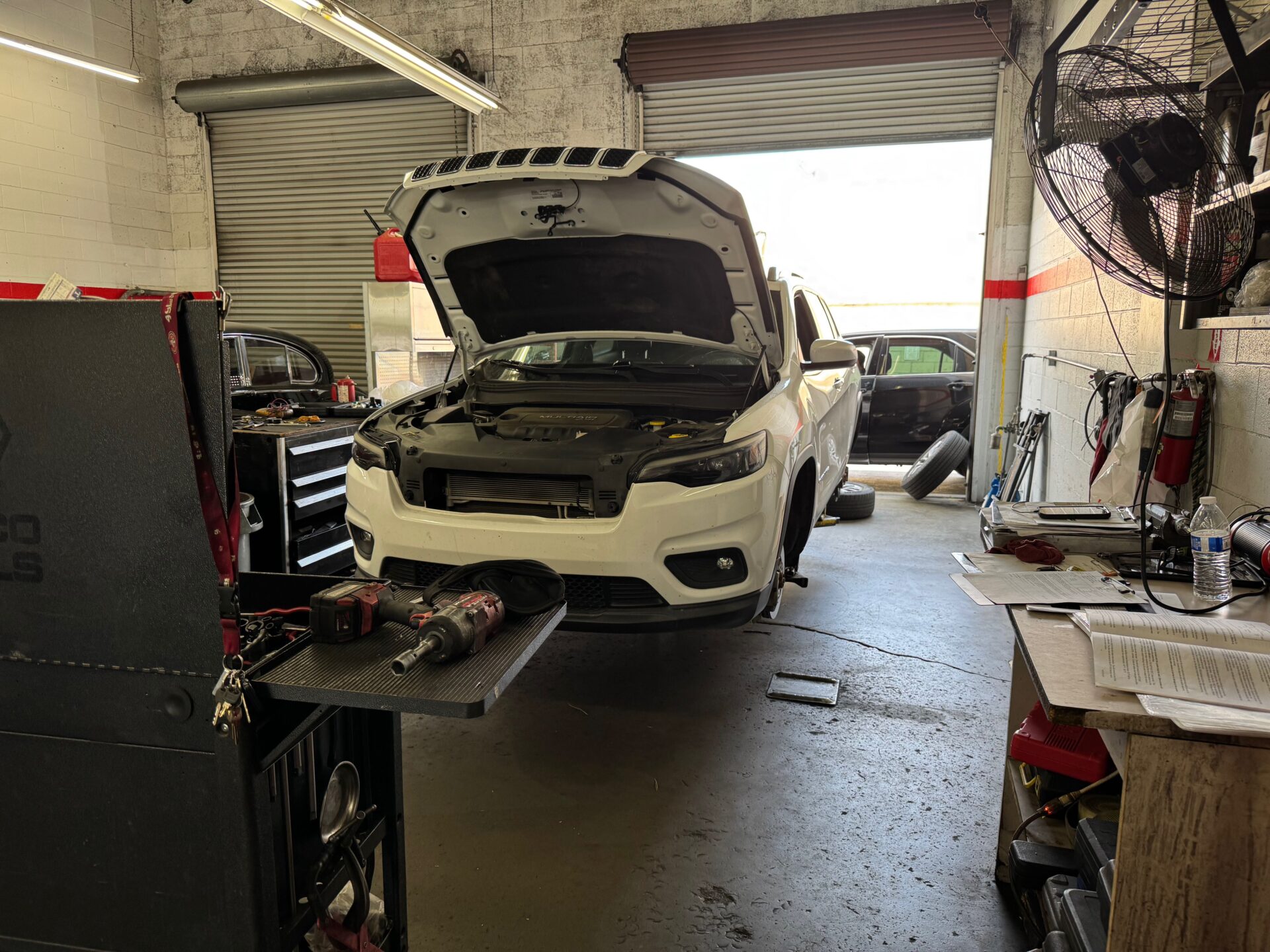
The Jeep Cherokee combines rugged Jeep capability with modern SUV comfort and style. Originally, Jeep introduced the Cherokee in 1974 as a versatile off-road and family vehicle. Because of its unibody construction and higher ground clearance, the Cherokee handles trails and highways with ease. Additionally, the design includes spacious seating, cargo flexibility, and available four-wheel drive. As a result, drivers enjoy reliable performance for adventure and everyday use.
Over time, the Jeep Cherokee evolved with advanced technology and safety features. For example, Jeep added touchscreen infotainment, driver assists, and fuel-efficient engines. Meanwhile, the interior balances durability, comfort, and easy maintenance for active lifestyles. Since customization remains popular, many owners add roof racks, wheels, and off-road accessories. Today, the Jeep Cherokee combines time-honored Jeep ruggedness with contemporary comfort.
Jeep Grand Cherokee
The Jeep Grand Cherokee blends rugged Jeep capability with refined SUV comfort and style. Originally, Jeep introduced the Grand Cherokee in the early 1990s as a premium sport utility vehicle. Because of its strong engines and advanced suspension, the Grand Cherokee delivers confident on-road and off-road performance. Additionally, the Grand Cherokee features a large-spacious cabin and available four-wheel drive. As a result, drivers enjoy versatility for family travel and outdoor adventures.
Over time, the Jeep Grand Cherokee evolved with advanced technology and safety features. For example, Jeep added touchscreen infotainment, driver assistance systems, and efficient powertrain options. Meanwhile, the interior offers comfort, durability, and thoughtful storage solutions. Since Jeep focused on refinement, the Grand Cherokee competes strongly in the midsize SUV segment. Today, the Jeep Grand Cherokee continues to combine luxury, capability, and trusted Jeep heritage.
Jeep Wagoneer
The Jeep Wagoneer is a full-size SUV with strength and premium comfort. Originally, Jeep introduced the Wagoneer in the 1960s as a luxury four-wheel-drive vehicle. Because of its large frame, the Wagoneer offers generous seating and cargo space. Additionally, the design includes advanced suspension, strong engines, and available four-wheel drive. As a result, families enjoy smooth rides with serious capability.
Over time, the Jeep Wagoneer returned with modern luxury and updated technology. For example, newer models include large touchscreens, driver assistance features, and refined interiors. Meanwhile, the cabin focuses on comfort, quietness, and high-quality materials. Since Jeep values capability, the Wagoneer still handles towing and rough conditions. Today, the Jeep Wagoneer blends classic heritage with modern full-size SUV performance.
Jeep Grand Wagoneer
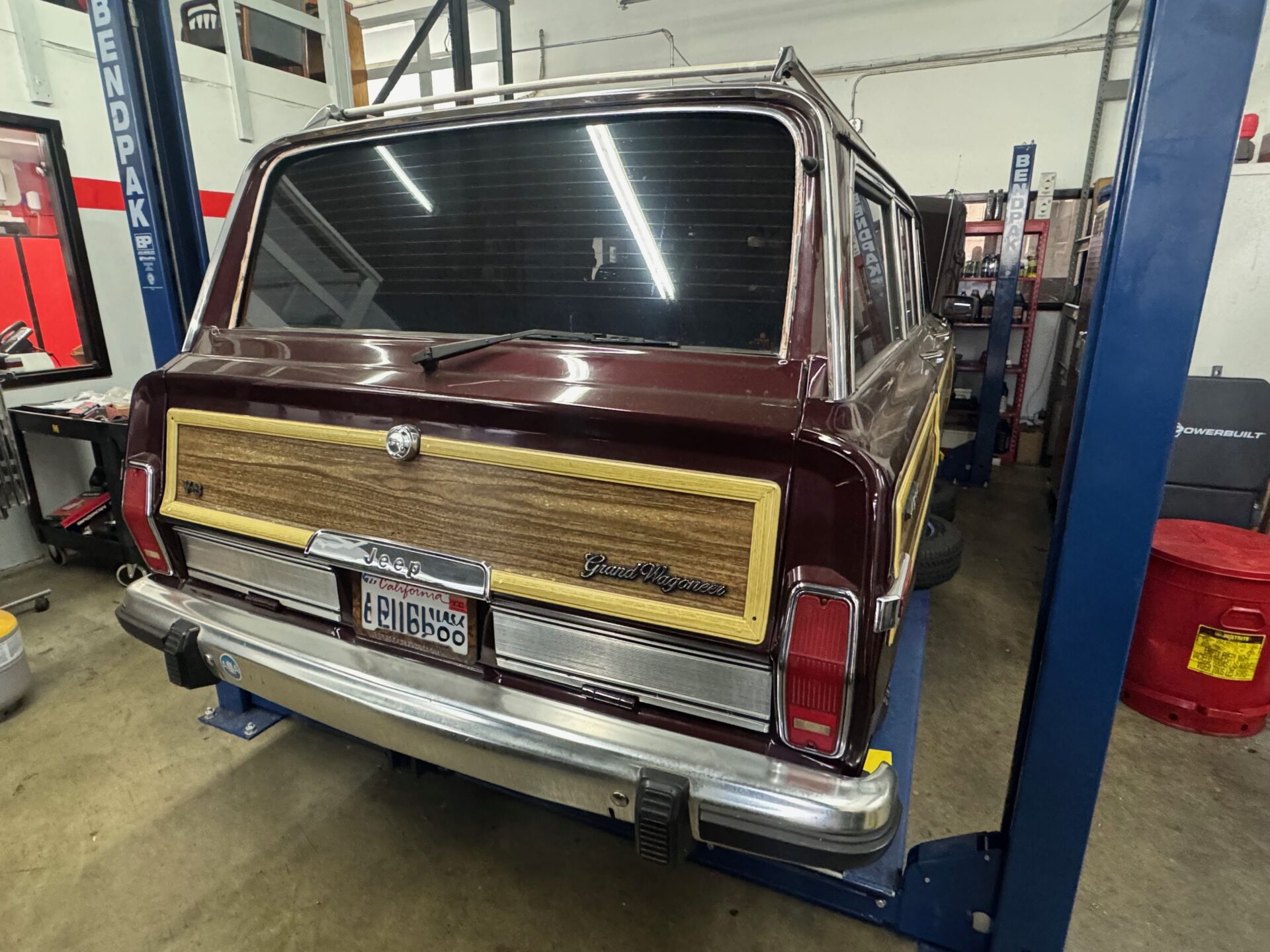
The Jeep Grand Wagoneer delivers luxury, power, and advanced technology in a full-size SUV. Originally, Jeep introduced the Grand Wagoneer in the 1980s as a premium four-wheel-drive vehicle. Because of its large size and strong engines, the Grand Wagoneer offers confident towing and smooth performance. Additionally, the design includes upscale materials, advanced suspension, and available four-wheel drive. As a result, drivers enjoy comfort, capability, and presence on the road.
Over time, the Jeep Grand Wagoneer returned as a modern luxury flagship. For example, newer models feature large touchscreens, premium audio, and advanced driver assistance. Meanwhile, the interior emphasizes space, comfort, and refined craftsmanship. Since Jeep values heritage, the Grand Wagoneer honors its classic roots. Today, the Jeep Grand Wagoneer blends timeless luxury with modern performance and technology.
Jeep Commander
The Jeep Commander features a boxy SUV design with strong Jeep styling and capability. Originally, Jeep introduced the Commander in the mid-2000s as a larger family SUV. Because of its tall roof and squared shape, the Commander offers excellent visibility. Additionally, the design includes three-row seating and available four-wheel drive. As a result, families enjoy space, comfort, and off-road confidence.
Over time, the Jeep Commander earned recognition for versatility and rugged performance. For example, Jeep offered powerful engine options and trail-rated systems. Meanwhile, the interior balanced durability with comfort for daily driving. Since Jeep focused on capability, the Commander handled rough roads with ease. Today, the Jeep Commander remains a distinctive SUV with strong Jeep heritage.
Jeep Compass
The Jeep Compass offers compact SUV size with modern Jeep styling and efficiency. Originally, Jeep introduced the Compass in the mid-2000s to reach urban drivers. Because of its smaller footprint, the Compass delivers easy maneuvering and parking. Additionally, the design includes comfortable seating, flexible cargo space, and available four-wheel drive. As a result, drivers enjoy daily convenience with light off-road ability.
Over time, the Jeep Compass evolved with updated technology and safety features. For example, Jeep added touchscreen infotainment and driver assistance systems. Meanwhile, the interior focuses on comfort, durability, and smart storage. Since Jeep values capability, the Compass still handles rough roads and trails. Today, the Jeep Compass blends city-friendly design with trusted Jeep heritage.
Jeep Patriot
The Jeep Patriot offers a boxy SUV design with classic Jeep styling and practicality. Originally, Jeep introduced the Patriot in the mid-2000s as a compact crossover option. Because of its upright shape, the Patriot provides good visibility and interior space. Additionally, the design includes simple controls, flexible cargo space, and available four-wheel drive. As a result, drivers enjoy everyday usability with light off-road capability.
Over time, the Jeep Patriot gained popularity for affordability and versatility. For example, Jeep offered fuel-efficient engines and trail-rated options. Meanwhile, the interior focused on durability and easy maintenance. Since Jeep emphasized value, the Patriot appealed to budget-minded drivers. Today, the Jeep Patriot remains a recognizable model with strong Jeep character.
Jeep Renegade
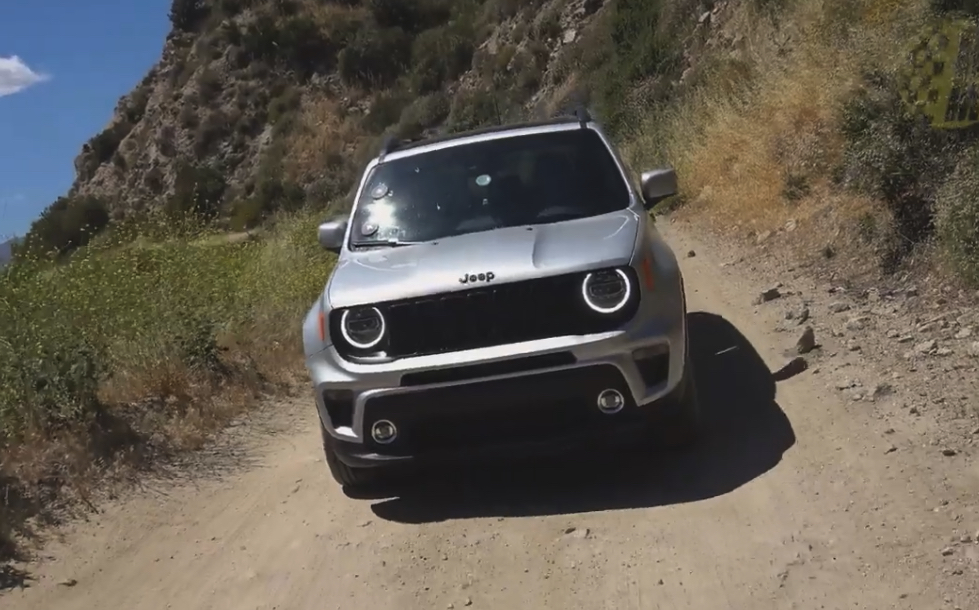
The Jeep Renegade offers a compact SUV design with bold Jeep styling and city-friendly size. Originally, Jeep introduced the Renegade in the mid-2010s to attract urban drivers. Because of its short wheelbase, the Renegade delivers easy parking and tight maneuvering. Additionally, the design includes unique styling, flexible cargo space, and available four-wheel drive. As a result, drivers enjoy daily comfort with surprising trail capability.
Over time, the Jeep Renegade gained attention for personality and technology. For example, Jeep added touchscreen infotainment and modern safety features. Meanwhile, the interior balances durability, comfort, and smart storage. Since Jeep values capability, trail-rated versions handle rough roads confidently. Today’s the Jeep Renegade combines smart, yet playful design with trusted Jeep heritage.
Jeep Liberty
The Jeep Liberty combines compact SUV size with strong Jeep styling and capability. Originally, Jeep introduced the Liberty in the early 2000s to replace the Cherokee. Because of its rounded design, the Liberty offered a modern look with improved safety. Additionally, the vehicle included comfortable seating, flexible cargo space, and available four-wheel drive. As a result, drivers enjoyed daily usability with trail-ready confidence.
Over time, the Jeep Liberty evolved with updated engines and features. For example, Jeep offered trail-rated trims for off-road use. Meanwhile, the interior focused on durability and driver comfort. Since Jeep emphasized versatility, the Liberty appealed to families and adventurers. Today, the Jeep Liberty remains a well-known model with solid Jeep heritage.
Jeep Comanche
The Jeep Comanche combined compact pickup utility with classic Jeep rugged design. Originally, Jeep introduced the Comanche in the mid-1980s as a pickup based on the Cherokee. Because of its strong unibody construction, the Comanche delivered smooth handling and durability. Additionally, the design included a usable truck bed, two-door cab, and available four-wheel drive. As a result, drivers enjoyed work capability with Jeep trail performance.
Over time, the Jeep Comanche earned a loyal following among truck enthusiasts. For example, Jeep offered multiple engine options for power and efficiency. Meanwhile, the lightweight design supported good fuel economy and handling. Since production numbers remained limited, the Comanche became rare. Today, the Jeep Comanche stands as a unique and collectible Jeep pickup.
Jeep Willys
The Jeep Willys represents the foundation of Jeep design with simple, rugged, and purpose-built features. Originally, Willys built the Jeep during World War II for military use. Because soldiers needed reliability, the Willys featured a lightweight body and four-wheel drive. Additionally, the design included a flat grille, open cabin, and easy mechanical access. As a result, the Jeep Willys handled rough terrain and harsh conditions with ease.
Over time, the Jeep Willys became a symbol of durability and freedom. For example, civilians embraced the Willys for farming, travel, and recreation after the war. Meanwhile, the simple design allowed easy repairs and modifications. Since the Willys started the Jeep legacy, it influenced every model that followed. Today, the Jeep Willys remains an iconic vehicle with lasting historical importance.
Jeep J-Series Trucks
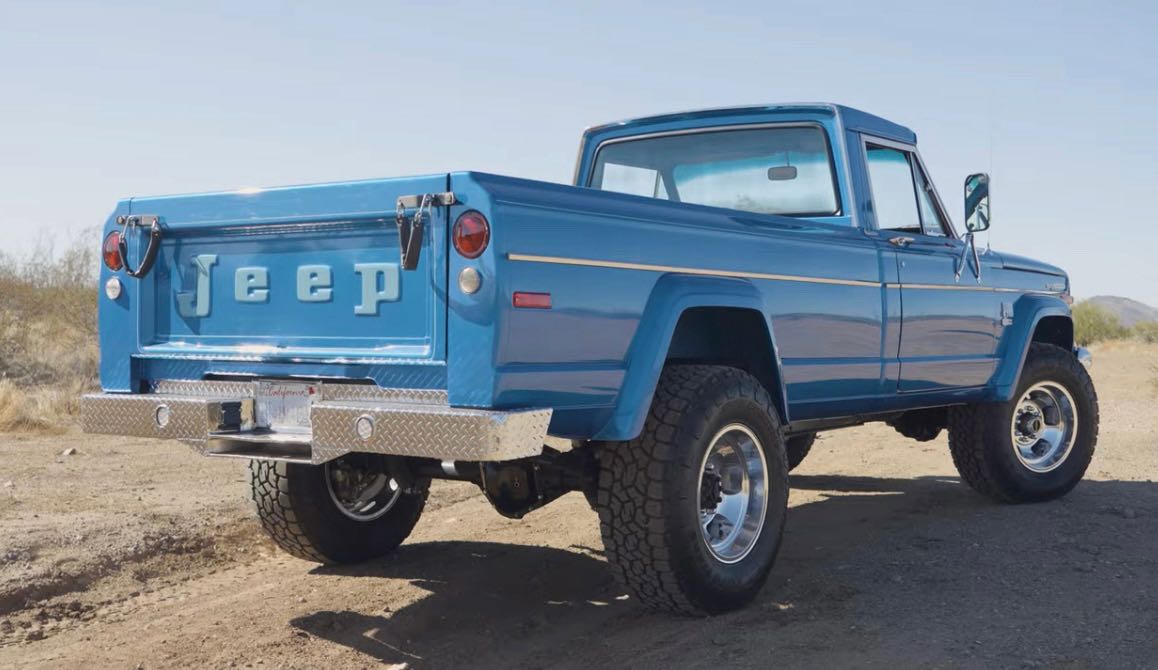
The Jeep J-Series Trucks combined rugged Jeep capability with versatile pickup truck design. Originally, Jeep introduced the J-Series in the mid-1960s for work and utility purposes. Because of its durable frame and strong engines, the J-Series handled heavy loads and rough terrain. Additionally, the design included a spacious truck bed, solid axles, and available four-wheel drive. As a result, drivers enjoyed reliable performance for both work and off-road adventures.
Over time, the Jeep J-Series Trucks earned a reputation for toughness and versatility. For example, Jeep offered multiple cab and bed configurations to suit different needs. Meanwhile, the interior focused on functional controls and durability for daily use. Since Jeep emphasized capability, these trucks supported farming, hauling, and outdoor activities. Today’s Jeep J-Series Trucks stand as symbols of Jeep engineering tradition, strength, and utility.