


Temecula and Murrieta’s Trusted Classic & Muscle Car Repair and Restoration Hub: Where Expert Repair Meets Timeless Craftsmanship

Welcome to Temecula Auto Repair & Transmission, where passion meets precision in preserving the timeless beauty of classic cars. Our team of experienced technicians is dedicated to providing top-notch diagnosis, repair, and maintenance services for your cherished vintage vehicles. Whether you own a meticulously restored classic or a project in progress, we are here to ensure that your automotive masterpiece runs smoothly and looks stunning on the road.
What is a Classic Car?
Most people and organizations typically define a classic car as an older vehicle of historical interest. It’s usually a car that’s admired for its design, craftsmanship, or nostalgic value. The specific definition can vary vastly depending on the context. This could include variations by region or automobile association, and there has always been some debate about what makes a car “classic.”
The Broad Definition of “Classic Car”
Age:
Many organizations, like the Classic Car Club of America (CCCA), define a classic car as one that is at least 20 to 40 years old. The CCCA, for instance, classifies cars built between 1915 and 1948 as “Full Classics.”
Rarity:
A classic car often refers to a vehicle that was either produced in limited quantities or has become rare over time.
Historical or Cultural Significance:
Many often consider vehicles that played an important role in automotive history or represented significant advancements in technology as classics.
Design Aesthetics:
Cars with distinctive, stylish, or iconic designs that stand out from typical production vehicles are usually regarded as classics.
Varying Opinions on What Constitutes a Classic Car
Age-Based Discrepancies

One major point of contention is the age requirement. Some consider a car to be “classic” strictly based on the car’s age. Some enthusiasts and organizations, like the Antique Automobile Club of America (AACA), say that a car must be at least 25 years old to be considered classic. This would exclude newer models with retro designs.
Others argue that cars from the 1980s or 1990s are now classic, due to the cultural and technological shifts they represent, even though they may not fit the traditional image of a classic car.
Quality and Condition
Originality:
Many purists believe that only cars that retain their original condition, with little or no modifications, are the only true classics.
Restored vs. Modified Classic Cars:
On the other hand, some enthusiasts embrace cars that have been extensively restored or even modified, arguing that as long as they retain their vintage feel, they are classic.
Cultural vs. Technical Significance
Some people argue that a car’s cultural impact, such as a strong presence in popular media (e.g., the Ford Mustang or the DeLorean from *Back to the Future*), should be enough to define it as a classic.
Yet, others focus on the technical and mechanical aspects of the car. These car enthusiasts place importance on groundbreaking engineering or technological advancements.
Personal Sentiment
Many car enthusiasts have personal preferences, often tied to nostalgia. What one person considers a “classic” may be strongly influenced by the car’s role in their life or memories, even if it doesn’t meet the more formal or widely accepted criteria.
In summary, the term “classic car” is somewhat subjective, with no single definition that satisfies everyone. Different communities, associations, and individuals have their own views on what constitutes a classic. These different views range from age and rarity to historical importance and personal nostalgia.
Original vs. Modified Classic Cars
Restoring a classic car to its original state and modifying it are two distinct approaches that cater to different types of automotive enthusiasts. Both methods offer their own set of benefits and challenges, and the decision depends on the owner’s goals, preferences, and the owner’s intended use for the car. Let’s break down the differences, including how hot rods and resto-mods fit into this conversation.
-
Restoring a Classic Car to Originality
Restoration to originality means bringing the car back to the exact condition it was in when it left the factory. This includes:
– Original Parts and Materials: The restoration process often involves sourcing original or period-correct parts, materials, and finishes. Everything from the engine, transmission, and suspension to the interior upholstery and exterior paint should match the car’s original specifications.
– Historical Accuracy: For purists, historical accuracy is paramount. The car should look, feel, and drive as it did when new. Even minor details, such as emblems, trim, and color codes, must be correct.
– Value in Authenticity: Restored classic cars often appeal to collectors who value originality. Cars restored to their original condition may command higher prices at auctions or in private sales, especially if the model is rare or historically significant.
– Challenges: Restoring a car to its original state can be costly and time-consuming. Some original parts may be hard to find or prohibitively expensive. The owner may also need to forgo modern conveniences such as air conditioning, modern safety features, or more efficient fuel injection systems in favor of keeping the car original.
-
Modifying a Classic Car
Modifying a classic car involves altering its original design, usually to enhance performance, improve comfort, or express the owner’s personal style. There are different levels of modification, and two common types are hot rods and resto-mods.
Hot Rods
– Performance-Centric Modifications: Hot rods are typically older cars (often from the 1930s to the 1950s) that are modified primarily for performance. Common changes include swapping the engine for a larger or more powerful one, upgrading suspension systems, and sometimes even altering the bodywork for a more aggressive look.
– Customization: Hot rods are typically highly personalized. Owners often build them to reflect their tastes, and the modifications can range from subtle to extreme. It’s not unusual to see hot rods with exposed engines, chopped tops, or custom paint jobs.
– Culture and Heritage: The hot rod movement has deep roots in American car culture, dating back to the post-WWII era. It emphasizes speed, power, and individuality. Hot rods are more about raw, visceral driving experiences rather than historical authenticity.

Resto-Mods
– Best of Both Worlds: A resto-mod is a blend of restoration and modification. The idea is to maintain the classic car’s original appearance while updating its mechanical components for modern performance, reliability, and comfort. For example, a resto-mod might feature an original-looking body but with a modern fuel-injected engine, disc brakes, and updated suspension.
– Enhanced Drivability: Resto-mods are popular with drivers who love the aesthetic of classic cars but want to enjoy modern conveniences like air conditioning, Bluetooth connectivity, or better handling. Owners who plan to drive their cars regularly rather than simply displaying them will opt for a resto-mod.
– Preservation with Upgrades: Unlike hot rods, which may drastically change the appearance or style of the car, resto-mods typically maintain a more faithful visual representation of the original. Often, the modifications are more subtle and focused on improving performance without compromising the classic look.
-
Important Considerations
– Purpose: If the car is meant for shows, resale, or to be part of a collection, originality might be the better path. However, a resto-mod or a hot rod might make more sense for an owner who will drive the car frequently and for owners who value modern comforts and reliability.
– Value: Restored cars often retain or appreciate their value, especially with rare models, because most collectors prize authenticity. Modified cars, on the other hand, may have a more niche market, though some well-executed resto-mods or custom hot rods can still command high prices depending on the quality of work and desirability of the modifications.
– Personal Expression: Restoration is about preserving history, while modification allows for personal expression and creativity. Hot rods and resto-mods give owners the freedom to push the boundaries of design and performance, making the car uniquely their own.
Restoring a classic car to its original condition is about honoring the past and preserving history while modifying a classic—whether through hot rods or resto-mods—focuses on customization, performance, and modern usability. The choice depends on whether the owner values authenticity or prefers a vehicle tailored to personal taste and practical needs. Both approaches contribute to the enduring appeal of classic cars but in very different ways.
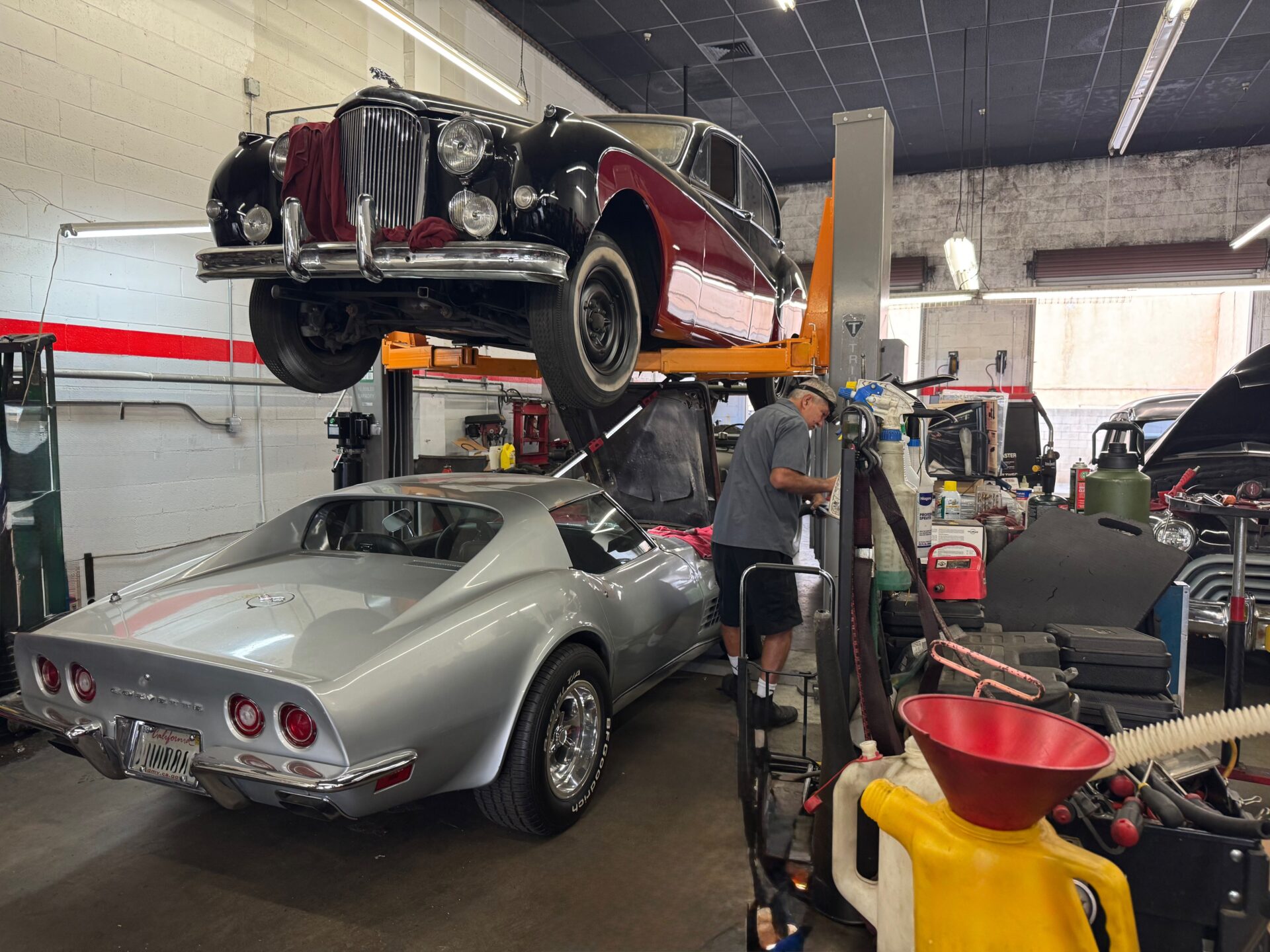
Our Services
Diagnosis
Unraveling the mysteries of classic car issues requires a special touch, and our skilled technicians have the expertise to diagnose even the most elusive problems. Using cutting-edge diagnostic tools and a deep understanding of vintage vehicle systems, we pinpoint issues efficiently, saving you both time and money.
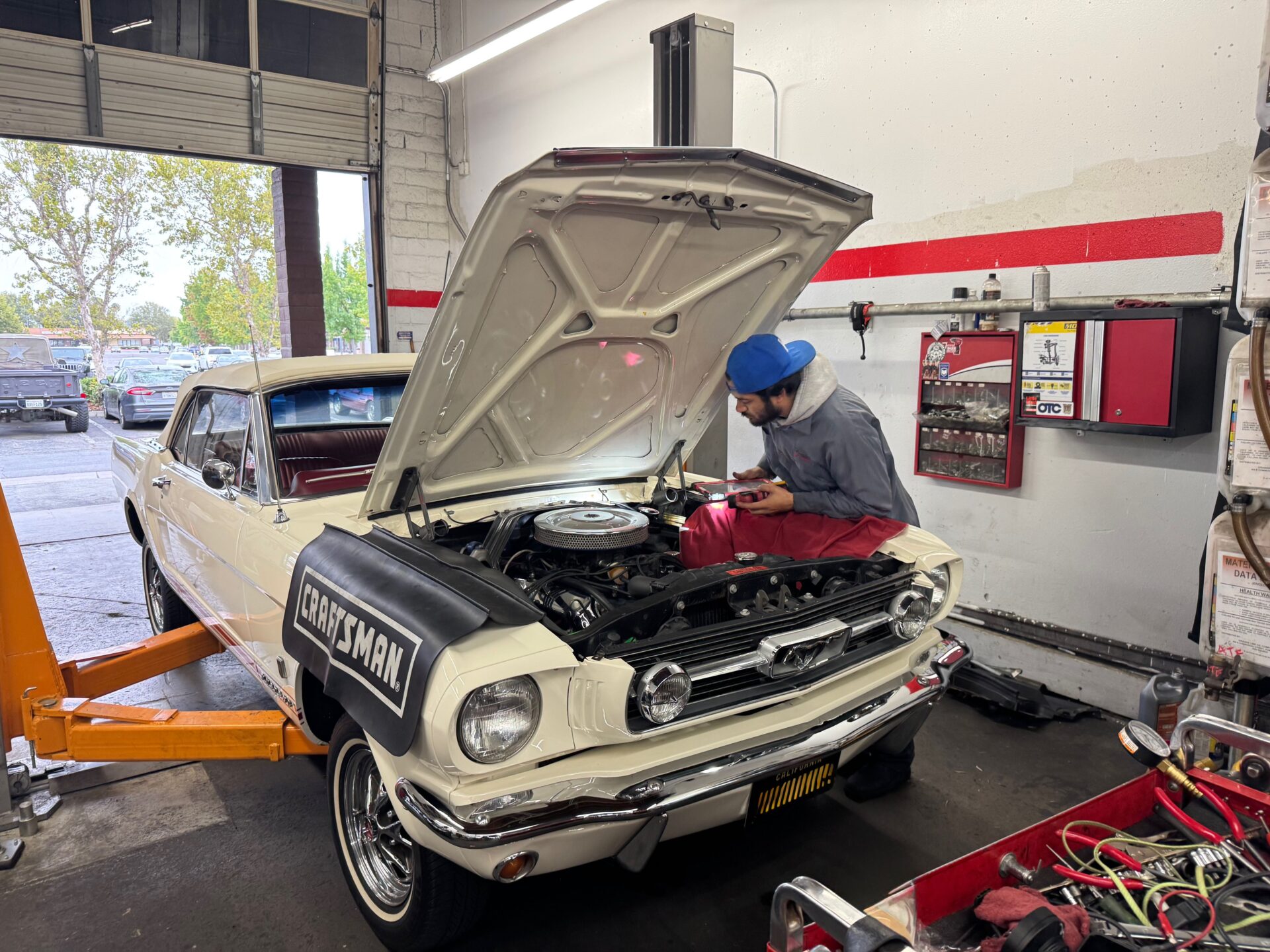
Diagnosing issues in older classic cars requires a different approach compared to modern vehicles due to their simpler mechanical systems and lack of advanced electronic components. While newer cars rely on diagnostic tools and sensors, classic cars require our team of technicians to employ hands-on inspection, an understanding of mechanical systems, and a keen eye for symptoms of wear and tear. Here’s a detailed look into the diagnostic process for classic cars, including common symptoms encountered by their owners:
General Diagnostic Process
1. Visual Inspection
The first step in diagnosing problems with a classic car is conducting a thorough visual inspection. This involves checking for obvious signs of wear or damage in various parts of the car:
– Belts and Hoses: We inspect for cracks, leaks, or dry rotting.
– Engine Bay: We’ll check for fluid leaks (oil, coolant, brake fluid), worn wiring, loose bolts, and deteriorating components.
– Bodywork: We always look for rust, cracks, and structural weaknesses, particularly around the chassis, underbody, and wheel wells.
2. Listening for Unusual Noises
Classic cars often communicate their issues through sounds, and identifying the type of noise can help us pinpoint the problem:
– Squealing or Screeching: This usually indicates worn-out belts or brake pads.
– Knocking noises can point to engine issues like worn bearings or low oil levels.
– Rattling: This could suggest a loose component, such as an exhaust or suspension issue.
3. Engine and Drivetrain Inspection
The engine and drivetrain are the heart of a classic car, and diagnosing issues in this area often requires:
– Engine Compression Test: A test to check the health of the engine’s internal components. Low compression in one or more cylinders may indicate worn piston rings, damaged valves, or a blown head gasket.
– Checking Spark Plugs: A close inspection of the spark plugs can reveal a lot about engine health. Black, oily, or carbon-coated plugs may indicate rich fuel mixtures, oil leaks, or poor combustion.
– Fuel and Air Mixture: Classic cars often rely on carburetors, which can become clogged or misadjusted over time. Poor fuel/air mixture results in rough idling, stalling, or loss of power.
4. Use of Basic Tools
Unlike with modern cars, in diagnosing older cars our technicians make use of simpler mechanical tools. A mechanic’s stethoscope, timing light, vacuum gauge, and dwell meter are essential tools for our technicians when inspecting older engines, especially for ignition timing and carburetor tuning.
Common Classic Car Symptoms We Address
1. Poor Engine Performance
Symptoms:
– Excessive engine cranking, engine stalling after starting, or other difficulties in starting the engine, especially in cold weather.
– Loss of power while driving, particularly uphill.
– Engine sputtering, rough idling, or frequent stalling.
2. Overheating
Symptoms:
– Engine temperature rises rapidly after a short drive.
– Steam or coolant leaking from the radiator.
– Pungent smells, especially around the engine bay.
3. Electrical Issues
Symptoms:
– Flickering headlights or dash lights.
– Difficulty starting the engine or the battery dying frequently.
– Alternator warning light staying on.
4. Brake Issues
Symptoms:
– Soft or spongy brake pedal.
– Grinding or squealing when applying the brakes.
– Car pulling to one side while braking.
5. Transmission Problems
Symptoms:
– Grinding noises when shifting gears or difficulty changing gears.
– Transmission slipping or not engaging.
– Leaking transmission fluid.
6. Suspension Problems
Symptoms:
– Abnormal swaying or bouncing when driving over bumps.
– Knocking sounds from the suspension while turning or going over rough terrain.
7. Steering Problems
Symptoms:
– The steering wheel feels loose or has excessive play.
– Difficulty keeping the car straight (wandering).
– Tight or stiff steering, especially at low speeds.
Diagnosing problems in older classic cars is a methodical process that relies on visual and auditory clues, as well as the experience of our technicians. By paying attention to common symptoms such as rough idling, poor performance, overheating, or electrical issues and coming in at the first sign of these symptoms, classic car enthusiasts can keep their vehicles running smoothly.
Period-correct or Originality Repairs
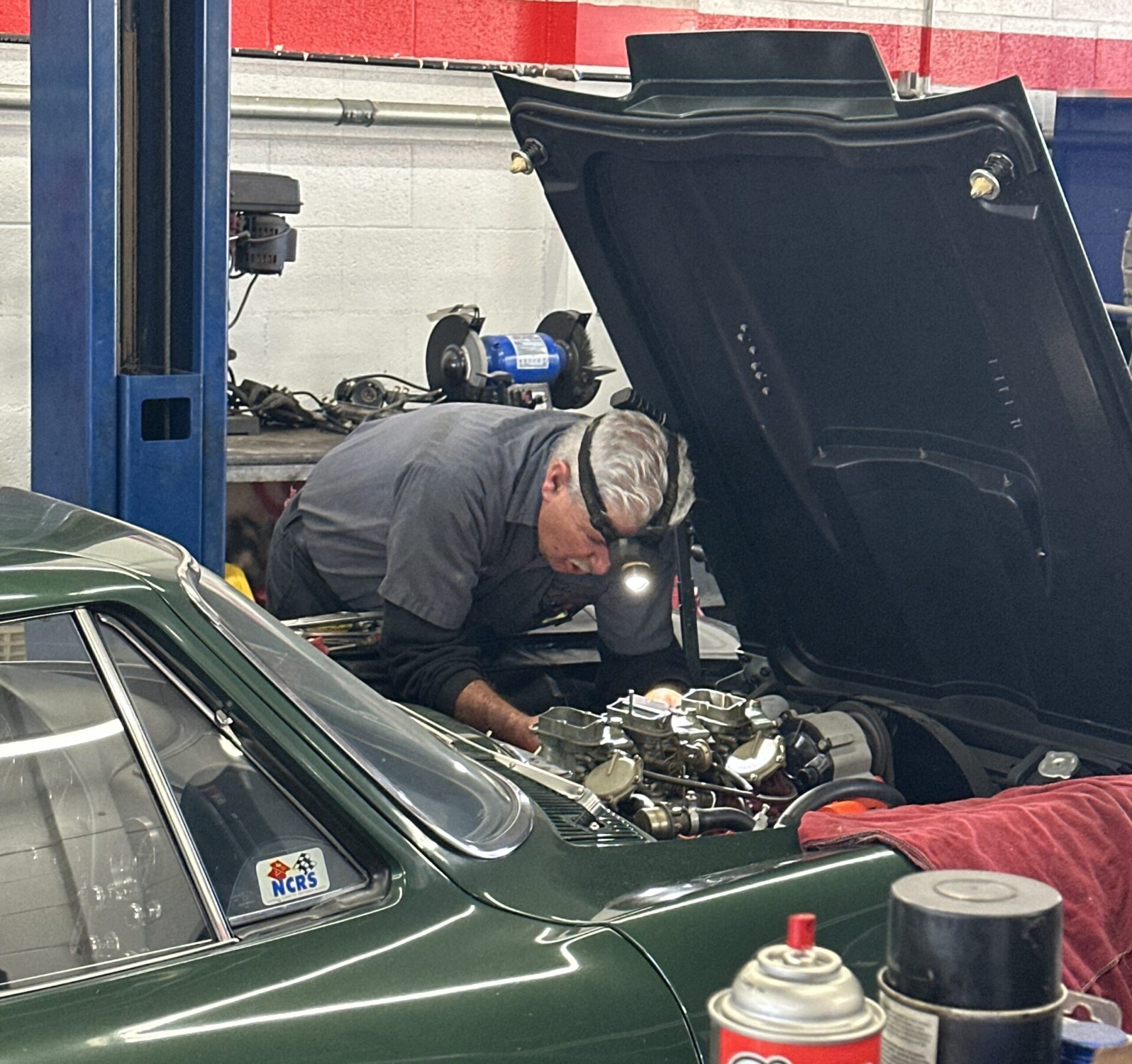
If you aim to preserve the originality of your classic car or truck, then you’re in the right place. We understand that your classic car is more than just transportation—it’s a piece of automotive history. Whether you’re facing engine troubles, brake problems, electrical issues, fluid leaks, or steering & suspension issues, our experienced team prides itself on using period-correct parts and techniques to keep your classic car as authentic as the day it rolled off the assembly line. Trust us to treat your timeless ride with the care and precision it deserves.
Our commitment to preserving the authenticity of classic cars extends to our repair services. We use high-quality, period-correct parts to ensure that your vehicle remains true to its original specifications. From engine overhauls to tune-ups and everything in between, our technicians approach each repair with precision and a passion for preserving the essence of classic cars & trucks.
Here’s a detailed discussion of the repair process with a focus on originality preservation:
1. Initial Assessment and Inspection
Before diving into repairs, an in-depth initial assessment is crucial. The goal is to fully understand the car’s current condition while determining the scope of the repairs. Our assessment involves:
– Comprehensive Inspection
We start by examining the mechanical systems (engine, transmission, suspension), and electrical components. We’ll also look for signs of previous modifications or non-original parts.
– Matching Originality
We’ll identify any aftermarket parts or deviations from the car’s original factory specifications and then document everything meticulously and compare it with manufacturer specifications or reference books that detail the car’s factory setup.
2. Sourcing Original or Period-Correct Parts
Maintaining the originality of a classic car often depends on the parts used during the repair process. In close consultation with you, the vehicle’s owner, we’ll balance modern functionality with historical accuracy.
– NOS (New Old Stock) Parts
Wherever possible, we use New Old Stock parts, which are new, original factory parts made for the car when it was first produced.
– Refurbished or Rebuilt Original Parts
In cases where NOS parts are unavailable, refurbishing or rebuilding original parts to factory specifications ensures the car retains its period-correct components.
– Period-Correct Reproductions
Sometimes, reproduction parts are the only viable option. We’ll source and choose those manufactured to closely match the original specifications, materials, and finishes.
– Authenticity in Materials
Even in cases where we have to fabricate certain parts, we’ll ensure the materials, finishes, and designs align with the car’s original construction.
3. Engine and Drivetrain Repairs
Oftentimes, to preserve originality, we’re able to restore classic car engines rather than replace them.
– Engine Rebuilding
Instead of replacing an entire engine with a modern alternative, we’ll offer the option to rebuild the original engine. This includes restoring or machining the original block, replacing worn components with period-correct parts, and tuning the engine to its original performance specifications.
– Carburetor Restoration
Many older cars use carburetors instead of fuel injection. Whenever possible, we’ll rebuild or refurbish the original carburetor rather than install an aftermarket or modern unit, maintaining the car’s authenticity.
– Manual Transmission Rebuild
Manual gearboxes are integral to a classic car’s character. Rebuilding the original transmission – replacing worn synchros, seals, and bearings with OEM or NOS parts, keeps the drivetrain true to its roots.
4. Electrical System Overhauls
Electrical systems in classic cars are relatively simple but may need upgrading for safety while maintaining their original appearance.
– Dashboard and Instruments
We’ll retain the original dashboard instruments whenever possible. We refurbish the gauges, switches, and dials to factory specifications instead of replacing them with modern equivalents. This may involve re-chroming bezels, polishing lenses, or restoring needle movements.
– Wiring Harness Restoration
Rather than replacing the entire wiring system, we’ll first assess if repairing or refurbishing the original wiring harness is possible. This may involve re-sleeving wires with period-correct materials or using modern wire with a vintage appearance.
– Upgrading for Safety
In some cases, upgrades are necessary for safety reasons (e.g., adding fuses or upgrading the alternator). We do our best to ensure any modifications remain hidden or we design them to match the car’s original electrical system to preserve its aesthetic integrity.
– Switches and Relays
We’ll restore original switches, relays, and other electrical components instead of modern replacements, as they often differ in appearance and operation.
5. Brake and Suspension Systems
Safety-critical systems like brakes and suspension often require careful attention, especially when preserving the original components or upgrading discreetly.
– Restoring Drum Brakes
Many classic cars feature drum brakes. We have the full capability to replace brake shoes and resurface brake drums to maintain original-type brakes.
– Suspension Rebuild
Where possible, we’ll restore or refurbish the original suspension components, including bushings, springs, and shock absorbers. If upgrades are necessary for drivability, we do our best to source and select period-correct shocks or springs.
– Steering Mechanisms
To maintain the original manual or power steering setups we’ll refurbish the steering box or linkage and avoid aftermarket systems that alter the feel or appearance of the steering mechanism.
6. Final Testing and Adjustments
Once the repairs are complete, the car must undergo thorough testing to ensure functionality and drivability:
– Carburetor Tuning
We’re experts at fine-tuning the carburetor for proper air-fuel mixture to achieve smooth idling and acceleration, preserving the authentic driving experience.
– Electrical System Check
We’ll conduct final tests of the electrical systems, including lights, gauges, and accessories, to ensure everything operates correctly without compromising originality.
At Temecula Auto Repair & Transmission, the focus on preserving originality requires a meticulous approach, combining traditional craftsmanship with modern expertise. By using NOS parts, refurbishing original components, and ensuring period-correct repairs, we maintain the authenticity and value of each classic car that passes through our shop. This approach not only keeps your classic masterpiece running smoothly but also honors its historical significance, providing you with the satisfaction of preserving automotive history.
Repairs for Modified Classic Cars, Hot Rods, and Resto-mods
At Temecula Auto Repair & Transmission, while preserving the originality of classic cars is a significant part of our expertise, we also cater to enthusiasts who own modified classics, Hot Rods, and Resto-mods; or are looking for performance enhancements and modern modifications. The process of repairing modified classic cars or performing modifications on classic cars involves blending vintage aesthetics with modern functionality, resulting in improved performance, safety, and comfort while retaining the car’s timeless appeal. Here’s a detailed look at the modification process for classic cars at our shop:
1. Initial Consultation and Planning
Before repairs or any modifications begin, we work closely with you to understand your vision for the car. This collaborative phase is crucial to ensure that the desired performance upgrades, aesthetic enhancements, and modernization efforts align with the car’s character and history.
– Owner’s Goals:
We discuss the specific modifications that you’re seeking—whether you want to boost horsepower, improve handling, upgrade the interior for comfort, or modernize the electrical systems.
– Feasibility Assessment:
Not every modification is suitable for every car. We evaluate the vehicle’s condition, chassis, and systems to ensure the desired modifications are both possible and safe.
– Modification Strategy:
Once the goals are set, we create a detailed plan that outlines the modifications, required parts, and timeline. We balance modern enhancements with the car’s original design to maintain its overall aesthetic.
2. Engine and Performance Upgrades
Performance modifications oftentimes are at the top of the list for classic car owners who want more power, reliability, and efficiency. At Temecula Auto Repair & Transmission, we specialize in upgrading engines while ensuring the vehicle’s balance and driving dynamics remain intact.
– Engine Swaps / Modern Engine Transplants:
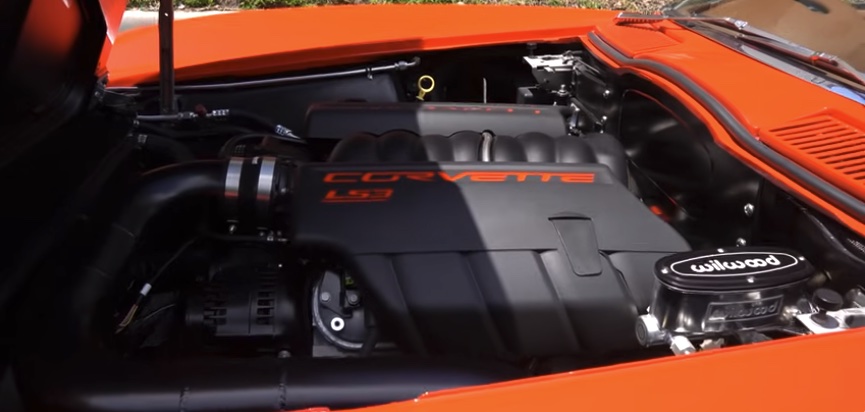
For significant power increases, we can swap the car’s original engine with a modern power-plant. Popular choices include Fuel-injected V8 Engines, Modern LS Engines, Blueprint Engines, or other high-performance motors. These engines provide improved horsepower, torque, and reliability, along with better fuel efficiency.
– Crate Engines:
A crate engine is a fully assembled engine shipped directly from the manufacturer. We install these engines, ensuring the integration with the vehicle’s existing systems, like the cooling, exhaust, and electrical systems.
– Turbocharging or Supercharging:
For owners who want to enhance the performance of their classic car without replacing the entire engine, adding a turbocharger or supercharger is a popular option. This boosts engine output while maintaining the vehicle’s original motor, offering a balance between modern performance and vintage style.
– Carburetor to Fuel Injection Conversions / EFI Conversion:
Many classic cars use carburetors, which can be finicky and less efficient than modern fuel injection systems. Our team of technicians has the experience and know-how to diagnose and repair these add-on fuel injection systems. We also offer conversions to Electronic Fuel Injection (EFI), providing more reliable starting, smoother operation, and better fuel economy while still maintaining a classic look.
– Exhaust System Upgrades & Performance Exhausts:
We upgrade exhaust systems to improve the flow of exhaust gases, which can increase horsepower. These systems are carefully designed to enhance performance without significantly altering the sound and aesthetic of the vehicle.
3. Suspension and Handling Improvements
Modernizing a classic car’s suspension system is essential for enhancing ride comfort, handling, and safety. Original classic suspensions are typically designed for softer, more relaxed driving and may not hold up well under modern driving conditions.
– Coil-Over Suspension Systems:
We service, replace, and install adjustable coil-over suspension systems, which provide improved handling, and a sportier feel compared to traditional leaf springs or older shock absorber systems. This allows the driver to customize ride height and stiffness based on preference and road conditions.
– Independent Rear Suspension (IRS) Conversion:
Many classic cars have solid rear axles, which can be harsh in terms of handling and ride quality. Upgrading to an independent rear suspension system provides better control and a smoother ride, particularly around corners and over uneven surfaces.
– Power Steering Conversion / Adding Power Steering:
Many classic cars came with manual steering, which can feel heavy and unresponsive by today’s standards. We service, repair, and install modern power steering systems that make the vehicle easier to drive, especially at low speeds, while ensuring that the conversion integrates seamlessly with the car’s original steering setup.
4. Brake System Modernization
Upgrading the braking system in classic cars is one of the most important modifications for safety. While drum brakes were common in older cars, they are less efficient than modern disc brakes.
– Disc Brake Conversion:
We service and repair disc brake conversions on classic cars. Additionally, we replace outdated drum brakes with high-performance disc brakes, improving stopping power and heat dissipation. We carefully source parts to match the look and feel of the original brake system where aesthetics matter.
– Power Brake Conversions / Brake Booster and Master Cylinder Upgrade:
For vehicles that originally came with manual brakes, we offer the option to install a power brake booster and a modern master cylinder. This dramatically improves brake response and requires less pedal effort from the driver. We also service and repair brake systems that have already been converted.
5. Electrical System Upgrades
We often find outdated electrical systems in classic cars that don’t do very well with modern accessories. Upgrading these systems is essential for safety, functionality, and the ability to integrate new technology.
– Alternator Conversion:
Many classic cars come with generators that are prone to failure and cannot support modern electrical loads. We service and repair alternator-converted systems. We’ll also convert generator systems to modern alternators, which provide more consistent power to run accessories like air conditioning, modern sound systems, and lighting upgrades.
– Rewiring with Modern Components:
A full rewiring of the car using modern wiring harnesses improves electrical reliability and safety. Modern materials resist corrosion and provide better conductivity, reducing the chances of electrical failure.
– Modern Lighting Solutions:
We upgrade the lighting systems to include LED or HID headlights, improving visibility while driving without compromising the vintage look. In many instances, we’re able to install modern bulbs in the original turn signal and brake light housings to increase brightness and lifespan.
6. Final Testing and Quality Assurance
After completing the modifications, our team puts the vehicle through rigorous testing to ensure that all systems are functioning properly and that the upgrades meet the owner’s desired expectations.
– Performance Testing:
We test the vehicle’s handling, braking, and acceleration to ensure the performance upgrades are fully realized.
– Electrical System Testing:
A comprehensive check of the electrical system ensures all modern components integrate seamlessly and function as intended.
– Owner’s Review:
Before delivering the vehicle, we walk through all modifications with the owner, ensuring their vision has been achieved while maintaining the spirit of the classic car.
At Temecula Auto Repair & Transmission, servicing and repairing modified classic cars; or modifying a classic car is an art that blends the best of vintage styling with modern performance, safety, and comfort. Our expert team specializes in engine upgrades, suspension and brake enhancements, electrical modernizations, and interior improvements, all while respecting the original character of the car. Whether you’re looking for subtle updates or a full restomod, we commit ourselves to delivering a modified classic car that drives like new, while still turning heads for its timeless design. Classic car enthusiasts throughout the Temecula, Murrieta, Winchester, and French Valley areas look to us for careful care of their timeless beauties.
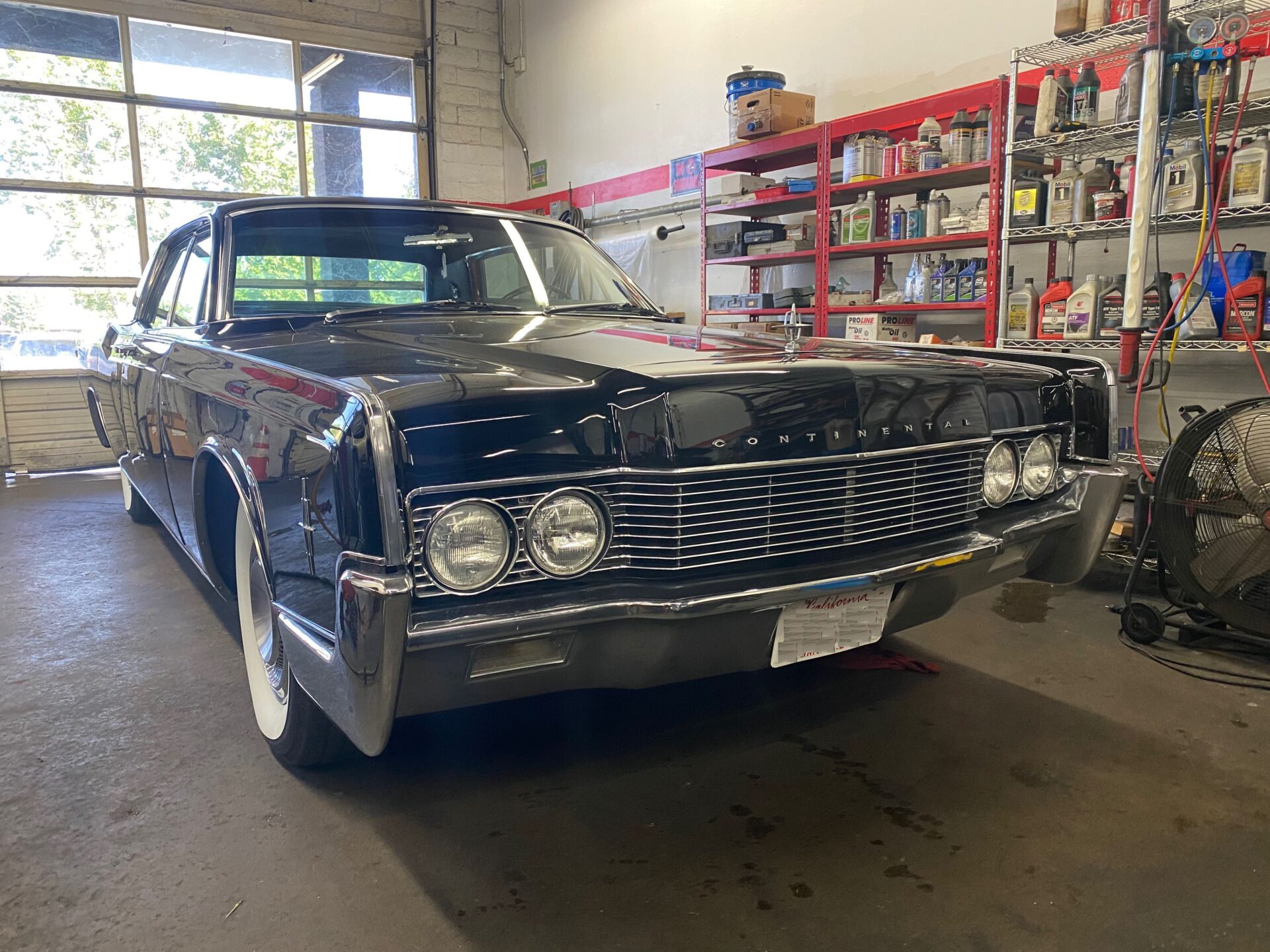
Classic Car Maintenance
Regular maintenance is key to keeping your classic car in peak condition. Our maintenance services are tailored to the unique needs of vintage cars, including specialized checks for wear and tear on components that may be challenging to find or replace. Trust us to keep your classic car running smoothly and looking timeless for generations to come. Here’s a detailed overview of the process, focusing on maintaining the originality of the vehicle while preventing potential trouble on the road:
1. Engine Oil and Filter Change
– Frequency: Every 3,000 miles or every 6 months, depending on usage.
– Details: Classic cars often use different grades of oil compared to modern vehicles. At Temecula Auto Repair & Transmission, we always use the correct viscosity and type of oil to maintain the integrity of the older engine. Typically, a high-zinc content oil is best for the flat-tappet camshaft in many classic engines.
– Focus on Originality: We use period-appropriate oil filters and even source vintage-style filter canisters if requested, ensuring the car retains its authentic look under the hood.
2. Cooling System Check and Flush
– Frequency: Every 2-3 years.
– Details: The cooling system in older cars is crucial, especially given their susceptibility to overheating. We inspect the radiator, hoses, belts, and water pump for any signs of wear. At this interval, we drain, flush, and replace the coolant with fresh coolant mixed in the correct proportions.
– Focus on Originality: Where possible, we use original-type hoses and clamps, avoiding modern plastic replacements unless absolutely necessary.
3. Brake System Inspection
– Frequency: Every 6 months or 3,000 miles.
– Details: Drum brakes, common in many classic cars, require regular inspection for wear and adjustment. We check for brake fluid leaks, inspect the condition of the brake shoes, drums, and wheel cylinders, and ensure proper adjustment. If the car has been converted to a disc brake system, we check pads, rotors, and calipers.
– Focus on Originality: While modern safety concerns may warrant brake upgrades, we take care to use original-style components, ensuring any upgrades blend in visually with the classic look.
4. Ignition System and Timing Adjustment
– Frequency: Every 6 months or 6,000 miles.
– Details: Older cars rely on mechanical ignition systems, which are prone to wear. We inspect and, if necessary, replace spark plugs, ignition points, the condenser, distributor cap, and rotor. We also check and adjust the timing to ensure optimal engine performance.
– Focus on Originality: We often use period-correct replacement parts for the ignition system. If upgraded to electronic ignition, we ensure that the conversion doesn’t detract from the original aesthetic.
5. Carburetor Inspection and Tune-Up
– Frequency: Annually or as needed.
– Details: Carburetors require periodic adjustments and cleaning to ensure smooth fuel delivery. We inspect the choke, idle, and mixture settings. If necessary, the carburetor is rebuilt using high-quality kits to restore it to like-new performance.
– Focus on Originality: We will select Carburetor Rebuild Kits to match the vehicle’s original setup. In rare cases where the carburetor requires replacement, we opt for OEM or vintage parts to retain authenticity.
6. Transmission Fluid Service
– Frequency: Every 30,000 miles or 3 years.
– Details: Whether it’s an automatic or manual transmission, fluid service is crucial. For automatic transmissions, we drain and replace the transmission fluid and inspect the filter. For manual transmissions, we’ll replace the gear oil, and check the clutch system.
– Focus on Originality: Whenever possible the transmission seals, gaskets, and filters we use match the vehicle’s original specifications, avoiding modern replacements that don’t align with the classic look.
7. Electrical System Inspection
– Frequency: Every 6 months or 3,000 miles.
– Details: Classic cars often have fragile or aging electrical systems. We check the wiring, battery, and charging system (alternator or generator). We’ll always give special attention to any corrosion or wear on electrical connections.
– Focus on Originality: If rewiring is necessary, we use cloth-wrapped wiring or the original color codes and materials to keep the vehicle period-accurate.
8. Suspension and Steering System Check
– Frequency: Every 6,000 miles or annually.
– Details: Suspension bushings, ball joints, and tie rods wear out over time and need inspection and possible replacement. We also inspect shocks and leaf springs for any signs of wear or sagging.
– Focus on Originality: We use original-style bushings and suspension parts to maintain the car’s driving characteristics. We’ll avoid modern replacements that change the vehicle’s ride feel unless requested by the owner.
9. Fuel System Maintenance
– Frequency: Every 12,000 miles or annually.
– Details: We inspect the fuel lines, pump, and filter, looking for any cracks or signs of wear. We’ll check the fuel tank for rust or sediment buildup and replace fuel filters as necessary.
– Focus on Originality: we’ll use original metal fuel lines and period-correct fuel pumps where possible, ensuring that the system not only works properly but maintains its factory look.
10. Exhaust System Check
– Frequency: Annually or as needed.
– Details: We inspect the exhaust system, checking for rust, leaks, and proper alignment. We’ll repair or replace any rusted sections.
– Focus on Originality: We will match exhaust components to original specs, including using classic-style mufflers and exhaust tips to retain the vehicle’s original sound and appearance.
11. Tire and Wheel Maintenance
– Frequency: Every 6,000 miles.
– Details: Classic cars often have unique wheel and tire combinations. We inspect tires for wear, check the alignment, and balance the wheels. If the car has bias-ply tires, we ensure they are in good condition or suggest upgrading to radial tires for improved safety without compromising the original look.
– Focus on Originality: We use period-correct tire styles, including whitewall or redline tires, depending on the vehicle’s era.
At Temecula Auto Repair & Transmission, the focus is always on maintaining the originality of the vehicle while ensuring it’s safe and reliable on the road. Whether it’s sourcing vintage parts, using traditional repair methods, or simply adjusting modern replacements to blend in, we prioritize the balance between authenticity and roadworthiness. Regular maintenance helps prevent unexpected breakdowns, keeps the car performing like it did when it rolled off the factory line, and ensures that it remains a timeless classic.
Classic Car Restoration Services
Whether your classic car requires a full frame-off restoration or specific attention to certain components, we offer a range of services to meet your needs. Our services include:
– Engine Rebuilding and Performance Upgrades
– Transmission Rebuilding & Repair
– Interior Refinishing and Trim Replacement
– Suspension and Brake System Overhaul
– Electrical System Restoration
– Carburetor Repair & Rebuilding
Muscle Car Restoration
Unleash the power and style of your muscle car with our dedicated muscle car restoration services. From iconic American muscle cars to rare imports, we have the expertise to handle it all. Our team is passionate about preserving the raw power and distinctive aesthetics that define these legendary vehicles. Our Muscle Car Restoration Services Include:
– Engine Rebuilding and Performance Tuning
– Transmission Upgrades and Overhauls
– Suspension and Handling Improvements
– Exhaust Systems Restoration
– Interior Upgrades and Refinishing
– Electrical System Restoration
– Carburetor Repair & Rebuilding
Why Choose Us?
Expertise
Our team comprises automotive enthusiasts with a deep appreciation for classic cars. We understand the unique challenges that come with vintage vehicles and bring a wealth of knowledge to every project.
Attention to Detail
Preserving the authenticity of your classic car is our top priority. We pay meticulous attention to detail in every diagnosis, repair, maintenance, and restoration task, ensuring that your vehicle remains true to its original glory.
Quality Parts
We source high-quality, period-correct parts to ensure that your classic car maintains its authenticity and performance. Our commitment to using the best components sets us apart in the world of classic car services.

Customer Satisfaction
At Temecula Auto Repair & Transmission, we believe in building life-long relationships with our clients. Our customer-centric approach ensures that you receive personalized service and clear communication throughout the entire process.
Top-Notch Classic Car Care in Temecula, Murrieta, Winchester, and French Valley
Ready to entrust your classic car to the experts? Call us today to schedule a diagnosis, repair, or maintenance service. Join many classic car owners from Temecula, Murrieta, Winchester, and French Valley by letting us be your partner in preserving the legacy of your beloved vintage automobile.
Also, be sure to see our latest article on Classic Car Auto Repair.