


Expert Automotive Electrical Diagnosis & Repair in Temecula and Murrieta – Precision You Can Trust!
At Temecula Auto Repair & Transmission, we know that reliable electrical systems are crucial to keeping your car running smoothly. Today’s cars rely on complex electronics to power everything from your headlights to the engine control unit (ECU). Therefore, electrical problems can disrupt your drive or leave you stranded. Our team specializes in diagnosing and fixing electrical problems promptly.
Common Automotive Electrical Problems
Some of the most common electrical issues in cars include dead batteries, faulty alternators, blown fuses, wiring problems, and starter issues. Each problem has specific symptoms and can stem from various causes. Below, we’ll explain these issues, their causes, and the signs you may notice.
Dead Battery
Automotive Batteries: Purpose, Types, and Causes of Failure
Your car’s battery powers every essential electrical system, including the starter motor and headlights. Thus, it plays a critical role in starting the engine. Additionally, the battery keeps electronics running smoothly when the car isn’t running. However, like any part, batteries have a lifespan. Knowing the types of batteries, common causes of failure, and symptoms of a failing battery can help you avoid unexpected breakdowns.
Purpose of Automotive Batteries
A car battery provides the necessary energy to start the engine. When you turn the key, it sends a powerful surge to the starter motor, which cranks the engine. Beyond that, it also powers essential systems, such as lights, radio, and other electronics, when the engine is off. Therefore, without a reliable battery, your car simply won’t start.
Types of Car Batteries
There are several types of automotive batteries, each with unique features. Here are the most common types:
1. Lead-Acid Batteries:
These are the traditional car batteries found in most vehicles. They are reliable, affordable, and easy to replace.
2. Absorbent Glass Mat (AGM) Batteries:
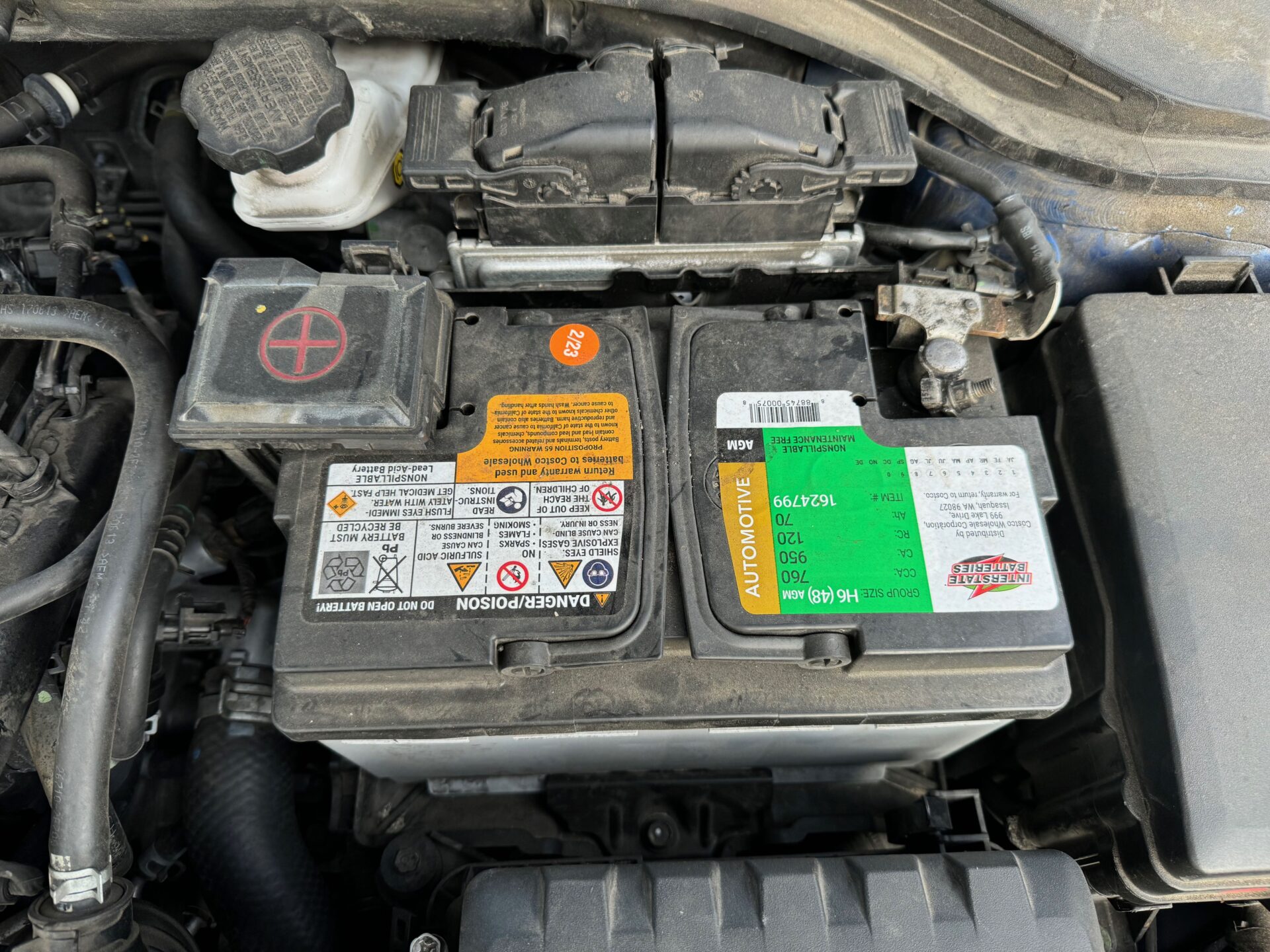
AGM batteries are spill-proof and often last longer than traditional lead-acid batteries. They’re ideal for vehicles with high-power demands or start-stop technology.
3. Lithium-Ion Batteries:
These batteries are lighter and more efficient, commonly found in electric and hybrid vehicles. While they have a longer lifespan, they come with a higher price tag.
Common Causes of Battery Failure
Batteries can fail for many reasons. Some of the most common causes include:
– Battery Age and Wear:
Most batteries last about 3-5 years. Over time, batteries will lose their ability to retain a charge.
– Extreme Temperatures Compromising Batteries:
High heat can accelerate battery fluid evaporation, while extreme cold can reduce performance. Both conditions shorten a battery’s lifespan.
– Corrosion and Loose Connections on Batteries:
Corrosion on terminals or loose connections can prevent the battery from delivering power efficiently. Cleaning connections regularly helps prevent these issues.
– Parasitic Drain on the Battery:
Parasitic drain occurs when electronics continue to draw power after you turn off the car. Leaving lights or electronics on overnight is a common cause.
Symptoms of a Failing Battery
When a battery begins to fail, you may notice a few warning signs. Paying attention to these symptoms can help you avoid getting stranded.
1. Slow Engine Crank:
If the engine cranks slowly or takes longer to start, the battery may be weakening.
2. Dim Headlights:
Flickering or dim headlights indicate a weak battery that can’t deliver full power.
3. Automotive Electrical Issues:
Malfunctions with power windows, radio, or dashboard lights could signal a failing battery.
4. Check Engine Light:
The check engine or battery light on your dashboard may light up as an early warning.
5. Clicking Sound When Starting:
When the battery doesn’t have enough charge, you may hear a clicking sound instead of the engine turning over.
Keep Your Car’s Battery in Top Shape
A healthy battery means reliable starts and fewer headaches on the road. To get the best performance, avoid overtaxing it with unnecessary electronics. Also, have us check your battery regularly, especially during extreme temperatures. When in doubt, Call us for assistance.
Faulty Alternator
Understanding Your Automotive Alternator and Generator: Purpose, Issues, and Solutions
The alternator in your car is a crucial component of the charging system. It generates the power needed to charge the battery and run essential electronics while driving. Consequently, without a working alternator, your car would rely solely on the battery, which drains quickly. In other words, alternator issues can lead to serious driving problems. So, understanding the purpose and signs of failure can save you from unexpected breakdowns.
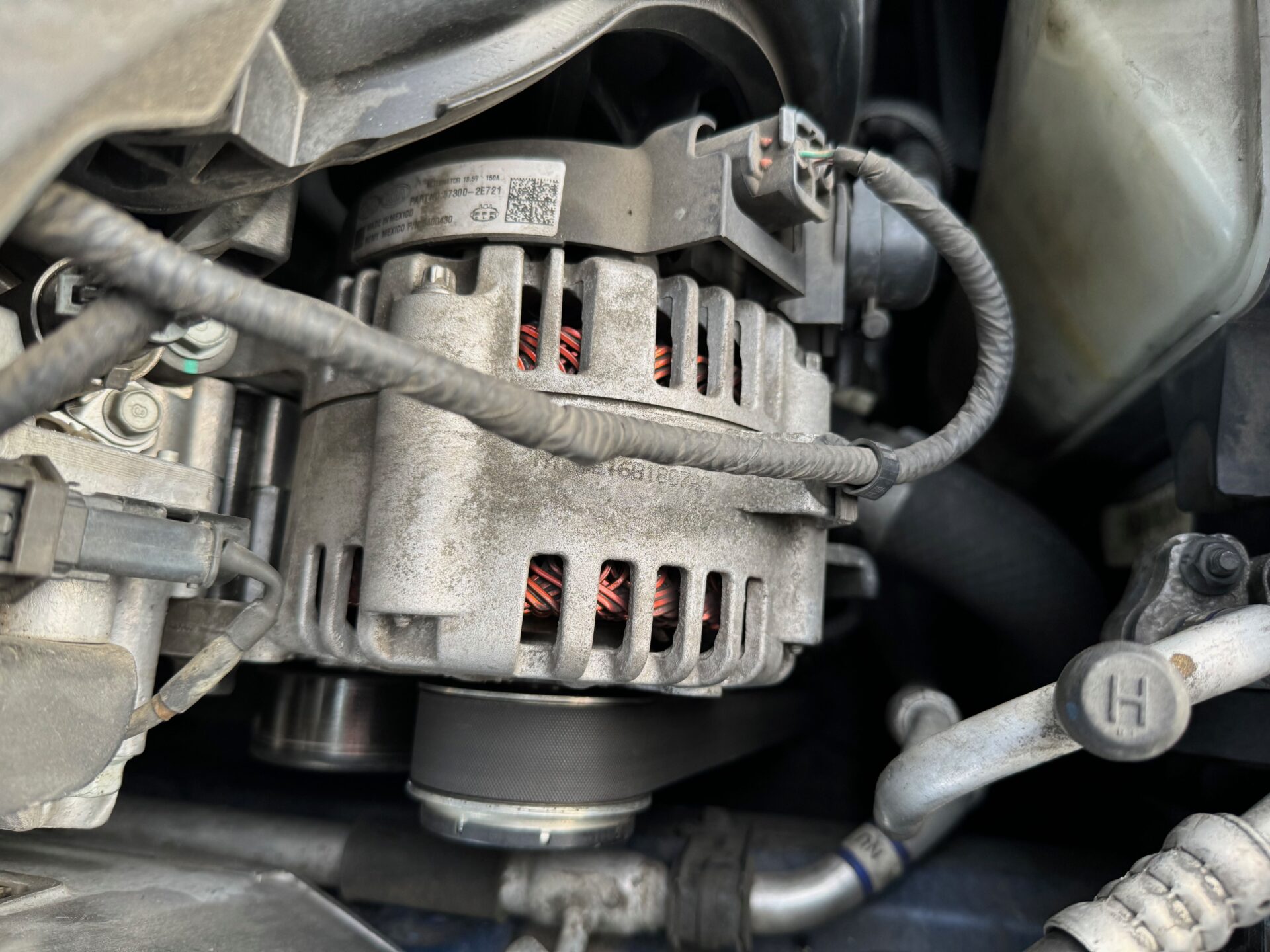
Purpose of the Automotive Alternator
The alternator keeps your battery charged and powers all electrical components while your engine runs. From headlights to the radio, these components need a steady power supply. When the alternator works properly, it provides this power, ensuring your car operates smoothly. If it fails, the battery drains quickly, and the car will eventually stop running.
Common Causes of Alternator Failure
Alternators are durable but can still experience failure over time. Here are some of the most common causes:
– Alternator Wear and Tear:
Alternators have moving parts that wear out with time. Brushes and bearings degrade, causing the alternator to malfunction.
– Faulty Wiring:
Loose or damaged wires prevent the alternator from charging the battery correctly. Regular inspections can catch these issues early.
– Alternator Belt Issues:
A loose or broken belt stops the alternator from working. Since the belt transfers engine power to the alternator, it must remain tight and in good condition.
– Extreme Heat:
High temperatures cause faster wear on alternator parts, shortening the alternator’s lifespan.
Symptoms of a Failing Alternator
When an alternator begins to fail, you may notice certain symptoms. Paying attention to these signs can help you avoid getting stranded:
1. Dim or Flickering Lights:
Dimming headlights or interior lights suggest the alternator isn’t providing enough power.
2. Battery Warning Light:
The battery or alternator warning light on your dashboard is an early sign of charging system trouble.
3. Electrical Malfunctions:
Power windows, dashboard lights, or other electronics may not work correctly due to insufficient power.
4. Strange Noises:
Sometimes, the alternator will make noises, like whining, when it’s on the verge of failure.
5. Dead Battery:
If your battery dies frequently, it’s likely the alternator isn’t recharging it properly.
Generators in Classic Cars
In classic cars, generators serve the same purpose as modern alternators, but there are some key differences. Unlike alternators, which produce alternating current (AC), generators create direct current (DC). Also, generators operate with lower efficiency, making them less effective at recharging the battery at low speeds. Alternators provide a steadier and more reliable charge. This is why they’ve most modern cars have alternators.
Differences Between Alternators and Generators
The main difference between alternators and generators lies in how they generate and distribute power. Alternators create AC power. Then this AC power converts to DC power for the battery and electrical components. This AC generation method allows alternators to work more efficiently, especially at lower RPMs. On the other hand, generators create DC power directly but need to run at higher RPMs to keep the battery charged effectively. This efficiency gap is why most modern vehicles use alternators. Check out Generator vs. Alternator for additional reading on this topic.
Need Help with Your Alternator? Contact Temecula Auto Repair & Transmission
If you’re experiencing any of the alternator issues we’ve described, don’t wait for your car to break down. At Temecula Auto Repair & Transmission, we specialize in diagnosing and repairing alternators, ensuring your vehicle stays reliable. We proudly serve Temecula, Murrieta, Winchester, and French Valley communities. Call us today for expert help with all your automotive needs.
Blown Fuses
Automotive Electrical Fuses: Purpose, Common Issues, and Solutions
Fuses are small yet essential components in your car’s electrical system. They protect the wiring and electrical parts by breaking the circuit if there’s an electrical overload. Without fuses, electrical surges could damage or destroy these parts, leading to costly repairs. Thus, knowing the purpose of fuses, the common causes of blown fuses, and the signs of fuse failure can help you keep your vehicle running safely.
Purpose of Automotive Fuses
Automotive fuses prevent damage to your car’s electrical system. If a surge or short circuit occurs, the fuse “blows” and stops the flow of electricity. As a result, this break protects components like headlights, radios, power windows, and other electronics from overheating or burning out. Each fuse protects specific systems. Therefore, if one fails, only that system stops working rather than the entire vehicle.
Common Causes of Blown Fuses
Several factors can cause a fuse to blow. Here are the most common reasons:
– Electrical Overload:
When too much power flows through a circuit, the fuse will blow to prevent damage.
– Short Circuits:
A short circuit often happens when wires touch or become exposed, creating an unintended path for electricity.
– Worn or Damaged Wiring:
Over time, wiring can wear down. This damage can lead to a blown fuse when exposed wires come into contact.
– Faulty Components:
If an electronic component, like a radio or light bulb, malfunctions, it may cause a power surge and blow a fuse protecting that circuit.
Symptoms of a Blown Fuse
A blown fuse leads to specific symptoms that can alert you to an issue:
1. Sudden Loss of Power in One Area:
When a fuse blows, the system it protects, such as the headlights or radio, stops working immediately.
2. Dimmed or Flickering Lights:
If a fuse fails partially, you might notice flickering or dim lights before the system fails completely.
3. Malfunctioning Accessories:
Power windows, power seats, or other accessories may not respond due to a blown fuse.
4. Burnt Smell:
Occasionally, a blown fuse emits a faint burnt smell, indicating a problem in the electrical circuit.
5. Dashboard Warning Light:
Some vehicles have indicators that alert you when a fuse has blown, making it easier to identify issues.
Need Help with Fuses? Contact Temecula Auto Repair & Transmission
If you’re dealing with electrical issues or blown fuses, our expert team at Temecula Auto Repair & Transmission can help. We specialize in diagnosing and fixing electrical problems to keep your vehicle safe and reliable. Serving Temecula, Murrieta, Winchester, and French Valley, we’re here to ensure your car’s electrical system works smoothly. Call us today for assistance with any fuse or electrical issue!
Wiring Issues
Automotive Electrical Wiring Issues: Purpose, Common Causes, and Solutions
Automotive wiring connects your vehicle’s electrical components, allowing them to function properly. From lights and power windows to the engine control unit (ECU), wiring provides the critical pathways for electrical signals throughout the car. Therefore, faulty wiring disrupts these connections and can lead to safety and performance issues. Knowing the purpose of wiring, common causes of faulty wiring, and warning signs helps keep your car safe and dependable.
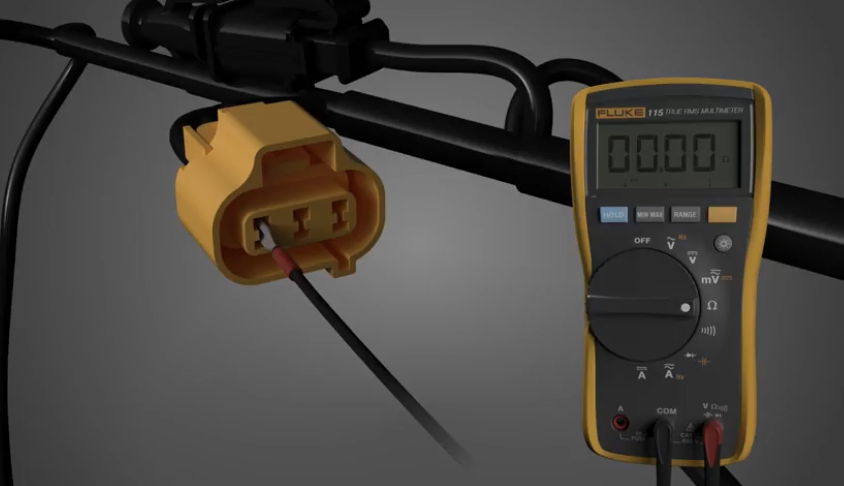
Purpose of Automotive Wiring
Automotive wiring connects and powers every electrical component in your car. Most importantly, it carries electrical signals from the battery and alternator to systems such as headlights, dashboard displays, and power accessories. Without reliable wiring, essential systems wouldn’t receive the power they need to operate, affecting your car’s safety and convenience.
Common Causes of Faulty Wiring Issues
Wiring issues can stem from various causes. Below are the most common factors that lead to wiring problems:
– Wiring Wear and Tear:
Over time, wiring insulation can crack or wear down, exposing wires and increasing the risk of a short circuit.
– Heat and Vibration:
Engine heat and constant vibration can damage wires, causing them to fray, crack, or even break.
– Rodent Damage:
Rodents sometimes chew on wires, creating exposed wiring that leads to shorts and potential electrical failure. Unfortunately, this is an all too common problem we see in the Temecula, Murrieta, Winchester, and French Valley areas.
– Improper Prior Repairs:
Faulty installations or poor repairs, like loosely connected wires, can disrupt the electrical system and cause performance issues.
Symptoms of Faulty Wiring
Faulty wiring can produce noticeable symptoms, alerting you to an issue that requires immediate attention:
1. Flickering or Dim Lights:
Flickering headlights or dim interior lights often indicate faulty wiring, particularly when the car hits a bump.
2. Intermittent Power Loss:
When wiring fails, systems may stop working briefly or function irregularly, such as power windows or radio shutting off unexpectedly.
3. Blown Fuses:
Frequently blown fuses could mean that damaged wiring is causing short circuits, putting extra strain on the fuse.
4. Burnt Smell:
A burnt or melting odor may indicate overheating wires, which is a serious risk that requires quick attention.
5. Engine Stalling:
In severe cases, wiring issues can disrupt the ECU, leading to engine stalling or poor performance.
Need Help with Electrical Wiring? Contact Temecula Auto Repair & Transmission
If you’re experiencing wiring issues or any electrical problems, trust the experts at Temecula Auto Repair & Transmission. Serving Temecula, Murrieta, Winchester, and French Valley, we specialize in diagnosing and repairing electrical issues to keep your vehicle safe. Call us today to schedule an appointment and get reliable help with any automotive wiring issue.
Starter Problems
Automotive Starters: Purpose, Common Issues, and Solutions
The starter in your car is essential to getting the engine running. It engages the engine and initiates the process that powers your vehicle. Thus, without a reliable starter, your car won’t start. Understanding how starters work, the common causes of starter issues, and the signs of a faulty starter can help you avoid unexpected breakdowns.
Purpose of Automotive Starters
The starter’s job is to turn the engine over and begin combustion. When you turn the key or press the start button, the starter motor begins to turn and engages with the flywheel. This action cranks the engine, sparking the ignition process that gets the engine running. Once the engine fires up, the starter disengages, ready for the next start.
Common Causes of a Faulty Starter
Starters are built to last but can develop issues over time. Here are the most common causes of a faulty starter:
– Worn-Out Starter Motor:
Over years of use, the motor in the starter can wear down, making it unable to engage the engine.
– Electrical Issues:
Faulty wiring, bad connections, or a weak battery can prevent the starter from receiving enough power to operate.
– Faulty Solenoid:
The battery connects to the solenoid and activates it to turn the starter. The starter won’t receive power when the solenoid fails. Consequently, this leaves the engine silent.
– Damaged Flywheel Gear:
If there is damage to the flywheel gear, the starter motor will not be able to turn the engine properly.
Symptoms of a Faulty Starter
A failing starter often gives warning signs before it completely stops working. Recognizing these symptoms can help you get repairs before your car fails to start.
1. Clicking Sound:
When you turn the key, a faulty starter may produce a clicking sound instead of cranking the engine.
2. Slow or No Crank:
If the starter is weak, it may crank slowly or not at all, leaving you unable to start the car.
3. Intermittent Starting:
A failing starter may work one time but not the next, making starting your car unreliable.
4. Grinding Noise:
A grinding sound when starting the car may indicate that the starter is struggling to engage with the flywheel.
5. Dashboard Warning Light:
Sometimes, a warning light for the battery or engine can signal a starter issue, especially if paired with other symptoms.
Need Help with Starter Problems? Contact Temecula Auto Repair & Transmission
If you’re facing starter issues or other electrical problems, trust the experts at Temecula Auto Repair & Transmission. Serving Temecula, Murrieta, Winchester, and French Valley, we specialize in diagnosing and repairing starters to keep your car reliable. Call us today to schedule an appointment and get professional help with any starter or electrical issue!
Electronic Engine Controls
Automotive Electronic Engine Controls: Purpose, Common Issues, and Solutions
Modern vehicles rely on electronic engine controls, like the engine control module (ECM) or engine management systems, to keep engines running smoothly. These systems regulate fuel, air, and spark to maximize performance, efficiency, and emissions control. When they work properly, electronic engine controls help your car run at its best. However, faulty electronic engine controls can lead to performance issues, poor fuel economy, and even serious breakdowns.
Purpose of Automotive Electronic Engine Controls
The main purpose of electronic engine controls is to manage engine performance by monitoring and adjusting critical functions. Using data from sensors, these systems control fuel injection, ignition timing, and exhaust emissions. This precise regulation ensures optimal performance, cleaner emissions, and better fuel efficiency. In short, these systems keep your engine running at peak performance while meeting environmental standards.
Common Causes of Faulty Electronic Engine Controls
Electronic engine controls are complex and can develop issues due to a variety of causes. Here are some of the most common ones:
– Sensor Malfunctions:
Sensors send essential information to the control module. If a sensor fails, the ECM may receive incorrect data, causing issues.
– Electrical Problems:
Loose connections, worn-out wiring, or corrosion can interrupt signals, leading to control system malfunctions.
– Software Glitches:
Occasionally, the software in the control module may glitch, causing irregular performance or error codes.
– Environmental Damage:
Heat, moisture, or exposure to harsh elements can damage electronic components over time.
Symptoms of Faulty Electronic Engine Controls
When electronic engine controls fail, your vehicle may show several warning signs. Paying attention to these symptoms can prevent further issues:
1. Check Engine Light:

The check engine light usually comes on when sensors detect a problem. It’s often the first sign of a control system issue.
2. Poor Fuel Economy:
If the engine control system malfunctions, it may mismanage fuel, leading to decreased fuel efficiency.
3. Reduced Engine Performance:
Faulty controls can cause poor acceleration, loss of power, or rough idling.
4. Difficulty Starting:
Sometimes, control issues affect ignition timing or fuel delivery, making it hard to start the engine.
5. Stalling or Misfiring:
Faulty controls can cause the engine to misfire or stall, especially at low speeds.
Need Help with Electronic Engine Controls? Contact Temecula Auto Repair & Transmission
If you’re experiencing electronic engine control issues or other electrical problems, our expert team at Temecula Auto Repair & Transmission can help. Serving Temecula, Murrieta, Winchester, and French Valley, we specialize in diagnosing and repairing electronic engine control systems to keep your vehicle running at its best. Call us today to schedule an appointment for reliable help with any engine control or electrical issue!
Electronic Transmission Controls
Automotive Electronic Transmission Controls: Purpose, Common Issues, and Solutions
Modern vehicles rely on electronic transmission controls, such as the transmission control module (TCM), to manage shifting and performance. These systems communicate with the engine control module (ECM) and other sensors to optimize shifting, fuel efficiency, and overall vehicle performance. When electronic transmission controls operate correctly, they ensure smooth, efficient driving. However, when they fail, shifting problems and performance issues may arise.
Purpose of Automotive Electronic Transmission Controls
The primary purpose of electronic transmission controls is to regulate gear shifts based on driving conditions. The Transmission Control Module (TCM) monitors input from sensors, such as speed and throttle position, and adjusts shifting accordingly. By optimizing these shifts, the TCM enhances fuel efficiency, smoothness, and acceleration, creating a more responsive driving experience. However, without an efficient TCM, the vehicle may shift too early, too late, or fail to shift altogether.
Common Causes of Faulty Electronic Transmission Controls
Electronic transmission controls are complex and can develop issues for several reasons. Here are some of the most common causes:
– Faulty Sensors:
Sensors, like the speed sensor or throttle position sensor, send crucial information to the TCM. Therefore, if a sensor fails, the TCM may receive inaccurate data, affecting shifting.
– Wiring Issues:
Damaged or corroded wiring can lead to poor communication between the TCM and other engine components.
– Software Problems:
Software glitches or outdated firmware can cause the TCM to misinterpret sensor data, leading to shifting issues.
– Extreme Temperatures:
Heat and moisture can damage electronic transmission components, especially in harsh driving environments.
Symptoms of Faulty Electronic Transmission Controls
Faulty transmission controls produce specific symptoms that alert you to an issue. Thus, recognizing these signs can prevent major transmission problems:
1. Check Engine or Transmission Warning Light:
When the TCM detects a problem, it usually triggers a warning light on the dashboard.
2. Rough or Delayed Shifting:
Faulty controls may cause rough or delayed shifts, making the car feel sluggish or jerky during acceleration.
3. Slipping Gears:
When the TCM malfunctions, gears may slip unexpectedly, causing erratic acceleration and potentially unsafe driving conditions.
4. Poor Fuel Efficiency:
Transmission control issues can lead to incorrect shifting, which decreases fuel economy over time.
5. Vehicle Stuck in One Gear:
In severe cases, the transmission may become stuck in a single gear, making it difficult or impossible to drive normally.
Need Help with Electronic Transmission Controls? Contact Temecula Auto Repair & Transmission
If you’re experiencing electronic transmission control issues, trust the professionals at Temecula Auto Repair & Transmission. Serving Temecula, Murrieta, Winchester, and French Valley, we specialize in diagnosing and repairing transmission control systems to keep your car shifting smoothly. Call us today to schedule an appointment and receive expert help with any transmission or electrical issue!
Electronic Controls in Automotive Heating, Ventilation, Air Conditioning (HVAC) Systems
Electronic Controls in Automotive HVAC Systems: Purpose, Common Issues, and Solutions
Modern Heating, Ventilation, and Air Conditioning (HVAC) systems in cars use electronic controls to regulate temperature, airflow, and air quality. These electronic controls ensure a comfortable driving environment by adjusting the HVAC system according to your settings and environmental factors. When working correctly, they provide efficient climate control, allowing you to set and forget your desired comfort level. However, when electronic controls fail, the HVAC system can become unreliable and inconvenient.
Purpose of Electronic Controls in Automotive HVAC Systems
Electronic controls in HVAC systems allow precise regulation of cabin temperature, air distribution, and ventilation. By reading data from sensors, these controls adjust blower speeds, direct airflow, and manage the heating and cooling systems. Whether it’s a hot day or a cold winter morning, electronic HVAC controls maintain a consistent and comfortable cabin environment, making driving more enjoyable and less tiring.
Common Causes of Faulty HVAC Electronic Controls
HVAC electronic controls are complex systems that can develop faults for various reasons. Here are the most common causes of issues:
– Sensor Malfunctions:
HVAC controls depend on temperature and humidity sensors to function. When sensors fail, the system receives inaccurate data, causing irregular temperature control.
– Wiring Problems:
Damaged wiring or loose connections can disrupt the flow of data, making the HVAC system less responsive to control inputs.
– Faulty Control Module:
The control module acts as the HVAC system’s “brain.” If it malfunctions, the system may not adjust settings properly or respond to commands.
– Software Glitches:
Software issues in the control module can create errors in operation, leading to inconsistent airflow or temperature settings.
Symptoms of Faulty HVAC Electronic Controls
Faulty electronic controls in an HVAC system often produce specific symptoms, alerting you to potential issues. Recognizing these signs early can help you maintain a comfortable driving environment:
1. Inconsistent Temperature Control:
A faulty HVAC control system may cause temperatures to fluctuate unexpectedly, making it difficult to maintain a steady cabin climate.
2. Non-Responsive HVAC Controls:
If the controls do not respond when adjusted, there could be an issue with the control module or wiring.
3. Weak Airflow:
Problems with the electronic controls might limit the fan speed, causing weak airflow even when set on the high position.
4. Unusual Noises:
Clicking, whirring, or buzzing sounds could indicate a problem with the blower motor or HVAC actuators controlled electronically.
5. Dashboard Warning Light:
Some vehicles display a warning light on the dashboard when there’s an issue with the HVAC control system.
Need Help with HVAC Electronic Controls? Contact Temecula Auto Repair & Transmission
If your HVAC system isn’t functioning properly, our team at Temecula Auto Repair & Transmission can help. Serving Temecula, Murrieta, Winchester, and French Valley, we specialize in diagnosing and repairing automotive HVAC control issues to keep you comfortable on the road. Call us today for expert assistance with any HVAC or electronic system problem!
Comprehensive Automotive Electrical Diagnostics & Repair at Temecula Auto Repair & Transmission
At Temecula Auto Repair & Transmission, we’re experts in diagnosing and fixing these issues and any other electrical issues you may encounter. Our team uses the latest tools to pinpoint electrical problems efficiently. Once we identify the issue, we discuss it with you and start repairs. We take great care to preserve the original look and feel of your vehicle, especially for classic cars.
We serve Temecula, Murrieta, Winchester, and French Valley communities, offering quick, reliable solutions to keep you on the road.
Why Choose Us?
Finding electrical issues in cars requires skill and experience. A quick fix might solve symptoms temporarily, but not addressing the root cause can lead to bigger. Our technicians understand how electrical components work and know how to keep your car safe and reliable.
For expert electrical diagnostics and repair, trust Temecula Auto Repair & Transmission. Our commitment to excellence ensures you get the best service for your vehicle, from diagnostics to complete repairs.