


If your car has gone over the 100,000-mile mark or it’s been on the road for more than a decade, you’re not alone. The average vehicle in the U.S. today is more than 13 years old, and more Temecula and Murrieta drivers are choosing to hold on to their vehicles longer. However, the good news is that with proper maintenance, your older car can stay safe, reliable, and even fun to drive for many more years.
Below are some essential maintenance steps, local examples, and a printable checklist to help your vehicle age gracefully – no matter its age or mileage.
1. Stay on Top of Fluid Changes
Why it matters:
Fluids are the lifeblood of your car. But, over time, oil, coolant, brake fluid, and transmission fluid break down and lose their effectiveness, especially during our hot Temecula Valley summers.
What to do:
- Change engine oil and filter regularly (every 5,000–7,500 miles or 6 months)
- Check and exchange transmission fluid, differential fluid(s), and transfer case fluid (if applicable).
- Inspect and replace coolant/antifreeze every 2–3 years.
- Replace brake and power steering fluids every 2 years, or as the vehicle manufacturer recommends.
Pro tip: Even if you drive infrequently around Temecula, Murrieta, or French Valley, fluids degrade with time, not just due to mileage. Come in to have our team check them at least once a year.
Local example: A Murrieta client brought in a 2011 GMC Terrain that failed its Smog Check due to excessive smoke from the tailpipe. The engine oil was so dirty that it created this problem. We simply performed two back-to-back oil changes with a special restoration additive and prevented a costly engine failure. He’s happily back on the road with a smooth-running engine and a successful Smog Check.
2. Protect the Cooling System
Hot inland temperatures put extra strain on older engines. Your cooling system – radiator, thermostat, and water pump – keeps the engine at safe operating temperatures.
What to check:
- Radiator: inspect for corrosion or leaks.
- Hoses: replace if brittle, bulging, or soft.
- Water pump: check for noise or seepage.
- Coolant condition: flush every few years.
Local tip: Because Temecula and Murrieta see triple-digit summer days, cooling system maintenance is critical. A pressure test once a year helps detect weak spots before a hot-weather breakdown.
3. Maintain Suspension & Steering Components
Over time, suspension parts wear out, causing rough rides and poor handling.
What to inspect:
- Shocks and struts for leaks or bounce.
- Ball joints, tie rods, and bushings for wear.
- Springs for sagging or cracks.
- Wheel alignment and tire balance.
Signs of Suspension & Steering Trouble:
- Uneven tire wear.
- Excessive vibration or pulling to one side.
- Clunking noises on bumps.
Example: A Temecula driver with a 2003 Cadillac noticed a rough ride on the freeway. Worn and leaking rear shocks were the culprit. Replacing them restored a safe, smooth ride.
4. Don’t Ignore the Brakes
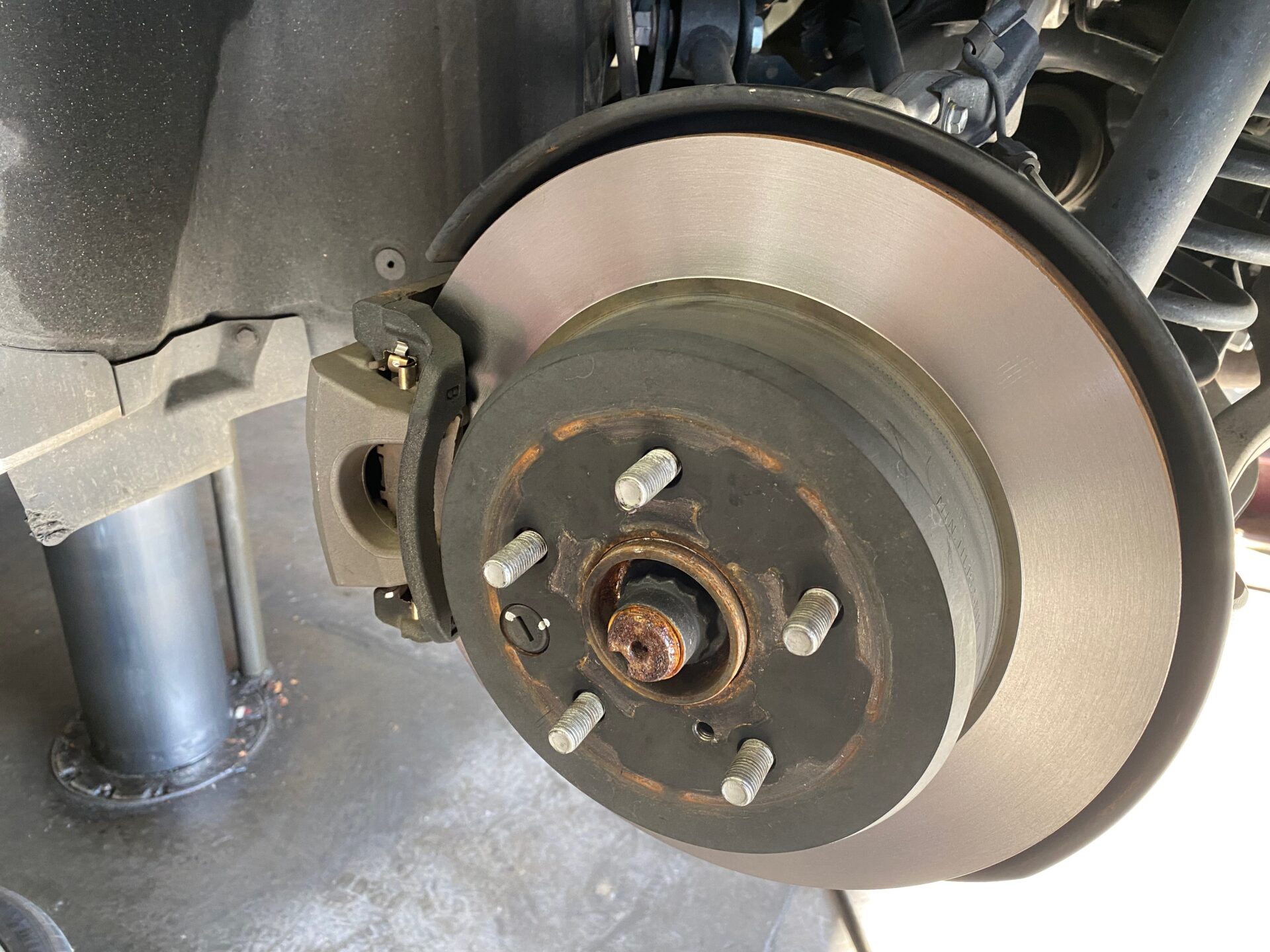
Your braking system keeps you and your passengers safe – and older cars need more frequent inspections.
Inspect:
- Pads and rotors for thickness and warping.
- Brake lines for corrosion or leaks.
- Calipers for sticking or uneven wear.
- Brake fluid for moisture contamination.
Tip: Brake fluid absorbs moisture from the air, especially in areas like Temecula, where temperature swings are common. Replace your brake fluid every 2 years to maintain a firm, consistent brake pedal feel.
5. Electrical System: Catch Problems Early
After 10+ years, electrical issues can become more frequent. Dim headlights, slow cranking, or random warning lights shouldn’t be ignored.
Preventive Automotive Electrical Checks:
- Test battery voltage and alternator output annually.
- Inspect terminals for corrosion.
- Check fuses and relays.
- Make sure all sensors and lights function properly.
Common issues in older vehicles:
- Weak alternator output.
- Parasitic battery drains.
- Worn ignition switches or wiring faults.
Local insight: High interior heat in Temecula’s summer months can accelerate electrical wear. Parking in shade or garages helps prolong component life.
6. Protect Against Rust, Leaks, and Rubber Aging
While we don’t face much road salt in Southern California, rust can still form underneath due to moisture or coolant leaks.
Maintenance tips:
- Inspect the undercarriage at every oil change.
- Fix small leaks quickly – they attract dirt and cause corrosion.
- Replace old hoses, seals, and belts before they fail.
- Apply a rust-resistant coating if you live near the coast or drive off-road.
Example: A Murrieta resident’s Land Rover developed a slow oil leak. By having us inspect and repair the leaking gasket early, she avoided damage to the alternator and front suspension bushings.
7. Replace the Timing Belt or Chain on Schedule
One of the most important services for aging cars is timing belt replacement. However, if the belt breaks, your engine can suffer major internal damage.
General Timing Belt Guidelines:
Replace belts every 60,000–100,000 miles or 5–7 years, whichever comes first.
Timing chains last longer and don’t necessarily have a recommended replacement interval, but still require periodic inspection for slack or noise.
Local note: We often see Temecula drivers delay timing belt service because their cars “still run fine.” But a $700 timing belt job today could prevent a $4,000–$8,000 engine failure later.
8. Embrace Preventive Vehicle Maintenance
Older cars reward consistent attention. Preventive inspections save money and stress compared to emergency repairs.
Seasonal Checklist:
- Spring: fluids, battery, A/C performance.
- Summer: cooling system, tires, suspension.
- Fall: brakes, belts, wipers.
- Winter: battery, heater, defroster, fluids.
Pro tip: Periodic inspections are the key to keeping older vehicles on the road. Temecula Auto Repair & Transmission specializes in maintaining 10 to 20-year-old cars with the goal of reliability and originality.

FAQs for Temecula & Murrieta Drivers
Q: Is it worth repairing an older car instead of buying new?
Yes, especially in today’s market. A well-maintained 10-year-old car can outlast new models if serviced properly. Considering Temecula’s relatively mild climate, rust and frame damage are less of a concern than in other states.
Q: My car only drives 3,000 miles a year – do I still need regular service?
Absolutely. Fluids age with time, not just mileage. Rubber seals and gaskets dry out when the car sits unused.
Q: How do I know if my car has a timing belt or chain?
Check your owner’s manual or ask our automotive experts. Most Hondas, Toyotas, and Subarus built before 2015 use belts; many newer European and domestic models use chains.
Q: Can the Temecula heat affect my car’s electrical system?
Yes. High temperatures shorten battery life and stress alternators. Keep the battery terminals clean and have it tested yearly – especially before summer road trips.
Q: How often should I flush my coolant?
In most cases, every 2–3 years. Temecula’s hot climate accelerates coolant breakdown, so annual inspections are wise.
Real-World Example: One Temecula client brought us her 2006 Toyota Sequoia with 218,000 miles. It ran well but had developed a clunking noise. After replacing a drive axle, the SUV was quiet, smooth, and reliable again.
That same owner later told us: “I was ready to buy a new car, but after you fixed it up, I realized it drives better than half the new cars I test-drove.”
The Bottom Line
Aging cars don’t have to mean constant headaches. With consistent maintenance, smart inspections, and our local experts who know how to care for older vehicles, your car can keep serving you for years to come.
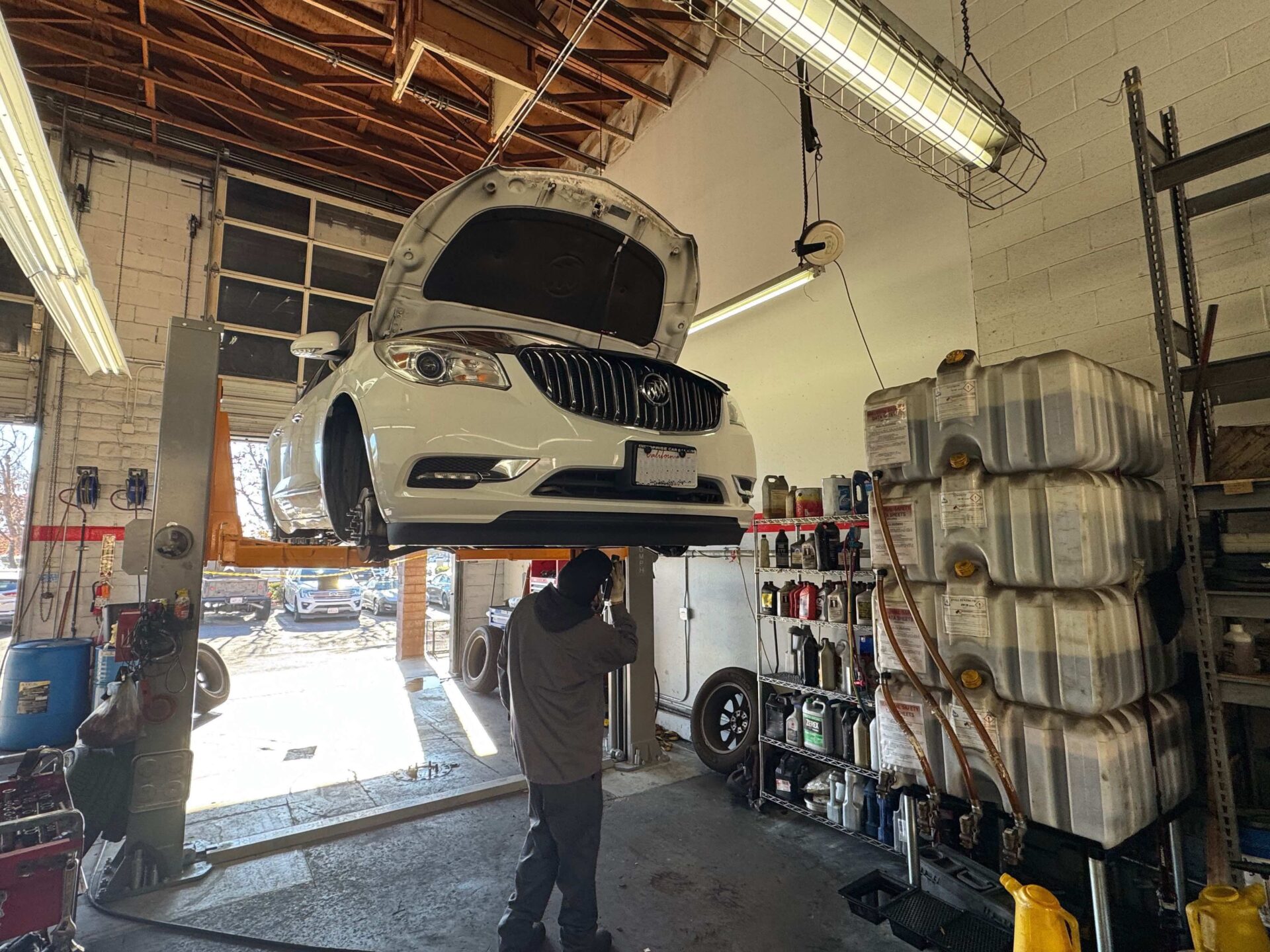
At Temecula Auto Repair & Transmission, we take pride in keeping older vehicles on the road – reliable, original, and safe. Whether you’re from Temecula, Murrieta, De Luz, Winchester, or French Valley, our ASE-certified technicians specialize in diagnosing, maintaining, and restoring vehicles that have crossed over the 10-year or 100,000-mile milestone.
Schedule your next maintenance reservation today and let your car age gracefully with professional care from Temecula Auto Repair & Transmission.
