


Cylinder Head Gasket Replacement in Temecula and Murrieta: Expert Care for Your Engine
At Temecula Auto Repair & Transmission, we understand how important your cylinder head gasket is for your vehicle’s performance. This is especially true for classic cars. The gasket seals the combustion chamber. This prevents coolant and oil from mixing. It also ensures proper compression. If it fails, it can cause serious engine damage if not fixed quickly.
This page explains how we test for a blown head gasket. We share our best practices for replacing cylinder head gaskets. We also cover the dangers of driving with an overheated engine.
You can learn more about the purpose and types of Cylinder Head Gaskets here.
Common Symptoms of a Blown Cylinder Head Gasket
Detecting a blown cylinder head gasket early is vital to prevent extensive engine damage. Here are some common symptoms:
Overheating Engine Due to a Blown Cylinder Head Gasket
A blown cylinder head gasket often causes engine overheating. If it’s not fixed right away, it can lead to more severe engine damage. The cylinder head gasket acts as a crucial seal between the engine block and the cylinder head. It keeps coolant, oil, and combustion gases separate. When the gasket fails, coolant can leak into the combustion chamber or oil passages. This disrupts the engine’s cooling system and causes overheating.
How a Blown Gasket Causes Overheating
When the cylinder head gasket blows, coolant escapes from its sealed path. It can leak into the combustion chamber, the oil system, or outside the engine. This leads to:
1. Loss of Coolant:
As coolant escapes, less is available to circulate through the engine. This causes the engine to cool poorly. Thus, engine temperature rises.
2. Combustion Gases in the Cooling System:
Exhaust gases can enter the cooling system and create air pockets. These air pockets block the flow of coolant. This can cause overheating in certain parts of the engine.
3. Oil Contamination:
If coolant mixes with oil, the engine can’t properly lubricate its moving parts. This increases friction, which raises the risk of overheating.
Dangers of Driving an Overheated Engine
If your engine is overheating, stop it as soon as it’s safe. This helps prevent severe engine damage. Overheating can warp the cylinder head. A warped cylinder head leads to costly repairs or even engine replacement. If ignored, it may cause complete engine failure. So, it’s important to stop driving and get professional help at the first sign of overheating or head gasket failure.
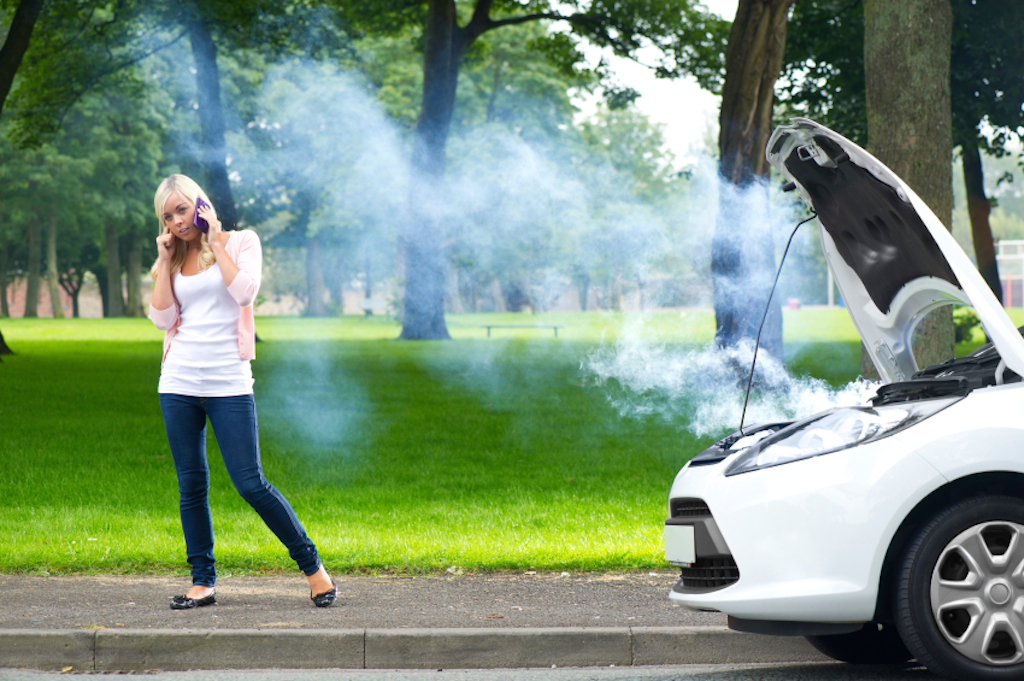
At Temecula Auto Repair & Transmission, we specialize in diagnosing and repairing blown head gaskets. We ensure your vehicle gets expert care to avoid costly damage from overheating. If your engine is running hot or showing signs of trouble, don’t wait. Have us inspect it right away. We are the leading automotive repair shop in the Temecula, Murrieta, Winchester, and French Valley areas.
White Smoke from the Exhaust Due to a Blown Cylinder Head Gasket
White smoke from your vehicle’s exhaust is often a clear sign of trouble. It’s one of the most common signs of a blown cylinder head gasket. The gasket seals the combustion chamber. It stops coolant and oil from mixing with the air-fuel mixture. When the gasket fails, coolant can leak into the combustion chamber. If coolant burns with fuel, it creates thick white smoke from the exhaust.
Why Does a Blown Gasket Cause White Smoke?
A blown cylinder head gasket lets coolant seep into the engine’s combustion chamber. When this happens, the coolant burns during combustion. This, in turn, produces white smoke from the exhaust. This smoke is a clear sign that the engine is using coolant abnormally. It often comes with other symptoms. For example, symptoms may include overheating, coolant loss, or a sweet smell in the exhaust.
The Dangers of Ignoring White Smoke
White smoke from the exhaust is not just a minor issue. It warns of a serious engine problem. Driving with a blown head gasket can cause severe engine damage. The loss of coolant may lead to overheating. Also, warping of the cylinder head, and even complete engine failure may occur. Additionally, coolant can mix with engine oil. This reduces the oil’s ability to lubricate vital engine components.
At Temecula Auto Repair & Transmission, we are the top shop for head gasket replacement in Temecula, Murrieta, Winchester, and French Valley. If you see white smoke from your exhaust, have us inspect your vehicle right away. We want to prevent further damage and keep your engine in optimal condition.
Milky Oil Due to a Blown Cylinder Head Gasket
If you notice a milky, frothy appearance in your engine oil, something is wrong. A blown cylinder head gasket is one of the most common causes of this issue. The cylinder head gasket keeps engine oil, coolant, and combustion gases separate. When the gasket fails, coolant can leak into the oil passages. This contamination causes the oil to look milky.
Why Does a Blown Head Gasket Cause Milky Oil?
A blown cylinder head gasket breaks the seal between the engine block and the cylinder head. When this seal fails, coolant can mix with engine oil. This creates a milky, foam-like substance that you’ll see on the oil dipstick or inside the oil cap. You may also notice this milky oil in your radiator or cooling system. This contamination reduces the oil’s ability to lubricate engine parts. As a result, it leads to increased friction and wear.
The Risks of Driving with Milky Oil
Driving with coolant-contaminated oil can cause severe engine damage. Without proper lubrication, the engine’s moving parts, like the pistons, camshaft, and crankshaft, can overheat and wear out quickly. Thus, if the oil loses its protective qualities, the engine may suffer from internal corrosion due to the coolant.
At Temecula Auto Repair & Transmission, we recommend an immediate inspection if you find milky oil in your engine. Our expert technicians will diagnose the problem. We’ll take steps to confirm if it’s a blown head gasket. Additionally, we will provide the necessary repairs to prevent long-term damage to your engine. So, if you’re in Temecula, Murrieta, Winchester, or French Valley, come see us right away.
Loss of Power Due to a Blown Cylinder Head Gasket
A sudden loss of engine power can signal serious trouble. Oftentimes, this points to a blown cylinder head gasket. The cylinder head gasket is crucial for maintaining proper engine compression. It seals the combustion chamber. When this gasket fails, it disrupts the combustion process. This leads to a noticeable reduction in engine performance.
How a Blown Head Gasket Causes Power Loss
A blown cylinder head gasket lets combustion gases escape from the cylinder. Consequently, this leads to reduced compression. A loss of compression affects the engine’s ability to generate power. Additionally, coolant or oil can leak into the combustion chamber. This further weakens the combustion process and makes the engine run inefficiently. As a result, the vehicle may struggle with acceleration, idle roughly, and experience significant power loss.
The Risks of Ignoring Power Loss
If left unaddressed, a blown head gasket can cause severe engine damage. For example, continuing to drive with low compression and leaks can lead to overheating. It may also cause warping of the cylinder head and damage to the pistons. In extreme cases, it could result in complete engine failure. This means costly repairs or even a full engine replacement.
At Temecula Auto Repair & Transmission, we specialize in diagnosing and repairing blown head gaskets. We aim to restore your vehicle’s performance. If you’re experiencing a loss of power, come see us right away for an engine inspection. Early intervention can prevent further damage. We’ll help get your car back to optimal running condition. We proudly serve Temecula, Murrieta, Winchester, and French Valley with top-notch auto repair.
Bubbling in the Radiator Due to a Blown Cylinder Head Gasket
If you notice bubbling in your radiator or coolant reservoir, it strongly indicates a serious issue. This is often caused by a blown cylinder head gasket. The cylinder head gasket seals the combustion chamber and prevents engine gases from escaping into the cooling system. When this gasket fails, exhaust gases can leak into the coolant passages. This leads to bubbling and other problems.
Why a Blown Head Gasket Causes Bubbling
A blown cylinder head gasket allows high-pressure combustion gases to enter the cooling system. These gases create air pockets, which appear as bubbles in the radiator or coolant reservoir. As more gases leak into the coolant, they disrupt its flow through the engine. Consequently, this reduces the cooling system’s ability to regulate temperature. Eventually, this can lead to overheating, causing further damage to the engine.
The Dangers of Bubbling in the Radiator
You should never ignore bubbling in the radiator. Over time, the air pockets created by combustion gases can block coolant flow. Eventually, this can lead to engine overheating. As a result, overheating can cause warping of the cylinder head. Additionally, damage to the engine block, or even complete engine failure can occur if left unresolved. Also, coolant may leak out. Coolant loss further reduces the engine’s cooling capacity.
At Temecula Auto Repair & Transmission, our experienced technicians can diagnose a blown head gasket. We can also address any issues with your cooling system. If you notice bubbling in your radiator, it’s crucial to visit our shop for a prompt inspection. This can help prevent costly engine damage.
Ignoring these symptoms can cause severe damage to your engine. Continuing to drive an overheated vehicle makes the problem worse. For example, overheating can warp the cylinder head and damage the engine block. This will lead to even more costly repairs.
Testing for a Blown Cylinder Head Gasket
At Temecula Auto Repair & Transmission, we perform several tests to diagnose a blown cylinder head gasket accurately:
– Compression Test:
This test measures the pressure in each cylinder. This pressure is produced by the piston compressing the gaseous mixture in the engine. A blown gasket often results in low or uneven compression across the cylinders.
– Cylinder Leak-Down Test:
This helps identify whether air is leaking from the cylinder. Air leaks from the cylinder would indicate a blown gasket.
– Cooling System Pressure Test:
By pressurizing the cooling system, we can check for leaks. This may reveal a blown head gasket.
– Chemical Block Test:
A block test involves using a special chemical. The chemical changes color if combustion gases are present in the radiator or coolant reservoir. If it does, this confirms a blown gasket.
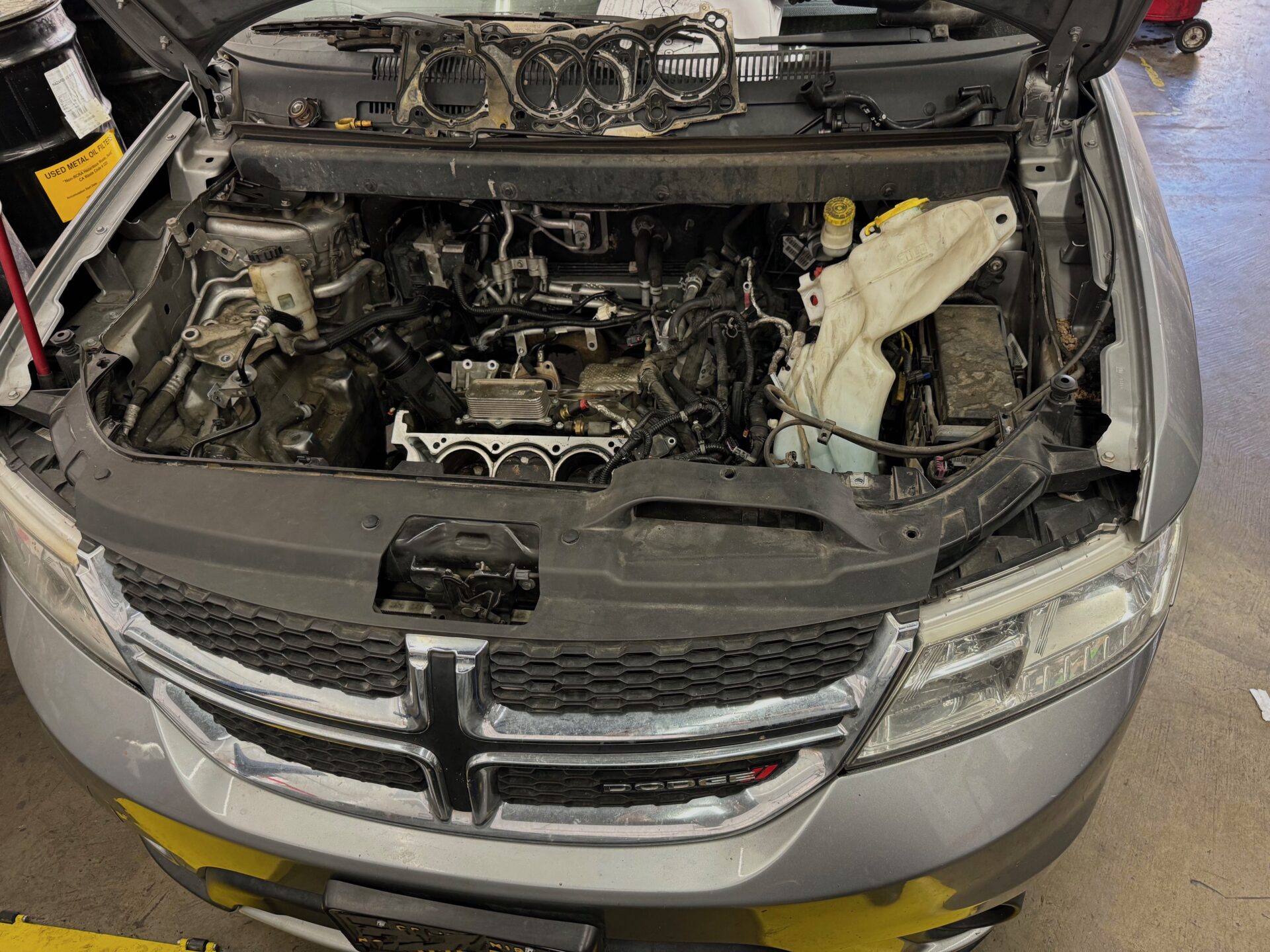
Our Best Practices for Cylinder Head Gasket Replacement
Replacing a cylinder head gasket is a careful process. This is especially true for classic vehicles where originality is key. Thus, our team at Temecula Auto Repair & Transmission follows strict procedures. We ensure that your car stays in peak condition. Here are our best practices for replacing the gasket:
1. Surface Trueness Testing
Before replacing the gasket, it is crucial to check the cylinder head and engine block for flatness. Warped surfaces can prevent the new gasket from sealing properly. As a result, this can lead to future leaks. We use precision straight edges and feeler gauges to measure the flatness of the surfaces. So, if either the cylinder head or block is not true, resurfacing may be necessary.
Resurfacing the Cylinder Head During Gasket Replacement
When replacing a cylinder head gasket, it is critical to ensure the cylinder head surface is perfectly flat or “true.” Overheating can cause the cylinder head to warp or become uneven. If the cylinder head is warped or uneven, the new gasket cannot seal effectively. Consequently, this can lead to future leaks and engine issues.
Why Resurfacing is Necessary
A warped cylinder head can prevent the head gasket from sealing the combustion chamber, oil passages, and coolant channels properly. For instance, even minor warping can cause compression loss, coolant leaks, or oil contamination. Resurfacing the cylinder head restores the flatness needed for a secure fit with the engine block. Likewise, this ensures that the new gasket performs correctly.

The Resurfacing Process
Resurfacing involves machining the cylinder head to remove a thin layer of material. This creates a perfectly flat surface. Therefore, this precision process ensures the head will fit properly with the engine block. Also, it provides a solid seal for the new gasket. After resurfacing, we check the head for cracks or damage. This serves to prevent future issues.
Resurfacing is essential to extend the life of the repair. Most importantly, it helps prevent future gasket failures. This is a key step in high-quality cylinder head gasket replacement.
2. Checking Valves and Valve Stem Seals
While the cylinder head is off, it’s an ideal time to inspect the valves. We look for signs of cracks, wear, or damage. These issues can lead to poor engine performance. Additionally, worn valve stem seals are a common source of oil leaks. Therefore, we will check them thoroughly. If we find a problem in the valve stem seals, we’ll recommend their replacement. Ensuring that the valves and seals are in good condition helps restore compression. This also prevents future leaks.
Replacing Valves or Valve Stem Seals During Cylinder Head Gasket Replacement
When replacing a cylinder head gasket, it is a good time to inspect the valves and valve stem seals. We check for leaks or wear. Leaking valves can allow oil to enter the combustion chamber. Likewise, worn valve stem seals will do the same. Consequently, this can lead to excessive oil consumption, smoking from the exhaust, and poor engine performance.
Why Replace Valves or Valve Stem Seals?
Valves control the flow of air and fuel into the engine. Additionally, they allow exhaust gases to escape. If the valves are damaged, cracked, or not seated properly, it can lead to compression loss. In turn, this reduces engine efficiency. Similarly, worn valve stem seals can allow oil to seep into the combustion chamber. As a consequence, this leads to blue exhaust smoke. Additionally, increased oil consumption occurs when oil leaks into the combustion chamber. Ignoring these issues can result in more severe engine damage over time.
The Replacement Process
At Temecula Auto Repair & Transmission, we thoroughly inspect the valves and seals during a cylinder head gasket replacement. If we find leaking or damaged valves, we replace them to restore proper engine function. Also, we replace worn valve stem seals to prevent oil leaks and improve engine performance. This process ensures the engine operates smoothly and efficiently after the gasket replacement.
Addressing valve and seal issues during head gasket replacement prevents future leaks. It improves compression. All of this helps extend the life of the engine.
3. Pressure Testing the Cylinder Head
After inspecting the cylinder head, we perform a pressure test. This test checks for cracks or leaks. It is especially important because even the smallest crack can lead to coolant loss or overheating. Therefore, if we find any defects, we will need to repair or replace the cylinder head.
Repairing or Replacing a Cracked Cylinder Head During Gasket Replacement
During a cylinder head gasket replacement, discovering a cracked cylinder head is a serious issue. It requires immediate attention. The cylinder head gasket plays a critical role in sealing the combustion chamber. It maintains compression. Additionally, it ensures the proper flow of oil and coolant. A crack in the head can lead to coolant or oil leaks. Subsequently, a crack can cause loss of compression and severe engine damage.
Why Cracked Cylinder Heads Are a Problem
A cracked cylinder head can cause various issues. These include overheating, coolant contamination with the oil, and loss of engine power due to compression loss. Most importantly, these problems can escalate quickly if not addressed. This can lead to catastrophic engine failure. In many cases, the crack allows coolant and oil to mix. This reduces lubrication. Also, it increases wear on engine components.
Repairing vs. Replacing the Cylinder Head
At Temecula Auto Repair & Transmission, we assess the severity of the cylinder head crack. This helps us determine if the cylinder head can be repaired or needs replacement. For many years, we’ve served clients in Temecula, Murrieta, Winchester, and French Valley with cylinder head repairs.
– Repairing:
In some cases, we can repair minor cracks. This is done through welding or specialized metal stitching techniques. After the repair, we pressure-test the head. This process will ensure there are no further leaks.
– Replacing:
If the crack is extensive or in a critical area, cylinder head replacement is often the safest option. A new cylinder head restores the engine’s integrity. It also prevents future issues from recurring leaks or loss of compression.
Addressing a cracked cylinder head promptly ensures long-term engine reliability. It helps prevent further damage that could lead to costly repairs later.
4. Proper Gasket Installation
When we install the new cylinder head gasket, we carefully follow the manufacturer’s torque specifications for the head bolts. Over-tightening or under-tightening the bolts can lead to gasket failure. Also, using a high-quality gasket is essential for long-lasting results.
Replacing Stretch Cylinder Head Bolts During Gasket Replacement
When replacing a cylinder head gasket, it’s essential to check the condition of the cylinder head bolts. This is especially important for stretch bolts. Stretch cylinder head bolts elongate slightly when torqued. This helps achieve the proper clamping force. While this provides a secure and even seal for the gasket, stretch bolts are for single use only.
Why Cylinder Head Stretch Bolts Need Replacement
Original engine builders torque stretch bolts to a specific yield point during installation. This elongation makes them unsuitable for reuse. Reusing stretch bolts risks improper torque. This can lead to an uneven seal of the cylinder head. As a result, potential issues may include:
– Head Gasket Failure:
If the bolts do not provide enough clamping force, the new gasket may not seal properly. This can lead to coolant or oil leaks and eventually cause gasket failure.
– Engine Damage:
An improperly secured head can cause compression leaks. It may also lead to overheating or warping of the cylinder head or engine block.
Best Practice: Always Replace Stretch Bolts
At Temecula Auto Repair & Transmission, we recommend replacing stretch cylinder head bolts with new ones during a gasket replacement. This ensures proper clamping force and a reliable seal for the new gasket. It also helps prevent future engine issues.
Replacing these bolts is a critical step for the longevity of the repair and the overall health of your engine.
Why Choose Temecula Auto Repair & Transmission for Cylinder Head Gasket Replacement?
At Temecula Auto Repair & Transmission, we specialize in precision automotive repair. We focus on heavy-line repairs, such as cylinder head gasket replacements, engine repairs, and transmission repairs. We are also passionate about classic cars. Our goal is to preserve their originality while delivering top-quality repairs.
Our team is highly experienced in cylinder head gasket replacements. We ensure that every aspect of your engine is thoroughly inspected and repaired with precision.
Proudly Serving the Communities of Temecula, Murrieta, Winchester, and French Valley
Residents of Temecula, Murrieta, Winchester, and French Valley have relied on us for years. We provide top-quality automotive repairs and services.
We also emphasize preventive maintenance and proper engine care. Regularly checking your vehicle’s cooling system can save you from expensive repairs. Avoid driving while the engine is overheating to prevent further damage.
If you suspect a blown cylinder head gasket, act quickly. Have your vehicle inspected as soon as possible. Our experts at Temecula Auto Repair & Transmission will provide a thorough diagnosis. We offer professional head gasket replacement to ensure your vehicle stays on the road for years to come.