


The Truth About Free Code Scans vs Real Diagnostics
Many drivers search for quick answers when a warning light appears. Often, they visit a parts store for a free code scan. At first, that seems helpful and convenient.
However, some drivers believe this scan equals a “free diagnosis.” Others may even get that impression from how it’s presented by the parts store. As a result, they compare it to professional diagnostic testing, for which a price is quoted at professional auto shops.
In reality, a code scan only tells part of the story. In many cases, it points in a general direction or merely gives a starting point. But, it does not confirm the real cause.
Because of that gap, many drivers replace parts unnecessarily. Consequently, costs increase, and problems remain. Fortunately, real diagnostics solve this issue. We believe education builds trust and confidence. Understanding the difference helps you make smarter decisions. At Temecula Auto Repair & Transmission, we focus on accurate answers and long-term solutions.
We’ve proudly served Temecula, Murrieta, Winchester, French Valley, and surrounding areas since 2010.
What a Free Code Scan Actually Does
A free code scan reads stored fault codes. These codes come from the vehicle’s computer. They identify systems operating outside normal limits. You can learn more about how your vehicle’s onboard diagnostics system works to better understand what those codes actually mean.
For example, a code may indicate a sensor issue. However, it does not confirm the sensor failed. Instead, it reports abnormal readings.
In simple terms, a code gives a clue. However, it does not provide a full diagnosis. That distinction matters more than most drivers realize.
What Real Diagnostics Actually Involve
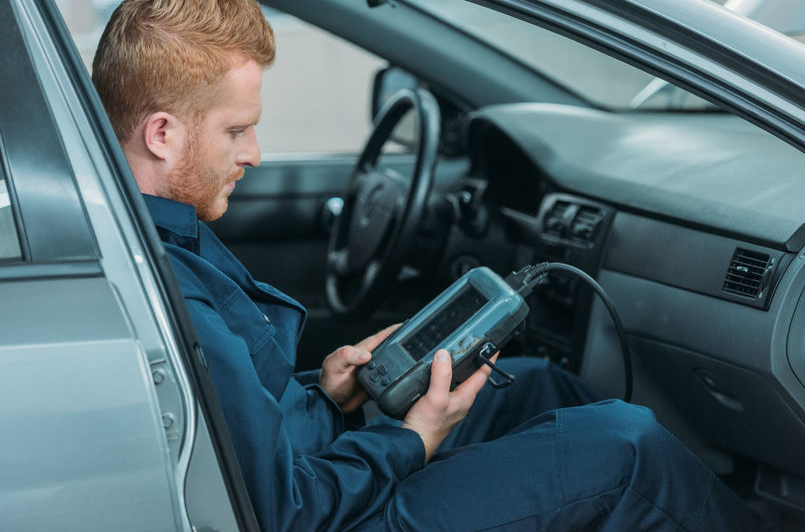
Real diagnostics go far beyond reading codes. Technicians test systems to find the root cause. Most importantly, they verify problems before recommending repairs.
For example, a technician may test wiring, voltage, and sensor signals. Also, they evaluate system performance under load. Additionally, they confirm results through multiple tests.
Because of that process, diagnostics deliver accurate answers. That accuracy prevents guesswork. It also protects your budget.
Why This Difference Matters More Today
Modern vehicles use complex systems. Computers control fuel delivery, ignition timing, and emissions. Sensors communicate constantly.
Because of that complexity, one issue can trigger multiple codes. Therefore, codes often overlap. So, this overlap creates confusion without proper testing.
Accurate diagnosis requires experience and equipment. Quick scans cannot replace that process. Therefore, understanding this difference prevents costly mistakes.
The Cost of Replacing the Wrong Part
One common consequence involves unnecessary part replacement. Drivers often replace parts based on code descriptions. However, the code may not identify the failed component.
For example, a code may reference an oxygen sensor. Many assume the sensor caused the problem. In reality, another issue may affect that reading.
Replacing the wrong part wastes money. Also, it delays the correct repair. Eventually, costs increase.
On the other hand, real diagnostics confirm the failure before parts replacement or repair. Thus, that approach saves money. Also, it prevents frustration.
The Cost of Repeat Repairs
Another consequence involves repeated repair attempts. Drivers may replace multiple parts without success. As a result, each attempt adds cost and time.
This pattern happens often with code-based repairs. Without testing, each guess risks failure. Over time, expenses grow.
Meanwhile, the original problem remains unresolved. That creates frustration and uncertainty. Confidence in the repair process decreases.
In summary, accurate diagnostics prevent repeat repairs. They identify the correct solution first. That efficiency improves results.
The Cost of Delayed Repairs
Relying on code scans can delay proper repairs. Drivers may assume the issue remains minor. However, underlying problems often worsen over time.
For example, fuel system issues may go unnoticed. Over time, engine performance declines. Consequently, damage may occur to other components, like expensive Catalytic Converters. Also, over time, unresolved issues can lead to major drivetrain problems, including transmission damage that requires extensive repair.
Thus, delayed repairs may increase overall cost. Small problems grow into larger ones. The repair scope then expands.
In short, real diagnostics identify problems early. Early action limits damage. That approach protects your investment.
The Cost of Misdiagnosed Symptoms
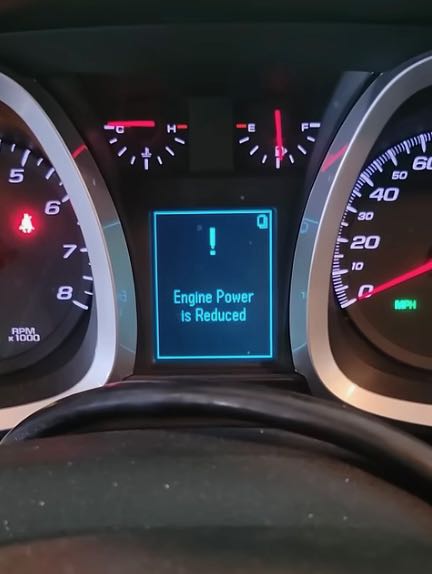
Vehicles often show symptoms unrelated to the actual cause. For example, a misfire may trigger several codes. However, the root cause may involve fuel delivery or some other misfire source.
Without testing, drivers may chase the wrong issue, based on a secondary code. They may focus on visible symptoms. Meanwhile, the real problem continues.
Misdiagnosis wastes time and money. It also increases frustration. Correct answers remain out of reach.
Professional diagnostics solve this problem. Technicians follow a structured process. They find and confirm the true cause.
The Cost of Reduced Vehicle Performance
Improper repairs often affect vehicle performance. Vehicles may continue to run poorly. Drivers may notice hesitation or rough operation.
Even after replacing parts, problems may remain. As a result, this creates confusion. Drivers expected improvement. However, without proper diagnosis, results will vary. Performance issues will persist. Driving experience suffers.
In a nutshell, accurate diagnostics restore performance. Systems will operate correctly again. Thus, drivers regain confidence.
The Cost of Overlooking Related Issues
Code scans often focus on one problem. However, vehicles may have multiple issues. Without a comprehensive diagnosis, these issues go unnoticed.
For example, worn components may affect system readings. A single repair may not solve everything. As a result, additional problems remain hidden.
Over time, these issues worsen. Repair costs increase. Unexpected failures may occur.
Comprehensive diagnostics identify all conditions that may be present. Technicians evaluate the full system vs. a single component identified by a code. That approach improves long-term results.
Why Free Code Scans Still Have Value
Free scans still provide useful information. They help identify general problem areas. They also alert drivers to potential issues.
However, they should serve as a starting point. That is to say, they do not replace professional testing. Thus, understanding their limits prevents mistakes.
Used correctly, scans support early awareness. Used alone, they create risk. Balance matters in overall repair results.
Why Real Diagnostics Increase Long-Term Savings
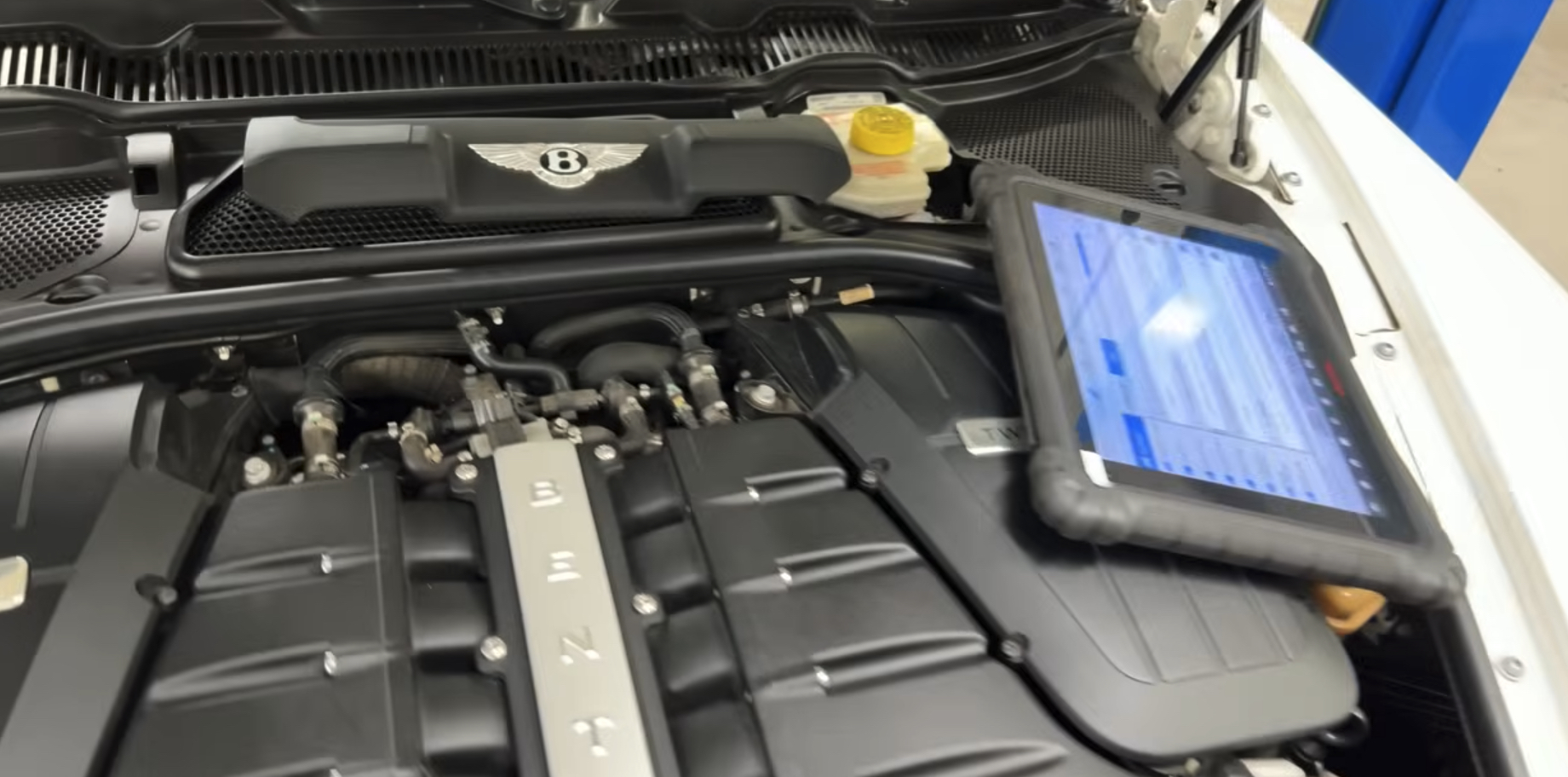
Many drivers hesitate when they hear diagnostic fees. However, diagnostics often save money overall. Accurate answers prevent unnecessary repairs.
Instead of guessing, technicians confirm the problem. That reduces parts replacement. Also, it reduces labor time. Additionally, proper repairs last longer. As a result, vehicles operate more efficiently. Also, future problems decrease.
Investing in diagnostics ultimately protects your budget. Also, it protects your vehicle. Smart decisions lead to better outcomes.
How This Approach Increases Value for Drivers
Real diagnostics deliver clarity. Drivers understand what their vehicle really needs. They avoid uncertainty.
Clear answers build trust. Clients feel confident in recommendations. That confidence improves decision-making. Additionally, accurate repairs reduce repeat visits. Time savings increase value. Convenience improves overall experience.
Education and transparency create better results. We focus on both. That approach supports long-term relationships.
Why Local Drivers Benefit Even More
Driving conditions in Southern California create added stress. Heat affects engine systems. Traffic increases wear.
Because we serve Temecula, Murrieta, Winchester, and French Valley, we understand these challenges. We tailor diagnostics to real driving conditions. As a result, this approach improves accuracy.
Local expertise matters. Proper evaluation considers environment and usage. Better data leads to better results.
What Drivers Should Do When a Warning Light Appears
Drivers should avoid guessing the cause. Instead, they should seek accurate diagnosis. Professional Testing & Evaluation provides clear answers.
Start with awareness from a code scan if needed. However, follow up with proper diagnostics. That step ensures correct repair.
In short, acting early protects your vehicle. Timely service prevents escalation. Proactive care saves money.
Schedule a professional diagnostic evaluation to get accurate answers the first time.
Final Thoughts: Information vs Answers
A free code scan provides information. However, real diagnostics provide answers. It’s important to know that a code scan is not diagnosis. That difference matters.
Choosing the right approach affects cost and results. Accurate diagnosis prevents unnecessary repairs. Also, it protects performance.
If your vehicle shows a warning light, choose clarity over guesswork. Schedule a professional diagnostic evaluation. Smart decisions lead to better outcomes.
We proudly serve Temecula, Murrieta, Winchester, French Valley, and surrounding areas. Our team focuses on accurate testing and honest advice. We help you fix the problem right the first time.
Frequently Asked Questions – FAQs
1. Is a free code scan the same as a diagnostic test?
No. A free code scan only reads fault codes from your vehicle’s computer. However, it does not confirm the actual cause of the problem. Real diagnostics include testing and verification to identify the true issue.
2. Why does a repair shop charge for diagnostics if codes are free?
A code scan provides limited information. In contrast, professional diagnostics require time, equipment, and expertise to test systems and confirm failures. This process ensures you fix the right problem the first time.
3. Can I fix my car based on the code alone?
Sometimes, but often that approach involves guesswork. Many codes point to symptoms, not failed parts. Without proper testing, you risk replacing parts that are not faulty.
4. Will paying for diagnostics actually save me money?
Yes, in most cases. Accurate diagnostics prevent unnecessary part replacements and repeat repairs. As a result, you avoid wasted money and fix the issue faster.
5. What happens if I ignore proper diagnostics and just replace parts?
You may temporarily improve symptoms, but the real problem often remains. Over time, this can lead to more repairs, higher costs, and ongoing frustration.
6. When should I choose real diagnostics instead of a code scan?
If your warning light stays on, the problem returns, or the vehicle runs poorly, you should choose diagnostics. This ensures accurate answers and a lasting repair.
