


Common Suspension Repairs and the Warning Signs Drivers Should Never Ignore
Your vehicle’s Suspension System does far more than smooth out bumps. It keeps tires planted, steering precise, and braking stable.
Because of that role, worn suspension parts affect safety, comfort, and control. However, many drivers ignore early suspension problems. As a result, small issues turn into expensive repairs.
Fortunately, knowing common failures helps you act early. Below, we explain the most common suspension repairs. We also cover why these parts fail and what symptoms drivers notice first. Most importantly, we explain when to schedule an inspection.
We proudly serve Temecula, Murrieta, Winchester, French Valley, and surrounding areas.
Why Suspension Components Wear Out Over Time
Suspension parts work every time your vehicle moves. Because of that, wear happens slowly and often quietly. Road conditions also accelerate that wear. For example, potholes strike components with sudden force.
Likewise, rough roads stress bushings and joints. Meanwhile, heat and age dry out rubber parts. Additionally, heavier vehicles create more suspension load. Similarly, aggressive driving increases component stress. Eventually, worn parts create noticeable symptoms.
Control Arms and Control Arm Bushings

Control Arms connect wheels to the frame. They control wheel movement during braking, turning, and bumps. Each Control Arm uses bushings and ball joints.
Why Control Arms Fail
Control Arm Bushings use rubber or synthetic materials. Over time, those materials crack and soften. As a result, alignment angles change.
Ball joints inside Control Arms also wear. Because they move constantly, friction causes looseness. Once play develops, handling suffers.
Failed Control Arm Symptoms Drivers Notice
First, drivers feel clunking over bumps. Next, steering may feel loose or unstable. Often, tires wear unevenly. Additionally, the vehicle may pull while driving.
In severe cases, braking feels unpredictable. Therefore, early inspection matters.
Shocks and Struts
Shocks and Struts control spring movement. They keep tires in contact with the road. Without them, vehicles bounce uncontrollably.
Why Shocks and Struts Fail
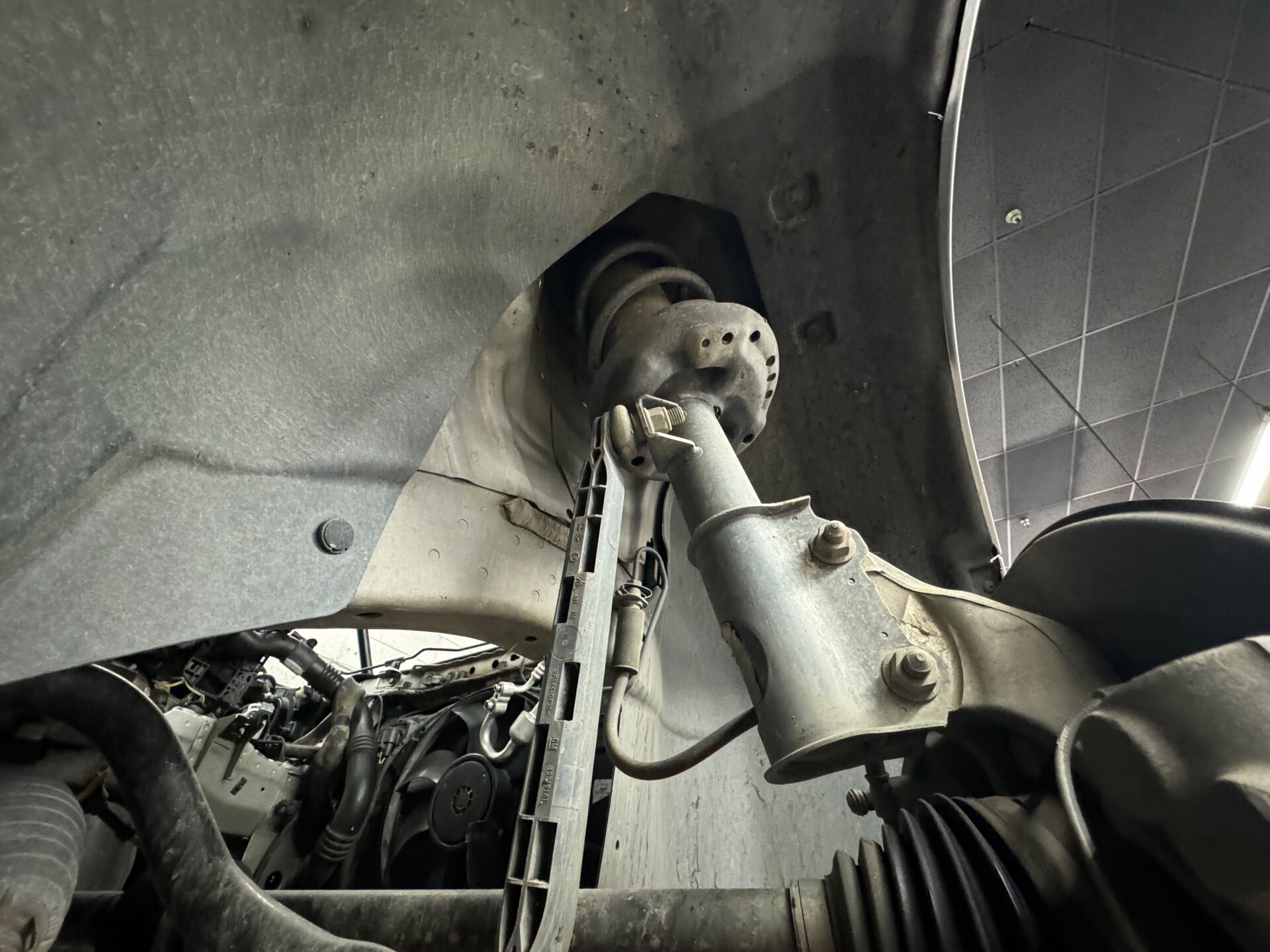
Internal seals wear with mileage. Because seals hold fluid, leaks reduce damping ability. Heat also breaks down internal oil.
Furthermore, rough roads accelerate internal wear. Meanwhile, heavy loads increase stress. Eventually, damping performance drops.
Failed Shocks or Struts Symptoms Drivers Notice
Drivers often notice excessive bouncing. Also, nose diving during braking becomes common.
Similarly, body roll increases during turns. In addition, uneven tire wear develops.
Stopping distances also increase. For safety, worn shocks or struts require prompt replacement.
Sway Bar Links and Bushings
Sway Bars reduce body roll during turns. Links connect the bar to suspension components. Bushings mount the bar to the frame.
Why Sway Bar Components Fail
Sway Bar Links contain small ball joints. Because of constant movement, those joints loosen. Bushings also wear from friction and age.
Moreover, road debris damages exposed boots. Once grease escapes, wear accelerates. Soon, noise develops.
Failed Sway Bar Links Symptoms Drivers Notice
Most drivers hear clunking on rough roads. Additionally, body roll feels worse during turns. Sometimes, steering feels less controlled.
Although vehicles still drive, stability decreases. Therefore, repairs restore handling confidence. Early replacement prevents further wear.
Ball Joints
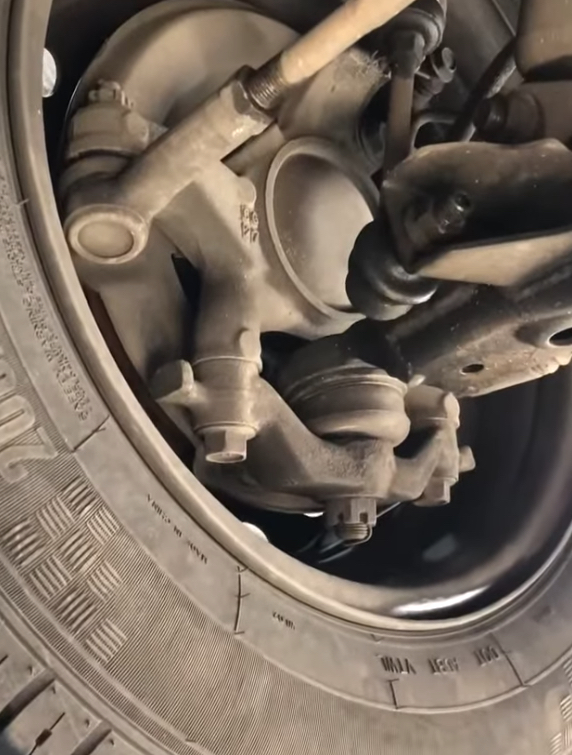
Ball Joints allow steering and suspension movement. They support vehicle weight while allowing rotation. Many modern designs integrate them into Control Arms.
Why Ball Joints Fail
Ball Joints rely on lubrication. When boots crack, grease escapes. As a result, metal surfaces grind.
Age also hardens protective boots. Meanwhile, heavy loads increase joint stress. Eventually, excessive play develops.
Failed Ball Joint Symptoms Drivers Notice
Steering may feel loose or vague. Clunking appears during turns or bumps. Tire wear patterns often change.
In advanced cases, alignment becomes impossible. Severe failure risks loss of control. Immediate inspection remains critical.
Tie Rod Ends
Tie Rod Ends connect steering components. They transmit steering input to the wheels. Both inner and outer ends wear over time.
Why Tie Rod Ends Fail
Constant steering motion creates friction. Road impacts stress threaded joints. Boot failure also accelerates wear.
Additionally, alignment problems strain Tie Rod Ends. Once looseness develops, steering precision drops. Ignoring symptoms increases repair costs.
Failed Tie Rod End Symptoms Drivers Notice
Drivers often feel steering wander. Also, vehicles may pull while driving straight. Clunking sounds appear during steering input.
Uneven tire wear also develops. Therefore, inspections protect steering safety. Early repairs prevent alignment damage.
Suspension Bushings Throughout the Vehicle
Bushings isolate vibration and noise. They sit between metal suspension components. Rubber absorbs movement and shock.
Why Suspension Bushings Fail
Rubber dries out with age. Heat and oil exposure accelerate cracking. Eventually, bushings lose flexibility.
Additionally, aggressive driving increases bushing stress. Poor roads also shorten lifespan. Once worn, noise and movement increase.
Failed Suspension Bushing Symptoms Drivers Notice
Drivers hear squeaks or creaks. Handling feels loose or imprecise. Alignment issues may appear.
Moreover, vibrations increase inside the cabin. Replacing bushings restores ride quality. Prompt service improves comfort.
Wheel Bearings and Suspension Feel
Wheel Bearings support wheel rotation. Although not suspension parts, they affect ride feel. Failures often mimic suspension issues.
Why Wheel Bearings Fail
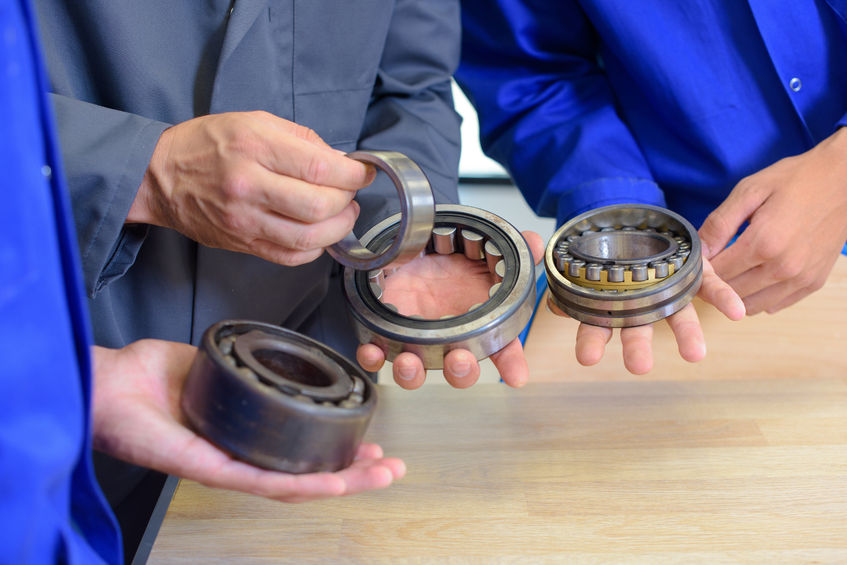
Mileage causes bearing wear. Water intrusion also damages internal surfaces. Impacts accelerate bearing fatigue.
Additionally, improper torque shortens lifespan. Once damaged, noise increases rapidly. Early detection prevents hub damage.
Failed Wheel Bearing Symptoms Drivers Notice
Humming or grinding noises appear. Sounds change with vehicle speed. Turning may affect noise intensity.
Ignoring bearings risks wheel damage. Therefore, inspections remain essential. Early repairs save money.
Why Suspension Problems Worsen Quickly
Suspension components work together. Because of that, one failure stresses others. For example, worn Struts damage tires.
Similarly, bad Control Arm Bushings affect alignment. Misalignment then accelerates tire wear.
Costs rise quickly without intervention. Regular inspections catch problems early. Preventive repairs cost far less. Safety also improves significantly.
When to Schedule a Suspension Inspection
Drivers should not wait for severe symptoms. Instead, inspections should occur with warning signs.
Mileage milestones also matter. Schedule an inspection if you notice noises. Also, inspect suspension after pothole impacts.
Uneven tire wear also signals issues. We recommend inspections before alignment services. That approach prevents wasted adjustments. It also ensures lasting results.
Why Local Driving Conditions Matter for Suspension Wear
Southern California roads vary widely. Some areas feature smooth highways. Others include rough back roads.
Heat also accelerates rubber wear. Stop-and-go traffic increases suspension stress. Local conditions shorten component lifespan.
Because we serve Temecula, Murrieta, Winchester, French Valley, we understand these factors. Our inspections account for real driving conditions. That local knowledge improves accuracy.
The Value of Preventive Suspension Repairs
Preventive repairs protect tires and steering. They also improve braking performance. Ride comfort increases noticeably.
Moreover, early repairs cost less. They also reduce roadside breakdown risk. Confidence behind the wheel improves.
Education builds trust. Prevention saves money. That combination protects drivers.
FAQs
1. What are the most common signs of suspension problems?
Common signs include clunking or knocking noises, excessive bouncing, loose or wandering steering, uneven tire wear, and increased body roll when turning.
2. How long do Control Arm Bushings, Shocks, and Struts usually last?
Most Control Arm Bushings, Shocks, and Struts last about 50,000–80,000 miles, but rough roads, heat, heavy loads, and potholes can shorten their lifespan.
3. Can bad suspension parts damage my tires?
Yes. Worn suspension components cause misalignment, which leads to uneven tire wear, reduced tread life, and premature tire replacement.
4. Should suspension repairs be done before a wheel alignment?
Yes. Worn suspension parts prevent proper alignment, so repairing them first ensures accurate and long-lasting alignment results.
5. When should I schedule a suspension inspection?
Schedule an inspection if you hear clunking noises, feel excessive bouncing, notice uneven tire wear, or hit a large pothole, ideally before symptoms worsen.
Final Thoughts: Do Not Ignore the Signs of Failed Suspension Components
Suspension problems rarely fix themselves. Instead, they worsen quietly over time. Ignoring symptoms increases risk.
Fortunately, early inspections reveal problems. Targeted repairs restore safety and comfort. Drivers regain control and peace of mind.
If your vehicle shows suspension warning signs, schedule an inspection soon. Our team proudly serves Temecula, Murrieta, Winchester, French Valley, and nearby areas. A smooth, safe ride starts with informed action.
