


The Science of Diagnosing Car Problems: What Actually Happens in a Repair Shop
Car problems rarely strike at a good time. They create stress, spark worry, and often lead to fast decisions. Many people feel tempted to approve repairs based on a guess. However, real repair shops follow a scientific process. They use tests, data, training, and tools to uncover the truth. Because of this, the best shops follow one clear rule: Test, Don’t Guess!
In this post, you will learn how technicians diagnose issues. You will also see why testing saves money, protects your vehicle, and prevents repeat problems. As you read, you will discover simple and complex steps that guide every repair.
Why Accurate Diagnosis Matters
Many drivers think diagnostics delay repairs. Yet proper testing speeds up repairs and protects your wallet. When a shop tests each system, it avoids replacing good parts. In addition, accurate diagnosis prevents mistakes in the repair plan. Because of this, the final repair brings lasting results.
Even small errors can lead to big waste. A guessed repair often fails to solve the problem. Then another guess follows. Soon, the bill grows. However, a tested repair finds the root cause and fixes it the first time. Therefore, smart drivers choose shops that promote proper diagnosis.
Step 1: Listening to the Client and the Car
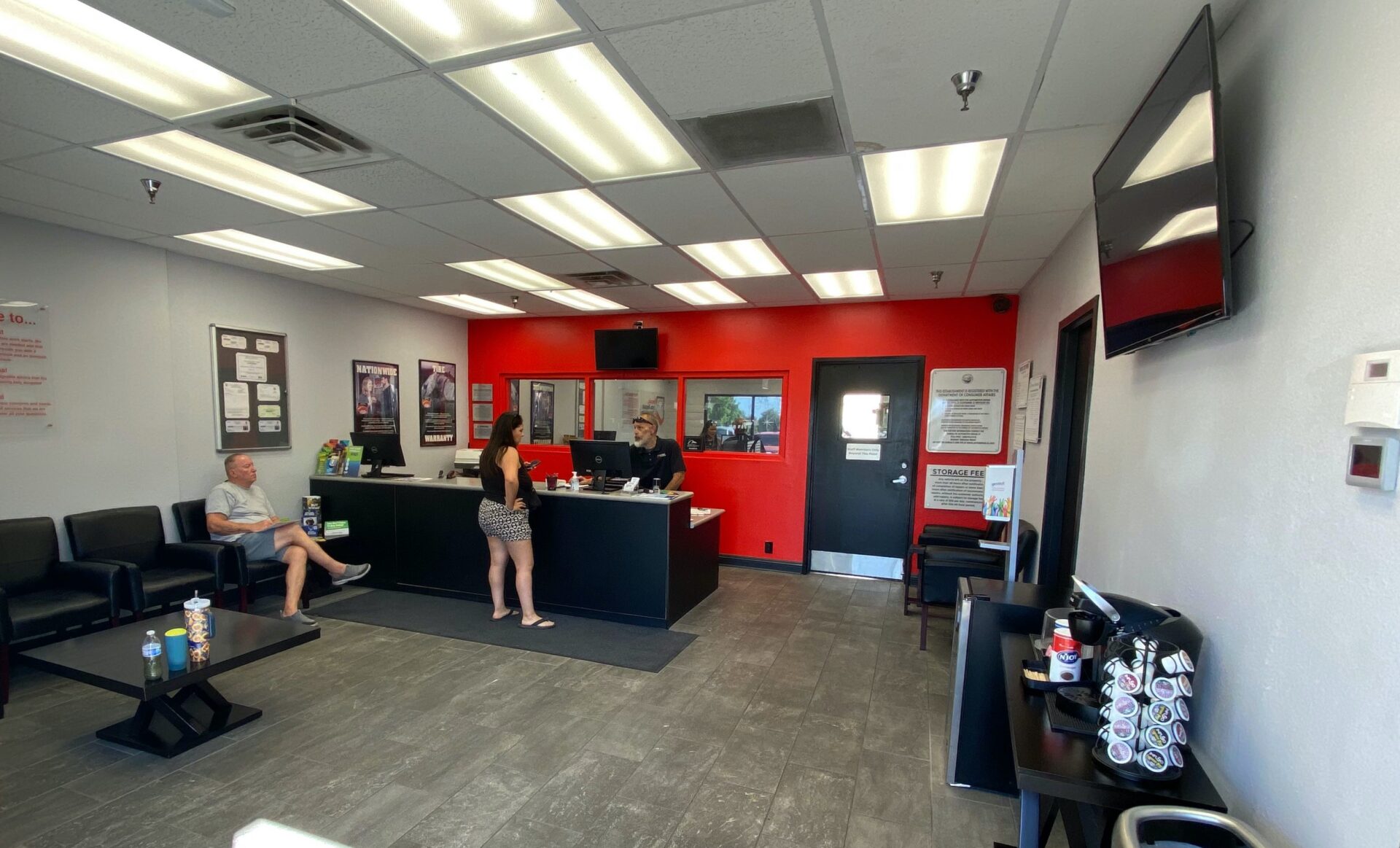
Great diagnosis begins before tools come out. A professional Service Advisor or Manager starts by asking questions. These questions guide the rest of the work. For example, a technician will need to know when the noise happens, how often the car stalls, or if the issue appeared after another repair. Because every detail helps, the first step sets the tone.
After the customer interview, the tech road-tests the car. During the drive, the tech listens, watches, and feels for clues. This step often confirms the concern. It also reveals hidden issues that may matter later. Although the test drive seems simple, it provides key data.
Step 2: Visual Checks and Basic Inspections
Once the car reaches the service bay, the technician performs a visual check. This step includes looking for leaks, loose parts, worn belts, or damaged wiring. Even small signs can reveal larger issues. Additionally, visual checks often spot problems that do not trigger warning lights.
Although this step appears simple, it forms the base of all good diagnosis. Many problems show physical clues. Because of this, the tech studies the engine bay, suspension, and undercarriage. In many cases, a sharp eye catches issues that tools later confirm.
Step 3: Using Scan Tools to Read Data
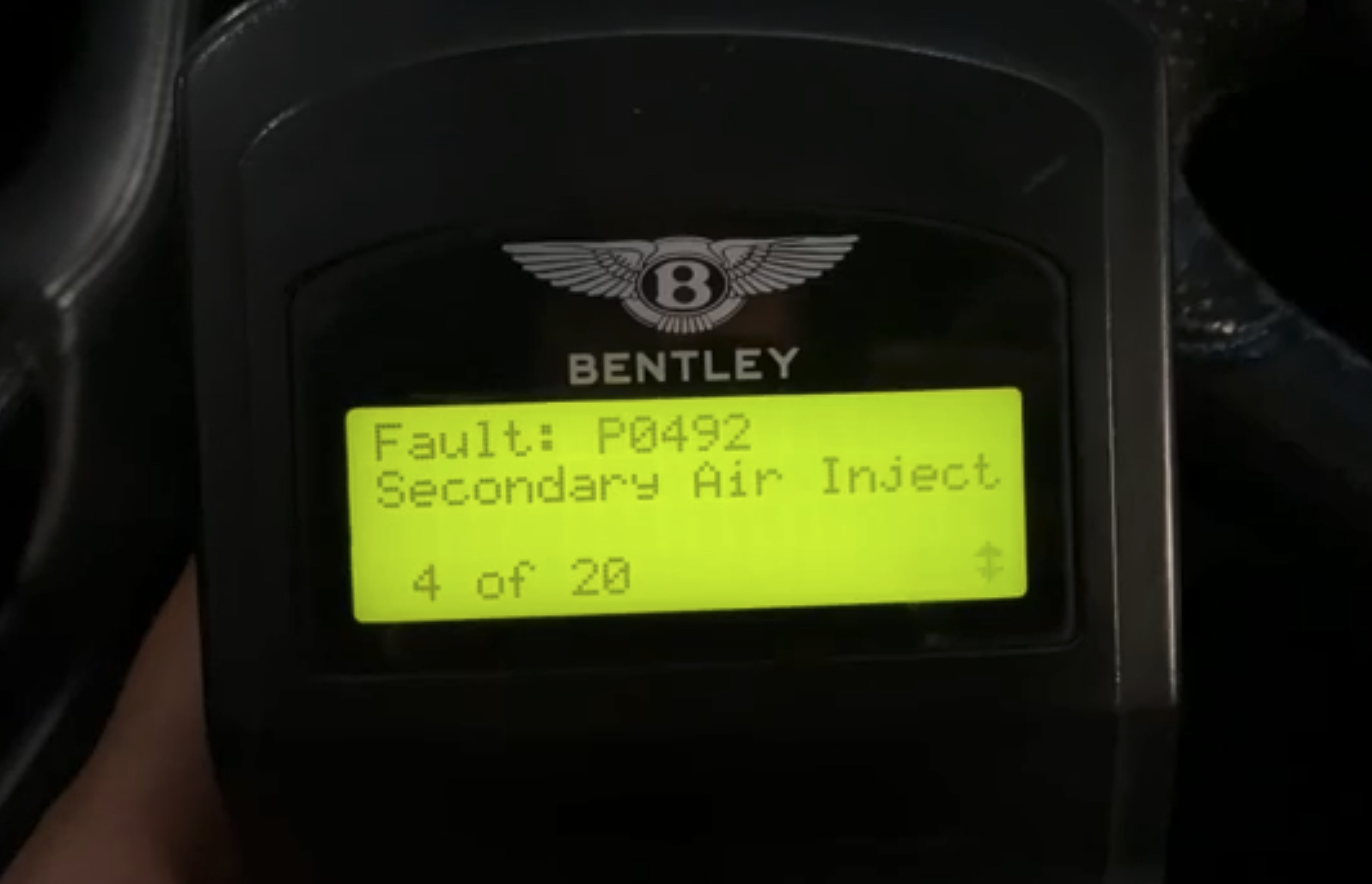
Modern cars store huge amounts of data. A scan tool reads that data. These tools reveal trouble codes, sensor values, and system reports. Although many people think trouble codes give the exact answer, they do not. Instead, codes guide the technician toward the system that needs attention.
After reading the codes, the technician checks live data. Live data shows real-time readings from sensors. Because sensors can fail or drift, these readings help pinpoint faults. For example, a technician might see a fuel trim number out of range. That clue can point to a vacuum leak or a fuel delivery issue. Therefore, scan tools turn data into direction.
Step 4: Isolating the System
Once the technician sees codes and data, the next step isolates the affected system. This step focuses only on the system with the reported fault. For example, if the engine misfires, the technician tests ignition parts, fuel parts, and air delivery parts. Although other systems may matter, the tech stays focused until the root cause appears.
During this step, the technician may use fuel pressure gauges, spark testers, smoke machines, and electrical probes. Each tool provides a piece of the puzzle. In addition, this step prevents wasted effort on unrelated systems. Because time matters, proper isolation keeps the work efficient.
Step 5: Advanced Electrical Testing
Newer cars rely heavily on electronics. Because of that, advanced testing often becomes the heart of diagnosis. Technicians use multimeters, lab scopes, and signal probes to test circuits. These tools reveal voltage drops, resistance changes, and waveform shapes. Although the details appear complex, these readings show what each component actually does.
For example, a crankshaft sensor may send a weak or distorted signal. A lab scope can reveal this instantly. Then the technician knows the sensor cannot deliver a clean signal to the engine computer. Therefore, the car may stall, hesitate, or fail to start. Through testing, the tech finds the exact cause instead of guessing.
Step 6: Mechanical Testing for Internal Problems
Some issues hide deep inside the engine or transmission. Because of this, the tech uses mechanical tests to find them. Compression tests, leak-down tests, and vacuum tests show the internal health of the engine. These tests reveal worn valves, bad piston rings, or timing issues.
Although mechanical tests take time, they prevent expensive mistakes. For example, low compression in one cylinder will not improve with new spark plugs or coils. Only proper testing finds the real failure. As a result, the tech avoids wasted money on good parts.
Step 7: Using Factory Service Information
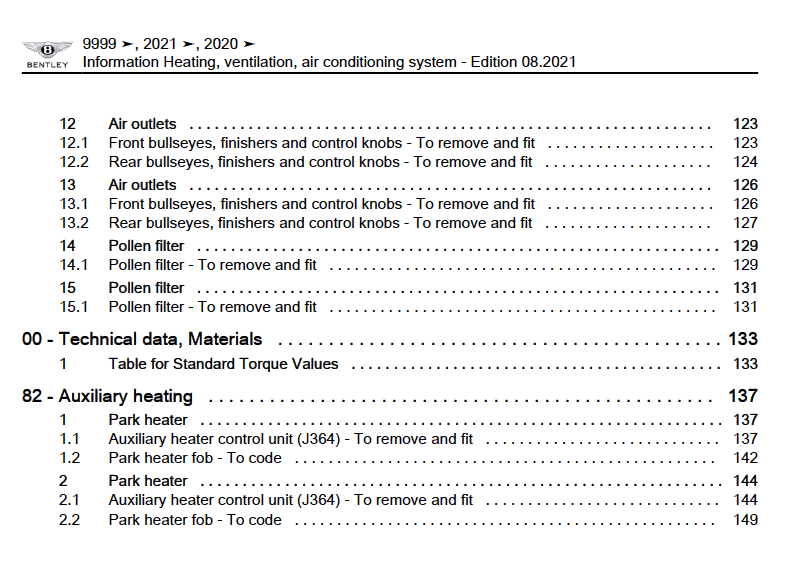
Great shops use factory service information as part of the diagnosis. This material includes wiring diagrams, pressure specs, test steps, and flow charts. Because cars change each year, this information keeps technicians on the right track.
Technicians also use repair databases that track known issues. These systems show common failures and confirmed fixes. Although each case still needs testing, these tools reduce the time spent searching. As a result, the tech reaches the correct answer faster.
Step 8: Confirming the Root Cause
After testing each part, the technician confirms the root cause. This step prevents accidental mistakes. Because many issues share symptoms, the technician verifies the failure before suggesting repairs.
For example, a car with a rough idle might show a misfire code. However, the true cause could be a vacuum leak, or a sensor fault. Proper confirmation reveals which part actually failed. Therefore, the shop avoids guesswork and protects the client’s budget.
Step 9: Reporting Findings and Explaining the Plan
Once the root cause becomes clear, the technician prepares a report. This report shows test results, pictures, data, and the recommended repair. Because transparency matters, reputable shops explain each step to the client.
Clear communication builds trust. It also helps the client understand why certain repairs matter. When clients see facts, they feel more confident. Then they approve repairs with peace of mind instead of pressure.
Step 10: Verifying the Repair
After the repair, the technician verifies the fix. This step confirms the issue is gone. The technician clears codes, checks data, and performs another road test. Because quality matters, the shop ensures the car runs as it should.
Many shops skip this step. Yet the best shops know verification protects the client. It also protects the shop’s reputation. Therefore, final testing becomes a crucial part of the process.
Why “Test, Don’t Guess!” Saves Money
Diagnosis protects your wallet. Although testing takes time, it prevents costly mistakes. Yes, sometimes the results match what someone first guessed. However, that outcome does not make the testing unnecessary. Instead, the testing acts like an insurance policy. It confirms the failure and proves the repair plan is correct. Because of that, you avoid doubt and gain peace of mind.
Even so, the opposite outcome could appear. The test results may reveal a completely different fault. When that happens, testing just saved you from wasting money on the wrong repair. Many parts seem related to a problem, yet only one part actually failed. Therefore, guessing creates a real risk. You could buy parts that do nothing to fix the issue.
Most drivers want fast answers. However, speed without testing creates trouble. Guessing may feel cheaper at first, but the gamble rarely pays off. Instead, proper testing delivers truth. A verified diagnosis stops repeat failures and protects the vehicle. Because of this, the smarter choice is clear. Test, don’t guess.
FAQs
1. Why is car diagnostic testing important?
Car diagnostic testing finds the real problem fast. Although many issues seem simple, testing prevents wrong repairs. Because of this, you save money and avoid frustration.
2. How long does a proper car diagnosis take?
Most diagnostic tests take one to two hours. However, complex problems may need more time. Even so, the extra testing protects you from repeated repairs.
3. Do Diagnostic Trouble Codes (DTCs) tell me exactly what part failed?
Trouble codes do not point to one exact part. Instead, they guide the technician toward a system. Therefore, the tech still tests each part before choosing the repair.
4. Can guessing a repair cause more damage?
Guessing often leads to wasted money and missed problems. Although it may seem faster, it increases risk. Testing first protects the vehicle every time.
5. Why do reputable repair shops say “Test, Don’t Guess!”?
Professional and reputable shops use this rule to ensure accuracy. Testing confirms the root cause and avoids wasted parts (a.k.a. money). Because of this, you get repairs that last.
Final Thoughts
Modern vehicles require careful, scientific diagnosis. Skilled technicians rely on training, experience, tools, and data. Because of this, they avoid guesswork and deliver accurate results.
When you choose a shop that values testing, you protect your wallet and your vehicle. Therefore, always look for a repair shop that follows the golden rule: Test, Don’t Guess!
If you need honest diagnostics in the Temecula or Murrieta area, visit Temecula Auto Repair & Transmission. Our team follows the “Test, Don’t Guess!” approach on every vehicle. Because of this, you get clear answers, fair repairs, and real peace of mind.
