Oxygen Sensor Replacement Near Me in Temecula and Murrieta
Modern engines rely on many sensors, yet the Oxygen Sensor stays one of the most important. Your engine depends on clean and correct air-fuel control, and the Oxygen Sensor guides that process every second your engine runs. Because this part plays such a major role, you need a shop that understands how it works and how to test it correctly. Temecula Auto Repair & Transmission offers complete Oxygen Sensor testing and replacement for all makes and models.
Although an Oxygen Sensor may look simple from the outside, it controls major engine functions. For Example, the Oxygen Sensor affects fuel efficiency, overall engine health, and vehicle emissions. Also, it influences the life of many other parts, like your Catalytic Converter. Therefore, you should understand what it does, why it fails, and how our team diagnoses it the right way.
What an Oxygen Sensor Does
The primary function of an Oxygen Sensor is to measures the oxygen level coming through the exhaust. However, the reason behind that job reaches far deeper. Your engine burns a mix of air and fuel. Although the ideal mix stays close to 14.7 parts air for one part fuel, that balance changes while you drive. Also, heat, load, altitude, throttle input, and many other factors create different needs. Because engines must adjust quickly, the car’s computer reads the Oxygen Sensor many times per second.
Although the sensor looks small, the data it sends shapes almost every part of engine performance. Moreover, the readings help the computer decide how much fuel to inject. Therefore, the engine depends on this sensor for clean and efficient operation. Because older engines lacked this precision, they wasted fuel and produced high emissions. Modern engines avoid that problem with fast and accurate Oxygen Sensors.
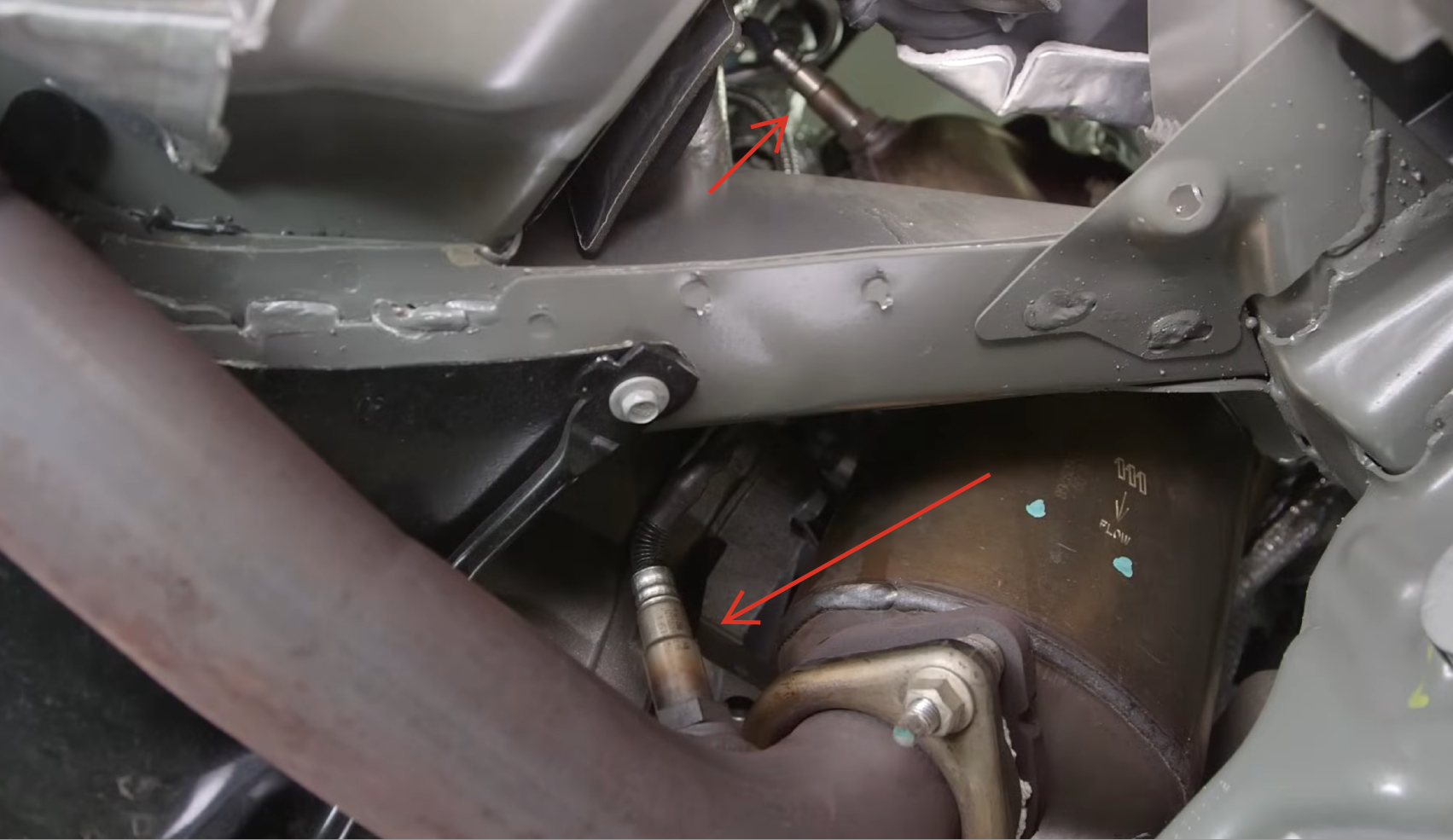
Although many engines once used a single sensor, most systems today use two or four. The upstream sensor sits before the catalytic converter. Also, the downstream sensor sits after it. Since each sensor reads different things, each plays a different role. The upstream sensor guides fuel control. The downstream sensor monitors catalytic converter performance. Because both sensors matter, a problem with either one triggers a check engine light.
How an Oxygen Sensor Works
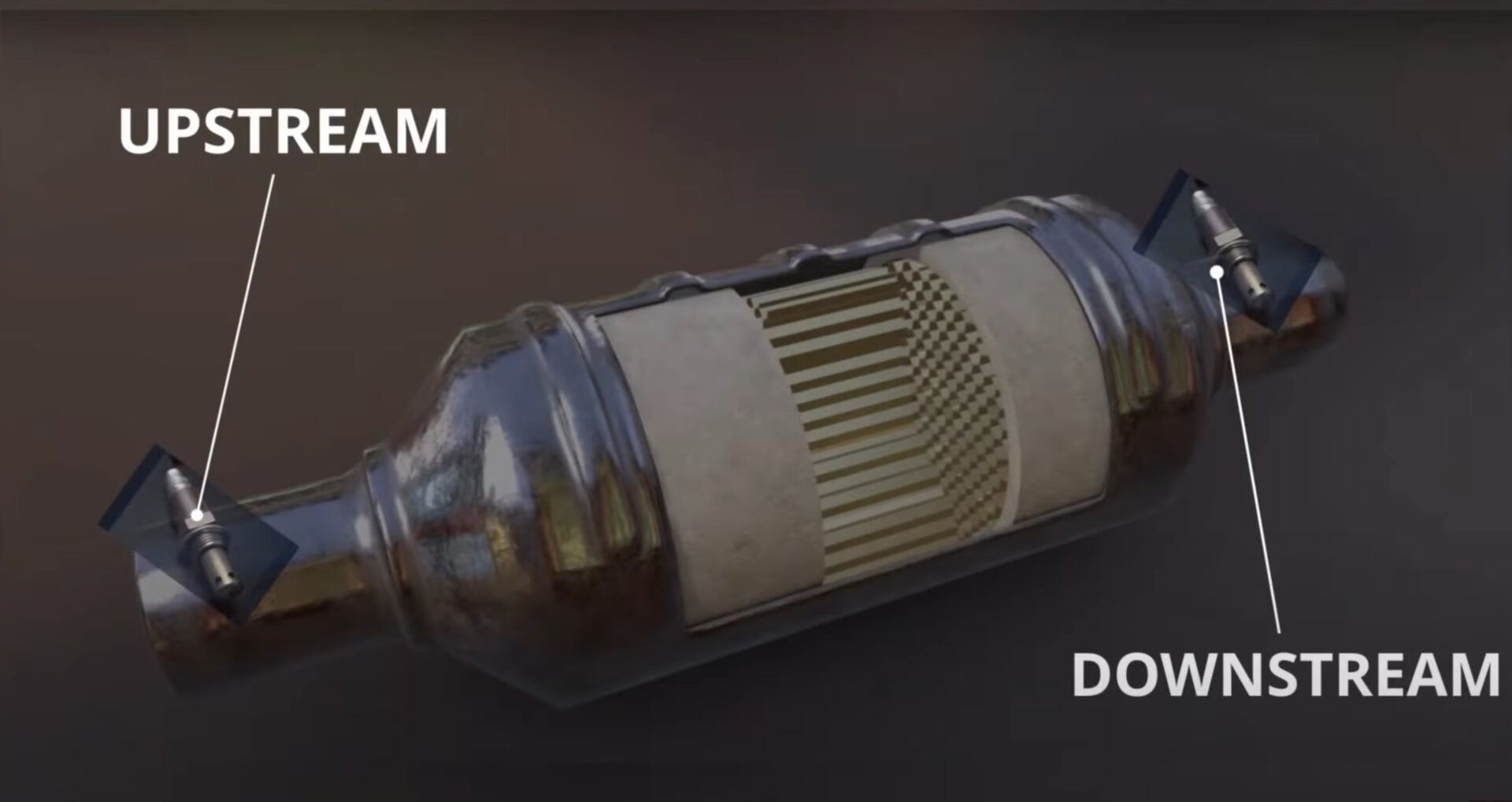
The Oxygen Sensor uses a special ceramic element coated with zirconia. Although the part stays sealed inside a metal shell, the tip sits directly in the exhaust stream. Also, the inside of the sensor compares outside oxygen with exhaust oxygen. Because those levels change during engine operation, the sensor generates a voltage. That voltage changes based on how rich or lean the engine runs.
Although the process seems complex, the output acts in a very simple way. A high voltage reading means the exhaust has less oxygen, so the mix runs rich. A low voltage reading means more oxygen, so the mix runs lean. Because the engine wants a balanced mix, the computer constantly adjusts fuel flow to match what the sensor reports. Also, the engine depends on the upstream sensor for the fastest feedback.
However, heated Oxygen Sensors work even better. These sensors use an internal heater that warms them quickly. Since sensors need high heat to operate, the heater allows fast response during cold starts. Because cold engines run rich, the heater helps cut emissions quickly. Also, it helps fuel control settle faster, which saves gas and improves drivability.
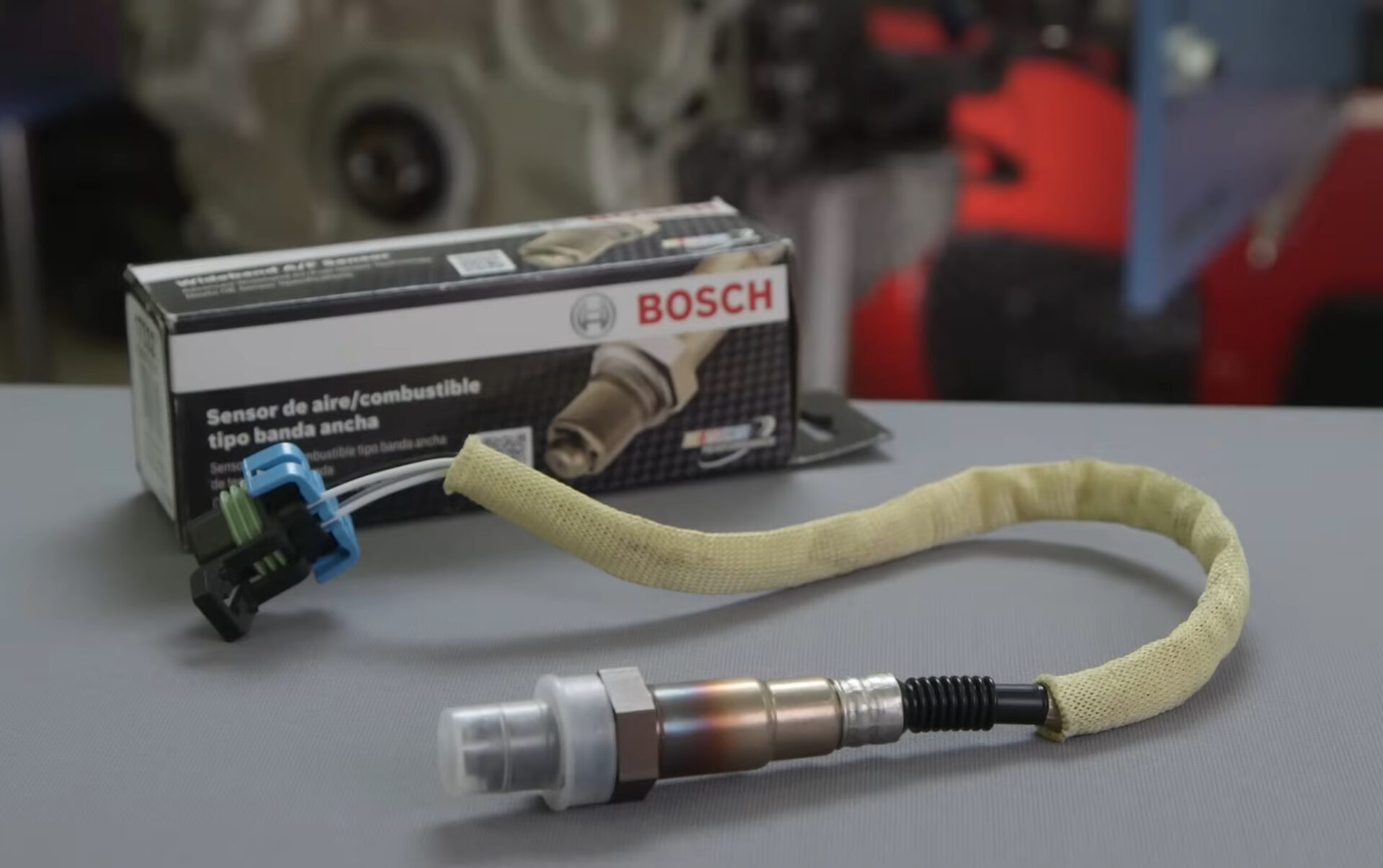
Although older sensors switched slowly, modern sensors respond very fast. Moreover, many engines use wide-band Oxygen Sensors, which read a broader range of mixtures. Because these sensors produce more detailed data, they support cleaner and more efficient engines.
Why Oxygen Sensors Fail
Oxygen Sensors endure extreme heat, constant exhaust flow, and chemical exposure. Because of that tough environment, they wear out over time. Also, other engine problems can damage them early. Therefore, you should know the most common causes of failure.
Heat Stress
Oxygen Sensors sit in the exhaust stream, so they face high heat. Also, continuous heat cycles weaken internal parts. Because of this constant stress, sensors lose accuracy as they age.
Contamination
Engine oil, coolant, dirt, silicone, and fuel additives can contaminate the sensor. Although the sensor sits inside metal, the tip still absorbs chemicals from the exhaust. Also, contamination coats the sensing element. Because the sensor needs a clean surface to measure oxygen levels, any buildup reduces accuracy.
Exhaust Leaks
Exhaust leaks let extra oxygen enter the exhaust stream. Although the sensor itself may still work, the readings become inaccurate. Also, the computer reacts to these false readings, which creates poor engine performance.
Electrical Issues
Broken wires, poor connections, or corrosion affect sensor signals. Since the sensor sends voltage data, it needs good wiring. Also, heated sensors rely on the heater circuit. Because any break in that circuit slows warm-up, the system sets a fault code.
Mileage and Age
Most Oxygen Sensors wear out between 60,000 and 100,000 miles. Although some last longer, their accuracy drops with age. Because modern engines depend on fast and correct data, even small errors cause issues.
Symptoms of a Failing Oxygen Sensor
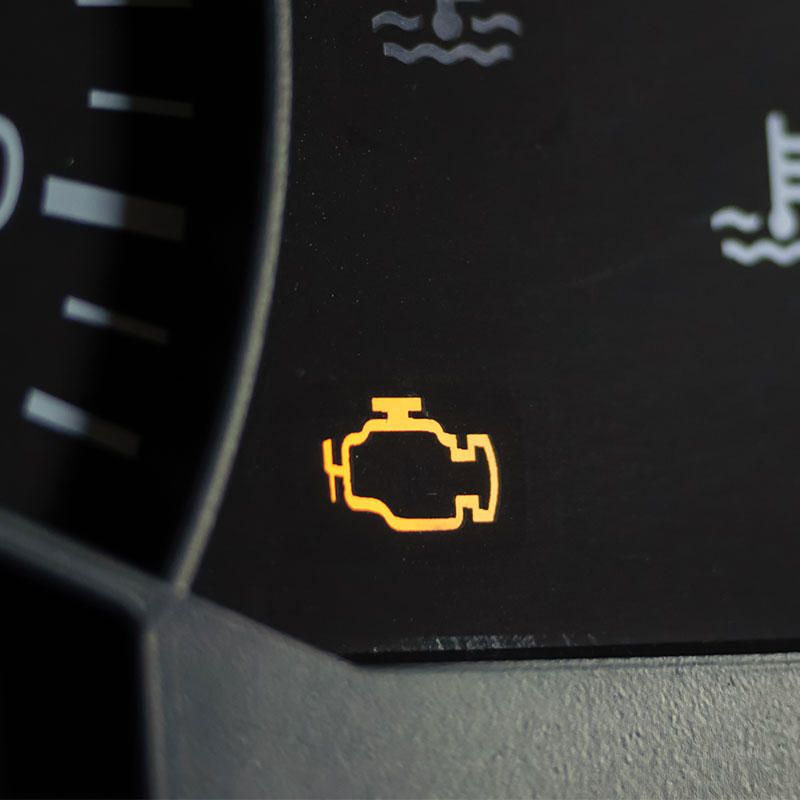
A bad or weak Oxygen Sensor causes many problems. Because the sensor guides fuel control, any failure creates changes you can feel while driving.
Check Engine Light
Most drivers first notice the Check Engine Light. Although many things trigger that light, Oxygen Sensor faults rank among the most common. Also, downstream sensor issues often trigger codes related to the catalytic converter. Nonetheless, the real cause may still be the Oxygen Sensor.
Poor Fuel Economy
Since the computer depends on correct readings, a weak sensor can force the engine to run rich. Also, running rich burns more fuel. Because of that, you may visit the gas pump more often.
Rough Idle
Bad readings cause unstable fuel trims. Although the engine may still run, the idle often becomes rough or uneven. Also, the engine may hesitate when you step on the gas.
Failed Emissions Test
Oxygen Sensors control emissions. If a bad sensor misreport oxygen levels, the engine’s exhaust may not be clean. Also, the catalytic converter cannot work correctly without good data. Therefore, emissions tests often fail when sensors weaken.
Hard Starts
Incorrect readings cause rich cold starts. Also, a sensor that fails to heat up delays fuel control. Because starting needs correct mixture control, any delay affects the way the engine starts.
Black Exhaust Smoke
Rich mixtures produce soot and smoke. Although this symptom appears less often on modern engines, it still happens when sensors fail badly. Also, long-term rich running can harm the catalytic converter.
Engine Surging
Engines surge when fuel trims swing between rich and lean. Although drivers often think this means a fuel pump issue, the Oxygen Sensor remains a common cause. Also, the surge can appear at steady speeds.
Why Proper Oxygen Sensor Diagnosis Matters
Many parts share similar symptoms. Because of that overlap, incorrect diagnosis leads to wasted money and repeat problems. Also, the computer may set Oxygen Sensor codes even when the sensor still works. For example, vacuum leaks, misfires, exhaust leaks, wiring faults, or fuel issues can trick the computer. Therefore, you need a shop like ours that always takes the right approach and has the necessary tools.
Here at Temecula Auto Repair & Transmission we use advanced testing methods. Also, our team checks live data, fuel trims, wiring, voltage sweep, heater function, and exhaust conditions. Because we confirm the root cause before replacing parts, you receive accurate repairs, not guesses. Moreover, we test related systems to ensure the sensor did not fail due to another issue.
Oxygen Sensor Replacement for All Makes and Models
Our team performs Oxygen Sensor replacements with precision and care. Also, we always utilize high-quality parts that meet or exceed OEM specifications. Because the threads on exhaust components can seize, we use proper tools and anti-seize where needed. Moreover, we confirm sensor operation with post-repair tests.
Although some shops replace sensors based only on codes, we verify everything. Also, we’ll clear codes, reset fuel trims, and confirm readiness of the OBDII monitors to confirm the final repair. Because your engine depends on correct data, we make sure the repair solves the problem.
Why Local Drivers Trust Us
Temecula Auto Repair & Transmission proudly serves the Temecula, Murrieta, Winchester, French Valley communities. Moreover, our team offers complete fuel system service, electrical repair, diagnostics, maintenance, and emissions-related repairs. Therefore, you can bring any vehicle to us with confidence.
Although many shops guess at problems, we rely on accurate tests. Also, we explain every finding in clear and simple language. Because we value honesty and transparency, clients trust our recommendations. Moreover, we treat every vehicle as if it were our own.
Choose Temecula Auto Repair & Transmission for Oxygen Sensor Service
Because your vehicle deserves the best care, you need experts who understand how modern emissions systems and engines work. Temecula Auto Repair & Transmission offers expert diagnostics and quality Oxygen Sensor replacement for all makes and models. Also, we help protect your fuel economy, engine health, and emissions system. Moreover, we provide reliable service backed by years of experience in the Temecula Valley. Book your reservation today!