
How Often Should You Really Change Your Oil? Why More Frequent Oil Changes Still Make Sense
At Temecula Auto Repair & Transmission, we get this question all the time: “Do I really need to change my oil every 5,000 miles?” or “Can I really go as long between oil changes as what’s in my manual?” With advances in engine technology and oil formulations, the answer to these questions has become more complicated – but also more important.
While some vehicle manufacturers now claim their vehicles can go 10,000, 15,000, and even as extreme as 20,000 miles between oil changes, we believe this is pushing the limits, especially if you care about engine longevity, and catching other issues early.
We’ll start by unpacking the key differences between the most common types of motor oils. Then we’ll explore why sticking to more frequent oil changes remains the smartest choice for most drivers.
The Four Main Types of Motor Oil
1. Conventional Oil
- Derived and made directly from crude oil.
- Lowest cost option, but it breaks down faster under heat and stress.
- Recommended for older vehicles or very light-duty driving.
- To protect your engine and avoid costly repairs, we suggest changing conventional oil at the more frequent interval, either every 3,000 ~ 4,000 miles or as advised by your vehicle’s manufacturer, whichever comes first.
2. Synthetic Blend Oil
- A mix of conventional oil and synthetic additives.
- Offers better performance and protection than conventional oil.
- A popular option for many modern engines.
- To protect your engine and avoid costly repairs, we suggest changing synthetic blend oil at the more frequent interval, either every 4,000 ~ 6,000 miles or as recommended by your vehicle’s manufacturer, whichever comes first.
3. Full Synthetic Oil
- Starts from crude but is engineered for maximum performance, high temperatures, and cleanliness.
- Enhanced cold-start performance, improved resistance to sludge formation, and reliable protection for high-performance turbocharged engines.
- Often advertised as good for 7,500 ~ 10,000-mile intervals or even longer, but caution is highly advised.
- To protect your engine and avoid costly repairs, we suggest changing full synthetic oil at the more frequent interval, either every 5,000 ~ 7,500 miles or as recommended by your vehicle’s manufacturer, whichever comes first.
4. High-Mileage Full Synthetic
- Designed for vehicles with over 75,000 miles.
- This oil contains specialized additives that condition and protect engine seals, helping to prevent leaks and reduce overall oil consumption, which is especially important in older or high-mileage engines.
- It slows down wear and keeps aging engines running stronger for longer.
- To protect your engine and avoid costly repairs, we suggest changing high-mileage synthetic oil at the more frequent interval, either every 5,000 ~ 6,000 miles or as recommended by your vehicle’s manufacturer, whichever comes first.
Important Note Regarding Oil Type:
At Temecula Auto Repair & Transmission, we always insist on following your vehicle manufacturer’s prescription for the type and weight of oil – whether that’s 0W-20 Full Synthetic, 5W-30 Synthetic Blend, or something more specific. Using the wrong oil can hurt fuel economy, reduce engine performance, lead to long-term engine damage, and may even void your warranty.
The Truth Behind “Extended” Oil Change Intervals
In recent years, automakers and oil companies have promoted extended oil change intervals as a selling point, often recommending changes every 10,000, 15,000 miles – or even longer intervals between oil changes. This sounds appealing: fewer trips to the shop, lower maintenance costs, and a modern synthetic oil that supposedly “lasts longer.” But there’s more to the story than what’s advertised in glossy brochures or dealership service guides.
Why the Longer Oil Change Intervals?
From a marketing standpoint, longer oil change intervals reduce the projected “cost of ownership” during the warranty period. This metric helps car manufacturers appeal to consumers by suggesting fewer maintenance needs, which looks great when you’re comparing one vehicle to another during the vehicle buying decision. But these figures are often based on idealistic driving conditions, something very few people actually experience.
The Reality of Real-World Driving
The “severe service” conditions listed in your owner’s manual aren’t rare. They’re everyday driving for most people. These include:
- Frequent short trips where the engine doesn’t have time to fully warm up to its optimal operating temperature
- Stop-and-go traffic and frequent engine idling
- Extreme hot or cold ambient temperatures
- Carrying heavy loads or towing trailers
- Driving in dusty or polluted environments
In real-world driving conditions, oil breaks down much faster than it does in the controlled settings used for manufacturer testing. Moisture, carbon from fuel combustion, and other contaminants build up in the oil faster, making it less effective at lubricating and protecting your engine.
The Hidden Costs of Stretching Oil Life
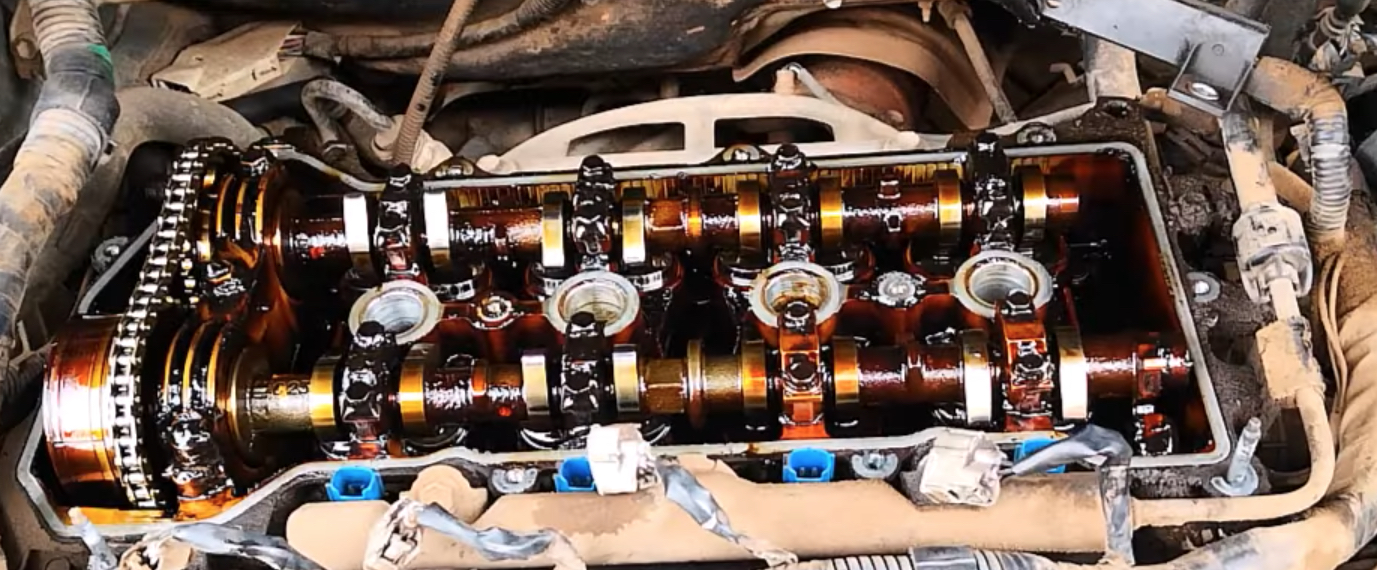
Although modern synthetic oils are more resilient than conventional blends, they’re not indestructible. Going longer between oil changes can lead to:
- Sludge buildup: Gummy and hardened oil deposits that clog engine passages and reduce lubrication.
- Oil breakdown: As time passes, oil gradually loses its thickness and its effectiveness in preventing metal components from grinding against each other.
- Increased wear: Critical parts such as camshafts, bearings, and turbochargers can suffer premature damage when the oil isn’t performing at peak.
- Increased repair costs: A few hundred dollars saved on skipped oil changes can easily turn into thousands in engine repairs or replacements, once out of warranty, and it’s too late.
Post-Warranty Pitfalls
It’s no coincidence that many engine issues begin to surface after warranty coverage ends. By then, any damage caused by extended oil-change intervals may already be baked in. You’re left footing the bill for problems that could’ve been avoided with more routine maintenance.
A Smarter Oil Change Strategy
So, what’s the best approach? For better protection, it’s best to follow the “severe service” schedule found in your owner’s manual. This usually means changing oil around 3,000 to 4,000 miles for Conventional Oil or Synthetic Blend. If your vehicle is running synthetic oil, that’s great, but don’t let it lull you into a false sense of security. We suggest changing Full Synthetic oil between 5,000 ~ 6,000 miles, but certainly not going longer than 7,500 miles between changes. Think of more frequent oil changes as low-cost insurance that keeps your engine running strong for a long time to come. Spacing out oil change intervals too far apart can lead to:
- Premature timing chain wear and noise
- Oil starvation and low oil pressure
- Excessive carbon deposits that reduce your oil’s effectiveness
- Sludge and varnish buildup that’s damaging to your engine over time
- Shortened engine life
Frequent Oil Changes Help You Catch Other Problems Early
There’s another huge reason we advocate for regular oil changes: the full-vehicle inspection that comes with it.
When you bring your car in for routine service, we’re not just changing your oil. We’re also checking:
- Checking tire condition and rotating them regularly to get the most life out of your tires
- Brake pad thickness and rotor wear
- Vital system fluids, such as brake fluid for safe stopping, transmission fluid for smooth shifting, coolant to regulate engine temperature, and power steering fluid for easy steering, all should be checked and maintained regularly
- Belts, hoses, and leaks
- Battery health
- Suspension and steering components
If you go 10,000+ miles between visits, you’re missing two or three opportunities a year for trained eyes to spot developing issues, often before these potential issues turn into expensive repairs or safety concerns.
Our Bottom Line: More Frequent Oil Changes = Smarter Maintenance
Here’s what we recommend to our customers in the Temecula, and Murrieta areas:
- Stick to every 3,000 ~ 4,000 miles for conventional oil.
- For synthetics, don’t exceed 6,000 ~ 7,500 miles, even if your owner’s manual says more.
- If you do a lot of short trips or drive in extreme conditions, play it safe with even shorter intervals.
- Always use the oil type and weight specified by your vehicle’s manufacturer to ensure peak performance and reliability.
- Use oil changes as an opportunity for a comprehensive checkup, just as you would with your own health.
The price of an oil change is a cheap insurance policy compared to the cost of an engine replacement, which can be $6,000 or more.
Need Honest Advice? We’re Here to Help.
Whether you drive a newer luxury car or an older high-mileage classic, we’ll help you identify the right oil, suggest the best change interval, and give your car a full inspection to keep it running great.
Schedule your next oil change online or Call us today. Let’s keep your car reliable, efficient, and safe mile after mile.
