
If you’ve ever felt your car shake when you apply the brakes, you’re not alone. This common issue can be unsettling. However, it’s often a sign of underlying problems that need attention. Thus, understanding the reasons behind this shaking can help you address the issue before it leads to more serious damage. Here are the most common reasons your car might be shaking when you’re braking.
1. Warped Brake Rotors
Warped brake rotors are one of the primary causes of shaking while braking. These metal discs attach to the wheel hubs. When you press the brake pedal, the brake pads clamp down on these rotors to slow or stop your vehicle. Over time, factors such as excessive heat, aggressive braking, and prolonged use can cause the brake rotors to warp.

Consequently, this warping leads to an uneven surface, preventing consistent contact between the brake pads and rotors. As a result, the braking force becomes inconsistent, creating noticeable vibrations. Consequently, you may feel the vibration in the steering wheel, brake pedal, or even throughout the vehicle. If left unaddressed, warped rotors can compromise braking performance and reduce stopping power. Regular inspections and timely rotor resurfacing or replacement can help maintain smooth and safe braking.
2. Worn or Uneven Brake Pads
Furthermore, brake pads naturally wear down over time due to friction against the brake rotors. However, if they wear unevenly, it can result in vibrations or shaking when you apply the brakes. For instance, issues like misalignment, sticking calipers, or poor-quality materials will cause uneven wear that results in shaking. You’ll typically feel this shaking in the steering wheel or brake pedal, and it can worsen over time if you don’t address it.
Additionally, low-quality or old brake pads can develop hard spots, which are areas of the pad that become excessively hardened due to heat buildup. As a result, these hard spots create an inconsistent contact surface against the rotor, leading to pulsations when braking. Contaminants such as oil, grease, or road debris can also embed into the brake pad material. As result, this reduces its ability to grip the rotor effectively. Consequently, this contamination can cause a spongy or unpredictable braking feel, making it harder to stop smoothly and safely.
Regular brake inspections and using high-quality brake pads can help prevent these issues, ensuring even wear and consistent braking performance.

3. Sticking Brake Calipers
Next, brake calipers play a crucial role in the braking system. Brake calipers house the pistons that press the brake pads against the rotors. When working properly, the calipers smoothly engage and release the brake pads as you apply and release pressure on the brake pedal.
However, if a caliper gets stuck, it keeps one or both brake pads constantly pressing against the rotor. This continuous friction generates excessive heat. Consequently, this heat can lead to brake fade (a reduction in braking effectiveness), warping of the rotors, and uneven brake pad wear. Over time, this can cause vibrations and shaking, particularly when braking at higher speeds or on downhill slopes.
In addition to shaking, a stuck caliper may produce other warning signs. For example, a burning smell caused by overheating brake components, a noticeable pulling to one side when braking, or reduced overall braking performance may occur. In severe cases, you might even see smoke coming from the affected wheel. Thus, ignoring a faulty caliper can lead to more extensive damage, including rotor damage and potential brake failure.
Regular brake system inspections and maintenance, can help prevent caliper-related issues and ensure smooth, reliable braking performance. For instance, lubricating slide pins and replacing worn seals can prevent more severe braking issues.
4. Suspension or Steering Issues
Sometimes, issues with the suspension or steering system, not the brakes themselves, cause braking-related shaking. These components play a critical role in maintaining stability and control, especially when braking. When they become worn or damaged, they can lead to vibrations that may be mistaken for brake problems.
For example, tie rods, which connect the steering system to the wheels, help maintain proper wheel alignment and steering responsiveness. A worn-out or loose tie rod causes excessive play in the steering. Consequently, this play leads to vibrations that may become more pronounced when braking.

Similarly, ball joints, which allow for smooth movement between the suspension and wheels, can wear out. Consequently, if they become loose or develop excessive play, they can cause an unstable or shaky feeling when braking.
Wheel bearings are another potential culprit. These bearings enable the wheels to rotate smoothly with minimal friction. When they wear out or become damaged, they can cause a humming or grinding noise along with noticeable vibrations. You can feel these vibrations in the steering wheel. For example, vibrations may seem more apparent when braking due to the added stress placed on the wheel assembly.
Since these suspension and steering issues can mimic brake-related shaking, it’s important to have a thorough inspection if you experience vibrations when stopping. That is to say, ignoring worn suspension components can lead to further damage, reduced vehicle control, and unsafe driving conditions.
5. Tire Problems
Additionally, unevenly worn tires, imbalanced wheels, or even loose lug nuts can all contribute to a shaky or unstable feeling when braking. While these issues may not be directly related to the braking system, they can significantly affect how the vehicle responds when you slow down.
Uneven tread wear can develop due to improper inflation, misaligned wheels, or worn suspension components. Therefore, if one or more tires have inconsistent wear patterns, such as cupping, feathering, or bald spots, it can cause vibrations that become more noticeable at certain speeds or when braking. Since braking shifts the vehicle’s weight forward, the contact between the tires and the road changes, amplifying any irregularities in the tread.
Wheel imbalance is another common cause of shaking, especially at higher speeds. An improperly balanced wheel creates a wobbling effect that may feel like brake-related vibrations. The shaking can intensify when braking as the force of deceleration accentuates any imbalance. Therefore, balancing the wheels ensures even weight distribution, which helps provide a smooth ride and more controlled braking.
Loose or improperly torqued lug nuts can also lead to a shaky sensation when braking. Loose lug nuts prevent the wheel from sitting flush against the hub, causing vibrations or an unstable feeling while driving. This can become especially dangerous, as it increases the risk of the wheel detaching from the vehicle. Checking and properly torquing the lug nuts can help prevent this issue.
To avoid these problems, it’s important to maintain proper tire pressure, rotate tires regularly, ensure proper wheel alignment, and have wheels balanced as needed. These simple maintenance steps can help ensure a smoother ride and more consistent braking performance.
6. Wheel Alignment Issues
Next, misaligned wheels do not directly cause vibrations when braking, but they can contribute to issues that make braking feel rough or unsteady. When your wheels are out of alignment, they do not point straight ahead as they should, which means your tires make inconsistent contact with the road. This can lead to uneven tire wear, reduced traction, and added stress on suspension and braking components.
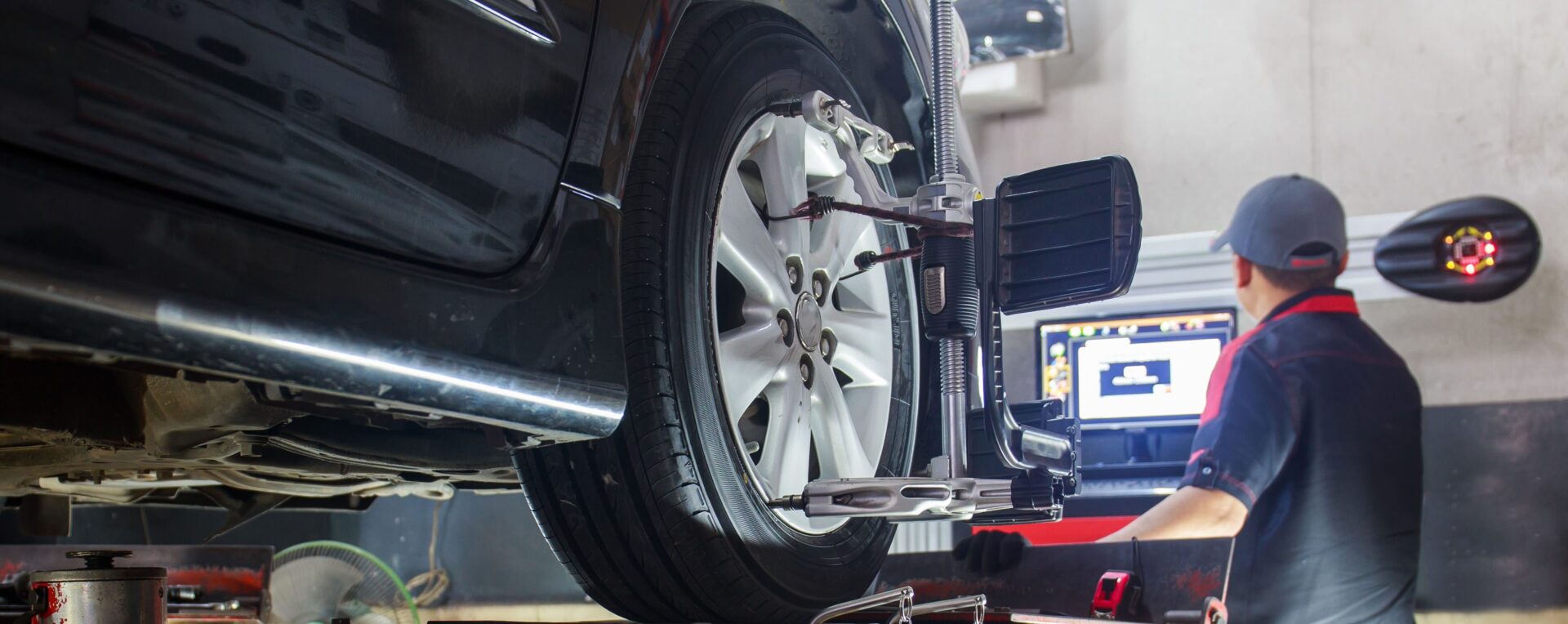
Over time, this misalignment can cause uneven braking pressure. Since the tires are not rolling evenly, the brake pads and rotors may experience different levels of force when you apply the brakes. This imbalance can result in one side of the vehicle slowing down more than the other, leading to a pulling sensation when braking. In extreme cases, the added strain on the braking system can also contribute to brake components wearing out faster, increasing the risk of warped rotors or uneven brake pad wear—both of which can create vibrations when stopping.
Additionally, misaligned wheels can cause subtle handling issues, making it harder to keep the car steady under braking. If the steering components are under stress due to prolonged misalignment, they may develop excessive play or wear, which can amplify vibrations felt in the steering wheel when decelerating.
If you notice your car pulling to one side or experiencing abnormal wear on the tires, it’s a good idea to come to us and have the wheel alignment checked and corrected. Proper alignment not only extends tire life but also ensures even braking and a smoother driving experience.
7. Faulty Wheel Bearings

Lastly, wheel bearings play a crucial role in allowing your wheels to spin smoothly with minimal friction. They handle the vehicle’s weight and support the forces generated by acceleration, braking, and cornering. However, when wheel bearings become worn, corroded, or damaged, they can disrupt this smooth rotation, leading to noticeable symptoms such as grinding, humming, or vibrating sensations—especially when braking.
A bad wheel bearing may first produce a low humming or growling noise that gets louder as your speed increases. You might mistake this noise for tire noise, but it typically becomes more pronounced when turning. If the bearing wear progresses, it can cause excessive wheel play, leading to vibrations in the steering wheel or brake pedal when slowing down. In severe cases, a completely failed bearing can cause the wheel to wobble or even detach, making it a serious safety hazard.
How to Fix the Issues
If your car shakes when braking, it’s important to identify and resolve the problem quickly to prevent further damage or unsafe driving conditions. Here are some key steps to take:
- Inspect the brake rotors and pads – Warped rotors or uneven brake pad wear commonly cause braking vibrations. If rotors show signs of warping or excessive wear, they may need resurfacing or replacement. Similarly, we’ll check brake pads for uneven wear patterns, contamination, or glazing.
- Check the brake calipers – Sticking or seized calipers can cause excessive heat buildup and uneven braking pressure, leading to vibrations. Make sure calipers are properly engaging and releasing the brake pads.
- Examine your tires and wheels – Unbalanced or misaligned wheels can create a shaky sensation that becomes more noticeable when braking. Check for uneven tread wear, proper tire pressure, and wheel balance. Also, ensure that all lug nuts are securely fastened.
- Assess the suspension and steering components – Worn-out tie rods, ball joints, or control arms can contribute to instability and vibrations when braking. Replace any loose or excessively worn parts to restore proper vehicle handling.
If you experience consistent shaking when braking, it’s best to have a professional mechanic inspect the entire braking and suspension system to pinpoint the exact cause. Addressing the issue promptly can prevent further damage, improve safety, and ensure a smoother ride.
When to Come See Us
You can diagnose and fix minor brake-related issues, like checking tire pressure or ensuring lug nuts are tight, at home. However, if the shaking persists, come have our professionals inspect your vehicle. Even though the symptoms may seem like a minor inconvenience, ignoring brake vibrations can lead to more serious consequences over time, such as decreased braking efficiency, longer stopping distances, and increased safety risks. Brake system issues that go unaddressed can also cause additional damage to other components, like the rotors or suspension, leading to higher repair costs.
At Temecula Auto Repair & Transmission, we have been proudly serving the Temecula, Murrieta, Winchester, French Valley, and surrounding areas for over a decade. Our experts have the knowledge and tools to diagnose and repair braking issues efficiently, ensuring your vehicle stays safe and smooth on the road. Whether you’re dealing with shaking when braking or any other braking system concern, our technicians tailor professional service to your vehicle’s needs.
If you’re experiencing shaking while braking, don’t wait for the issue to worsen. Call us today for a comprehensive inspection and expert repair to restore your braking system to its optimal performance!
Frequently Asked Questions
Can warped or bad rotors cause my car to shake when braking?
Warped or unevenly worn rotors are the most common cause. As the pads grip an uneven surface you feel a pulsing in the pedal or steering wheel, usually worse at higher speeds.
Can loose lug nuts cause vibration when braking?
Yes. Loose or unevenly torqued lug nuts let the wheel shift under braking load, which shows up as a wobble. It is also a safety risk, so have the torque checked right away.
Can a bad wheel bearing cause shaking when I brake?
A worn wheel bearing can vibrate more under braking as load shifts onto it, often with a humming or growling noise that changes with speed.
Can bad or unbalanced tires make my car shake when braking?
Yes. Worn, cupped, or out-of-balance tires can shake most when slowing down. A tire inspection and balance often clears it before any brake parts are replaced.
Why does my car shake when braking at high speed but not low speed?
That usually points to warped rotors or a wheel-balance issue, since the imperfection cycles harder at higher speeds. A rotor and balance check pinpoints which.
