


Expert Diesel Turbocharger Replacement in Temecula & Murrieta – Boost Your Engine’s Performance!
A diesel turbocharger is a critical component in Duramax Pickup Trucks, Cummins Pickup Trucks, Power Stroke Pickup Trucks, and Sprinter Diesel Vans. It increases the engine’s efficiency and power by forcing more air into the combustion chamber. As a result, this allows the engine to burn more fuel and produce more power.
Temecula Auto Repair & Transmission are the go-to experts for Diesel Turbocharger replacement, proudly serving the communities of Temecula, Murrieta, Winchester, and French Valley with unmatched expertise and quality service.
Purpose and Functionality of Diesel Turbochargers
A diesel turbocharger plays a crucial role in boosting engine performance. By harnessing exhaust gases, it drives a turbine that forces more air into the engine’s cylinders. This influx of air improves combustion efficiency, leading to enhanced power output and performance.
When exhaust gases exit the engine, they pass through the turbocharger. This flow of gases spins the turbine at high speeds. The spinning turbine, in turn, drives a compressor that forces extra air into the cylinders. Therefore, with more air available, the engine can burn more fuel, resulting in greater power.
Also, beyond power enhancement, turbochargers also contribute to lower emissions. They help ensure more complete combustion of fuel, which reduces the amount of unburned fuel released into the atmosphere. This improved combustion not only boosts power but also promotes cleaner exhaust.
Additionally, turbochargers improve fuel efficiency. By maximizing the combustion process, they allow engines to produce more power without increasing fuel consumption significantly. This efficiency is particularly beneficial in diesel engines, known for their fuel economy.
In summary, a diesel turbocharger captures exhaust gases to drive a turbine, which increases airflow into the engine. This process enhances power, reduces emissions, and improves fuel efficiency. Understanding how a turbocharger functions can help in appreciating its role in modern diesel engines.
Maximizing Diesel Engine Performance with Turbochargers
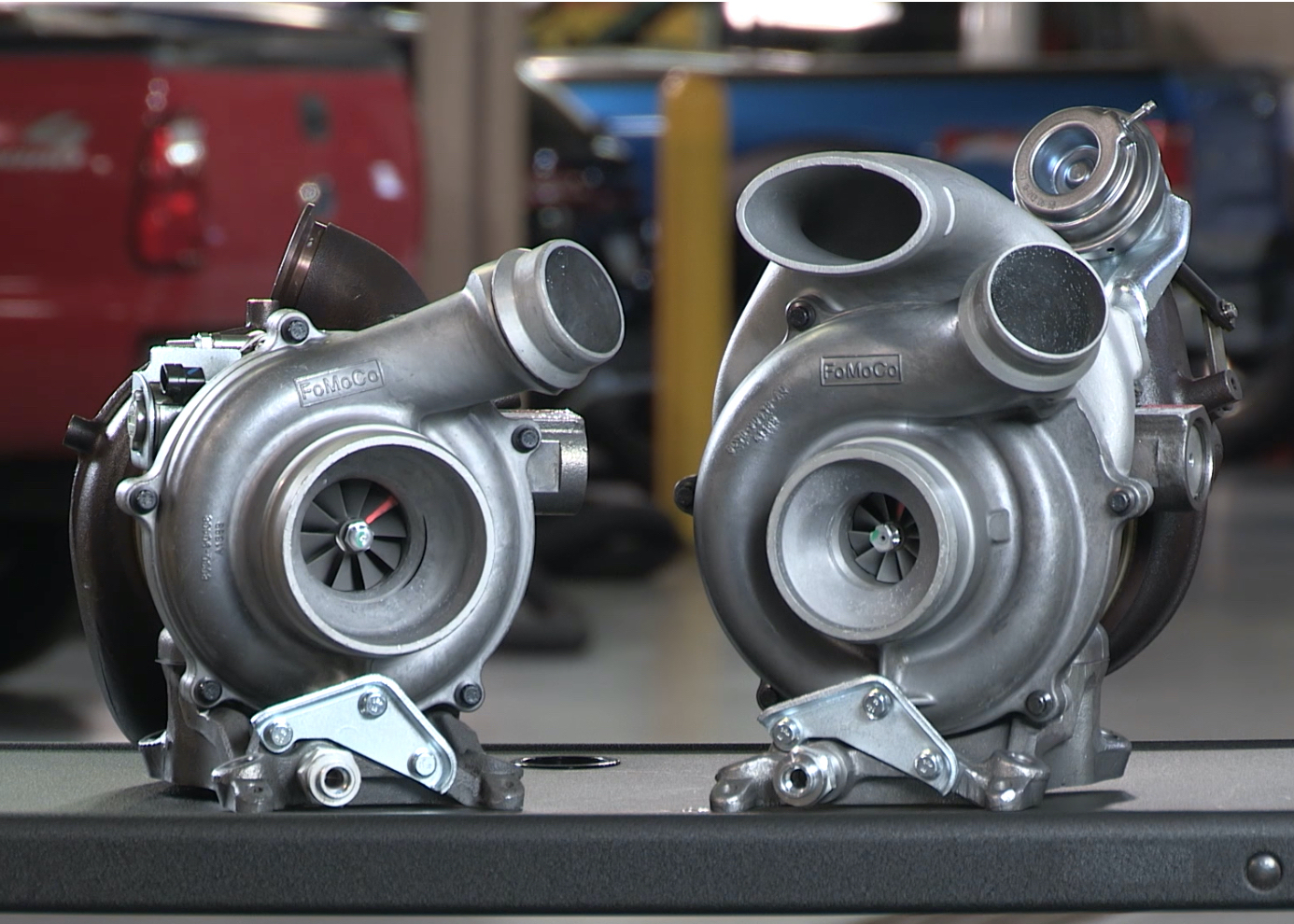
Turbochargers are vital components for enhancing diesel engine performance. By forcing more air into the engine, they increase its power output. Therefore, this allows smaller engines to match the performance of larger engines, leading to improved fuel efficiency without compromising power.
In heavy-duty vehicles such as Duramax, Cummins, Power Stroke pickups, and Sprinter Vans, turbochargers significantly boost towing capacity. They enable these vehicles to handle heavier loads with ease, making them ideal for demanding tasks. Additionally, turbochargers contribute to better overall engine performance, ensuring these vehicles operate efficiently under tough conditions.
The increased air intake from the turbocharger allows the engine to burn fuel more completely. As a result, there is a more powerful combustion process, which directly translates into greater horsepower and torque. For drivers of heavy-duty vehicles, this means more reliable power when it’s needed the most.
Moreover, turbochargers help reduce engine emissions. By optimizing the air-fuel mixture, they promote cleaner and more efficient combustion. This not only benefits the environment but also helps these vehicles meet stringent emission standards.
In summary, turbochargers are indispensable for diesel engines, particularly in heavy-duty applications. They enhance power, efficiency, and environmental performance, making them essential for modern diesel-powered vehicles.
Common Problems in Diesel Turbochargers
Diesel turbochargers play a crucial role in enhancing engine performance, but they are susceptible to several types of failures. Understanding these common failures is essential for maintaining the longevity and efficiency of your diesel engine. Now, we will delve deeper into the typical issues that can lead to turbocharger problems and discuss ways to prevent them.
Causes of Diesel Turbocharger Failures
Oil Contamination
Oil contamination is one of the leading causes of turbocharger failure. When oil is dirty or it’s low quality, it can clog the oil passages within the turbocharger. Consequently, this clogging reduces the lubrication that the moving parts need, leading to increased friction and wear. Thus, to prevent oil contamination, it is crucial to use high-quality oil and replace it regularly, following the manufacturer’s recommendations. Additionally, using proper filters can help keep the oil clean and free from debris.
Worn Bearings
Worn bearings are another common issue with diesel turbochargers. Bearings support the turbocharger’s shaft, allowing it to spin freely at high speeds. However, when lubrication is insufficient, or the oil contains contaminants, the bearings can wear out prematurely. Symptoms of worn bearings include unusual noises and reduced turbocharger efficiency. Regular oil changes and using the correct oil type are vital steps in preventing bearing wear. Additionally, monitoring oil pressure can help detect lubrication issues early.
Excessive Heat
Excessive heat can cause significant damage to a diesel turbocharger. High operating temperatures can warp critical components, leading to decreased efficiency and performance. Heat damage often results from prolonged high-speed operation or insufficient cooling. Ensure the engine’s cooling system functions properly and prevent unnecessary stress on the turbocharger to mitigate excessive heat. Most importantly, regular maintenance checks can help identify cooling system issues before they cause major problems.
Foreign Object Damage
Foreign object damage occurs when debris or particles enter the turbocharger. These objects can damage the turbine blades, leading to imbalance and reduced performance. Common sources of foreign objects include damaged air filters or poorly maintained intake systems. Therefore, to prevent this type of damage, it is essential to inspect and replace air filters regularly and ensure that all intake components are in good condition. Also, maintaining a clean environment around the engine can reduce the risk of debris entering the turbocharger.
Conclusion
In conclusion, diesel turbochargers are vital components of modern diesel engines, but they require proper care and maintenance to function effectively. By addressing issues such as oil contamination, worn bearings, excessive heat, and foreign object damage, you can extend the life of your turbocharger and maintain optimal engine performance. In other words, regular inspections and adhering to recommended maintenance schedules are key to preventing these common failures. Implementing these practices will ensure that your diesel engine runs smoothly and efficiently for years to come.
Common Symptoms of Diesel Turbocharger Failure
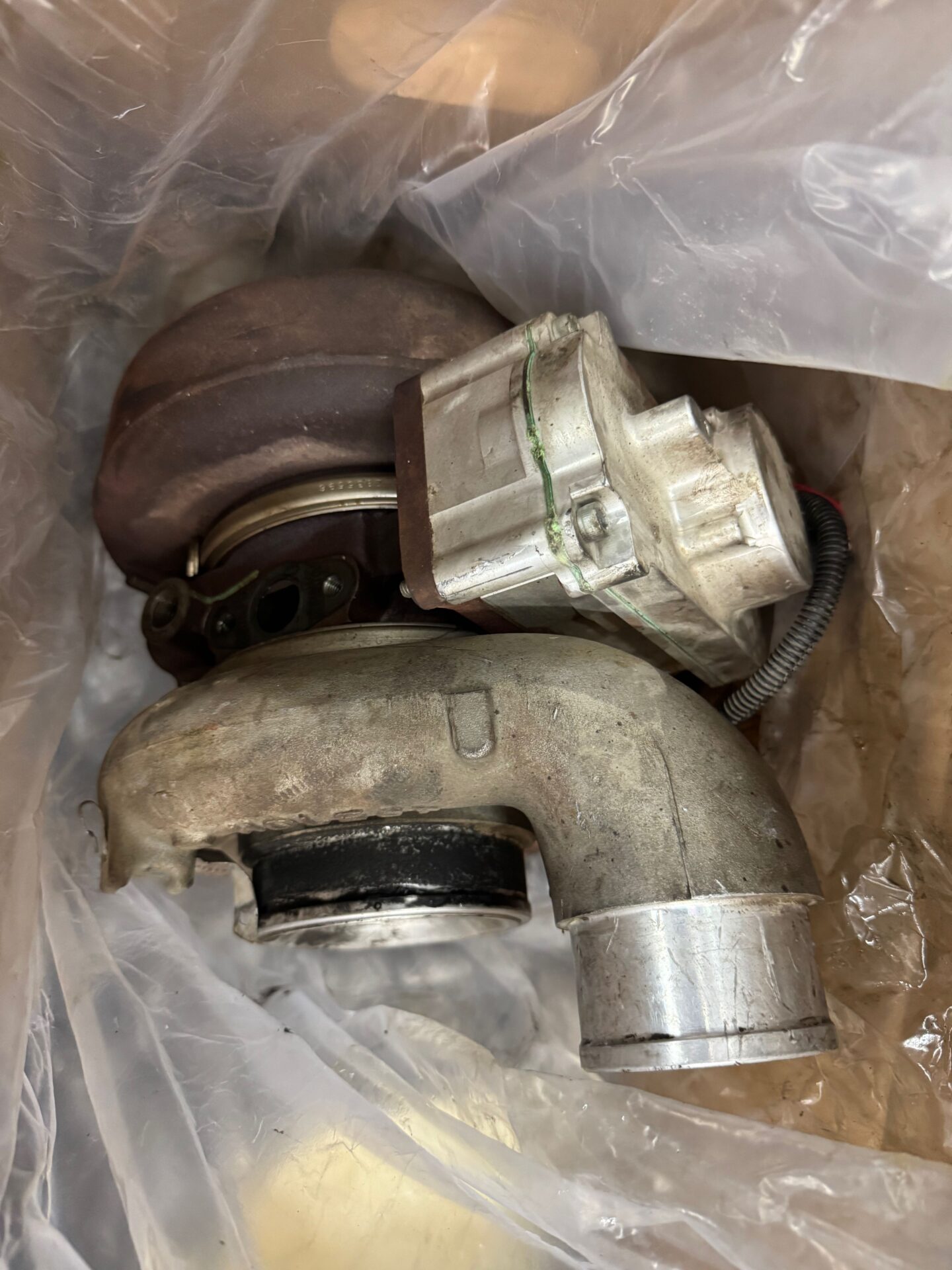
When a turbocharger starts to fail, it can lead to various noticeable symptoms in your diesel vehicle’s performance. Recognizing these early warning signs can help you prevent more severe engine damage and costly repairs down the line. So, let’s dive into the most common indicators of a failing diesel turbocharger and what they mean for your car.
Loss of Power
One of the earliest signs of a failing turbocharger is a noticeable loss of power. Your vehicle may feel sluggish, especially during acceleration. This happens because the turbocharger is no longer effectively forcing air into the engine, reducing its overall performance. Thus, addressing this issue promptly can help avoid further engine complications.
Excessive Exhaust Smoke
Another telltale symptom is excessive exhaust smoke. You may notice thick, black, or blue smoke coming from the tailpipe, which often indicates that oil is leaking into the exhaust system. This occurs when the turbocharger’s internal seals become damaged. Keeping an eye on your exhaust can provide early clues about turbocharger issues.
Whining or Grinding Noises
Also, unusual sounds, such as whining or grinding noises, are common when a turbocharger is failing. These noises typically result from internal component wear or damage, such as a misaligned turbine. Thus, if you hear these sounds, it’s crucial to have your turbocharger inspected as soon as possible to prevent further damage.
Increased Oil Consumption
A failing turbocharger often leads to increased oil consumption. If you find yourself frequently topping off your engine oil, it could be due to oil leaks within the turbocharger. This not only affects the turbocharger but can also put additional strain on your engine, leading to more significant problems if left unchecked.
Check Engine Light Activation
Lastly, the activation of the check engine light is a common indicator of turbocharger failure. To clarify, your vehicle’s onboard diagnostics system may detect irregularities in engine performance, triggering the warning light. While the check engine light can signal various issues, it’s wise to consider the turbocharger as a potential culprit, especially if accompanied by the other symptoms mentioned.
To sum it up, by understanding these common symptoms, drivers can take proactive steps to address turbocharger issues before they escalate. Thus, if you notice any of these signs, contact us to ensure your vehicle remains in top condition. Don’t ignore the early warnings. Addressing these any issues as soon as possible will save you money in the long term.
Routine Maintenance for Diesel Turbochargers
Maintaining a diesel turbocharger properly can significantly extend its lifespan. By following a few essential practices, you can ensure that your turbocharger remains in optimal condition for years to come.
Use High-Quality Oil
Always use high-quality, clean oil specifically designed for diesel engines. The oil lubricates the turbocharger and helps prevent wear and tear. Regularly changing the oil is crucial because dirty oil can lead to the accumulation of sludge, which can damage the turbocharger components. So, by keeping the oil clean, you reduce the risk of overheating and ensure smooth operation.
Replace Air Filters Frequently
Air filters play a vital role in protecting your turbocharger from harmful debris. However, air filters can become clogged with dirt and dust over time. When this happens, debris can enter the turbocharger, causing significant damage. To prevent this, replace air filters regularly. In summary, a clean air filter ensures that only clean air reaches the turbocharger, thereby protecting it from potential harm.
Avoid Aggressive Driving Habits
Driving aggressively, such as rapid acceleration and sudden braking, can put extra stress on the turbocharger. These habits cause the turbocharger to work harder, increasing the likelihood of wear and tear. By adopting smoother driving practices, you minimize stress on the turbocharger, helping it function more efficiently and last longer.
At Temecula Auto Repair & Transmission, we proudly serve the communities of Temecula, Murrieta, Winchester, and French Valley. Our experienced technicians offer a full range of automotive maintenance and repair services. Whether you need routine maintenance or a complete diesel turbocharger replacement, we are here to help. We specialize in servicing diesel pickup trucks and Mercedes-Benz Sprinter vans, ensuring your vehicle runs at peak performance.
By following these maintenance tips and relying on expert services like those at Temecula Auto Repair & Transmission, you can keep your diesel turbocharger in excellent condition and enjoy a smoother, more reliable driving experience.
Diesel Turbocharger Diagnosis and Replacement Process

At Temecula Auto Repair & Transmission, diagnosing a failing diesel turbocharger involves a detailed and systematic approach. Firstly, our skilled technicians begin by performing a comprehensive visual inspection. We look for signs of oil leaks, physical damage, and other visible issues that might indicate turbocharger problems. Next, we’ll listen for abnormal noises, such as whistling or whining sounds, which often signal turbocharger failure. Additionally, we monitor the exhaust for excessive smoke, which can point to oil contamination or other internal issues.
If these initial checks suggest a potential turbocharger failure, we proceed with more advanced diagnostics. We measure boost pressure to ensure the turbocharger delivers adequate power. Moreover, we may perform an oil analysis to detect contaminants that could impair the turbocharger’s function. This thorough evaluation allows us to pinpoint the exact cause of the problem, ensuring accurate and effective repairs.
Reasons for Turbocharger Replacement
Replacing a turbocharger becomes necessary when specific signs of failure are present. We recommend turbocharger replacement if:
- Significant oil leakage indicates compromised seals.
- Worn or damaged turbine blades reduce the turbocharger’s efficiency.
- The bearings exhibit excessive play, which can cause imbalance and further damage.
- The turbocharger cannot maintain the proper boost pressure, leading to a loss of engine power.
To sum it up, addressing these issues promptly is crucial to prevent further engine damage and ensure optimal performance.
Turbocharger Replacement Process
We meticulously design our turbocharger replacement process to restore your diesel vehicle to its best condition. The steps involved are as follows:
Removing the Old Turbocharger:
Firstly, we begin by disconnecting the intake and exhaust systems. We carefully remove the old turbocharger, ensuring we do not damage any surrounding components during the process.
Inspecting Related Components:
Once the old turbocharger is out, we inspect surrounding parts for damage or wear. We’ll check components such as the intercooler, hoses, and exhaust manifold to ensure they are in good condition.
Installing the New Turbocharger:
After confirming that all related components are functional, we’ll install the new turbocharger. We make sure that all connections, including oil and coolant lines, are secure and properly aligned.
Testing the System:
The final step involves testing the engine to verify that the new turbocharger operates correctly. We check for proper boost pressure and listen for any unusual noises to confirm the installation’s success.
By following this detailed process, we ensure your diesel vehicle regains its peak performance. Our team at Temecula Auto Repair & Transmission has dedicated itself to providing expert diesel turbocharger replacement services. We proudly serve Temecula, Murrieta, Winchester, French Valley, and the surrounding communities. Whether you drive a Ram/Dodge Cummins Diesel Pickup, a Chevrolet or GMC Duramax Diesel, a Ford Power Stroke Diesel, or a Sprinter Diesel van, don’t wait—call us today and ensure your diesel engine stays powerful, efficient, and ready for the road ahead!